















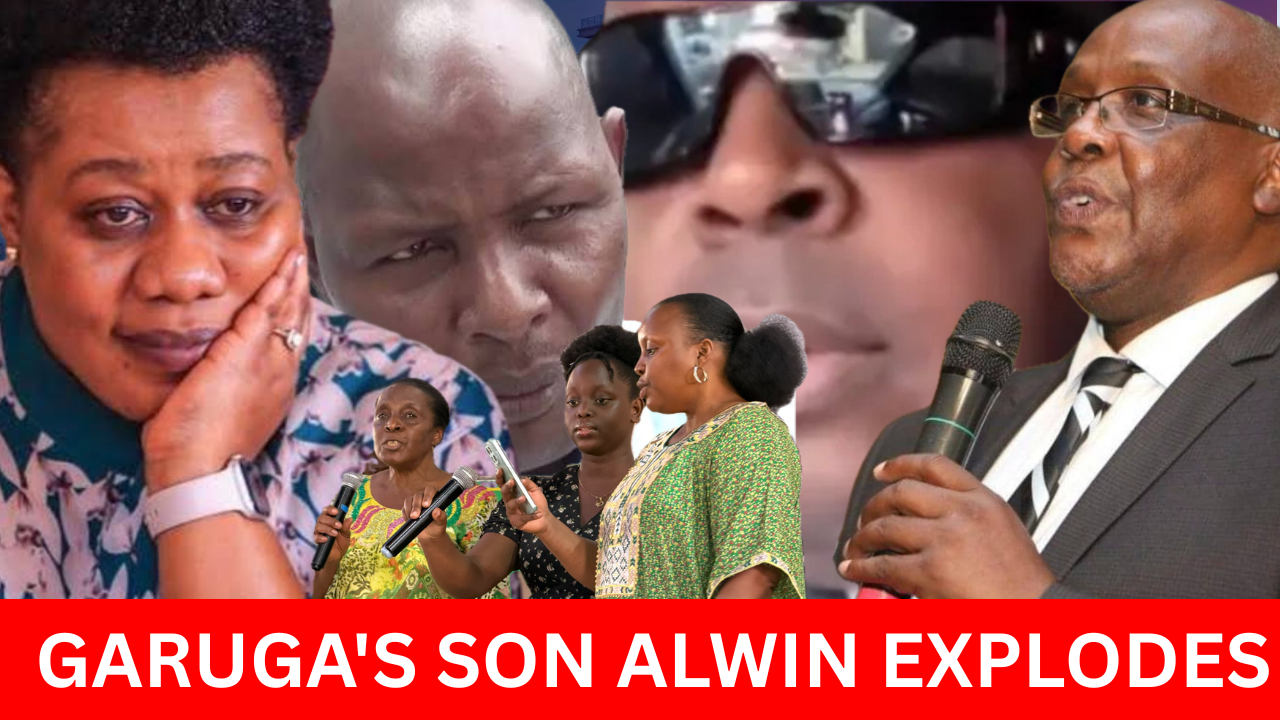
The bitter battle over the estate of the late businessman and philanthropist James Musinguzi Garuga has taken a dramatic and potentially explosive turn, with his son Alwin Garuga alleging that his father was murdered because of a huge government compensation package that was allegedly in the pipeline.
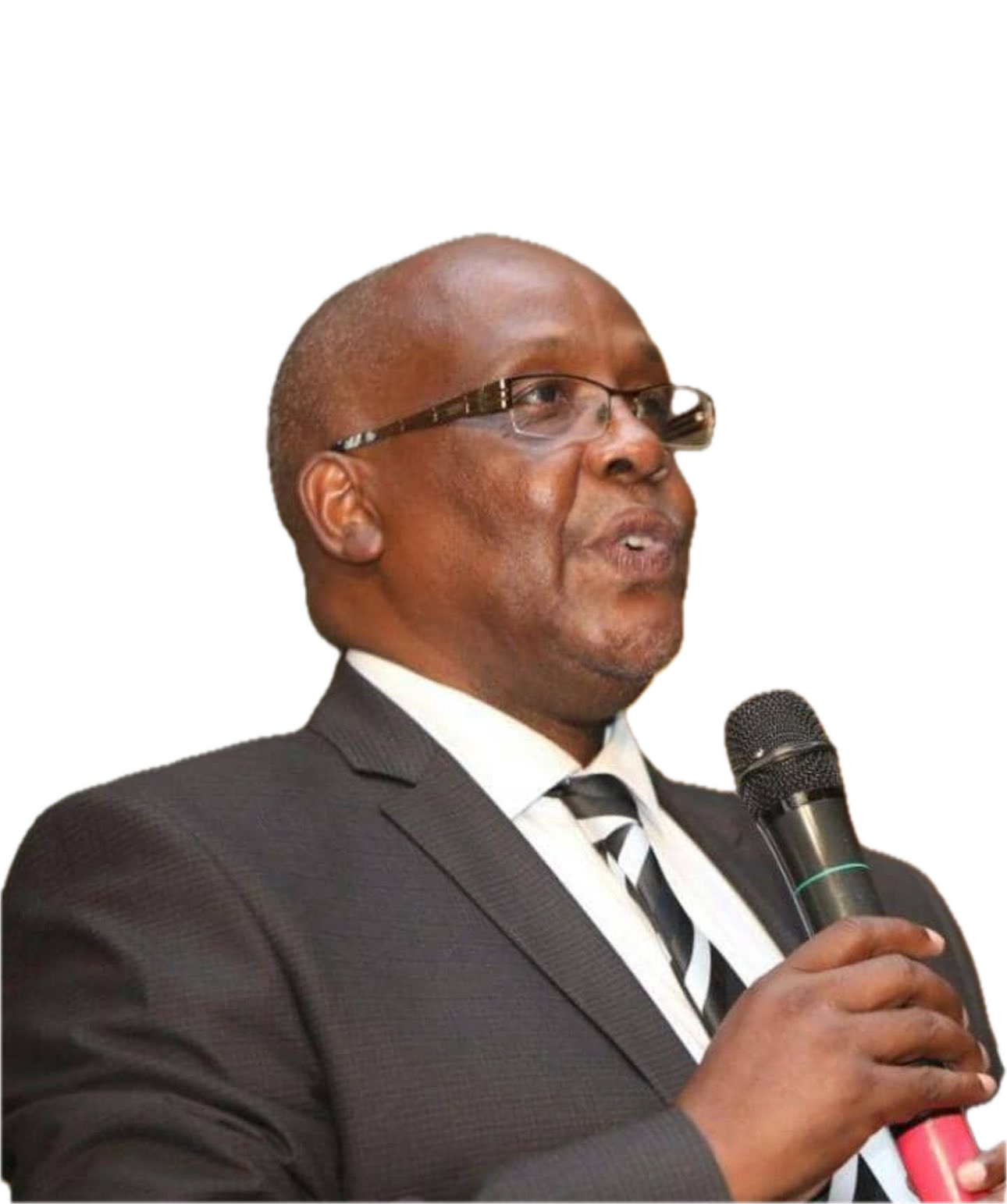
In a video circulating on social media, Alwin makes a startling accusation, claiming that individuals motivated by money were responsible for his father’s death and that they were particularly interested in an estimated Shs200 billion government compensation.
“They murdered my father for money, especially Shs200 billion Government compensation that was in pipeline but they will not get it, good luck to them,” Alwin says in the video.
The allegation, if substantiated, could transform what has largely been viewed as an inheritance and estate-management dispute into a much more serious matter involving questions about the circumstances surrounding Garuga’s death, the administration of his estate and the status of compensation allegedly owed to him by government.
However, Alwin’s claim remains an allegation and has not been independently established. No evidence has been publicly produced proving that Garuga was murdered or that anyone killed him to access the alleged compensation. Any such claim would require investigation by the relevant authorities.
Garuga, a prominent businessman, politician and philanthropist from Kanungu District, died on August 6, 2025, at Nakasero Hospital in Kampala. He was 72. Contemporary reports said he had been admitted after experiencing health complications. The media reported that he died from oesophagus cancer.
His death was followed by widespread tributes from political, business and community leaders, who described him as an entrepreneur, philanthropist and development advocate. But behind the public mourning was a complicated financial legacy.
The Shs200bn Question
One of the most important elements in Alwin’s allegation is the claimed Shs200 billion government compensation.
There is evidence that Garuga was pursuing compensation from government relating to properties or ranches. At the time of his death, Finance Minister Matia Kasaija publicly acknowledged that government had not yet paid Garuga compensation for what was described as lost ranches.

According to New Vision, Kasaija said he had visited Garuga while he was in hospital and that the businessman asked about money he was owed by government, which he wanted in part to facilitate medical treatment abroad. Kasaija said he had instructed the Permanent Secretary to follow up on the matter, but Garuga died before the money was paid.
That acknowledgement gives context to the compensation issue now being raised by Alwin. The precise figure of Shs200 billion, however, should be treated carefully unless supported by official government documents, court records, valuation reports or other authoritative evidence.
If such a claim exists, critical questions arise: How much was government actually supposed to pay? For which properties? Under what compensation arrangement? Had the amount been approved? Was there a valuation? Had Parliament appropriated the money? Was payment already authorised, or was it still under negotiation?
These questions will be central to determining whether the alleged Shs200 billion was a genuine imminent payment or merely an anticipated claim.
A Family Estate Under Pressure
The compensation dispute has emerged as the Garuga family faces a broader battle over the administration and control of his estate.
Recent reports indicate that the family feud has intensified, with Alwin making serious allegations concerning the management of his late father’s affairs. Reports circulating online have also referred to disputes involving family members, lawyers and the handling of Garuga’s assets. The estate is significant because Garuga was not an ordinary businessman.
He built interests across agriculture, tourism, real estate and manufacturing and was associated with enterprises including Garuga Properties, Incafex Group, Kinkizi Development Company, Kigezi Highland Tea and Savannah Resort Hotel.
His business interests, therefore, potentially left behind substantial assets whose control could become a major source of disagreement among beneficiaries. The compensation claim adds another layer.
If government compensation was indeed payable to Garuga, the money would potentially form part of his estate unless there was a legally established arrangement providing otherwise.
This raises an obvious question: Who is entitled to pursue the compensation following his death? It also raises questions about who has authority to administer the estate, whether there is a valid will, who the recognised administrators are and whether any government payment can lawfully be redirected to individuals outside the established estate administration process.
Garuga’s Final Days
The circumstances surrounding Garuga’s final days are likely to attract renewed attention following his son’s allegations. Public accounts at the time of his death did not suggest murder.

His family and associates described him as having been seriously ill. The media reported that he died from oesophagus cancer, immediately he had been admitted to Nakasero Hospital after breathing complications.
His widow, Dr Peace Musinguzi, told mourners that the family had tried to obtain approval for him to travel to London for treatment but had failed to secure the necessary visa approvals.
That account is significant because it provides a publicly documented explanation of his deteriorating health before his death. Alwin’s new allegation therefore presents a dramatically different dimension. If he believes his father was deliberately killed, the logical next step would be for him to provide the authorities with whatever evidence supports that belief and request a formal investigation. The allegation should not, however, be treated as proof of homicide.
Who Would Benefit?
At the heart of Alwin’s claim is a question that investigators would have to answer if a formal inquiry is opened: Who stood to gain from Garuga’s death? If the alleged Shs200 billion compensation was genuinely close to payment, investigators would need to establish who knew about it, who had access to information about the claim and who stood to benefit from its eventual payment.

They would also need to examine the legal status of the compensation and determine whether Garuga had entered into agreements concerning the money before his death. Any investigation would have to follow the documentary trail rather than speculation.
Government correspondence, valuation reports, cabinet or ministry decisions, court orders, land records, compensation agreements, bank records and estate documents could establish whether the claimed compensation existed and who was legally entitled to it.
The Garuga Legacy
Whatever the outcome of the estate dispute, Garuga left behind a substantial public legacy.
He was remembered in Kanungu and the wider Kigezi region as an entrepreneur and philanthropist who supported education, development and community initiatives.
He was also associated with Kabale University and Valley University, where he served as chancellor, and was widely credited with promoting tea production and investment in southwestern Uganda. His death triggered tributes from senior political figures, including former Prime Minister Amama Mbabazi and Finance Minister Matia Kasaija. Kasaija described Garuga as a wealthy businessman whom he had known for decades, while other mourners praised his generosity and commitment to development.
But the latest allegations threaten to overshadow that legacy. The central issue is no longer simply who inherits Garuga’s wealth. It is whether his estate was properly constituted, whether government owes it substantial compensation and, most importantly, whether there is credible evidence behind Alwin’s extraordinary claim that his father was killed for money.
For now, that allegation remains unproven. But given the size of the alleged compensation and the intensifying family dispute, the matter demands clarity.
If the Shs200 billion exists, the public deserves to know its legal status. If there is evidence of foul play, law enforcement should investigate it. And if the allegation is unfounded, the relevant parties should be given an opportunity to establish the facts.
The Garuga estate battle has therefore entered a new and far more serious phase—one in which questions about inheritance, government compensation and the circumstances of a prominent businessman’s death are now colliding.
The ultimate test will be whether the dispute is settled through evidence and the law, rather than competing accusations.
Author Profile

- Charles Gazza Kodili is a seasoned journalist with over 20 years of experience in the media industry. He holds a Bachelor of Arts degree in Mass Communication. He’s currently the Chief Editor at the Investigator.
Charles can also be reached via; Tel: +256 774 108978
Email: [email protected]
Latest entries
 FeaturedOctober 16, 2026KAWOOYA UNDER FIRE AS MINISTRY DENIES DR CANDIA SUSPENSION: Health Ministry Says Arua Doctor Remains In Office After Minister Reportedly Ordered Him To Hand Over For “Pocketing”
 FeaturedOctober 14, 2026MATHEW BAGONZA BAIL DEAL DEALS A BLOW TO CDF GEN. MUHOOZI: Rwabwogo’s Camp Sees Relief After Weeks Of Confrontation, As Reported First Family Tensions Raise Questions About The CDF’s Fight With His Brother-In-Law
 FeaturedOctober 14, 2026GOVERNMENT TO CASH IN ON CHARCOAL TRADE: Government Plans To Formalise The Charcoal Business Through Trade Licences, Taxation And Strict Monitoring Of Producers And Dealers
 FeaturedOctober 13, 2026‘PRODUCE SAM MUGUMYA NOW’ — SSENYONYI: LoP Tells Parliament Families Of Missing Ugandans Deserve Answers, Freedom And Justice As He Challenges Government Over The Opposition Activist’s Fate