






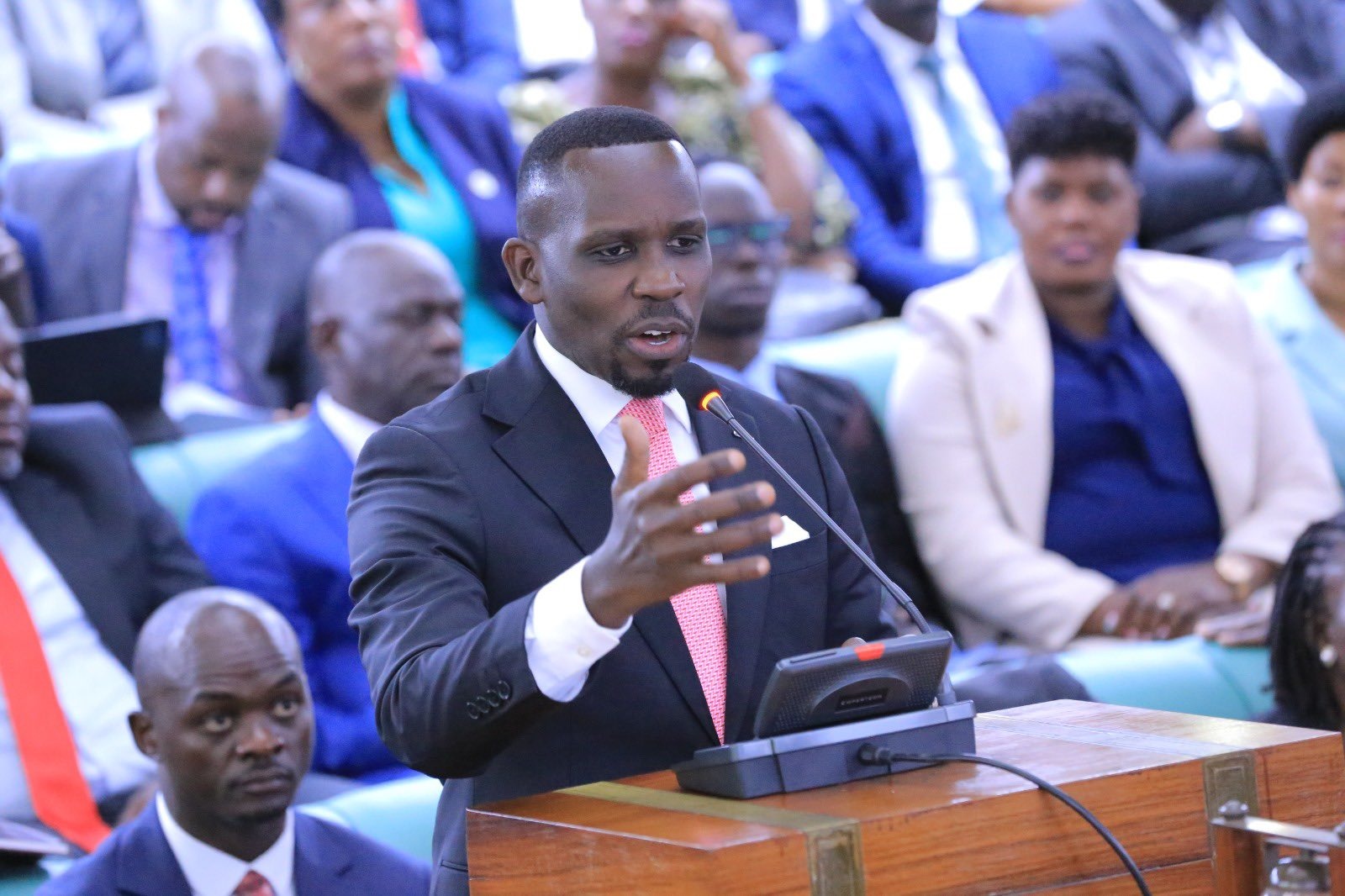
The whereabouts of opposition activist Sam Mugumya have returned to the centre of Uganda’s human rights debate after this afternoon in August House, the Leader of the Opposition in Parliament Joel Ssenyonyi demanded that the government account for him and other people whose families say they were abducted or detained without clear information about their whereabouts.
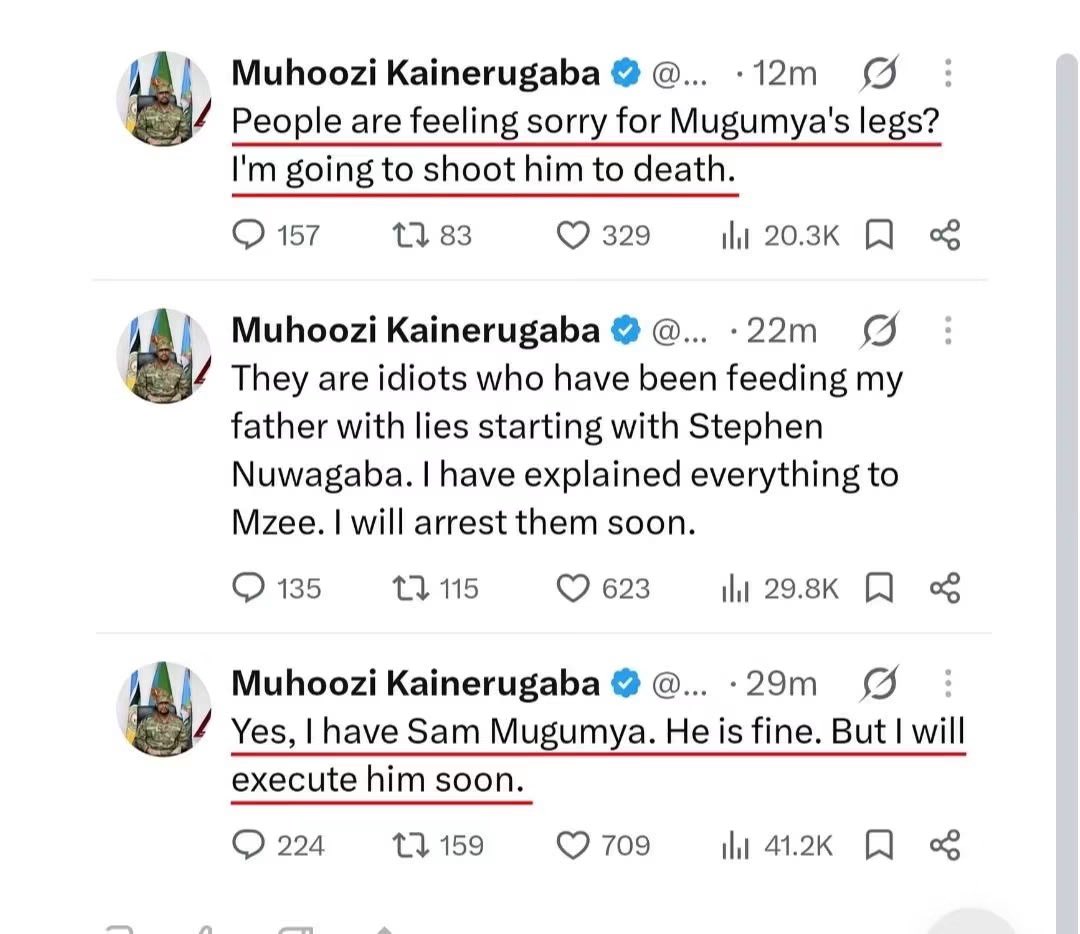
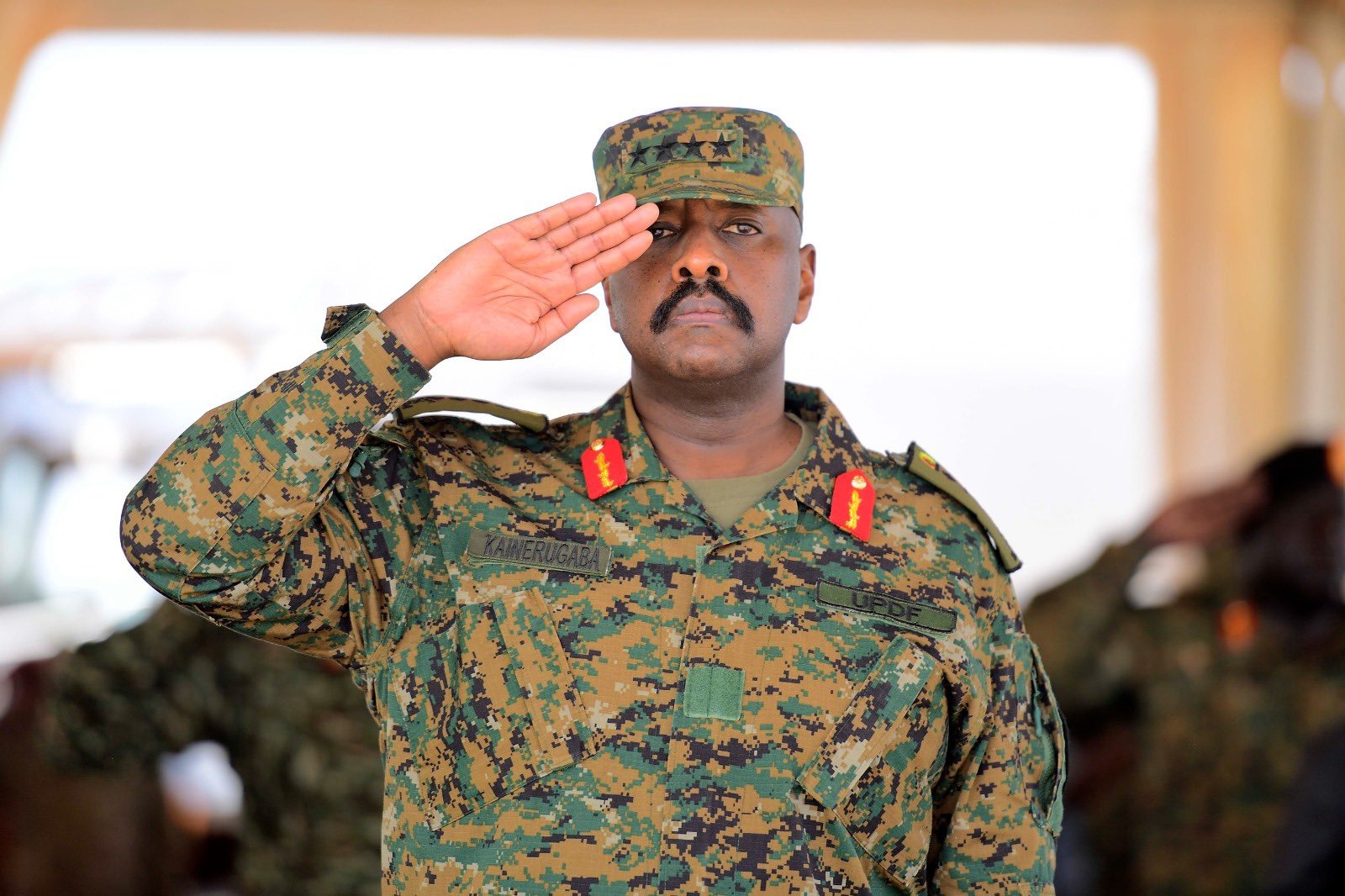
The controversy took a new turn following a recent post on X by Chief of Defence Forces (CDF) Gen Muhoozi Kainerugaba confirming that he was holding Mugumya, an opposition activist whose troubles with the government have spanned several years.
Ssenyonyi made the demand while reflecting on the meaning of Uganda’s Independence Day, arguing that freedom, justice and fairness remain incomplete when families cannot establish where their loved ones are being held or obtain answers from the authorities.
 In his message, Ssenyonyi highlighted Mugumya alongside Christopher Godi, popularly known as King Zale, and journalist Eria Jengo, whose families have reportedly been searching for answers following their alleged abductions or disappearance.
“Independence means freedom, justice and fairness, these are the ideals that our grandparents fought for. The reality is that there are some families that are looking forward to that justice,” Ssenyonyi said on floor of parliament.
He added that Mugumya’s family had been waiting for more than a year without knowing where he was, while Godi was reportedly taken in April and Jengo was also reported missing.
The Leader of the Opposition’s intervention raises renewed questions about the treatment of government critics, the responsibility of security agencies to account for people in their custody, and the constitutional protections against arbitrary detention and torture.
From an eight-year Congo detention to another disappearance
Mugumya’s latest troubles revive a long history of confrontation with security agencies arising from his political activism and association with veteran opposition politician Dr Kizza Besigye.
A former student leader and secretary-general of the Forum for Democratic Change (FDC) Youth League, Mugumya became prominent during opposition campaigns in the early 2000s. He was among the activists who participated in the Walk to Work protests of 2011, organised to challenge rising living costs and the government’s handling of the economy.
His activism frequently brought him into conflict with the police, including arrests during political campaigns and demonstrations. In 2011, he was charged with treason following a demonstration, but the case was dismissed in 2013, according to previous media reports.
 His most dramatic ordeal began in November 2014, when he disappeared from public view and was subsequently reported to have been arrested in the Democratic Republic of Congo (DRC).
Ugandan military officials at the time confirmed his arrest in Congo, where he faced allegations of illegal entry and involvement in activities aimed at destabilising the Ugandan government. Human rights organisations expressed concern about his detention and the risk of torture, while questions persisted over the circumstances of his arrest and the information available to his family.
Mugumya spent approximately eight years in detention in the DRC, including at Ndolo military prison in Kinshasa. He was released on October 21, 2022, after a prolonged legal and diplomatic ordeal.
His return to Uganda did not end his political struggles. Mugumya remained associated with the opposition and continued to be identified with Besigye, whose own political and legal battles have repeatedly placed him at odds with the authorities.
Arrest in Mbarara and conflicting accounts
 The latest episode began on August 26, 2025, when Mugumya was reportedly picked up by armed men from a hotel in Mbarara City. Witness accounts cited in media reports indicated that some of the men were dressed in military uniform.
His whereabouts subsequently became the subject of court proceedings after concerns mounted that he was being held incommunicado.
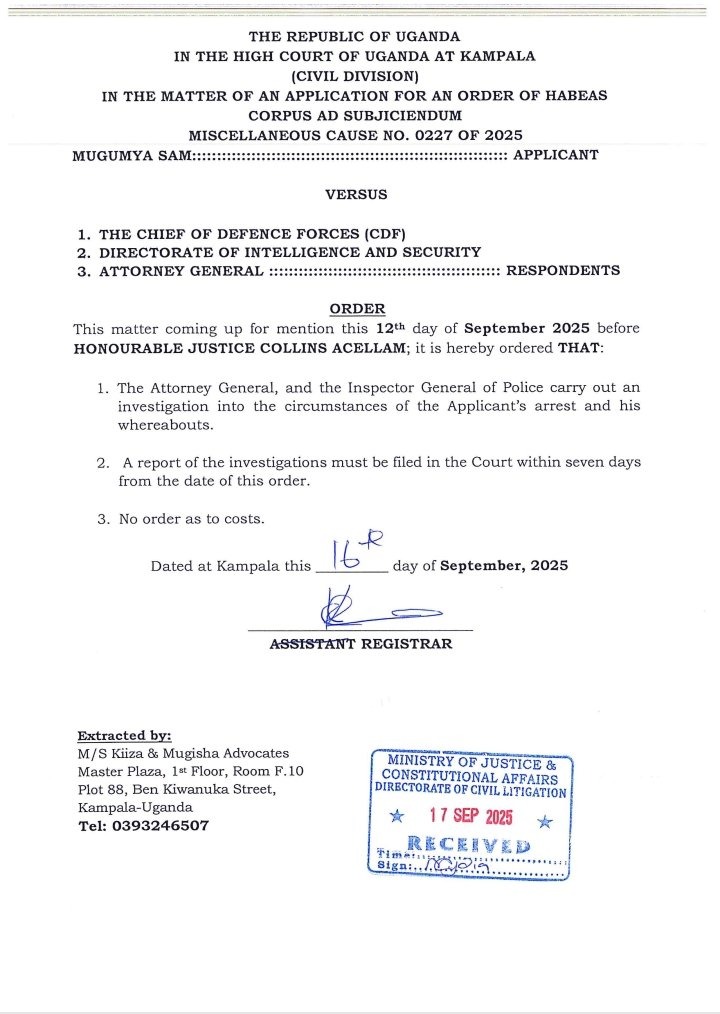
In September 2025, the High Court issued a writ of habeas corpus requiring the authorities to account for Mugumya and address the question of the lawfulness of his detention. The legal action placed the responsibility on the relevant respondents to respond to the allegations surrounding his disappearance.
However, the UPDF denied holding him. In an affidavit filed before court, Lt Col Edgar Musasizi said the army had checked its detention facilities and records but found no evidence that Mugumya was in its custody.
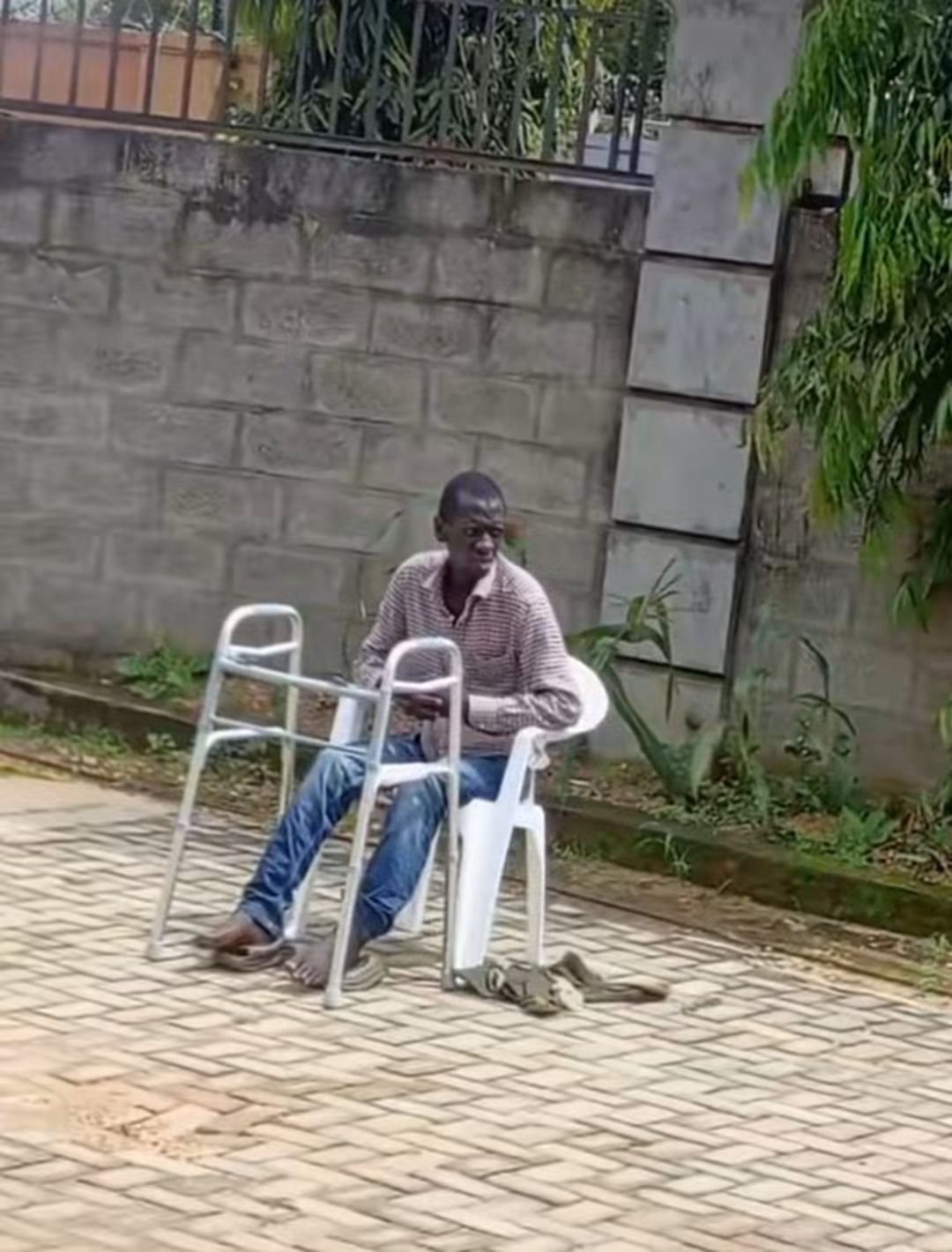
That denial has now come under renewed scrutiny following Gen Muhoozi’s statements on X. In an October 3 statement, the CDF threatened to shoot Mugumya, while responding to public concern about footage purportedly showing the activist in a severely weakened condition. The report also highlighted the contradiction between the military’s earlier denial of custody and the CDF’s public statements.
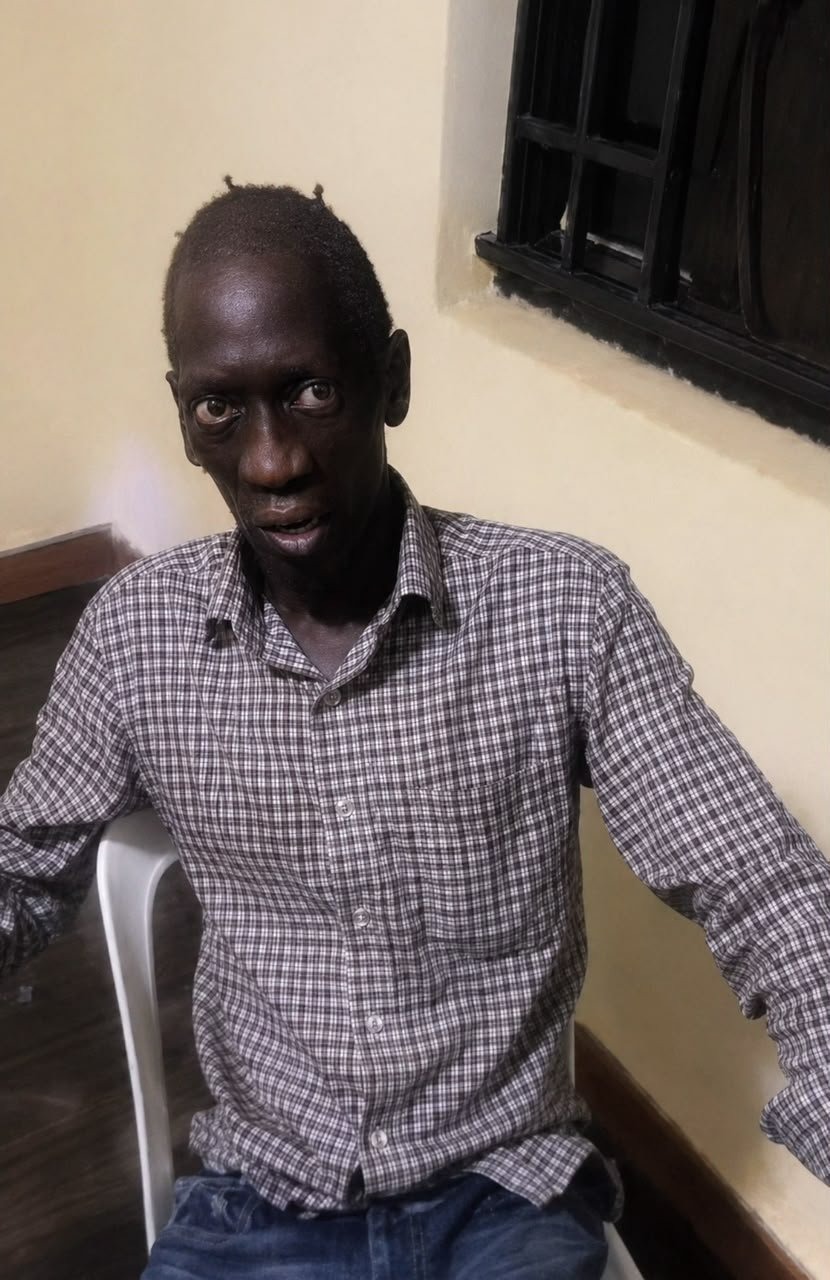
The footage, which circulated on social media, was alleged to show Mugumya struggling to walk. Its precise location, date and circumstances had not been independently verified in the reports cited. Claims that he had been tortured or left disabled therefore require an independent investigation rather than being treated as established findings.
 Nevertheless, the public statements attributed to the CDF have intensified calls for authorities to clarify Mugumya’s location, physical condition and legal status.
Parliament demands accountability
The matter has also drawn the attention of Parliament, where Ssenyonyi has questioned why people suspected of committing offences are not being brought before courts of law.
During a parliamentary sitting on October 1, the Leader of the Opposition asked the government to account for Mugumya and other people reported missing. He argued that if the individuals had committed offences, the authorities should charge them in court instead of leaving their families uncertain about their fate.
Government Chief Whip Jane Ruth Aceng told Parliament that the government had received names of people reported missing by the Opposition and that the Ministry of Internal Affairs was following up on the cases.
Speaker of Parliament Jacob Oboth directed the government to provide a report on the missing persons within two weeks.
Besides Mugumya, Ssenyonyi has raised the cases of Christopher Godi, popularly known as King Zari or King Zale, and journalist Eria Jengo, also reported missing. Their cases have added to pressure on the government to explain what steps are being taken to trace them and establish whether they are being held by any security agency.
 The Justice Forum (JEEMA) has separately demanded that Mugumya be produced before the High Court and called for an independent investigation into allegations of torture at a purported military detention facility in Abayita Ababiri along Entebbe Road. The UPDF has dismissed the allegations concerning the alleged facility as fabricated.
Independence and the question of civil liberties
Ssenyonyi’s Independence Day message gives the controversy a broader political dimension. More than six decades after Uganda attained independence, the Opposition argues that national sovereignty must be accompanied by protection of individual freedoms and the right to due process.
For Mugumya’s family, the immediate question is where he is, whether he is alive and safe, and whether he will be allowed access to lawyers, relatives and medical care.
For the government and security establishment, the controversy presents a demand for a clear and consistent account of the activist’s whereabouts, especially given the earlier denial that he was in military custody.
 The constitutional principle at stake is straightforward: anyone detained by the state must be treated lawfully and afforded the protections provided by the law. Allegations of criminal conduct must be addressed through recognised judicial procedures, while allegations of unlawful detention or torture require credible investigation.
The CDF’s public remarks have made the demand for accountability more urgent. If Mugumya is in custody, authorities should identify the legal basis for his detention and produce him before a competent court. If he is not being held by the military, the government should explain what is known about his whereabouts and investigate the conflicting accounts.
Ssenyonyi’s demand, therefore, extends beyond one opposition activist. It challenges the government to demonstrate that constitutional safeguards apply equally to critics and supporters of the ruling establishment.
Until Mugumya’s whereabouts and condition are independently established, his family’s search for answers and Parliament’s demand for accountability will remain a test of the government’s commitment to the freedoms celebrated on Independence Day.
Author Profile
- Charles Gazza Kodili is a seasoned journalist with over 20 years of experience in the media industry. He holds a Bachelor of Arts degree in Mass Communication. He’s currently the Chief Editor at the Investigator.
Charles can also be reached via; Tel: +256 774 108978
Email: [email protected]
Latest entries
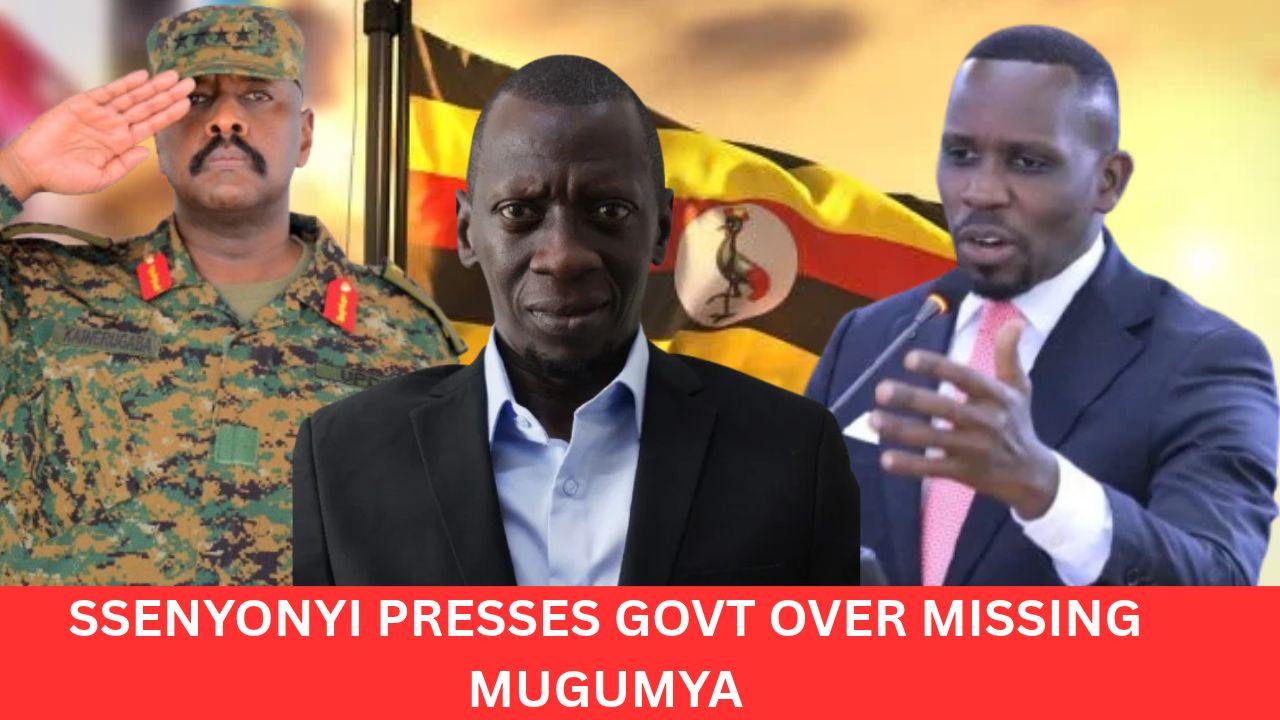 FeaturedOctober 13, 2026‘PRODUCE SAM MUGUMYA NOW’ — SSENYONYI: LoP Tells Parliament Families Of Missing Ugandans Deserve Answers, Freedom And Justice As He Challenges Government Over The Opposition Activist’s Fate
 FeaturedOctober 13, 2026‘IT WAS USELESS!’ OTAFIIRE CHALLENGES VEHICLE TRACKING SYSTEM: The Former Internal Affairs Minister Maj Gen (Rtd) Otafiire Tells Mps That A Test Raised Doubts About Tracking Vehicles After Their Number Plates Were Removed, Contradicting The Confidence Placed In ITMS
 FeaturedOctober 13, 2026FROM PRESIDENT TO REBEL LEADER: Why Former DRC president Joseph Kabila Has Taken Leadership Of New Political-Military Alliance As Rebellion Deepens In The Mineral-Rich East
 FeaturedOctober 12, 2026MAGOGO’S FOREIGNERS DRIVE OUT CRANES LEGENDS: Cranes Captain Khalid Aucho’s Retirement Sparks Fears Of An Exodus As Established Ugandan-Born Players Reportedly Consider Quitting The National Team