











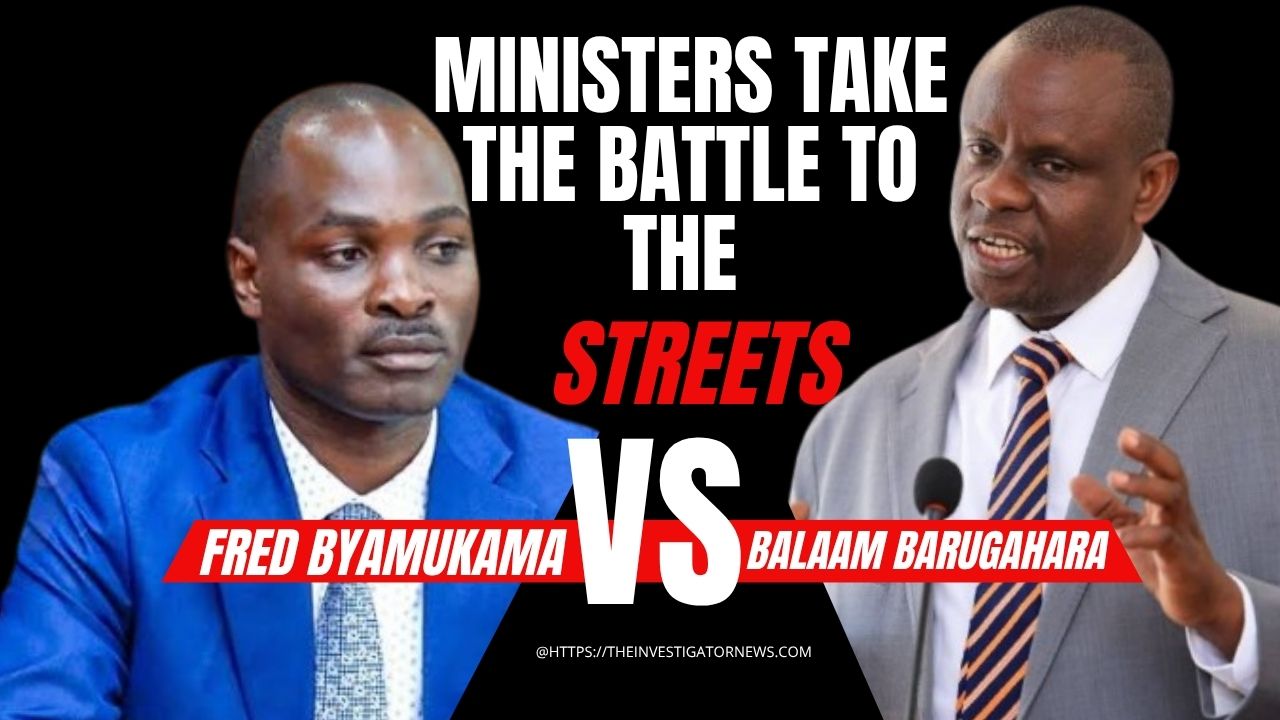
Since President Yoweri Museveni inaugurated his new Cabinet to help steer the country through the 2026–2031 presidential term, a new phrase has increasingly defined the mood in government: “Kisanja No Sleep.” Among the ministers who have appeared to take that slogan literally are two relatively youthful members of Cabinet—Local Government Minister Balaam Barugahara and Works and Transport Minister Fred Byamukama.
The two have adopted highly visible, field-based approaches to government work. Instead of limiting their activities to meetings and paperwork in Kampala, they have increasingly taken their ministries into the districts, onto roads, into government offices and, in some cases, into confrontations with officials accused of incompetence, corruption or poor service delivery. Their methods are different. Balaam has built his profile around anti-corruption operations, inspections and exposing failures in local government, frequently working alongside enforcement agencies.
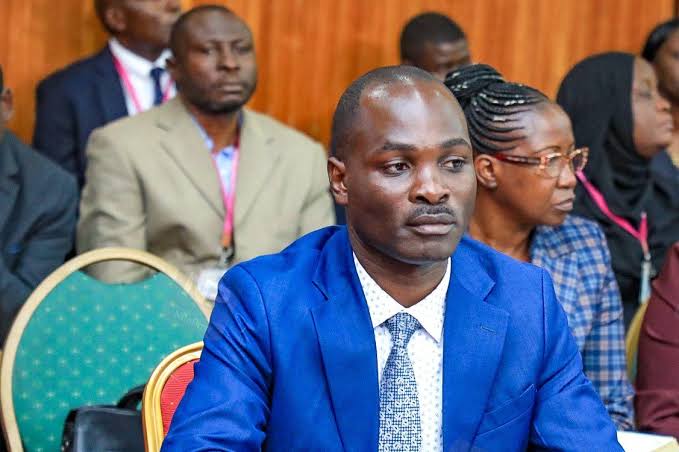
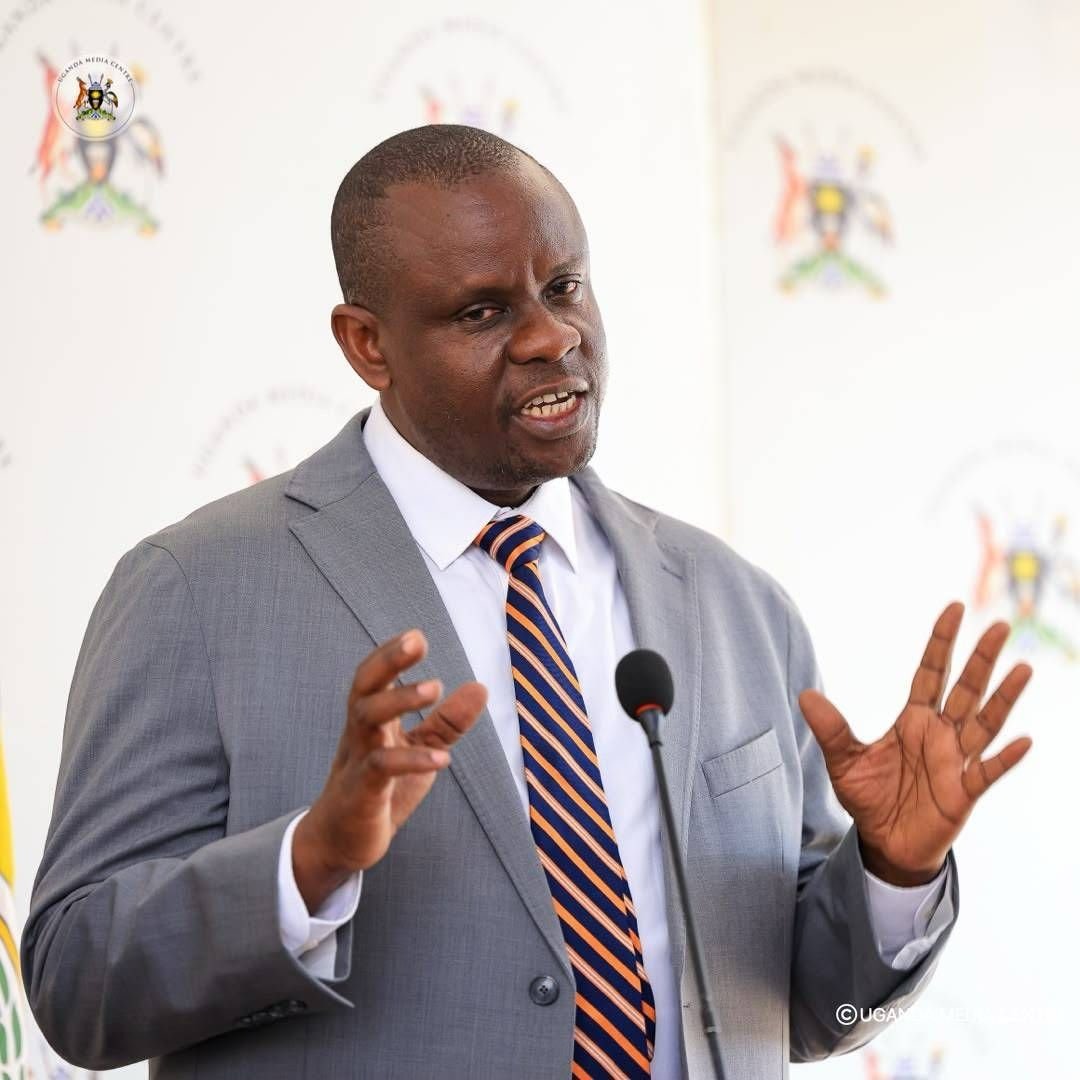
Byamukama, meanwhile, has concentrated on roads, transport regulation and enforcement, with his most dramatic recent intervention being the crackdown on taxis classified as being in a Dangerous Mechanical Condition (DMC). The result has been a growing public debate: which of the two is doing better?
Balaam: The minister who took the ministry to the field
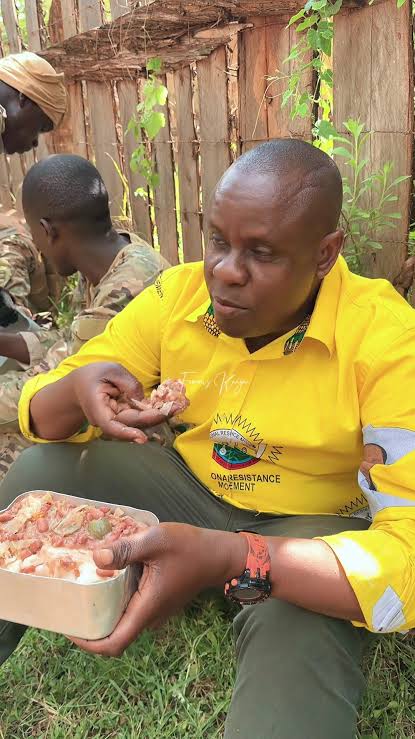
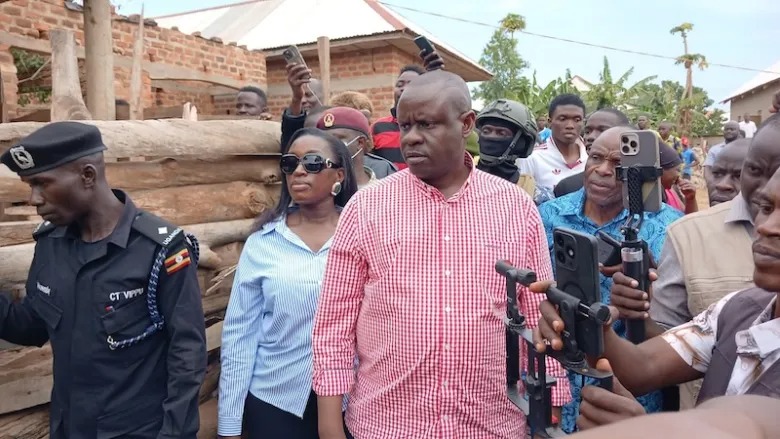
Balaam Barugahara entered the Local Government docket with a reputation for being politically energetic and highly visible. Since taking the oath of office, he and his deputy, Justine Nameere, have spent considerable time travelling across districts, inspecting local government projects and demanding answers from officials over allegations of corruption, poor management and failure to account for public resources.
His approach has been built around an “Expose Corruption” campaign, through which he has worked with the State House Anti-Corruption Unit (SH-ACU), the police Criminal Investigations Directorate and other enforcement agencies. The minister’s presence in the field has sometimes generated controversy.
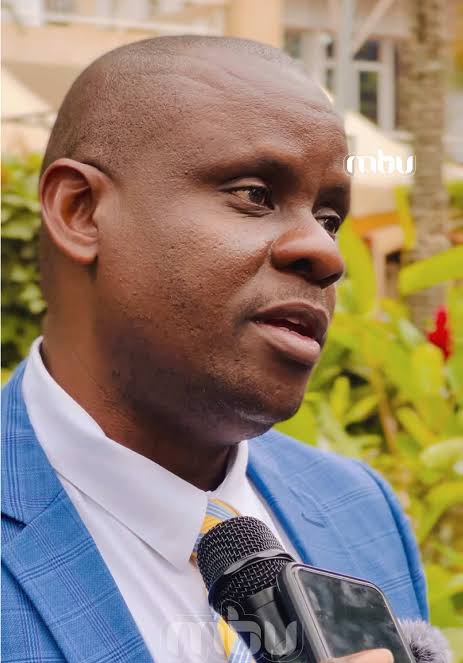
Critics, including some lawyers and government officials, have questioned whether a minister should personally participate in operations that traditionally fall within the responsibilities of Resident District Commissioners, police commanders, investigators, the Inspectorate of Government and specialised anti-corruption agencies. Balaam has responded that he is not replacing those institutions.
His explanation has been that the enforcement officers accompanying him are the people mandated to make arrests, conduct investigations and interrogate suspects, while his responsibility as minister is to supervise the local government system and demand accountability. That distinction, however, has not prevented the operations from becoming increasingly associated with the minister himself.
The bridge inspections
One of Balaam’s most striking interventions came during his tour of Bundibugyo District, where he inspected infrastructure projects and raised questions over the quality and value for money of public works.
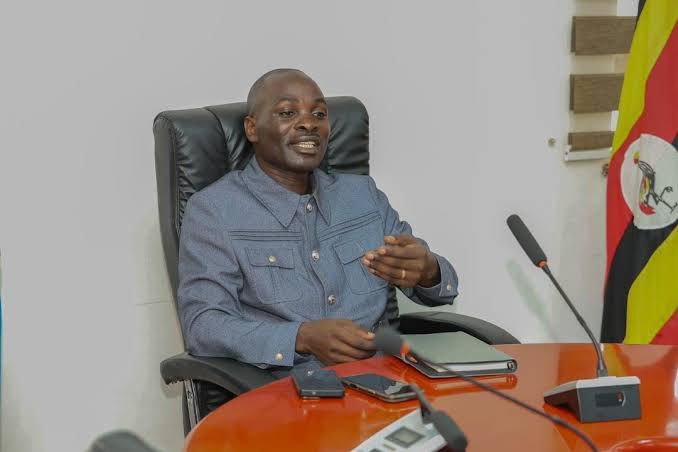 The minister was particularly angered by the condition of Tokwe Bridge, which he said had reportedly been constructed at a cost of about Shs350 million but had collapsed before commissioning. He also pointed to several other bridges in Bundibugyo that had reportedly been washed away. “Who designed, supervised, certified and paid for these works? Who approved them? Who benefited?” Balaam asked after the inspection.
He demanded that the facts be established, lost money recovered and those responsible held accountable. “Whoever ate even a cent meant for these bridges will vomit it,” he warned, declaring that the era of eating public funds should be over. The dramatic language has helped Balaam connect with ordinary Ugandans who often complain that government allocates money for roads, bridges, schools and health facilities but citizens do not see value for that expenditure. For supporters, the minister is doing what many public officials have failed to do—go to the ground and see what is actually happening.
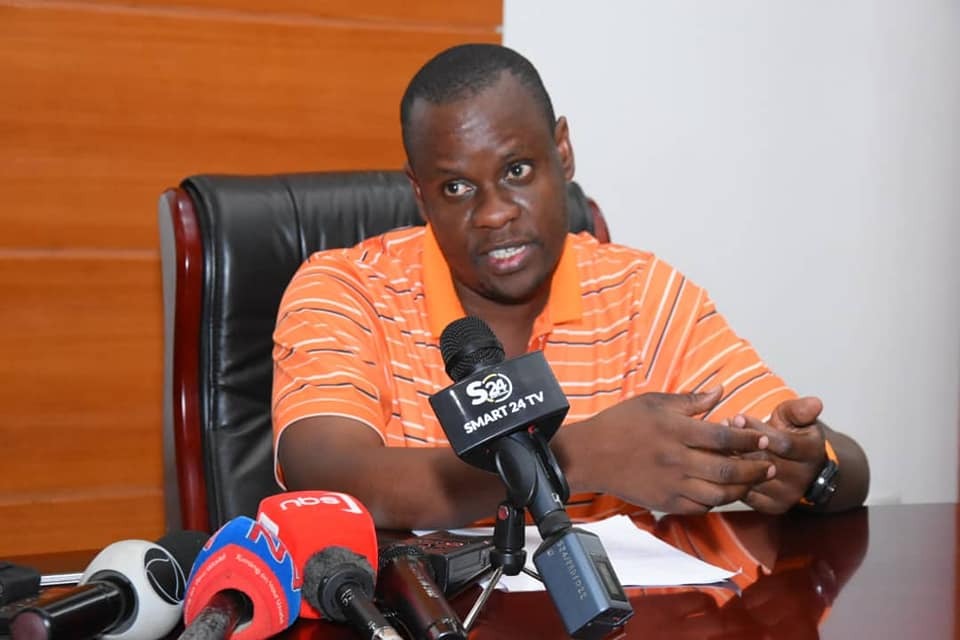
“Balaam in just a few months has exposed what the system has failed to do in the last decades. We are for him and we thank God for his life,” said Mercy Namubiru, a resident of Masaka City. But his critics argue that arrests and dramatic inspections alone will not solve Uganda’s institutional problems. They want the operations to produce successful prosecutions, recovery of public funds and lasting improvements in service delivery. That is the real test facing Balaam.
Byamukama: From roads to the taxi crackdown
If Balaam’s battlefield is the district, Byamukama’s has largely been the road. The Works and Transport minister inherited one of the most challenging portfolios in government, overseeing roads, transport infrastructure and agencies responsible for some of the country’s biggest public investments.
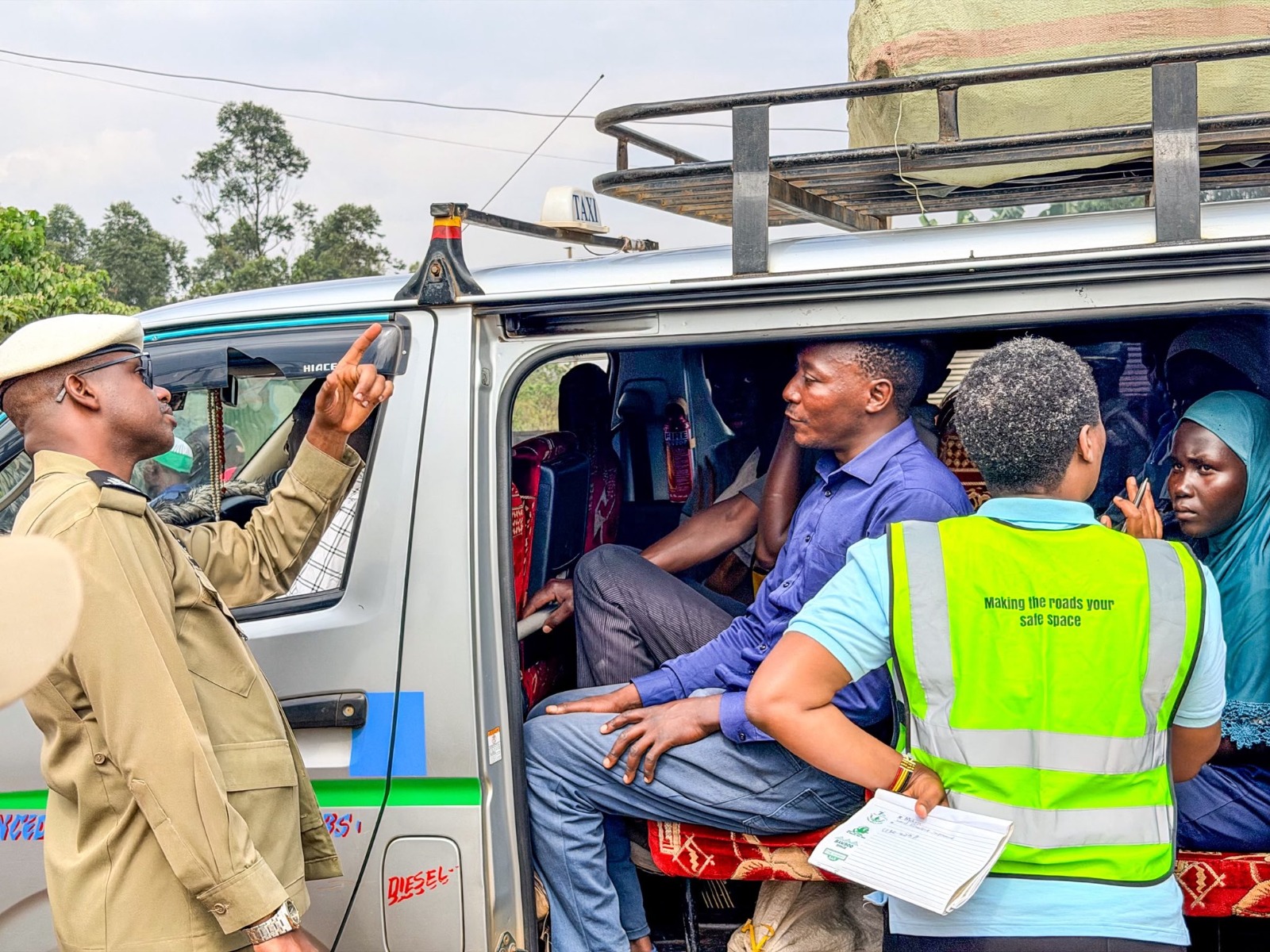
He succeeded Gen Edward Katumba Wamala, following the tenures of other prominent ministers including Eng John Nasasira and Eng Monica Azuba. Within his first months in office, Byamukama has sought to project a different image of the Works Ministry—one that is more aggressive in following up stalled projects and enforcing transport regulations. Several major road projects have attracted renewed attention under his watch.
Among them are the Mityana–Mubende–Fort Portal highway, the Busega–Mpigi Expressway, the Kira–Nansana–Matugga roads and several projects around Kampala. The minister’s supporters say projects that had appeared to move slowly are now receiving greater attention. But, like Balaam, Byamukama’s biggest impact has perhaps been through an operation rather than a boardroom policy.
The “Ganyegenya” crackdown
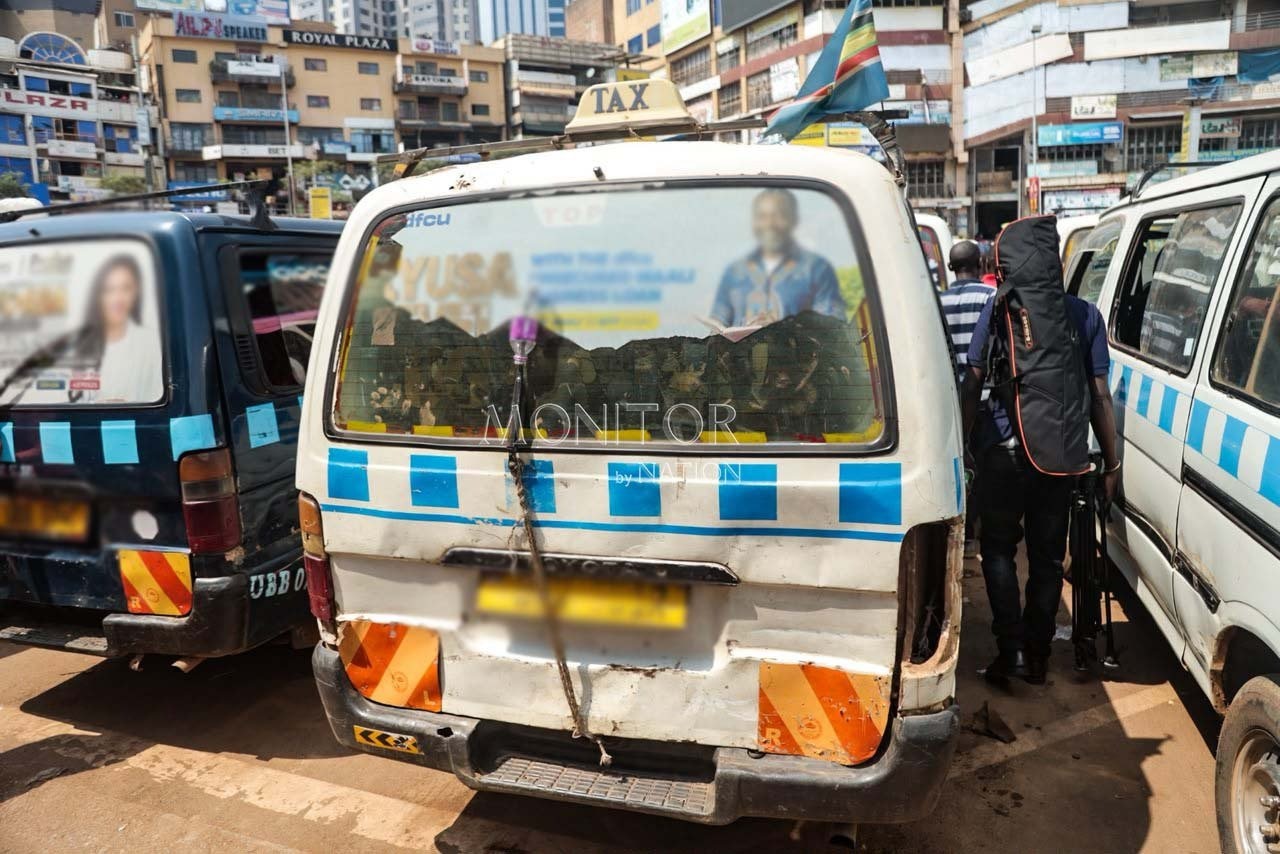
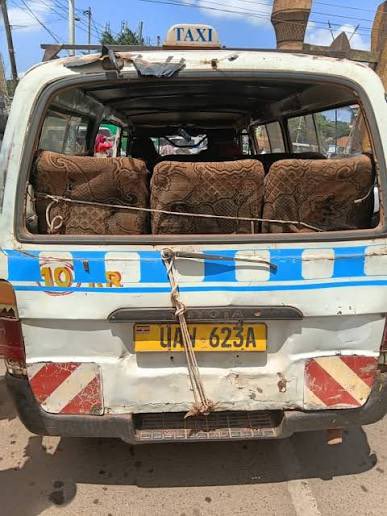
On the eve of August 24, Byamukama announced a major crackdown on taxis classified as being in Dangerous Mechanical Condition. The operation targeted the dilapidated 14-seater commuter taxis commonly known as “Ganyegenya.” Byamukama directed police to implement the operation across the Greater Kampala Metropolitan Area, arguing that public safety could not be compromised in the name of protecting operators whose vehicles were no longer roadworthy.
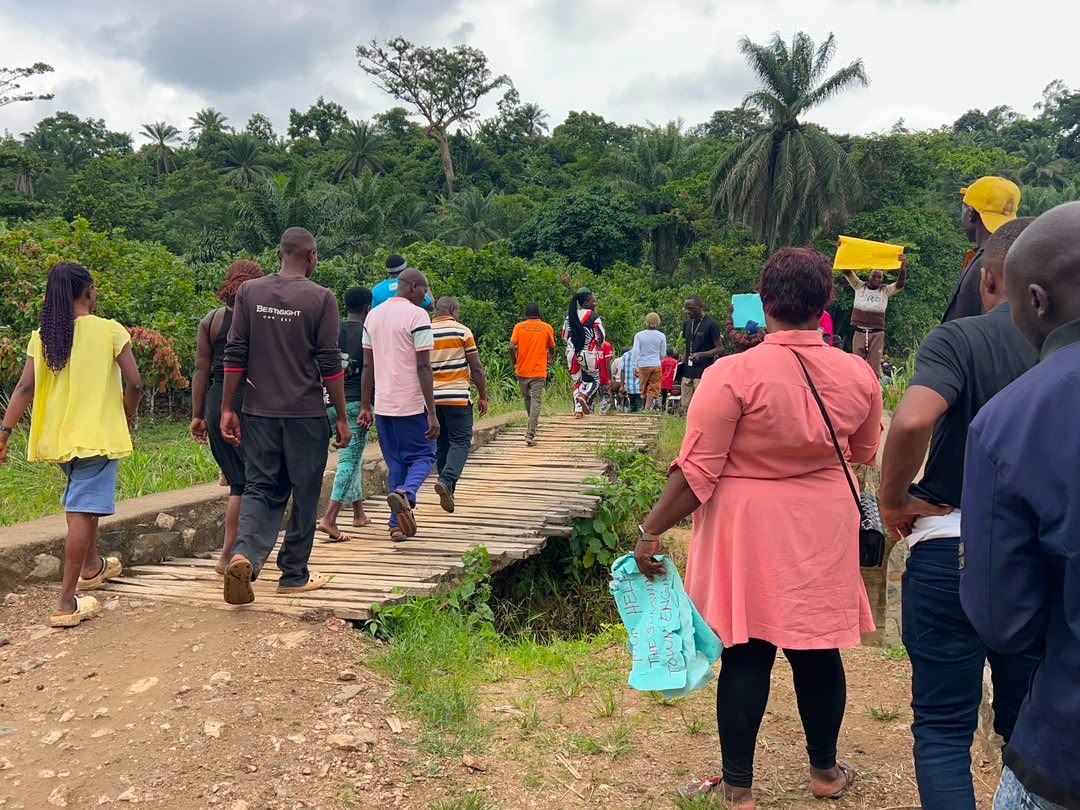
The crackdown immediately generated mixed reactions. Taxi operators complained that removing old vehicles from the roads would affect their livelihoods, while some passengers worried about shortages and higher transport fares. But other Ugandans strongly supported the minister.
They argue that a passenger boarding public transport should not have to gamble with his or her life simply because a vehicle owner wants to remain in business. The operation has therefore placed Byamukama at the centre of a wider debate about road safety, public transport and enforcement.
For years, Ugandans have complained about poorly maintained taxis, reckless driving and vehicles that remain on the road despite obvious mechanical defects. Byamukama’s position has effectively been that transport operators must adapt to safety standards rather than expect the standards to be relaxed for them. That has earned him both admirers and opponents.
Two ministers, two styles
Although Balaam and Byamukama are operating in different ministries, there is a striking similarity in their approach. Both have embraced visibility. Both are willing to confront problems publicly. Both have adopted operations that generate headlines. And both appear comfortable taking government business directly to the field. Balaam is more associated with accountability and anti-corruption enforcement, while Byamukama is becoming associated with infrastructure delivery and road-safety enforcement. Their approaches also carry different risks.
Balaam’s operations risk criticism if arrests do not eventually result in convictions, recovery of money or institutional reform.
Byamukama’s enforcement campaign risks public backlash if the removal of DMC taxis results in transport shortages, increased fares or loss of livelihoods without an adequate alternative transport system. The two ministers therefore face the same fundamental question: Can visibility and aggressive enforcement translate into measurable results?
Who is winning the “Kisanja No Sleep” contest? For many Ugandans, it is too early to declare an outright winner. Balaam has perhaps generated the stronger anti-corruption narrative. His district tours, confrontations with officials and involvement in exposing allegedly failed projects have made him highly visible outside Kampala. He has also managed to turn local government failures into national conversations. Byamukama, on the other hand, has the advantage of dealing with issues that affect millions of people every day.
A road project restarting is visible. A dangerous taxi being removed from the road is immediately felt by passengers. A traffic enforcement operation can affect an entire city within hours. His challenge is ensuring that the enforcement is sustained and that road projects he has championed are completed on time, within budget and to the required standards.
One could therefore argue that Balaam currently has the stronger anti-corruption profile, while Byamukama has the stronger service-delivery and enforcement profile. But the public verdict may ultimately depend on results. Ugandans have seen energetic ministers before. They have also seen ministers launch dramatic operations that disappear after the cameras leave.
 The real meaning of “Kisanja No Sleep” will not be determined by how many arrests a minister makes, how many press conferences he holds or how many kilometres he travels. It will be measured by whether a bridge remains standing, whether a road is completed, whether public money is protected, whether a dangerous vehicle stays off the road and whether an ordinary citizen receives better government services. For now, Balaam and Byamukama have clearly understood one thing: the public wants ministers who are seen doing the job. And that is why their contest is already attracting attention. The verdict belongs to Ugandans
The Investigator now puts the question directly to its readers:
Between Balaam Barugahara and Fred Byamukama, who is doing better under the “Kisanja No Sleep” spirit—and why? Is it Balaam, whose anti-corruption operations have taken him into districts and exposed alleged failures in local government?
 Or is it Byamukama, whose road interventions and DMC taxi crackdown have placed transport and infrastructure at the centre of public debate? The answer may ultimately come down to what Ugandans value most: fighting corruption, improving infrastructure, enforcing safety—or delivering all three. For now, the two youthful ministers have thrown themselves into the arena. The clock is ticking.
Kisanja No Sleep has begun.
Author Profile
- Charles Gazza Kodili is a seasoned journalist with over 20 years of experience in the media industry. He holds a Bachelor of Arts degree in Mass Communication. He’s currently the Chief Editor at the Investigator.
Charles can also be reached via; Tel: +256 774 108978
Email: [email protected]
Latest entries
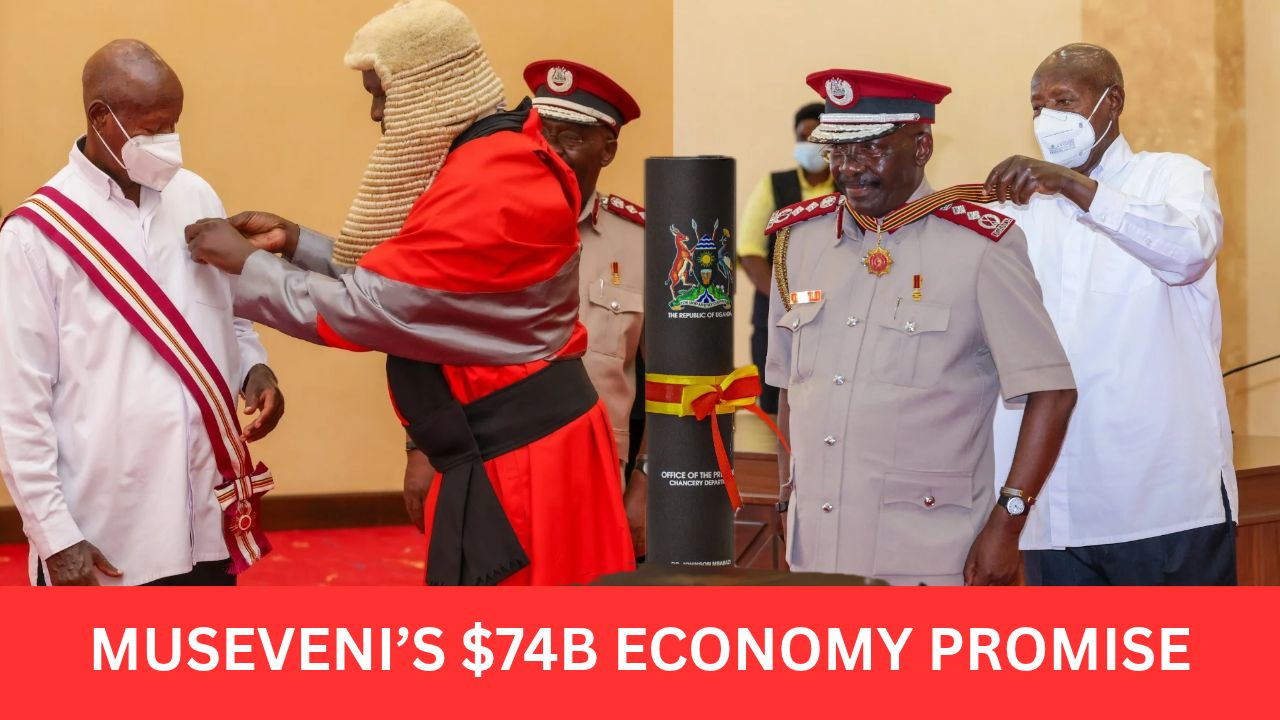 FeaturedOctober 9, 2026UGANDA ECONOMY TO HIT $73.96B: President Museveni Cites Decades Of Economic Growth As He Receives A Top National Honour During The 64th Independence Anniversary Celebrations At State House, Entebbe
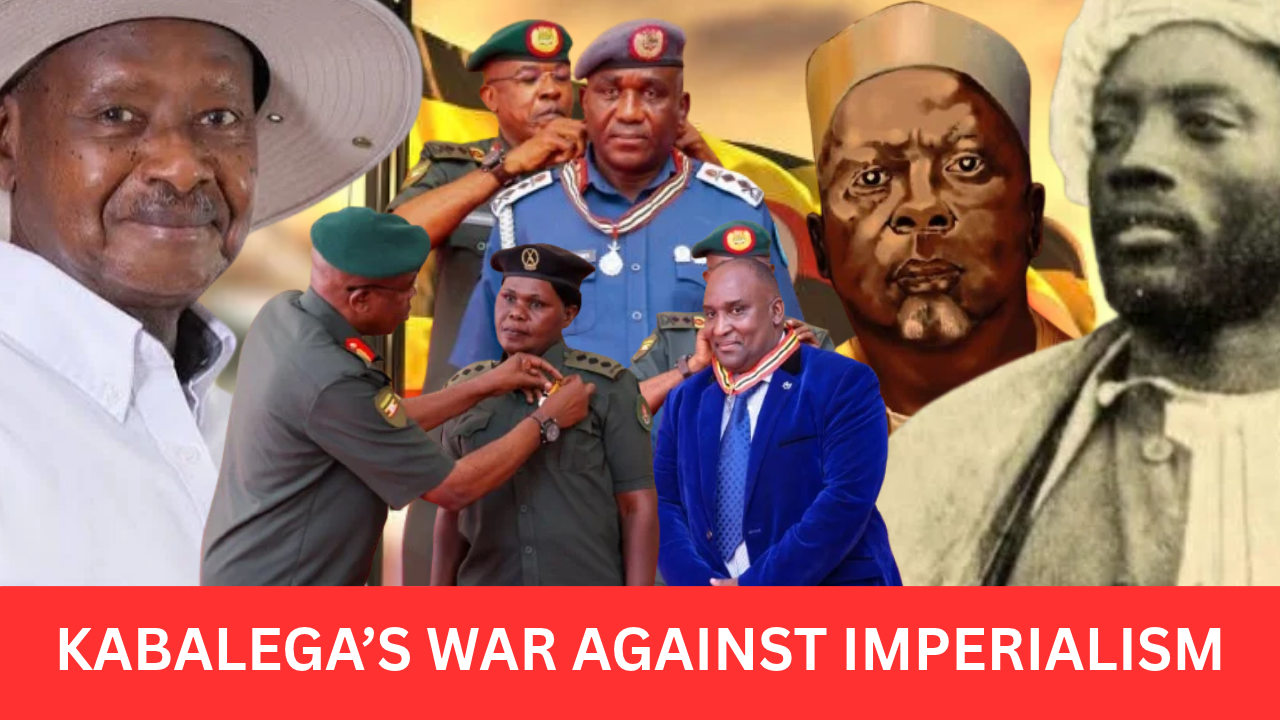 FeaturedOctober 9, 2026KABALEGA: THE KING WHO FOUGHT THE BRITISH: From Battles Against Sir Samuel Baker To Uganda’s Independence In 1962, The Bunyoro King Became A Symbol Of Resistance Against Foreign Domination
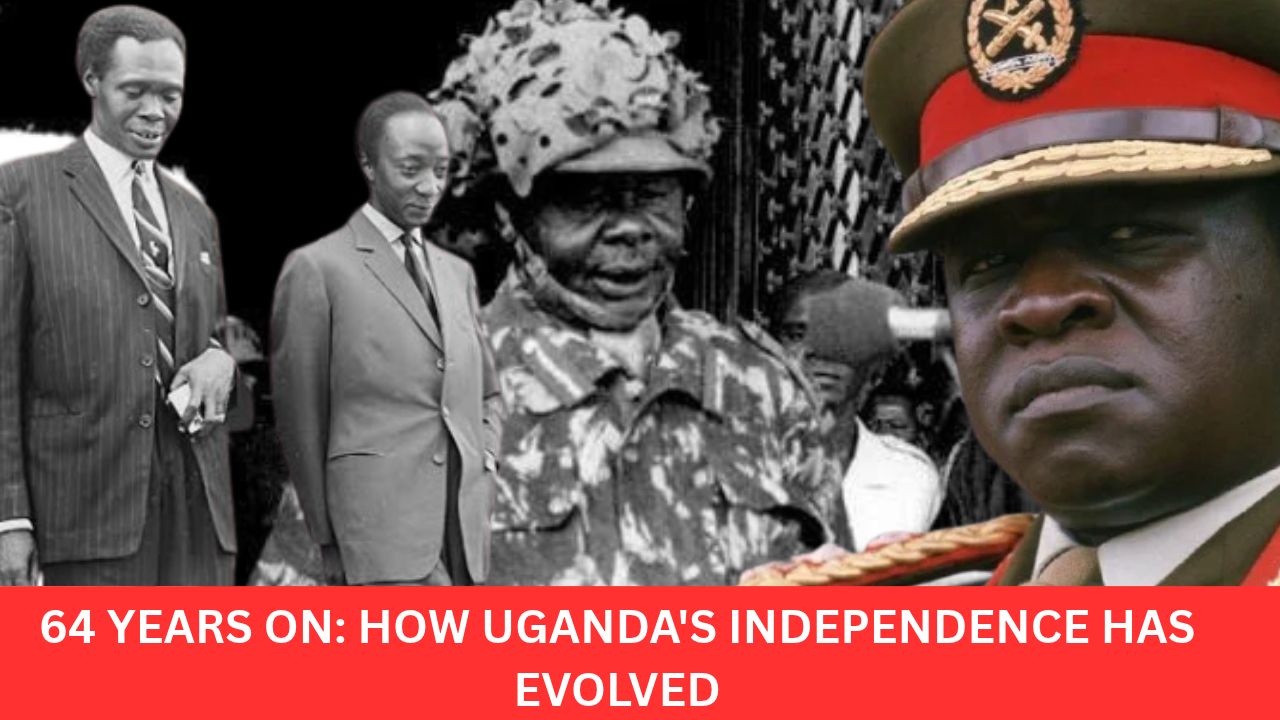 FeaturedOctober 8, 2026UGANDA AT 64: From Obote Receiving the Instruments of Power in 1962 to Museveni Receiving a National Medal in 2026, Uganda’s Independence Story Remains Unfinished. We Journey With You the Thorney 6+ Decades of Uhuru
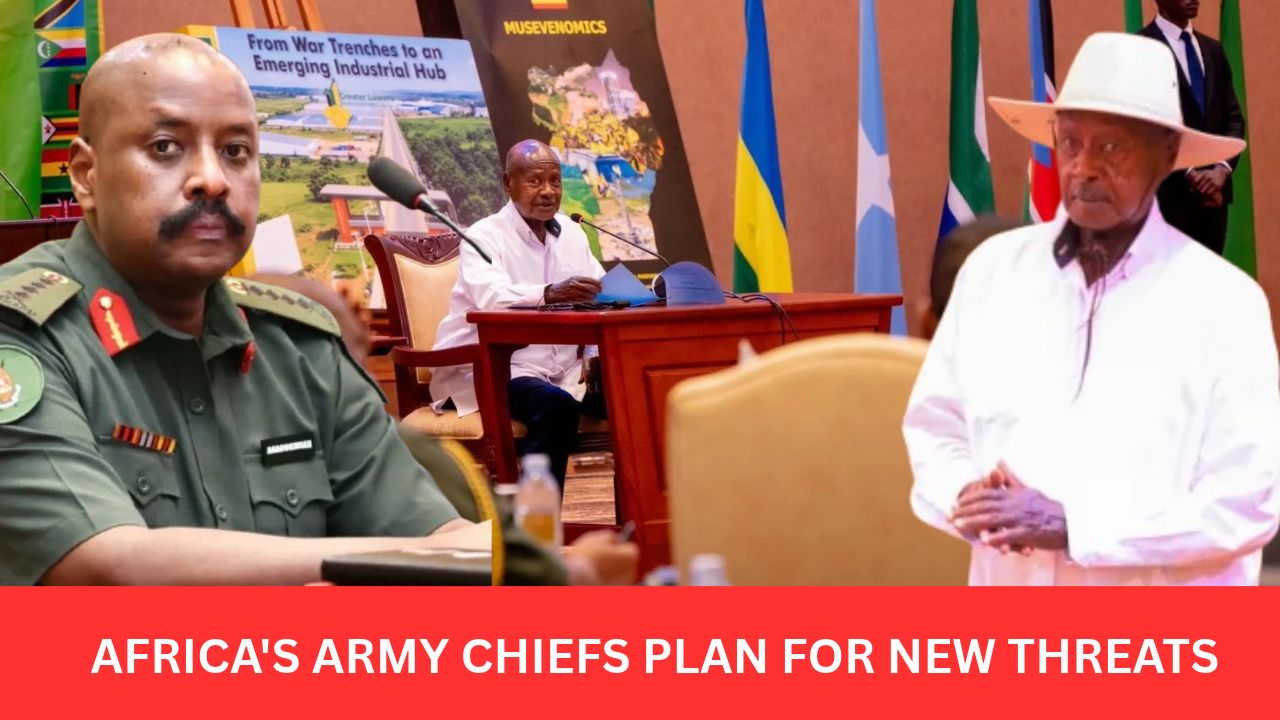 FeaturedOctober 8, 2026AFRICA MUST PREPARE FOR NEW WARS – MUSEVENI: The President Challenges Defence Chiefs to Link Military Strength With Economic Power, Political Stability and Regional Integration as African Armies Rethink Security Beyond Conventional Warfare