




















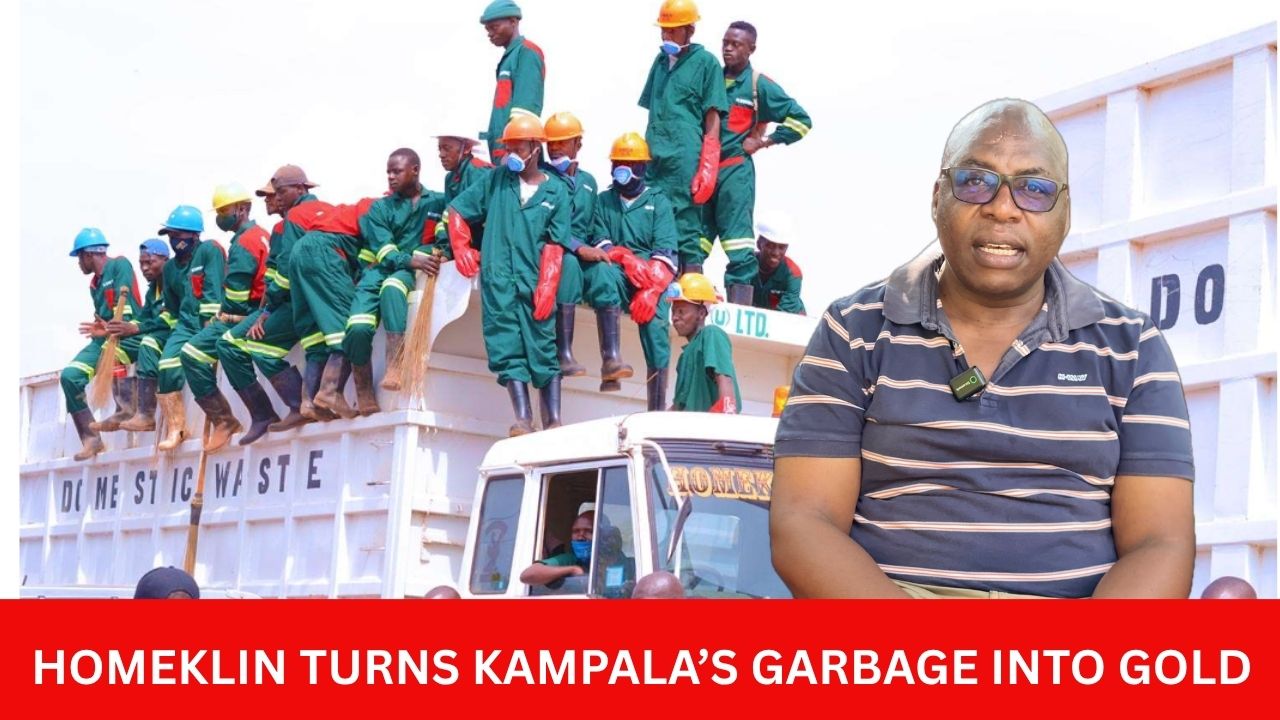
Uganda’s waste management sector is entering a new phase as HomeKlin Uganda Limited moves from simply collecting garbage to converting it into energy and agricultural products through its HomeKlin Green Energy facility in Makindye Division, Kampala.

The company says it has completed the first phase of its demonstration waste-to-energy facility, paving the way for the production of compressed biogas cylinders and organic liquid fertilizer from Kampala’s organic waste.
The facility, launched earlier this year, is being developed in a technical partnership with Cenergy Solutions, an American company, alongside partners from Thailand.
HomeKlin says the project is intended to demonstrate that Kampala’s persistent waste problem can be transformed into a source of energy, employment and industrial raw materials.
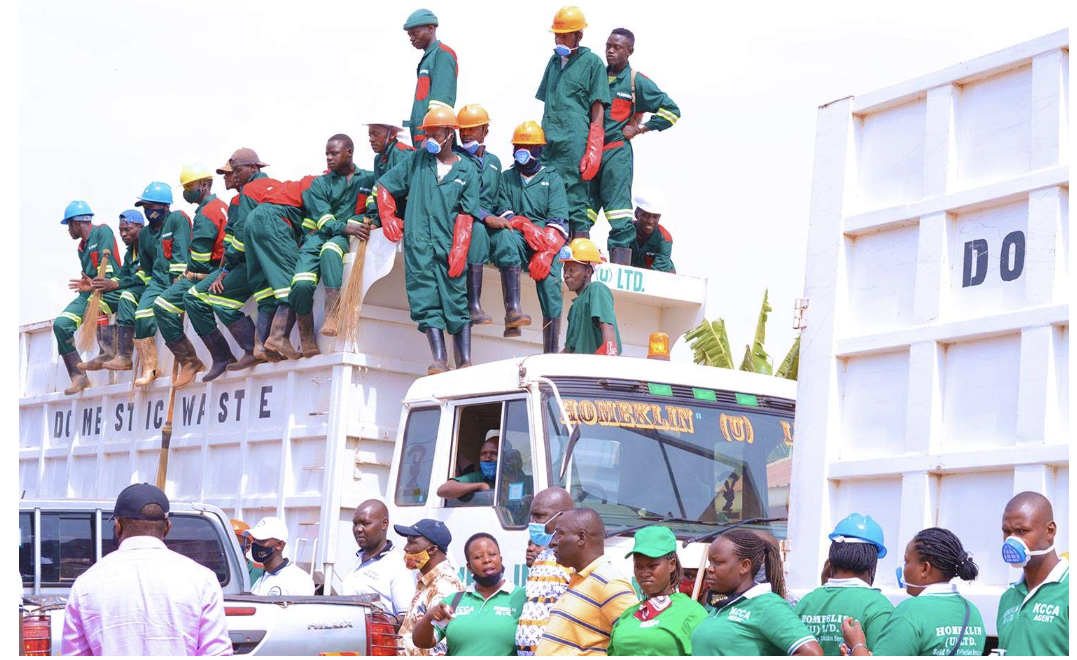
The initiative comes against the backdrop of Kampala’s growing waste management challenge. The city generates hundreds of thousands of tonnes of waste annually, with a significant proportion of it reportedly remaining outside formal collection systems.
Much of the waste is organic and can be converted into useful products rather than being dumped or burned.
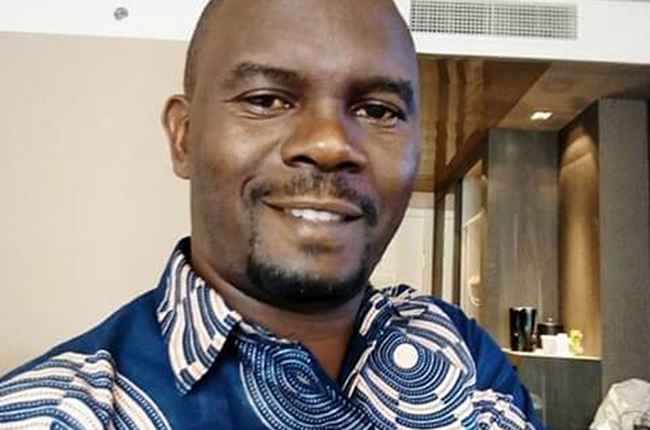
For HomeKlin founder and Managing Director Isaac Katureebe, this is the central idea behind the company’s evolution. “Waste is only waste if wasted,” Katureebe says.
From Garbage Collection to Resource Recovery
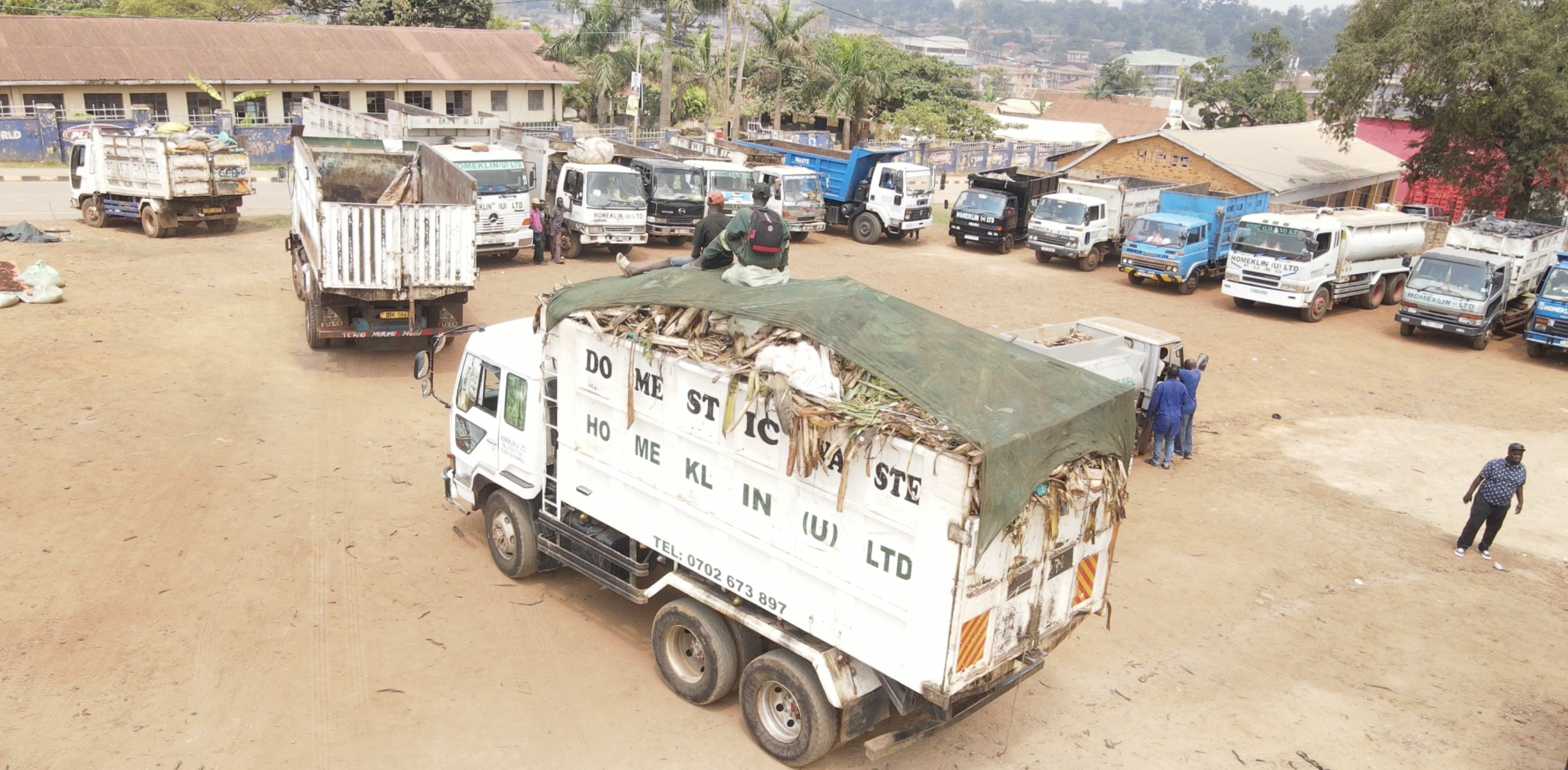
HomeKlin started as a conventional waste collection and disposal company but has gradually expanded into waste management and resource recovery.
Katureebe says the idea began while he was a student of Urban Planning at Makerere University. At the time, he was living at his brother’s home in Makindye and encountered the difficulties associated with household garbage disposal. “Disposing of garbage was a headache. I had to part with Shs1,000 for somebody to dispose of it,” he recalls.
The experience made him realise that waste was not simply an environmental nuisance but also a business opportunity.
His studies in Urban Planning further exposed him to municipal waste management, reinforcing the idea that the problem could be addressed through a private enterprise. After completing university, Katureebe approached one of his lecturers, Zikusooka, and told him he did not intend to immediately seek formal employment.
Instead, he proposed starting a waste collection and disposal company. His lecturer provided financing, while Katureebe began the practical work of establishing the business.
“We started by renting a truck on the street and later paid it off. That is how we started HomeKlin,” he says.
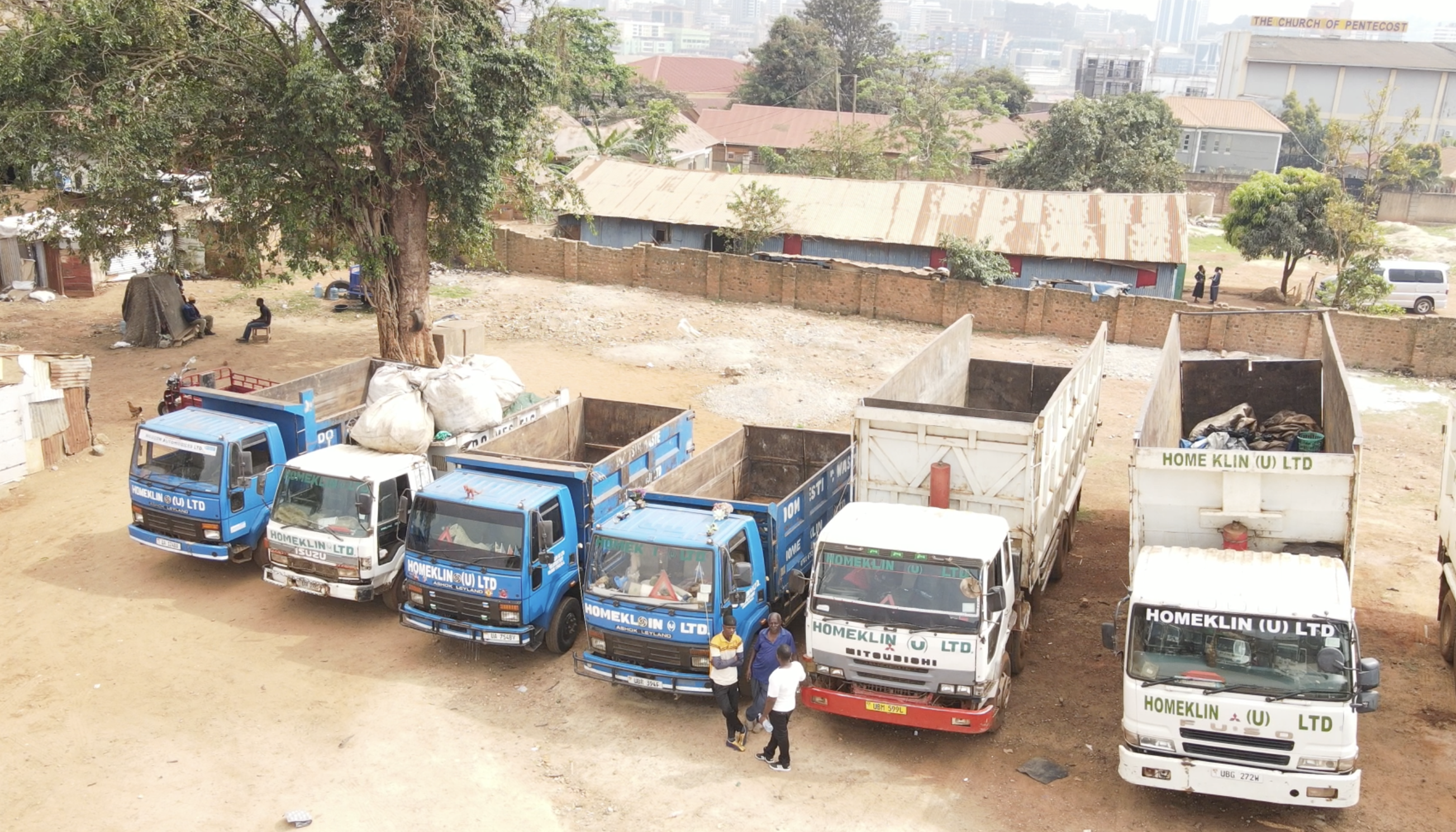
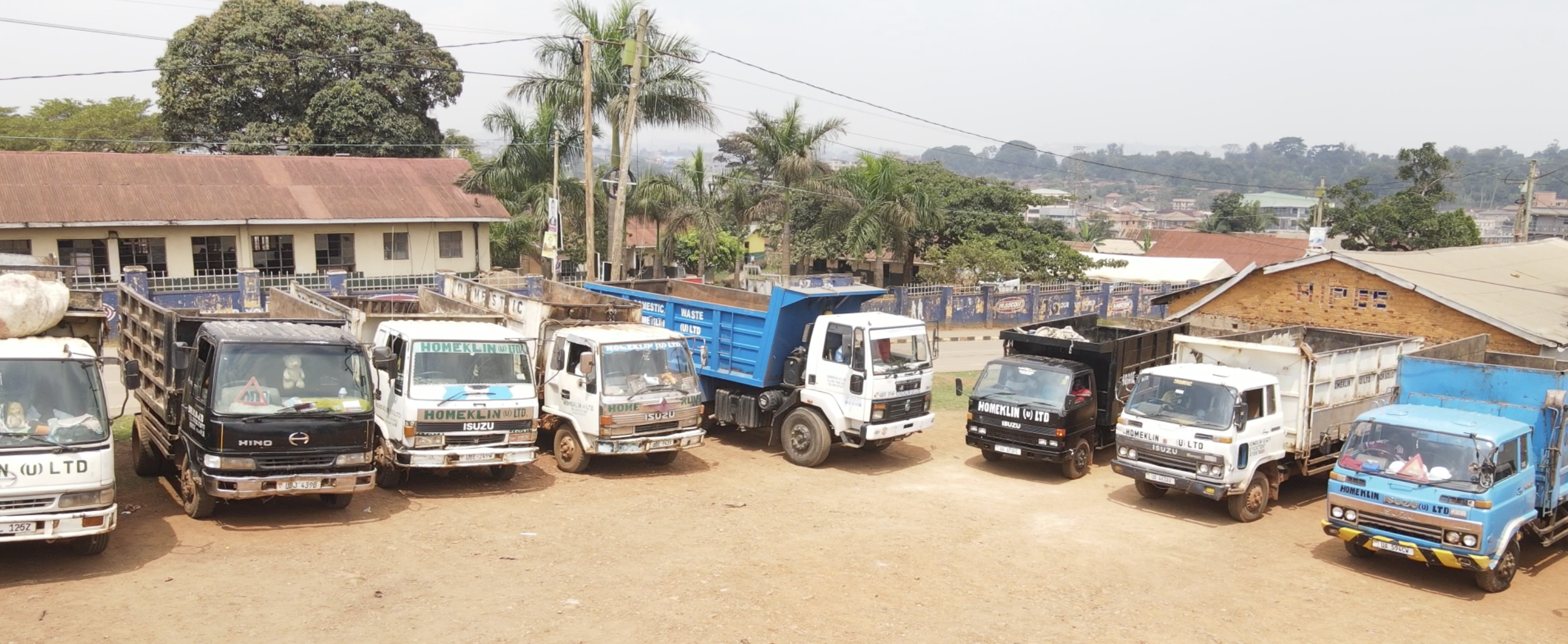
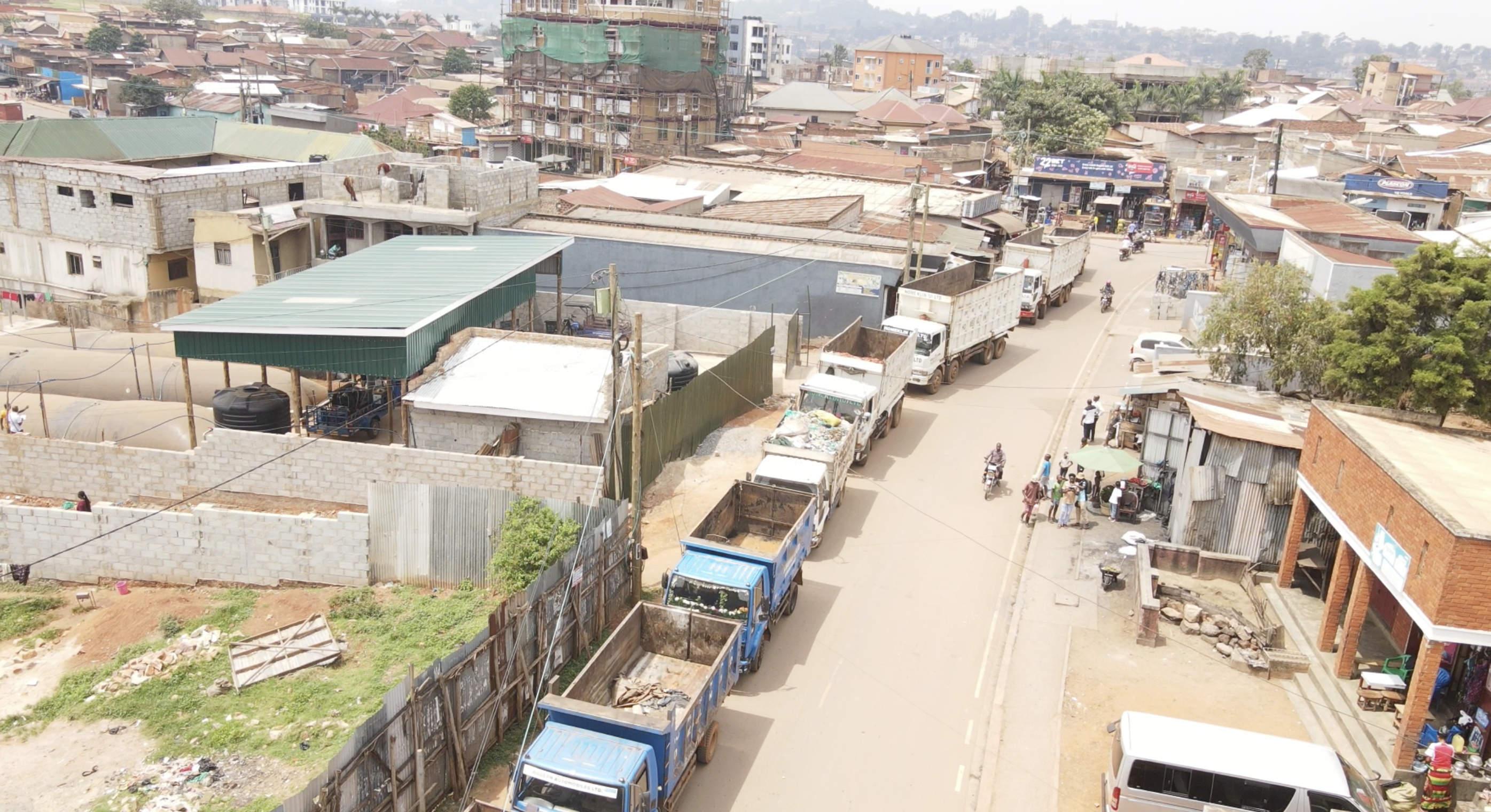
The company has since grown from operating a single truck to a much larger fleet, according to Katureebe. He considers that growth one of the company’s major achievements. “To begin with, I think that we have succeeded in a very big way. Having begun the company from scratch and then you buy one truck and then they become two, three, ten, twenty, that is serious success that you cannot take for granted,” he says.
Changing the Perception of Waste
Katureebe says HomeKlin’s success cannot only be measured by the number of vehicles it operates. He argues that the company has also helped change public attitudes towards garbage collection.
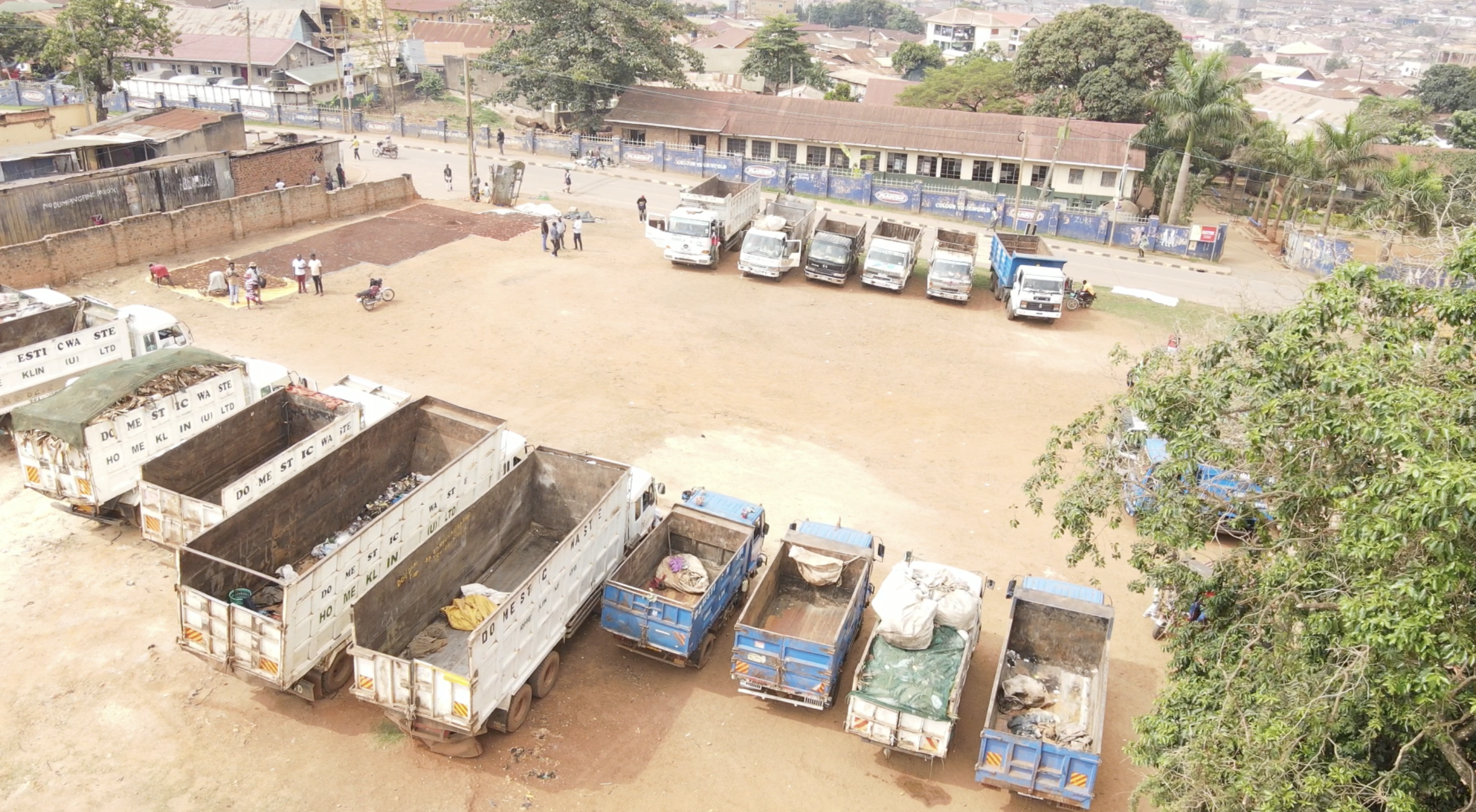 When the company started, waste management was often regarded as work for people who had failed to secure better opportunities.
That perception, he says, has gradually changed. “Today we are proud that we are employing even graduates,” Katureebe says.
The company has also invested in research aimed at moving beyond conventional collection and disposal.
According to Katureebe, the future of the industry lies in treating waste as a raw material rather than something destined for a landfill.
“Garbage is garbage when you do not put it to use. This garbage is not garbage. You can turn it into a raw material for very big businesses and industry,” he says. That philosophy has now become the foundation of HomeKlin Green Energy.
Turning Organic Waste Into Gas
The new facility is designed to process biodegradable waste and capture methane produced during the decomposition of organic material.
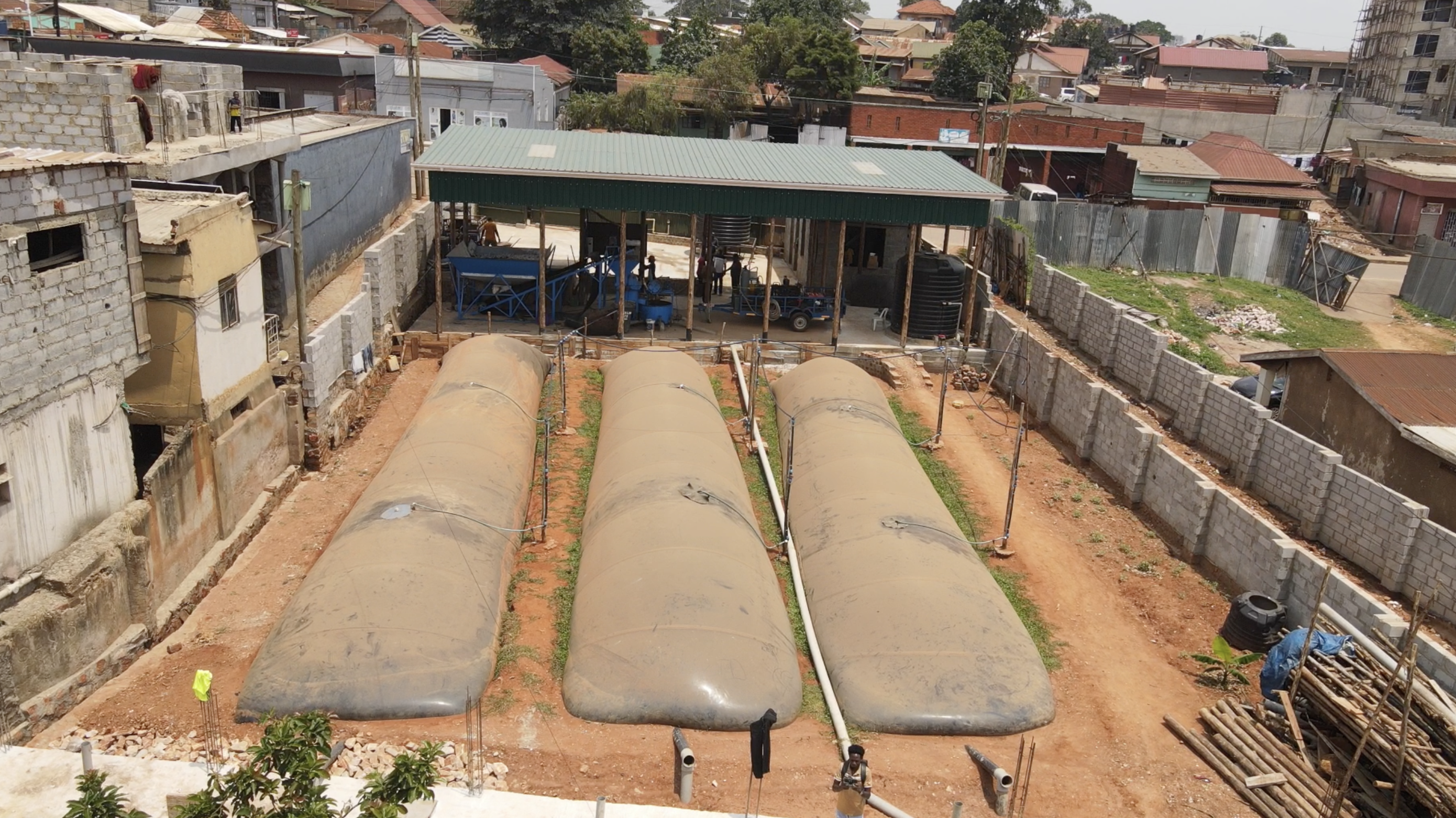
Instead of allowing organic waste to rot in dumpsites, the company wants to channel it into controlled anaerobic digestion processes to produce biogas. The gas can then be processed and compressed for use as a cooking fuel.
The project is therefore positioning waste management as part of Uganda’s transition towards cleaner household energy. Katureebe says HomeKlin is also exploring the production of liquid biofertiliser from the same process.
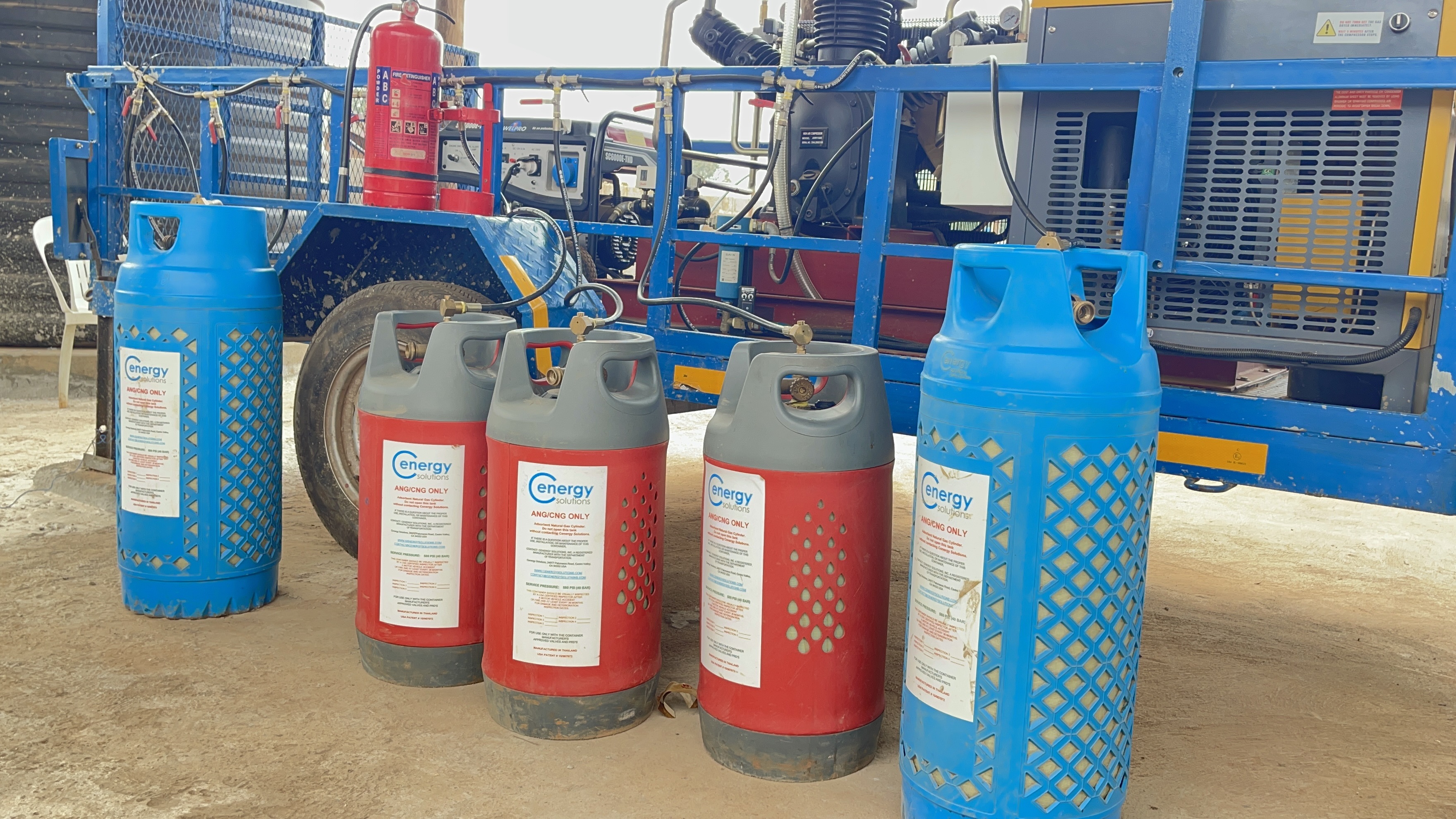
The company’s vision is to develop a system in which different components of waste are recovered and converted into commercially useful products.
Organic waste can generate biogas and fertiliser, while other recoverable solid materials can be processed into products such as briquettes.
The approach would reduce the amount of waste ending up in landfills while creating alternative sources of energy and agricultural inputs.
The Kiteezi Lesson
Katureebe argues that Uganda cannot continue depending heavily on landfilling as the primary solution to its waste problem.
He points to the tragedy associated with the Kiteezi landfill as a warning about the consequences of failing to develop more sustainable waste management systems.
 HomeKlin’s proposal is to move towards a model in which waste is processed and converted into productive resources.
“We now can get biogas and liquid fertiliser from ‘kasasairo’ that killed people in Kiteezi. We are now saying no more landfilling,” he says.
The concept is particularly important because organic waste makes up a large proportion of municipal waste. If properly separated and processed, that organic material can become feedstock for biogas production.
The Politics of Garbage
But Katureebe says the biggest challenge facing Uganda’s waste management industry is not necessarily the quantity of garbage.
He believes the problem is institutional. His concern is that companies investing in waste recovery facilities require reliable access to waste feedstock to make their operations commercially viable.
“If I have a lot of biodegradable waste, it means that I am going to have too much gas,” he says.
 He argues that Uganda should develop policies that encourage investors who are willing to transform waste into energy and other useful products.
Katureebe says the potential is enormous. He estimates that a significant majority of Uganda’s municipal waste is biodegradable and could therefore support energy recovery.
He also points to the possibility of processing other solid waste into briquettes capable of powering industrial boilers.
In the long term, he says, surplus energy generated from waste could potentially be supplied to the national grid.
Allegations of ‘Mafias’ in the Sector
Katureebe also raises concerns about what he describes as vested interests within the waste management system.
Asked whether HomeKlin has faced “mafias” in the technocratic sector as garbage becomes an increasingly valuable commodity, he says such interests could exist.
“There could be. There are quite many mafias,” he says. He argues that the most effective way of frustrating a waste-to-energy project is not necessarily to confront the investor directly but to interfere with access to the raw material required to operate the facility.
He alleges that permits can be selectively issued, potentially depriving waste recovery companies of the feedstock they need.
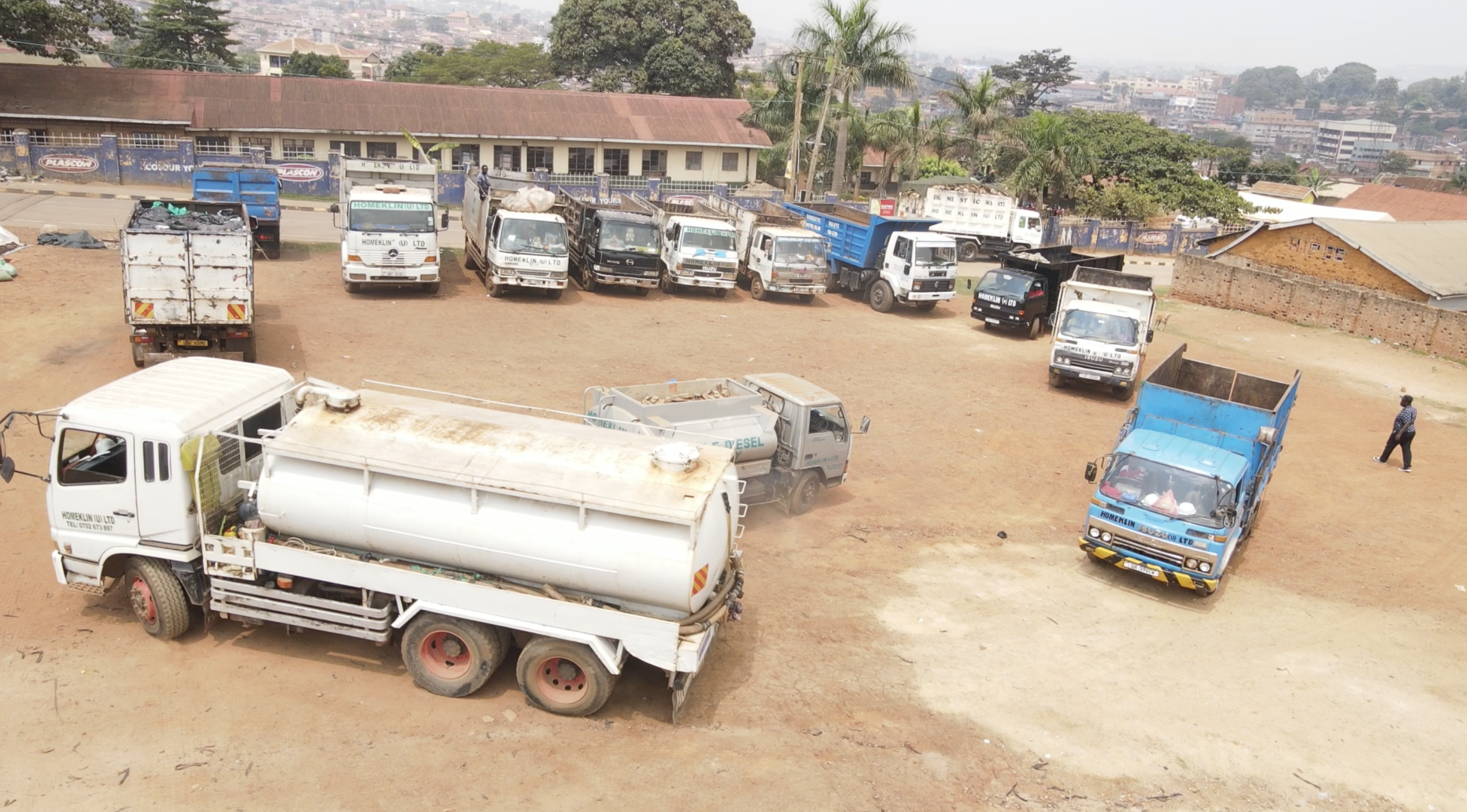
“You wake up in the morning and somebody wants to sideline you. They give out permits selectively to deprive you of feedstock just because they know that you have a biogas facility,” he says.
Katureebe believes such practices undermine innovation and discourage private investment in solving public problems.
“You came to office to solve a problem. Somebody had invested heavily to help you solve it, and all you say is no, no, no. We should not give him room; his idea must die,” he says.
The Road Ahead
With the first phase of the HomeKlin Green Energy facility now complete, the company is preparing for the next stage of its project, including expanded production of compressed biogas cylinders and organic fertiliser.
For Katureebe, the project is about much more than creating another commercial enterprise.
He believes Uganda can simultaneously address waste, energy, environmental degradation and agricultural productivity by developing a circular economy around municipal waste.
“If you have too much gas, it can produce power that you can sell to the national grid,” he says.
The broader ambition is to change the way Ugandans perceive garbage. Rather than viewing waste as something government must simply collect and bury, Katureebe wants households, municipalities and businesses to see waste as a resource that can generate value.
He says waste management must begin at household level, with citizens taking responsibility for how their waste is handled.
“When you buy a chicken and it comes with feathers, it is your responsibility to see how these feathers will leave your compound. It is not for government; it is your responsibility,” he says.
As HomeKlin moves into the next phase of its Green Energy project, the company hopes its Makindye facility will provide a practical demonstration of what can be achieved when waste is treated not as a burden, but as an industrial resource.
For a city struggling with garbage collection and disposal, the promise is significant: fewer waste dumps, cleaner cooking fuel, organic fertiliser and potentially electricity—all produced from material that would otherwise have been discarded. Katureebe’s message remains simple: “Waste is only waste if wasted.”
Author Profile
- Mr. Jacko David Waluluka is another unique entertainment and general investigative news writer, a field he has diligently covered for over fifteen years. He’s also the Chief Administrator at The Investigator. He can easily be reached via [email protected]
Latest entries
 BusinessAugust 27, 2026CENTENARY BANK BACKS CLEANER, SAFER HEALTHCARE AT NSAMBYA HOSPITAL: Bank extends its social investment partnership beyond cancer care to support a dedicated healthcare waste management unit
 NewsAugust 27, 2026EBOLA DEFEATED: UGANDA GETS WHO CLEARANCE: Health Authorities WHO Hail Successful Containment As Uganda Closes Another Chapter In Its Fight Against Deadly Ebola Outbreaks
 NewsAugust 27, 2026FROM KASASAIRO TO COOKING GAS: HOMEKLIN’S BIG WASTE REVOLUTION: Green Energy Plant Moves Into Next Phase After Converting Kampala’s Organic Waste Into Biogas and Fertiliser
 NewsAugust 14, 2026WHY MUKULA’S EMPIRE IS ON THE BRINK: DTB’s Shs3.42bn Debt Claim Puts State For Health Minister’s Prized Soroti Properties At Risk, Exposing Cracks Behind The Businessman’s “All Is Well” Façade.