










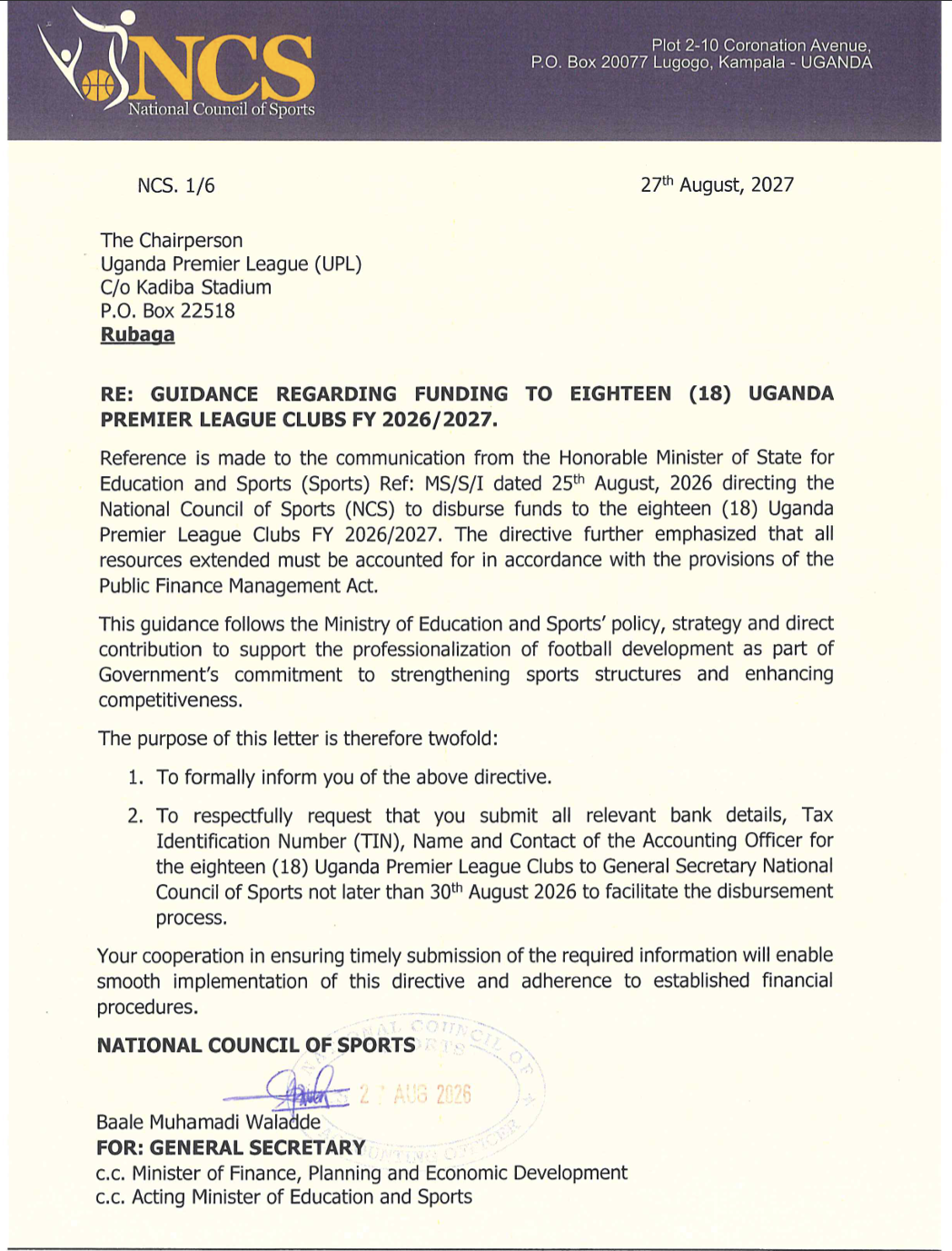
A fresh power struggle is emerging at the heart of Ugandan football after Government moved to channel an estimated Shs5.5 billion directly to the 18 Uganda Premier League clubs, effectively bypassing the Federation of Uganda Football Associations (FUFA). The decision, contained in a letter from the National Council of Sports (NCS) to the Uganda Premier League, marks a major shift in the administration of public funding for football.
It comes after more than a year of lobbying by the UPL and FUFA for increased Government investment in domestic football ahead of the Pamoja 2027 Africa Cup of Nations, which Uganda will co-host with Kenya and Tanzania.
But while Government has agreed that Premier League clubs need financial support, it has rejected the model proposed by FUFA. Instead of handing the money to the federation, Government has instructed NCS to deal directly with the clubs.
The development is likely to trigger debate over who should control public money intended for football and whether FUFA’s role as the national governing body automatically gives it a right to administer Government funding. For now, the Government position is unequivocal: the clubs are the beneficiaries and the money will be paid directly to them.
The letter that changed the game
In a letter addressed to the UPL chairperson, NCS Acting General Secretary Baale Muhamadi Walade referred to an August 25, 2026 directive from the Minister of State for Education and Sports in charge of Sports. The directive instructed NCS to disburse funds to all 18 Uganda Premier League clubs.
“The directive further emphasised that all resources extended must be accounted for in accordance with the provisions of the Public Finance Management Act,” Walade wrote. NCS then demanded that the UPL submit the bank details, Tax Identification Numbers and names and contacts of accounting officers for every club by August 30. That requirement is perhaps the most revealing part of the communication. It means Government is not simply funding the Premier League as a central entity.
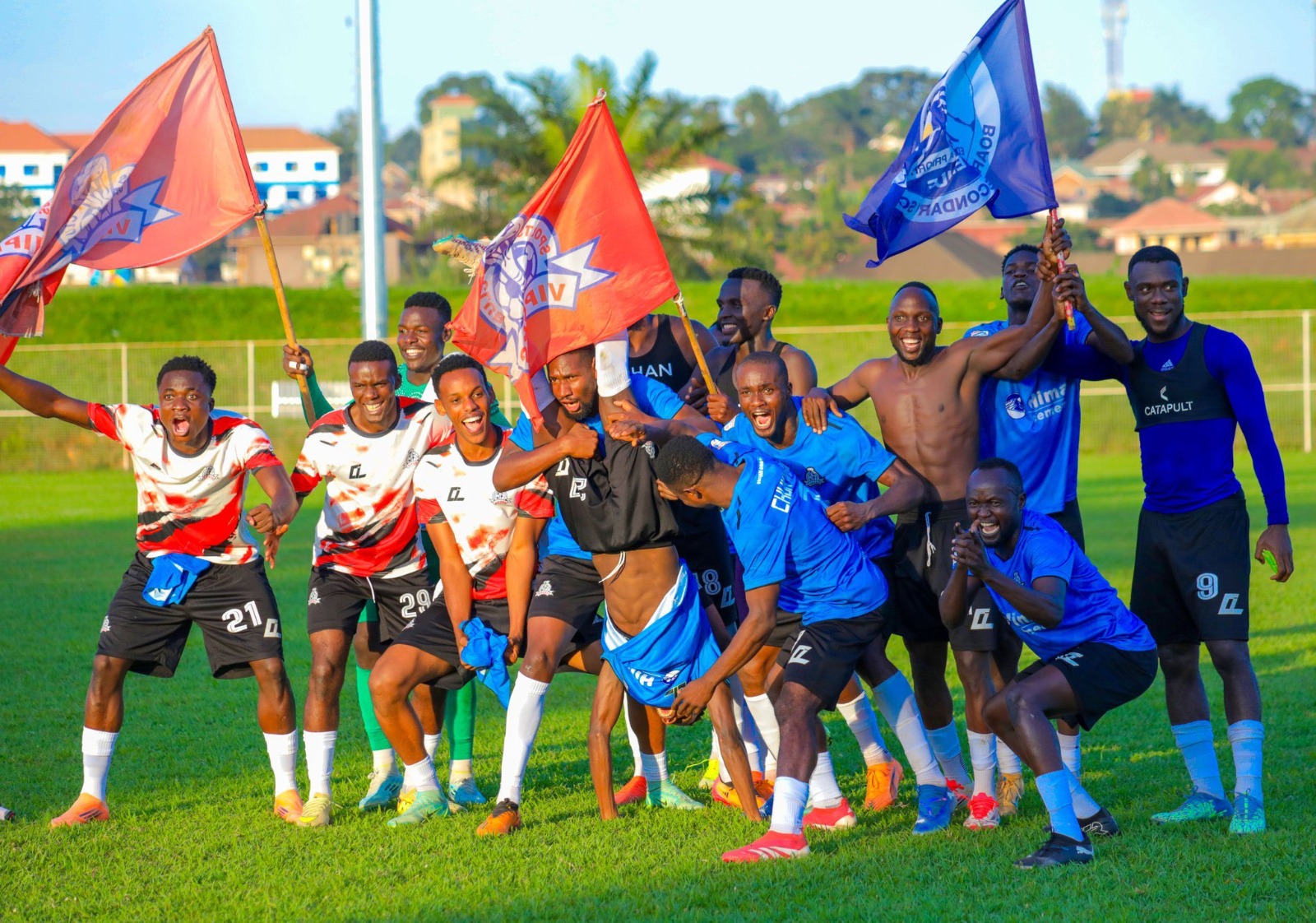
It is preparing to send money to individual clubs, each of which will carry direct responsibility for accounting for its allocation. FUFA, which had sought Government support for domestic football and proposed that the money be channelled through the federation, will not be the disbursing agency.
FUFA asked for Shs9 billion
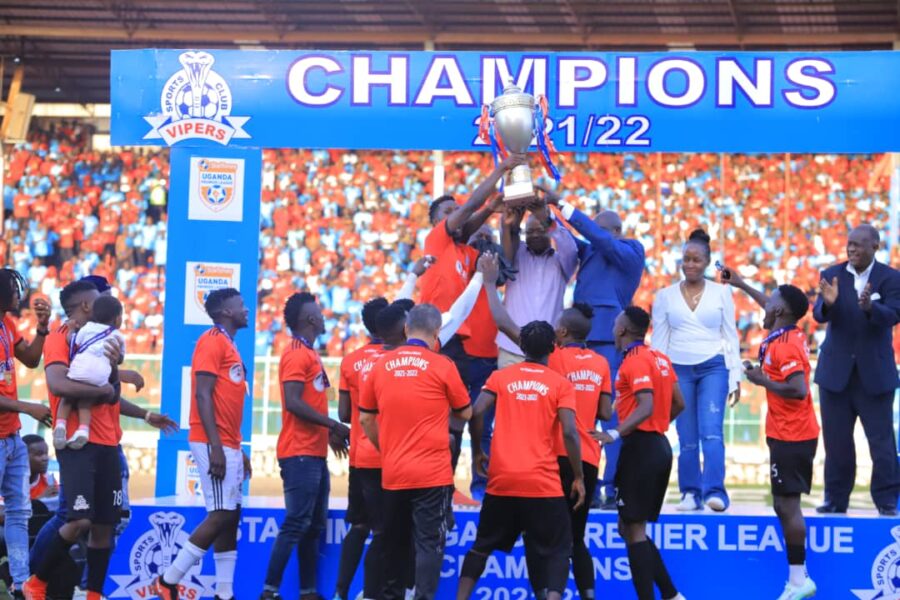
The Government decision follows a proposal by FUFA under its four-year development strategy, Ugandan Football Steps Forward. The federation proposed a Shs9 billion UPL Clubs Fund, equivalent to Shs500 million for each of the 18 top-flight clubs.
FUFA’s argument was that Uganda could not prepare adequately for Pamoja 2027 by concentrating resources on stadiums and the national team while leaving the clubs that produce national-team players financially weak. “The government should provide funds through FUFA to support the operations of the competitions and clubs,” the federation stated in its proposal.
Government has now accepted the argument that clubs require greater support but rejected the proposed route. Instead of Shs500 million per club, the reported Government allocation of Shs5.5 billion would translate into approximately Shs305.6 million per club, if divided equally.
That represents a shortfall of about Shs194.4 million per club compared with FUFA’s proposal. The difference is not merely about money. It is also about control. FUFA wanted to administer the fund. Government has decided that NCS should send the money straight to the clubs.
UPL was already pushing for direct funding
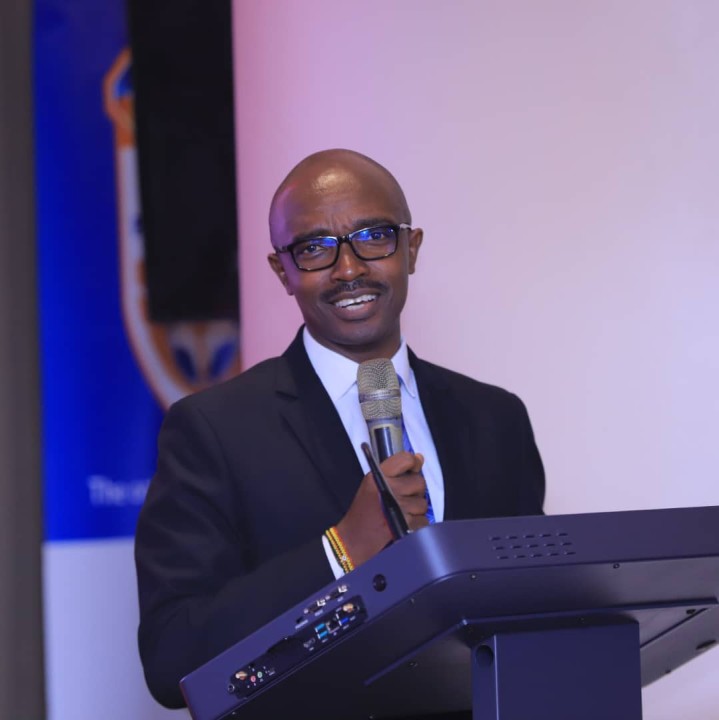
The UPL’s campaign for direct Government support did not begin with the latest NCS letter. Documents seen by this reporter show that the league began lobbying Government in April 2025. On April 12, 2025, the UPL Board wrote to First Lady and Minister of Education and Sports Janet Kataha Museveni, seeking a meeting to discuss the strategic development of Uganda’s top-flight competition.
The letter, routed through State Minister for Sports Peter Ogwang, highlighted the financial difficulties facing Premier League clubs. The league argued that clubs were contributing to player development, employment, commercial activity and national-team success but were receiving limited direct Government assistance.
It also questioned why Government was supporting FUFA financially while clubs remained heavily dependent on owners, gate collections and limited sponsorship. At that stage, the UPL did not put a specific figure on its request. It wanted Government to consider a broader roadmap for turning the Premier League into a sustainable national sporting asset.
The Shs6 billion proposal
The campaign later became more concrete. In a letter dated March 24, 2026, the UPL formally presented what it called the case for direct Government support to Premier League clubs. The league requested Shs6 billion annually for the UPL and its member clubs. It also requested Shs1 billion as one-off capitalisation for a UPL SACCO.
The Shs6 billion would support player development and academies, coaching education, salaries and player welfare, nutrition, medical services, sports science and technology, continental competitions and league administration. The UPL’s argument was that the clubs constitute the foundation of the national team. The league compared Uganda’s national football structure to a forest and the Premier League to the nursery bed from which that forest grows.
Without strong clubs, it argued, Uganda cannot consistently produce strong national teams. The league’s position was therefore that Pamoja 2027 should be used to strengthen the entire football ecosystem rather than merely prepare the Uganda Cranes for the tournament.
The FUFA factor
The emergence of the direct-funding model has nevertheless exposed an interesting institutional fault line. FUFA is the national governing body for football and remains responsible for regulating competitions and developing the sport. But Government controls public resources. The question now is whether Government can support football without placing the money under FUFA’s administration. The latest NCS communication suggests that the answer is yes.
The arrangement creates a distinction between football governance and public funding. FUFA may regulate the sport, but clubs receiving Government money will be required to account directly for the resources. This could establish a precedent for future Government interventions in football. It also potentially reduces FUFA’s financial control over clubs at a time when the federation is seeking greater resources to implement its development plans.
Why now?
The timing is significant. Uganda, Kenya and Tanzania are preparing to host the 2027 Africa Cup of Nations.
The tournament has placed unprecedented attention on East African football and created pressure on the three host countries to ensure that their domestic leagues and national teams are competitive. For Uganda, that pressure comes at a time when the Premier League itself is expanding. The 2026/27 season has increased from 16 to 18 clubs, taking the number of league matches from 240 to 306. Each club will now play 34 games instead of 30.
That expansion brings additional costs for travel, accommodation, player salaries and welfare, match organisation and administration. The Shs5.5 billion intervention could therefore provide much-needed relief to clubs facing increased operational expenses. But Government is also likely to expect measurable results.
The accountability trap
The direct funding model comes with a built-in accountability test. Every club must provide its bank details, TIN and accounting officer. This means clubs cannot treat the money as an informal grant. They will be expected to demonstrate how the funds are spent.
That could include expenditure on players, academies, coaching, medical services, travel, welfare and other approved football activities. The Public Finance Management Act requirement is particularly significant because failure to properly account for the money could expose club officials to scrutiny. In effect, Government is putting the clubs directly on the financial accountability chain. The model could also force clubs to strengthen their internal financial systems.
A victory for the clubs?
For the UPL leadership, the Government decision represents a major victory. The league has spent more than a year arguing that domestic clubs deserve direct Government support.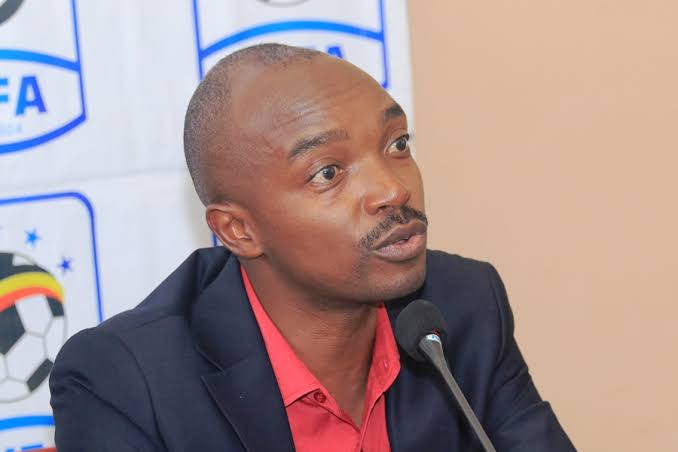
Its initial request in 2025 sought dialogue. By March 2026, it had tabled a specific Shs6 billion annual proposal.
By August, Government had instructed NCS to disburse funds directly to all 18 clubs. Although the reported Shs5.5 billion falls short of the UPL’s requested Shs6 billion and FUFA’s Shs9 billion proposal, the principle of direct Government support has now been established. The clubs are no longer merely asking for financial assistance. They are about to become direct recipients of public money.
The battle ahead
The immediate issue is how quickly NCS will process the payments and what conditions will accompany the funding. The larger issue is whether this becomes a permanent funding model. If the arrangement succeeds, Government could continue funding Premier League clubs directly in future financial years. If it fails, critics will point to weak accountability and argue that football requires stronger central coordination through FUFA.
There is also the question of whether the reported Shs5.5 billion will be enough to transform the clubs. Even at Shs305.6 million per club, the money may cover only part of the financial pressures facing teams during an expanded season. But the political and institutional significance of the decision goes beyond the amount. Government has effectively drawn a line between regulating football and controlling public money. FUFA helped make the case for greater investment in domestic football.
The UPL spent more than a year lobbying for direct support. Now Government has responded by choosing a third path: fund the clubs directly through NCS. As Uganda moves towards Pamoja 2027, the success or failure of this experiment could determine not only how clubs are financed but also how power and money are distributed within Ugandan football. The Shs5.5 billion may therefore be just the beginning of a much bigger conversation over who controls the game, who controls the money and who ultimately answers to the Ugandan taxpayer.
Author Profile
- Charles Gazza Kodili is a seasoned journalist with over 20 years of experience in the media industry. He holds a Bachelor of Arts degree in Mass Communication. He’s currently the Chief Editor at the Investigator.
Charles can also be reached via; Tel: +256 774 108978
Email: [email protected]
Latest entries
 NewsAugust 29, 2026FALLEN KING OYO’S SUCCESSION REASSURED: President Museveni Reveals How the Late Tooro King Left Behind A Young Son Who Will Be Introduced As The Crown Heir At The Right Time
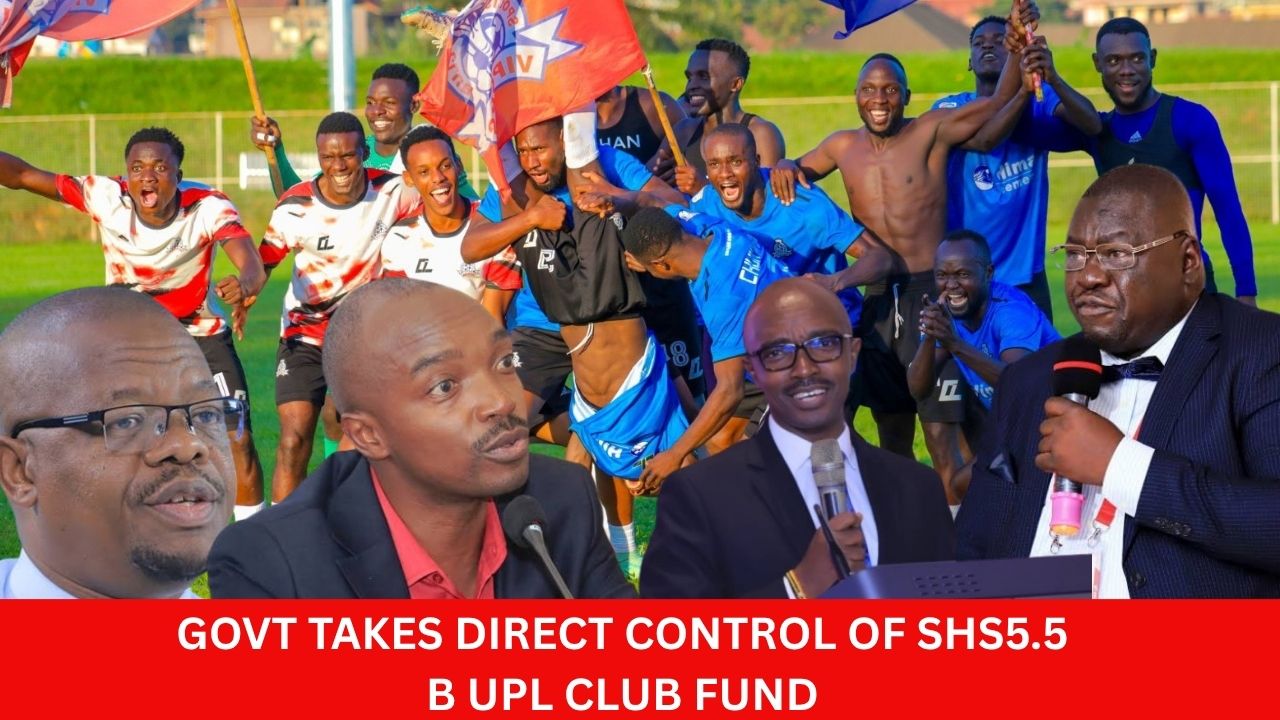 NewsAugust 29, 2026BREAKING EXCLUSIVE: MAGOGO IN TEARS! Government Cuts Out FUFA and Sends UGX5.5Bn Directly to the 18 Premier League Clubs As 2026/27 Season Gets Underway
 NewsAugust 28, 2026STATE HOUSE ON FIRE: Public Clash Exposes Deep Family Tensions As Gen Muhoozi Labels Odrek A Criminal And Vows Action, Triggering Calls For Dialogue And Concern Over Military Power
 NewsAugust 28, 2026UGANDA MOURNS KING OYO: The King’s Nearly 31-Year Reign Ends at 34, Leaving Tooro and Uganda Grieving a Young Monarch Who Inspired Generations