












Parliament has demanded sweeping changes to the management of the Kampala-Entebbe Expressway, including cancellation of the tolling arrangement, forensic audits and a government takeover after MPs uncovered revenue leakages, weak controls and costly contractual arrangements.
The Kampala-Entebbe Expressway, once presented as a flagship symbol of Uganda’s modern transport infrastructure, has become the centre of a parliamentary storm over how public money is collected, managed and accounted for.
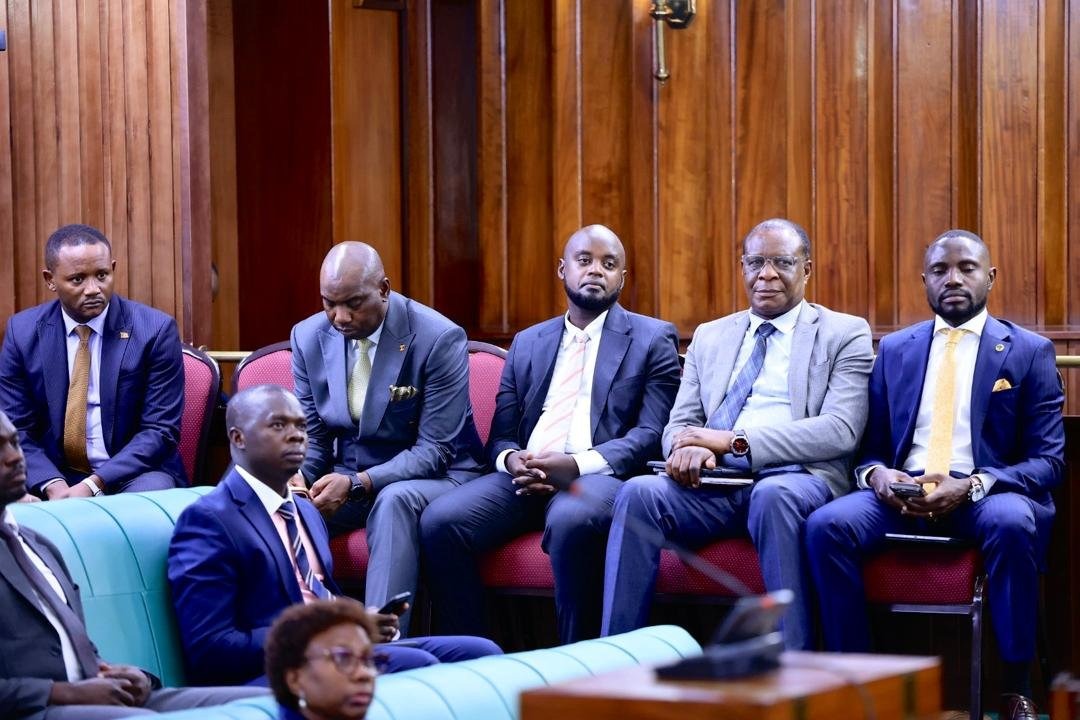
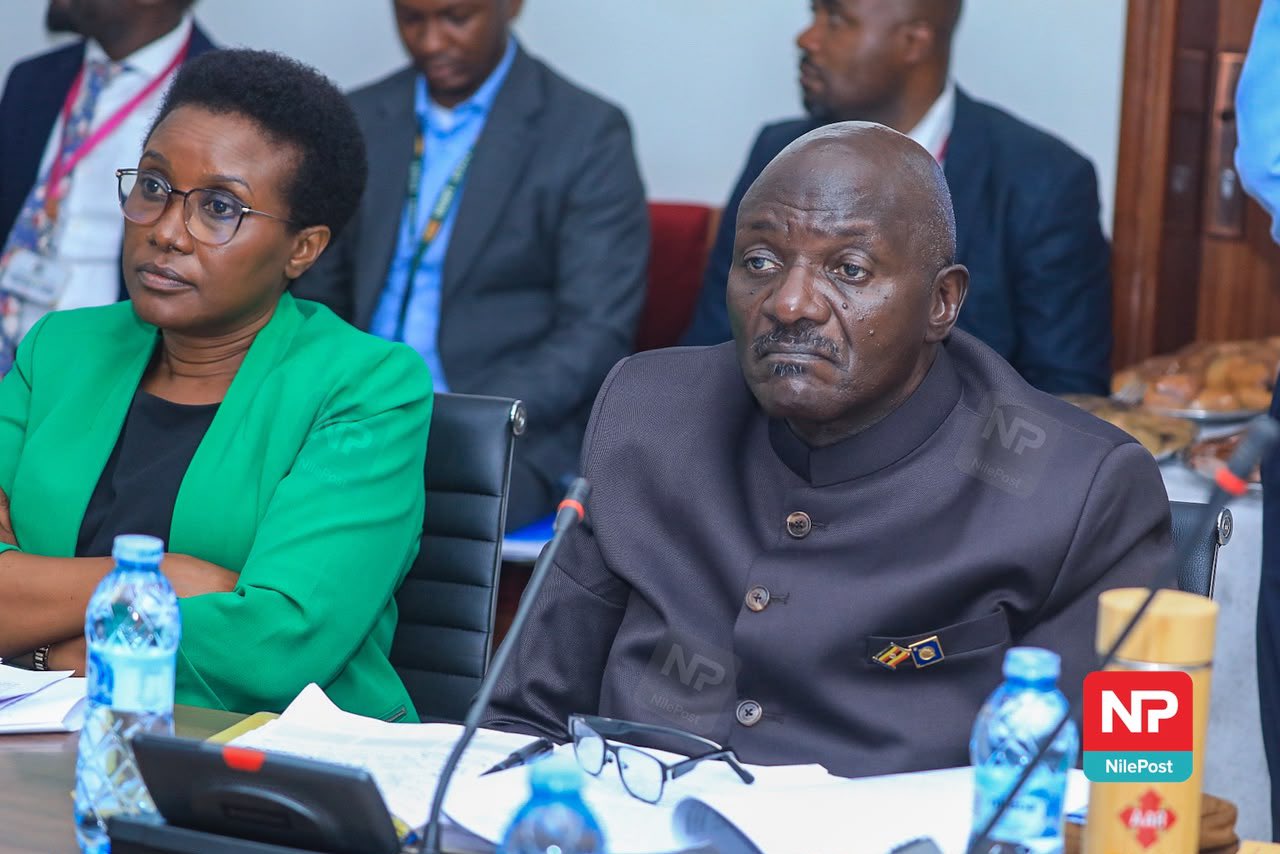
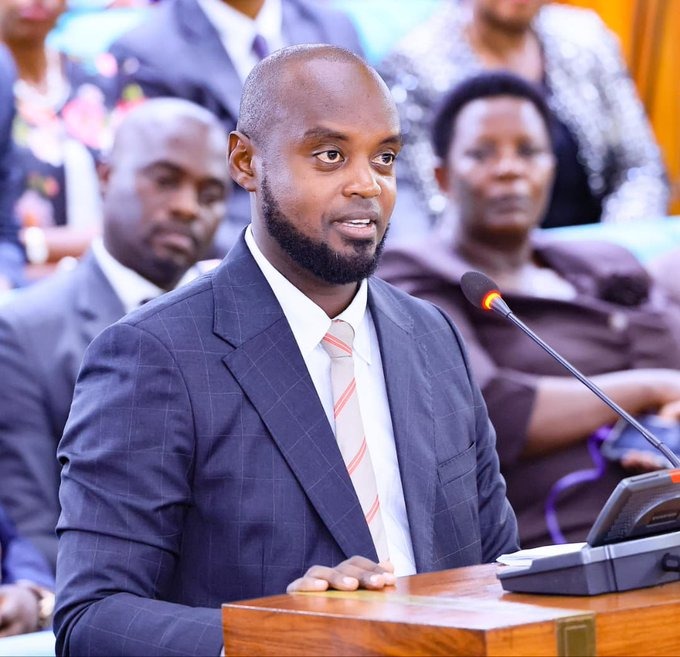
The controversy came to a head on Tuesday, August 25, 2026, when the Chairperson of the Joint Parliamentary Committee on Physical Infrastructure, Mwine Mpaka, presented to Parliament the committee’s report on its oversight inquiry into the management, operation and toll collection system of the 24/25-kilometre expressway.
The report paints a troubling picture of an expensive road whose tolling system has failed to deliver the level of transparency, automation and value for money expected from a major public infrastructure project. At the centre of the MPs’ concern is a basic question: At what cost and to whose benefit is Uganda operating the Kampala-Entebbe Expressway?
Parliament’s inquiry found that Government has collected substantial toll revenue since the road opened, but a large proportion of the money has been committed to private operators under arrangements MPs say require urgent review. The committee consequently made 14 recommendations, the most dramatic being a call for Government to terminate the existing toll-operation arrangement and take over management and toll collection through the Ministry of Works and Transport.
The committee also proposed that the Uganda Revenue Authority (URA) take responsibility for collecting toll revenue, with proceeds placed in an account dedicated to servicing the loan used to construct the expressway.
The Shs122.86 billion question
The committee’s investigation has brought renewed scrutiny to the original contract awarded to French company EGIS Road Operation S.A. The contract was awarded in 2021 and took effect on May 24, 2021, for five years. It was valued at approximately Shs122.86 billion, with an option for an extension of up to 24 months subject to satisfactory performance.
The arrangement was designed to provide expertise in toll collection, road maintenance, traffic management, financial management and operation of the expressway. However, MPs questioned whether the financial structure represented value for money. According to evidence presented to the committee, the initial five-year projected toll revenue was approximately Shs146.47 billion, only marginally higher than the contracted price of Shs122.86 billion.
By June 2026, the total toll revenue collected was reported at about Shs191.15 billion, according to figures presented to Parliament. This prompted Mpaka and his colleagues to question why Government had entered into an arrangement in which a significant share of the revenue generated by a public road was committed to its private operator.
The road itself was financed through a US$350 million loan, and the toll revenues were expected to contribute to repayment of that debt. Instead, the committee concluded that the contractual model risked consuming resources that should be helping Government service the loan.
Pinnacle enters the storm
The controversy did not end with EGIS. After EGIS’s five-year arrangement came to an end in May 2026, responsibility for toll operations was transferred to Pinnacle Security Limited, reportedly through a novation arrangement. Pinnacle is owned by journalist Moses Matsiko Baryamujura.
The committee has now questioned the circumstances under which Pinnacle was allowed to take over the operation. Parliament heard that Pinnacle was awarded a toll collection arrangement costing about Shs36 billion annually. MPs questioned how the company could be entrusted with such a critical public revenue function without what they considered adequate independent due diligence.
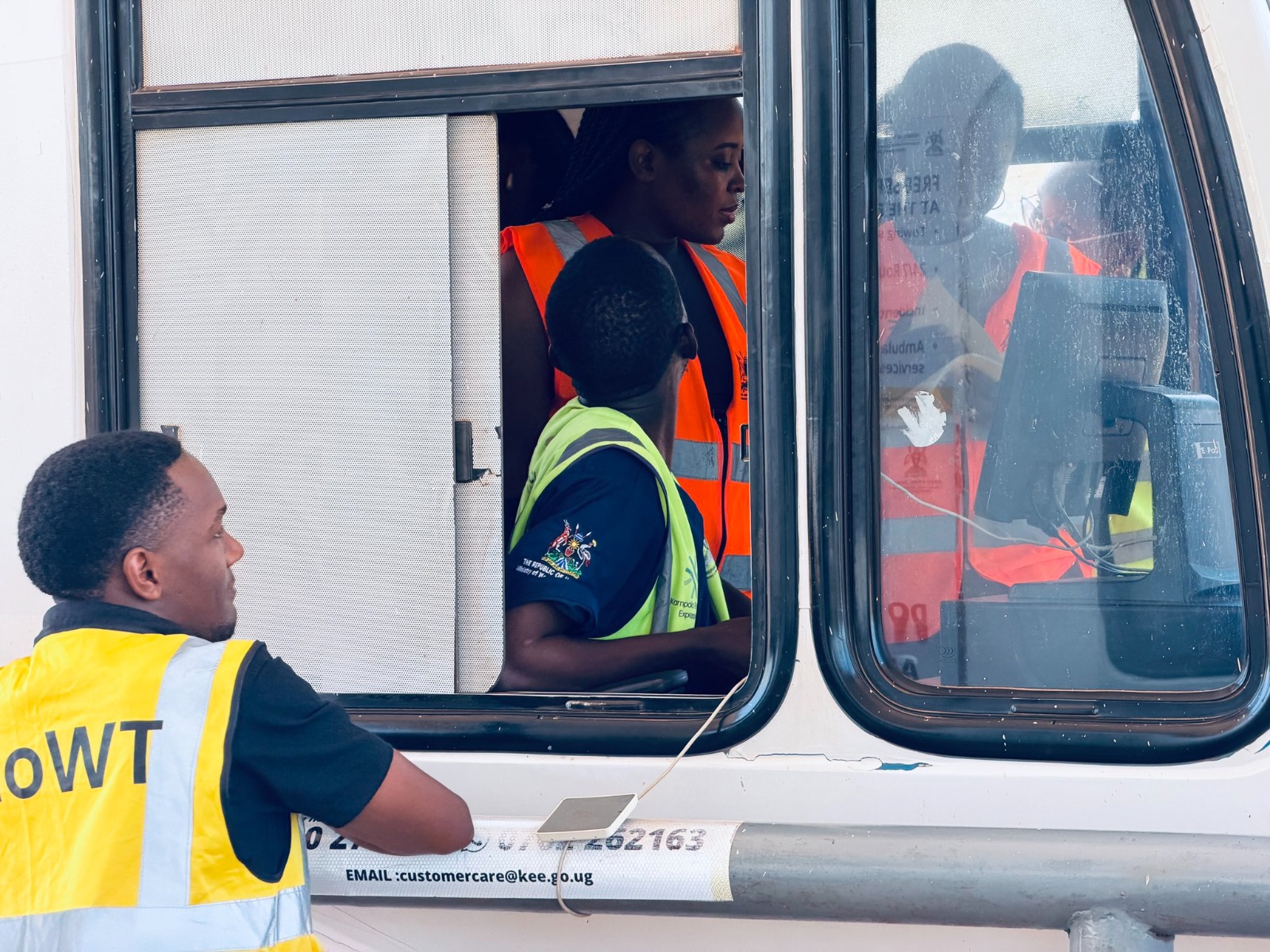
The committee was particularly concerned that Pinnacle appeared to have acquired the necessary experience to manage the toll operation in only about six months. During the inquiry, the committee’s Vice Chairperson, Engineer William Taylor Tiyo, questioned the logic of allowing the former operator to effectively mentor a successor and then assume that the successor possessed sufficient capacity.
The arrangement, MPs argued, raised questions about procurement, competition, technical competence and value for money. This is why the recommendation to cancel the arrangement involving Pinnacle has become one of the most consequential aspects of the parliamentary report. The committee wants Government to stop treating toll collection as an ordinary outsourced service and instead regard it as a critical public revenue function requiring direct accountability.
The toll system that is not entirely electronic
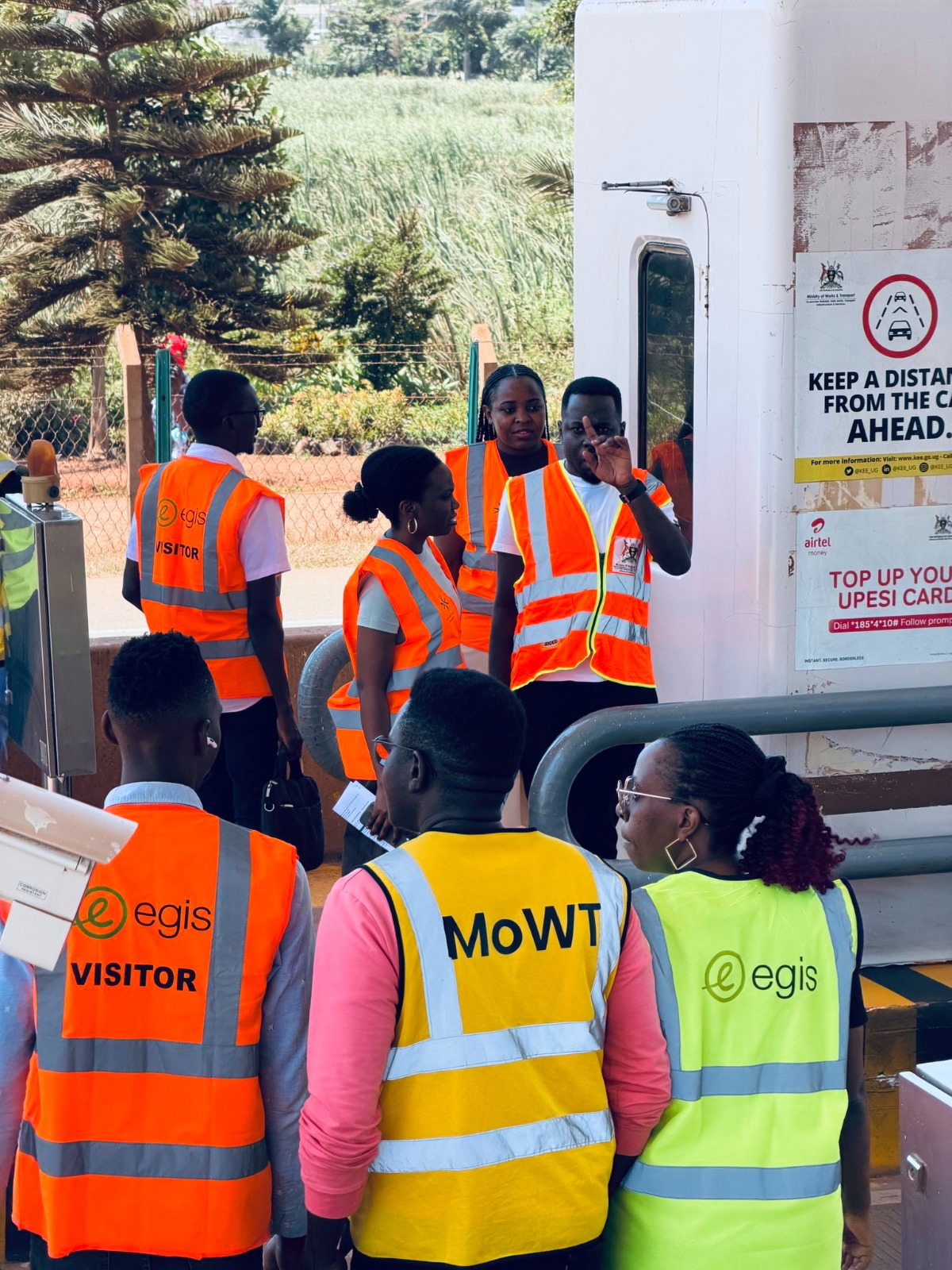
Perhaps the most damaging evidence emerged when MPs conducted an on-site inspection of the toll gates.
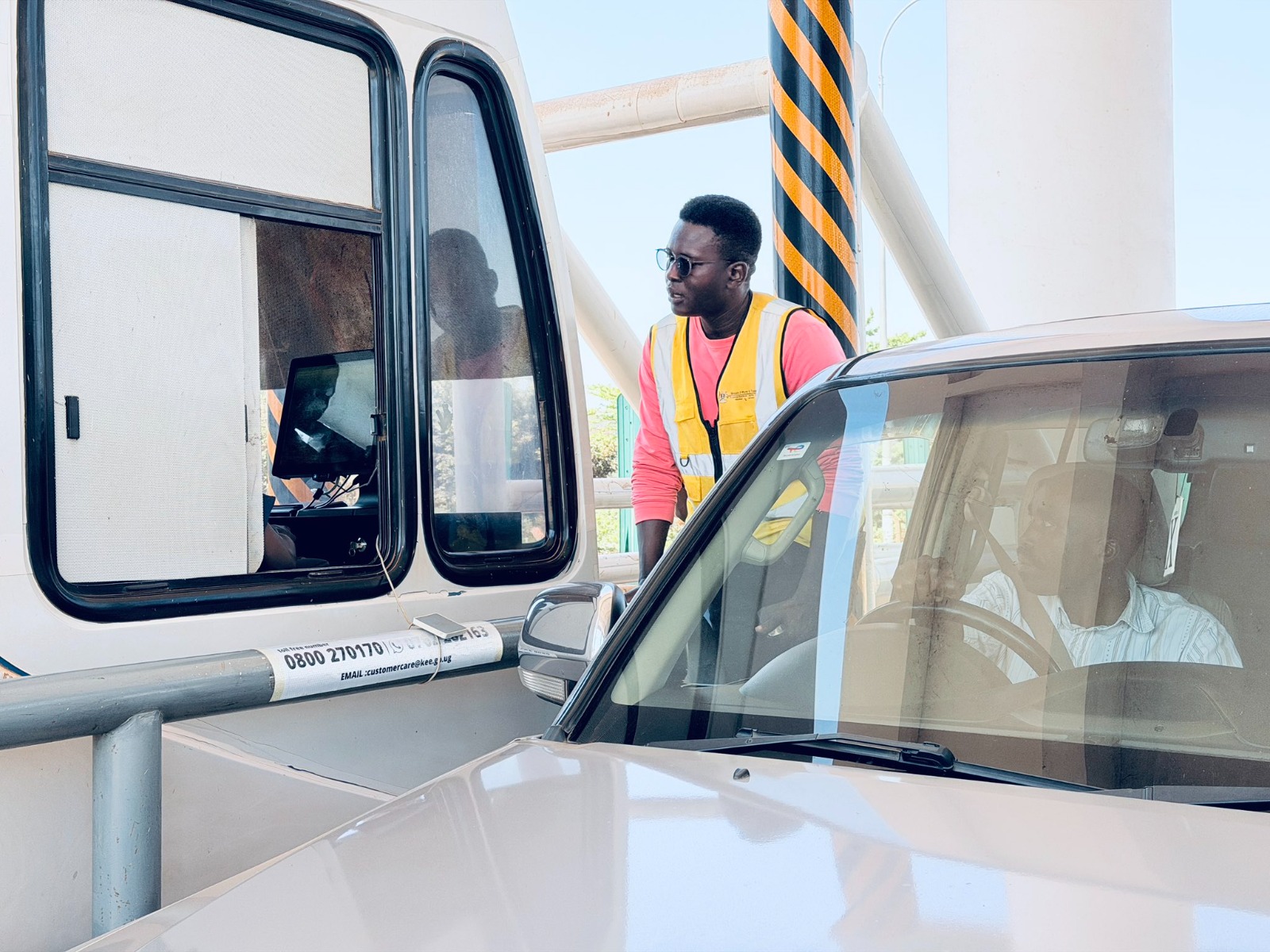
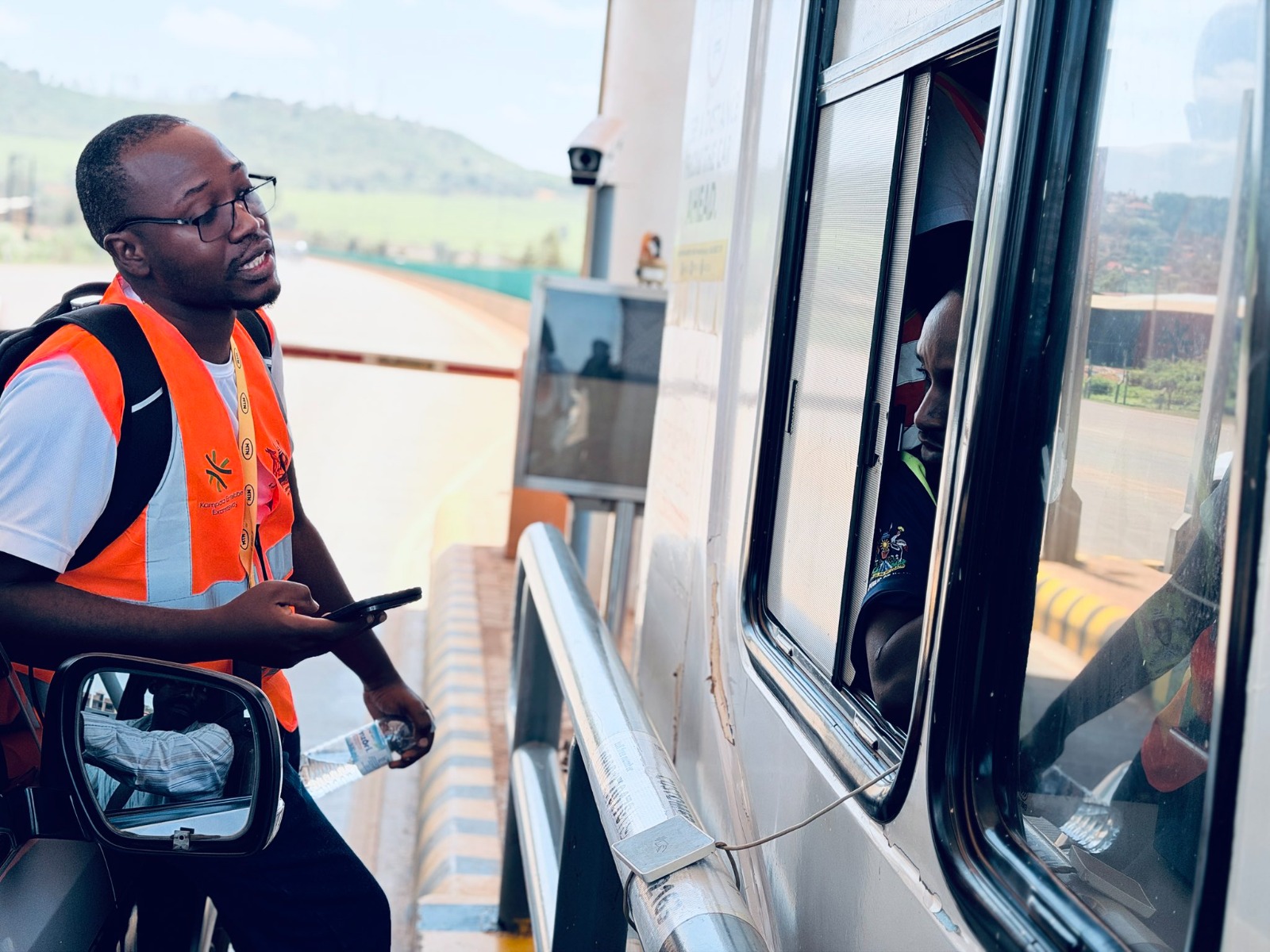
On August 11, 2026, members of the committee witnessed a bus that should have paid Shs15,000 being allowed through after an electronic toll card intended for a light vehicle, attracting a Shs5,000 charge, was manually used to open the barrier.
The incident shocked MPs because it demonstrated that human intervention remained possible in a system that was expected to be automated. For Mpaka’s committee, the incident was more than an isolated technical problem. It exposed what the legislators regarded as a major vulnerability in a system responsible for collecting billions of shillings in public revenue.
If an operator can manually override a toll charge, MPs argued, the possibility of undercharging, revenue leakage and manipulation cannot be ignored. The committee therefore recommended a comprehensive review of the electronic tolling system and greater government control over the technology and revenue trail.
Where is the software and hardware?
Another major concern was the ownership and accessibility of the tolling technology. MPs questioned the status of the software and hardware supplied during the development of the expressway’s tolling infrastructure.
 Evidence presented during the inquiry suggested that CCCC, the Chinese contractor involved in the expressway project, supplied hardware, but Government had difficulties tracing or establishing full access to the corresponding software and technological infrastructure.
This raised a fundamental question: How can Government effectively control a public toll road when it does not have complete control or access to the technological system through which the money is collected? The committee argued that Government must establish ownership, custody and accessibility of all tolling hardware, software, databases and related intellectual property. The absence of full technological control, MPs warned, creates both a financial and security vulnerability.
10,446 vehicles and the revenue leakage question
The committee’s concerns were strengthened by discrepancies in vehicle records. Parliament heard that thousands of vehicle movements could not be reconciled across tolling records. The inquiry cited 10,446 vehicles that could not be reconciled for specified periods, with suspected revenue shortfalls running into more than Shs1 billion. Another internal audit reportedly identified 93 vehicles captured by CCTV entering and passing through a toll point but missing from the toll-system records.
For a tolling system, the audit trail should theoretically allow Government to establish how many vehicles entered, their categories, the applicable charges and the amount paid. The discrepancies therefore became central to the committee’s call for a forensic audit.
Internal auditors questioned
The report also scrutinised the work of internal audit and management officials. The committee questioned whether responsible officials had adequately exercised their oversight responsibilities, including the former leadership of UNRA. Mpaka’s committee accused former officials of failing to adequately protect Government from financial loss.
The report specifically questioned decisions that resulted in the initiation of a contract valued at approximately Shs122 billion, despite the fact that Government had a loan obligation to repay for construction of the road. The concern was that the cost of operating the road was consuming resources that should have been directed towards servicing the debt.
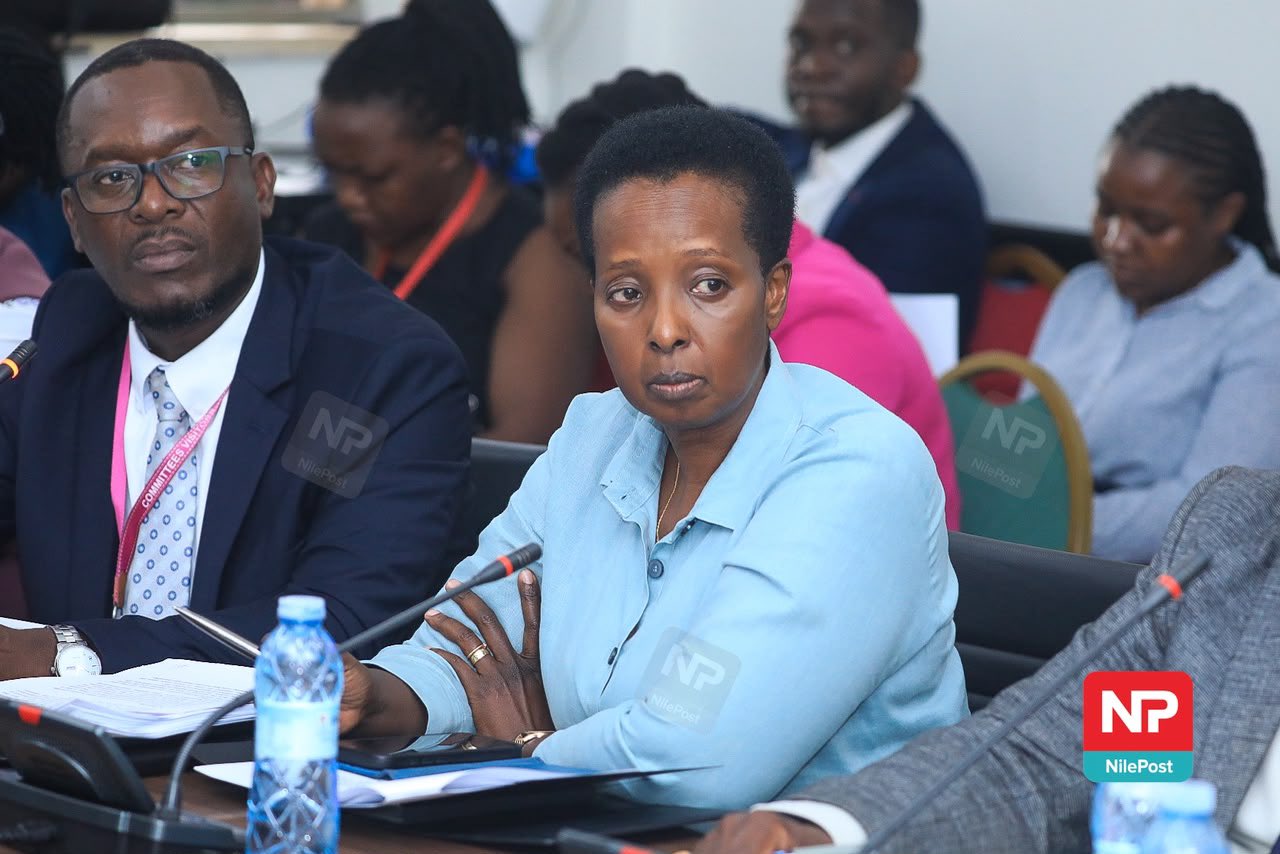
The committee consequently recommended investigations into officials responsible for the procurement, supervision and extension of the contracts. It also called for forensic scrutiny of the operations and revenue collections of both EGIS and Pinnacle from their inception.
Government takeover
The centrepiece of the committee’s recommendations is a fundamental change in the management model. Mpaka’s committee wants the Ministry of Works and Transport to immediately take over the operation and maintenance of the expressway. The legislators argue that direct government management could reduce expenditure on private contractual arrangements and ensure that more toll revenue is available for maintenance and loan repayment.
The committee further recommended that toll collection be moved towards an electronic system and that URA play a role in revenue collection. The proposal is intended to create a clearer separation between road operation and revenue collection while strengthening accountability. However, the committee recognised that Government must establish an efficient institutional mechanism if it is to manage the road itself.
Engineer Isaac Menya of the Ministry of Works and Transport told MPs that Government could directly manage toll collection, provided an appropriate structure was created to ensure that funds were available for road maintenance. He cited Ethiopia’s state-managed toll roads and Kenya’s public-private partnership model as examples from which Uganda could draw lessons.
The Attorney General throws a legal spanner in the works
Just as Parliament moved to demand cancellation, the Attorney General’s office warned that terminating the existing arrangement without following the contractual and legal process could expose Uganda to expensive litigation and international arbitration. Deputy Attorney General Jackson Karugaba Kafuuzi told Parliament that Government could not simply terminate a legally enforceable contract.
The Attorney General’s position was that the Ministry should first establish whether the operator had breached contractual obligations and follow the termination provisions contained in the agreement. The legal advice also reportedly supported a forensic audit of EGIS and Pinnacle’s revenue systems from the beginning of their operations. The legal position presents Parliament and Government with a difficult balancing act.
On one hand, MPs want the contract cancelled because they believe the arrangement has exposed Government to financial losses and weak accountability. On the other, an abrupt termination could expose taxpayers to compensation claims and arbitration.
The Attorney General also cautioned against simply transferring the entire toll-collection mandate to URA without addressing the legal framework. Under the Roads Act, toll collection falls within the responsibility of the relevant roads authority, meaning legislative or institutional changes may be necessary before URA can assume the function in its entirety.
Who benefits?
That question now hangs over the entire expressway saga. The road was constructed with borrowed money. Its tolls were expected to generate revenue to help repay that debt. Yet Parliament has found itself investigating a system in which billions of shillings have been paid to private operators while weaknesses remain in the collection and accounting mechanisms.
The committee’s report therefore goes beyond Pinnacle and EGIS. It questions the entire philosophy of outsourcing the management of a strategic national asset. The committee wants Government to establish exactly how much has been collected, how much has been paid to contractors, what has been lost through leakages, who authorised the contractual decisions and whether the original procurement represented value for money. It also wants responsible officials held accountable where investigations establish negligence or abuse of office.
A road built for 20 years, a contract built around five
Another issue underlying the committee’s recommendations is the lifespan of the expressway. Government borrowed heavily to build an asset expected to serve the country for decades, with the road’s lifespan projected at about 20 years. Yet the management and tolling arrangements were structured around a five-year operational contract, creating concern that the country may have surrendered a significant part of the road’s revenue-generating potential to private operators.
The committee now wants Government to rethink the model before more public resources are committed. For MPs, the objective is not simply to cancel a contract. It is to establish a tolling system in which the public can see the money collected, the money spent, the cost of maintaining the road and the amount going towards repayment of the construction loan.
The parliamentary inquiry has therefore turned the Kampala-Entebbe Expressway into a test case for Uganda’s management of major infrastructure assets. The central message from Mpaka’s committee is blunt: a public road built with borrowed money cannot become a private revenue machine operating beyond effective public scrutiny.
But with the Attorney General warning of potential legal and financial consequences, the battle over the expressway is far from over. What began as an inquiry into toll collection has now become a much bigger confrontation over procurement, public finance, technology, accountability and control of one of Uganda’s most expensive roads. The question facing Government is no longer simply how to collect tolls. It is who should collect them, who should control the system, how much should it cost and, ultimately, whether the people of Uganda are getting value from the road they borrowed billions to build.
Author Profile

- Uganda's First online News Paper. "More than Just News" Investigative, Informative, without Fear or Favor
Latest entries
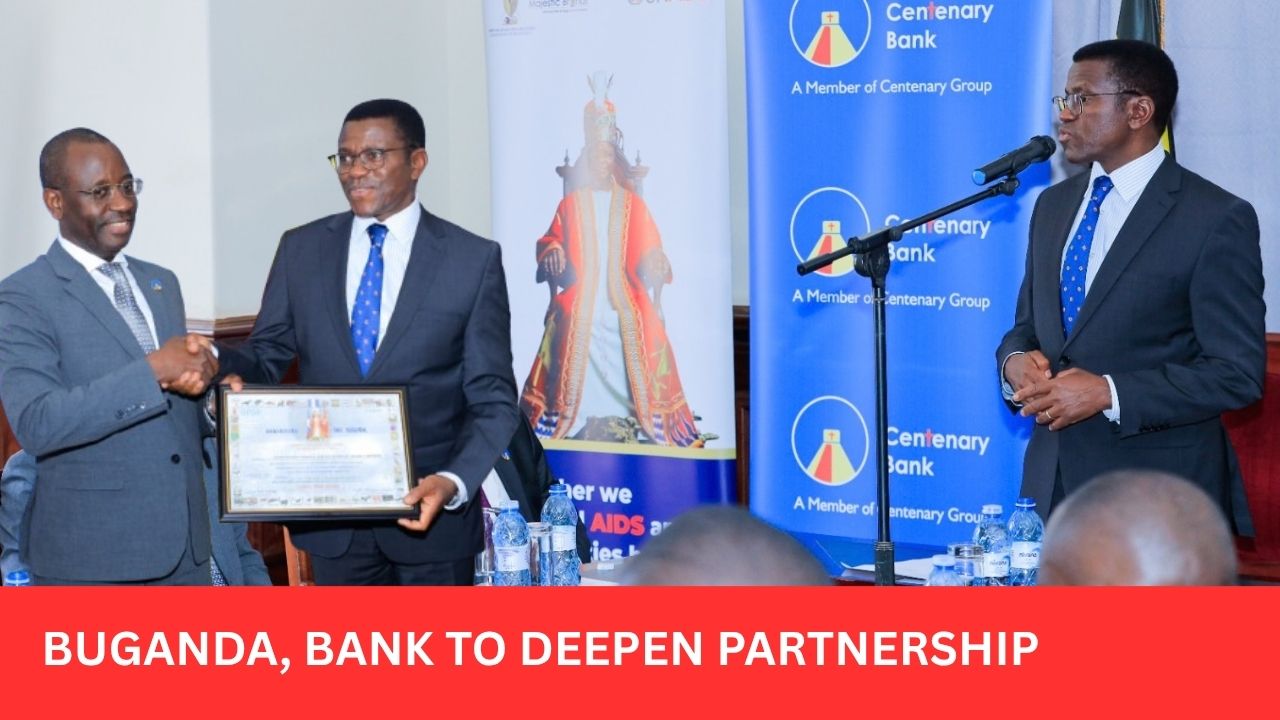 BusinessSeptember 25, 2026CPM BACKS CENTENARY: Buganda–Centenary Partnership Gets Fresh Boost As Premier Charles Peter Mayiga Calls For Deeper Collaboration To Drive Financial Inclusion And Development
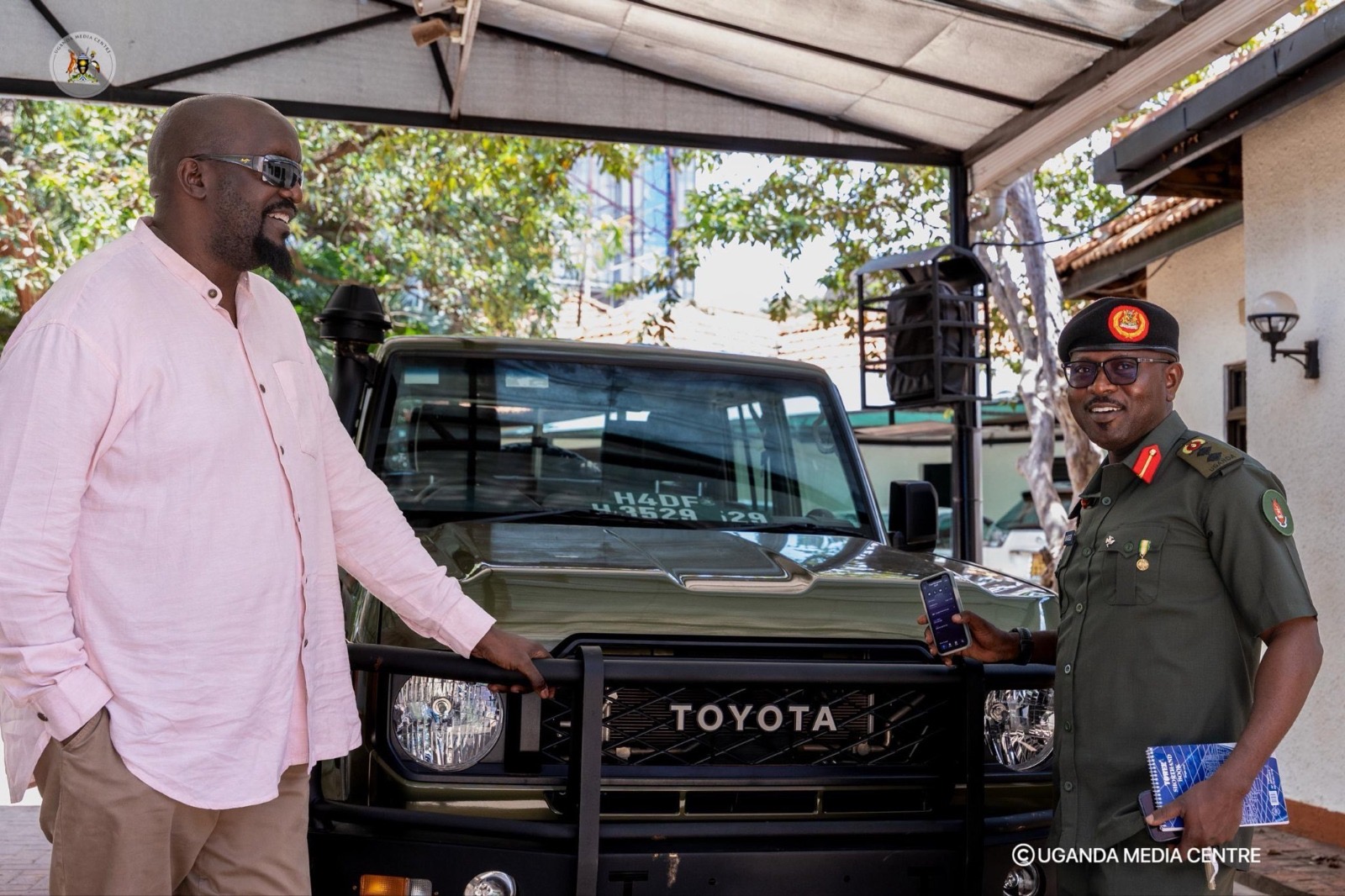 FeaturedSeptember 20, 2026THE CAR-SUJA VEHICLE: GEN. MKM Donates a Brand-New Toyota Land Cruiser Pickup to The Uganda Media Centre After Learning That Two Staff Members Had Been Involved in an Accident
 FeaturedSeptember 13, 2026MUSEVENI “SHIELDED `MURDEROUS` QUEEN MOTHER”… Andrew Mwenda Accuses QM Best Kemigisa Of the 1999 Prince Kijjanangoma Murder, Alleges M7`s Protection Against Prosecution! Tooro Succession Crisis Deepens
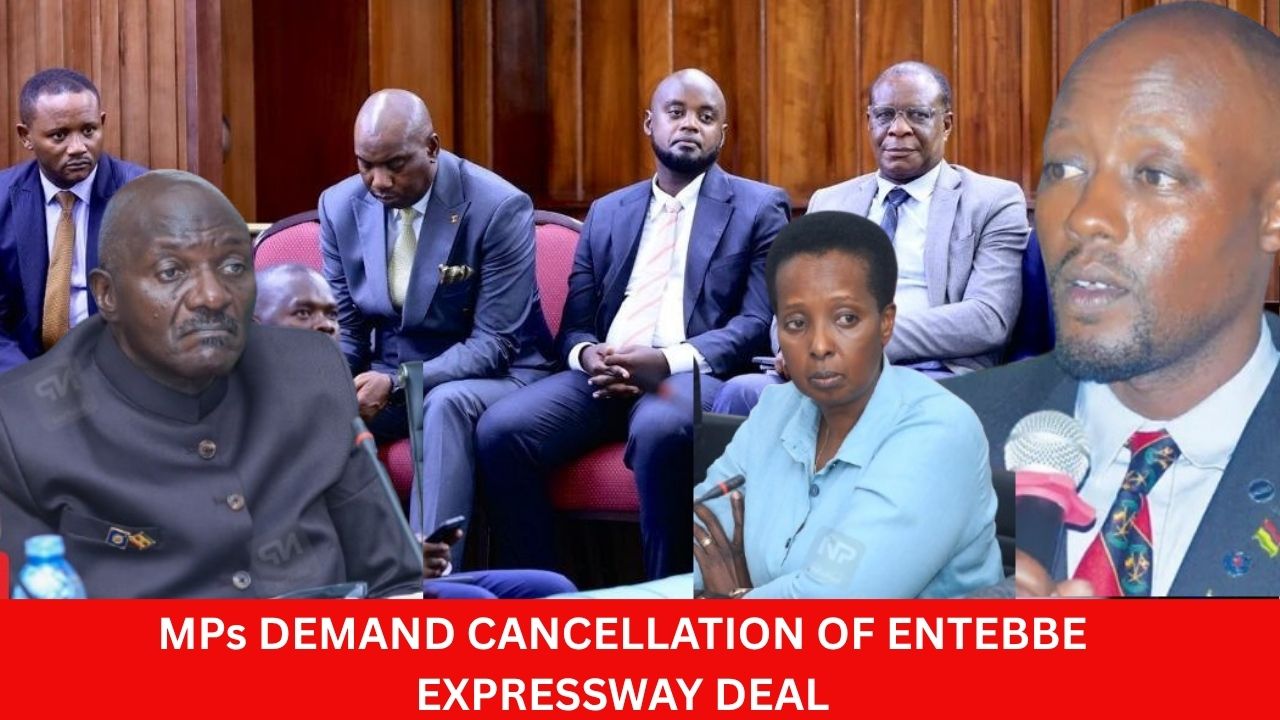 NewsAugust 29, 2026THE BOGUS SHS122B TOLLING DEAL: Why Parliament is Demanding for Cancellation of Pinnacle Contract, Forensic Audit of Collections And Government Takeover Of Ebb Expressway Operations