










President Yoweri Museveni has paid tribute to the late Gen. Moses Ali in Adjumani, describing the veteran politician and soldier as a long-serving colleague whose contribution to Uganda spanned military service, politics, peace-building and development.
Museveni travelled to Adjumani, the home district of the former Deputy Prime Minister, where he laid a wreath in honour of Ali and met members of the bereaved family to convey his condolences.
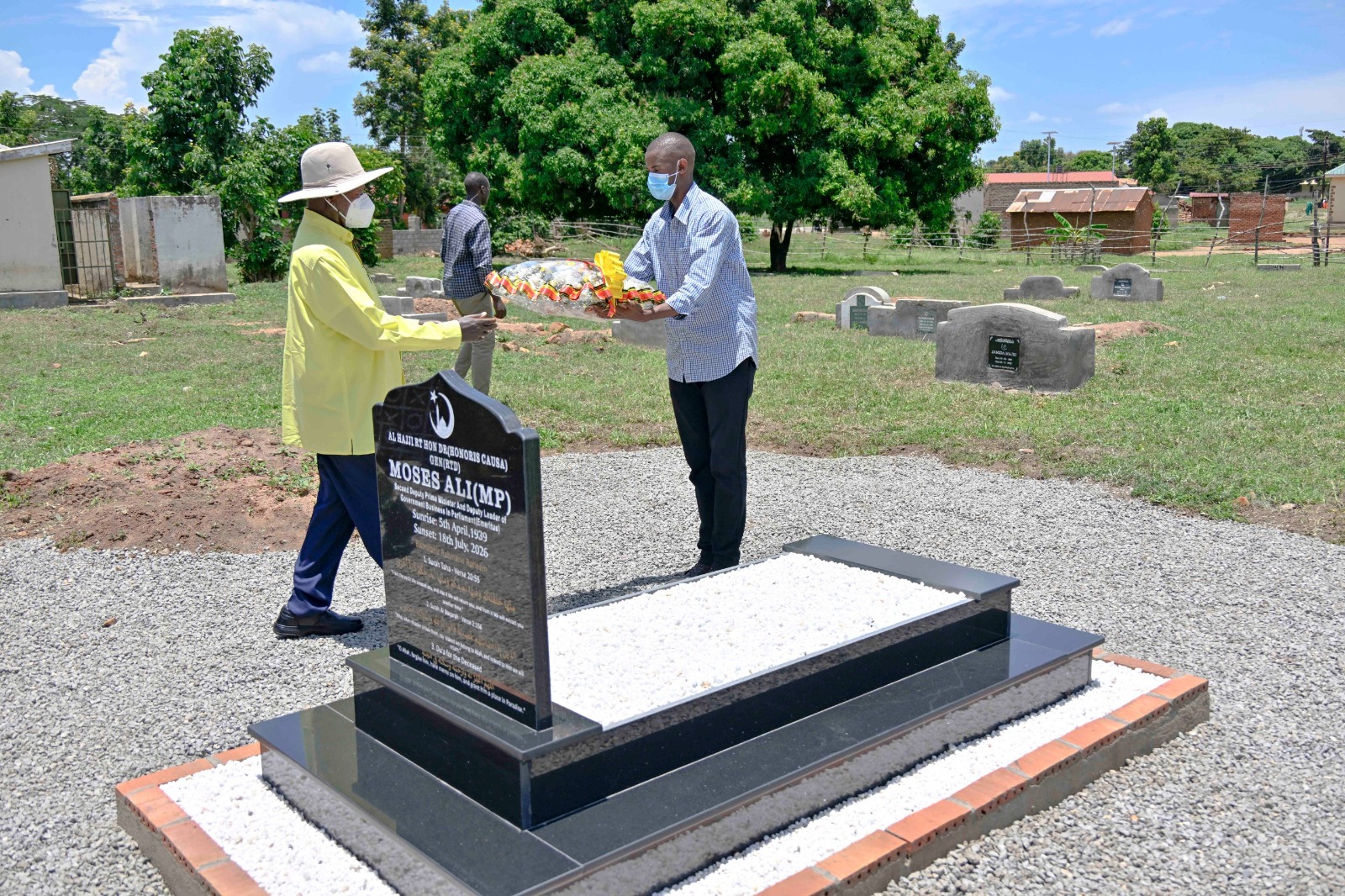 The President’s tribute came nearly two months after the death of Ali, one of Uganda’s longest-serving political and military figures, whose career stretched across some of the country’s most turbulent periods.
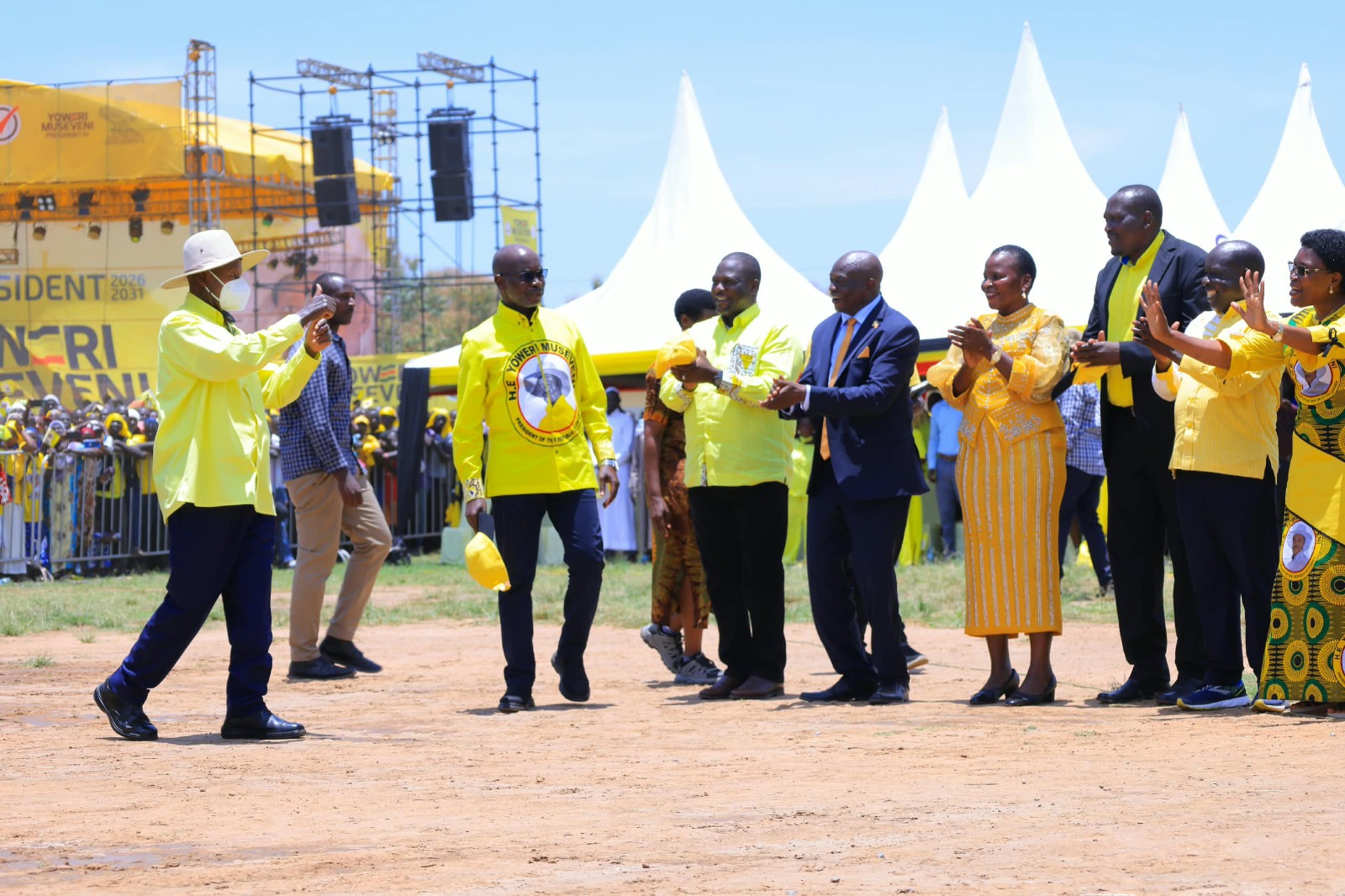
After paying his respects, Museveni proceeded to Paridi Stadium, where he addressed a campaign rally in support of National Resistance Movement (NRM) flagbearer Leku James Pilli ahead of the Adjumani West parliamentary by-election scheduled for Thursday, September 17, 2026.
The President’s visit brought together two important aspects of the political history of Adjumani — the legacy of a veteran who served alongside Museveni for decades and the ongoing political contest to fill the parliamentary seat previously held by Ali.
A long political journey together
Museveni and Ali’s political relationship was forged in one of the most difficult periods of Uganda’s history.
Ali, born in Adjumani in 1939, joined the military and rose through the ranks before becoming a prominent political and military figure. His career took him through the governments of Idi Amin and later President Museveni.
Although their political paths were not always the same, the two eventually became partners in the effort to stabilise Uganda after years of political and military upheaval.
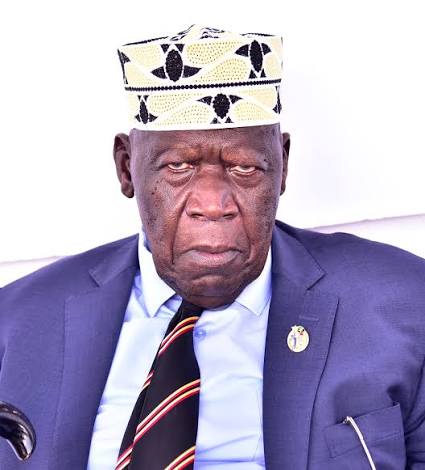 Ali had led the Uganda National Rescue Front (UNRF), a rebel movement operating in West Nile. His forces later reached an understanding with the government and were integrated into the national army after Museveni came to power in 1986. That process became an important chapter in Ali’s relationship with Museveni.
Instead of remaining on opposite sides of the political and military divide, the two men worked together within the new government.
Ali subsequently served in senior positions in government and Parliament, becoming one of the longest-serving members of Museveni’s administration.
He served as Third Deputy Prime Minister, First Deputy Prime Minister and later Second Deputy Prime Minister, while also representing his constituents in Parliament.
The President has previously described Ali as a freedom fighter, peacemaker and development-oriented leader. During a special parliamentary sitting held to honour Ali after his death, Museveni said he had come to Parliament to bear witness to the positive attributes he had seen in the late general.
“I came here to bear witness to the positive attributes I saw in General Moses Ali. He was a freedom fighter, a peacemaker and a development-oriented leader,” Museveni said. That assessment has defined much of the President’s public remembrance of Ali.
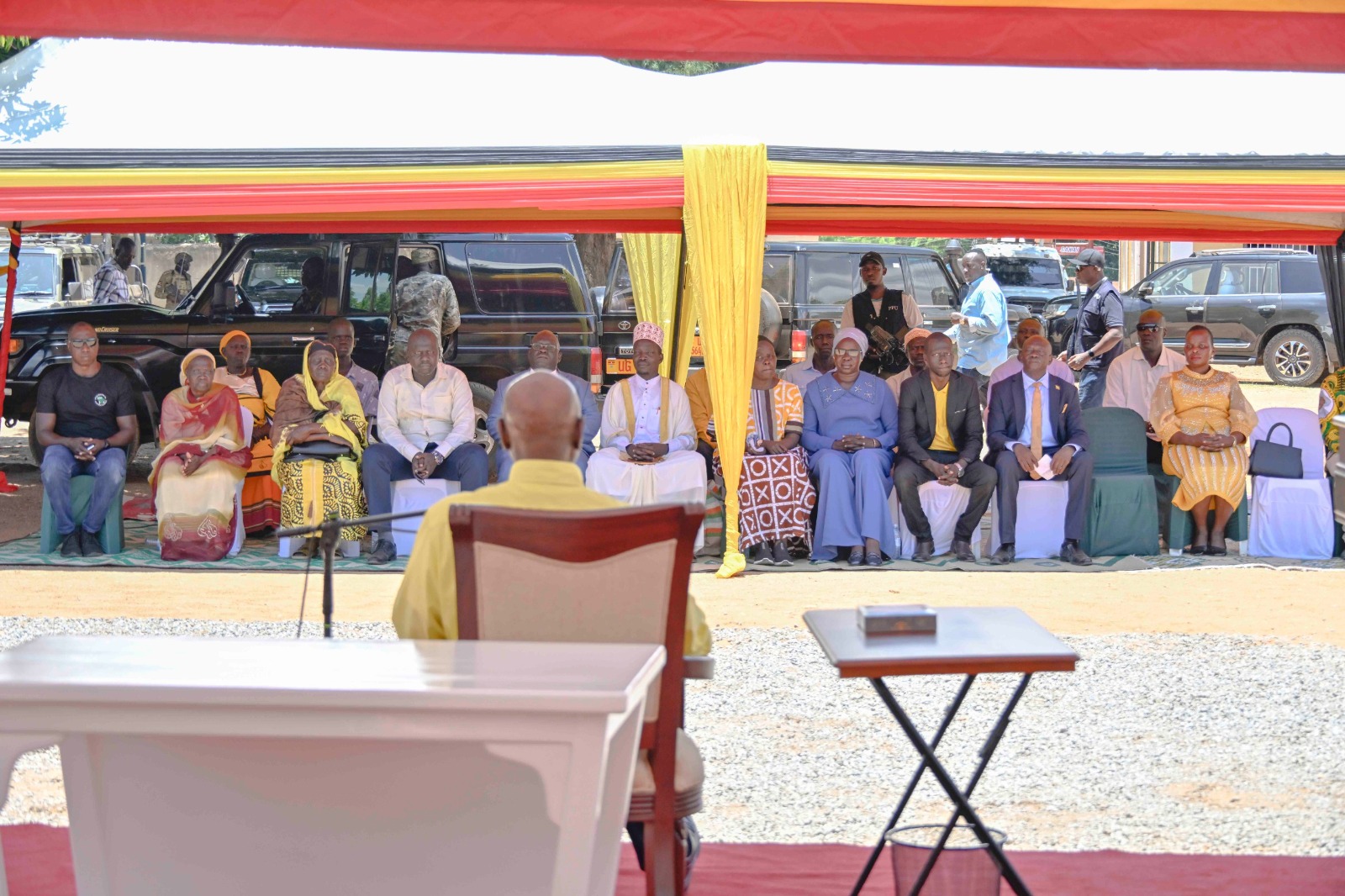 From rebel commander to Cabinet veteran
Ali’s political journey was remarkable for its longevity and the number of governments and political transitions through which he lived.
He was born on April 5, 1939, in present-day Adjumani District and joined the Uganda Army in the 1960s.
During the regime of Idi Amin, Ali served in government, including as Minister of Finance. He later fell out with the Amin government and went into exile.
His return to Uganda’s political mainstream came after the rise of Museveni and the National Resistance Movement.
The integration of UNRF fighters into the national army helped transform Ali from a rebel commander into a government ally and senior statesman. For decades thereafter, Ali remained part of the political establishment.
His career was not limited to the military. He also trained as a lawyer and became an influential legislator, serving in Parliament for many years.
 He was appointed to several senior Cabinet positions and remained a key figure in government even as political generations changed around him.
By the time of his death, Ali had become one of the most recognisable political figures from West Nile and one of the longest-serving associates of Museveni. His contribution was also not confined to government offices.
Museveni, in announcing his death, highlighted Ali’s role as a farmer and his contribution to commercial agriculture in West Nile.
The President said Ali had provided a good example through modern farming and described his death as a loss to the country and the region.
Museveni announces death
Ali died on July 18, 2026, at Nakasero Hospital in Kampala at the age of 87. Museveni personally announced his death, describing him as “our brother” and acknowledging his long service to Uganda as a soldier and political leader.
“Gen. Moses Ali has provided service to his country for a long time, as a soldier and a political leader,” Museveni said at the time.
The President also noted Ali’s contribution to the development of West Nile, particularly through commercial farming.
Ali’s death triggered an outpouring of tributes from political, military and religious leaders, with government according him an official burial.
Parliament also held a special sitting in his honour, attended by Museveni, who paid tribute to the late general before his body was taken to Adjumani.
Museveni also laid a wreath on Ali’s casket during the parliamentary tribute and signed the condolence book.
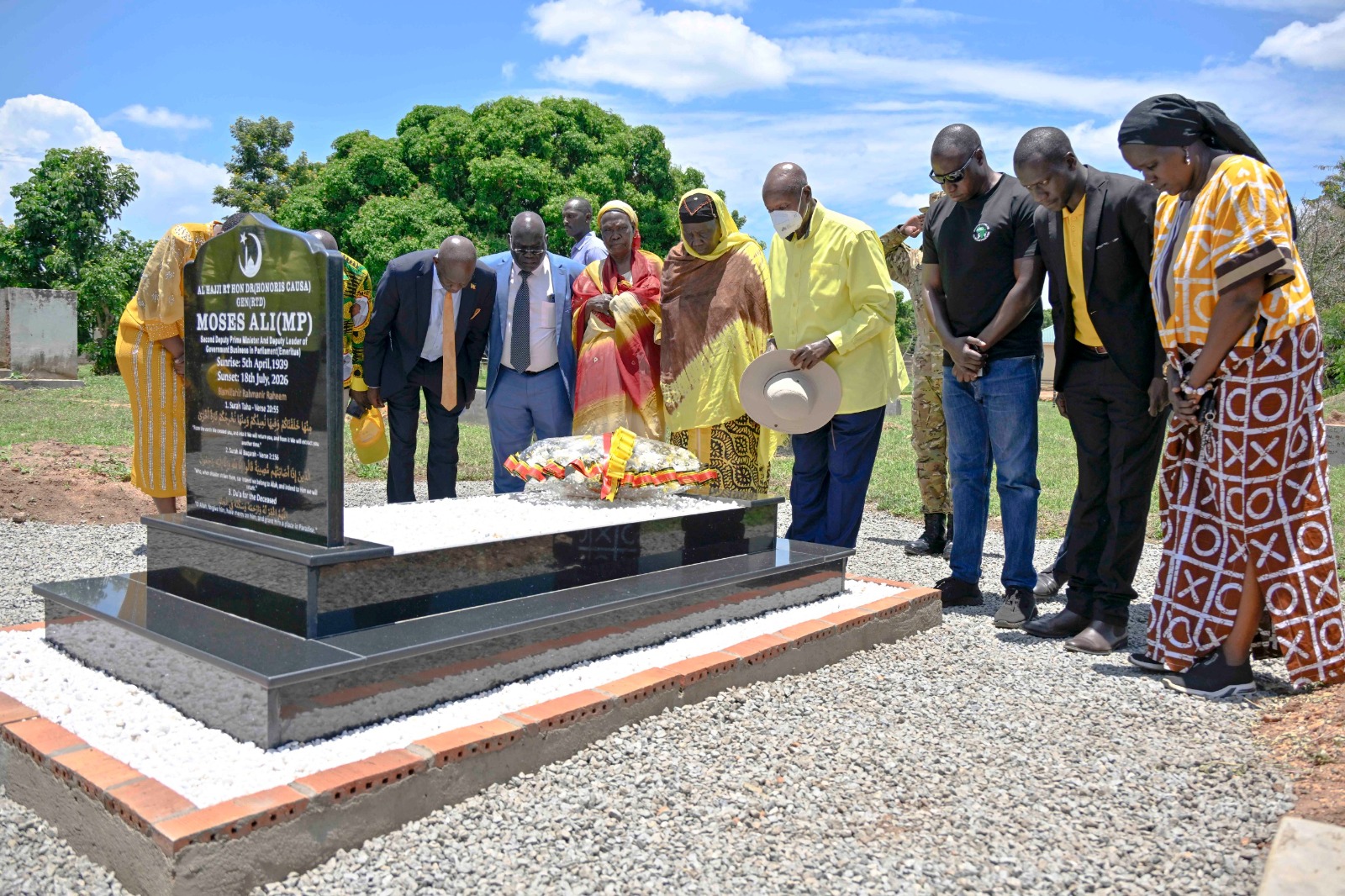 The government later transported Ali’s body to Adjumani, where he was buried with official honours.
His burial marked the end of a career that had taken him from the military to rebellion, peace negotiations, Cabinet and Parliament.
Returning to Adjumani
Museveni’s latest visit to Adjumani carried a strong personal and political significance. By laying a wreath at Ali’s resting place and meeting the bereaved family, the President was not only paying respects to a former Cabinet colleague but also marking the passing of a political generation.
Ali and Museveni worked together for decades, particularly after the end of the UNRF rebellion and the integration of Ali’s forces into the national political and security establishment.
Their relationship survived changing political circumstances and saw Ali occupy some of the most senior positions in government.
The President’s tribute therefore came against the backdrop of a partnership that had evolved from conflict to cooperation and ultimately to decades of service within the same government.
For Adjumani, Ali’s death has left a significant political and historical gap.
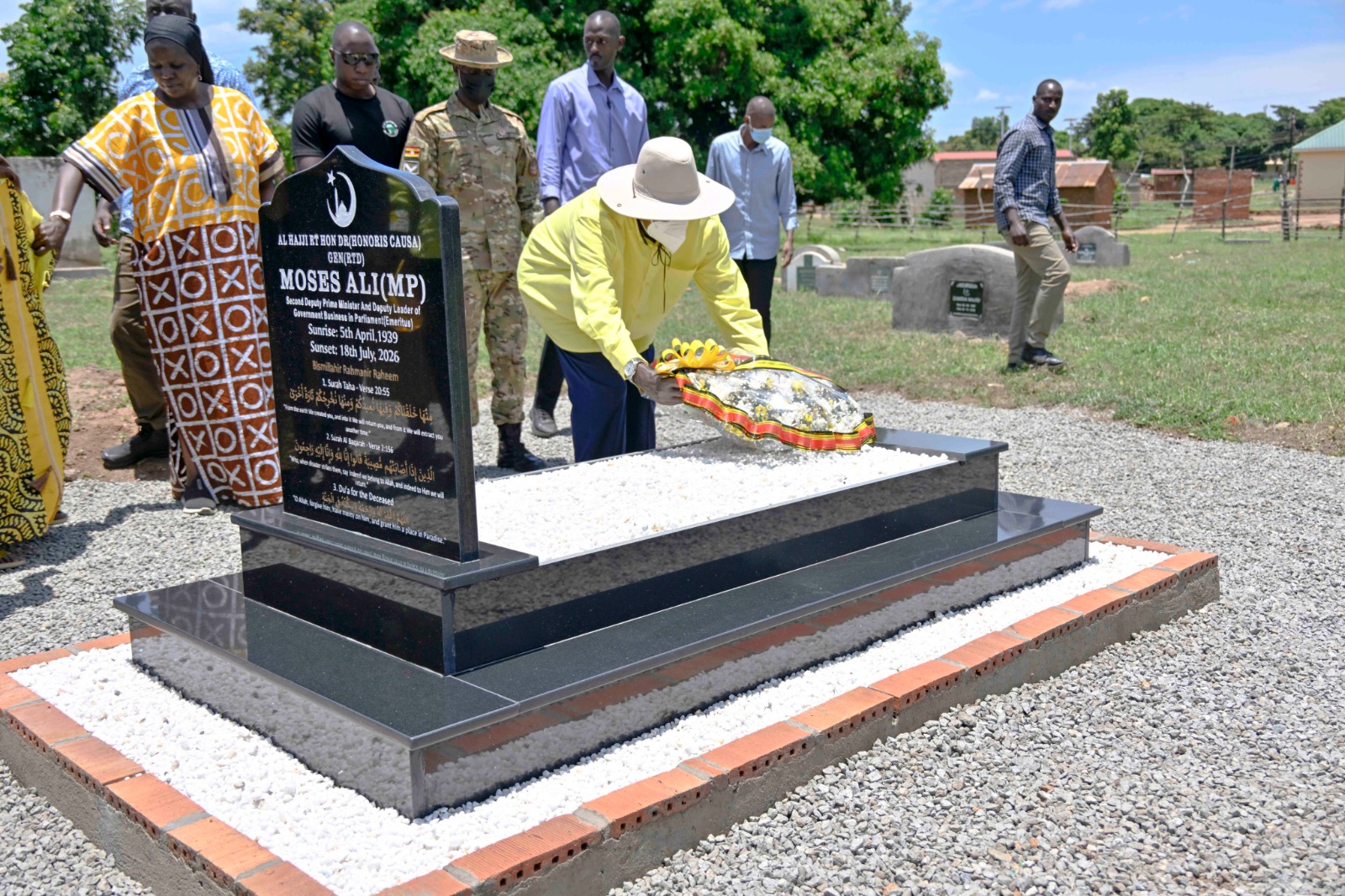 He was more than the district’s long-serving Member of Parliament. He was a former military commander, Cabinet minister, Deputy Prime Minister, farmer and one of the most prominent political figures to emerge from West Nile.
His death has also changed the political landscape of Adjumani West, with voters now preparing to choose his successor in the September 17 parliamentary by-election.
Campaign trail
After paying tribute to Ali and meeting the bereaved family, Museveni moved to Paridi Stadium to campaign for NRM candidate Leku James Pilli.
The by-election is being held following the death of Ali, who had represented Adjumani West and remained a dominant political figure in the constituency.
Museveni’s appearance at the campaign rally therefore placed the late general’s legacy and the NRM’s current political mobilisation side by side.
As the President sought votes for the NRM candidate, he also remembered the man who had spent decades serving within the same political establishment.
For Museveni, Ali’s death represented the loss of a colleague who had travelled a long and complicated road in Uganda’s political history — from soldier and rebel commander to peacemaker, Cabinet minister and elder statesman. In Adjumani, the laying of the wreath was therefore more than a ceremonial gesture.
It was a final public salute to a man with whom Museveni had shared decades of Uganda’s political journey.
Gen. Moses Ali is gone, but his political and military legacy remains woven into the history of Uganda, particularly the story of West Nile and the transformation of former armed opponents into partners in government.
For the President, yesterday’s tribute offered an opportunity to honour that history before turning to the present political contest in the constituency Ali represented for years.
Author Profile

Latest entries
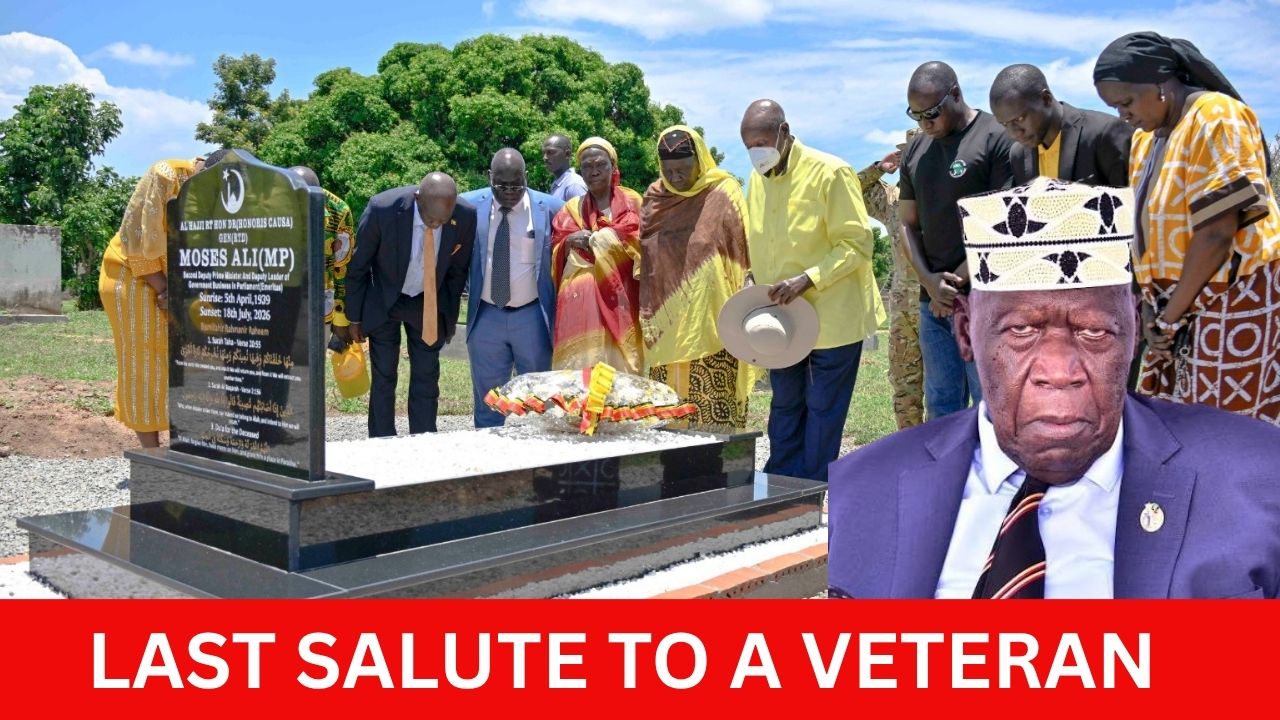 FeaturedSeptember 15, 2026MUSEVENI SALUTES MOSES ALI: President Returns To Adjumani To Honour Fallen General, Lay Wreath And Remember Decades Of Service, Loyalty And Partnership
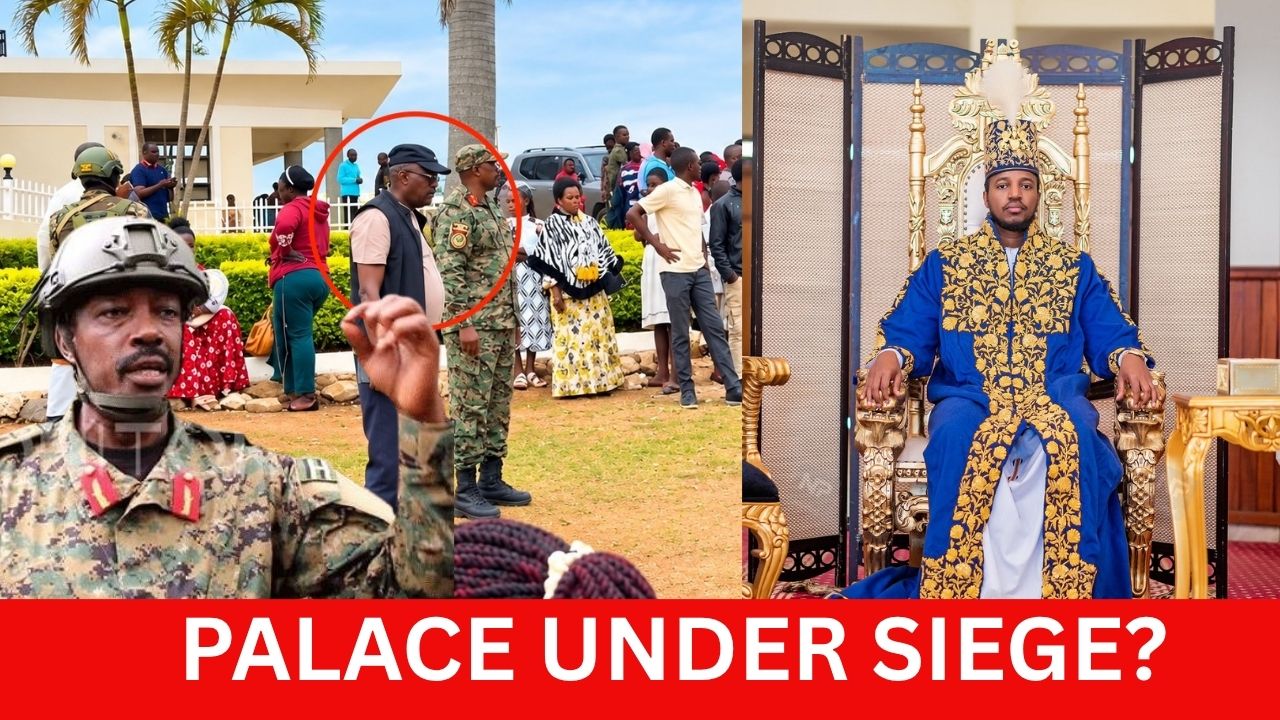 FeaturedSeptember 10, 2026QUEEN MOTHER: I AM UNDER ARREST: Best Kemigisha Tells Reporters Karuziika Has Been Taken Over, Sparking Fresh Alarm Inside The Royal Establishment. Land Forces Commander Gen Kayanja Muhanga Seen Directing Troops As Soldiers Tighten Control
 BusinessSeptember 10, 2026‘GIVE ME 50% OR CLOSE!’ — URA OFFICIAL SHARIFA NAKALEMA ACCUSED: Chinese Investors Claim URA Enforcement Followed Refusal To Make Official A Partner In Multibillion-Shilling Trade
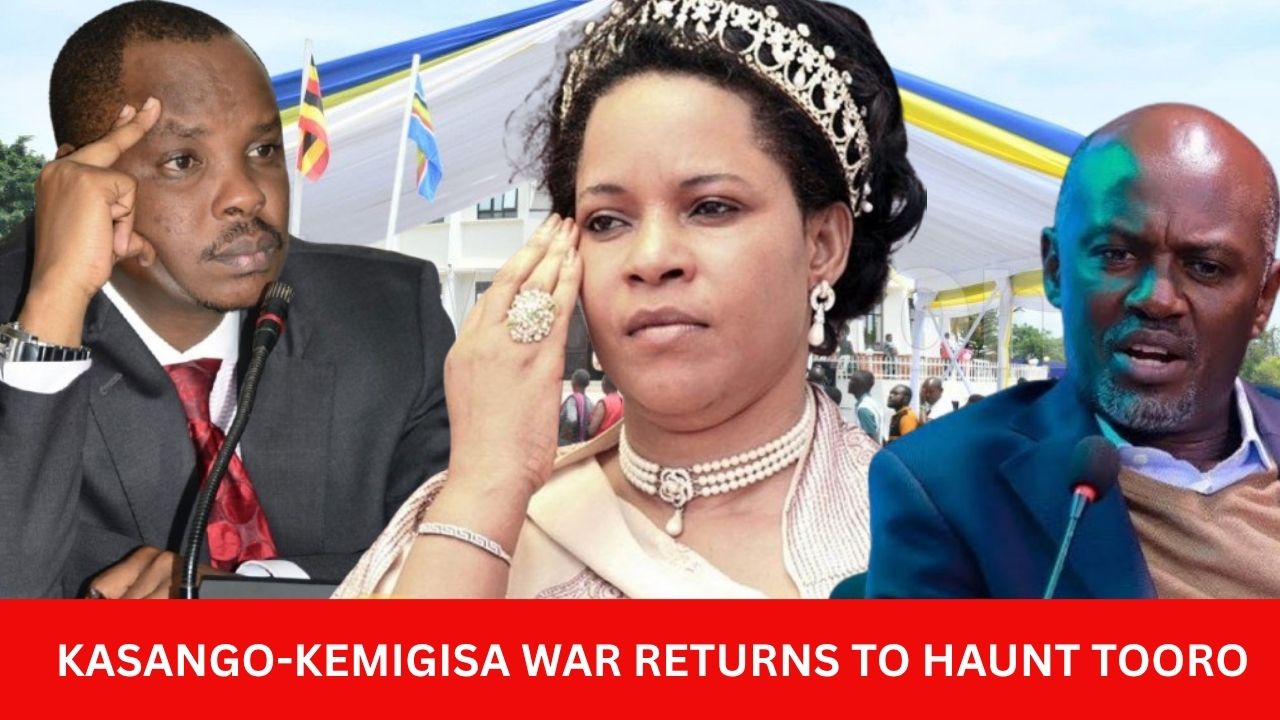 FeaturedSeptember 8, 2026MWENDA, KEMIGISA AND THE KASANGO SHADOW OVER TOORO SUCCESSION: How An Old Legal Battle Involving Queen Best Kemigisa And Her Late Lawyer Bob Kasango Has Resurfaced Amid The Bitter Dispute Over King Oyo Successor Bid