
















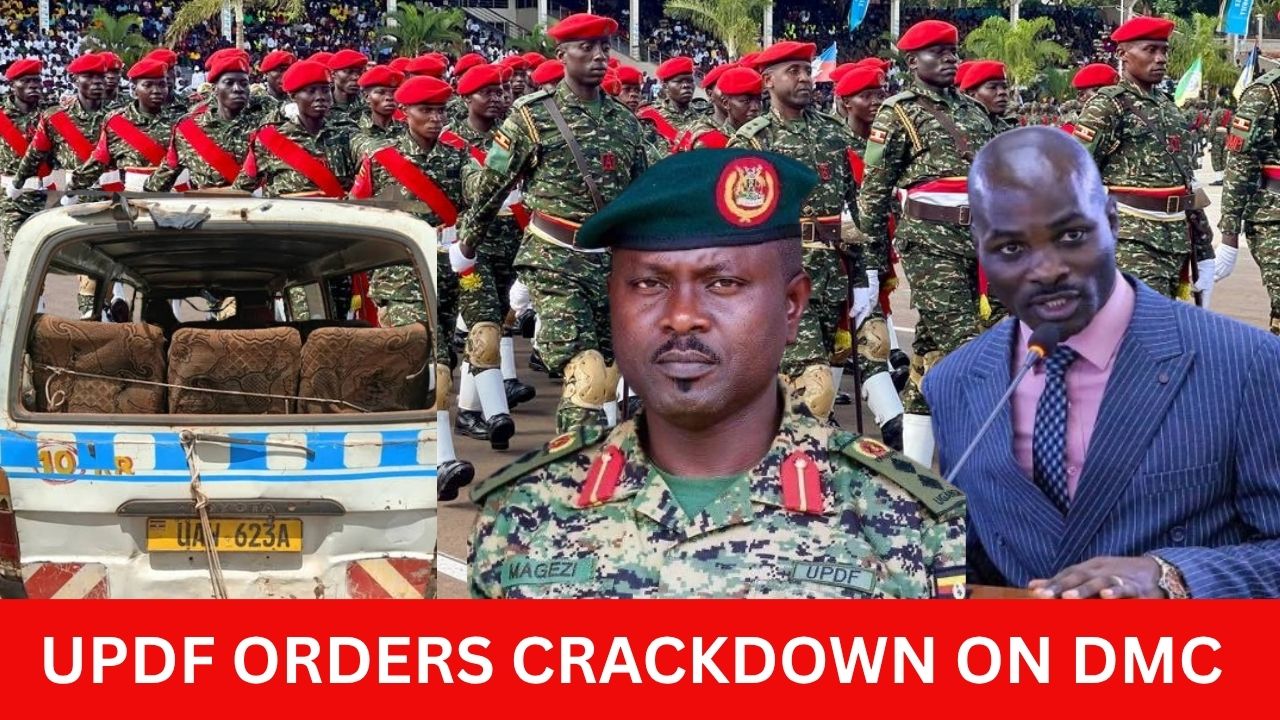
The Uganda People’s Defence Forces (UPDF) Military Police Brigade has launched a fresh crackdown on dangerous, unregistered and unlicensed vehicles in Kampala and other parts of the country, ordering their immediate impoundment.
The operation, which started yesterday, targets vehicles found in Dangerous Mechanical Condition (DMC), those without number plates, unregistered vehicles and those operating without valid licences.
The military has also warned drivers of vehicles with covered number plates that they will be arrested and prosecuted, regardless of whether the vehicles belong to civilians, security personnel or government institutions.
 The operation is being conducted by the Military Police in coordination with the Uganda Traffic Police under what the UPDF has dubbed Operation Tekeleza Sheria.
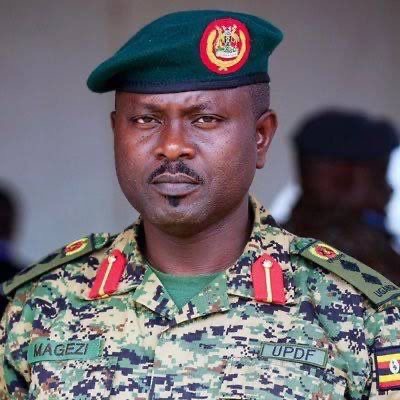
In a public notice issued yesterday, UPDF Acting Director of Defence Public Information Col Chris Magezi said the operation had commenced immediately within the Greater Kampala Metropolitan Area and would be extended across the country.
“The UPDF Military Police Brigade, while working and coordinating with the Uganda Traffic Police, has with immediate effect commenced operations within the Greater Kampala Metropolitan Area and the country at large to impound numberless, unregistered or unlicensed motor vehicles,” Magezi said.
He said the operation would not only focus on civilian vehicles but also extend to vehicles belonging to members of the security forces and government ministries, departments and agencies.
Magezi warned that vehicles found with covered number plates would be impounded and their drivers arrested.
“Some of which belong to members of the security forces and MDAs. The drivers of such vehicles will be arrested and prosecuted in courts of law for gross violation of traffic regulations,” he said.
The UPDF further warned security officers against breaking traffic regulations, saying personnel found driving without valid driving permits or licences would also be arrested.
The latest operation comes against the background of an earlier directive by Works and Transport Minister Fred Byamukama targeting dangerous commuter taxis operating in the Greater Kampala Metropolitan Area.
Byamukama’s 100-day crackdown
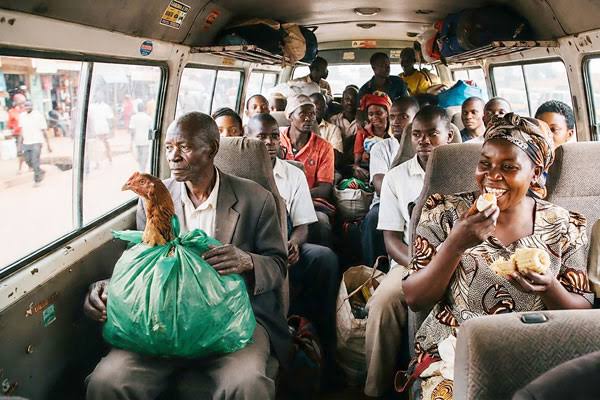
On August 20, Byamukama directed the Uganda Police Force to commence a 100-day operation to remove commuter taxis in dangerous mechanical condition from the metropolitan roads.
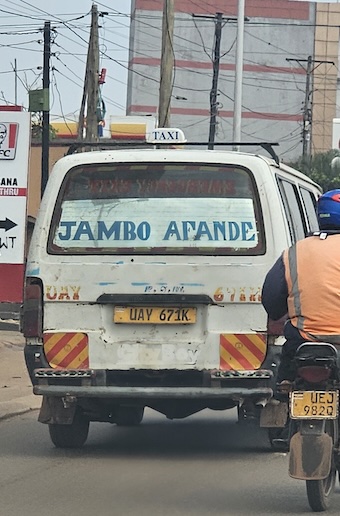
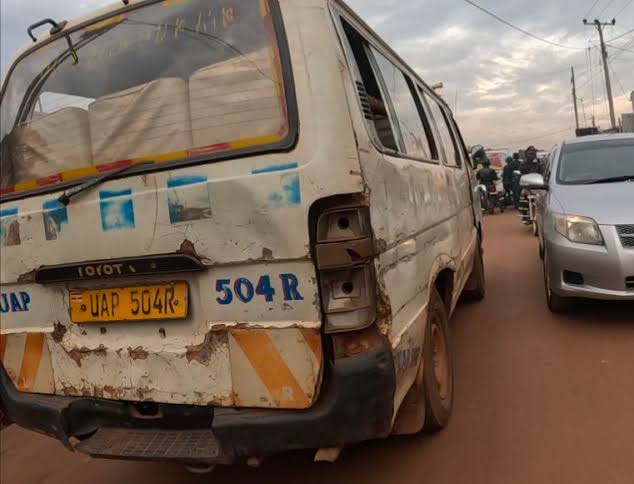
 The operation, which began on August 24, specifically targeted old and dilapidated 14-seater taxis popularly known as Ganyegenya.
The minister said the Government was not banning the taxi business but was determined to remove vehicles that were mechanically unsafe and posed a danger to passengers, drivers and other road users.
Byamukama said some of the vehicles had damaged seats, faulty doors, worn-out tyres and defective steering and braking systems.
He argued that the importance of public transport to the economy could not justify allowing dangerous vehicles to continue carrying passengers.
“Our roads must not become death traps because of poorly maintained vehicles,” Byamukama said in announcing the 100-day operation.
The minister’s directive followed inspections of commuter taxis in which authorities raised concerns over the mechanical condition of some of the vehicles.
The Ministry of Works and Transport said the crackdown was intended to protect passengers and other road users from crashes caused by mechanically defective vehicles.
The police operation subsequently resulted in a number of taxis being removed from the roads, while some operators parked their vehicles or took them to garages for repairs.
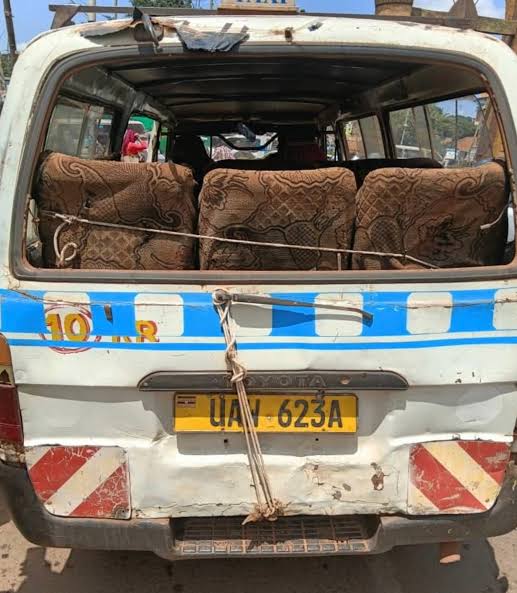 Taxi operators, however, complained that the operation was affecting their incomes, with some attributing the poor condition of their vehicles to high operating costs, expensive replacement vehicles and competition in the public transport sector.
UPDF widens the net
The new military operation has now widened the enforcement net beyond DMC commuter taxis.
While Byamukama’s directive concentrated on mechanically dangerous commuter taxis, the UPDF notice covers a broader range of traffic violations.
These include vehicles without number plates, unregistered vehicles, vehicles operating without licences and those with covered number plates.
The military said the operation would continue until further notice. The UPDF has also issued a strong warning concerning the misuse of military equipment and paraphernalia.
Magezi said civilian vehicles found carrying military stores, including military jackets and other military paraphernalia, would be impounded.
The notice specifically says that such items will be considered a serious offence where found in civilian vehicles.
 “Civilian registered vehicles found in possession of military stores such as military jackets, whether displayed on driver’s seats or not, and other military paraphernalia will be impounded,” Magezi said.
He added that the drivers or owners of such vehicles would be arrested and dealt with under the UPDF Act 2025, as amended.
“The drivers or owners of the vehicles will be arrested and courtmartialed in accordance with the UPDF Act 2025, as amended,” he said.
Security forces not exempt
The directive also puts members of the security forces under the spotlight. Magezi said security personnel who fail to comply with traffic regulations would be arrested.
This includes officers found driving without valid driving permits or licences. The warning is significant because the UPDF specifically acknowledged that some vehicles with covered number plates belong to security forces and government agencies.
The military therefore appears determined to enforce the regulations regardless of the identity or status of the vehicle owner.
The operation is expected to create a heightened security and traffic enforcement presence on Kampala roads, with Military Police personnel working alongside traffic officers.
The UPDF said the public should cooperate with the enforcement teams as the operation proceeds.
Road safety concerns
 The latest crackdown comes at a time when the Government is under pressure to improve road safety and address vehicles operating outside the required safety standards.
The Works Ministry has repeatedly raised concerns over old taxis and other public service vehicles whose mechanical condition exposes passengers to unnecessary risks.
The Government’s position is that vehicle owners have a responsibility to ensure that their vehicles are roadworthy before putting them on the road.
The earlier 100-day operation was therefore presented as a road-safety intervention rather than a ban on the taxi industry.
The Ministry said public transport remains critical to Kampala’s economy, but stressed that passenger safety must take precedence over commercial interests.
The latest UPDF operation adds another layer to the enforcement campaign, with the Military Police now targeting not only mechanical defects but also registration, licensing, number plates and possession of military stores.
Operation to continue
Magezi said the operation would be sustained until further notice.
 He appealed to the public to cooperate with the security forces and traffic police during the exercise.
The UPDF said the operation was intended to enforce traffic regulations and ensure that motorists comply with the law.
For motorists, the message is clear: vehicles found to be mechanically dangerous, unregistered, unlicensed or operating with concealed number plates risk being taken off the road.
The directive also signals that members of the security forces and government agencies will not automatically be shielded from enforcement.
As the operation takes root in Kampala, motorists are now expected to ensure that their vehicles have valid registration and licensing documents, properly displayed number plates and meet the required mechanical standards.
The crackdown also comes as the Works Ministry’s 100-day operation against DMC taxis continues, meaning motorists operating dangerous or non-compliant vehicles now face intensified scrutiny from both the civilian traffic authorities and the military police.
Author Profile

- Mr. Stephen Kasozi Muwambi is a seasoned crime investigative writer, majoring in judicial-based stories. His two decades’ experience as a senior investigative journalist has made him one of the best to reckon on in Uganda. He can also be reached via [email protected]
Latest entries
 FeaturedSeptember 15, 2026MUHOOZI WARNS NAMEERE, DECLARES RUKIDI AS KING IN HIS TORRENTIAL TWEETS: The Muhoozi-Nameere Confrontation And The Tooro Succession Controversy Are Separate Disputes, But They Have Emerged At The Same Politically Charged Moment
 FeaturedSeptember 15, 2026UPDF ORDERS CRACKDOWN ON DMC, UNREGISTERED VEHICLES IN KAMPALA: The UPDF Military Police Has Launched A Countrywide Crackdown On Dangerous, Unregistered And Unlicensed Vehicles, With Motorists Facing Arrest
 FeaturedSeptember 15, 2026TOORO ROYAL FAMILY HIT BY ANOTHER DEATH: Prince David Kijanangoma, Elder Brother To Prince Edward Rukidi Nyabongo, Has Died At Mulago Hospital
 FeaturedSeptember 14, 2026A THRONE IN LIMBO: Who Has The Final Word On The Tooro Kingdom Throne? Royal Factions Dig Deeper In, Mao And Attorney General Mayanja Place Fallen King Oyo’s Succession Under The Law