








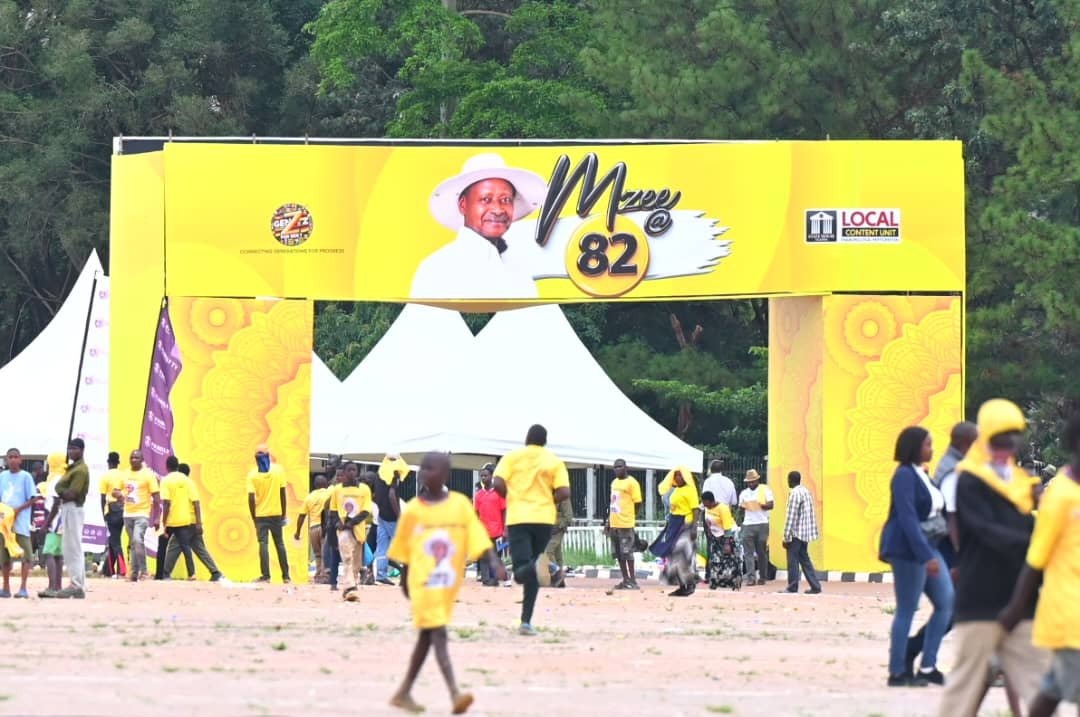
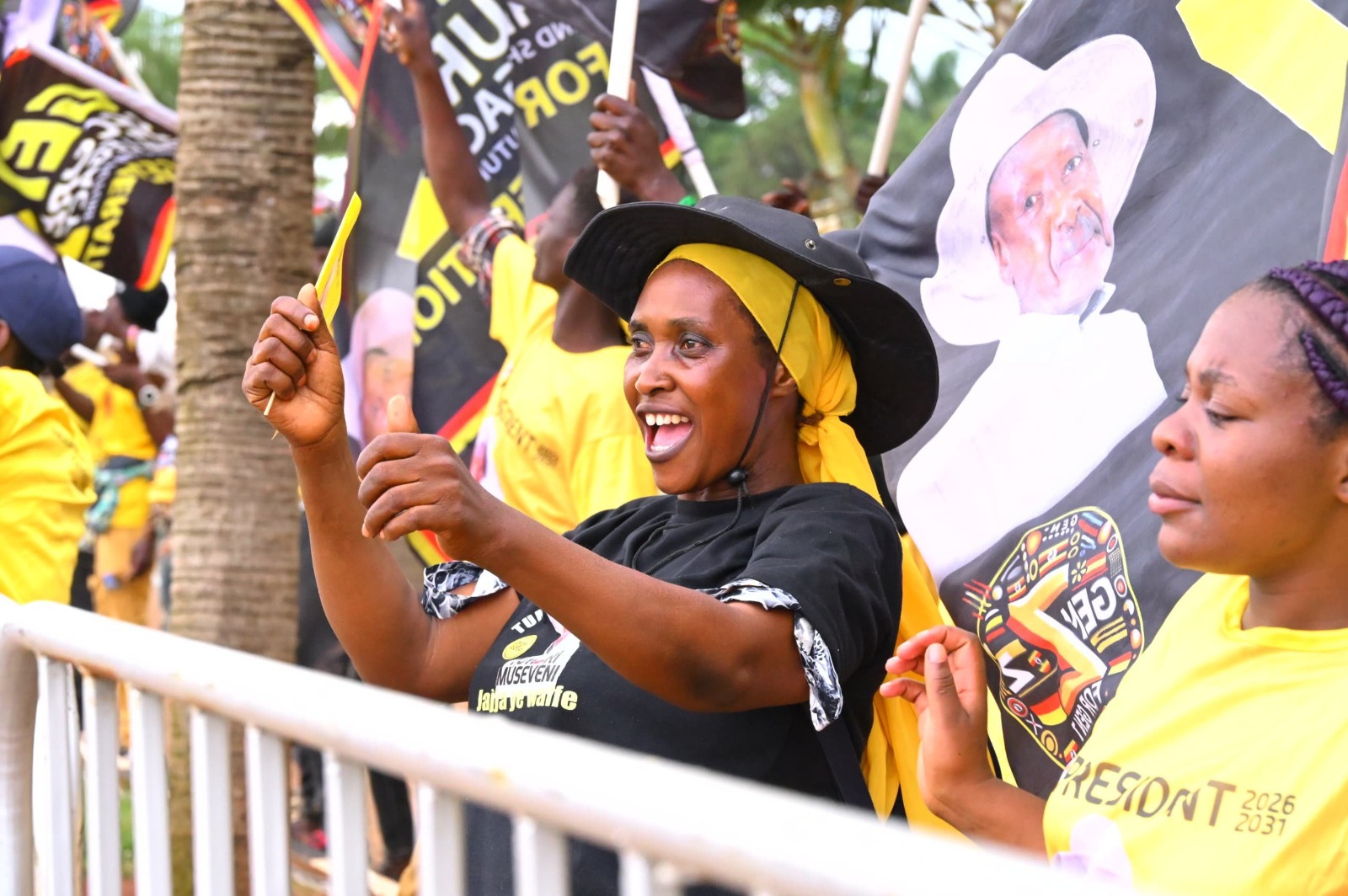
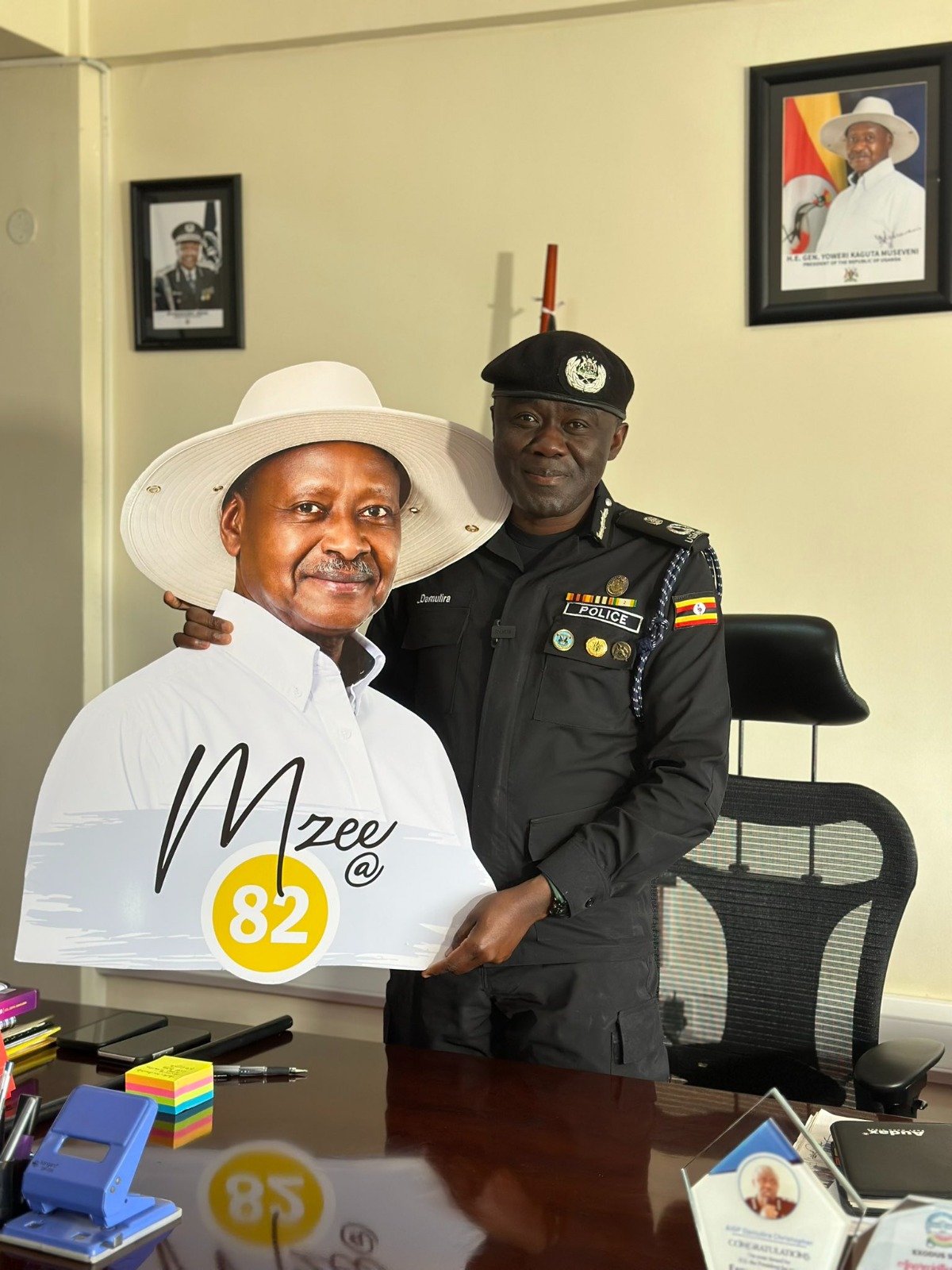
President Yoweri Museveni has used his 82nd birthday reflections to set out what he describes as a long-term vision for Africa, calling on the continent to complete three “historical missions” in the next phase of its development: economic integration, political and strategic integration, and greater unity among Africa’s diverse peoples.
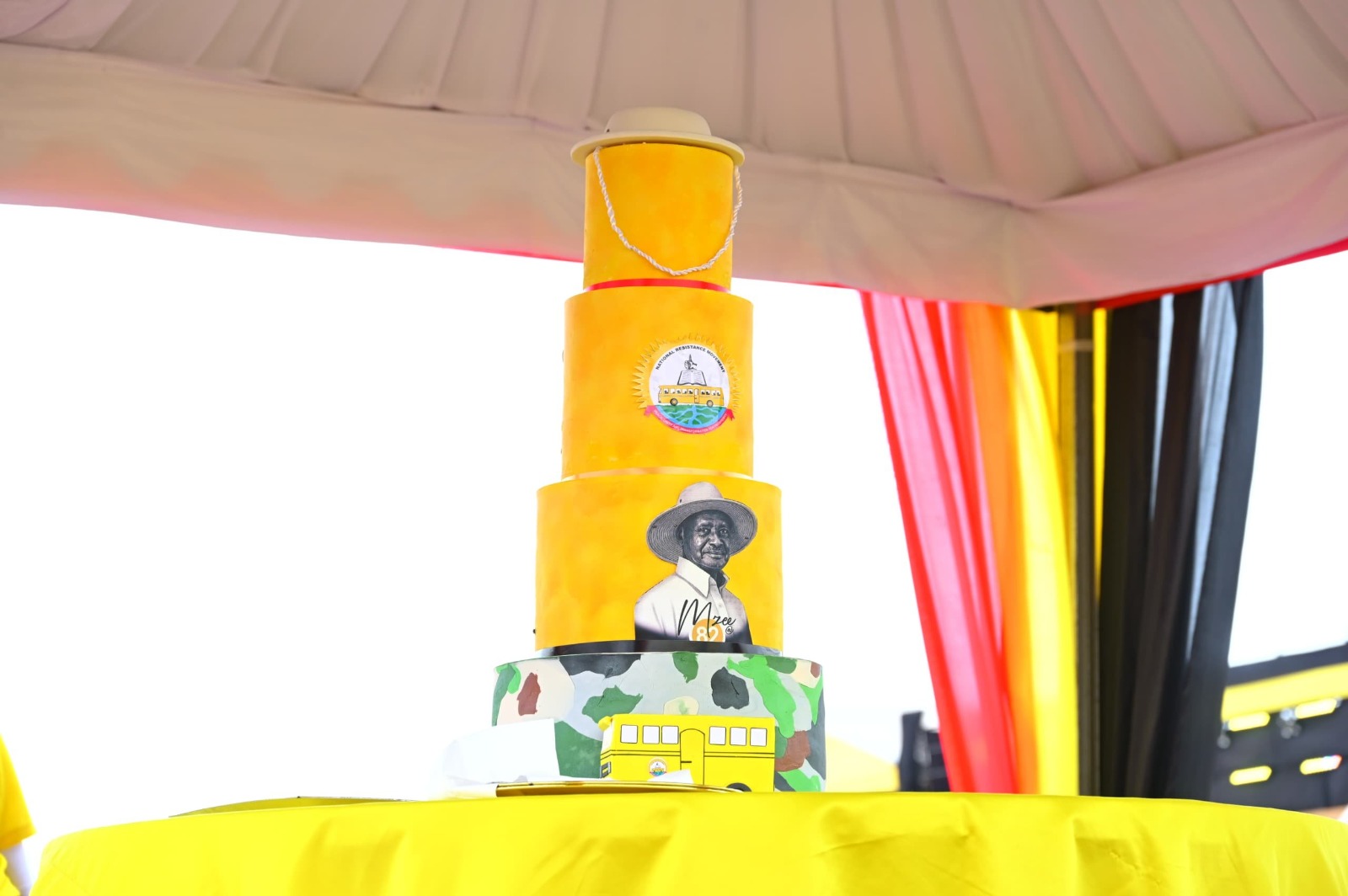
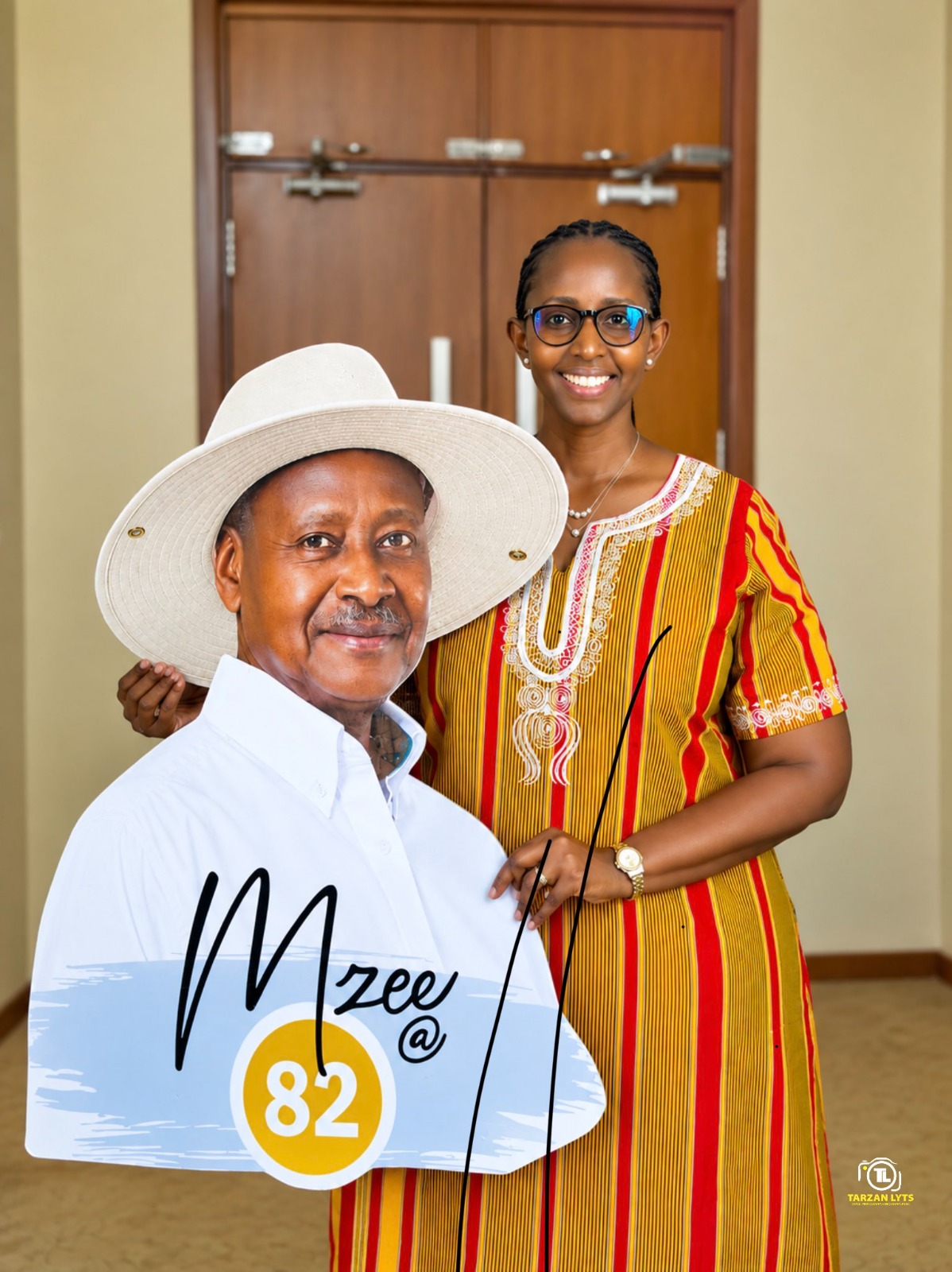
In a message addressed to Ugandans, particularly the “Bazzukulu”, Museveni linked his personal hope of reaching 100 years to what he considers a much bigger continental project. He said the congratulations and prayers of about eight million well-wishers would, together with God’s blessings, give him and First Lady Janet Museveni another 18 years to reach 100 and 96 years respectively.
But beyond the birthday reflections, the President used the occasion to challenge Africans to think beyond national borders and build structures capable of delivering prosperity and strategic security.
 Three missions for Africa
Museveni’s central message is built around three objectives which he says Africans have not yet achieved.
The first is economic prosperity through an integrated African common market. The President argues that Africa’s individual national markets are often too small to support the expansion of wealth creators, manufacturers, farmers and other producers. By integrating markets, he says, African businesses would gain access to a much larger consumer base, creating opportunities for production, investment, employment and trade.
This argument has been a recurring feature of Museveni’s Pan-African message. He has previously argued that Ugandan producers need access to markets beyond the country’s borders if increased production is to translate into jobs and wealth. Regional integration through institutions such as the East African Community is part of that broader approach.
The second mission is strategic security through political integration. Museveni argues that Africa’s security vulnerabilities are partly linked to the political fragmentation of the continent. In his view, countries acting separately have less collective capacity to respond to external threats, conflicts and other strategic challenges.
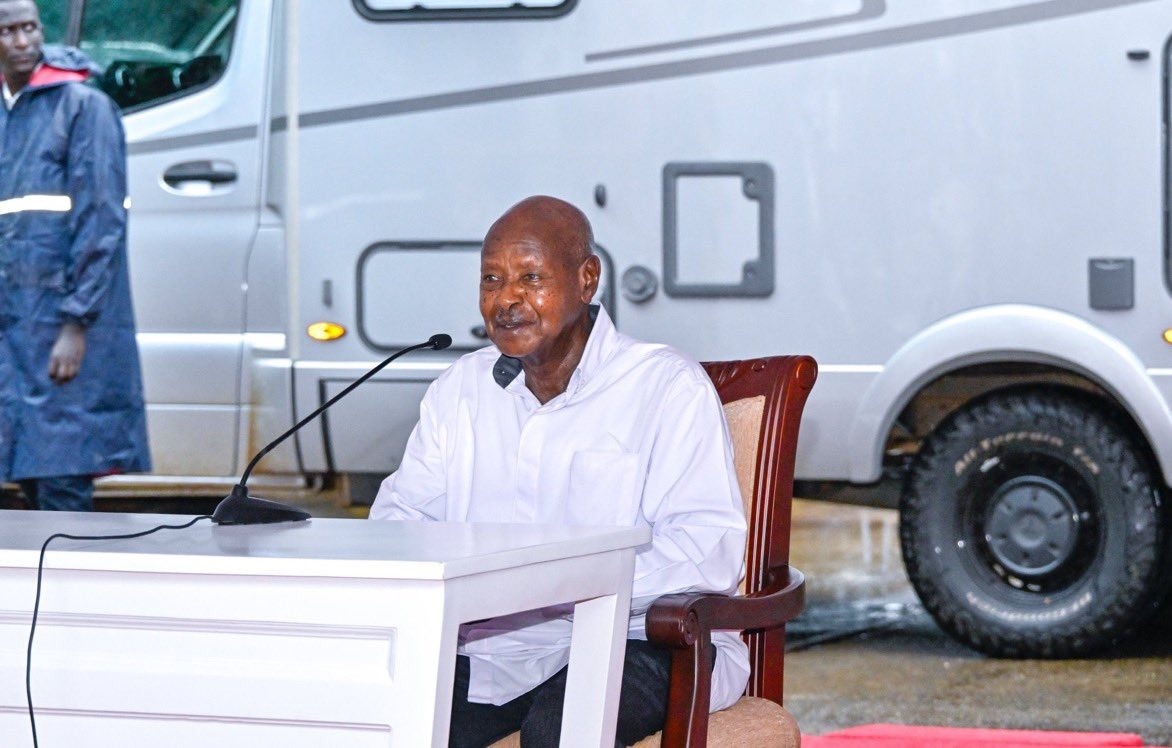 He therefore points to political integration where possible, citing the proposed East African Federation as an example.
His message reflects a longstanding argument that economic integration without corresponding political and security cooperation may leave African countries vulnerable. He has previously called for a stronger political unit capable of dealing with conflicts and humanitarian crises on the continent.
The third mission is what Museveni calls “undugu” — brotherhood. He says Africa’s approximately 1.5 billion people should recognise their common interests despite linguistic, cultural and national differences.
He groups Africans into four broad linguistic families: Niger-Congo, including Bantu and Kwa; Nilo-Saharan, including Cushitic and Nilotic peoples; Afro-Asiatic, including Arabic, Tigrinya and Amhara speakers; and Khoisan.
For Museveni, this brotherhood should provide the social and political foundation upon which economic and political integration can be built.
He says fulfilling the three missions would guarantee Africa’s prosperity and strategic security.
An 18-year horizon
The striking feature of Museveni’s message is the 18-year timeframe. At 82, the President says he hopes to live to 100. He presents the period not simply as a personal ambition but as an opportunity to continue advocating what he regards as unfinished African historical missions.
This effectively places his personal future alongside his long-running Pan-African agenda.
Museveni has promoted African integration for decades. His political movement’s 10-point programme of the 1980s included an African dimension, while Uganda has subsequently participated in regional and continental initiatives, including the East African Community and peacekeeping operations.
The current message therefore represents a continuation of an established political philosophy rather than a completely new idea.
 His argument is that African countries must progressively remove the barriers that prevent their people from trading, investing and moving across borders, while also developing mechanisms for collective security.
The President’s emphasis on the common market also comes at a time when African governments continue to pursue continental economic integration through the African Continental Free Trade Area.
For Uganda, the logic is particularly significant because the country is heavily dependent on regional markets for exports and imports.
From Pan-Africanism to petroleum security
Museveni’s birthday message also turned to a more immediate Ugandan issue — petroleum security.
He used the statement to explain remarks he recently made while laying the foundation stone for the 320-million-litre Kampala Storage Terminal at Buyala in Mpigi District.
The terminal, being developed by the Uganda National Oil Company, is expected to strengthen Uganda’s strategic petroleum reserves and increase storage capacity. Government says the facility is expected to cost about $250 million and is scheduled for commissioning around September 2028.
Museveni said Uganda’s petroleum procurement system had historically relied on middlemen in Kenya.
He said he only became aware of the arrangement around 2019 after being informed by former Kenyan Senator Jirongo. According to Museveni, he subsequently instructed the then Energy Minister Irene Muloni to address the problem.
 The President said the government eventually established a new arrangement involving Vitol, a global energy and commodities company.
Under the arrangement announced in 2023, Museveni said Uganda’s purchase price per metric tonne fell from $118 to $83 for diesel, from $97.50 to $61.50 for petrol and from $114.25 to $79.25 for aviation fuel.
He also credited Kenyan President William Ruto with helping overcome resistance to the new arrangement and said Kenya allowed Uganda to use the country’s oil pipeline, with Uganda acquiring a 20.15% shareholding.
The petroleum issue is important to Museveni’s broader argument because he links national economic security to regional cooperation.
Uganda is landlocked and relies heavily on transport corridors through neighbouring countries. Consequently, energy security cannot be treated entirely as a domestic matter.
 East Africa as a building block
Museveni’s reference to the East African Federation is therefore significant. His vision appears to treat regional integration as a practical route towards the larger goal of continental integration.
Uganda, Kenya, Tanzania, Rwanda, Burundi, South Sudan, the Democratic Republic of Congo and Somalia are members of the East African Community, creating a regional framework for trade and cooperation. Energy cooperation is also increasingly taking a regional dimension.
In August 2026, Museveni and Tanzanian President Samia Suluhu Hassan witnessed an agreement involving UNOC, Tanzania Petroleum Development Corporation and Vitol Bahrain to develop the Tanga Regional Energy Hub. The project is intended to support petroleum storage, refining, logistics, trading and distribution while strengthening energy security and trade across East and Central Africa.
This means Museveni’s petroleum message is closely connected to his larger argument about African integration: infrastructure, markets and security are interdependent.
 The challenge ahead
Museveni’s 18-year vision nevertheless depends on political decisions by many African countries, not Uganda alone.
Economic integration requires governments to reduce trade barriers and improve transport, energy and communications infrastructure. Political integration requires agreement among sovereign states over questions of security, governance and the sharing of institutions.
His call for “undugu” similarly requires countries and communities to place common continental interests alongside their national and regional identities.
 The President’s birthday message therefore goes beyond a reflection on age. It presents his remaining years as a period in which he wants to continue advocating a particular conception of Africa’s future — one in which national economies are increasingly connected, regional political structures become stronger and Africans regard themselves as members of a broader continental community.
At 82, Museveni has set himself an 18-year horizon. His stated destination is an Africa with larger markets, stronger strategic security and a deeper sense of brotherhood.
Whether the continent reaches that destination will ultimately depend not on one leader, but on decisions taken collectively by African states and their citizens.
Author Profile
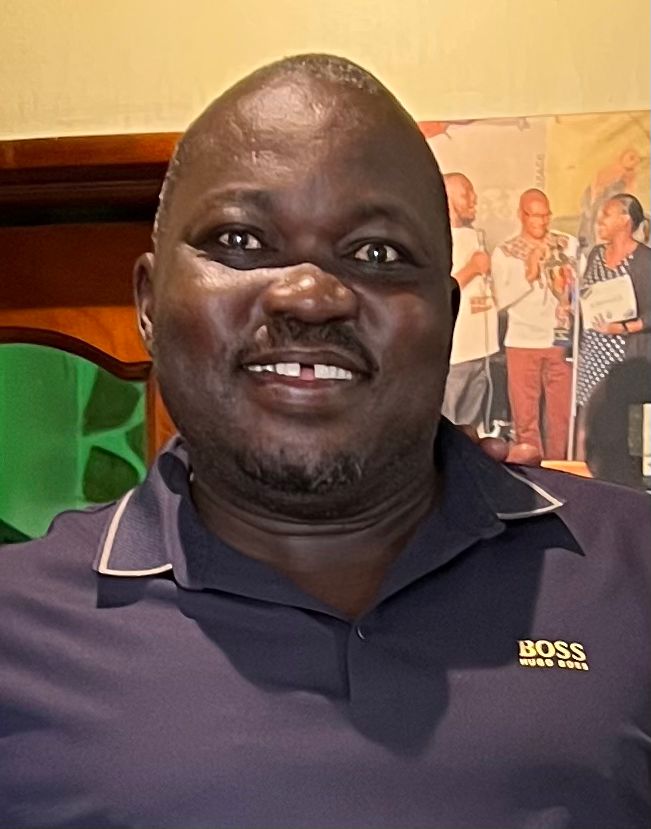
- Charles Gazza Kodili is a seasoned journalist with over 20 years of experience in the media industry. He holds a Bachelor of Arts degree in Mass Communication. He’s currently the Chief Editor at the Investigator.
Charles can also be reached via; Tel: +256 774 108978
Email: [email protected]
Latest entries
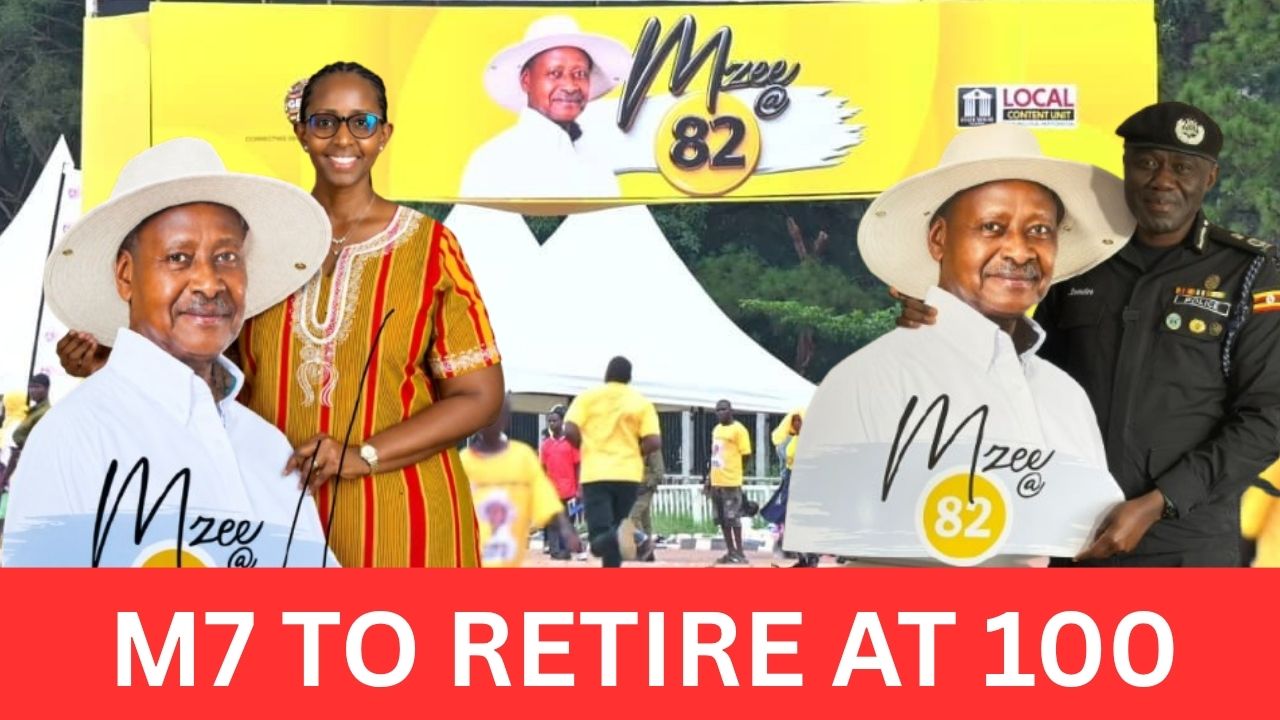 FeaturedSeptember 21, 2026MUSEVENI’S 18-YEAR AFRICA DREAM: Museveni Says He Hopes To Reach 100 And Wants To Use The Next 18 Years To Champion A More Integrated Africa. He Also Reveals How Uganda Cut Petroleum Purchase Prices
 FeaturedSeptember 21, 2026UPDF TAKES OVER BUNYORO PALACE: Security Forces Guard Kingdom Property As Babiito Clan Gives Prime Minister Byakutaga Four Weeks To Quit Amid Leadership Crisis
 FeaturedSeptember 21, 2026BASHIR BAGALAALIWO’S SIX DEMANDS! ‘NAME THE FORGER, RETURN OUR ASSETS, OPEN DAD’S ESTATE BOOKS’: Eldest Hajj Bagalaaliwo Son Sets Tough Conditions As Family, Muslim Elders And Stanbic Bank Seek Reconciliation
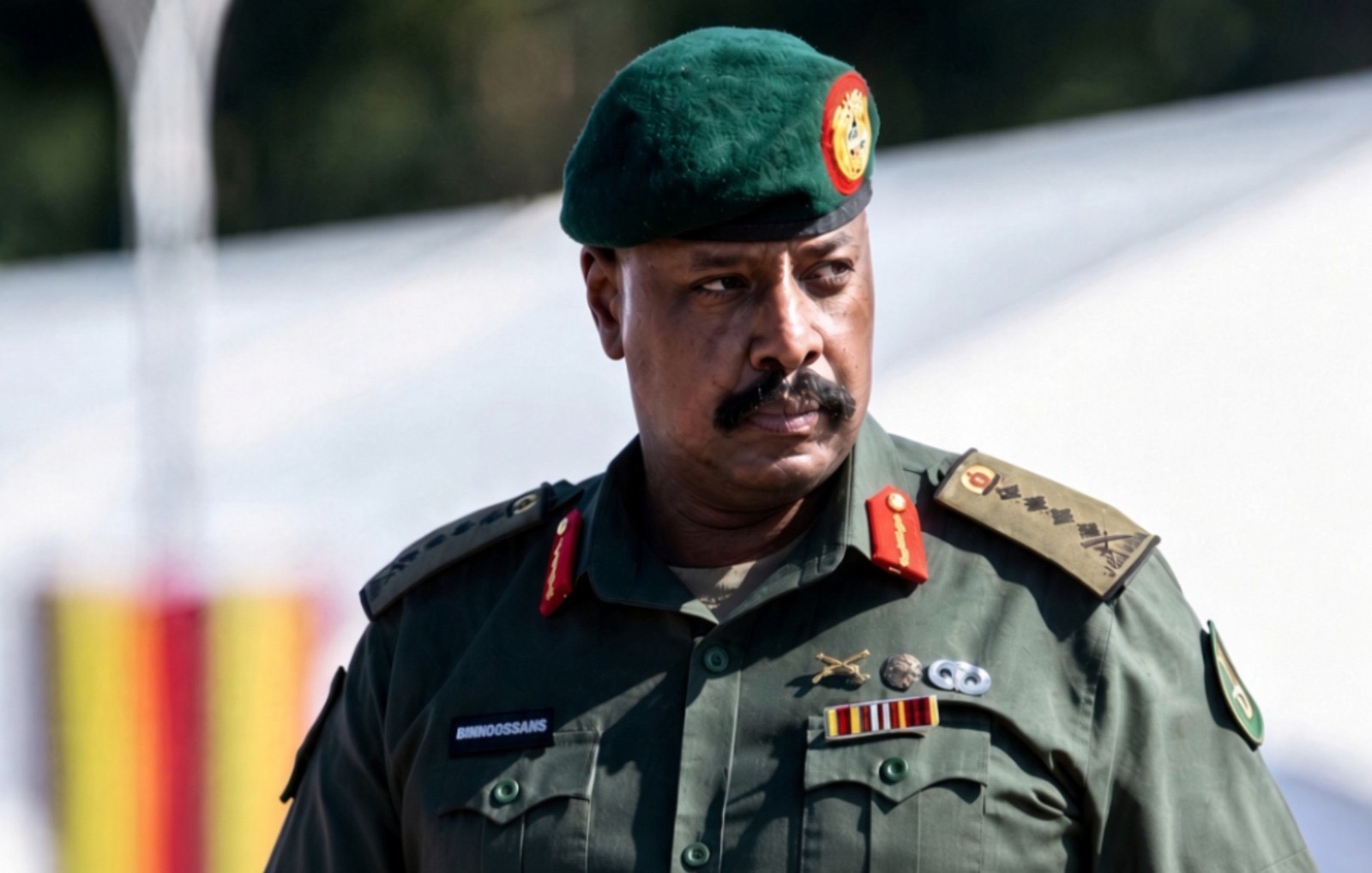 FeaturedSeptember 20, 2026MUHOOZI ADDS MUSEVENI TO HIS NAME: Chief of Defense Forces and First Son, Gen. Muhoozi Kainerugaba Announces He Will Henceforth be Known as “Muhoozi Kainerugaba Museveni” – MKM