














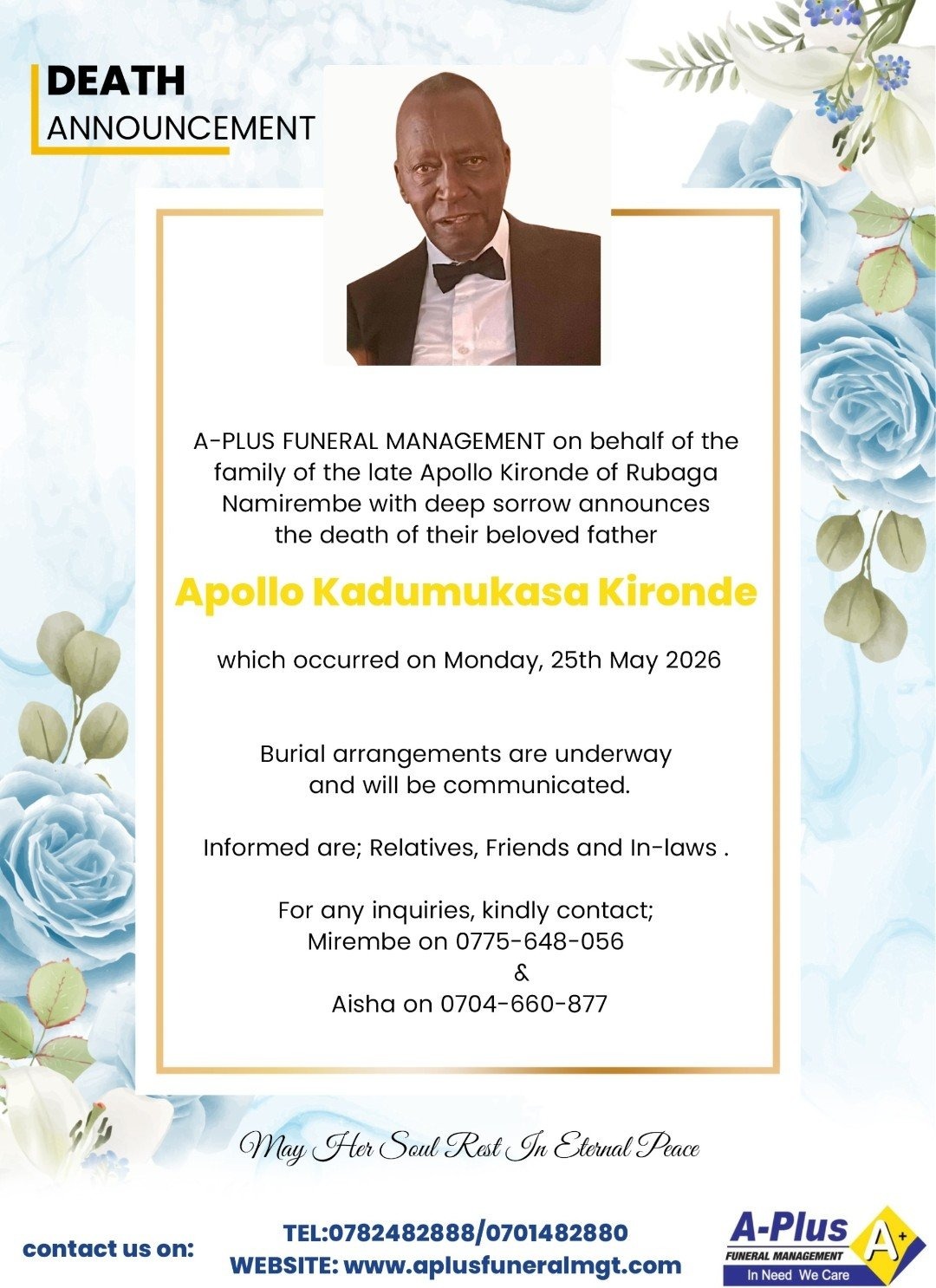




The Tooro Kingdom has formally unveiled Rebecca Amoding Rukidi as the queen of the newly installed Omukama, Edward Rukidi Nyabongo I, placing a woman of Teso origin at the heart of the ancient Babiito royal institution.
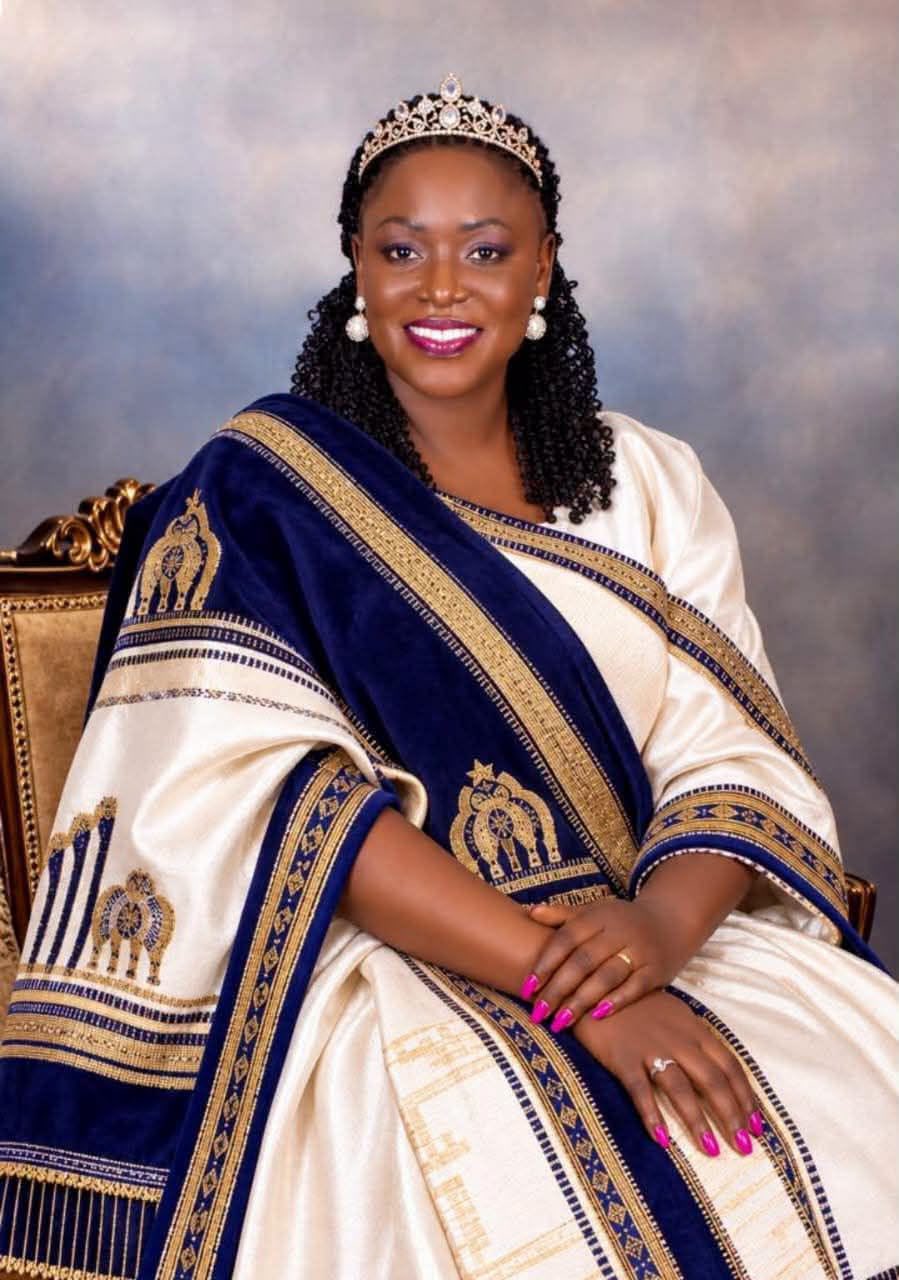 Amoding, who is not a Munyoro or a member of one of the recognised Tooro clans, takes her place beside the incoming king as Omugo, or queen, as the kingdom begins a new chapter following the death of Omukama Oyo Nyimba Kabamba Iguru Rukidi IV.
Her unveiling has nevertheless raised questions about whether her background outside Tooro has any implications for the future succession to the kingdom.
The Babiito Clan spokesperson, Rev. Fr. Dr Charles Oyo, sought to draw a distinction between Amoding’s position as queen and the traditional requirements governing succession to the Tooro throne.
According to Oyo, Amoding will retain her status as queen despite coming from outside Tooro. However, he said children born to the new king and Queen Amoding would not automatically qualify to inherit the throne because succession requires an heir to be born to a mother belonging to one of the kingdom’s recognised clans.
 “Rebecca Amoding will remain the queen despite not being a Mutooro,” Oyo said, clarifying the position of the Babiito institution.
He said the question of succession was governed by a separate traditional framework, under which the mother of a potential heir must come from one of the recognised Tooro clans.
The clarification comes at a sensitive moment for the kingdom, which is emerging from a period of mourning and controversy surrounding the succession following Oyo’s death.
Queen unveiled
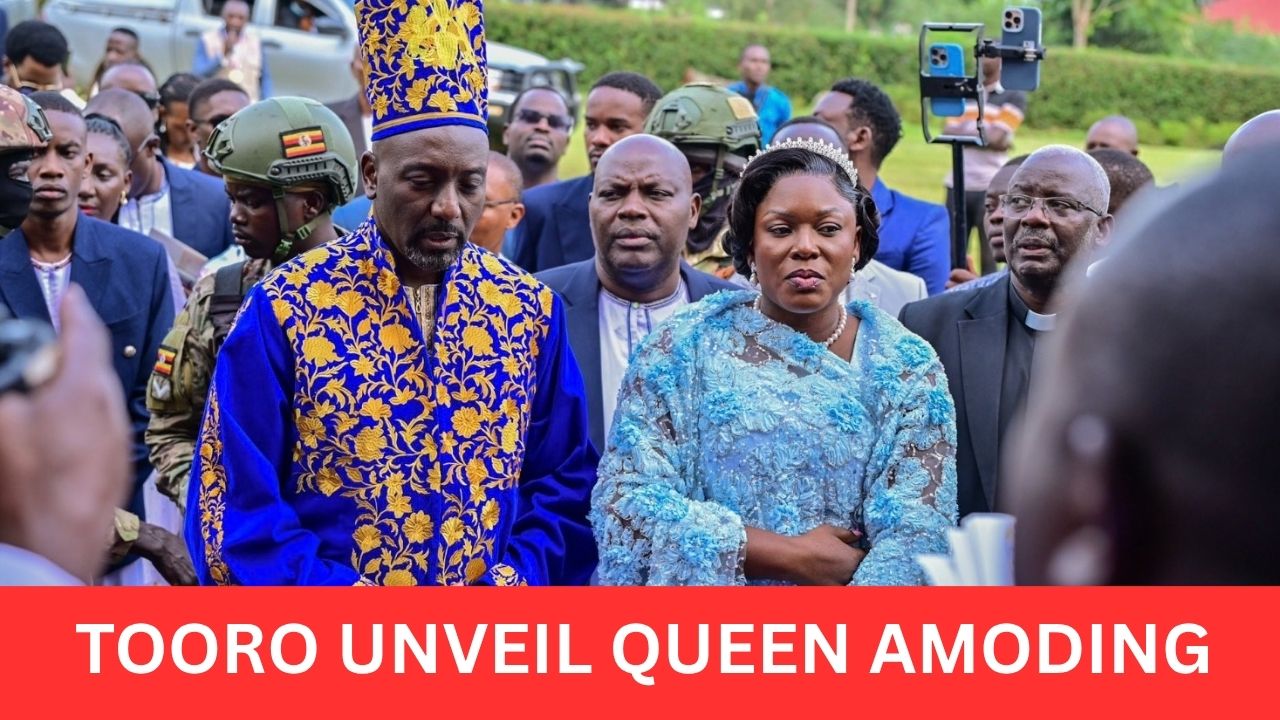
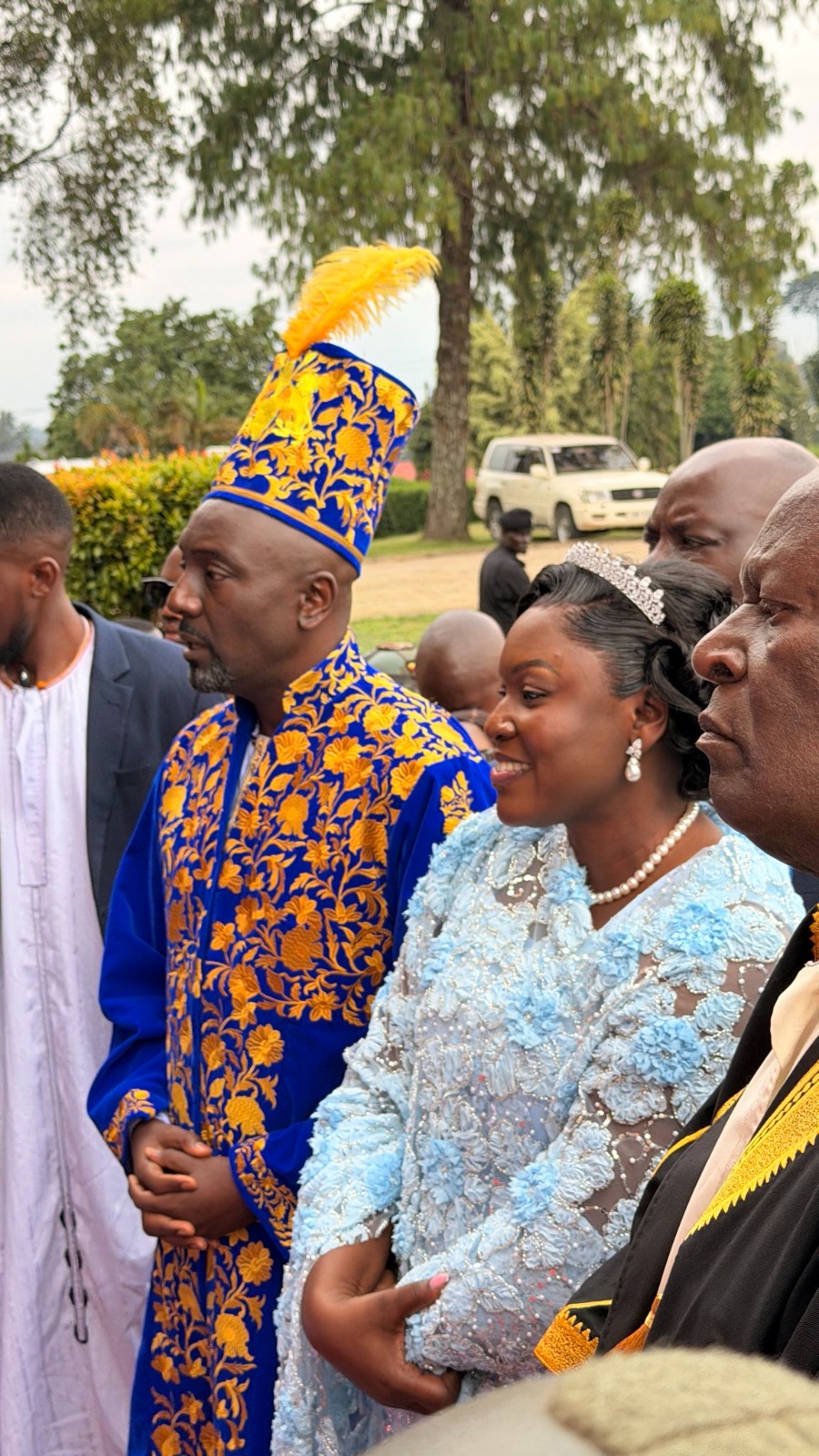
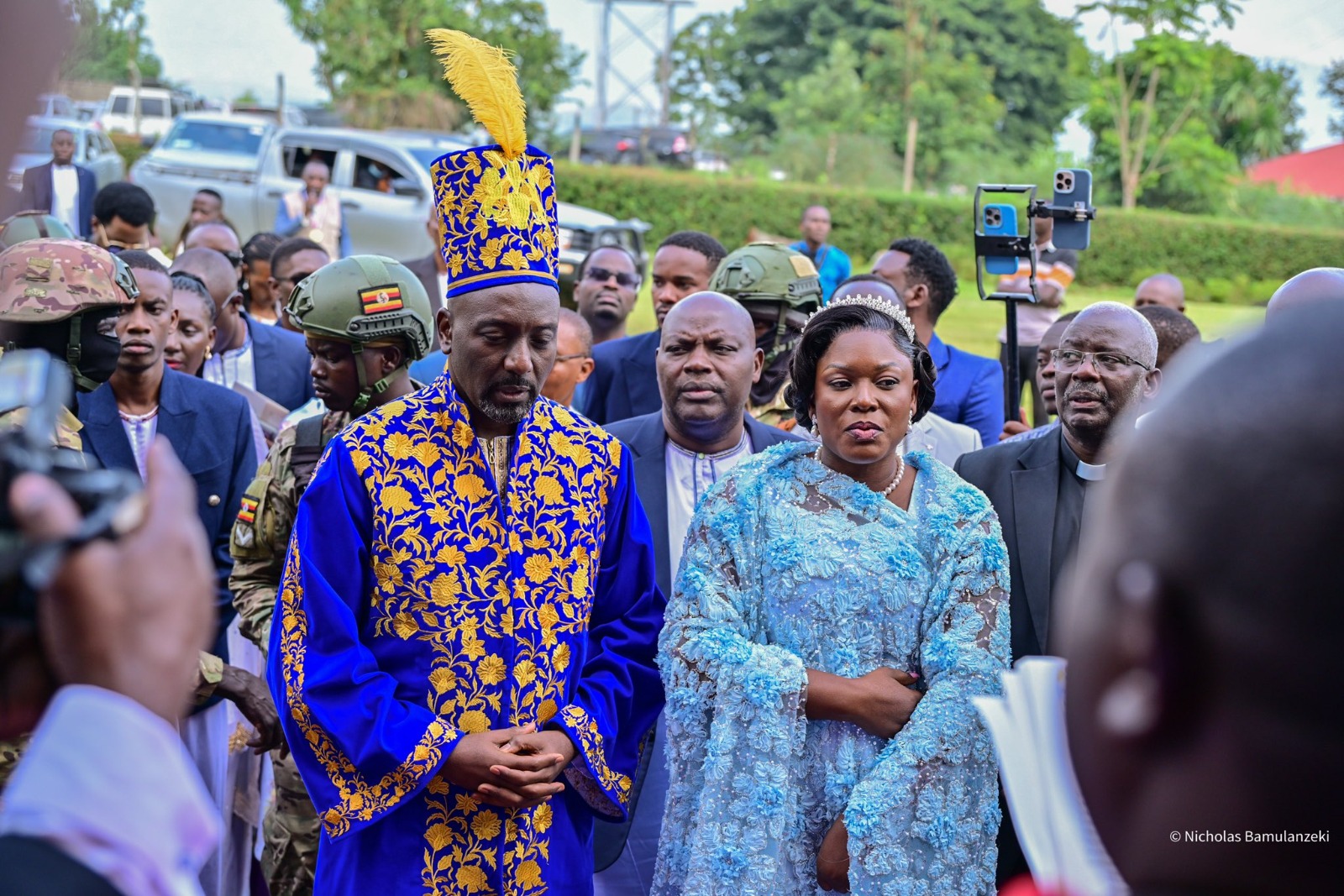
The arrival of Amoding alongside King Edward at St John’s Cathedral in Fort Portal marked one of the most public appearances of the new royal couple.
Edward, accompanied by Omugo Rebecca Amoding-Rukidi, attended a church service at the cathedral ahead of his coronation.
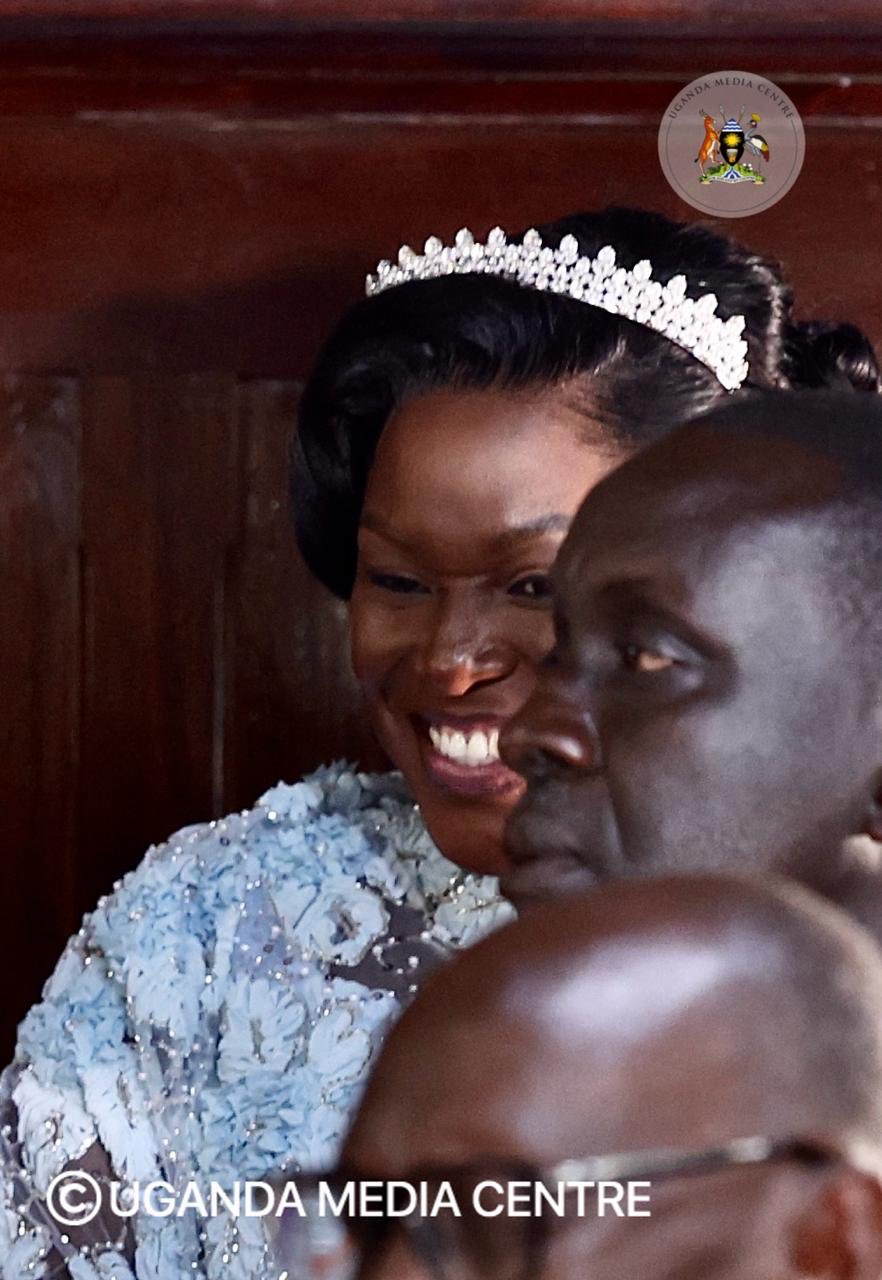 The service was led by Bishop Reuben Kisembo of the Ruwenzori Diocese, bringing together the religious and cultural dimensions of the transition to the new reign.
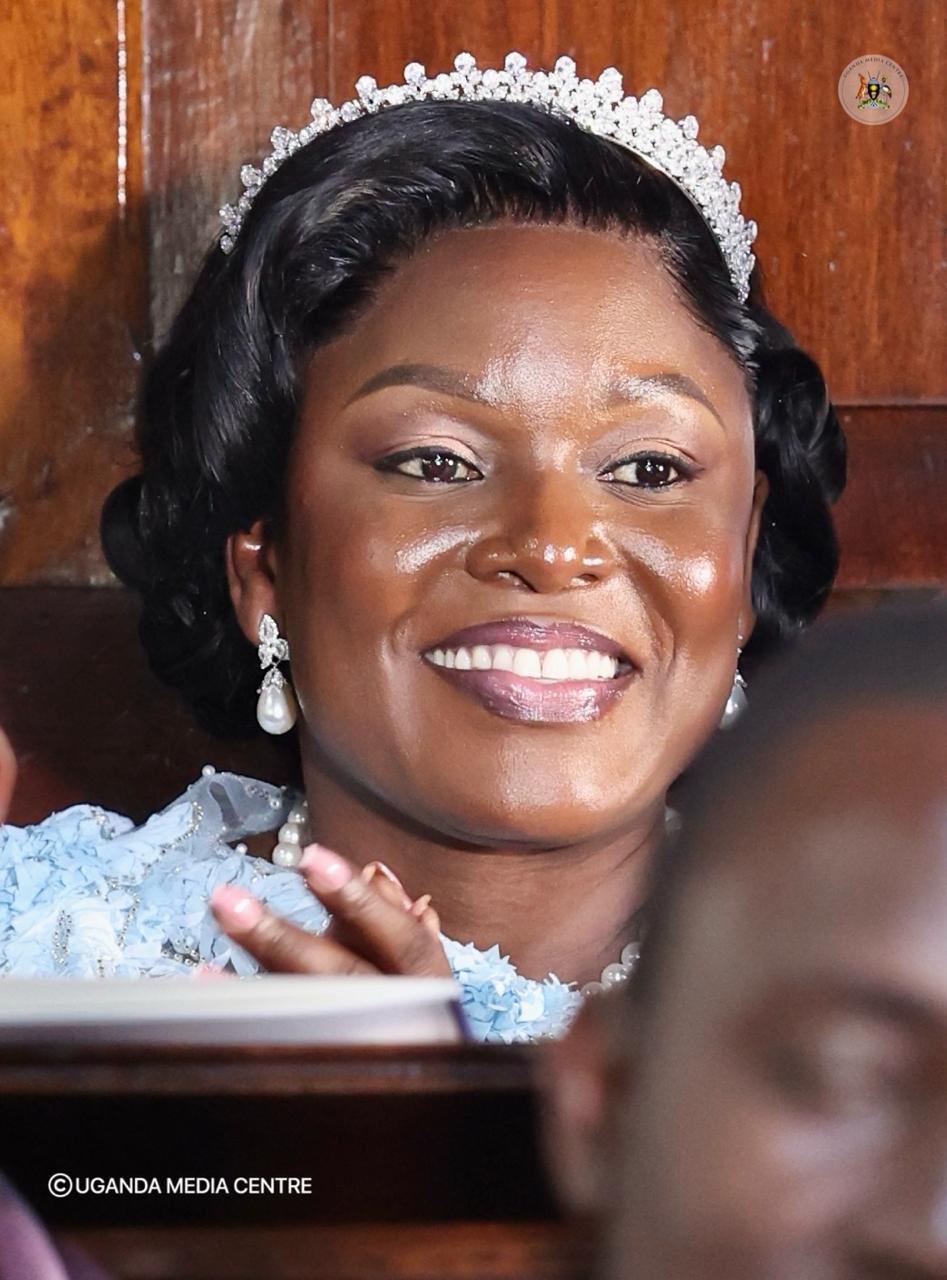
The appearance of Amoding beside the king gave the public its clearest formal glimpse of the woman who will occupy the position of queen during Edward’s reign.
Her background has attracted particular interest because she hails from Teso, outside the traditional cultural boundaries of Tooro.
The development illustrates the distinction between the person who occupies the position of queen and the traditional rules governing the royal line.
Oyo’s explanation means that Amoding’s origin does not, in itself, prevent her from serving as queen. At the same time, the Babiito spokesperson maintained that her children’s eligibility for succession would be treated separately.
A royal marriage under scrutiny
The issue is particularly significant because the Tooro monarchy is a hereditary institution whose succession is deeply connected to the Babiito royal clan and the kingdom’s customary traditions. The debate over Amoding’s status therefore goes beyond her personal position as Edward’s wife.
It touches on the question of how the kingdom will reconcile its traditional succession arrangements with a modern royal family whose members may have different cultural backgrounds.
 Oyo’s clarification seeks to settle one aspect of that debate: Amoding can be queen without being a Mutooro. The second aspect — who can eventually succeed Edward — remains governed by the traditional rules cited by the Babiito leadership.
This distinction could become increasingly important as the new king establishes his household and reign.
Rituals signal new reign
The unveiling of Amoding came against the backdrop of elaborate traditional ceremonies marking the transition from the reign of Oyo to that of Edward.
On the eve of his coronation, Edward underwent a series of rituals at Karuziika Palace, marking the conclusion of the mourning period for the late Omukama and the beginning of a new reign.
The ceremonies began with a night procession from Rwengoma Palace. The procession was followed by a symbolic mock battle, reflecting the traditional imagery associated with the installation of a Tooro king.
Edward then speared a bull, a ritual act that formed part of the traditional transition ceremony.
He subsequently took his seat on the royal throne and beat the royal drums, symbolically signalling that the royal authority had passed to him.
The sequence of rituals provided the cultural setting for the formal coronation and the public presentation of the new royal household.
 The meaning of the queen’s position
For Amoding, the unveiling represents a significant moment in her transition from royal consort to a central figure in the public life of the kingdom. As queen, she is expected to occupy an important ceremonial and social position alongside Edward.
Her Teso origins, however, make her royal status unusual within the traditional framework and have prompted questions from sections of the public about whether cultural identity determines eligibility for the position. The Babiito explanation is that it does not prevent her from being queen.
Oyo’s statement also makes clear that the question of succession should not be confused with the queen’s own status.
The position of queen belongs to Amoding by virtue of her marriage to Edward, while the eligibility of a future heir is subject to the customary rules cited by the Babiito clan.
That distinction is likely to remain part of the conversation around the new reign, particularly as the kingdom seeks to preserve its traditions while adapting to changing social realities.
 A new royal chapter
The public appearance of Edward and Amoding at St John’s Cathedral therefore carried significance beyond the church service.
It presented the new king and queen to the people of Tooro at a moment when the kingdom was moving from mourning into a new era.
The transition follows the death of Oyo, whose reign ended with his death and subsequent burial at the royal tombs.
Edward’s traditional rituals, meanwhile, formally connected his accession to the customs of the kingdom.
With Amoding now unveiled as queen, the new royal household has taken shape.
But Oyo’s clarification ensures that the debate surrounding the royal family does not end with the coronation.
For the Babiito, the queen’s cultural origin and the succession of the throne are two different matters.
Amoding may serve as queen despite her Teso roots, Oyo said, while the question of who may eventually inherit the Tooro throne remains subject to the kingdom’s traditional succession requirements.
As Edward begins his reign, that distinction places Rebecca Amoding Rukidi at the centre of a royal household that combines different cultural backgrounds while remaining anchored in the traditions of the Tooro monarchy.
Author Profile

- Charles Gazza Kodili is a seasoned journalist with over 20 years of experience in the media industry. He holds a Bachelor of Arts degree in Mass Communication. He’s currently the Chief Editor at the Investigator.
Charles can also be reached via; Tel: +256 774 108978
Email: [email protected]
Latest entries
 FeaturedSeptember 29, 2026MUSEVENI CROWNS NYABONGO ‘YOU WERE A GOOD NEWSREADER, NOW DO A GOOD JOB AS KING’ President Gifts New Tooro King 100 Cows As Nyabongo Opens Karuziika, Vows To Unite And Develop Kingdom
 FeaturedSeptember 29, 2026GUARDS GONE AS NAMYALO IS ABANDONED: Who Placed the Order? Reports Indicate That Hajjati Namyalo’s Security Detail Has Been Withdrawn After She Attacked 2031 MKM Presidency
 FeaturedSeptember 29, 2026FROM THE NEWSROOM TO THE THRONE: Prince Edward Rukidi Kijjanangoma Nyabongo I Lived Like An Ordinary Ugandan, Worked For His Living, Then Royal Blood Called Him To Karuziika
 FeaturedSeptember 29, 2026NYABONGO TAKES TOORO THRONE: Bells Ring As New King Arrives At St John’s, Queen Rebecca Stands Beside Him As Kingdom Crowns 13th Omukama After Dramatic Night Of Royal Rites