












Fear is deepening across Kazo District in Ankole as a wave of killings continues to claim lives, with the latest victim pushing the number of murder cases recorded in the district between July and September to 14.
The latest victim is Amos Nuwagira, 37, a resident of Bwizi in Buremba, who was reportedly attacked and killed at night, with his motorcycle taken from the scene.
The killing prompted Kazo County MP Dan Kimosho Atwijukire to call for urgent reinforcement of the Uganda Police Force by the Uganda People’s Defence Forces (UPDF), warning that the situation was getting out of hand.
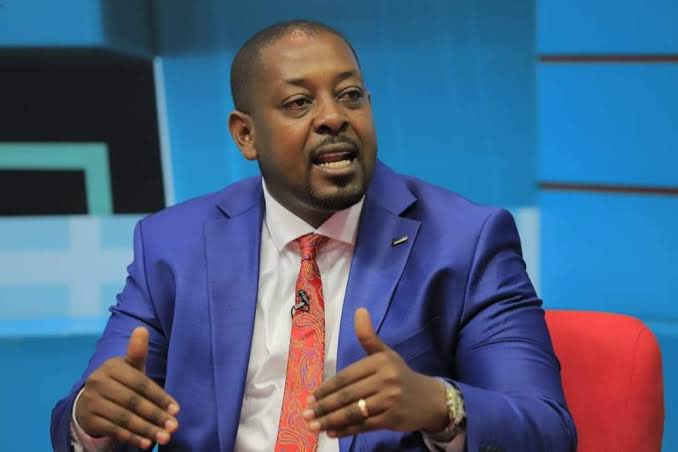 “At this rate UPDF should reinforce police. This is too much and it seems getting out of hand. The people of Kazo deserve protection from the state. How many more people should be killed for serious action to be taken?” Kimosho said.
The latest death has intensified a question that residents, politicians and security officials have struggled to answer: Who is killing people in Kazo, and what is the motive? So far, there is no single publicly established culprit or motive linking all 14 cases.
Uganda Police Force says investigations into the murders have established different circumstances from one incident to another, with suspects and accomplices varying between cases.
Police, however, have identified Nkungu, Buremba, Kanoni and Ngari sub-counties as major hotspots.
The force says the predominant method in the cases has involved victims being struck on the head with blunt objects.
That pattern has heightened fears that some of the killings may be connected, although police have not publicly concluded that a single organised group is responsible for all the murders.
Robbery Theory

One of the clearest motives established so far is robbery. On September 25, three members of one family were killed at Kagasha 1 Cell in Nkungu Parish, while two other children were seriously injured.
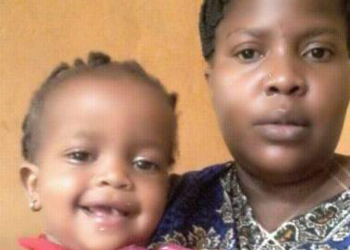
The dead were identified as Ntegyerize Afusa, 47, and her two children, Tumuramye Sudais, 14, and Nuwandinda Asifa, 11.
According to police, the attackers had information that the family had received about Shs1.5 million, which was believed to have been kept in the house.
The attackers allegedly entered through a back door that had not been properly secured before attacking the occupants with a hammer, panga and walking stick.
Police subsequently arrested three suspects — Nuwamanya Christopher, Nuwamanya Micheal and Asiimwe Abel — after a sniffer dog reportedly led detectives to one of the suspects. Police said exhibits recovered from the suspects’ residences were being preserved for forensic examination.
The case provides the strongest publicly documented evidence that at least some of the killings are connected to criminal robbery. But it does not explain the entire Kazo wave.
 Children Also Targeted
The mystery deepened after three children were killed in Kajuzya Cell, Nkungu Sub-county, on August 30. The victims were identified as Catherine Akankwatsa, 14, Grace, 13, and Deus Arinaitwe, 10.
A three-year-old boy survived the attack but was injured. The children’s parents had reportedly travelled elsewhere to look for employment, leaving the children at home.
Police said at the time that the motive remained unclear and that investigations were continuing to establish who was responsible.
The targeting of children has particularly unsettled communities because it does not immediately fit the robbery explanation established in the Kagasha family killings.
It has also raised fears that different forms of violence may be occurring simultaneously in the district rather than one coordinated campaign.
 Land, Domestic Conflicts And Other Risks
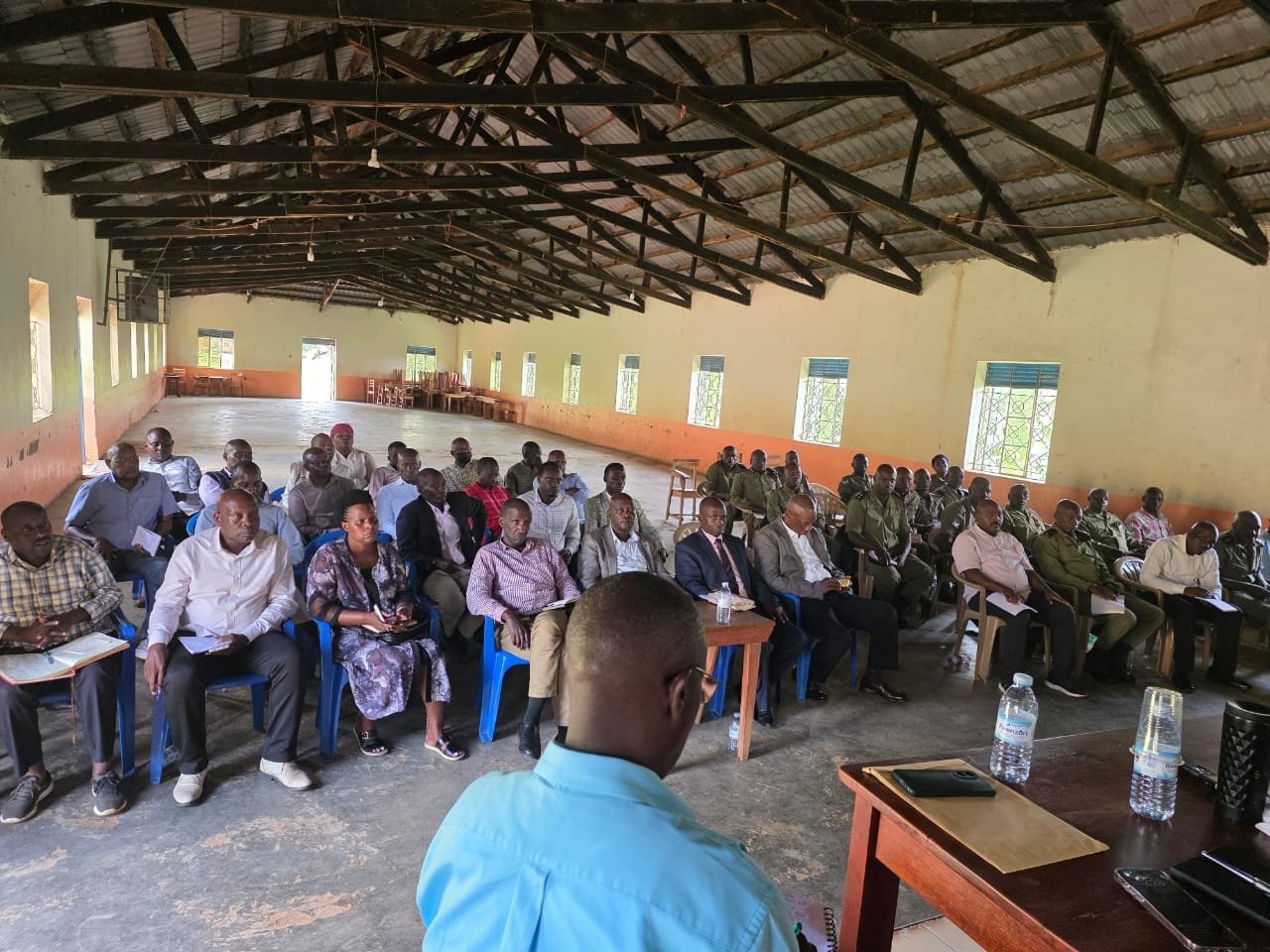
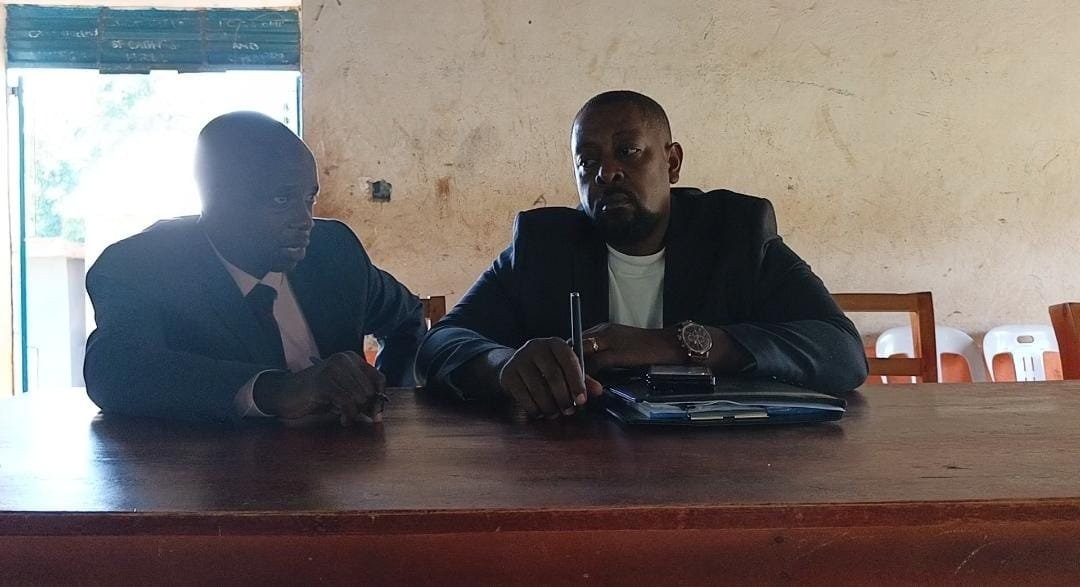
Security authorities are examining several possible drivers of violence. During a security meeting held in Kazo on September 30, police, intelligence officials, local leaders and political leaders examined the circumstances surrounding the murders and discussed possible underlying causes.
Police said the investigation would also consider community disputes, domestic-related violence, repeat offenders and crime hotspots.
Security officials also identified illegal gambling and drug abuse among social factors that could contribute to criminality.
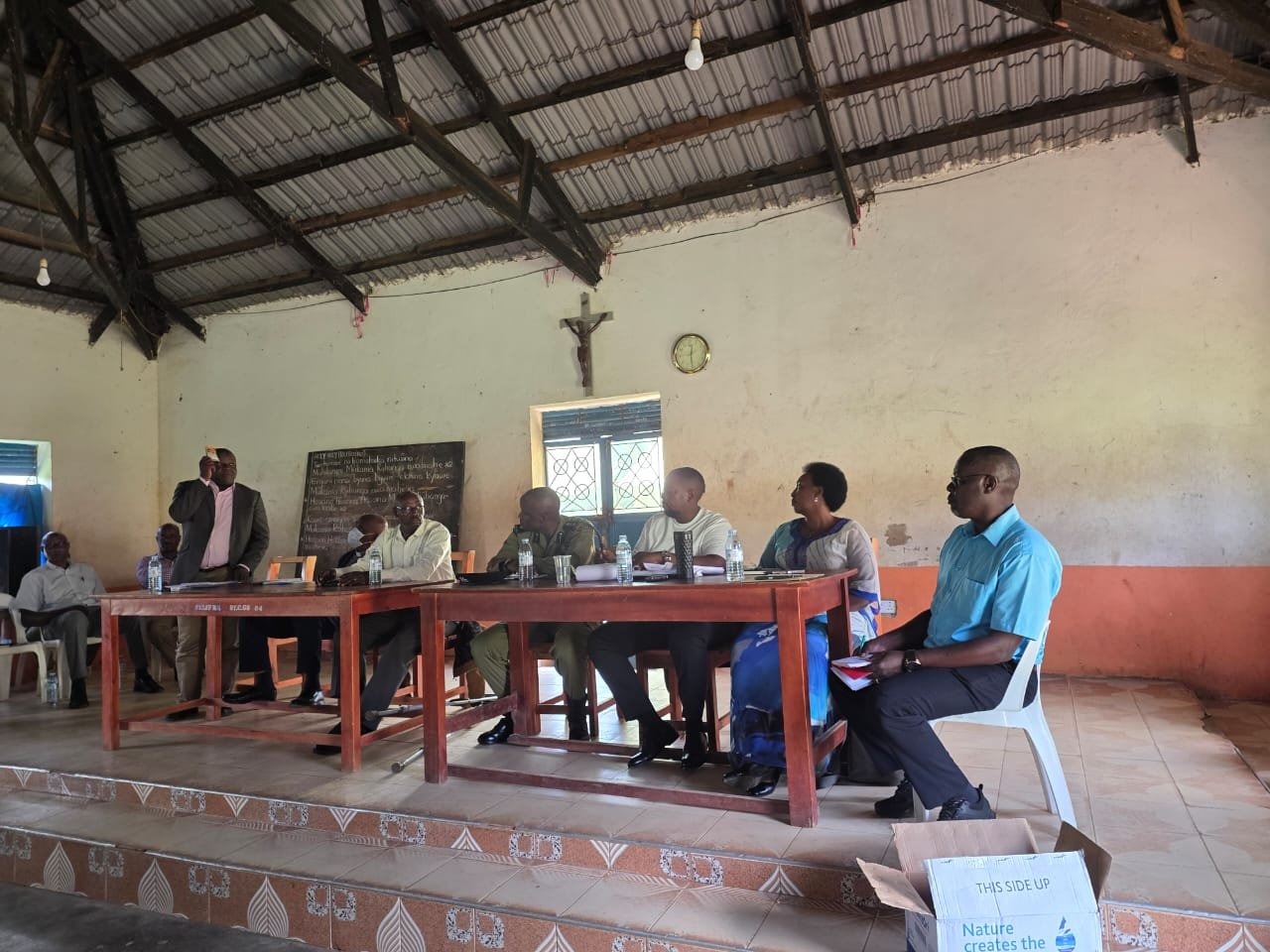 Police said community surveillance and intelligence gathering would be strengthened through neighbourhood-watch structures and village security committees. Land disputes have also emerged in public discussion as a possible explanation.
But there is an important distinction between a possible motive and an established motive.
There is currently no publicly released comprehensive investigation establishing that land disputes are responsible for the 14 Kazo murder cases.
Similarly, claims that the killings are the work of a rebel group or a single organised gang remain unsubstantiated in the public record reviewed for this report.
Is It One Group?
This is perhaps the biggest unanswered question. The concentration of cases in particular sub-counties, the nighttime attacks and the use of blunt weapons have generated speculation that the murders could be linked.
However, police say that suspects and accomplices differ from one case to another, meaning investigators have not publicly established a single network behind the killings.
That finding is significant. It means the authorities are dealing with a cluster of serious homicides whose relationship to one another is still being investigated rather than a confirmed single campaign of killings.
Residents, however, want answers faster. Some have questioned why the authorities have not yet produced a comprehensive account of the killings, while others have called for professional investigators to be brought in.
The concern has also reached Parliament. On September 29, Kimosho told Parliament that 10 people had been killed in Kazo between August 17 and September 27. MPs from Kazo and neighbouring Kiruhura reported more than 15 deaths across the two areas in roughly a month.
The figures have since changed as new cases have been reported and investigations reviewed.
 Security Response
Following the growing concern, the Mbarara-Rwizi Regional Security team met Kazo officials, MPs, local leaders and community representatives to examine the killings.
The meeting resolved to strengthen community policing, improve information sharing and restore village security committees.
Police have also promised more intelligence-led operations in the affected areas.
Kimosho, meanwhile, has called for stronger investigative methods and additional security personnel.
His concerns received a response from fellow Kazo MP Juma Witonze Kisekka, who said he had engaged the security leadership and directed that additional security teams be deployed to strengthen the security presence.
President Yoweri Museveni has also acknowledged concerns over killings in Greater Ankole and directed security agencies to investigate reported killings and theft. He said police should be present at sub-county level and indicated that he would engage police leadership over security gaps.
The Question Of Motive
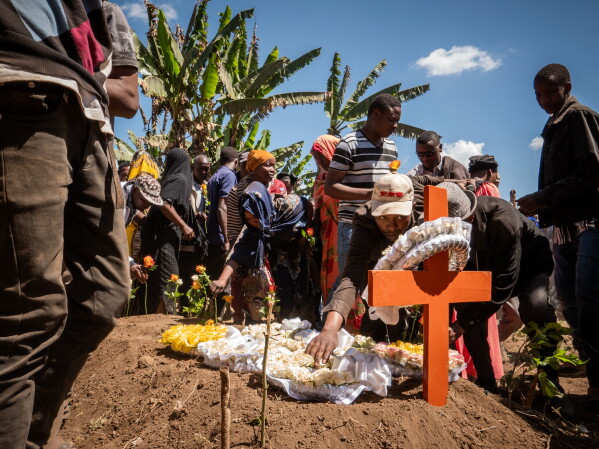
For the families burying their loved ones, explanations cannot come soon enough. At present, the evidence points to more than one possible motive rather than one established explanation.
Police have conclusively linked at least one Kazo triple murder to an alleged robbery involving Shs1.5 million. Other cases remain under investigation. Authorities are also examining domestic disputes, land-related conflicts, drug abuse, illegal gambling, repeat offenders and other local security threats.
The circumstances surrounding Nuwagira’s killing are particularly important. His motorcycle was reportedly taken after he was killed, creating a possible robbery angle. But until investigators establish what happened before, during and after the attack, it would be premature to conclude that his death was simply a motorcycle robbery.
The same caution applies to claims of political motives, rebel activity or an organised killing squad.
The central question is therefore not simply who is killing the people of Kazo, but whether the 14 deaths are connected or represent several different forms of violent crime occurring at the same time.
That answer will require investigators to connect the cases through forensic evidence, weapons, suspects, phone records, stolen property, eyewitness accounts and other intelligence.
Until then, Kazo remains trapped between fear and unanswered questions. The residents want the killers identified. The families want justice.
And the wider Ankole community wants to know why people are dying in their homes and on the roads — and whether the next victim is already being watched.
Author Profile

Latest entries
 FeaturedOctober 3, 2026THE CROWN, THE KING, THE GLORY! If You Missed The Historic Coronation? The Investigator Brings You The Grand Ceremony In Pictures — From The Royal Procession And Cultural Performances To The Distinguished Guests And The Crowning Of Tooro’s New King
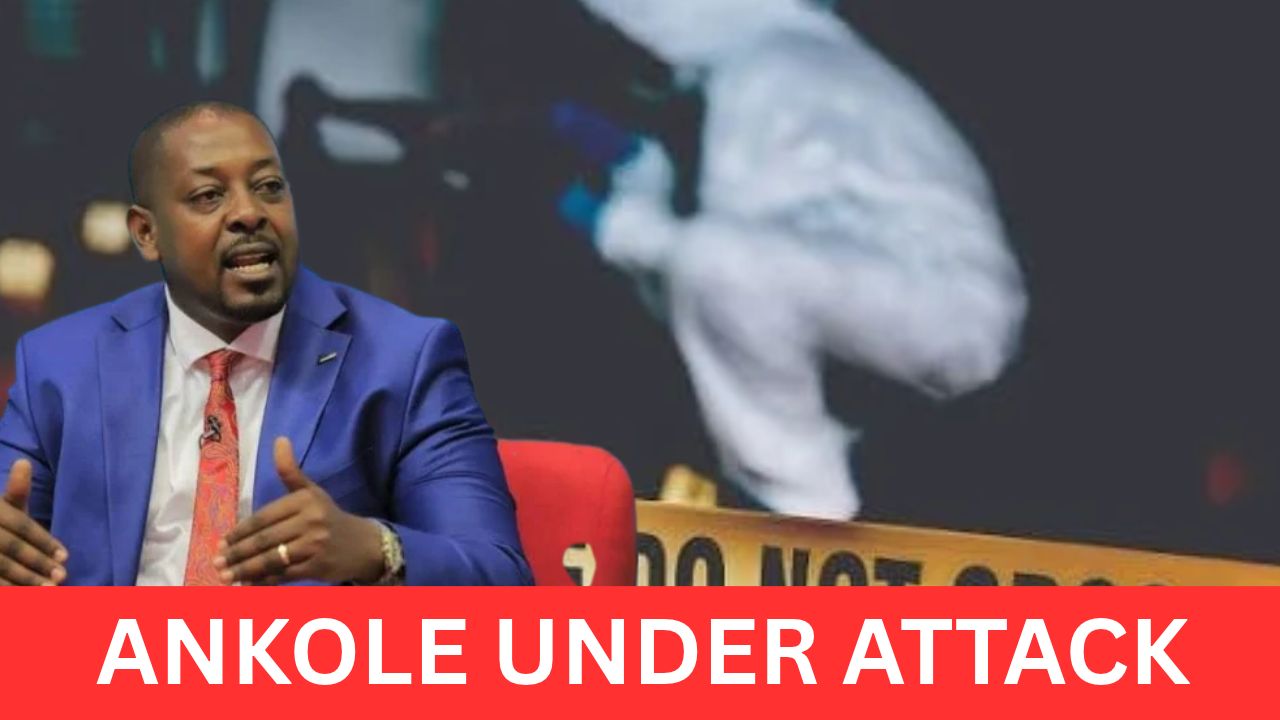 FeaturedOctober 3, 2026KAZO KILLINGS: WHO IS HUNTING ANKOLE? What Is The Motive? So Far, There Is No Single Publicly Established Culprit Or Motive Linking All 14 Cases
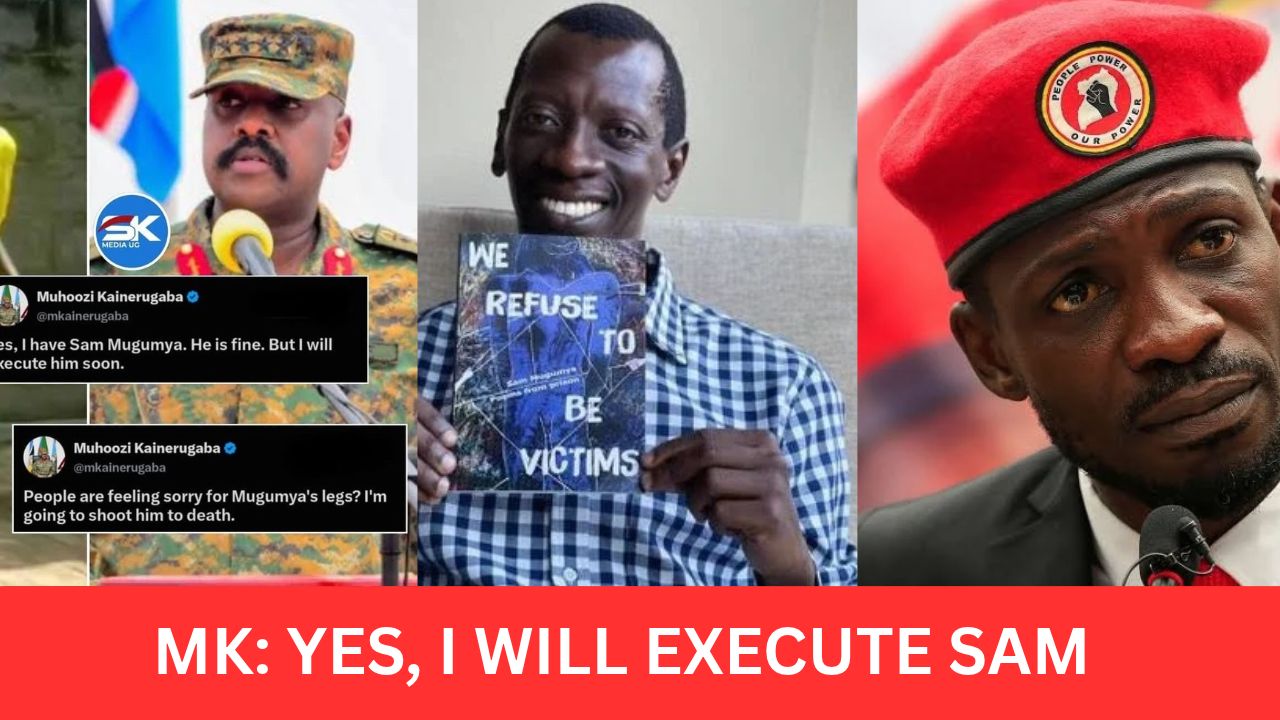 FeaturedOctober 3, 2026MUHOOZI’S MUGUMYA EXECUTION THREAT SPARKS OUTRAGE: CDF’s Declaration That He Holds Missing Activist Sam Mugumya And Intends To Execute Him Has Unleashed A Wave Of Anger Across Uganda
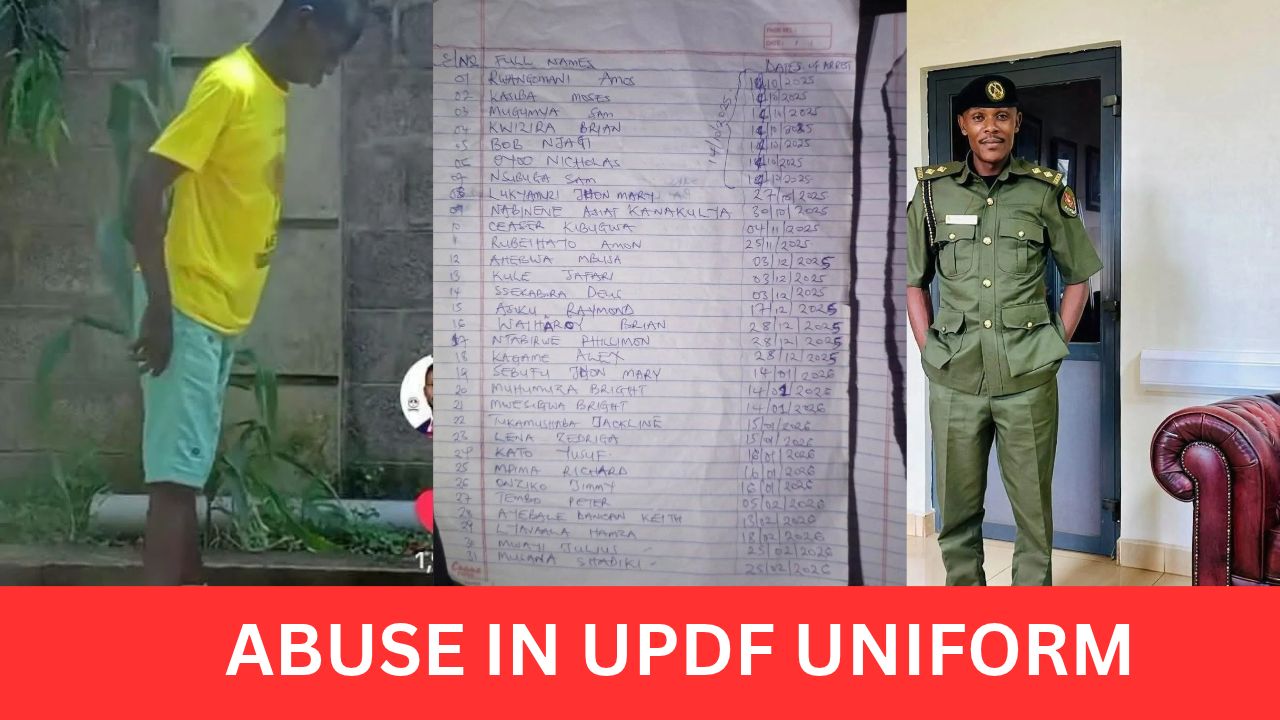 FeaturedOctober 1, 2026WHEN THE UNIFORM TURNS BRUTAL: Fresh Footage Showing Civilians Allegedly Tortured By UPDF Men In Military Uniform Has Sparked Public Outrage