



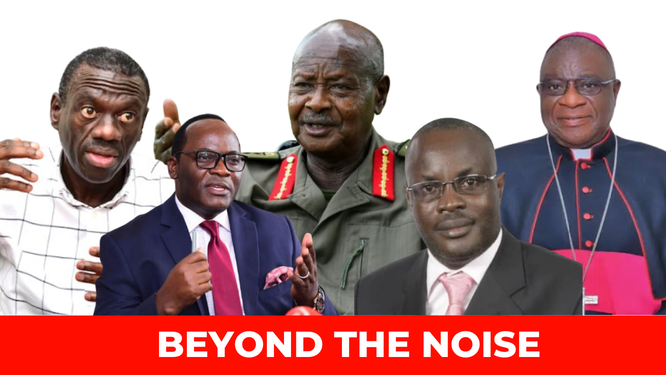


The long-running legal and political saga surrounding jailed opposition veteran Dr Kizza Besigye has entered a potentially decisive phase, with Gen. Salim Saleh emerging as the central figure in efforts to negotiate his release.
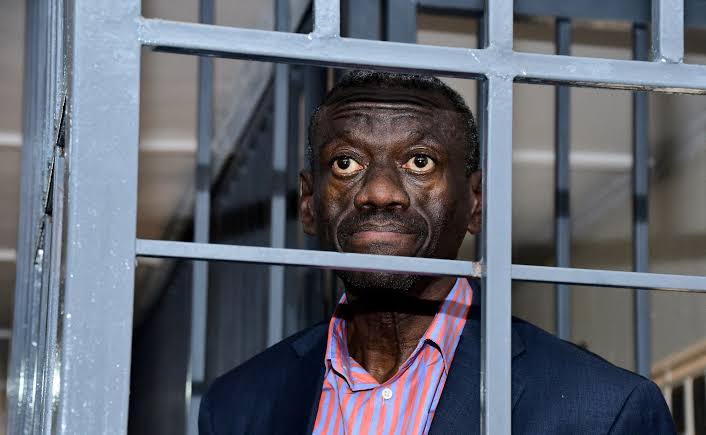
A multi-faction committee coordinated by Saleh, the senior presidential adviser and coordinator of Operation Wealth Creation, has reportedly been established to handle the sensitive negotiations surrounding Besigye, who has been in custody since his dramatic arrest in Nairobi, Kenya, in November 2024.
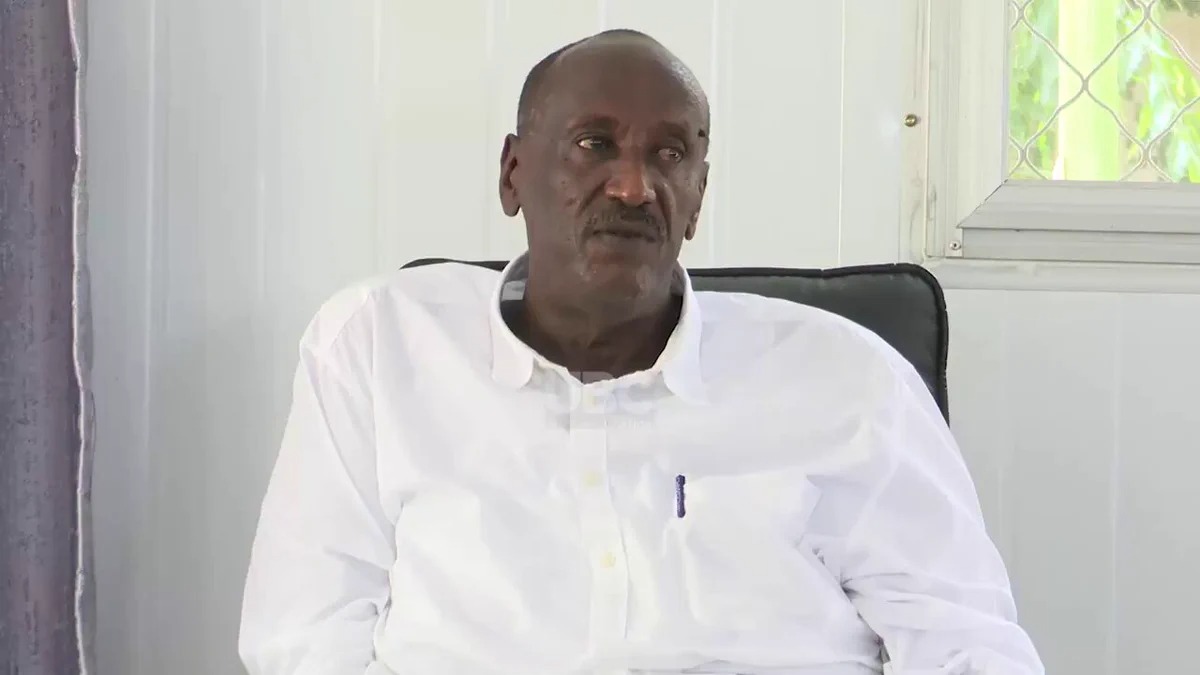 Sources involved in the discussions say the committee brings together figures from different political, religious and civic backgrounds, while the opposition has also established a team expected to engage Saleh’s group.
The reported negotiations have added a new dimension to a case that has for nearly two years combined questions of national security, political opposition, military power, constitutional rights and the health of one of President Yoweri Museveni’s most formidable political opponents.
Sources have intimated to The Investigator that the committee of eminent persons was formed to help Gen. Saleh handle the Besigye matter, while the opposition has separately constituted a team to meet his group.
The development follows comments by Chief of Defence Forces Gen. Muhoozi Kainerugaba that appeared to place Besigye’s fate in Saleh’s hands.
“If he wants forgiveness, he should talk to Afande Saleh,” Muhoozi was reported to have said, adding that Museveni had given Saleh authority to handle the matter.
For Besigye’s supporters, however, the central question is not simply whether he will be released, but what will happen to the serious criminal allegations that have kept him behind bars and placed him at risk of a capital sentence.
 From Museveni’s Ally To His Fiercest Opponent
Besigye’s confrontation with the Museveni government has deep historical roots. The two men were once comrades in the National Resistance Army bush struggle that brought Museveni to power in 1986. Besigye served as Museveni’s personal physician and later as a military officer and adviser.
Their relationship eventually deteriorated, and Besigye emerged as one of Museveni’s most persistent political challengers. He contested the presidency against Museveni four times, in 2001, 2006, 2011 and 2016, rejecting the results of those elections and accusing the government of using state machinery against the opposition.
His political activism repeatedly brought him into conflict with security agencies.
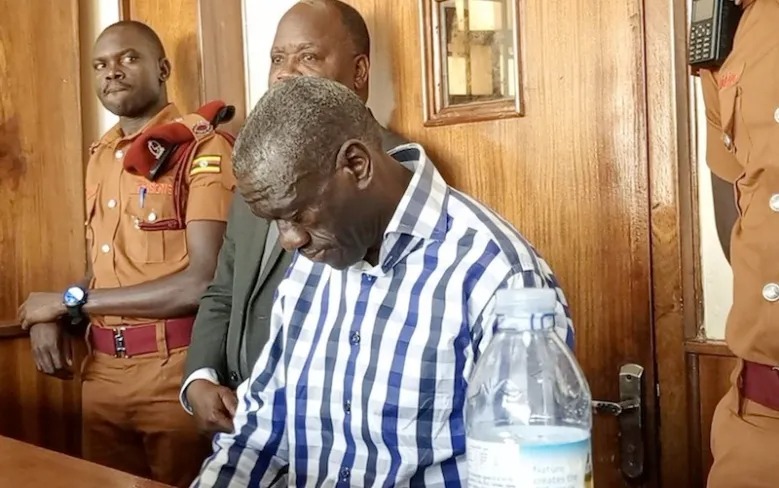 He was arrested on several occasions, subjected to preventive detention and, during the 2016 election period, placed under house arrest in a move that drew international criticism.
But his latest confrontation with the government is far more serious.
It began in Nairobi on November 16, 2024, when Besigye travelled to Kenya to attend the launch of a book by former Kenyan Justice Minister Martha Karua.
Besigye and his aide, Hajji Obeid Lutale, disappeared after attending meetings in Nairobi. They later resurfaced in Kampala and were presented before the General Court Martial.
Besigye’s supporters described what happened as an abduction from Kenya.
The East African Court of Justice records a case in which Besigye and others allege extraterritorial abduction, incommunicado detention and forcible removal from Kenya to Uganda.
Besigye himself reportedly told his supporters that men posing as Kenyan security personnel took him and Lutale from an apartment in Nairobi before transporting them towards the Uganda border.
The Ugandan authorities, however, maintained that the suspects were arrested over security-related offences. Security sources subsequently told The Investigator that Ugandan agents had received information about Besigye’s movements and that the operation was planned after his itinerary became known.
The Military Court Battle
The first charges were brought before the General Court Martial. Besigye and Lutale were accused of illegal possession of firearms and ammunition and offences relating to national security.
In January 2025, military prosecutors added the charge of treachery, a capital offence under Ugandan law.
The prosecution alleged that Besigye and his associates had participated in meetings in Uganda and abroad, including Nairobi, Geneva and Athens, where plans were allegedly discussed to undermine the government and security of Uganda.
Besigye refused to plead to the amended treachery charge, arguing that he was a civilian and should not be tried by a military court.
That argument eventually gained ground before the Supreme Court. In January 2025, the Supreme Court barred the trial of civilians by the General Court Martial and ordered cases involving civilians to be transferred to competent civilian courts.
The ruling provided Besigye with a major legal reprieve but did not end his prosecution. Instead, the State moved the case to the High Court, where the charges were reframed around treason.
The State alleges that between 2023 and 2024 Besigye, Lutale and UPDF Capt. Denis Oola participated in meetings and activities aimed at overthrowing the government by force of arms. The accused have denied the allegations.
The Assassination Allegations
As the civilian trial progressed, the allegations became considerably more explosive. One of the prosecution’s principal witnesses, Andrew Wilson, an American private security contractor who said he worked undercover for Ugandan security agencies, testified about an alleged plan to assassinate President Museveni.
Wilson told the High Court that during a meeting in Geneva on January 28, 2024, he suggested that those allegedly seeking to overthrow the government should consider assassinating Museveni.
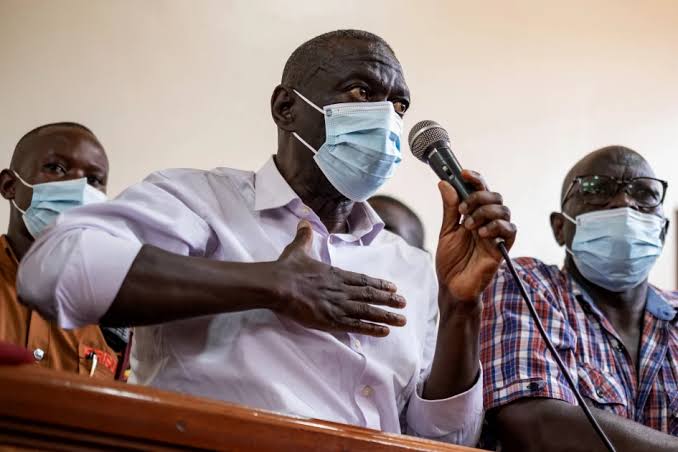 According to his testimony, Besigye and his alleged associates discussed possible vulnerabilities in the President’s movements.
Wilson further alleged that the conspirators wanted responsibility for any attack to be attributed to the Allied Democratic Forces, or ADF, in order to divert suspicion from themselves.
He also told court that the alleged plan included destabilising the country, recruiting personnel, disrupting the economy and eventually obtaining military support to seize territory and establish what he described as a “shadow government.”
Another allegation concerned a possible drone attack. Wilson claimed that discussions included flying an unmanned aircraft into the engine of a commercial aircraft at Entebbe International Airport to create chaos and generate publicity.
These allegations have not been judicially proven. They remain part of the prosecution case, and Besigye and his co-accused deny the charges.
The significance of the testimony, however, is that it has transformed the prosecution from a case initially associated with illegal firearms and military jurisdiction into a much broader alleged conspiracy involving an attempt to overthrow the government and, according to the prosecution witness, an alleged plot against the President.
From Nairobi Arrest To Treason Case
The Nairobi arrest therefore became the starting point of a chain of legal events that has now lasted nearly two years.
After the Supreme Court ruling on military courts, the State reconstituted its case before the civilian judiciary.
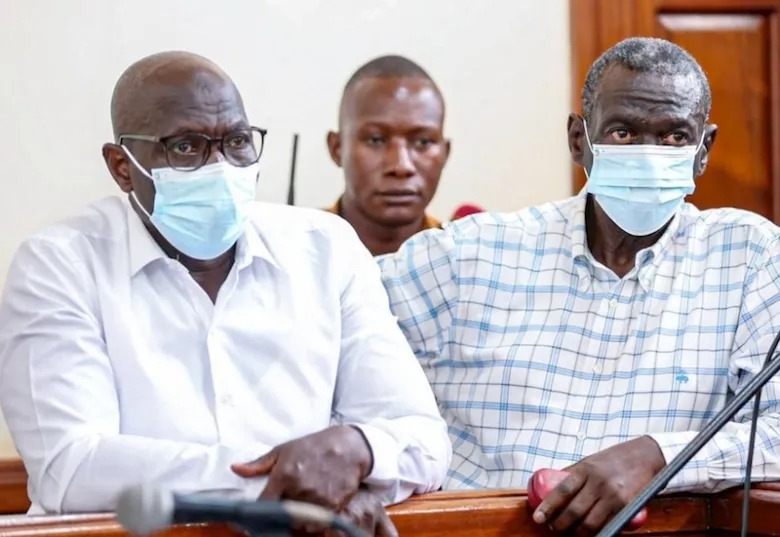 By 2026, the prosecution was presenting evidence before Justice Emmanuel Baguma of the High Court Criminal Division.
The first prosecution witness, Wilson, spent weeks giving evidence and being cross-examined by the defence.
His testimony included alleged recordings of meetings and conversations, claims about recruitment and training, alleged requests for weapons and information concerning military targets.
The defence has challenged the credibility of the witness and the prosecution’s interpretation of the evidence. The case therefore remains contested.
The prosecution must still prove its allegations to the required criminal standard, while Besigye remains presumed innocent unless convicted.
The Health Crisis
While the legal battle has continued, Besigye’s deteriorating health has added urgency to calls for his release. On July 29, 2026, Besigye collapsed in the dock during proceedings at the High Court.
He had been protesting against the continuation of his trial without his preferred lawyers when he fell backwards in the dock. He was subsequently taken to Mulago National Referral Hospital.
His wife, Winnie Byanyima, said he was unconscious and unresponsive and called for him to receive specialised treatment from doctors of his choice.
The incident raised fresh questions about whether the 70-year-old opposition veteran was physically capable of participating in his own trial.
The court later allowed proceedings to continue in his absence after medical assessments. The prison authorities have also reported subsequent medical evacuations.
In August, Besigye was taken from Luzira Prison to the Joint Clinical Research Centre for medical attention.
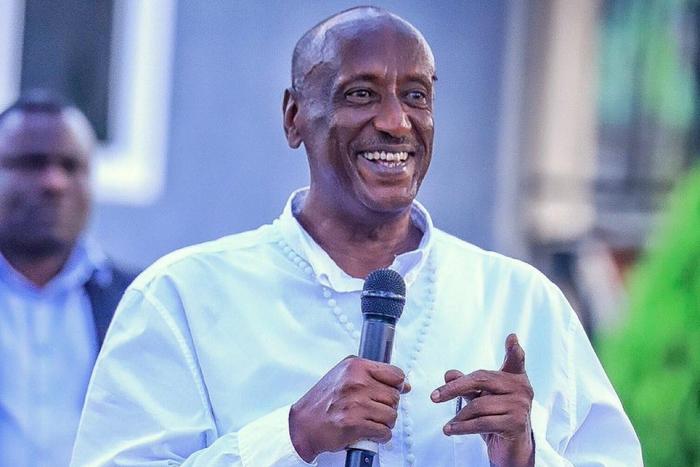 Uganda Prisons Service said he was stable and rejected reports that he was in critical condition, while his family maintained that his health remained fragile.
Earlier, the High Court had ordered prisons to provide a medical report after Besigye failed to attend court because of illness.
The health question has therefore become inseparable from the legal question: can a man suffering serious health problems continue participating effectively in a trial carrying the possibility of a death sentence?
Lukwago’s Arrest Adds Another Layer
The Besigye saga also widened when his lawyer and political ally, Erias Lukwago, was arrested and charged with misprision of treason.
The prosecution alleges that Lukwago failed to report information concerning alleged treasonous activities. Lukwago has denied the accusation.
His arrest generated another confrontation between opposition lawyers and the security establishment, with critics arguing that the case represented an extension of the pressure surrounding Besigye’s defence. It also sharpened the political dimension of the prosecution.
Why Saleh Matters
It is against this complicated background that Gen. Salim Saleh’s intervention becomes significant. Saleh is not merely another government official.
He is Museveni’s younger brother, a senior military figure and one of the most influential personalities within Uganda’s ruling establishment.
Unlike a formal court process, negotiations led through a senior political and security figure could potentially provide a route out of the impasse that litigation has failed to resolve.
The reported arrangement appears to recognise that the Besigye matter has moved beyond an ordinary criminal prosecution.
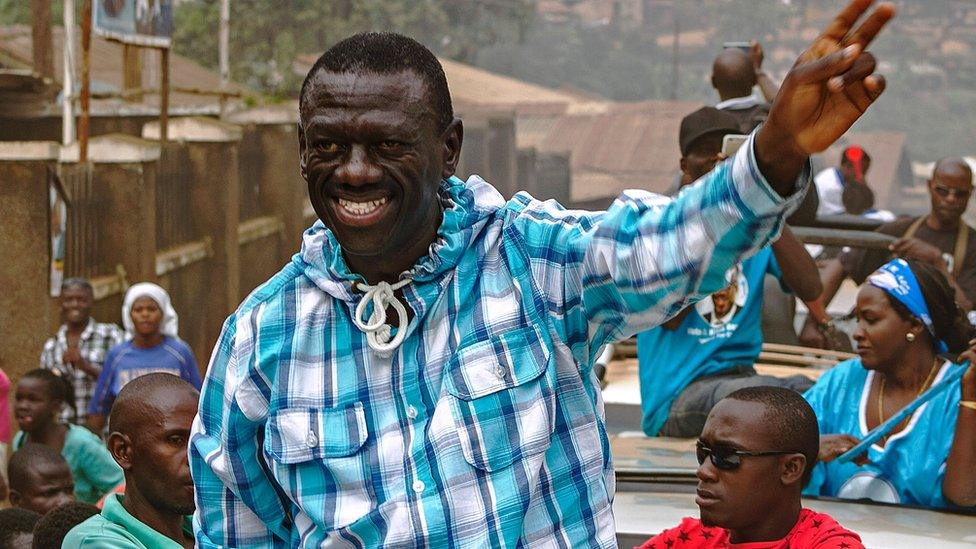 It now involves the opposition, the government, security institutions, the judiciary, religious and civic actors and the wider political establishment.
The opposition’s decision to appoint a team to meet Saleh’s committee could therefore signal a willingness by some actors to explore a political solution alongside the judicial process.
FDC deputy spokesperson Walid Mulindwa has confirmed that negotiations are taking place, while leaders within the Inter-Party Organisation for Dialogue have also discussed the matter.
But there are divisions within the opposition itself. Some members reportedly favour allowing the courts to determine Besigye’s fate, while others see political negotiations as the most realistic avenue for securing his freedom.
That divide reflects the larger dilemma facing the opposition: whether to trust the legal system to resolve a case it considers politically motivated or engage directly with the political establishment to secure Besigye’s release.
A Possible Exit From The Stalemate
The Saleh-led initiative therefore offers a potentially significant opening. For the government, an agreement could ease pressure surrounding a politically sensitive prosecution involving an ageing opposition figure whose health has deteriorated in detention.
For the opposition, negotiations could provide a way to bring Besigye home from Luzira without waiting for a trial that could take months or years to conclude.
But any settlement will have to confront the charges themselves. The government has insisted that Besigye must answer allegations it considers extremely serious.
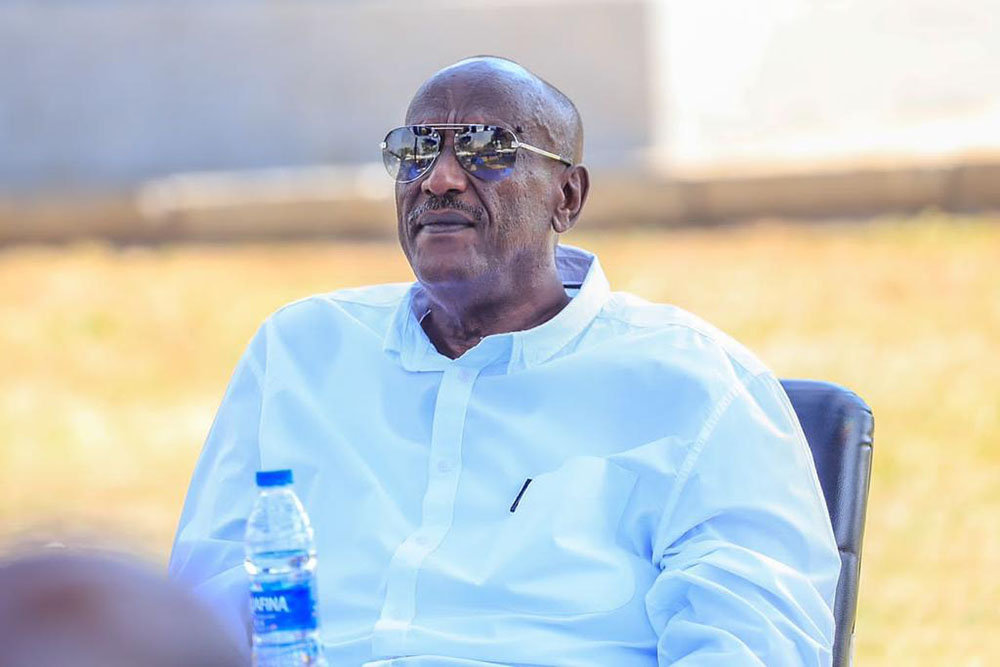 President Museveni has previously said Besigye should face the consequences of the offences he was alleged to have been planning, while Muhoozi has publicly linked him to an alleged plot against his father.
The opposition, meanwhile, has repeatedly argued that the charges are politically motivated and that Besigye has been persecuted because of his long-standing challenge to Museveni’s rule.
The reported intervention by Saleh could now test whether these two positions can be reconciled.
If negotiations succeed, Uganda could see an extraordinary political exit from one of the country’s longest-running opposition-government confrontations.
If they fail, Besigye’s treason trial will continue, with the prosecution expected to present further evidence concerning the alleged plan to overthrow the government and the alleged assassination plot against President Museveni.
For now, however, the spotlight has shifted from the courtroom to the negotiating table — and to Gen. Salim Saleh, the man increasingly being positioned at the centre of efforts to determine what happens next to Dr Kizza Besigye.
Author Profile
- Charles Gazza Kodili is a seasoned journalist with over 20 years of experience in the media industry. He holds a Bachelor of Arts degree in Mass Communication. He’s currently the Chief Editor at the Investigator.
Charles can also be reached via; Tel: +256 774 108978
Email: [email protected]
Latest entries
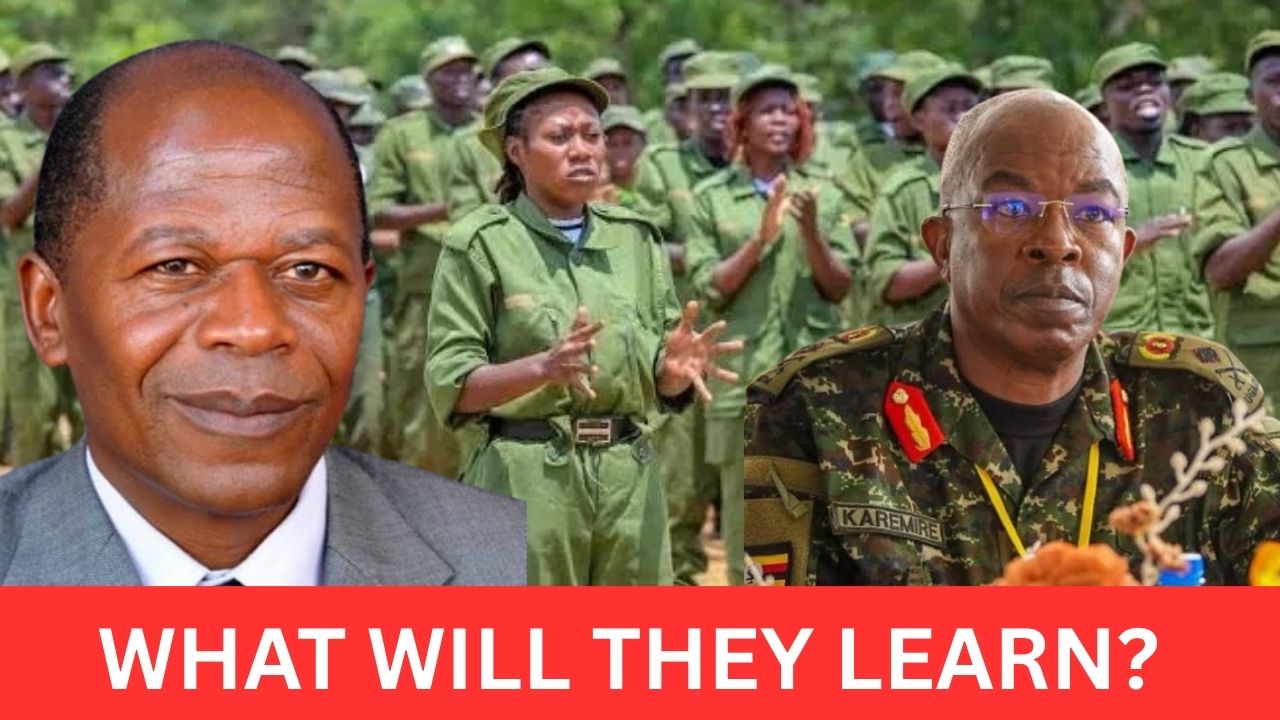 FeaturedOctober 5, 2026ALL SENIOR SIX VACISTS TO KYANKWANZI: Government Revives 1980s Programme, But Questions Mount Over NALI Capacity, Cost, Logistics And Political Content Training
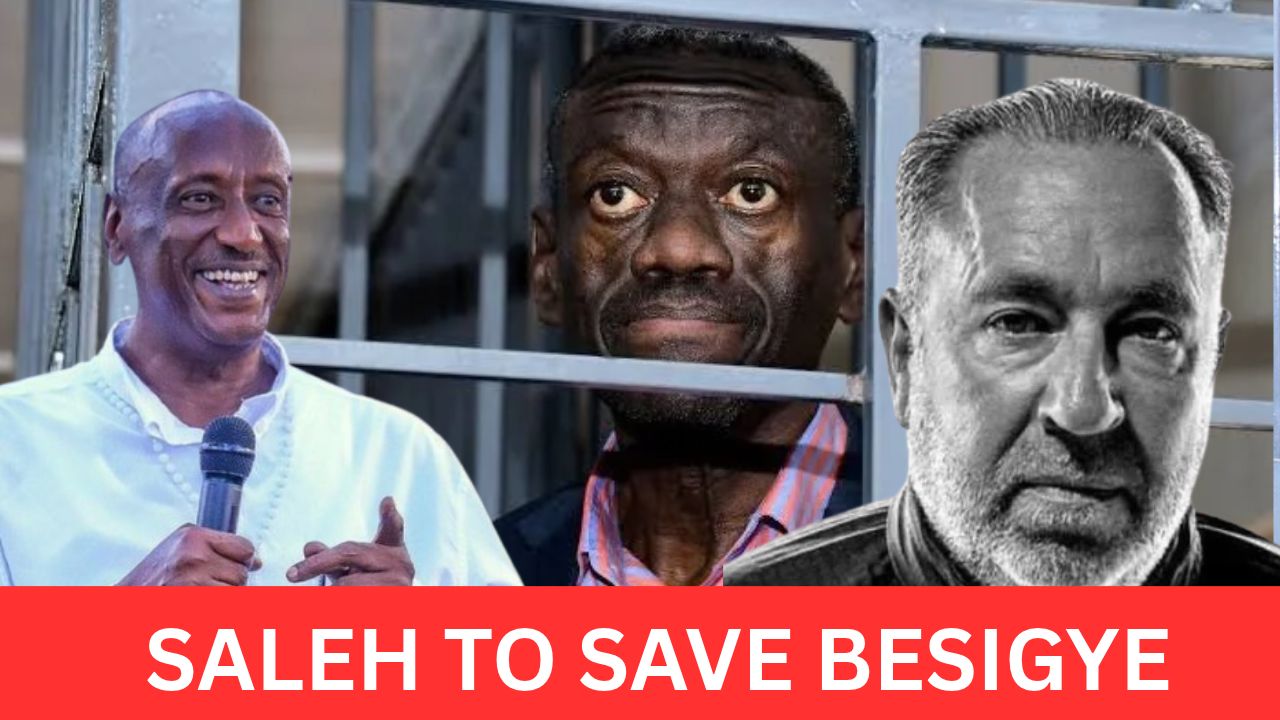 FeaturedOctober 5, 2026SALEH MOVES TO FREE BESIGYE: Behind-The-Scenes Talks Begin As Museveni’s Brother Leads Efforts To Resolve Opposition Leader’s Treason Case Amid Illness And Explosive Assassination Allegations
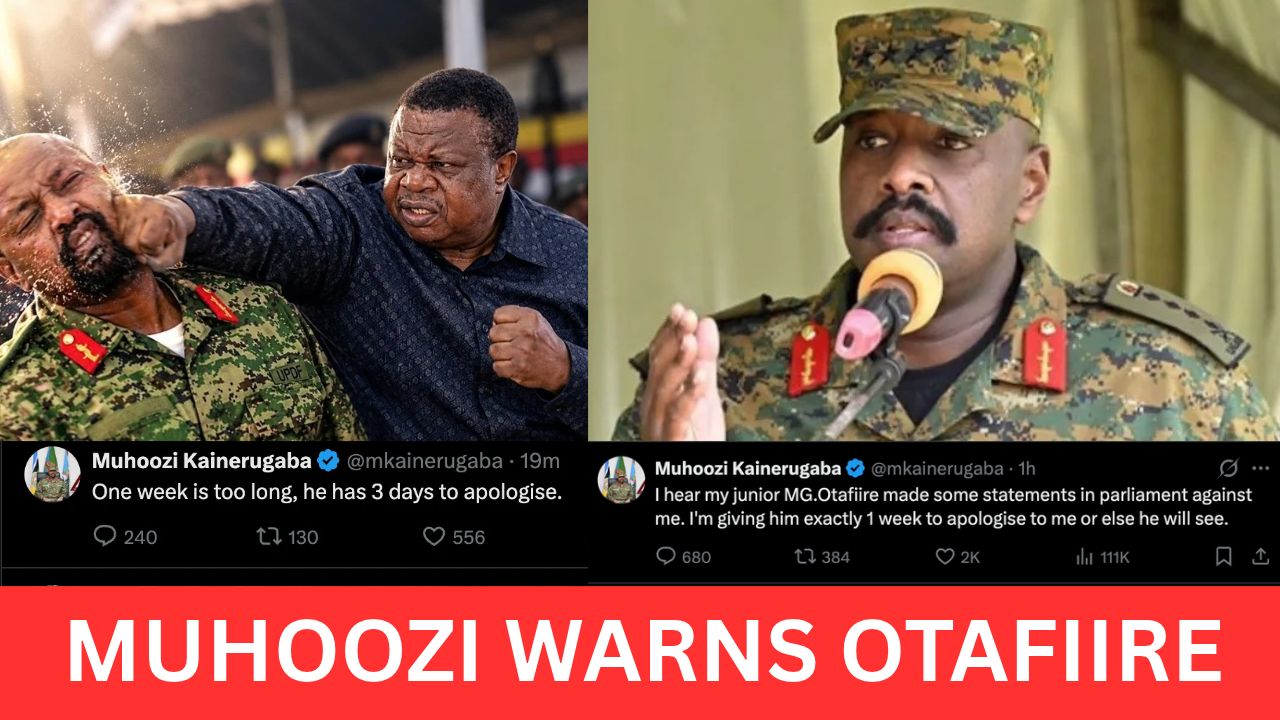 FeaturedOctober 2, 2026MUHOOZI GIVES OTAFIIRE ONE WEEK TO APOLOGISE OR ‘SEE’: CDF Gen Muhoozi Kainerugaba Has Demanded An Apology From Veteran Bush-War Commander Maj Gen (Rtd) Kahinda Otafiire After The Minister Warned Parliament That Generals Who Prefer Violence To Resolve Disagreements Pose A Problem
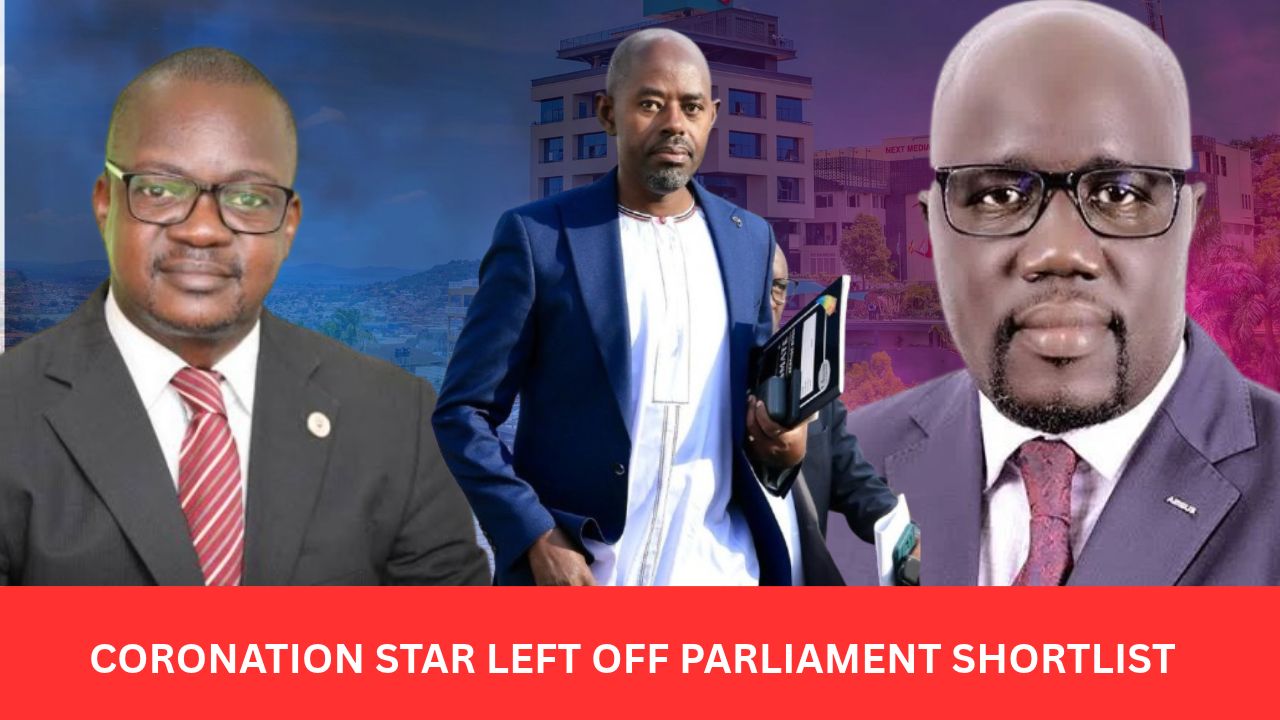 FeaturedOctober 2, 2026PEOPLE’S FAVOURITE MPAGI MISSES PARLIAMENT JOB: Coronation Fame Mpagi Dropped From Shortlist For Assistant Director, Media And Communication Post At Parliament Over Lack Of A Master’s Degree