





Government has revived a controversial programme under which all Senior Six school leavers across Uganda will undergo patriotism and ideological training at the National Leadership Institute (NALI), Kyankwanzi, raising questions about capacity, cost and the purpose of the exercise.
Thousands of young Ugandans who complete Senior Six this year are expected to trade their school uniforms for training attire as government rolls out a nationwide patriotism and ideological programme intended to instill discipline, national identity, patriotism and a sense of responsibility.
The programme, according to government, will bring together Senior Six vacists from across the country for training at the National Leadership Institute (NALI) in Kyankwanzi.
Officials say the initiative is part of efforts to prepare young people for adulthood by exposing them to national values, leadership, citizenship, discipline and responsibilities towards their country.
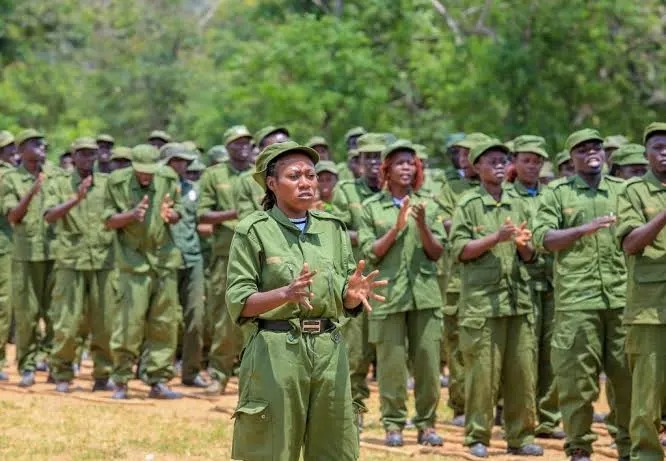 But the announcement has immediately triggered questions about the practicality and sustainability of putting all Senior Six leavers through a single institution, particularly given the huge numbers involved.
The first question is simple: Can NALI accommodate all the students?
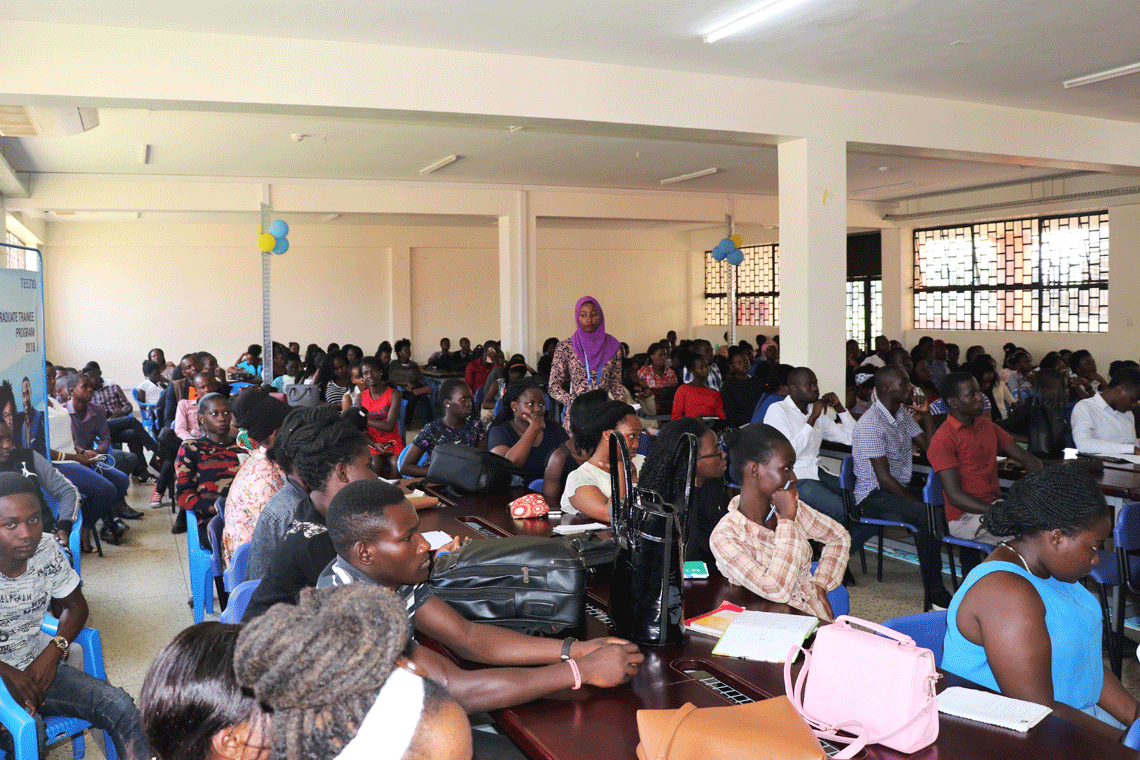
Every year, Uganda produces tens of thousands of Senior Six leavers from government, private and international schools. If the directive is applied to all students nationally, the number requiring training could run into tens of thousands.
NALI, which has traditionally been used for ideological and leadership training for selected groups of public servants, political leaders, security officers, students and other organised groups, would have to undergo a major expansion of its operations to accommodate such numbers.
This raises questions about accommodation, classrooms, dining facilities, sanitation, water, transport, trainers, medical services and security.
The Government will also have to explain whether the students will be trained in one large group, in batches or through regional centres.
If the training is to take place at Kyankwanzi in batches, the programme could run for months, depending on the number of participants and the duration of each course.
That, in turn, raises another question: Who will pay for it?
Training thousands of young people requires money. Government would have to provide transport from schools and districts to Kyankwanzi, accommodation, food, training materials, uniforms where applicable, medical services, trainers’ allowances and other logistical requirements.
For families already struggling with the rising cost of education, there is also concern over whether parents will be asked to contribute towards the programme.
Government has not yet publicly provided a detailed cost breakdown showing how much the programme will require per student and the total projected expenditure.
Such information will be important if the programme is to enjoy public confidence.
A programme with a history
The idea of exposing young Ugandans to national service, patriotism and ideological education is not entirely new.
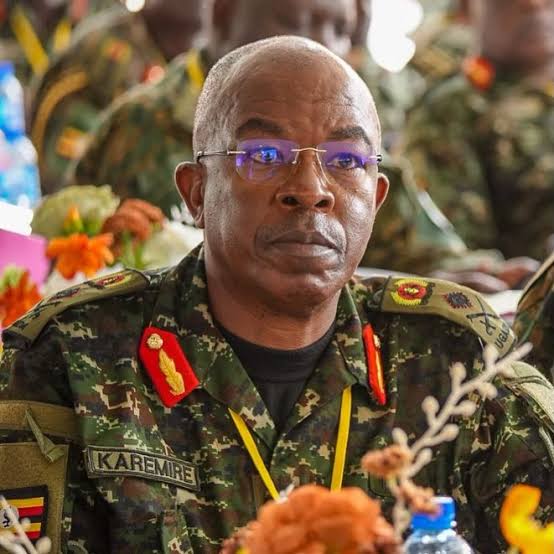
Similar forms of youth training existed in Uganda in the 1980s and 1990s. Young people were exposed to programmes that emphasised discipline, national consciousness, patriotism, leadership and service to the country.
For many Ugandans who went through those programmes, the experience became part of their transition from school into adulthood.
However, the programmes were eventually discontinued, for reasons that have not always been clearly explained to the public.
The revival therefore raises an important question: Why was a programme considered useful enough to revive stopped in the first place?
Government needs to explain what lessons were learnt from the previous programmes and what has changed in Uganda that makes their revival necessary today.
There is nothing inherently wrong with teaching young people about their country.
In fact, Uganda, like many countries, needs citizens who understand their history, respect national institutions, appreciate diversity and are prepared to contribute positively to society.
The challenge is ensuring that patriotism training does not become political indoctrination. The distinction is important.
Patriotism should mean love for one’s country, respect for fellow citizens, responsibility, hard work, integrity, national unity and willingness to serve society.
Ideological training, however, can become controversial if young people are exposed to partisan political messaging or are expected to accept a particular political ideology without critical discussion.
Government therefore needs to clearly define what will be taught at NALI. Parents and students should know the curriculum.
They should know who will conduct the training, what subjects will be covered and how the programme will be assessed.
The programme should ideally include Uganda’s history, constitutionalism, leadership, ethics, civic responsibility, national unity, entrepreneurship, environmental conservation, first aid, disaster preparedness and community service.
It could also expose young people to Uganda’s economic opportunities and the responsibilities that come with citizenship.
The NALI capacity question
The biggest immediate challenge remains capacity. NALI cannot simply be expected to absorb tens of thousands of students without significant investment.
Government may have to expand accommodation blocks, lecture rooms, sanitation facilities, kitchens, water systems and recreational facilities. There would also have to be sufficient instructors and support staff.
The logistics of transporting students from districts such as Arua, Kabale, Moroto, Gulu, Hoima and Busia to Kyankwanzi would be considerable.
For students from far-flung districts, transportation alone could become expensive. Government could therefore consider a phased approach.
Instead of bringing every Senior Six leaver to Kyankwanzi, NALI could train instructors who would then conduct standardised patriotism programmes in regional centres.
Universities, colleges, secondary schools and other government institutions with adequate facilities could also be used.
NALI could remain the central institution responsible for developing the curriculum, training instructors and supervising implementation.
This would make the programme more manageable and less expensive while maintaining national standards.
Another option would be to use school holidays and community-based programmes to spread the training over a longer period.
The objective should not simply be to have thousands of young people physically assembled at Kyankwanzi. The objective should be to ensure that the training produces meaningful results.
What do the young people gain?
This is perhaps the most important question. A patriotism programme should leave a young person better prepared for life after school.
Senior Six leavers are entering universities, vocational institutions, workplaces, businesses and other areas of adult life. They need more than slogans.
They need practical knowledge about leadership, work ethics, financial responsibility, citizenship, conflict resolution, entrepreneurship and community development.
The programme could therefore become an opportunity to address some of the challenges facing Uganda’s youth.
If properly designed, it could help young people understand their role in national development while encouraging them to reject corruption, tribalism, violence and other forms of social division.
But if the programme becomes a routine political gathering dominated by speeches, slogans and ideological lectures, it risks losing its intended purpose.
A programme requiring transparency
Government deserves credit for recognising the importance of patriotism and civic responsibility among young Ugandans. However, the revival of the programme should be accompanied by transparency.
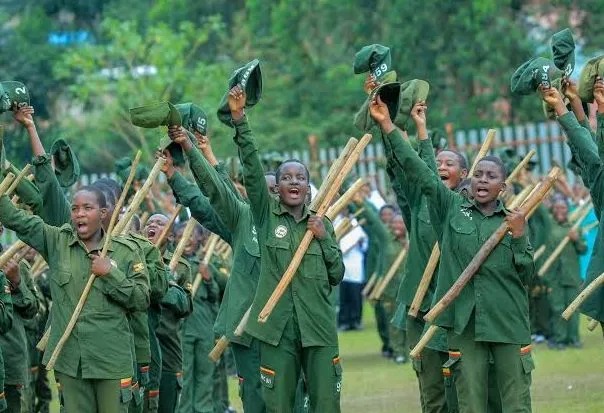 The public needs to know how many students will be trained, how long the programme will last, how much it will cost and where the money will come from.
Government should also publish the curriculum and explain how NALI will cope with the numbers. Parents will want assurances about accommodation, food, sanitation, medical care and security. Students, meanwhile, deserve to know what they are expected to gain from the programme.
The revival of a programme that existed in the 1980s and 1990s can be an opportunity to preserve what worked while correcting the weaknesses that led to its eventual disappearance.
The goal should be to produce young Ugandans who are patriotic but also independent-minded; disciplined but capable of questioning; proud of their country but respectful of diversity; and committed to national development rather than partisan politics.
Ultimately, patriotism cannot be manufactured simply by taking young people to Kyankwanzi.
It must be cultivated through education, good governance, fairness, employment opportunities, respect for the law and a sense that every citizen has a stake in the country’s future.
If government can provide those foundations, the revived NALI programme could become more than a compulsory training exercise. It could become a meaningful rite of passage for Uganda’s young people.
But without adequate facilities, financing, a clear curriculum and safeguards against political indoctrination, the programme could quickly become another ambitious government initiative struggling under the weight of its own numbers.
Author Profile
- Charles Gazza Kodili is a seasoned journalist with over 20 years of experience in the media industry. He holds a Bachelor of Arts degree in Mass Communication. He’s currently the Chief Editor at the Investigator.
Charles can also be reached via; Tel: +256 774 108978
Email: [email protected]
Latest entries
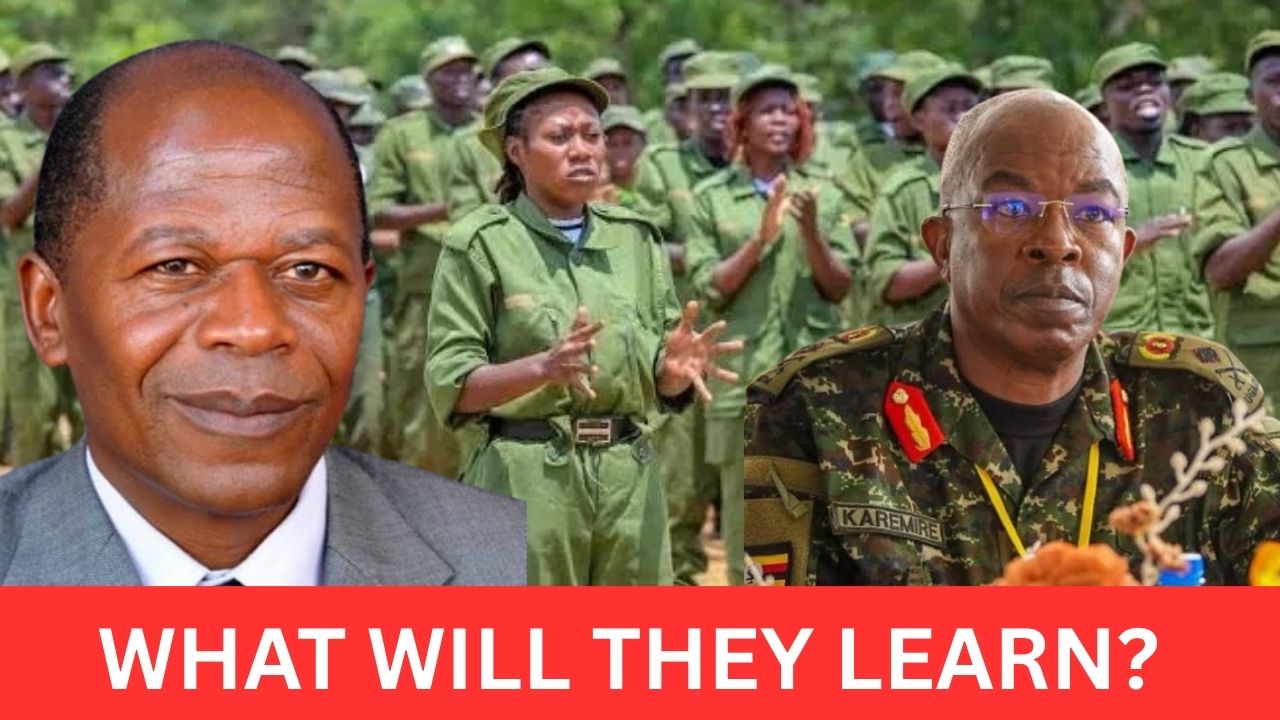 FeaturedOctober 5, 2026ALL SENIOR SIX VACISTS TO KYANKWANZI: Government Revives 1980s Programme, But Questions Mount Over NALI Capacity, Cost, Logistics And Political Content Training
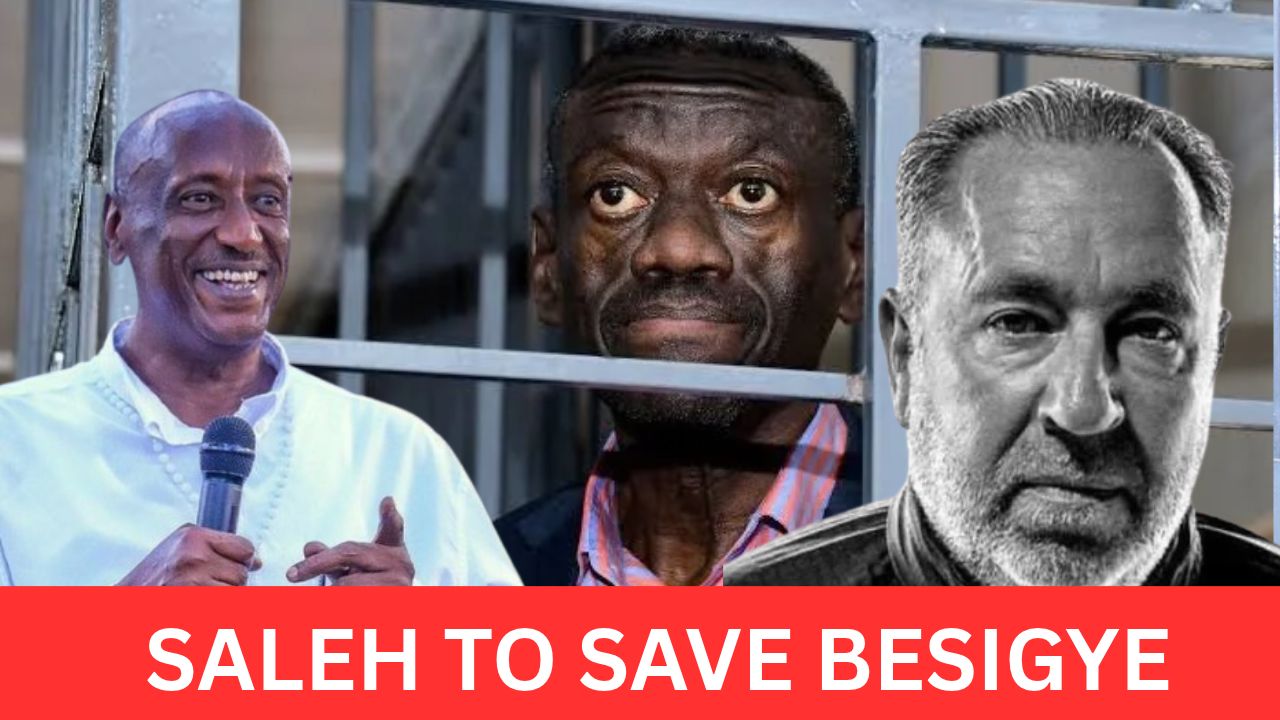 FeaturedOctober 5, 2026SALEH MOVES TO FREE BESIGYE: Behind-The-Scenes Talks Begin As Museveni’s Brother Leads Efforts To Resolve Opposition Leader’s Treason Case Amid Illness And Explosive Assassination Allegations
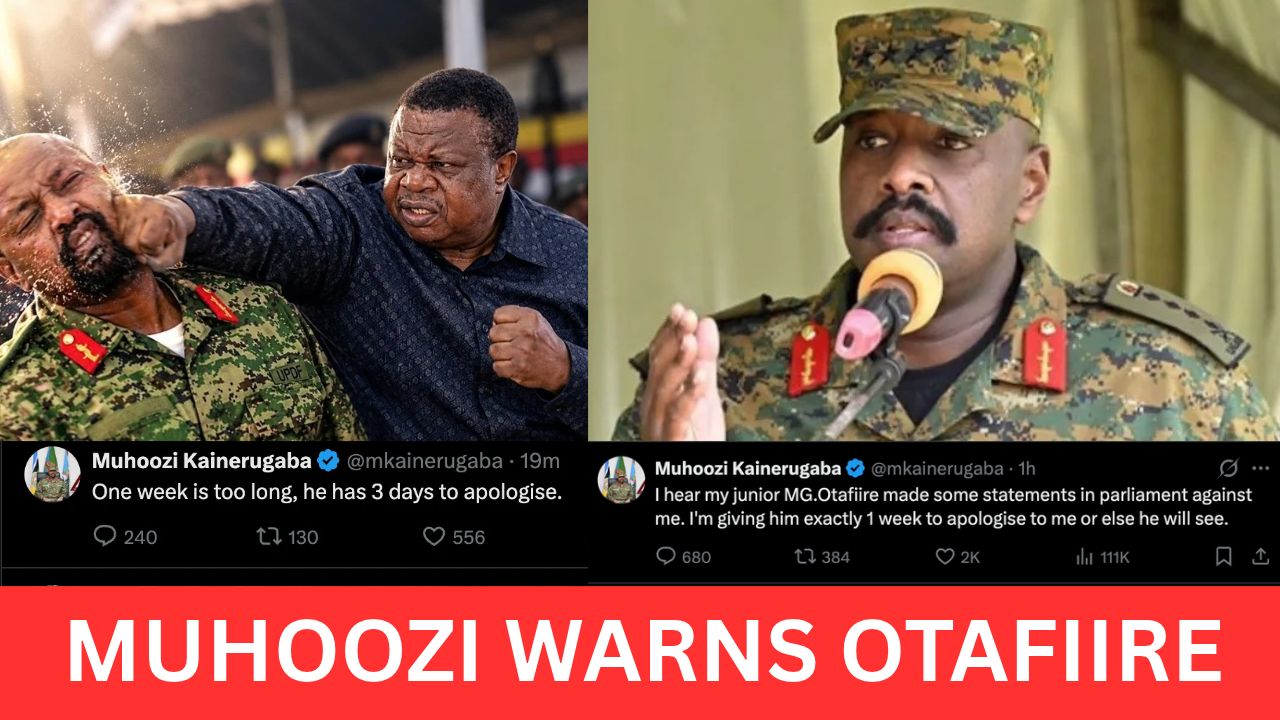 FeaturedOctober 2, 2026MUHOOZI GIVES OTAFIIRE ONE WEEK TO APOLOGISE OR ‘SEE’: CDF Gen Muhoozi Kainerugaba Has Demanded An Apology From Veteran Bush-War Commander Maj Gen (Rtd) Kahinda Otafiire After The Minister Warned Parliament That Generals Who Prefer Violence To Resolve Disagreements Pose A Problem
 FeaturedOctober 2, 2026PEOPLE’S FAVOURITE MPAGI MISSES PARLIAMENT JOB: Coronation Fame Mpagi Dropped From Shortlist For Assistant Director, Media And Communication Post At Parliament Over Lack Of A Master’s Degree