

















Two government officials have been arrested by Parliament CID officers following a dramatic appearance before the Parliamentary Committee on Physical Infrastructure, where they were questioned over the controversial pricing of Uganda’s digital number plates.
The officials — Nathan Negesa, a public officer attached to the Office of the President, and Finance Ministry official Moses Bekabye — were arrested after giving explanations that left MPs dissatisfied over how the Shs714,300 price of a digital number plate was arrived at.
The arrests have deepened Parliament’s scrutiny of the digital number plate project, with MPs questioning whether Ugandans are being charged a fair price and whether government officials followed proper procedures when determining the cost.
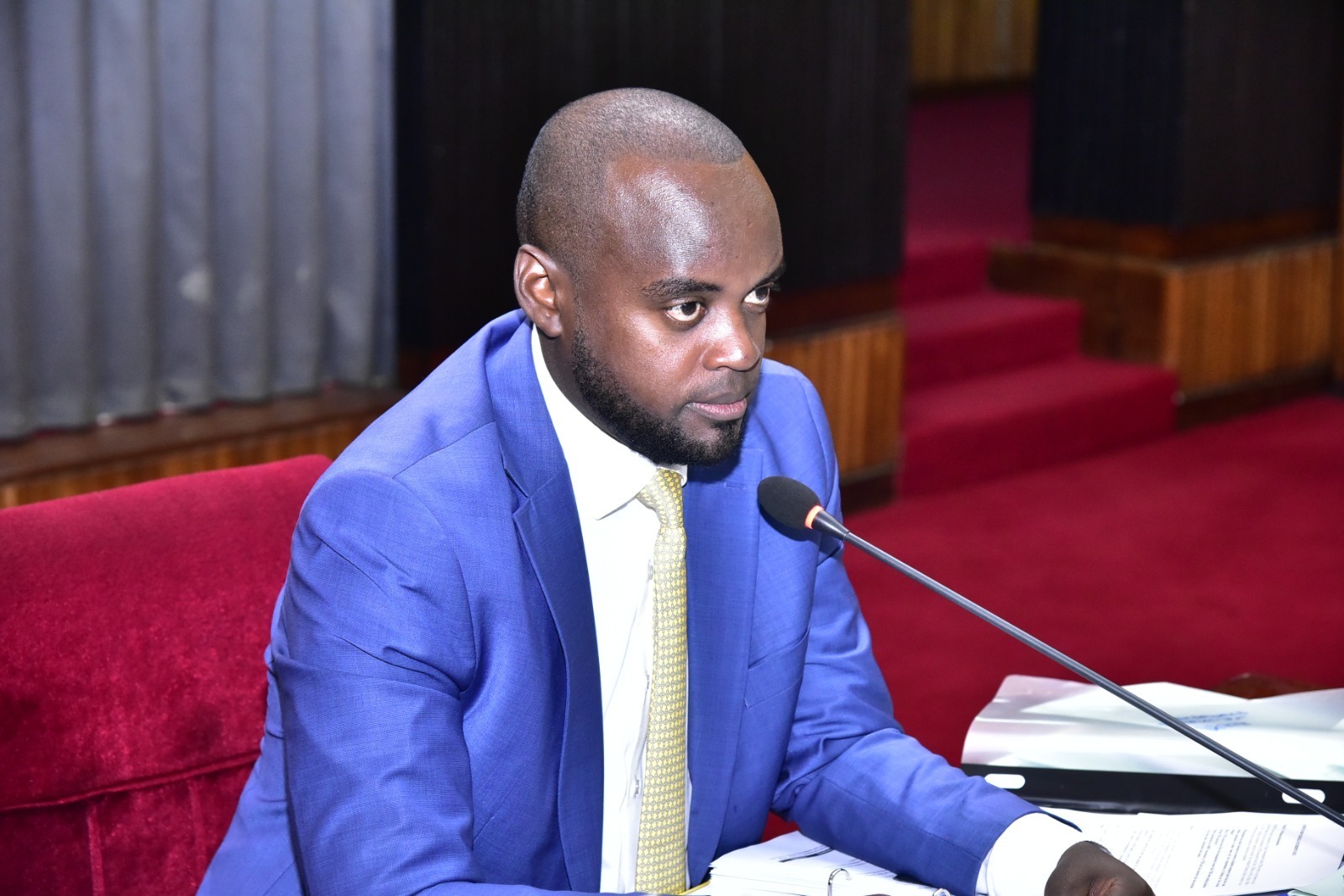 Negesa was put on the spot after the committee asked him to provide a detailed breakdown of the Shs714,300 being charged to motorists for a digital number plate.
However, he reportedly failed to give a convincing explanation for the full amount. A subsequent cost breakdown presented to the committee reportedly added up to Shs624,000.
This left a difference of about Shs90,300 that officials could not immediately account for. The unexplained balance became one of the key issues during the committee session and contributed to the decision to have Negesa arrested for further questioning.
Shs714,300 Questioned
The digital number plate project has generated public debate since motorists began facing the new charges.
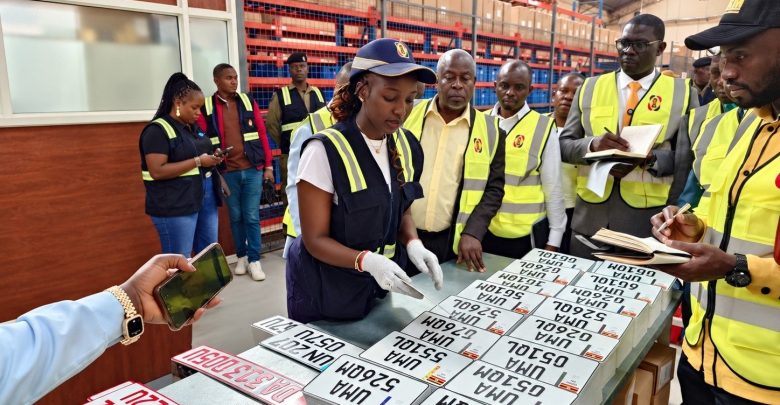
Under the system, motorists are required to pay Shs714,300 for a digital number plate, a cost that has attracted criticism from sections of the public who argue that the amount is too high.
Parliament’s Infrastructure Committee has consequently been investigating how the price was determined and whether government obtained adequate value for money.
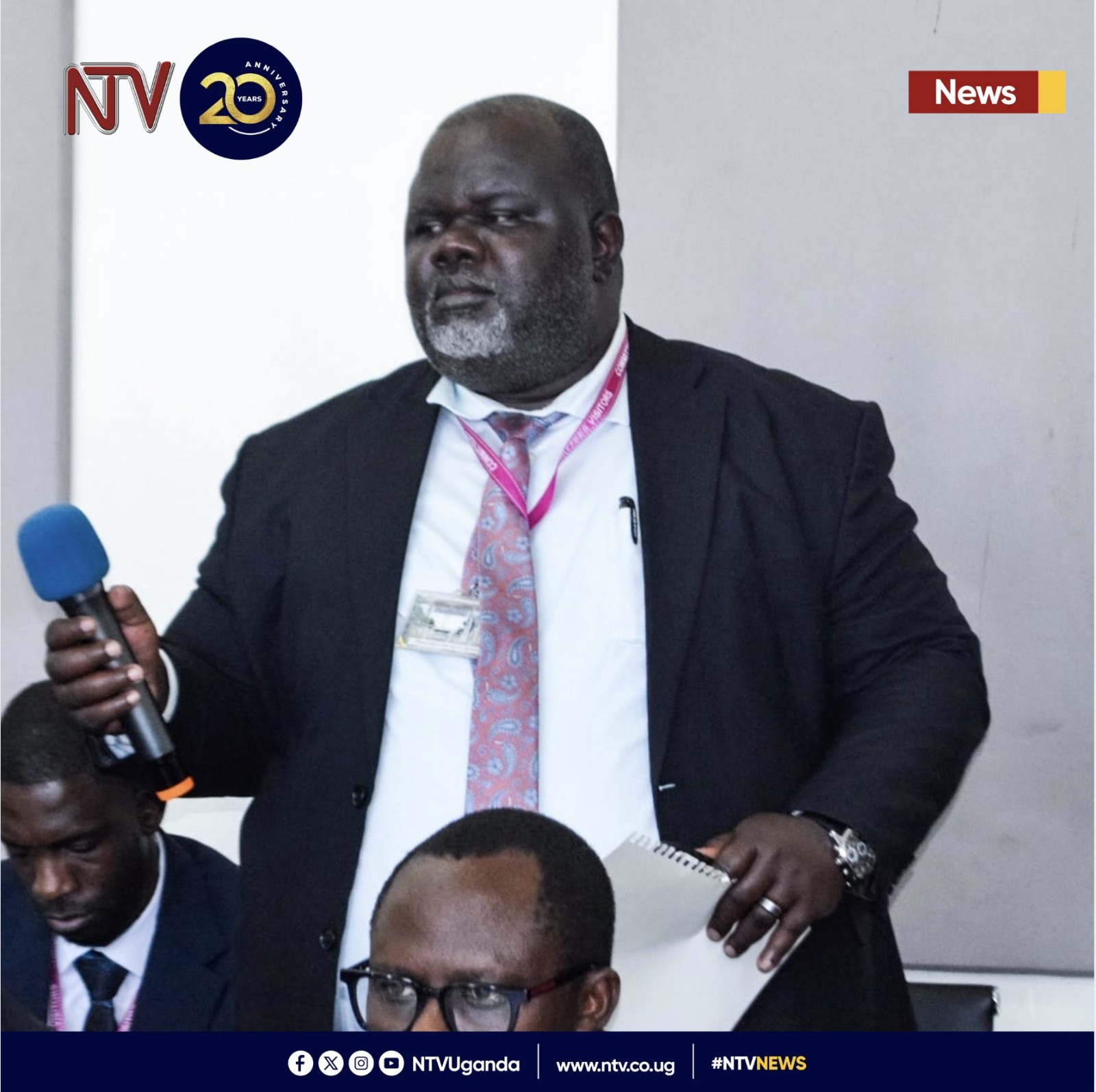 The committee’s questioning has focused not only on the final price but also on the components that make up the charge.
The expectation was that officials responsible for the project would provide a clear and verifiable explanation showing how the government arrived at the figure.
Instead, the committee was presented with figures that did not reconcile. The breakdown reportedly put the cost at Shs624,000, significantly below the Shs714,300 motorists are required to pay.
The unexplained Shs90,300 immediately raised questions. MPs wanted to know where the balance came from, who approved it and what service or component it represented.
The inability of officials to provide an immediate answer increased suspicion surrounding the pricing mechanism. The committee therefore escalated the matter by involving Parliament’s investigative arm.
Bekabye’s China, Russia And India Claim
The second arrest followed another dramatic development involving Moses Bekabye of the Ministry of Finance.
Bekabye had appeared before the committee last week and told MPs under oath that government officials had travelled to China, Russia and India to benchmark the prices of digital number plates.
His testimony suggested that government had undertaken international comparisons before settling on the Ugandan price.
Such benchmarking would ordinarily be expected to help government determine whether the proposed cost was competitive and reasonable.
But when Bekabye returned before the committee, he reportedly changed his account. He admitted that the alleged benchmarking trips to China, Russia and India had not taken place.
 The admission immediately put his earlier testimony under scrutiny. Members wanted to know why he had told the committee under oath that officials had travelled to the three countries when no such trips had actually occurred.
The contradiction raised questions about the credibility of information being supplied to Parliament and whether officials had deliberately misled the committee.
Bekabye was subsequently arrested by Parliament CID officers for further investigations.
The arrest of two officials in one committee sitting represents a major escalation in Parliament’s investigation. It also signals the seriousness with which legislators are treating inconsistencies in the evidence surrounding the digital number plate project.
How Did Government Arrive At The Price?
At the heart of the investigation is a simple but politically sensitive question: How did government arrive at Shs714,300? The committee wants officials to demonstrate the calculations, procurement costs, taxes, technology costs, installation charges and other components that were used to arrive at the final figure.
But the explanations presented so far appear to have created more questions than answers. If the documented cost components total Shs624,000, MPs want to know why motorists are paying Shs714,300.
The difference may have an explanation, but officials must provide it clearly and support it with documentation.
Parliament is also expected to scrutinise procurement arrangements surrounding the project, including the companies involved, contracts signed and the responsibilities of different government agencies.
The committee’s investigation could therefore go beyond the Shs90,300 discrepancy. It could ultimately examine the entire process through which the digital number plate project was conceived, procured, priced and rolled out.
Public Concern
The controversy comes at a time when motorists are already facing numerous costs associated with owning and operating vehicles.
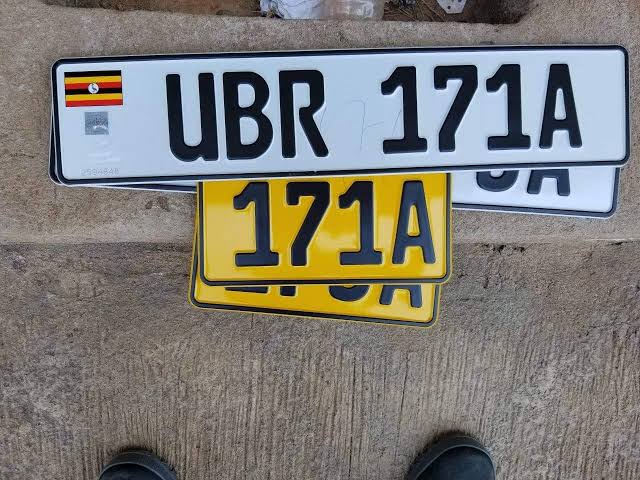 The introduction of digital number plates was presented as part of government’s effort to modernise vehicle registration, improve security and strengthen the management of motor vehicle information.
The technology is expected to help security agencies track vehicles, reduce fraud and improve identification. But the benefits of the technology have increasingly been overshadowed by the controversy surrounding its cost.
Motorists and other members of the public have questioned why a number plate should cost hundreds of thousands of shillings.
The government has defended the project, pointing to the technology and security features incorporated into the plates.
However, Parliament’s investigation has now shifted the debate from whether digital plates are useful to whether Ugandans are paying a justified price for them.
Parliament Demands Answers
The Infrastructure Committee’s actions demonstrate Parliament’s growing determination to scrutinise government expenditure and procurement decisions.
By summoning officials and requiring them to testify under oath, MPs have sought to establish the facts behind the pricing.
But contradictory testimony has complicated the inquiry. The committee must now establish whether the conflicting statements resulted from poor record-keeping, misunderstanding or deliberate attempts to conceal information.
The arrest of the two officials does not, by itself, establish wrongdoing. Their cases will have to be investigated and any allegations tested in accordance with the law.
However, the arrests underscore the seriousness of providing inaccurate or contradictory information to a parliamentary committee conducting an official investigation.
Parliament’s CID is expected to question the officials further and examine documents relating to the digital number plate project.
Investigators may also seek travel records, procurement documents, correspondence, cost schedules and other evidence to establish whether officials actually conducted the international benchmarking they claimed to have undertaken.
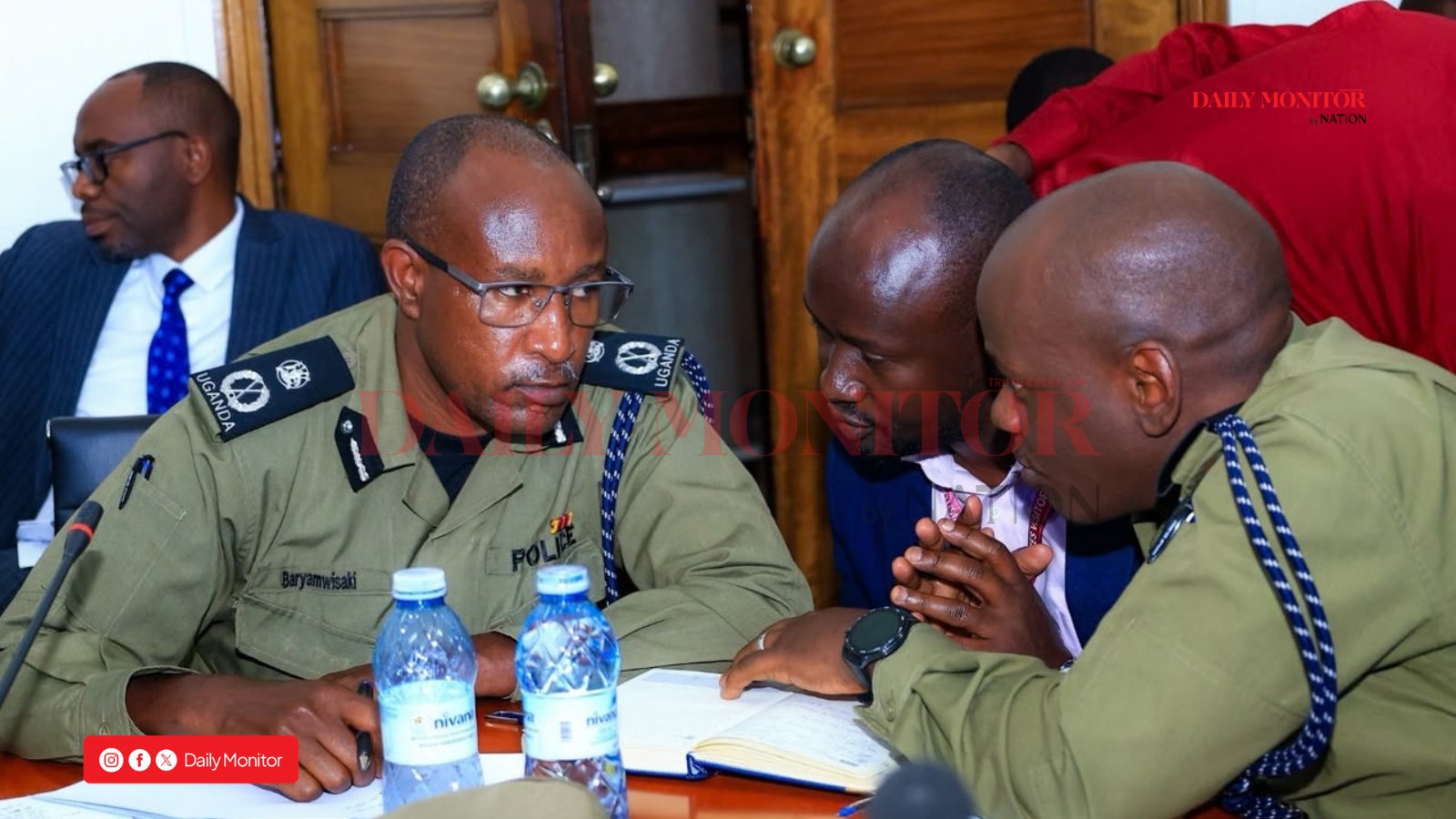 What Next For The Digital Plates?
The controversy now leaves the government facing a credibility test. Officials must explain why the price was fixed at Shs714,300 and account for every component making up the figure.
They must also explain the conflicting testimony concerning the alleged benchmarking missions.
For Parliament, the objective will be to establish whether the project represents value for money and whether the process leading to the price was transparent and compliant with procurement requirements.
For motorists, the key question is simpler: why are they paying Shs714,300 for a digital number plate? Until government provides a clear answer backed by verifiable documents, the controversy is unlikely to disappear. The arrest of Negesa and Bekabye has now turned the pricing dispute into a potentially wider accountability investigation.
What began as Parliament’s attempt to understand the cost of a number plate has evolved into an examination of official testimony, procurement processes and the integrity of information supplied to lawmakers.
And as the investigation continues, the unexplained Shs90,300 and the phantom benchmarking trips to China, Russia and India could prove to be only the beginning of the questions government officials will have to answer.
Author Profile
- Mr. Stephen Kasozi Muwambi is a seasoned crime investigative writer, majoring in judicial-based stories. His two decades’ experience as a senior investigative journalist has made him one of the best to reckon on in Uganda. He can also be reached via [email protected]
Latest entries
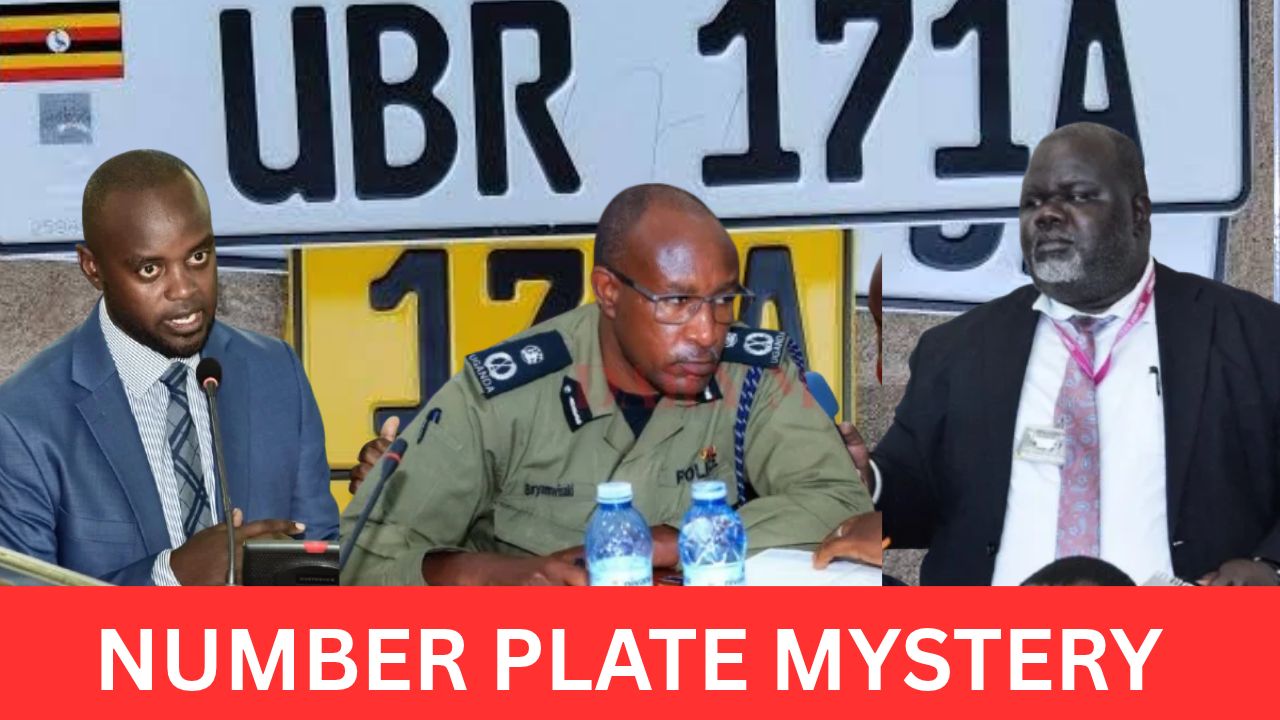 FeaturedOctober 5, 2026INSIDE THE DIGITAL PLATES SCANDAL: Why Angry MPs Sent Ministry Officials To Coolers As Investigations Closes In On A Top Minister Whose Arrest Is Imminent
 FeaturedSeptember 28, 2026NSAMBA IN LUZIRA, ROSE BACK TO CID: Matovu Murder Probe Deepens As Suspect Is Sent To Luzira, While Rose Returns To CID For More Questioning Over Fatal Kibuli Night
 FeaturedSeptember 28, 2026‘FOR CONTINUITY, MUHOOZI WILL BE OUR CANDIDATE’ Succession Battle Gathers Pace As NRM Elderly Throw Weight Behind Muhoozi, PLU Warns Namyalo Against Attacking CDF’s 2031 Presidential Ambitions
 FeaturedSeptember 26, 2026‘HE GRABBED AND SQUEEZED MY BUTTOCKS’ — Stella Nyanzi Recalls Her Awkward Encounter With Chameleone, Then Cheers Him For Turning Matovu’s Vigil Into A Rare Musical Reunion