






As Uganda marks its 64th Independence anniversary on October 9, 2026, the story of Omukama Chwa II Kabalega of Bunyoro deserves renewed attention as a reminder that the struggle for self-determination began long before the lowering of the British Union Jack in Kampala.
Kabalega, who ruled Bunyoro from around 1870 until his capture in 1899, became one of the most formidable African opponents of European imperial expansion. His resistance was not simply a defence of a throne; it was a struggle to preserve the political authority, territory and independence of his kingdom against foreign powers seeking control over the region.
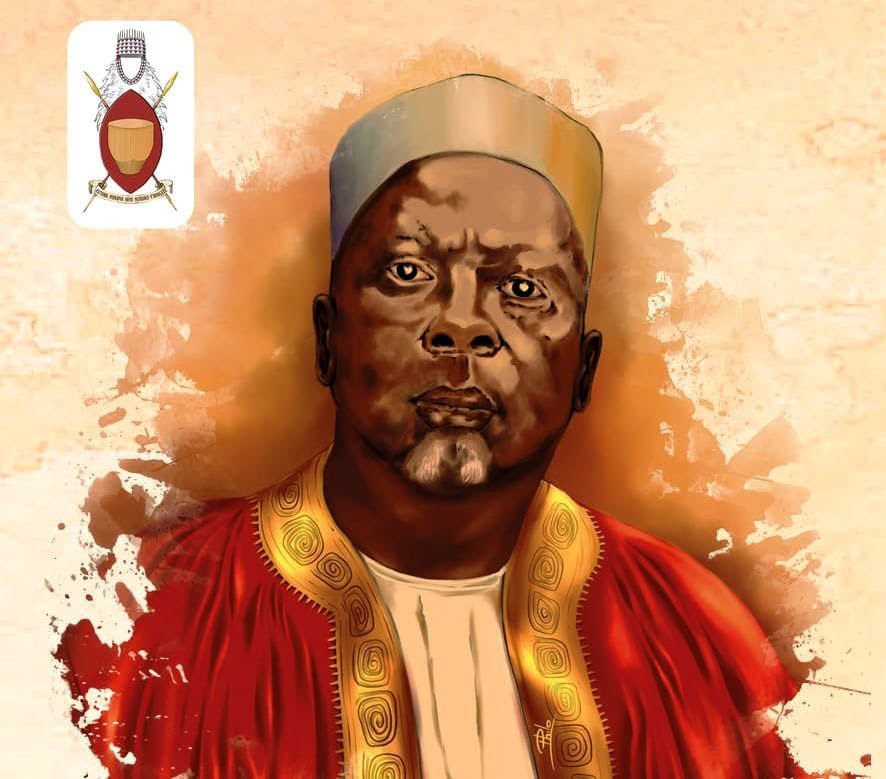 His story fits into a wider national narrative of resistance, political mobilisation and the determination of Ugandans to decide their own future.
In her Independence Day message, Minister in Charge of the Presidency Milly Babalanda reminded Ugandans that freedom was hard-won.
“Fellow Ugandans, Uganda’s independence was not achieved on a silver platter. Long before the Union Jack was lowered on 9th October 1962, our people had resisted foreign domination,” Babalanda said.
Those words capture the significance of Kabalega’s struggle, which unfolded nearly nine decades before Independence.
Born in 1853 to Omukama Kamurasi Kyebambe IV, Kabalega inherited a kingdom facing internal rivalries and growing external threats. After ascending the throne, he embarked on strengthening Bunyoro’s military and rebuilding its regional influence.
He organised the Abarusuura, a formidable fighting force that became central to his resistance. His army drew on fighters from different communities, while the kingdom’s access to firearms and other military resources helped it confront better-equipped foreign forces.
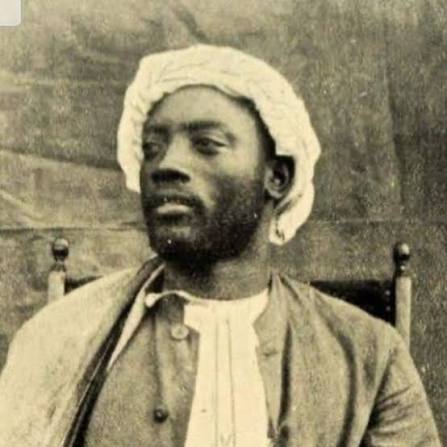
Kabalega was determined that Bunyoro would not become a subordinate territory administered by outsiders.
The battle against Sir Samuel Baker
One of the defining episodes in Kabalega’s resistance occurred in 1872, when British explorer and imperial agent Sir Samuel Baker returned to the region at the head of an expedition backed by Egypt’s Khedive Ismail.
Baker had previously visited Bunyoro during the reign of Kabalega’s father. His subsequent mission, however, involved extending Egyptian authority over the Equatorial Province, an ambition that threatened the kingdom’s sovereignty.
On May 14, 1872, Baker reportedly declared Bunyoro part of the territory he administered in the name of the Egyptian ruler. His actions provoked Kabalega, who viewed the declaration as an attempt to impose foreign authority without his consent.
The confrontation escalated when Baker’s forces raised a foreign flag on Bunyoro territory. Accounts of the conflict describe attacks, retaliation and the burning of Kabalega’s palace at Masindi.
 On June 8, 1872, Kabalega’s forces attacked Baker’s troops in Masindi, compelling the expedition to retreat. The confrontation became an early demonstration that foreign military expeditions would encounter determined resistance in Bunyoro.
Baker’s defeat was significant because it frustrated the attempt to incorporate Bunyoro into the Egyptian sphere of influence. It also reinforced Kabalega’s conviction that surrendering political control to foreigners would threaten the survival of his kingdom.
The struggle was not merely against Baker as an individual. It was against an imperial project that sought to extend external control over African territories under the language of exploration, commerce and civilisation.
A long war against British imperialism
Kabalega’s confrontation with Baker was only the beginning of a much longer struggle. As British influence expanded in the region, the kingdom faced growing pressure from colonial officials and military commanders, including Captain Frederick Lugard and forces working to establish British authority.
Britain declared a protectorate over Uganda in 1894, but Kabalega continued resisting its expansion into Bunyoro. His forces used mobility, local knowledge and sustained attacks to frustrate the colonial military campaign.
 The war devastated communities, disrupted livelihoods and placed enormous pressure on Bunyoro. Nevertheless, Kabalega continued fighting rather than accept the loss of his kingdom’s independence.
He also formed an alliance with Kabaka Mwanga II of Buganda, another ruler whose opposition to British domination had brought him into conflict with colonial authorities.
The two leaders represented different kingdoms but found common cause in resisting a foreign power determined to reshape their political future. Their alliance became one of the most notable episodes of armed opposition to British expansion in the region.
In April 1899, British forces captured Kabalega and Mwanga. Kabalega was subsequently exiled to the Seychelles, where he spent years away from his homeland.
Even his capture did not erase his place in Uganda’s history. After decades in exile, he was permitted to return, but died in Jinja on April 6, 1923, before reaching Bunyoro.
His life ended far from the kingdom he had fought to defend, yet his resistance became a lasting symbol of the refusal to accept foreign domination.
From Kabalega to the Independence generation
Kabalega was not the only Ugandan leader who resisted foreign domination. His struggle belonged to a wider history of African resistance that included Kabaka Mwanga II, Acholi chief Awich Abok and other traditional leaders who opposed colonial expansion in different ways.
However, armed resistance alone could not defeat the military and political machinery of the British Empire. The struggle gradually evolved, with later generations pursuing political organisation, constitutional change and national independence.
By the 1950s, Ugandan nationalists were increasingly demanding self-government and an end to colonial rule. Political parties, community leaders and activists mobilised support for a sovereign Uganda, culminating in Independence on October 9, 1962.
 Apollo Milton Obote, Uganda’s first prime minister, received the instruments of power from the British during the Independence ceremonies. Uganda became a sovereign state, marking the formal end of British colonial administration.
The transition from Kabalega’s battlefield resistance to the political campaign led by Obote illustrates how the struggle for sovereignty changed over time. One generation fought to prevent foreign conquest; another organised politically to end colonial rule.
Independence did not, however, end Uganda’s difficulties. Political instability, military coups, civil conflict and economic challenges continued to test the country.
Idi Amin seized power in 1971, overthrowing Obote’s government. Amin’s rule was characterised by severe repression, killings and economic disruption. His overthrow in 1979 was followed by further instability, including Obote’s return to power in 1980 and the guerrilla war that brought Yoweri Kaguta Museveni’s National Resistance Movement to power in 1986.
Museveni’s rise was rooted in a different historical setting from Kabalega’s nineteenth-century resistance. Nevertheless, both episodes are part of Uganda’s continuing debate about sovereignty, political authority, national security and the country’s right to determine its own direction.
 Museveni and the unfinished business of Independence
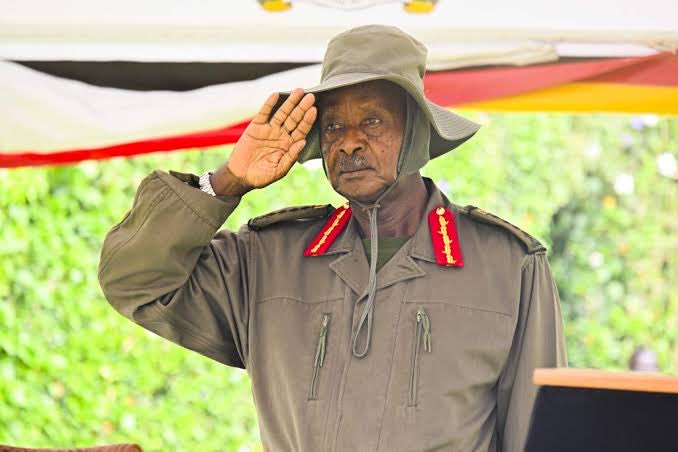
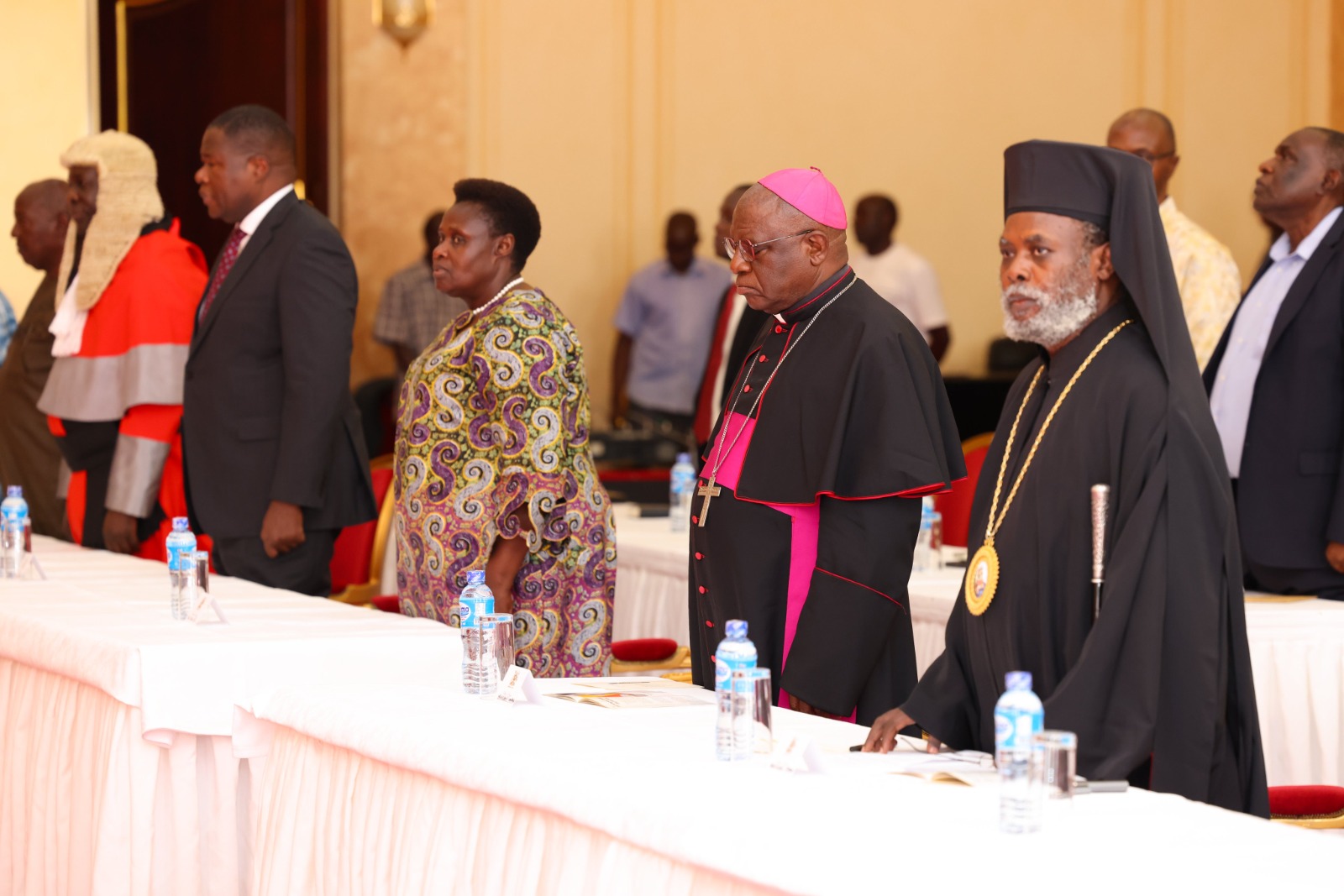
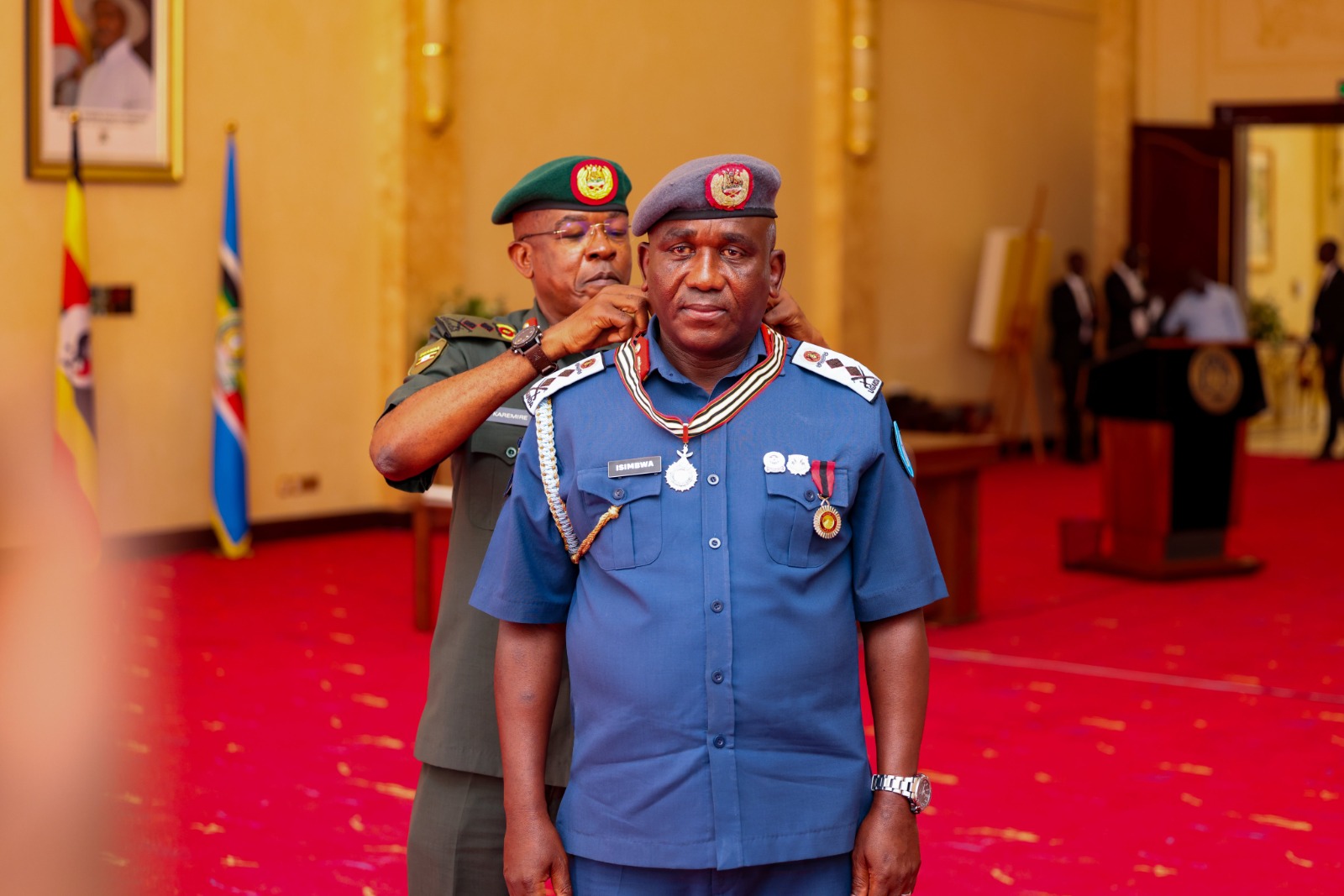
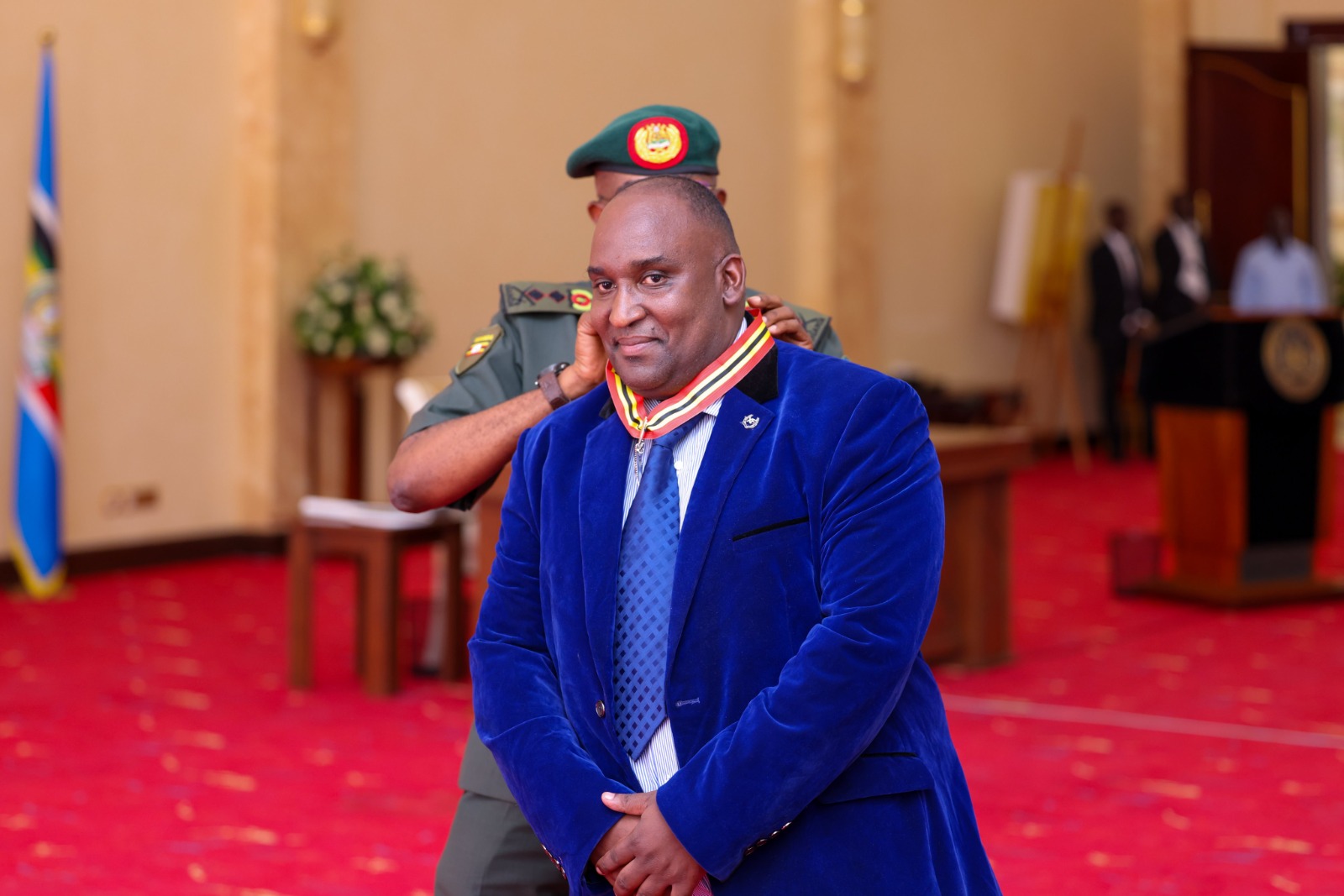
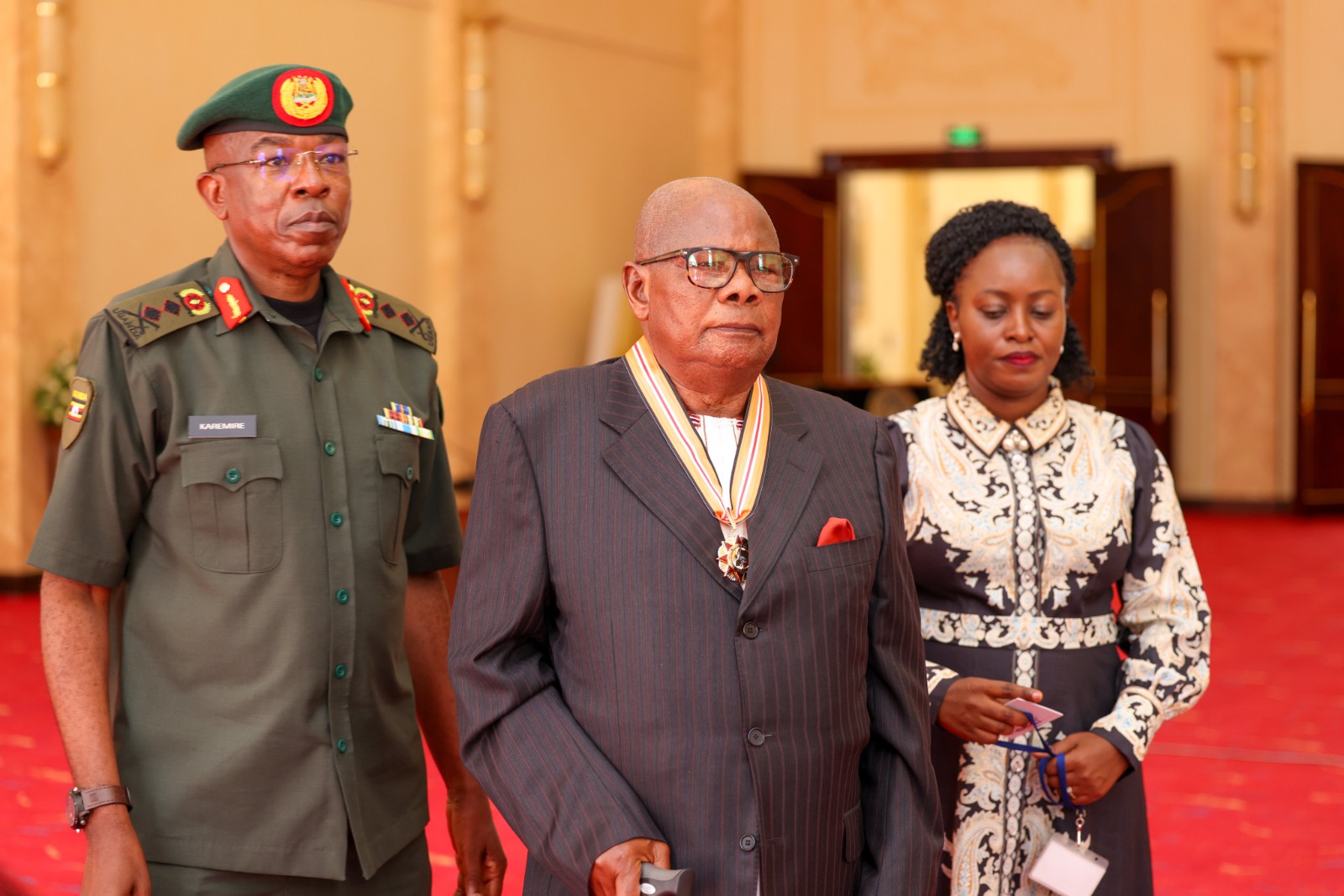
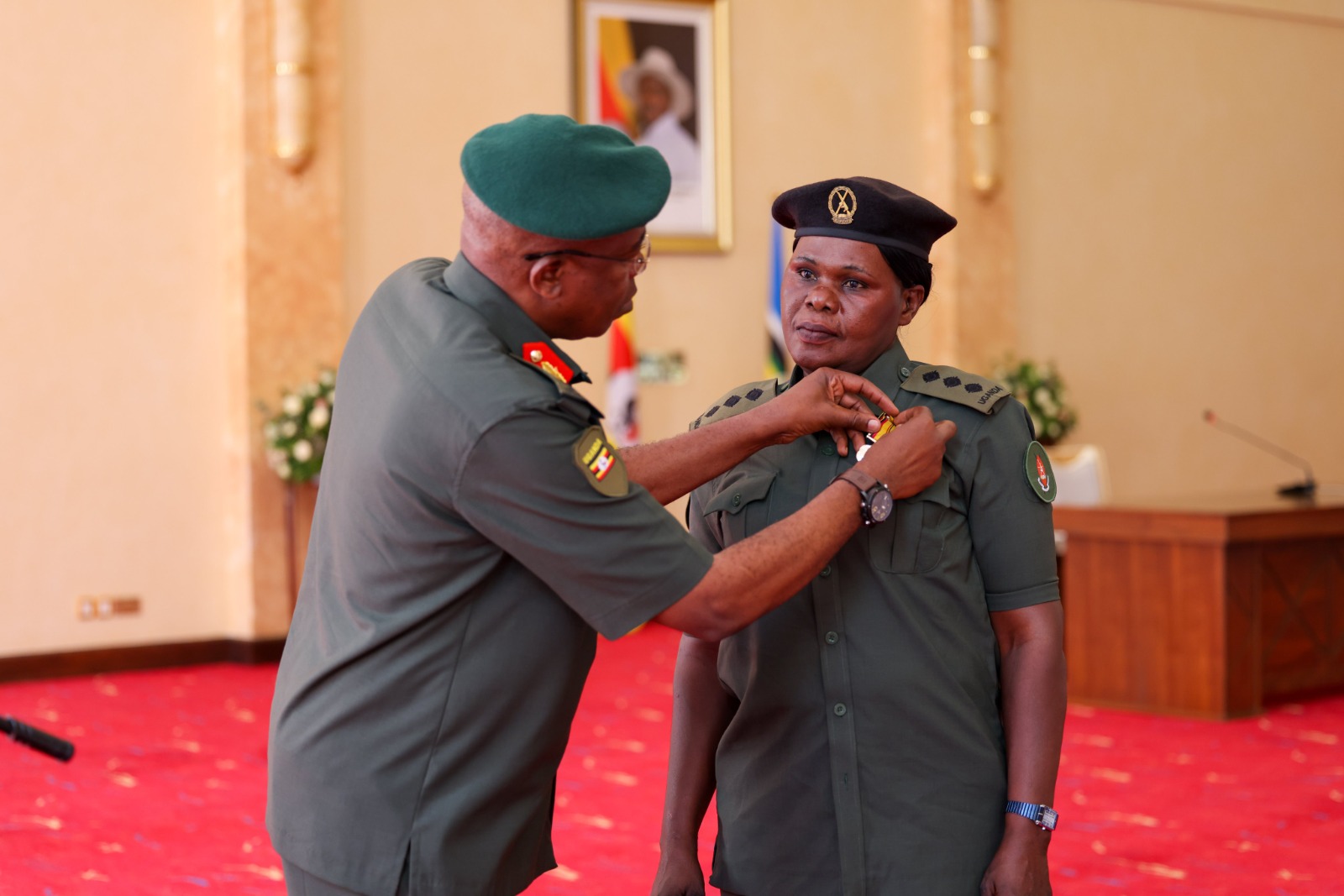
At the 64th Independence anniversary celebrations, President Museveni awarded national honours to distinguished individuals in recognition of their service and contributions to the country.
The ceremony provided an opportunity to reflect on the sacrifices of earlier generations and the responsibilities of those entrusted with governing Uganda today.
Yet Independence is not measured solely by the absence of foreign rule. It also raises questions about whether citizens can overcome poverty, access opportunities and exercise meaningful control over their economic futures.
Addressing the country’s development challenges, Museveni acknowledged shortcomings in Operation Wealth Creation, a programme intended to help households move into productive economic activity.
“I had to send the army to go and beg people to get out of poverty. We have to plead with the poor to get out of poverty,” Museveni said in his Independence Day address.
 The President also acknowledged that some soldiers involved in implementing Operation Wealth Creation had made mistakes, explaining that these shortcomings informed the introduction of the Parish Development Model.
The Parish Development Model was designed to help households move from subsistence production into the money economy by directing development support through parish-level structures.
Museveni’s remarks highlight a challenge that remains central to Uganda’s independence: political sovereignty must translate into better living conditions for ordinary citizens.
For a country whose early resistance heroes fought to protect their communities and livelihoods, the persistent struggle against poverty remains an important measure of national progress.
The President’s acknowledgement of shortcomings also raises questions about accountability, the effective use of public resources and whether government programmes are reaching the people they are intended to serve.
Remembering the sons and daughters of Uganda
Kabalega’s legacy offers an important lesson about the relationship between national pride and historical memory.
His resistance came at enormous personal and national cost. Bunyoro suffered destruction, territorial losses and the weakening of its political institutions. Yet his determination to defend his kingdom ensured that his name survived as a symbol of defiance against imperial expansion.
On June 8, 2009, President Museveni declared Kabalega a national hero, formally recognising his contribution to Uganda’s history.
That recognition placed Kabalega among the figures whose sacrifices helped shape the country’s national identity.
The story also reminds Ugandans that resistance was not confined to kings and military commanders. It included communities that defended their land, political activists who challenged colonial rule, and ordinary citizens who supported the campaign for self-government.
Uganda’s history must therefore be understood as a collective journey rather than the achievement of one individual or political movement.
 Kabalega’s battlefield resistance, Obote’s role in the Independence transition and Museveni’s leadership since 1986 belong to different periods, with distinct circumstances, achievements and controversies. They should not be treated as identical struggles. But each period raises questions about who governs Uganda, whose interests government serves and how national sovereignty should benefit its people.
As the country celebrates its Independence anniversary, Kabalega’s example remains a reminder that freedom carries obligations. It requires protecting the country’s sovereignty, preserving its historical memory, strengthening public institutions and ensuring that economic progress reaches the population.
More than six decades after the Union Jack was lowered, Uganda’s independence story remains unfinished in the eyes of citizens still seeking jobs, better public services and relief from poverty.
The challenge for modern leaders is to ensure that the freedom defended by earlier generations becomes meaningful in the daily lives of Ugandans.
From Kabalega’s resistance in Masindi to the lowering of the Union Jack in 1962, the central lesson remains that a nation’s dignity lies in its ability to determine its own future.
Author Profile
- Charles Gazza Kodili is a seasoned journalist with over 20 years of experience in the media industry. He holds a Bachelor of Arts degree in Mass Communication. He’s currently the Chief Editor at the Investigator.
Charles can also be reached via; Tel: +256 774 108978
Email: [email protected]
Latest entries
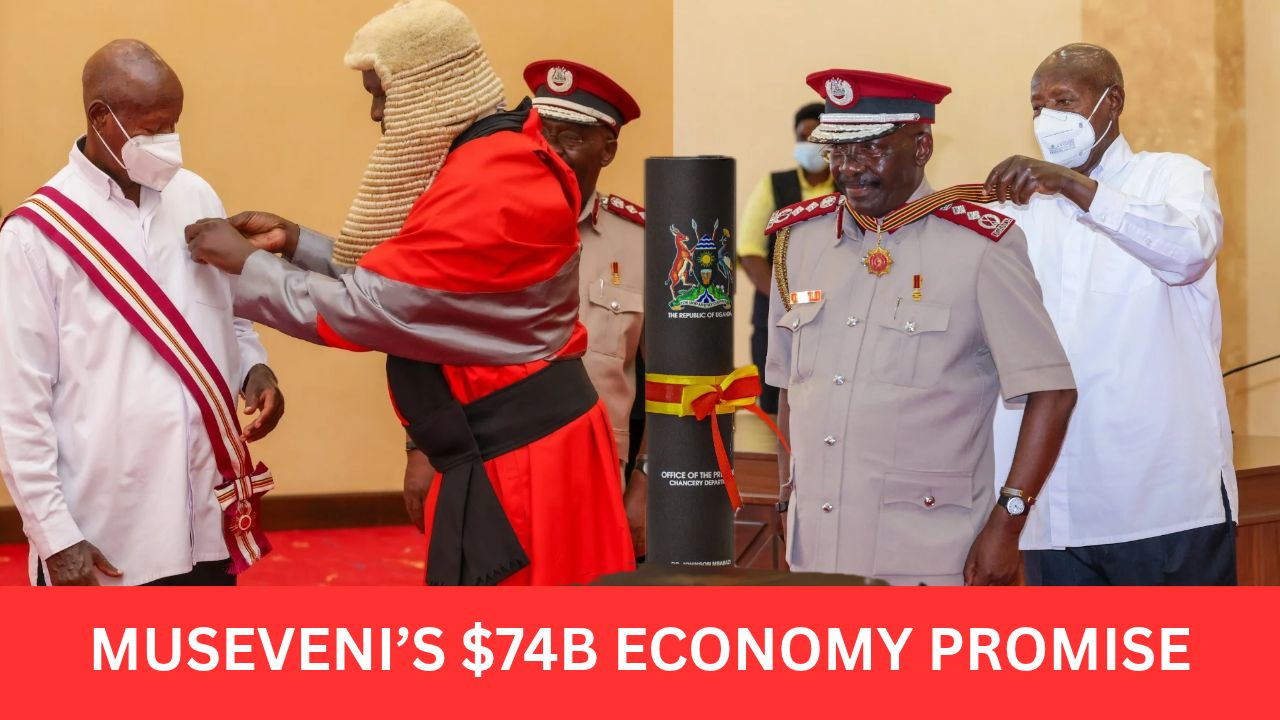 FeaturedOctober 9, 2026UGANDA ECONOMY TO HIT $73.96B: President Museveni Cites Decades Of Economic Growth As He Receives A Top National Honour During The 64th Independence Anniversary Celebrations At State House, Entebbe
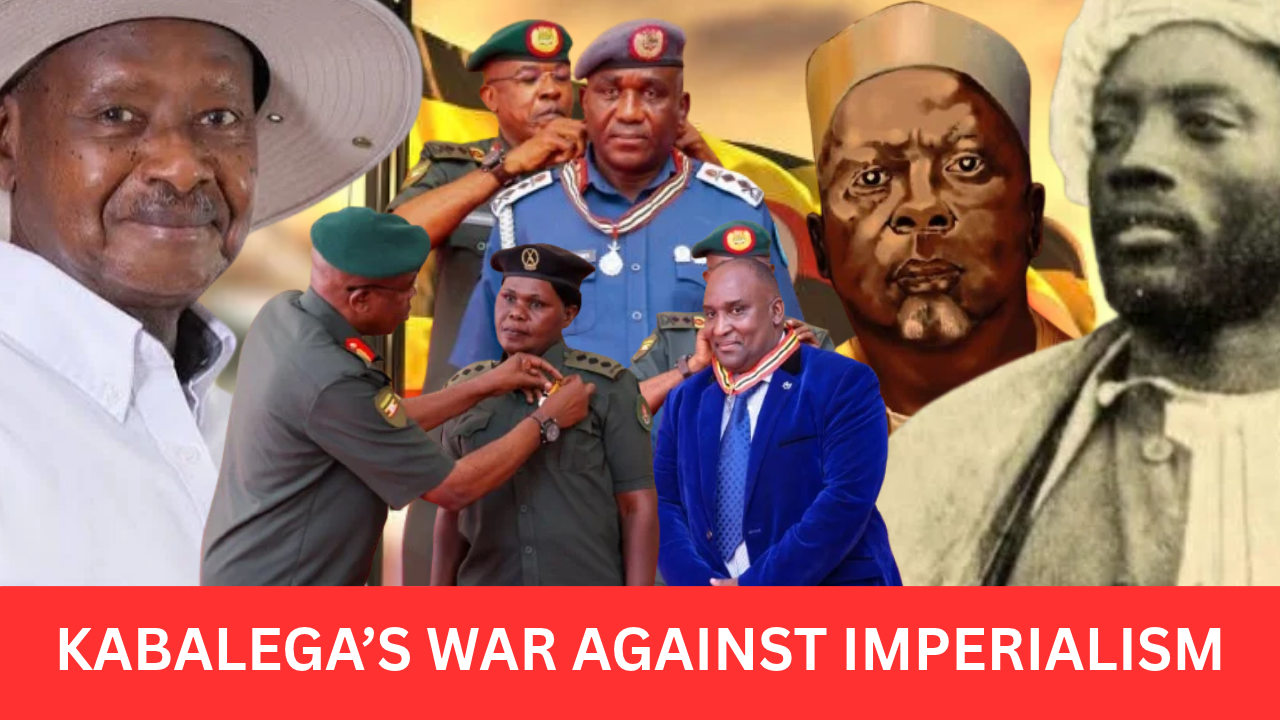 FeaturedOctober 9, 2026KABALEGA: THE KING WHO FOUGHT THE BRITISH: From Battles Against Sir Samuel Baker To Uganda’s Independence In 1962, The Bunyoro King Became A Symbol Of Resistance Against Foreign Domination
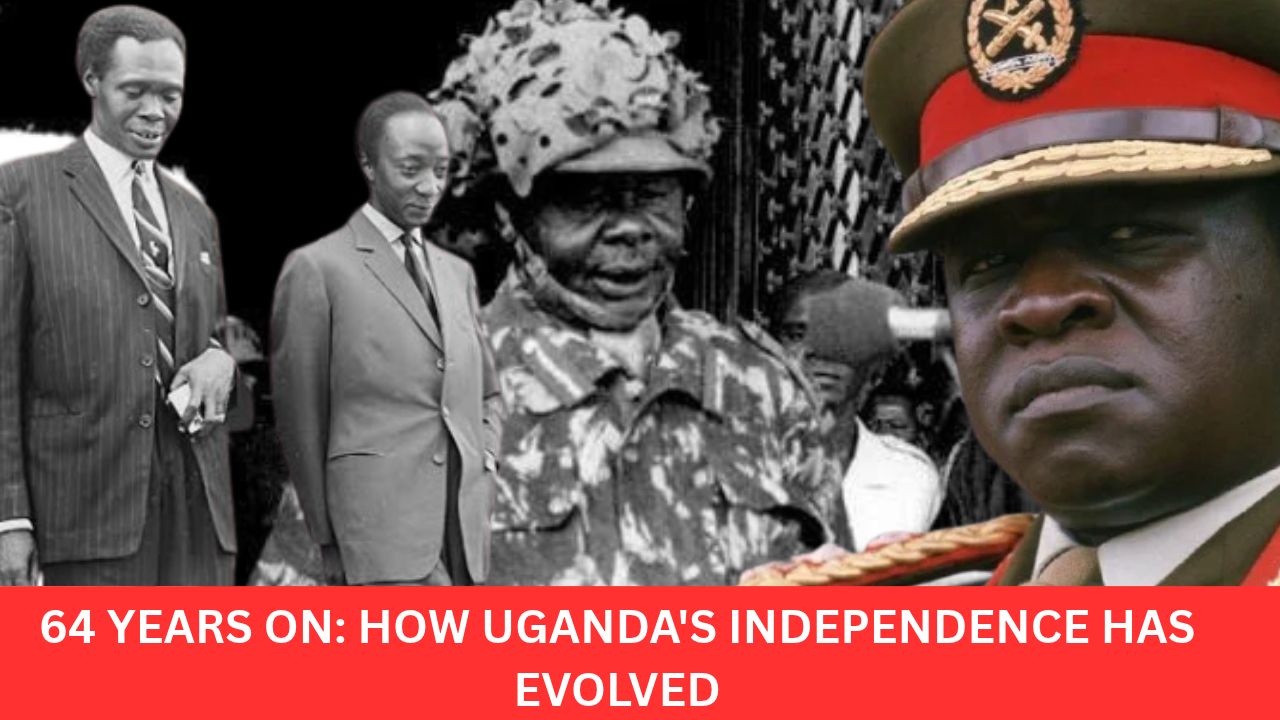 FeaturedOctober 8, 2026UGANDA AT 64: From Obote Receiving the Instruments of Power in 1962 to Museveni Receiving a National Medal in 2026, Uganda’s Independence Story Remains Unfinished. We Journey With You the Thorney 6+ Decades of Uhuru
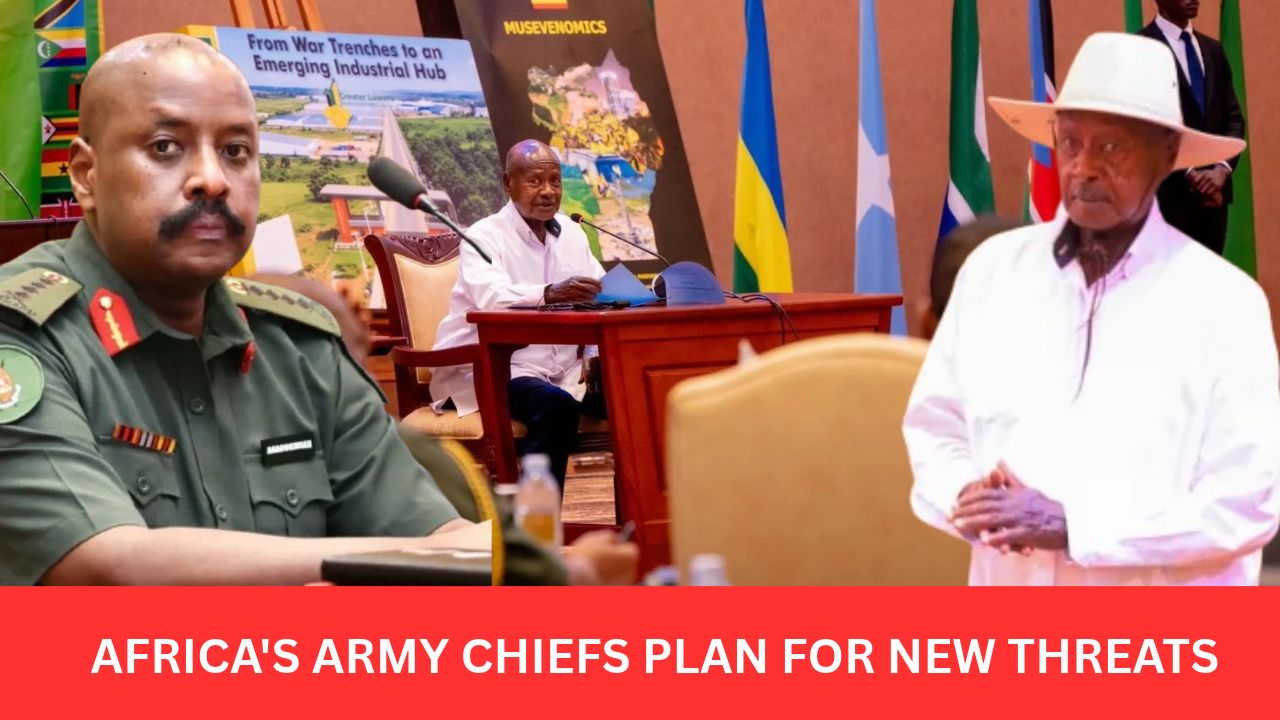 FeaturedOctober 8, 2026AFRICA MUST PREPARE FOR NEW WARS – MUSEVENI: The President Challenges Defence Chiefs to Link Military Strength With Economic Power, Political Stability and Regional Integration as African Armies Rethink Security Beyond Conventional Warfare