










President Yoweri Kaguta Museveni has received one of the highest national recognitions during Uganda’s 64th Independence anniversary celebrations at State House, Entebbe, as he projected the country’s economy to expand to $73.96 billion by June 2027.
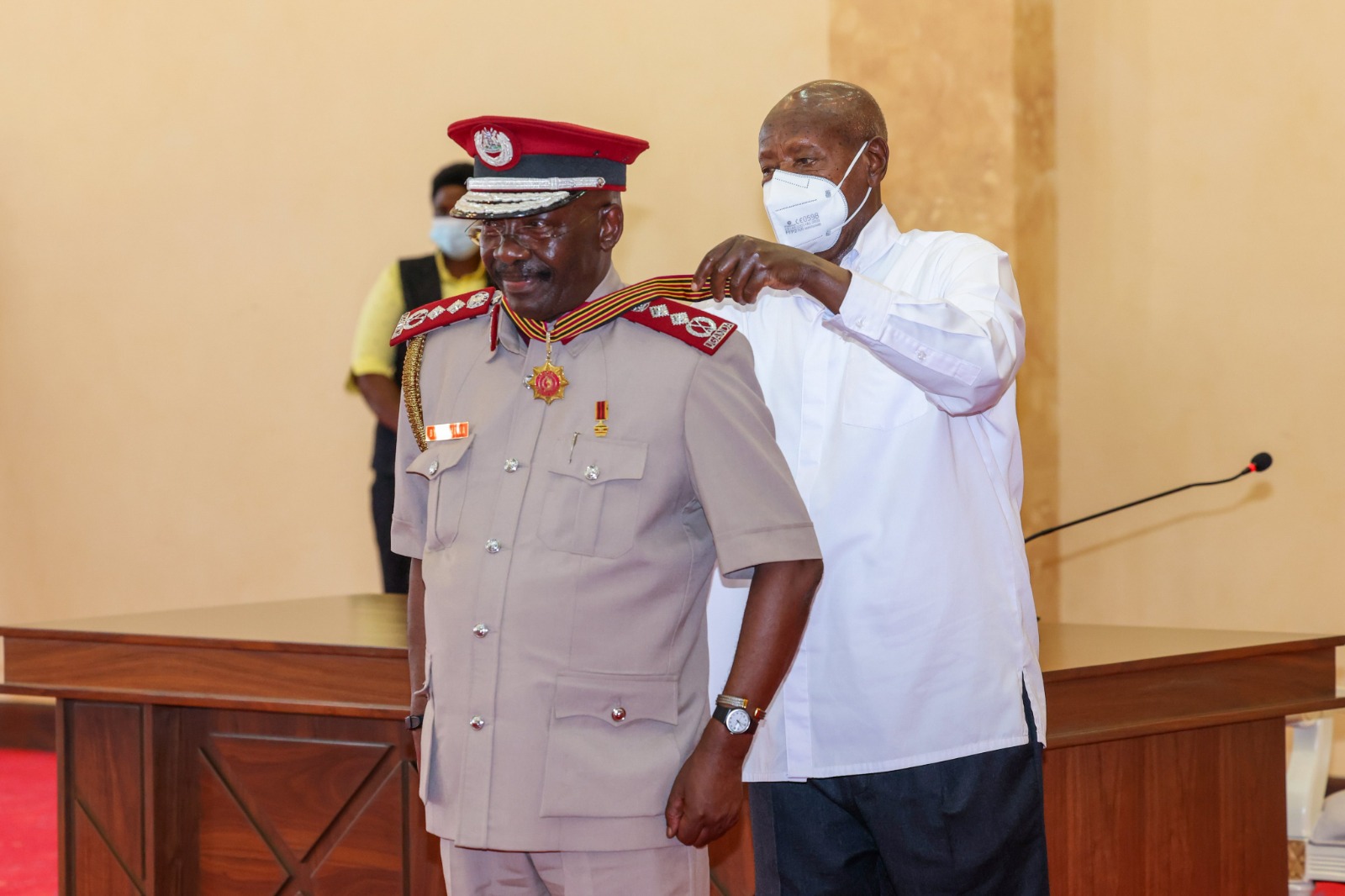
The President was awarded the Order of the Commander-in-Chief, identified in the announcement as the Uganda Prisons Service Medal, in recognition of his leadership in promoting productive capacity, self-reliance and improved welfare within the Uganda Prisons Service.
The award also recognised his administration’s emphasis on national development through local production and import substitution, a strategy aimed at reducing dependence on imported goods while strengthening Uganda’s productive sectors.
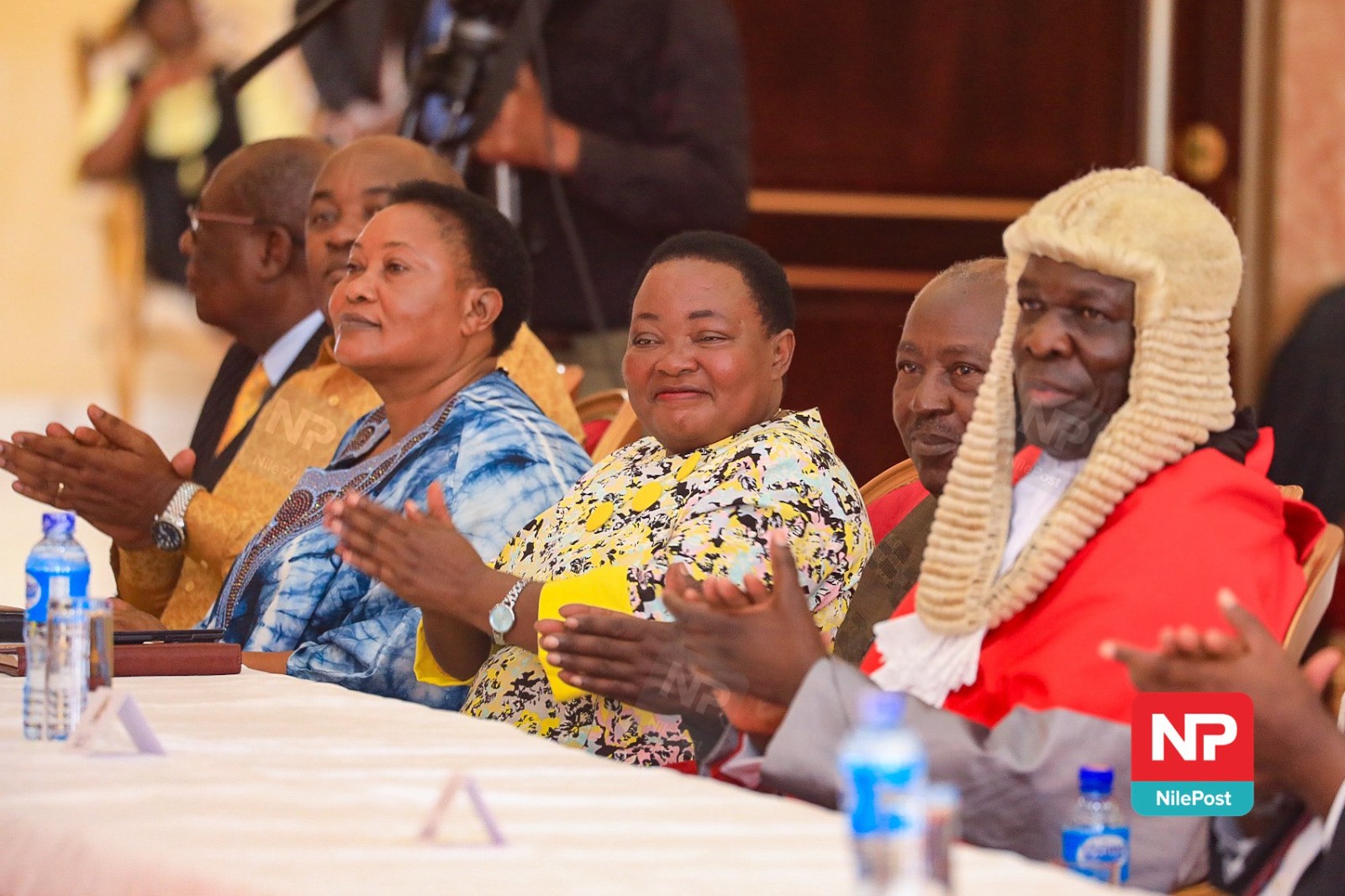
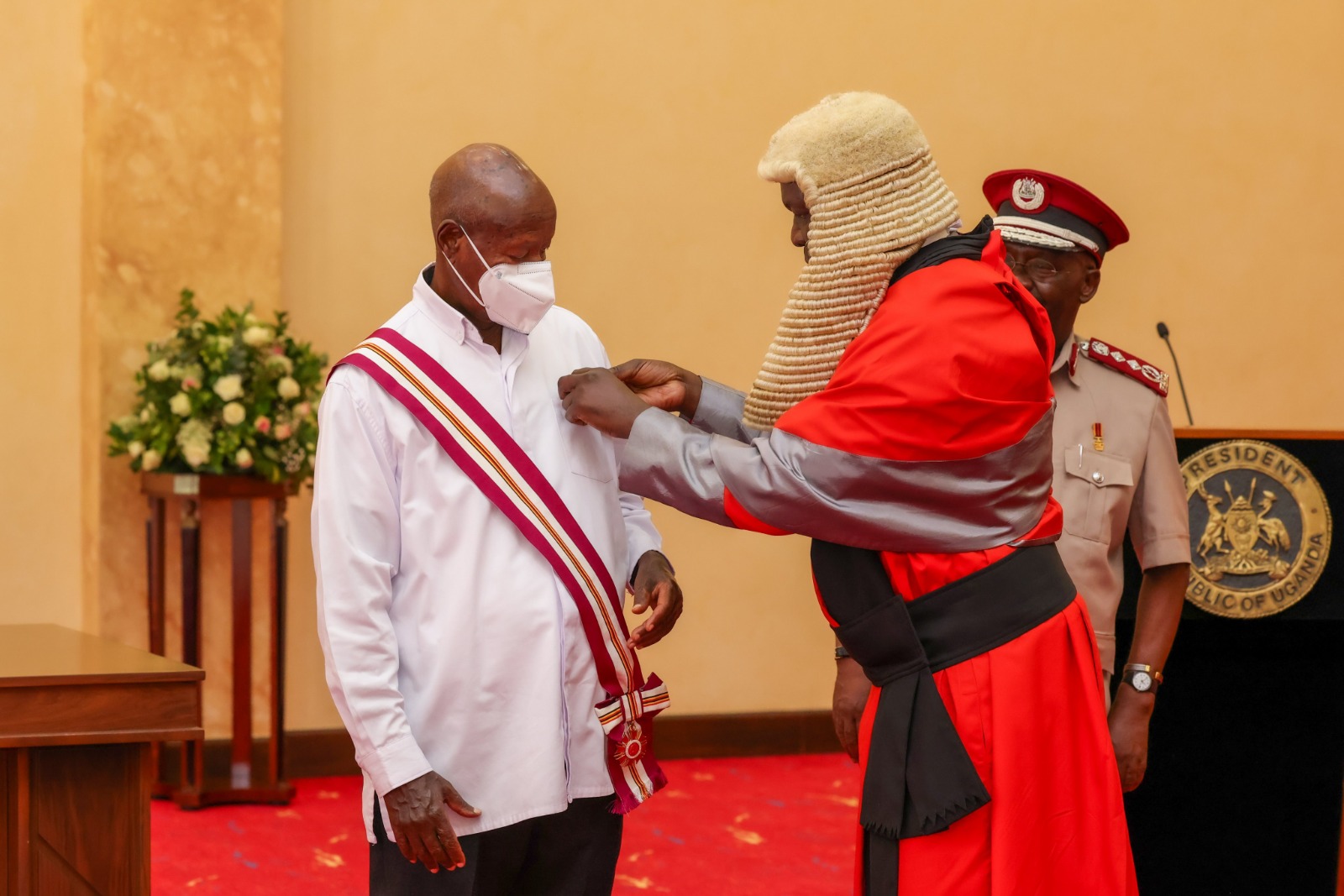 The celebrations, brought together national leaders, government officials, security chiefs, invited guests and other dignitaries to commemorate the country’s attainment of independence from Britain on October 9, 1962.
The ceremony combined the traditional commemoration of Uganda’s freedom with recognition of individuals for their contribution to national development, while the President used the occasion to highlight the country’s economic transformation over the past four decades.
Economy grows from $3.9b to $69.3b
Addressing the gathering, Museveni cited the expansion of Uganda’s economy since 1986 as evidence of the progress made under his leadership, while setting an ambitious target for the coming financial year.
“The size of Uganda’s economy was USD 3.9 billion in 1986. By June this year, it had grown to USD 69.3 billion, and by June next year, it will reach USD 73.96 billion,” Museveni said.
The figures placed economic growth at the centre of the Independence Day message, with the President pointing to the expansion of national output as an important measure of Uganda’s development journey.
If the projected figure is achieved, the economy would increase by approximately $4.66 billion from the $69.3 billion reported for June 2026.
The President’s projection comes as Uganda seeks to expand production, strengthen private-sector activity, attract investment and create more opportunities for citizens to participate in the economy.
 However, the growth figures also raise broader questions about how economic expansion translates into household incomes, employment, poverty reduction and improved living standards.
For many Ugandans, the significance of the projected growth will ultimately be measured by whether it produces better-paying jobs, more affordable essential goods, improved public services and increased opportunities for businesses.
A scaled-down national celebration
Unlike some previous Independence Day events that have drawn large crowds, the 64th anniversary celebrations were held at State House Entebbe in a scaled-down format, following a Cabinet decision to redirect funds earmarked for national and international celebrations towards other critical priorities.
The decision reflected the competing demands facing the country, where the Government must balance national commemorations with investment in essential services and development programmes.
Nevertheless, the anniversary remained an important moment for reflecting on the meaning of independence, the country’s achievements and the challenges that remain.
The official theme, “Embracing our sovereignty with hope and visionary leadership,” placed emphasis on protecting Uganda’s ability to determine its own future, particularly through economic transformation and domestic production.
 The ceremony’s emphasis on productive capacity and import substitution was consistent with the Government’s wider argument that political independence must be supported by economic self-reliance.
For Uganda, that means moving beyond exporting raw materials to processing agricultural products, developing industries, expanding manufacturing and creating employment for a growing population. It also means enabling Ugandan businesses to supply more of the goods consumed locally, reducing pressure on foreign exchange reserves and strengthening the domestic economy.
Museveni among 20 medal recipients
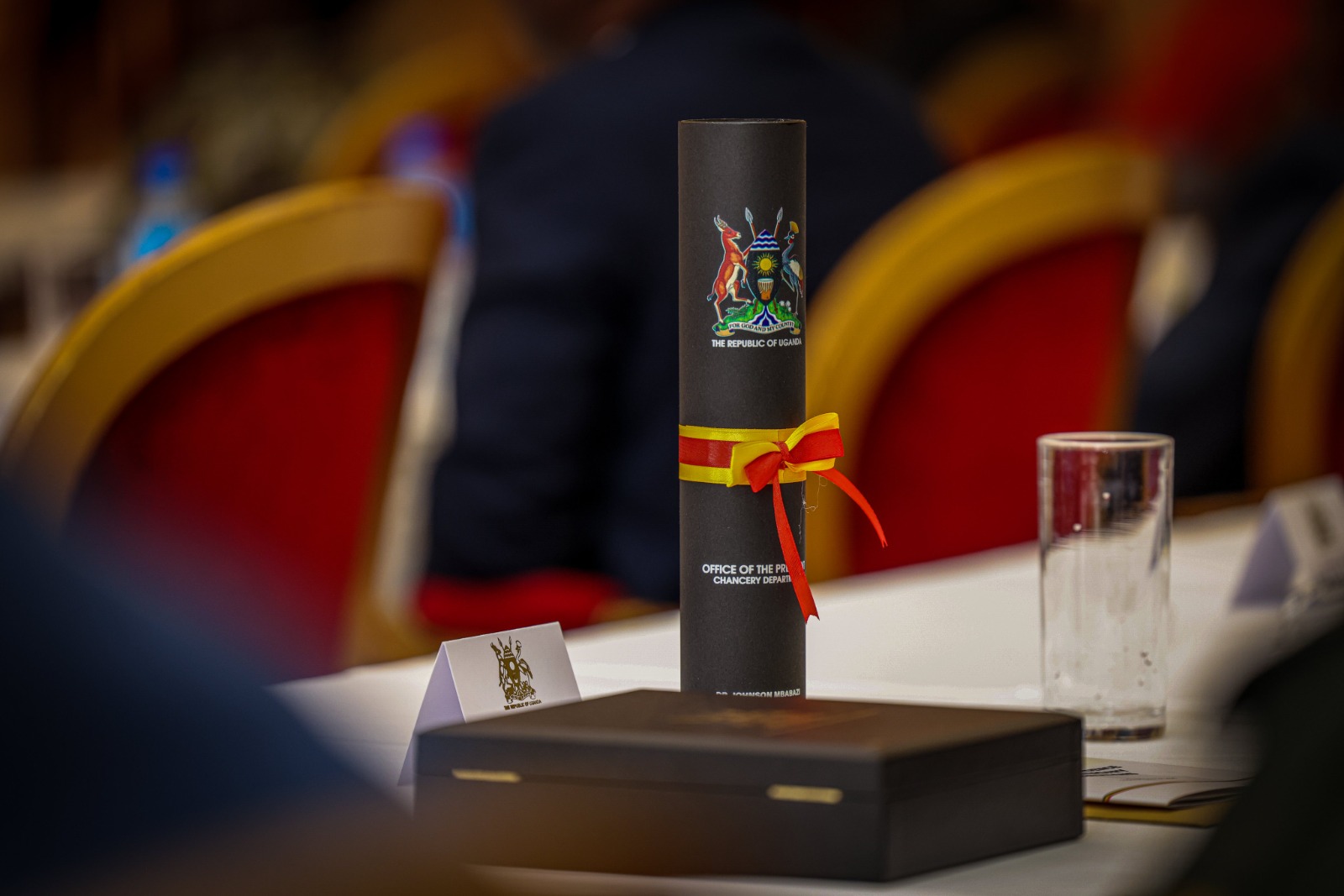
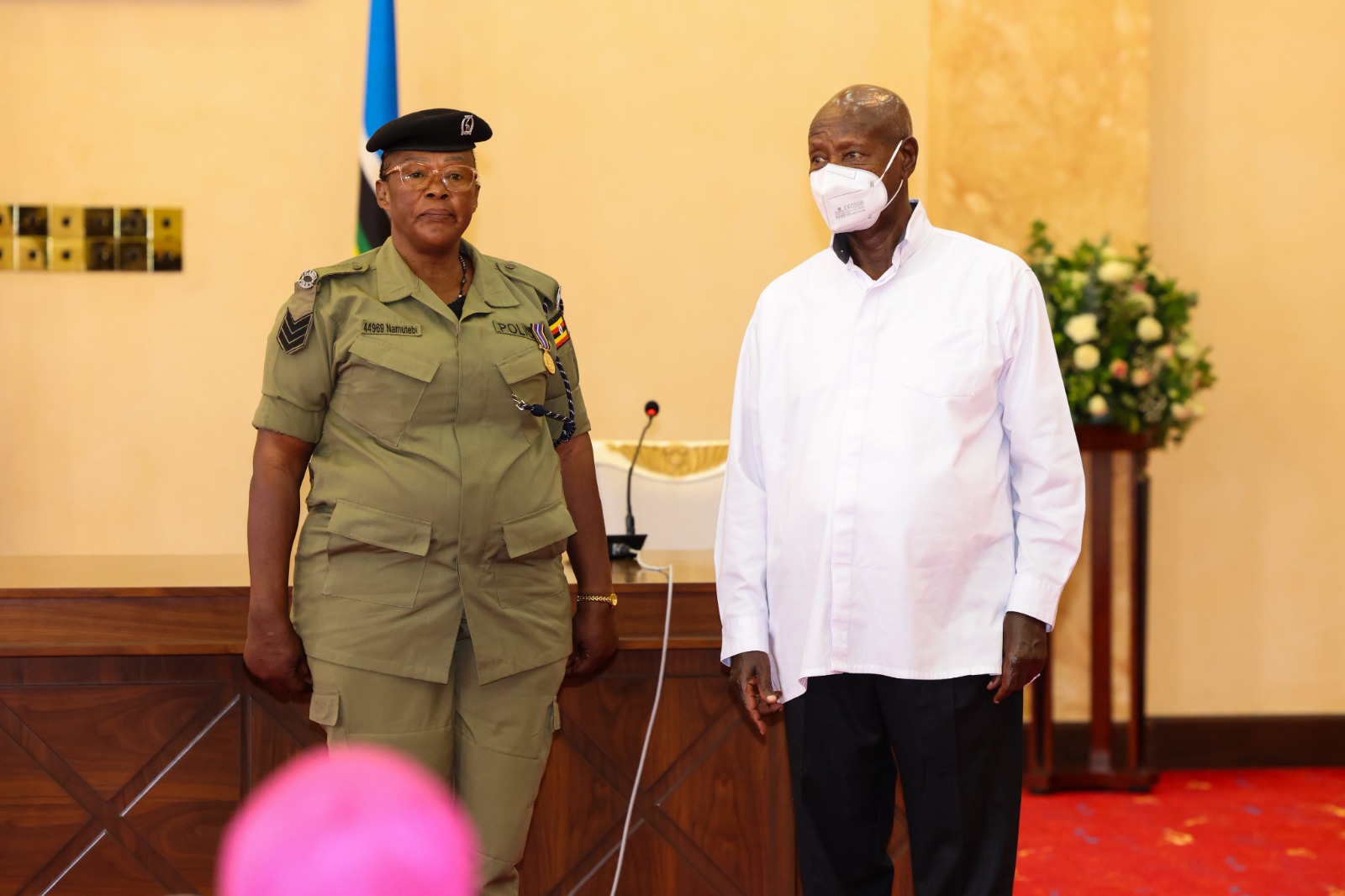
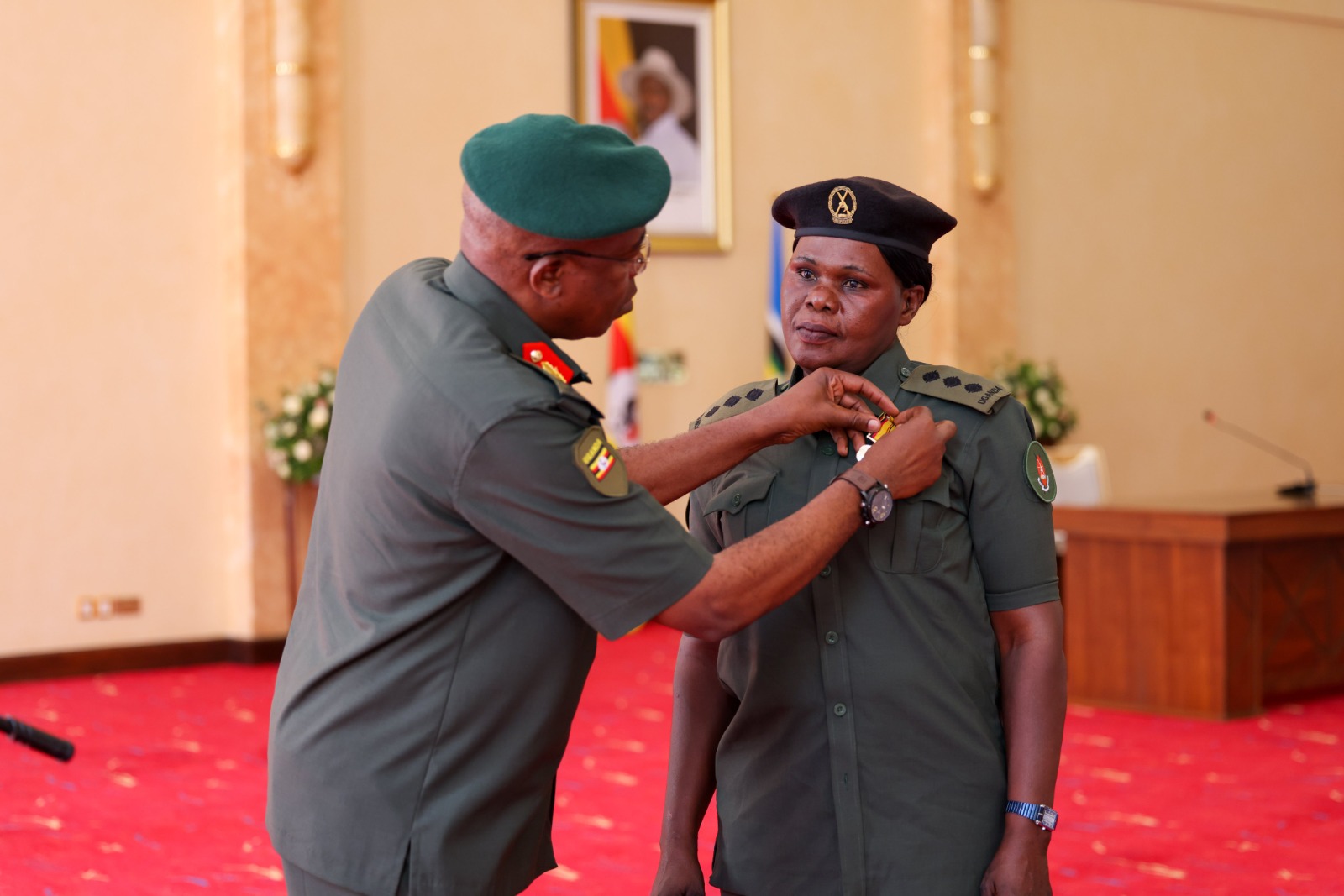
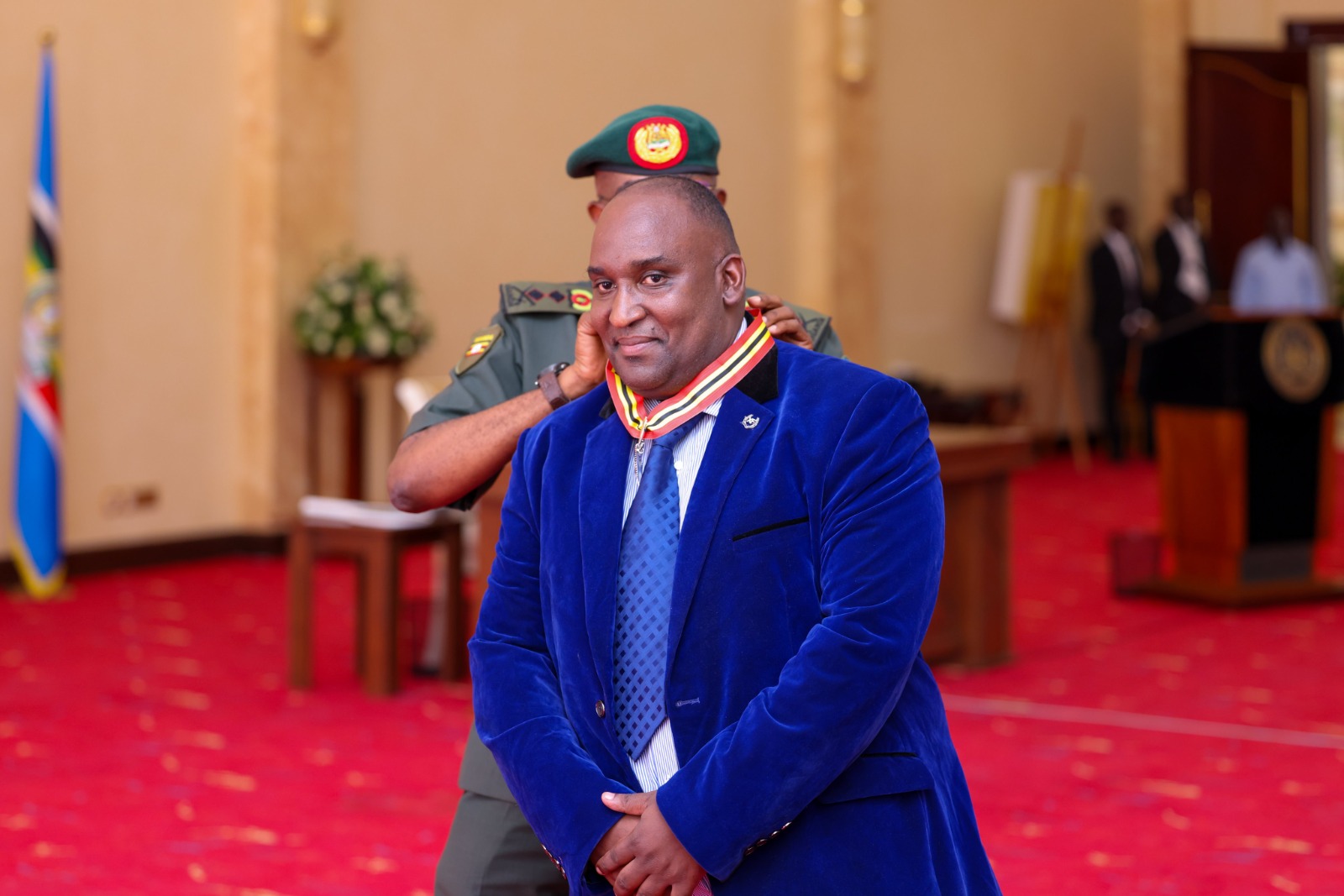
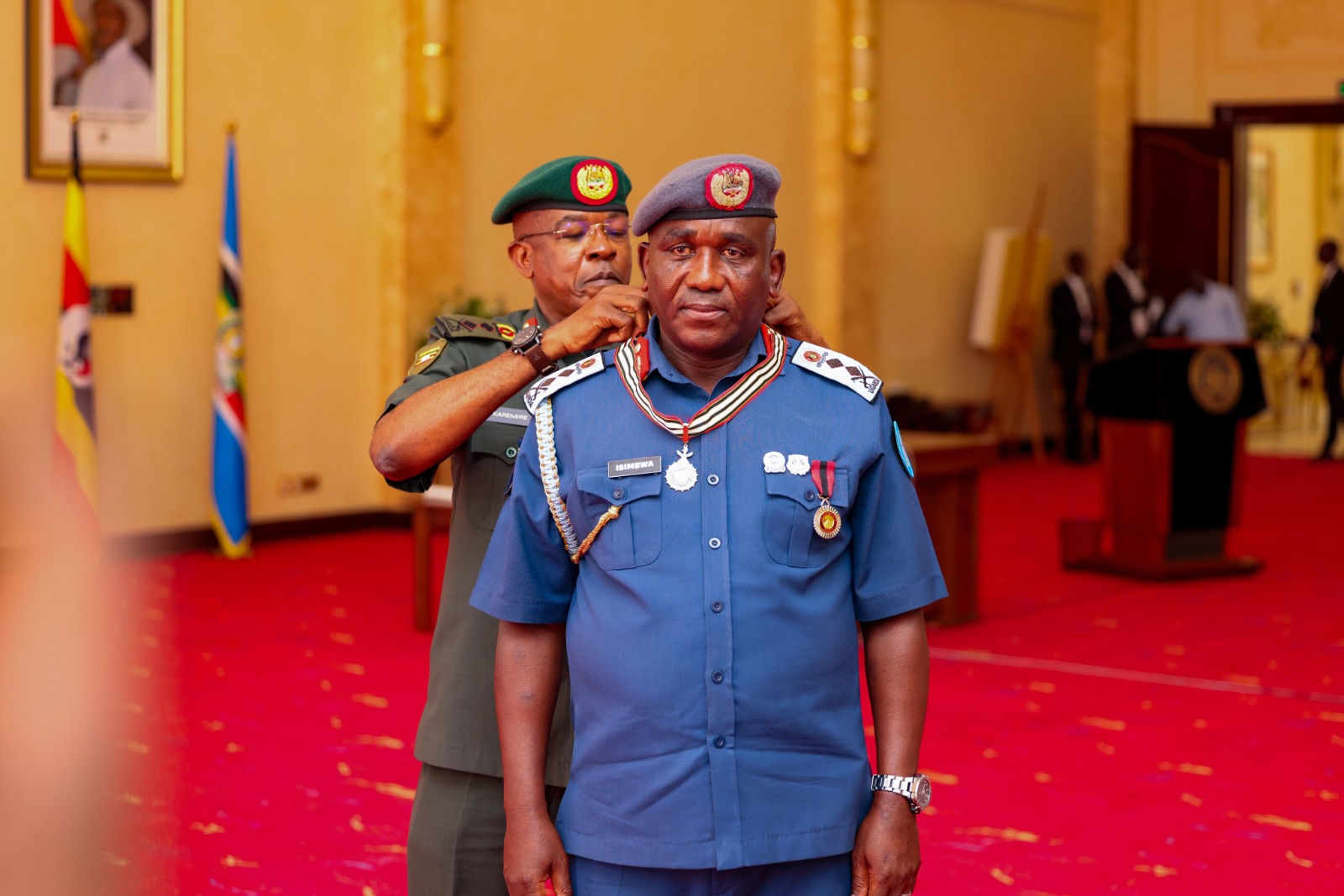
Museveni was among 20 distinguished individuals scheduled to receive national honours during the anniversary celebrations, according to Hajjat Zamina Malole, Chancellor of the Presidential Awards Committee in the Office of the President.
His award, the Order of the Commander-in-Chief (Uganda Prisons Service Medal), was presented in recognition of his leadership and contribution to peace and security, alongside the specific recognition of efforts to promote production, self-reliance and welfare within the prisons service.
 The recognition highlighted the role of the Uganda Prisons Service beyond detention and rehabilitation, particularly its involvement in productive activities that can support institutional needs and contribute to national development.
The Government has increasingly emphasised local production as part of its development strategy, encouraging public institutions and private businesses to build domestic capacity rather than depend excessively on imported goods.
The award was also a significant feature of the Independence anniversary because it linked national honours to the broader question of how public institutions can contribute to the country’s economic transformation.
National medals are intended to recognise distinguished service and contributions in different fields. The legal framework governing the honours includes the National Honours and Awards Act, 2001, as amended. For Museveni, who has led Uganda since 1986, the recognition came as he used the anniversary to review the economic changes that have taken place during his time in office and outline the next phase of the country’s ambitions.
 From political freedom to economic sovereignty
Uganda attained independence from Britain on October 9, 1962, with Apollo Milton Obote becoming the country’s first prime minister. The transfer of power marked the end of formal colonial rule and the beginning of self-government.
However, the decades that followed were marked by political instability, military coups and economic difficulties. The overthrow of Obote in 1971 by Idi Amin ushered in a period of repression and economic decline. Amin was removed from power in 1979, while further political turmoil followed before Museveni and the National Resistance Movement took power in January 1986.
Since then, Museveni’s administration has pursued economic recovery, infrastructure development, agricultural modernisation and industrialisation, while promoting private investment and regional trade.
His Independence Day economic figures were intended to demonstrate the scale of the transformation since 1986, when he said the economy was worth $3.9 billion.
 The projected increase to $73.96 billion by June 2027 would represent a substantial expansion in the country’s nominal economic output. However, nominal GDP growth does not automatically mean that every household has become wealthier, because population growth, inflation and the distribution of income also influence living standards.
The challenge for policymakers is to ensure that economic growth creates productive jobs, raises incomes and improves access to healthcare, education, electricity, water and other essential services.
The challenge of turning growth into prosperity
Uganda’s economic ambitions are closely linked to the development of its agricultural, industrial and mineral sectors, as well as the emerging oil and gas industry.
The Government has promoted value addition as a way of earning more from locally produced commodities, including coffee and other agricultural exports. Processing more of these products domestically could expand manufacturing, generate employment and improve export earnings.
The oil and gas sector is another major component of the country’s economic strategy. Investments in petroleum production and related infrastructure are intended to establish new sources of revenue and reduce dependence on imported petroleum products over time.
But the pursuit of economic sovereignty also requires stronger domestic enterprises, reliable infrastructure, access to affordable financing and a workforce equipped with the skills needed by modern industries.
 Uganda must also address the concerns of small businesses, farmers and young people who want to participate in the country’s growth but continue to face challenges in accessing markets, capital and stable employment.
The President’s $73.96 billion projection therefore provides a target against which the Government’s economic performance will be judged. Beyond the headline figure, citizens will look for evidence that expansion is translating into better livelihoods and broader opportunities.
Independence at 64: Looking ahead
As Uganda marked 64 years of independence, the celebrations provided an opportunity to reflect on the distance travelled since the British flag was lowered and Ugandan leaders assumed responsibility for governing the country.
The national honours, including Museveni’s recognition, formed part of the anniversary’s focus on leadership and public service.
Yet the meaning of independence extends beyond the ceremony and the presentation of medals. It encompasses the ability of Ugandans to produce their own goods, earn decent incomes, participate in public life and determine the country’s economic future.
The Government’s emphasis on self-reliance and import substitution points to one of the central questions facing the country: how to convert political freedom into economic security for its citizens.
 Museveni’s forecast that Uganda’s economy will reach $73.96 billion by June 2027 sets out his expectation for the next stage of that journey.
Whether the projected growth delivers lasting prosperity will depend on the quality of investment, the expansion of productive employment, the strength of public institutions and the extent to which the benefits reach ordinary Ugandans.
At 64, Uganda’s independence story is therefore still unfolding — from the achievement of political freedom in 1962 to the continuing pursuit of an economy capable of supporting the aspirations of its people.
Author Profile

- Charles Gazza Kodili is a seasoned journalist with over 20 years of experience in the media industry. He holds a Bachelor of Arts degree in Mass Communication. He’s currently the Chief Editor at the Investigator.
Charles can also be reached via; Tel: +256 774 108978
Email: [email protected]
Latest entries
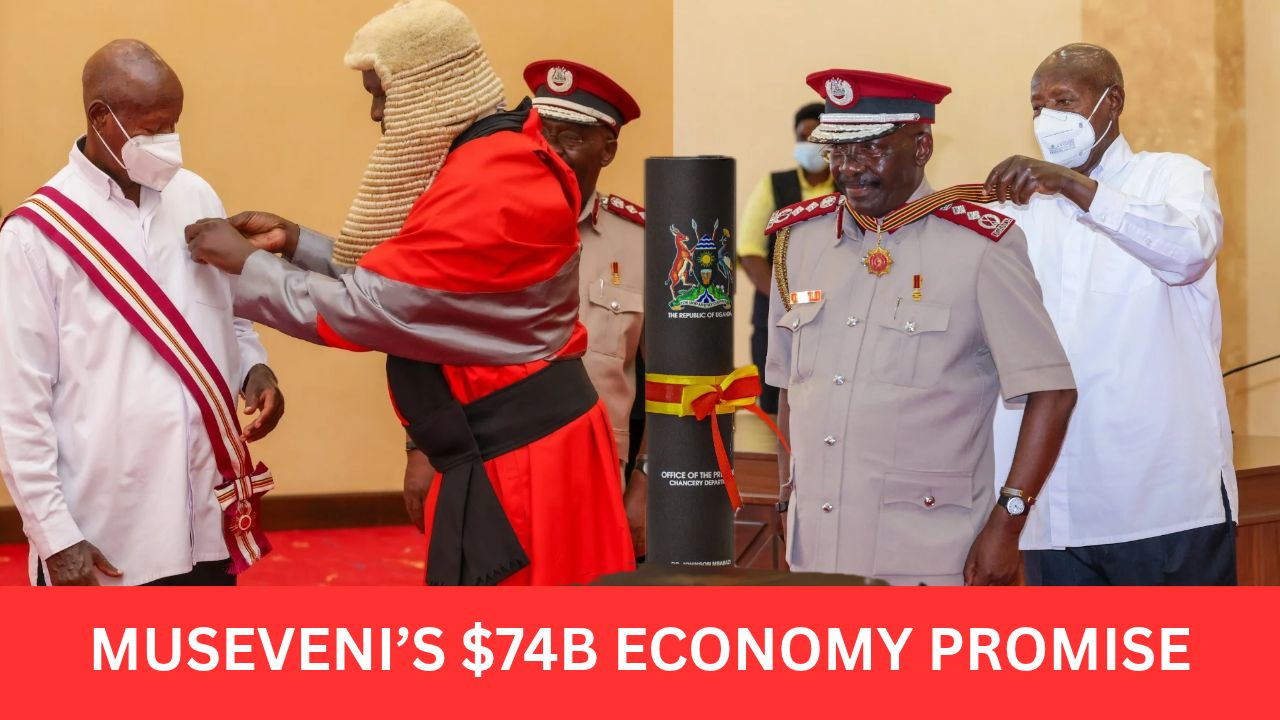 FeaturedOctober 9, 2026UGANDA ECONOMY TO HIT $73.96B: President Museveni Cites Decades Of Economic Growth As He Receives A Top National Honour During The 64th Independence Anniversary Celebrations At State House, Entebbe
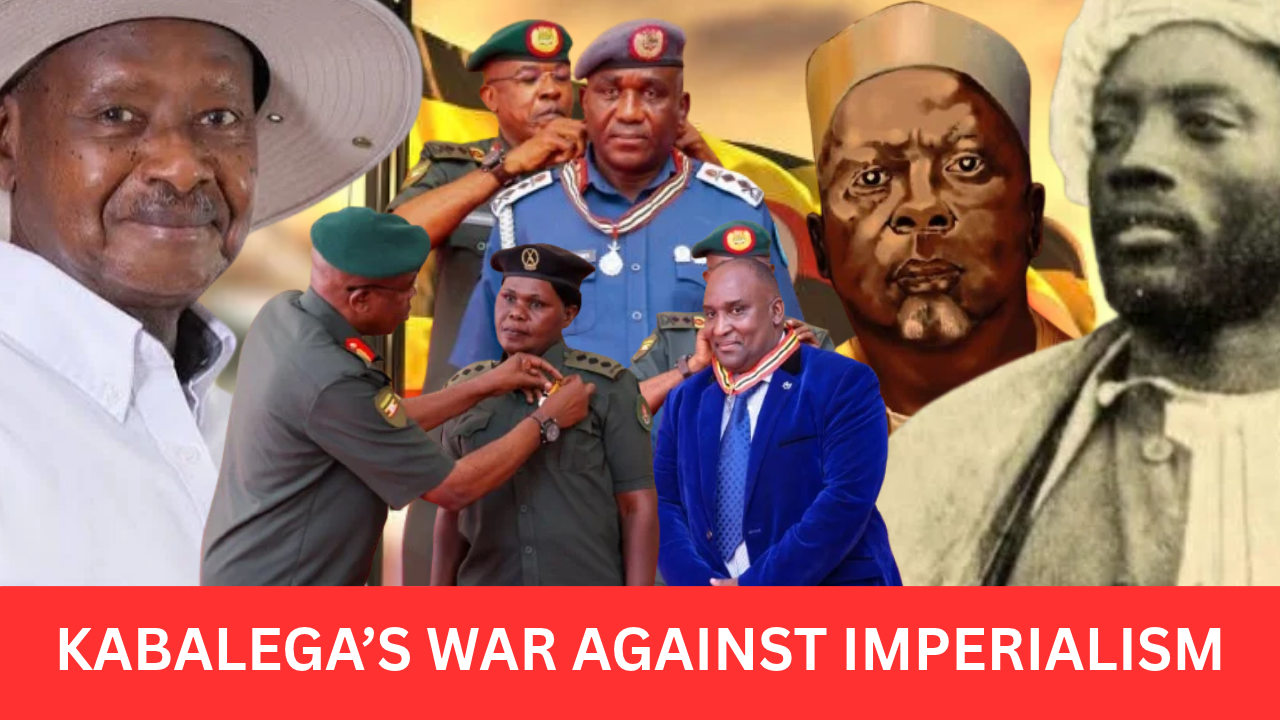 FeaturedOctober 9, 2026KABALEGA: THE KING WHO FOUGHT THE BRITISH: From Battles Against Sir Samuel Baker To Uganda’s Independence In 1962, The Bunyoro King Became A Symbol Of Resistance Against Foreign Domination
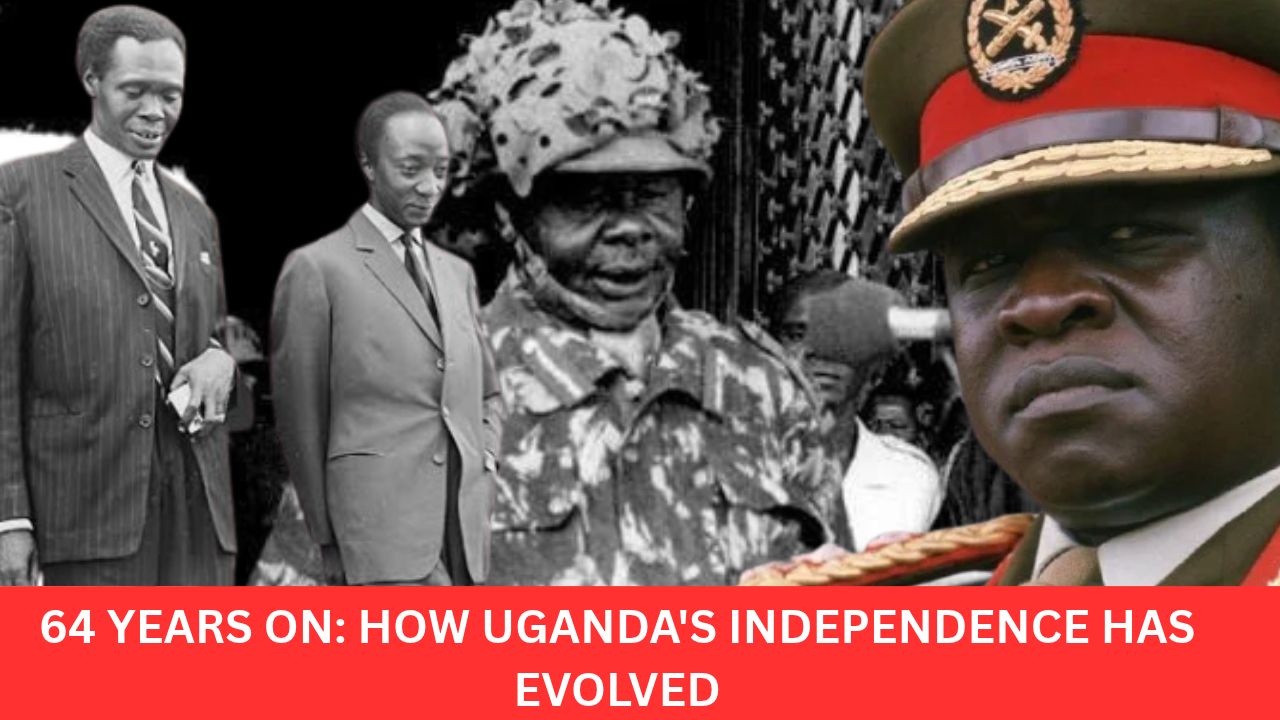 FeaturedOctober 8, 2026UGANDA AT 64: From Obote Receiving the Instruments of Power in 1962 to Museveni Receiving a National Medal in 2026, Uganda’s Independence Story Remains Unfinished. We Journey With You the Thorney 6+ Decades of Uhuru
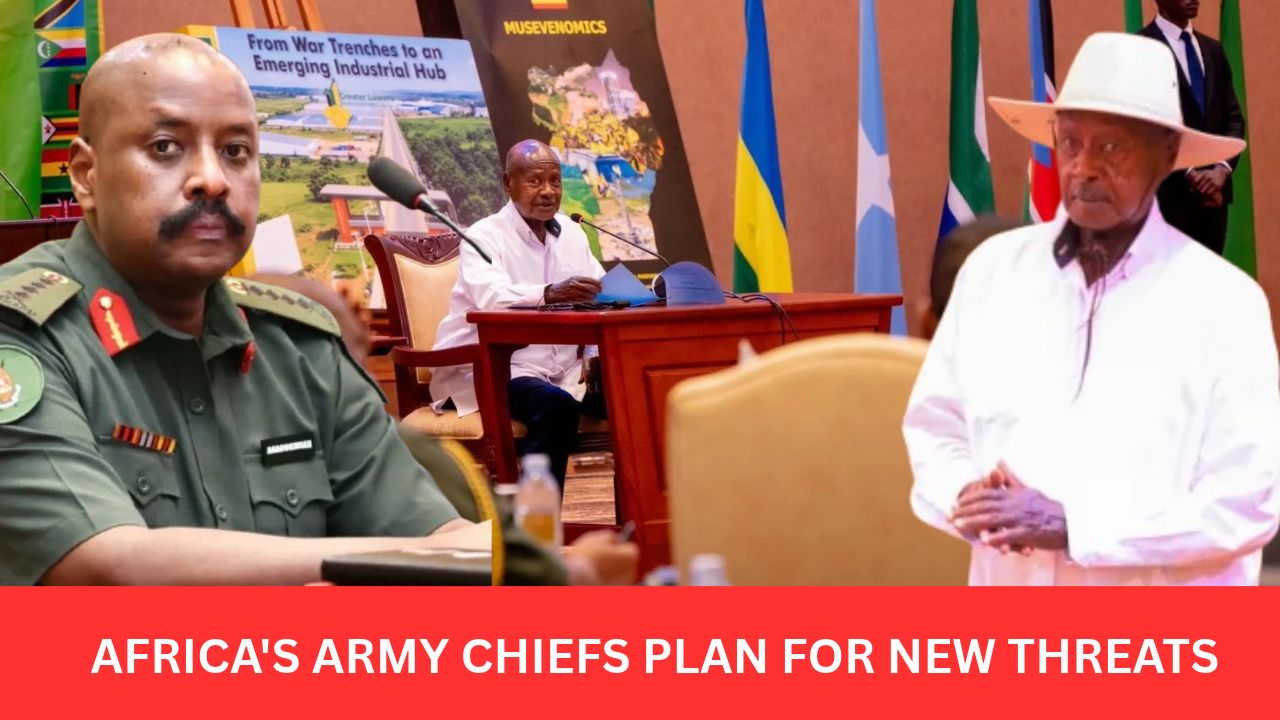 FeaturedOctober 8, 2026AFRICA MUST PREPARE FOR NEW WARS – MUSEVENI: The President Challenges Defence Chiefs to Link Military Strength With Economic Power, Political Stability and Regional Integration as African Armies Rethink Security Beyond Conventional Warfare