













The Chief of Defence Forces (CDF), Gen Muhoozi Kainerugaba, has announced a new Uganda People’s Defence Forces (UPDF) operation against criminals, declaring that the campaign will continue until those targeted are “finished”.
Dubbed Operation Kisasi, the new security operation is being presented by Gen Muhoozi as a special military campaign against killers, robbers and rapists whom he accuses of terrorising innocent Ugandans.
In a series of posts on his X account yesterday, Gen Muhoozi said the operation had already been launched and would be coordinated from his office.
“We have launched ‘Operation Kisasi’ against criminals in the country. It will not end until we finish them,” the CDF said.
In another post, Gen Muhoozi gave a more detailed description of the operation, saying the military would target criminals in a manner similar to the campaign against the Lord’s Resistance Army (LRA), the rebel organisation led by Joseph Kony.
“We are going to start a special operation against the killers/robbers/rapists of innocent citizens in Uganda. We won’t waste time taking them to court. We will deal with them like we did LRA,” he said.
The statement has immediately triggered debate over the role of the military in policing civilians, with critics interpreting the language as suggesting a shoot-to-kill approach against suspected criminals.
The controversy centres on the CDF’s apparent suggestion that suspects could be dealt with militarily instead of being arrested, investigated and taken through the courts.
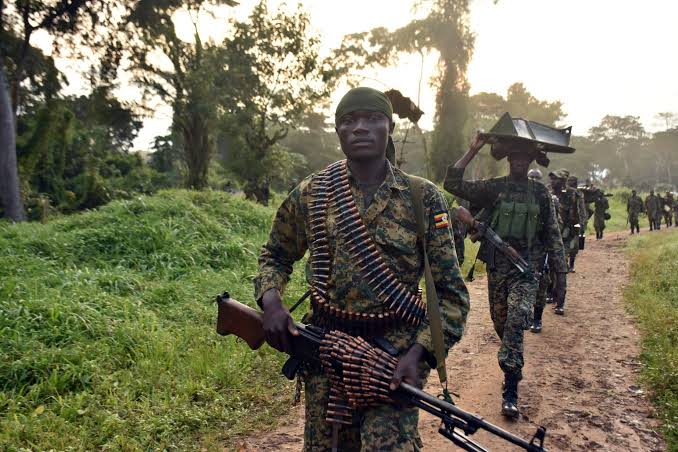 ‘We won’t take them to court’
The most contentious part of Gen Muhoozi’s announcement is the declaration that the operation will not “waste time” taking suspected criminals to court.
Uganda’s criminal justice system, however, is founded on the principle that an accused person is presumed innocent until proven guilty by a competent court.
The announcement has therefore raised questions about how Operation Kisasi will distinguish between convicted criminals and suspects.
Critics argue that the language used by the CDF risks giving security personnel a broad mandate to use lethal force against people merely suspected of committing crimes.
Supporters of the operation, meanwhile, are likely to argue that the UPDF has the capacity to deal with heavily armed criminal gangs and other threats that conventional policing has failed to contain.
The distinction will be particularly important if the military begins operating in civilian communities, where an intelligence report, a police complaint or an allegation cannot by itself establish that an individual is guilty of a crime.
The UPDF is constitutionally mandated to preserve and defend Uganda’s sovereignty and territorial integrity, while policing and maintenance of law and order are primarily responsibilities of the Uganda Police Force.
The deployment of the military in domestic security operations has nevertheless become increasingly common over the years, particularly when the government considers a security threat too serious or complex for ordinary policing. Operation Kisasi now appears to add another chapter to that history.
What is Operation Kisasi?
Details about the geographical scope, command structure, units involved, rules of engagement and specific criminal networks targeted by Operation Kisasi were not immediately provided in the CDF’s announcement.
Gen Muhoozi said, however, that the operation would be coordinated by his office.
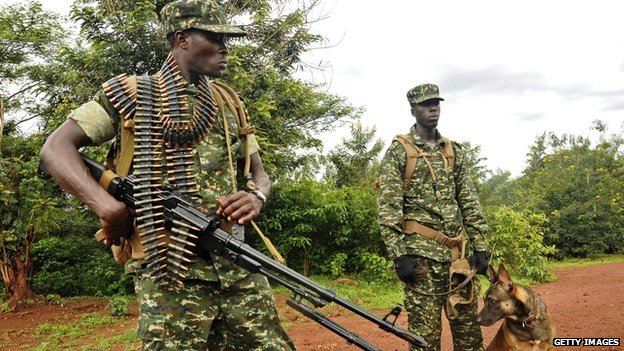 That places the initiative directly under the UPDF’s top military command and gives it a different character from a routine police operation.
The choice of the name Kisasi, meaning (Operation Bullet) in Luganda, has also attracted attention because of the language accompanying the announcement.
The CDF’s repeated references to “finishing” criminals and dealing with them as the LRA did not suggest a conventional law-enforcement campaign in which suspects are arrested and prosecuted.
Instead, the language invokes Uganda’s military experience in counter-insurgency operations, particularly the long campaign against Kony’s LRA.
The LRA war
The LRA insurgency remains one of Uganda’s most significant security challenges since independence.
Kony’s rebellion began in northern Uganda in the late 1980s, following the collapse of several insurgencies that had challenged President Yoweri Museveni’s government.
The LRA became notorious for attacks on villages, killings, abductions and the recruitment of children as fighters.
For more than two decades, the UPDF conducted military operations against the rebels in northern Uganda before extending its operations into neighbouring countries.
The government’s major offensive, Operation Iron Fist, launched in 2002, sought to destroy the LRA’s bases in northern Uganda and force Kony’s fighters out of their strongholds.
The operation significantly altered the conflict but did not immediately end the insurgency.
The LRA subsequently moved into remote areas of the Democratic Republic of Congo, South Sudan and the Central African Republic.
Uganda later participated in regional operations targeting the group outside its borders.
The campaign eventually weakened the LRA considerably, although Kony himself was never captured.
Gen Muhoozi’s reference to the LRA therefore invokes one of the UPDF’s most extensive counter-insurgency experiences.
But applying that model to ordinary criminality presents a fundamentally different legal and operational question.
Operation Iron Fist
Operation Iron Fist remains one of the best-known UPDF operations against the LRA.
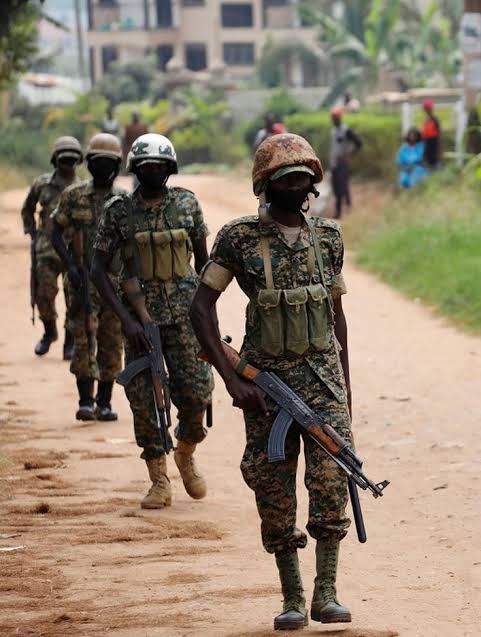
The offensive was launched after the government obtained permission from Khartoum to pursue LRA fighters who were using bases in southern Sudan.
The UPDF crossed into Sudan in pursuit of the rebels, attacking their camps and attempting to force Kony and his commanders into surrender.
The offensive disrupted the LRA but also contributed to a humanitarian crisis as fighting and displacement continued.
The operation illustrates the difference between counter-insurgency warfare and civilian law enforcement.
The LRA was an armed rebel organisation operating as an insurgent force. Operation Kisasi, by contrast, has been announced as an operation against criminals inside Uganda.
The legal framework governing the use of force against civilians is therefore markedly different.
Operation Lightning Thunder
Uganda later became part of a regional military campaign against the LRA known as Operation Lightning Thunder.
The operation began in December 2008, with Uganda working with forces from the Democratic Republic of Congo and South Sudan, and with support from the Central African Republic.
The operation targeted LRA commanders and bases in northeastern Congo.
The UPDF conducted air strikes and ground operations in an effort to destroy the rebel group’s command structure. Although the offensive inflicted significant losses on the LRA, Kony escaped.
The military campaign subsequently evolved into a prolonged regional effort to track the remaining LRA fighters.
Operation Shujaa against the ADF
The UPDF has also conducted major operations against the Allied Democratic Forces (ADF), another armed group with a long history of attacks in Uganda and the Democratic Republic of Congo.
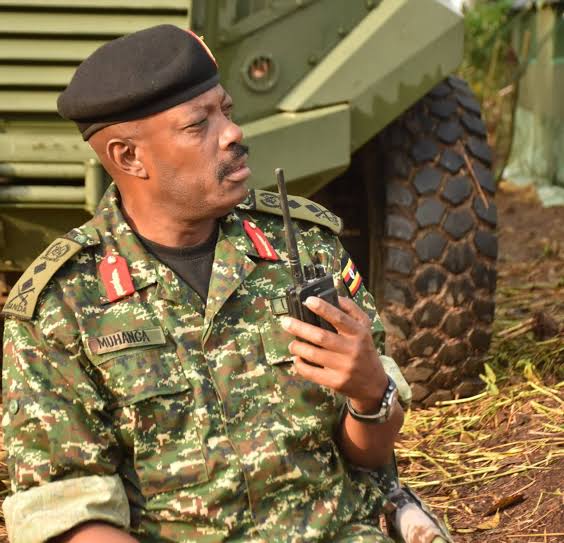
In 2021, Uganda and the Democratic Republic of Congo launched Operation Shujaa, a joint military campaign against ADF bases and fighters in eastern Congo.
The operation followed a series of deadly ADF attacks in Uganda, including bombings in Kampala.
Uganda deployed troops and aircraft into eastern DRC to pursue the militants in cooperation with Congolese forces.
The campaign has continued for years, with the UPDF regularly reporting the destruction of ADF camps and the killing or capture of fighters.
Operation Shujaa demonstrates how the UPDF has increasingly become involved in regional counter-terrorism operations.
It is, however, another example of military action against an organised armed group rather than an operation against ordinary suspects in civilian communities.
Domestic security operations
The UPDF has also been deployed inside Uganda in response to various security threats.
Military personnel have supported the police during periods of heightened political tension, public disorder and major national events.
The Special Forces Command (SFC), which is closely associated with the protection of the President and strategic national installations, has also been involved in security operations.
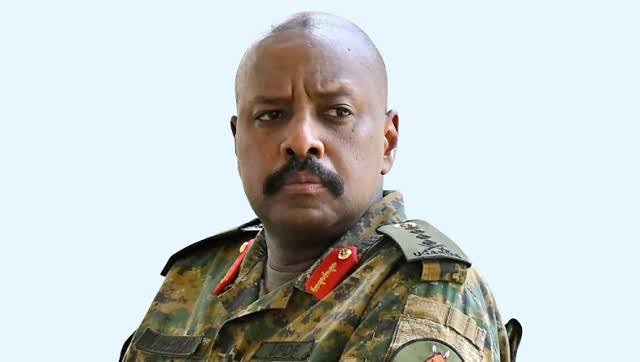 The military has at times conducted operations alongside police and other security agencies in areas affected by armed criminality.
The distinction between military and police roles has consequently become increasingly blurred in Uganda’s security architecture.
Operation Kisasi could deepen that trend if UPDF personnel are deployed extensively to pursue civilian criminal suspects.
The constitutional question
The central question surrounding Operation Kisasi will be whether its implementation follows Uganda’s constitutional and legal framework.
A person suspected of murder, robbery or rape remains a suspect until convicted by a court.
Even serious criminals are entitled to arrest, investigation, legal representation and trial.
Security forces are permitted to use force in certain circumstances, particularly where necessary to protect life or apprehend dangerous suspects. But the use of lethal force is subject to legal requirements and cannot simply be based on an assumption that every suspect is guilty.
This is why Gen Muhoozi’s comparison with the LRA has caused concern.
An armed insurgent engaged in combat presents a fundamentally different threat from a person suspected of robbery or murder.
Civilian criminals, however dangerous, cannot automatically be treated as enemy combatants.
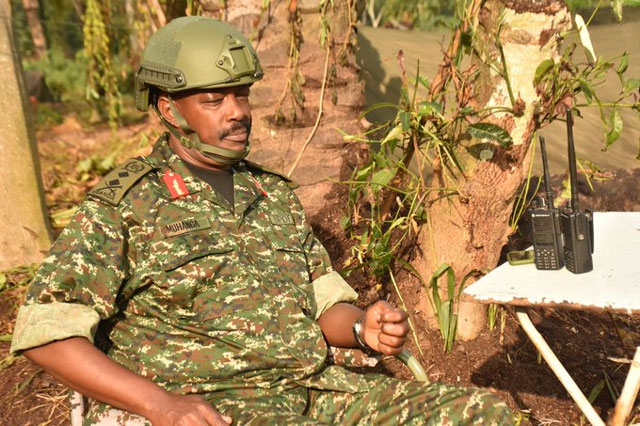 The concern expressed by critics is therefore that the CDF’s language could encourage extrajudicial killings if it is interpreted by soldiers or other security personnel as authorisation to eliminate suspects without arrest or trial.
Security versus justice
The government faces a genuine security challenge from violent criminals. Ugandans have repeatedly demanded stronger action against armed robbers, killers, rapists and organised criminal gangs.
Victims and communities understandably want the state to protect them and ensure that perpetrators are brought to justice.
The challenge is to achieve that objective without replacing criminal justice with military punishment.
A successful operation against violent crime would therefore require intelligence-led investigations, coordinated police and military work where legally authorised, arrests, evidence gathering and prosecution.
The success of Operation Kisasi may ultimately depend less on how many suspects are killed or arrested and more on whether it succeeds in making communities safer while respecting the law. For now, the CDF’s announcement has created more questions than answers.
Who exactly are the targets? Which units will participate? Where will the operation be conducted? What are the rules of engagement? Will police remain responsible for arrests and investigations? And what does the CDF mean when he says suspected criminals will not be taken to court?
Those questions will become increasingly important if Operation Kisasi expands beyond an announcement on social media into a nationwide military campaign.
For Gen Muhoozi, the challenge will be to demonstrate that the operation can deliver security without turning the UPDF into a substitute for the courts.
For Ugandans, the test will be whether Operation Kisasi becomes a decisive campaign against violent crime — or a controversial experiment in military justice.
Author Profile
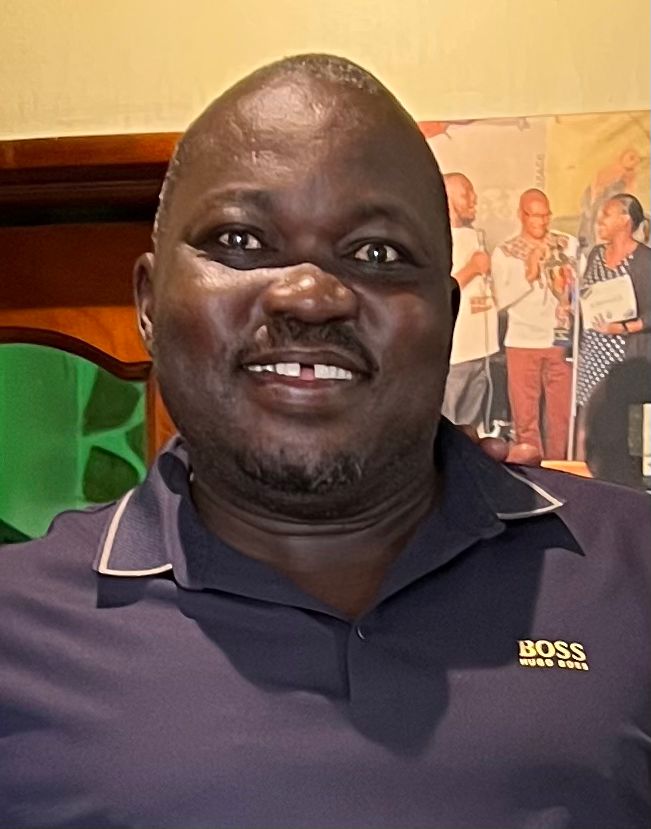
- Charles Gazza Kodili is a seasoned journalist with over 20 years of experience in the media industry. He holds a Bachelor of Arts degree in Mass Communication. He’s currently the Chief Editor at the Investigator.
Charles can also be reached via; Tel: +256 774 108978
Email: [email protected]
Latest entries
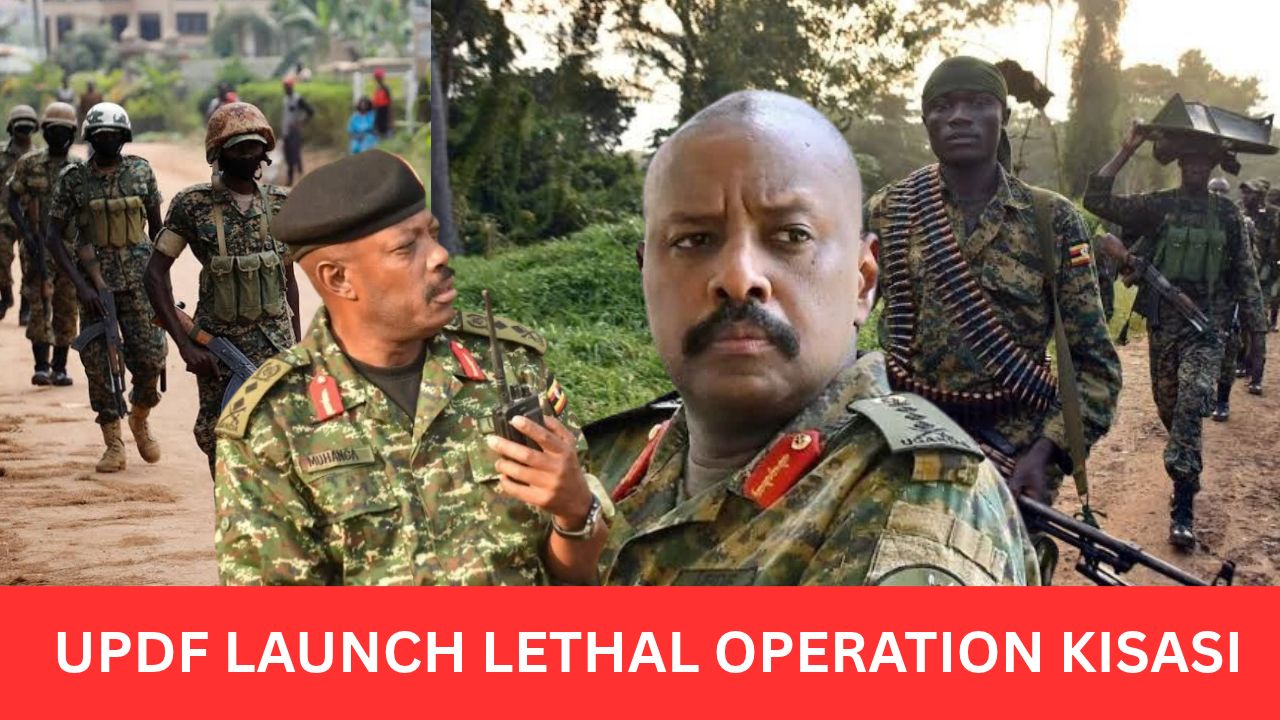 FeaturedOctober 17, 2026MUHOOZI LAUNCHES ‘OPERATION KISASI’: CDF Orders A Military Crackdown On Killers, Robbers And Rapists, Promising An LRA-Style Campaign That Will Not End Until The Criminals Are “Finished”
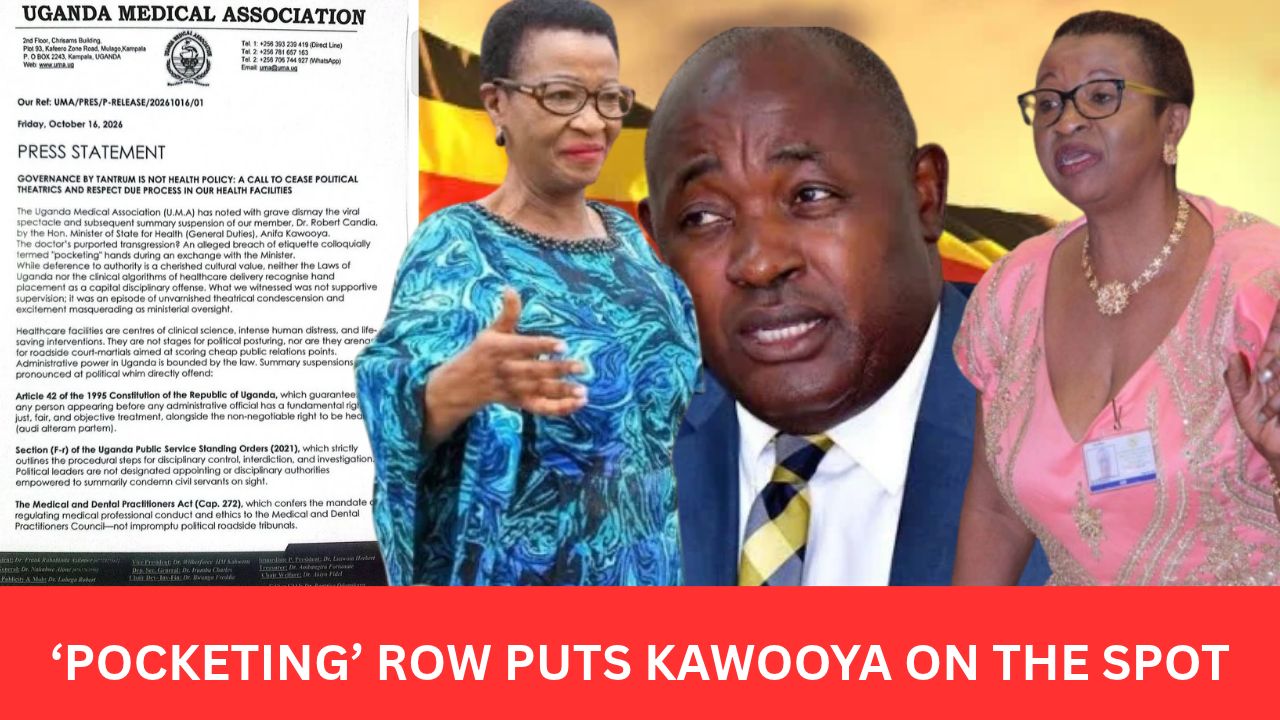 FeaturedOctober 16, 2026KAWOOYA UNDER FIRE AS MINISTRY DENIES DR CANDIA SUSPENSION: Health Ministry Says Arua Doctor Remains In Office After Minister Reportedly Ordered Him To Hand Over For “Pocketing”
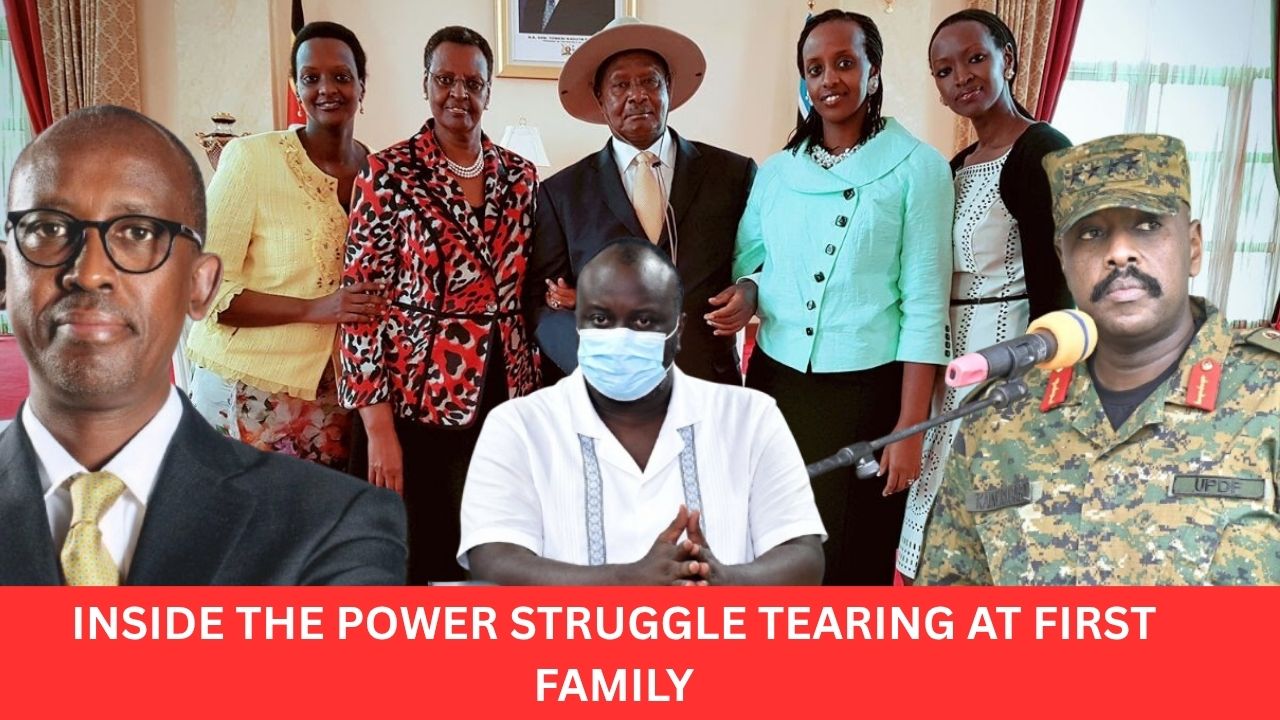 FeaturedOctober 14, 2026MATHEW BAGONZA BAIL DEAL DEALS A BLOW TO CDF GEN. MUHOOZI: Rwabwogo’s Camp Sees Relief After Weeks Of Confrontation, As Reported First Family Tensions Raise Questions About The CDF’s Fight With His Brother-In-Law
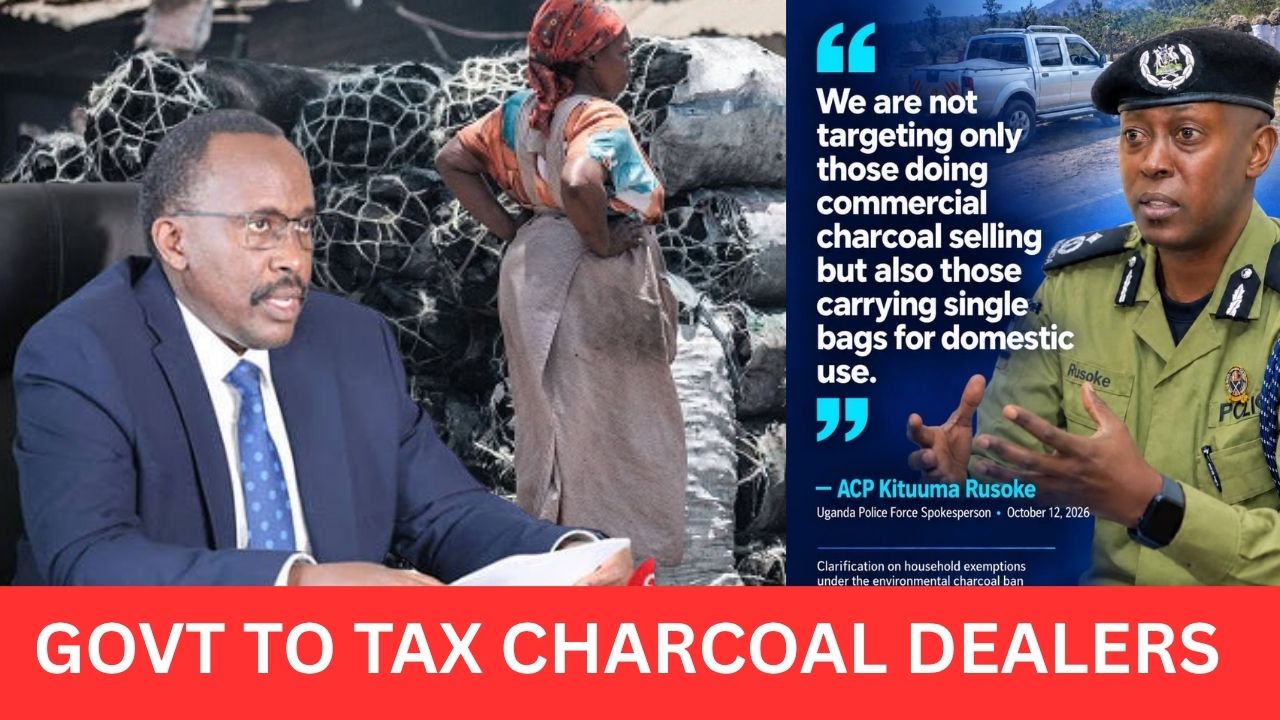 FeaturedOctober 14, 2026GOVERNMENT TO CASH IN ON CHARCOAL TRADE: Government Plans To Formalise The Charcoal Business Through Trade Licences, Taxation And Strict Monitoring Of Producers And Dealers