














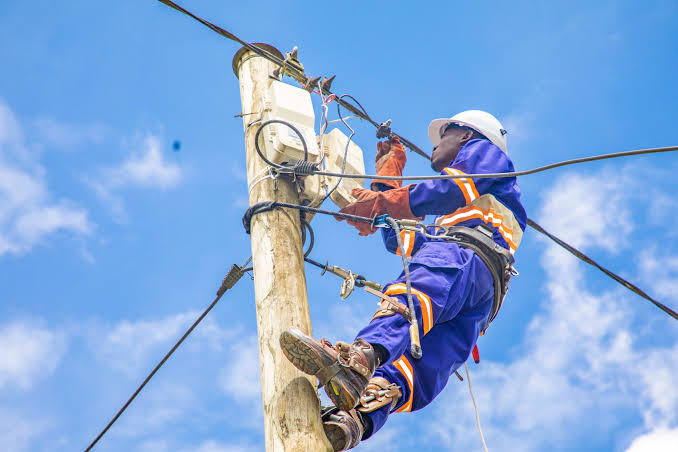
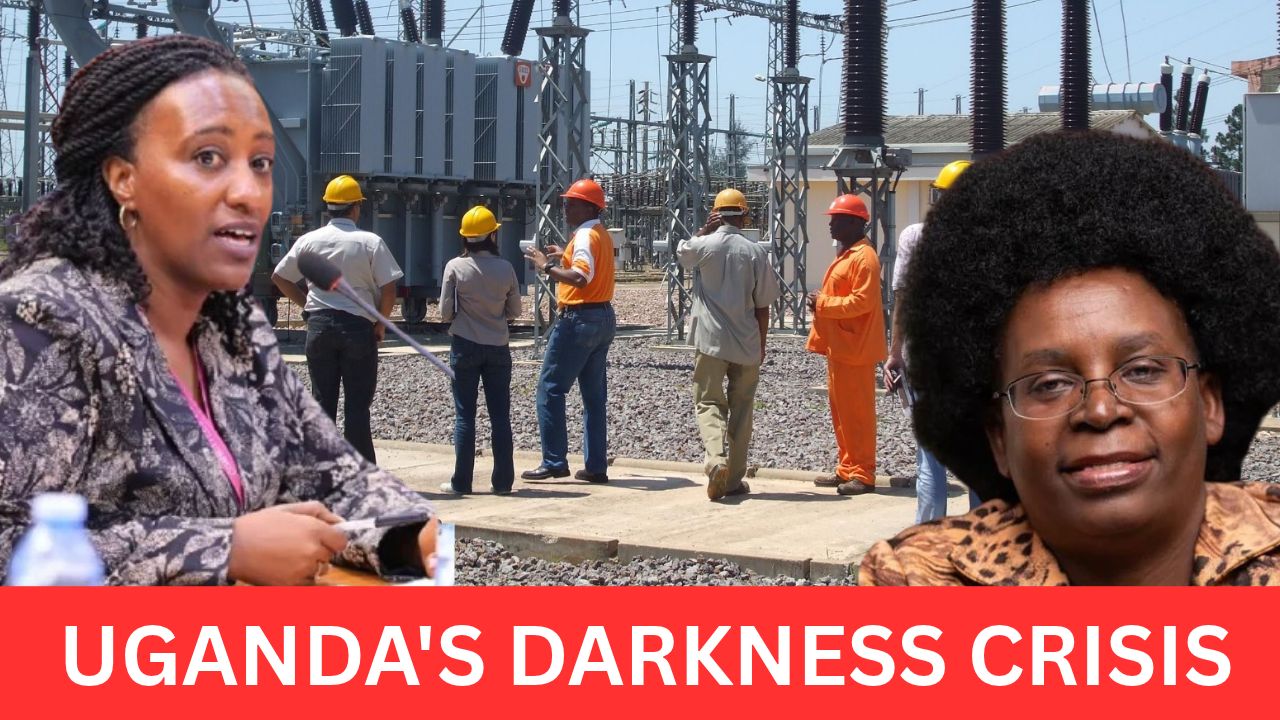
Uganda is once again being plunged into darkness, with prolonged and unpredictable electricity outages reported in Kampala and several parts of the country, triggering a fresh wave of public anger and renewed questions about the capacity of the state-owned Uganda Electricity Distribution Company Limited (UEDCL) to keep the lights on.
The latest disruption has seen consumers turn to social media to vent their frustration, with some accusing UEDCL of incompetence and demanding answers over why electricity supply remains unreliable more than 18 months after the company took over the distribution network from Umeme.
 On Monday, social media enthusiast Duncan Abigaba who is the admin officer at Africa Coffee Park in Ntungamo captured the mood in Kampala after arriving in the city and finding large parts of it without electricity.
“I’ve just arrived in Kampala and it is dark everywhere. Shouldn’t this be declared a national emergency or something?” Abigaba posted on X. Another user, responding to Abigaba, asked: “Bro, who is accountable for this darkness?”
The complaints come against the backdrop of UEDCL’s own outage-monitoring platform, which showed numerous ongoing interruptions on October 19, including in Bombo, Mbarara, Jinja, Kamuli and Lira. The company’s alerts also showed outages affecting wide areas around Kampala and its suburbs.
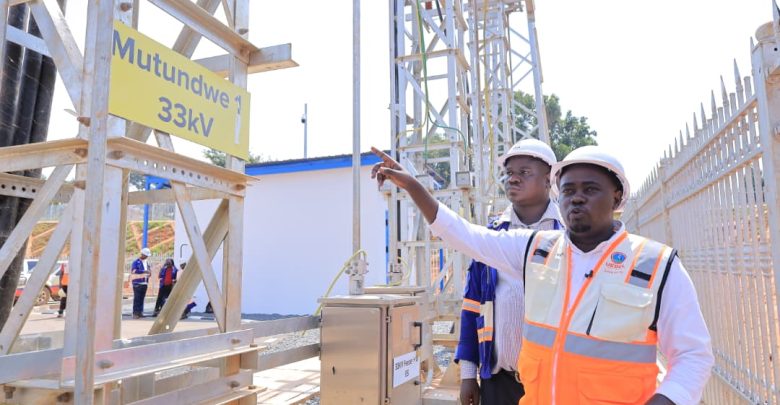
Among the affected areas listed by UEDCL were Kampala North Substation, Ntinda, Waligo, Mutundwe and Lugogo, while other outages were reported in Entebbe, Iganga, Bushenyi, Hoima and Mbarara.
The breadth of the interruptions has intensified accusations that the country is experiencing a return of the load-shedding era that many Ugandans had hoped would end with the departure of Umeme.
 UEDCL explains the crisis
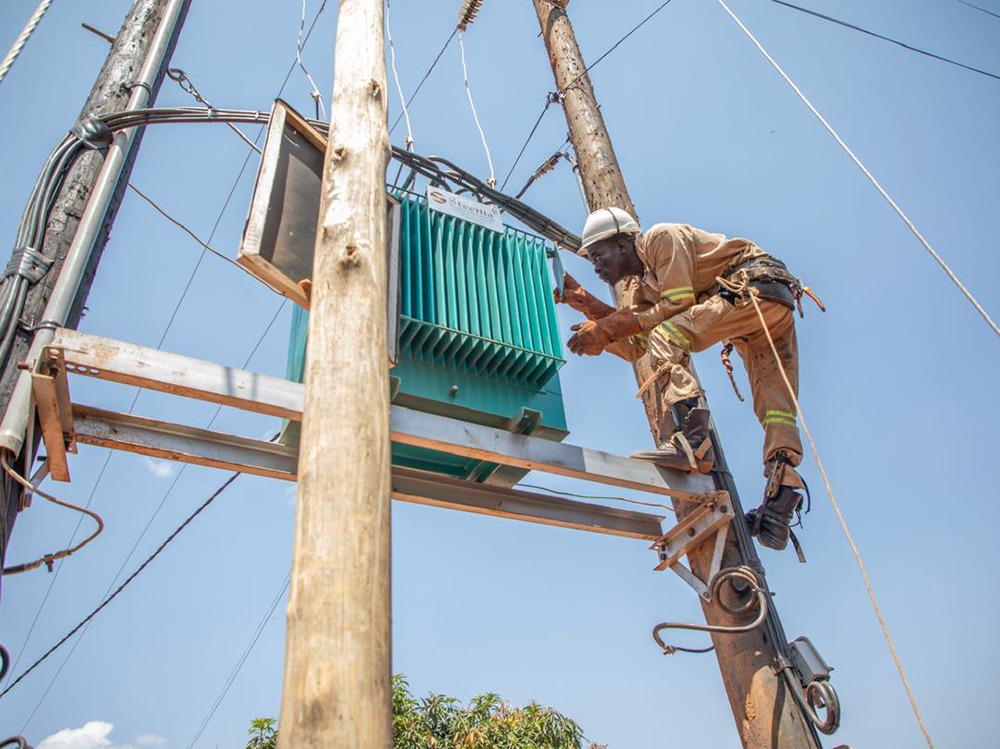
UEDCL has maintained that the problem is not simply one of incompetence but is linked to an ageing and increasingly overloaded distribution network, rapidly rising demand and the need for major investment.
In October, State Minister for Energy Sidronius Okaasai Opolot told Parliament’s Natural Resources Committee that electricity demand had increased by more than 20 per cent over the previous year, compared with annual growth of about 10 percent in previous years.
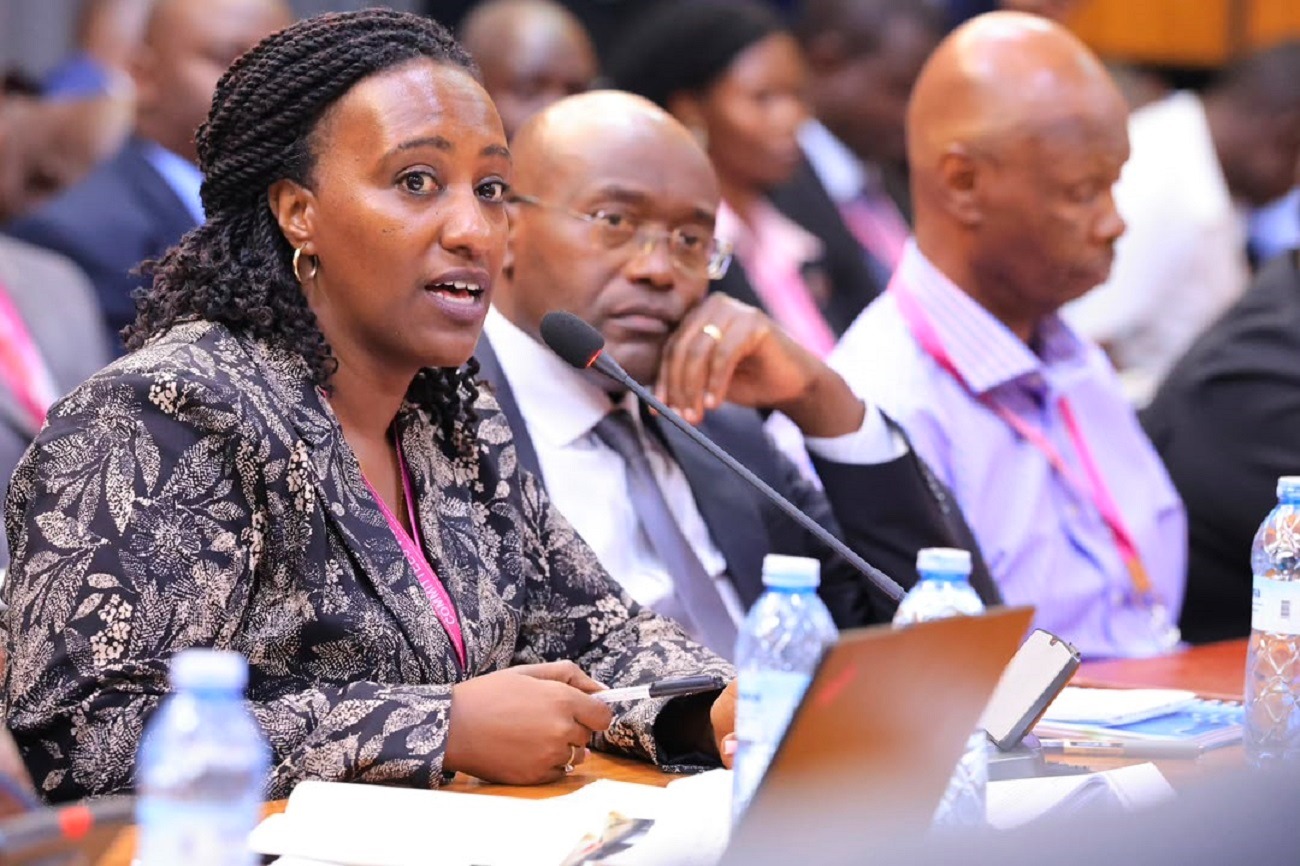 He warned that overloaded substations and ageing equipment were putting additional pressure on the network and could contribute to renewed load-shedding.
UEDCL has also embarked on a major infrastructure programme aimed at addressing the problem.
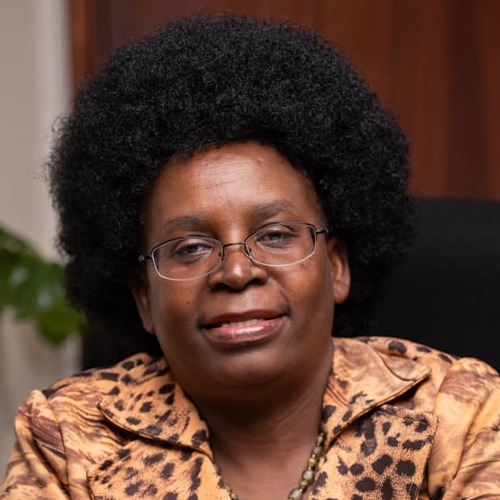
Acting Chief Commercial and Operations Services Officer Isaac Katewanga recently acknowledged the inconvenience caused by the outages and said the company was implementing both immediate interventions and longer-term investments.
“We are engaging with local leaders to explain the causes of the current supply interruptions, provide information on ongoing projects, listen to their concerns and identify areas for collaboration,” Katewanga said.
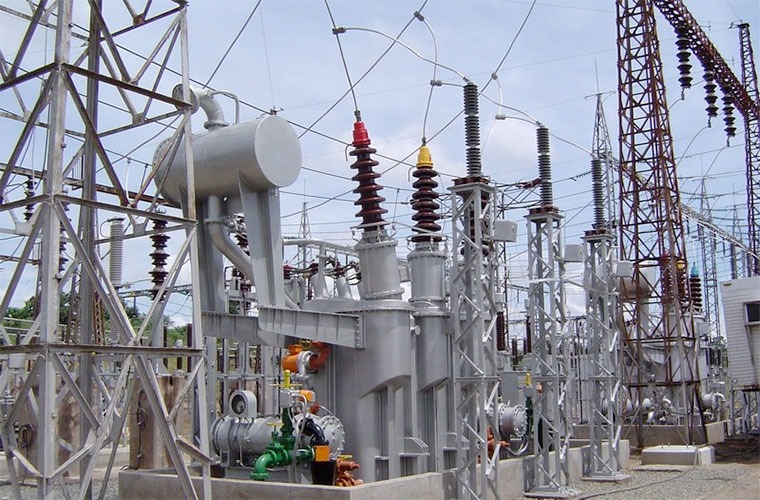
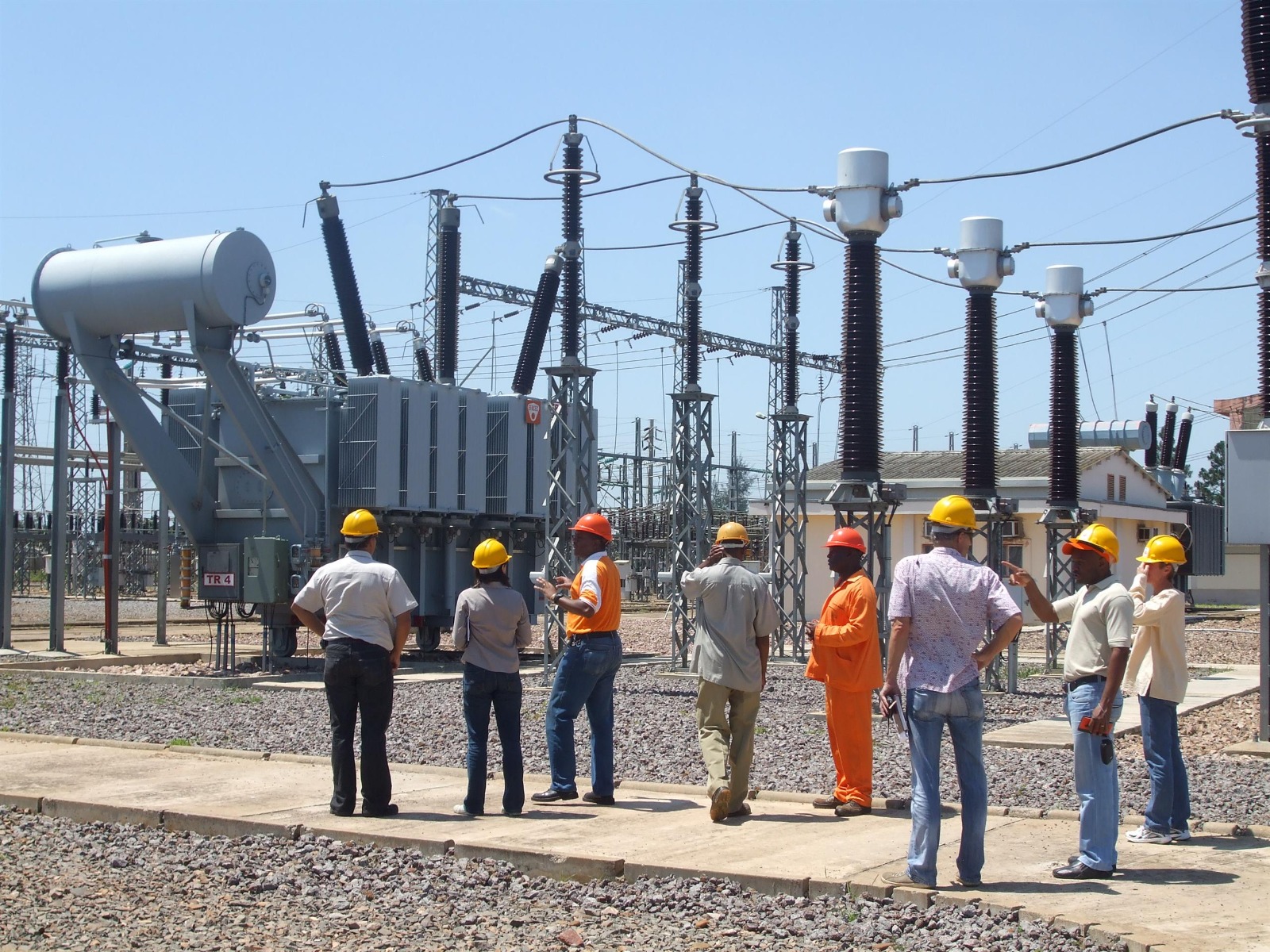
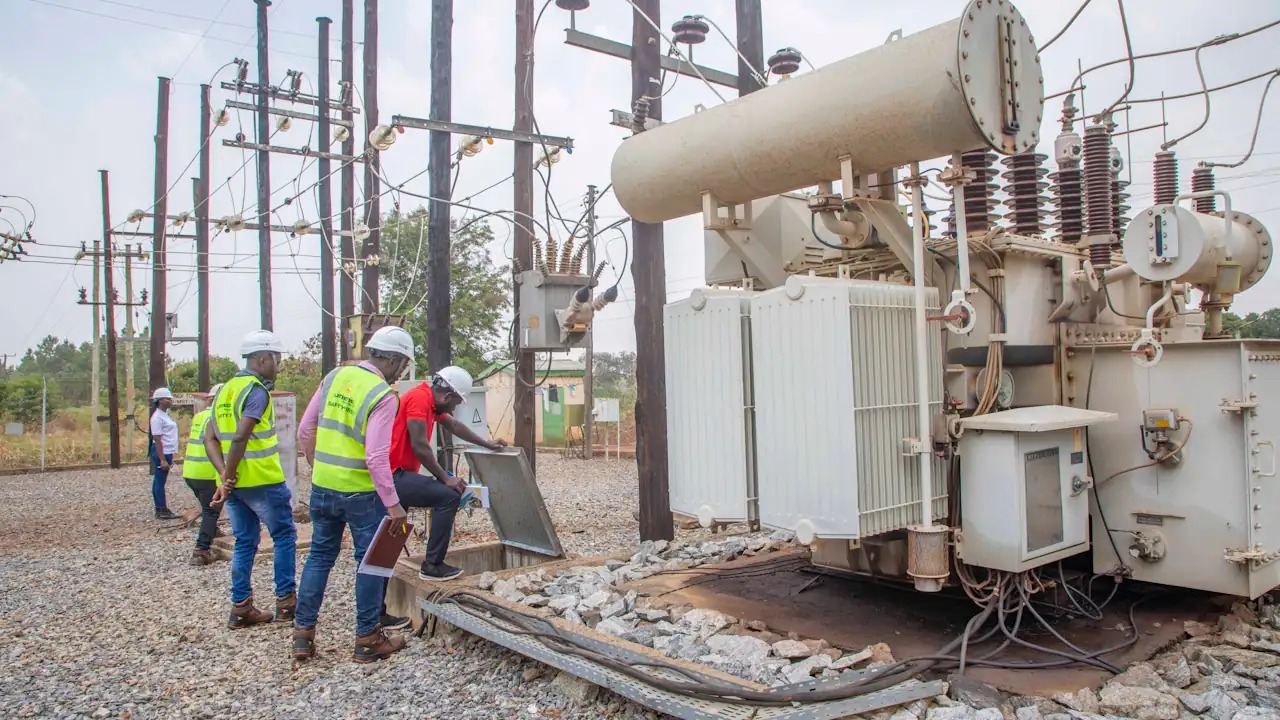
The company says it is upgrading the Kawanda Substation transformer, splitting the Seeta and Bukerere feeders, installing additional transformers and replacing overloaded equipment.
UEDCL says the Kawanda upgrade is expected to ease capacity constraints affecting the Naalya and Kyaliwajala feeders, while other projects are being implemented across the country.
The company has also linked some interruptions to vandalism.
In a previous briefing, UEDCL communications manager Stephen Illungole warned that destruction of electricity infrastructure was costing the utility billions of shillings.
“Monthly, we spend close to 3 billion monthly trying to compensate people for the losses caused by vandalism,” an official involved in the prosecution of suspected vandals said. Illungole, meanwhile, warned that electricity theft and vandalism could attract severe penalties under the Electricity Amendment Act.
Illungole, who previously served as Umeme’s public relations spokesman and is now listed among UEDCL’s management team, has consequently become one of the familiar voices explaining Uganda’s power-supply problems.
From Umeme to state control
The current crisis is particularly embarrassing for the government because the return of distribution to state control was partly sold as an opportunity to improve service delivery.
 UEDCL was created in 2001 following the break-up of Uganda Electricity Board. Its original mandate was to own and manage the country’s electricity distribution assets.
In 2005, however, the government entered into a 20-year concession arrangement under which Umeme assumed responsibility for most electricity distribution operations.
That concession expired at the end of March 2025, bringing the so-called “Big Switch” under which UEDCL assumed full responsibility for electricity distribution. The government had prepared UEDCL to take over the network and also absorbed thousands of workers from the former distributor.
The Electricity Regulatory Authority had warned during the transition that the handover would require careful preparation, while the government acknowledged that consumers could experience reliability problems during the transition.
Indeed, then Energy Minister Ruth Nankabirwa warned Ugandans in March 2025 to expect continued outages as government equipped UEDCL to assume full responsibility for distribution.
But more than a year later, consumers are increasingly asking when the transition period will end.
Leadership turmoil adds to concerns
 The public anger has also coincided with unprecedented turmoil at UEDCL’s top management.
In May 2026, Energy Minister ordered a major leadership shake-up, including the removal of board chairperson Lydia Ochieng-Obbo and the suspension of Managing Director Paul Mwesigwa pending a review of the company’s management and operations. The Independent Uganda: The upheaval did not stop there.
Seven senior managers were subsequently sent on forced leave before their contracts were terminated. They included senior figures responsible for internal audit, human resources, corporate affairs and engineering and technical services.
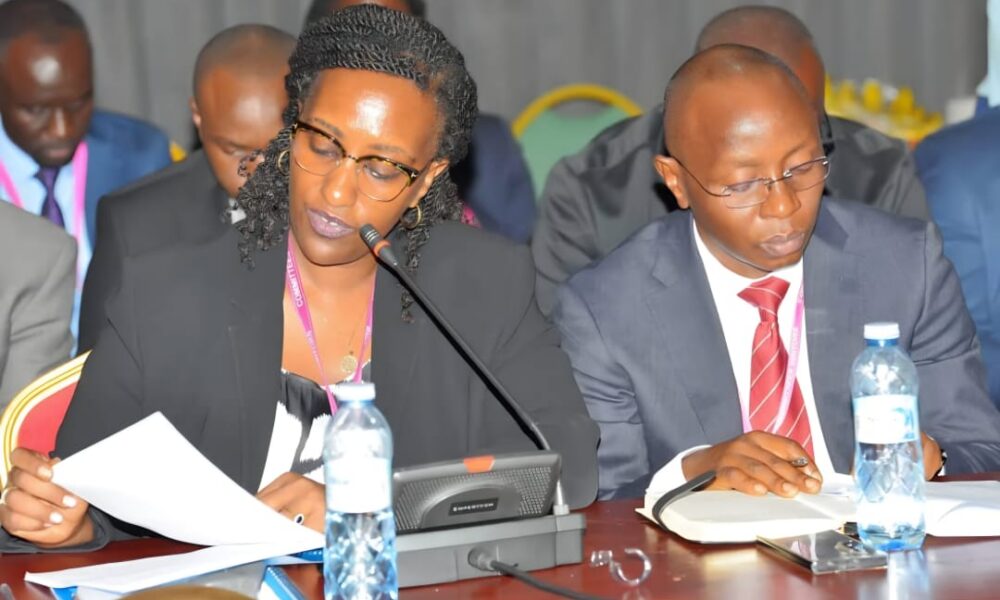
The management changes have raised questions about institutional stability at a utility responsible for keeping the country’s economic engine running. Parliament has also raised concerns about UEDCL’s financial and administrative performance.
A September audit report cited by Parliament flagged a Shs193.4 billion tax liability, a dramatic increase in trade receivables, procurement irregularities and weaknesses in asset management. The Auditor General reported trade receivables of Shs238.5 billion, about 40 times the previous year’s figure.
 The parliamentary scrutiny has therefore added a second layer to the electricity debate: whether the problem is purely technical or whether governance and management weaknesses are also contributing to poor service.
Claims of sabotage
The leadership crisis has also created fertile ground for speculation that disgruntled former officials could be undermining the new administration through deliberate sabotage or poor cooperation. Such allegations, however, remain unproven.
There is currently no public evidence establishing that suspended or dismissed UEDCL executives are deliberately switching off electricity or sabotaging the network. Any such claim would require a technical investigation, forensic evidence and clear attribution.
Nevertheless, the suspicion is likely to persist as long as consumers experience unexplained outages while the utility undergoes a prolonged management restructuring.
The government therefore faces the delicate task of separating genuine technical failures from possible negligence, vandalism, poor planning or deliberate interference.
Investment gap
One of the biggest challenges confronting UEDCL is the condition of the network it inherited.
 Recent parliamentary scrutiny found that UEDCL invested only about $1.5 million in distribution assets during its first year, compared with approximately $100 million invested by Umeme over five years. MPs have consequently questioned whether the state utility has adequate resources to maintain and modernise the network. UEDCL has responded by rolling out infrastructure upgrades.
In Greater Kampala, the company says its programme is intended to improve reliability for more than 80,000 customers. It has also identified projects involving the Magigye, Kigo and Nakasero substations and upgrades at Kireka, Busunju, Kakiri, Mubende-Kanyantoro, Jinja Industrial, Kabaale and Mbale.
But for consumers sitting in darkness tonight, long-term projects offer little comfort.
The central question now confronting UEDCL is simple: when will Ugandans begin seeing a measurable improvement in reliability?
The state utility has inherited an ageing network, rising electricity demand, vandalism and an unsettled institutional structure. But after taking full control from Umeme, the responsibility for solving those problems ultimately rests with UEDCL and the government.
 As Ugandans continue to post pictures of dark streets, businesses shut down by power cuts and frustrated households, the political promise of state-managed electricity is being tested against the daily reality of a country that still cannot reliably keep the lights on.
Author Profile

- Charles Gazza Kodili is a seasoned journalist with over 20 years of experience in the media industry. He holds a Bachelor of Arts degree in Mass Communication. He’s currently the Chief Editor at the Investigator.
Charles can also be reached via; Tel: +256 774 108978
Email: [email protected]
Latest entries
 FeaturedOctober 19, 2026‘DON’T LET LUKWAGO DIE IN CUSTODY’: Opposition Leaders And Lawyers Demand Immediate Medical Freedom For The Detained City Lawyer As Concerns Mount Over His Chronic Conditions And Access To Specialist Care
 FeaturedOctober 19, 2026ONEGI-OBEL: THE BANKER WHO HELPED BUILD UGANDA’S CAPITAL MARKETS: Geoffrey Alan Onegi-Obel, Founding Chairman Of The Uganda Securities Exchange (USE) And Former NSSF Board Chairman, Has Died In Nairobi Aged 70
 FeaturedOctober 19, 2026UEDCL UNDER FIRE AS POWER BLACKOUTS SPREAD: Massive Outages Across Kampala And Other Parts Of The Country Have Triggered Public Fury, With Consumers Accusing The State Power Distributor Of Incompetence As Questions Grow Over Its Management, Investment And Network Capacity
 FeaturedOctober 17, 2026MUHOOZI LAUNCHES ‘OPERATION KISASI’: CDF Orders A Military Crackdown On Killers, Robbers And Rapists, Promising An LRA-Style Campaign That Will Not End Until The Criminals Are “Finished”