














Cabinet has reversed plans to redevelop Kampala’s Constitution Square, popularly known as City Square, ending weeks of controversy over a proposal to turn one of the capital’s last major public open spaces into a commercial complex.
The decision means the historic site will retain its existing legal status as a protected heritage area, with government abandoning the proposed redevelopment that had envisaged a modern commercial complex featuring a hotel, shopping facilities and other amenities.
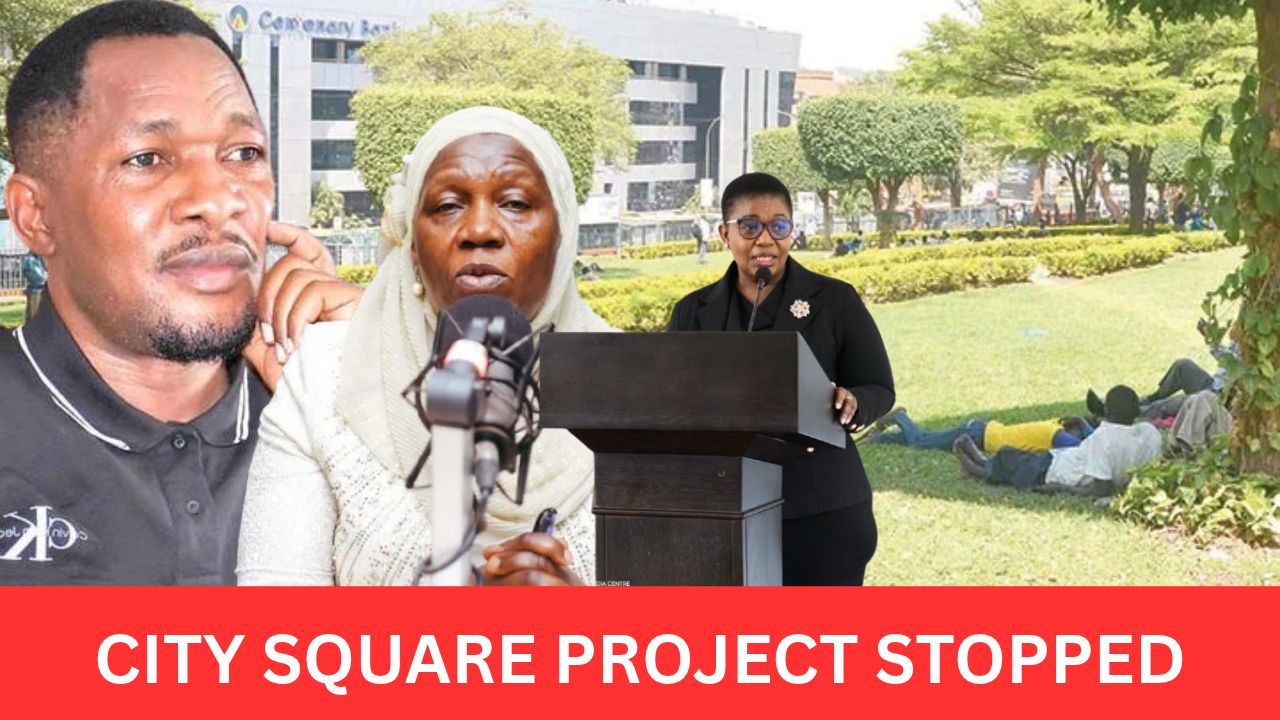
The decision was announced Tuesday by Minister of ICT and National Guidance Rt Hon Justine Kasule Lumumba during the weekly Cabinet press briefing, where she said Cabinet had considered the history, legal protection, environmental concerns and urban planning implications surrounding the site. “Cabinet has decided to reverse the proposal for the development of City Square, formally known as Constitutional Square, and retain the site’s existing legal status,” Ms Lumumba said.
She added that the decision followed consideration of “the site’s history, its legal protection, and the environmental and urban planning issues raised by the proposal.” The Cabinet resolution effectively closes the latest attempt to redevelop the prime piece of land in Kampala’s central business district, which had attracted strong political, legal and environmental opposition. Ms Lumumba said Constitution Square is a protected heritage site whose protection dates back to 2007 and is recognised under the Museums and Monuments Act, 2023, as well as a heritage protection instrument issued in 2024.
She said the protected area covers approximately 1.172 hectares comprising plots 5, 6 and 7, and includes the 1945 War Memorial, which commemorates Ugandan soldiers who died during the First and Second World Wars. “The Square and its memorial are part of our national history. Decisions about the site must respect that history and its protected status,” she said. “The public should therefore be clear: Cabinet has reversed the development proposal. Constitution Square will retain its existing legal status.”
Balimwezo welcomes decision
The Cabinet decision vindicates Kampala Lord Mayor Ronald Balimwezo, who had mounted a sustained campaign against the redevelopment proposal, arguing that the square was too important to be surrendered to commercial development. Mr Balimwezo had warned that the site serves as one of Kampala’s few remaining open spaces and plays an important environmental, recreational and emergency-response role.
He said the square should remain open rather than be converted into a commercial facility. “City Square must be left open. It is the City Square that helps us breathe. It must not be played with. That is our take,” Mr Balimwezo said during the earlier controversy. The Lord Mayor had also petitioned Attorney General Sam Mayanja to advise Cabinet against the proposal, arguing that Constitution Square was public land held in trust for Ugandans.
In his September 12 communication, Mr Balimwezo said the site had been set aside in 1903 by the colonial administration as Government Square and had subsequently acquired significant civic, historical and constitutional importance. He also cited the Kampala Capital City Authority Act and Article 237 of the Constitution in arguing that KCCA had a duty to protect the land.
“Section 11 of the KCCA Act 2010, and Article 237(2)(a) of the Constitution, this City Square is public land held in trust by KCCA for the people of Uganda. My office has a statutory duty to protect it,” he stated. Mr Balimwezo further warned that concreting the site could worsen Kampala’s environmental problems, particularly flooding and rising temperatures.
He described the square as a carbon sink, dust filter and storm-water soakaway in the heart of the city. His position received support from several political actors and civic groups who argued that Kampala was already losing public and green spaces to private development.
Kabanda’s committee
The Cabinet decision came after an inter-ministerial committee chaired by Kampala Capital City and Metropolitan Affairs Minister Hajjat Minsa Kabanda examined the redevelopment proposal. President Museveni had on August 30 directed Ms Kabanda to study a proposal submitted by businessman Hassan Bulwadda to develop about two acres of City Square into a modern, eco-friendly real estate complex.
The proposed project was to include a hotel, shopping mall and other commercial facilities, with solar power incorporated into the development. Ms Kabanda subsequently constituted a multi-agency committee to examine the proposal and provide government with advice. By October 19, the committee had completed its investigation and submitted its findings for consideration.
Ms Kabanda said the committee had considered several factors, including the historical significance of the sites, tourism potential and location. “We involved other ministries like Lands and the Solicitor General, and they have shared their thoughts with us in a report that is going to be delivered to the President,” she said. The committee’s work had followed growing questions over whether the proposed development was compatible with the square’s existing heritage status and its role as a public space.
Ms Kabanda had also maintained that the land remained under KCCA, amid competing claims concerning previous development arrangements involving the site. The committee’s assessment therefore brought together questions of land ownership, heritage protection, planning, investment and the public interest.
From development plan to Cabinet reversal
The proposal had initially gained momentum after Mr Bulwadda submitted his plan to President Museveni. In his August 30 directive, President Museveni asked Ms Kabanda to examine the proposal, consult KCCA and report back to him. The proposal was not itself a final allocation of the land to the developer. The planned development triggered immediate opposition from Kampala political leaders, environmentalists and other stakeholders.
The Leader of the Opposition in Parliament, Joel Ssenyonyi, also questioned why Parliament had not been involved in discussions concerning the future of the public space. Government initially sought to calm the controversy, saying the President had merely directed ministers to study the proposal.
But the dispute intensified when the proposed designs emerged showing a multi-storey commercial development, including retail facilities, parking, landscaped areas, fountains and solar panels. Supporters of the project argued that the redevelopment could modernise Kampala’s city centre, attract investment, create jobs and introduce a better-managed public environment.
Attorney General Sam Mayanja had also defended the redevelopment argument, saying the square had become a security concern and could be modernised while retaining green areas and the existing monument. However, opponents maintained that commercial development could permanently alter a protected heritage site and remove one of the capital’s remaining open spaces.
Heritage Status Settles the Dispute
Cabinet’s latest position now places the legal and heritage status of the square at the centre of its future. Ms Lumumba’s statement makes clear that the government is not merely suspending the proposal for further review but reversing it and retaining the existing legal status of the property. The 1945 War Memorial remains an important part of the site, giving the square significance beyond its environmental and recreational functions.
The decision also signals a shift in the government’s position after weeks in which the proposed redevelopment had appeared to gain momentum. For KCCA’s political leadership, the reversal provides relief from fears that the city could lose one of its remaining open spaces. For heritage conservationists, it preserves a site that has been part of Kampala’s civic landscape for more than a century.
And for the government, Cabinet’s resolution brings an end — at least for now — to a dispute that had brought questions of investment, public land, environmental protection and national heritage into direct conflict. The immediate consequence is that Constitution Square will remain what it has historically been: an open public space and protected heritage site in the heart of Kampala. Cabinet’s message, delivered through Ms Lumumba, was unequivocal: the proposed commercial redevelopment is off the table, and the square’s existing legal protection will remain in force.
Author Profile

- Mr. Jacko David Waluluka is another unique entertainment and general investigative news writer, a field he has diligently covered for over fifteen years. He’s also the Chief Administrator at The Investigator. He can easily be reached via [email protected]
Latest entries
 FeaturedOctober 27, 2026THE NEW ERA OF DSTV STARTS NOW: DStv Unveils New Package Line-Up As Multichoice Promises More Channels, Affordable Sports And Greater Value For Ugandan Subscribers From November 5
 FeaturedOctober 27, 2026WHY CABINET STOPPED CITY SQUARE PLAN: Sense Into Executive`s Reversal of The Proposed Commercial Redevelopment Of the Constitution Square. Preserving The Historic Kampala Landmark As a Protected Heritage Site is Key
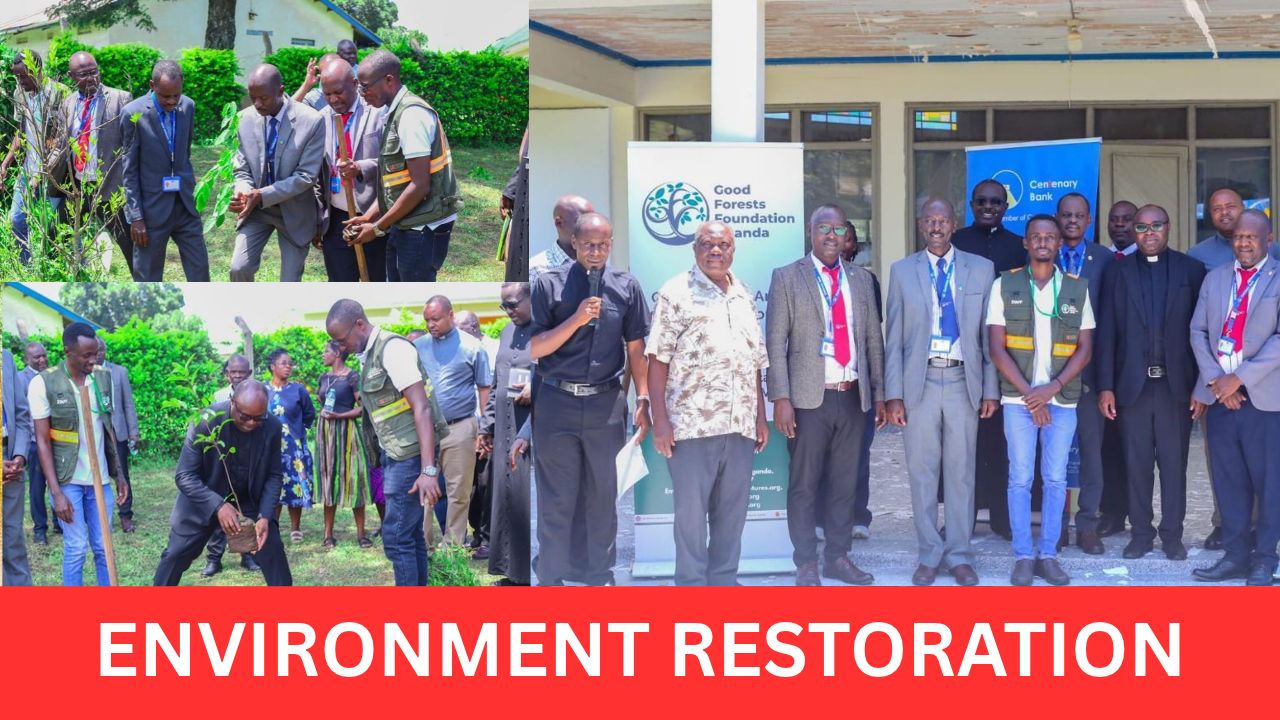 BusinessOctober 22, 2026CENTENARY BANK, CHURCH JOIN TREE-PLANTING DRIVE: Centenary Bank, Kabale Diocese and Good Forests Foundation Uganda Have Partnered To Plant 12,000 Trees In Kanungu As Part Of A Five-Year Campaign To Establish 500,000 Trees Across Catholic Dioceses
 EnvironmentOctober 19, 2026GOVT TO TRACK MUSIC USE: Government Will Deploy A Digital System By December 2026 To Monitor Music Played In Bars, On Radio, TV And Other Public Spaces And Help Artists Claim Royalties