




















After sinking billions of taxpayers’ money into businessman Mathias Magoola’s ambitious pharmaceutical empire, the government is now facing uncomfortable questions following the advertisement of several properties belonging to his business interests for sale over outstanding debts.
Magoola, once presented as one of Uganda’s promising industrialists whose investments would revolutionise pharmaceutical manufacturing, is racing against time to save his multibillion-shilling business empire after a financial institution instructed property managers and auctioneers to advertise some of his commercial and residential properties for sale.
 A notice published in the state-owned New Visionnewspaper by Jald Uganda, a debt collection, collateral management and auctioneering firm, has thrown the spotlight on the financial troubles surrounding Dei BioPharma and its associated businesses.
The notice, titled Notice of Intended Sale by Public Auction/Private Treaty, indicates that the properties are being advertised following instructions from a financial institution over outstanding loan balances, interest, fees and other disbursements.
It warns Dei Industries International Limited, Dei Natural Products International Limited and their guarantors that the properties will be sold unless the outstanding obligations are settled before the sale.
The development has reignited public debate about what critics have increasingly described as the #DEIPharmaHeist, questioning how a private businessman whose pharmaceutical ambitions attracted hundreds of billions of shillings in government support could end up facing the prospect of losing his commercial empire to creditors.
At the centre of the controversy is the government’s financial commitment to Magoola’s pharmaceutical project, which was repeatedly promoted as a strategic investment that would reduce Uganda’s dependence on imported medicines, create jobs and position the country as a pharmaceutical manufacturing hub.
But with the advertised properties now potentially changing hands, questions are being raised about the due diligence undertaken before public resources were committed, the terms under which the money was extended and whether taxpayers will ever recover their investment.
 The empire under threat
The auction notice paints a picture of an extensive property portfolio stretching across Kampala, Wakiso and other parts of the country.
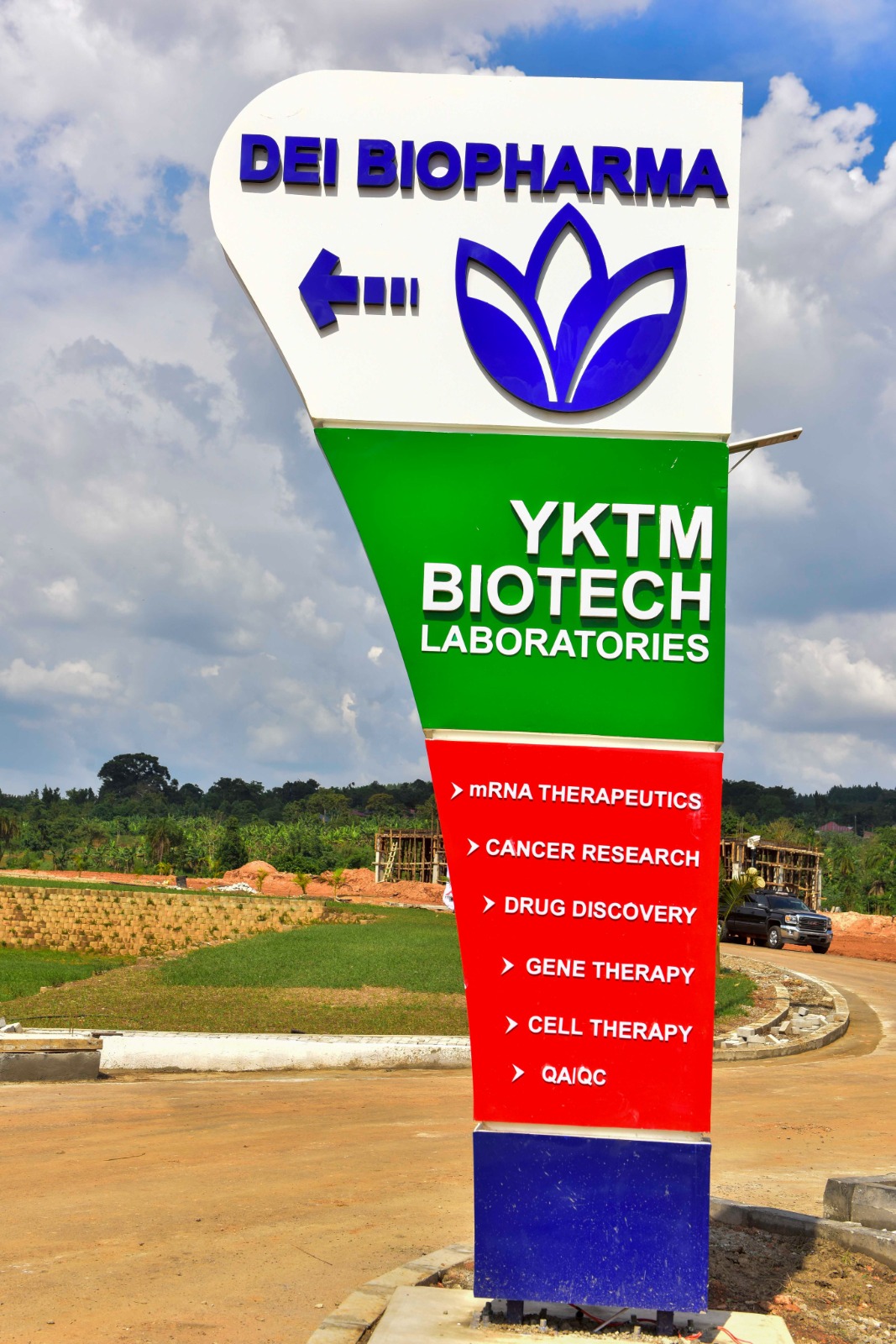
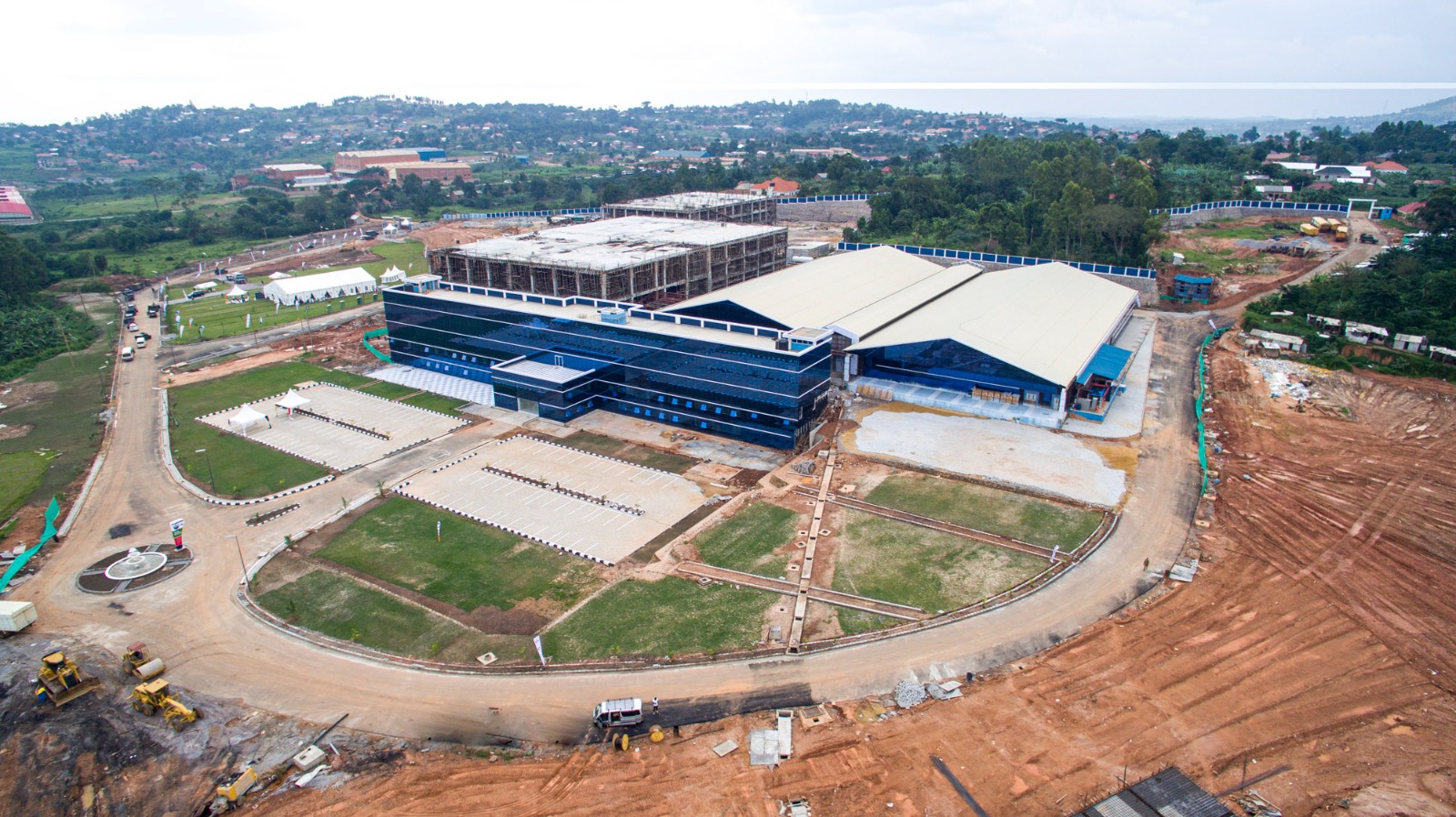
Among the properties listed is an industrial establishment belonging to Dei Industries International Limited and Dei Natural Products International Limited at Matugga, in Kyadondo Block 82, covering approximately 20.673 acres.
The property is associated with the pharmaceutical and manufacturing ambitions that made Magoola a prominent beneficiary of government industrialisation support.
Other properties advertised include land and developments in Kyamuli-Kungu, Luzira, Katwe, Kamuli, Muyenga, Kitende, Seguku and Kisugu.
The notice identifies a fully integrated and operational wheat milling plant along Sixth Link Road in Luzira, Kampala, among the properties belonging to Dei Industries International Limited.
The Luzira industrial property includes several plots, while another property in Katwe, identified under Kibuga Block 6, Plot 491, is described as commercial property.
In Kamuli, the advertisement lists a commercial property belonging to Dei Industries International Limited, located at Plot 491, Kibuga Block 6, Katwe being separately identified from the other properties, alongside the industrial investments associated with the Dei business interests.
The portfolio also includes residential and commercial developments. A property in Muyenga-Kisugu, registered in the name of Mathias Magoola, is described as a residential establishment covering approximately 0.247 acres.
In Kitende, Busiro Block 383, plots 5641 and 5642, covering approximately 0.457 acres, are identified as a hospital property registered in the name of Dei Industries International Limited.
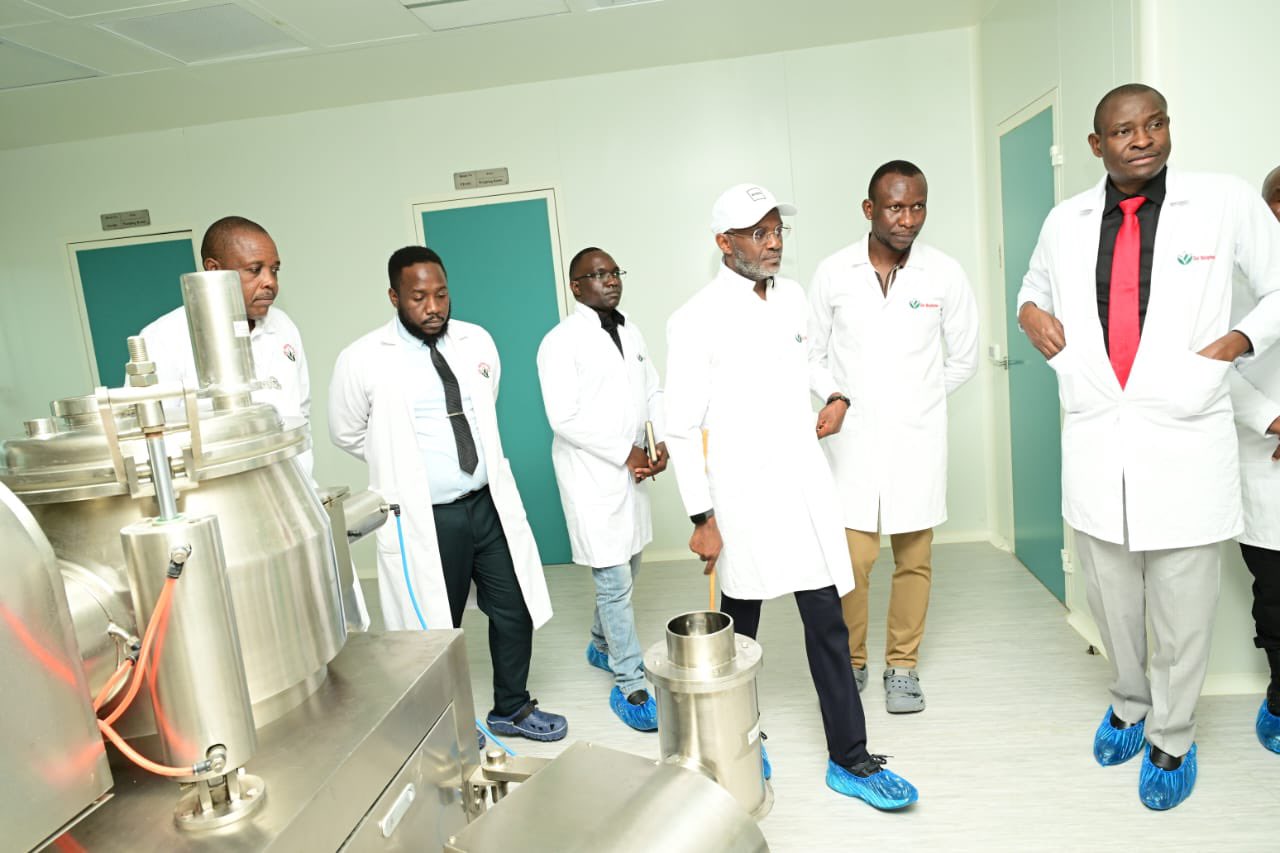 Another property belonging to Rutungu Investments in Seguku, Kyadondo Block 266, Plot 149, is described as commercial property covering approximately 0.10 acres.
The advertisement also features several multistorey commercial buildings, industrial facilities, residential establishments and developments associated with Magoola’s business interests.
The breadth of the properties listed raises questions about the extent of the financial exposure and the scale of assets now potentially at risk.
According to the notice, the sale is scheduled for 30 days after the advertisement, with the auction or private treaty process to be conducted at the auctioneer’s offices.
Prospective buyers are invited to inspect the properties upon arrangements with the management, while occupants are required to vacate within 14 days to enable buyers to inspect the premises.
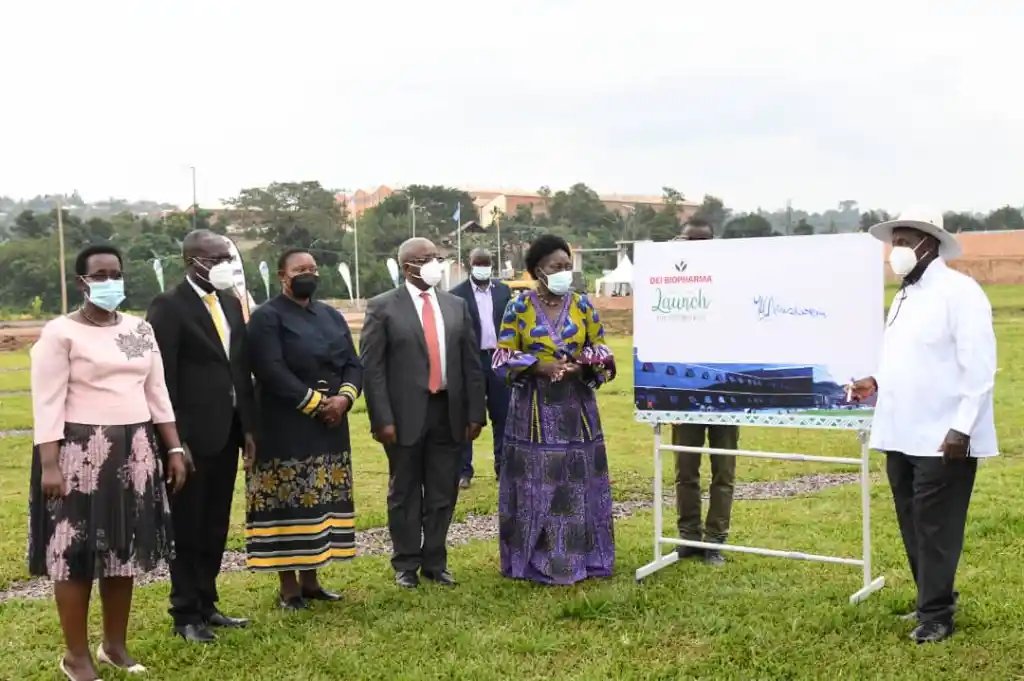 The terms of sale are cash, bank draft or real-time gross settlement (RTGS). The notice is particularly significant because it places several assets associated with the wider Dei business empire in the spotlight, including industrial properties that were supposed to underpin Magoola’s manufacturing ambitions.
UGX720 billion question
The biggest controversy, however, is not simply that a businessman is facing difficulties servicing loans.
It is the amount of public money that critics say the Museveni government has committed to Magoola’s pharmaceutical ambitions.
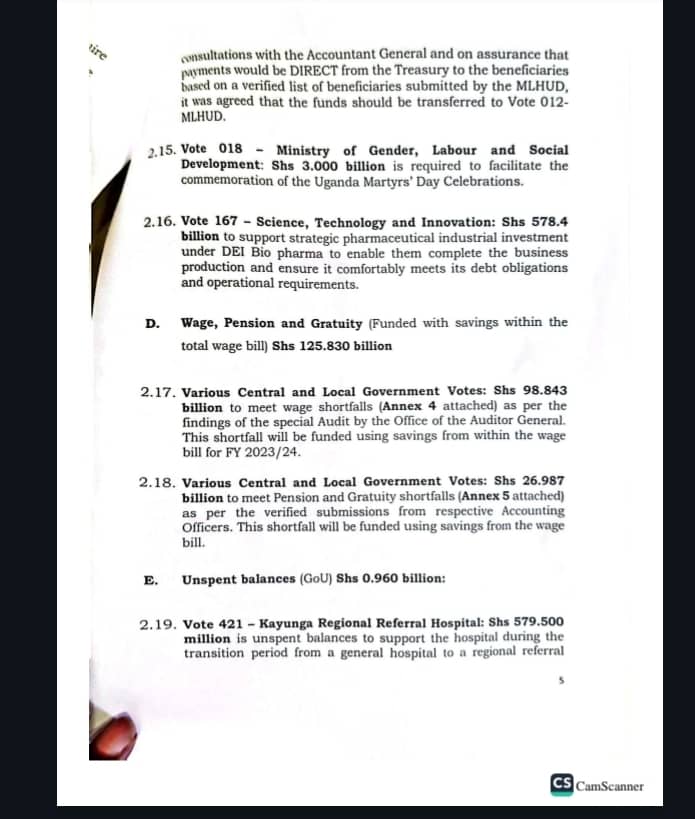
Figures circulating among critics of the project put government support to Dei BioPharma at approximately UGX720 billion, although the full breakdown of the disbursements, their financing terms and the outstanding balances requires official clarification.
The amount has triggered questions about whether the government conducted adequate financial and technical assessments before committing such enormous resources to a private enterprise.
Critics argue that the money could have delivered transformative public infrastructure if directed towards education, healthcare and other essential services.
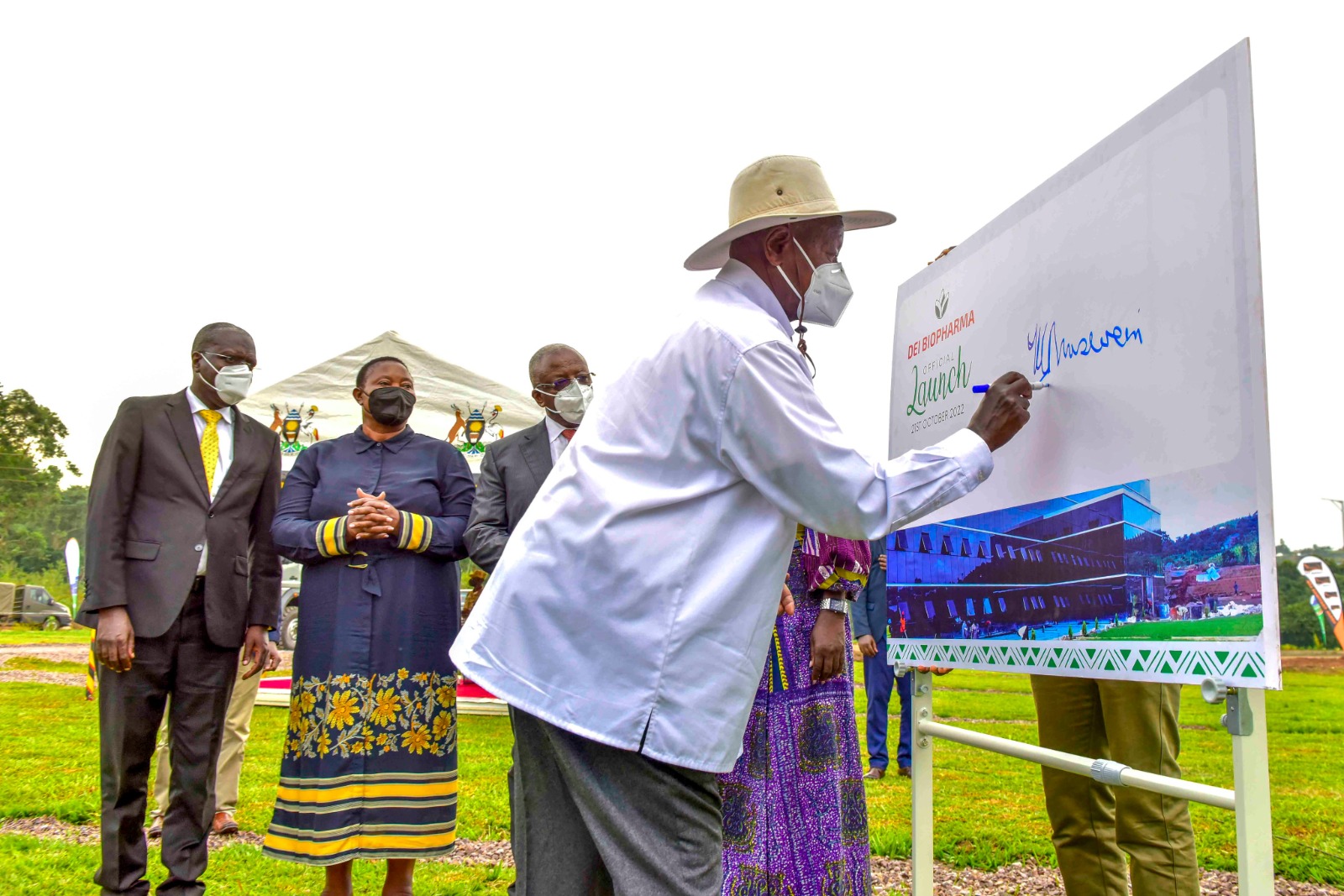 To illustrate the scale of the alleged government commitment, one critic compared the UGX720 billion figure with the cost of constructing classroom blocks.
Using an upper estimate of UGX100 million per classroom block, the money would finance approximately 7,200 blocks.
That would translate into nearly 50 classroom blocks for each of Uganda’s 145 districts and cities. Using a lower estimated construction cost of UGX42 million, the same amount could finance approximately 17,142 classroom blocks, or about 118 per district and city.
The comparison is particularly painful in a country where thousands of pupils continue studying under trees, in overcrowded classrooms and in buildings that require urgent rehabilitation.
The same money, critics argue, could have strengthened the country’s struggling health sector. Using an estimated UGX370 million as the cost of an ambulance, UGX720 billion would purchase approximately 1,945 ambulances, translating into about 13 ambulances for each district and city.
Another comparison involves government-sponsored university students. At an estimated annual allocation of UGX760,000 per student, the money could support approximately 947,368 student-years.
Even if the government provided 6,000 Makerere University government-sponsored students with UGX1 million each for two semesters annually, the UGX720 billion would theoretically sustain that arrangement for 60 years.
These comparisons have become central to the public outrage, with critics questioning why the government would commit such vast resources to one businessman when public institutions continue struggling to finance basic services.
The taxpayer-funded gamble
Magoola’s rise as an industrialist was closely associated with the government’s push to promote local pharmaceutical manufacturing.
The Dei BioPharma project was presented as a major investment that would enable Uganda to manufacture essential medicines locally, reduce import dependence and create opportunities for skilled employment.
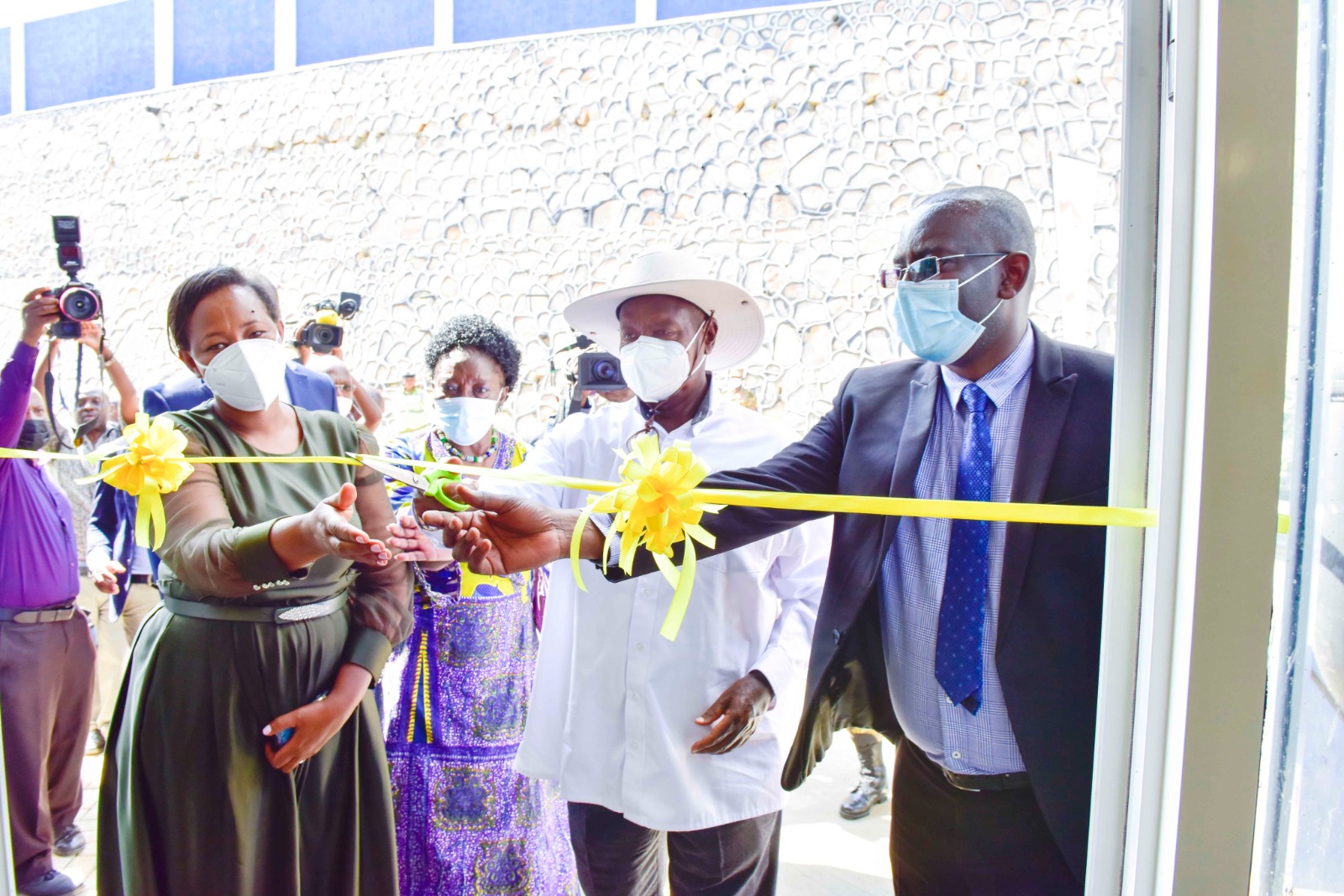 The government repeatedly positioned the enterprise as an example of the private sector’s role in driving industrial transformation.
The project was also expected to establish Uganda as an important pharmaceutical manufacturing centre in the region. However, the current developments have raised questions about whether the government’s enthusiasm was matched by adequate safeguards to protect public money. What financial projections informed the decision to extend such substantial support?
What independent assessments were conducted to establish the commercial viability of the project? Were the promoters required to demonstrate sufficient equity contributions, credible cash-flow projections and the capacity to service debts?
And what mechanisms were put in place to protect the government’s financial exposure in the event that the business encountered difficulties? These are questions that the Ministry of Finance, the Ministry of Science, Technology and Innovation, the relevant government financing institutions and the Dei management need to address.
The auction notice also raises a separate but equally important question about the relationship between the government’s financial support and the commercial loans secured against the properties.
If the government injected hundreds of billions of shillings into the enterprise, why are the companies now facing enforcement action over outstanding credit obligations?
Were the public funds disbursed as grants, equity, loans or a combination of financing arrangements?
How much has been repaid, and what remains outstanding? Without a comprehensive public accounting, Ugandans cannot establish the precise extent of the potential loss.
Equity Bank’s uncomfortable questions
The advertisement has also turned attention towards the financial institution behind the recovery process.
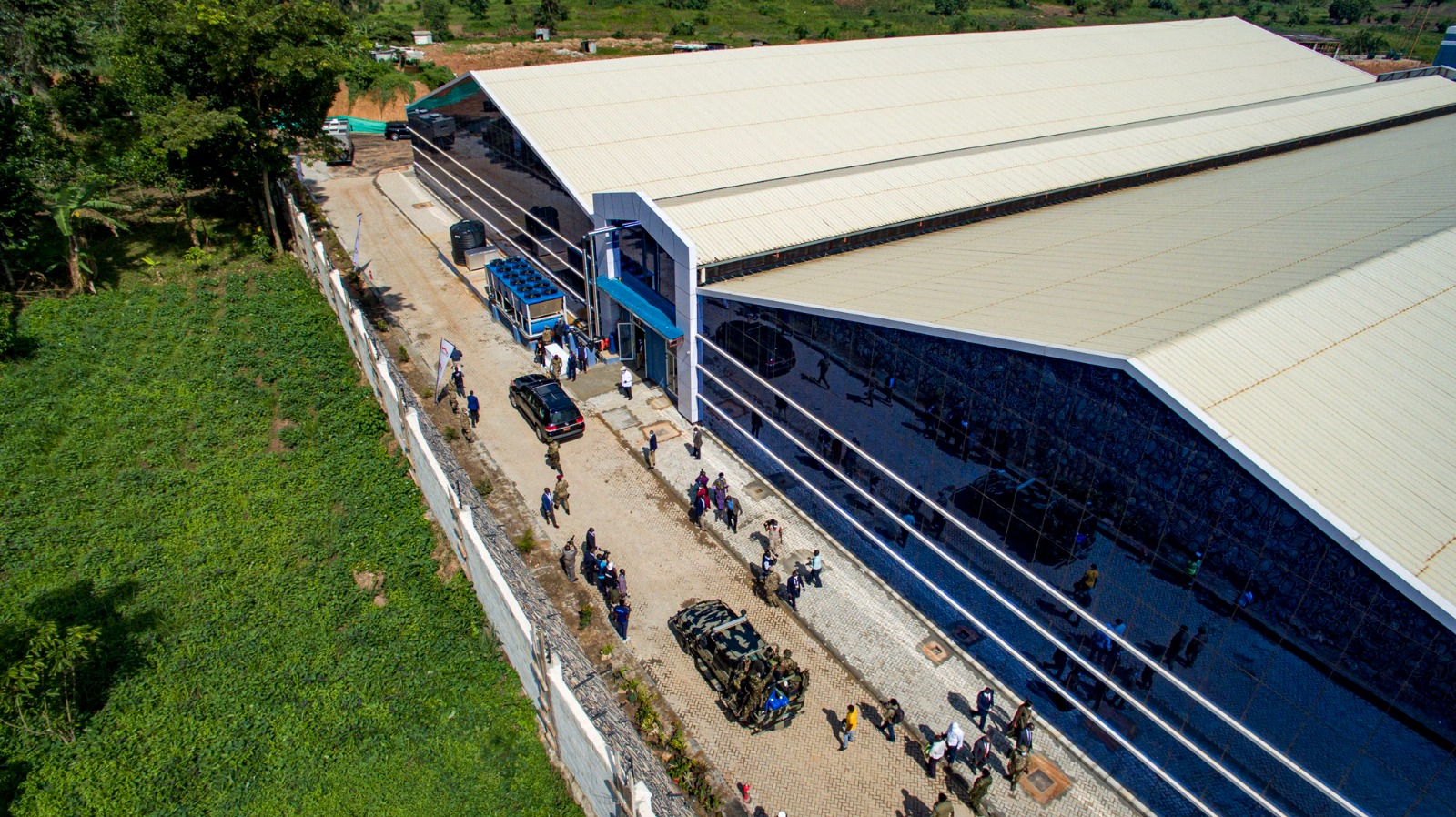 The notice itself describes the creditor as a financial institution without expressly naming it. However, the controversy has been associated with Equity Bank, raising questions about its lending relationship with Magoola’s businesses and the due diligence undertaken before extending credit.
For a financial institution, lending against industrial and commercial property requires an assessment of the borrower’s financial position, repayment capacity, security and the viability of the underlying business.
The emergence of an auction notice involving several properties associated with the Dei empire raises questions about whether the lender adequately assessed the risks and what developments led to the current recovery process.
One social media commentator suggested that Equity Bank could be regretting its decision not to undertake sufficient due diligence on the businessman.
The commentator added that the matter could drag on for several more years, particularly if the borrower challenges the recovery process or seeks alternative arrangements.
Nevertheless, the auction notice does not, by itself, establish that the properties have already been sold or that Dei BioPharma has collapsed. It indicates an intended sale unless the outstanding obligations are settled.
Social media erupts
The publication of the notice has triggered mixed reactions among Ugandans on X, with critics reviving the #DEIPharmaHeist campaign.
Some have questioned the government’s priorities, while others have demanded accountability from officials who supported the project.
One commentator, posting under the account Artful Doja (@ArtfulDoja7), questioned the financial assessments that informed the government’s decision to invest heavily in the enterprise.
 “So what exactly did gov’t base on to sink in the billions? Which analysts and what were the reports about the going concern?” the commentator asked.
The post continued: “Oh! Just remembered that all those don’t matter in a kakistocracy.”
The commentator also suggested that Equity Bank could be regretting its decision to extend credit without sufficient due diligence, adding that the matter could drag on for several more years.
Another critic argued that the government had committed at least UGX720 billion to the project, money that could otherwise have addressed Uganda’s classroom shortage, ambulance deficit and university financing challenges.
The critics say the government cannot continue presenting the project as a symbol of industrial progress without explaining what happened to the resources committed to it.
The #DEIPharmaHeist campaign has therefore evolved beyond a dispute involving a private business and its creditors.
It has become a wider debate about public accountability, government investment decisions and the risks associated with using taxpayers’ money to support privately controlled enterprises.
Where is the accountability?
The most troubling aspect of the controversy is the apparent disconnect between the enormous public resources reportedly committed to the project and the financial difficulties now facing businesses associated with the pharmaceutical empire.
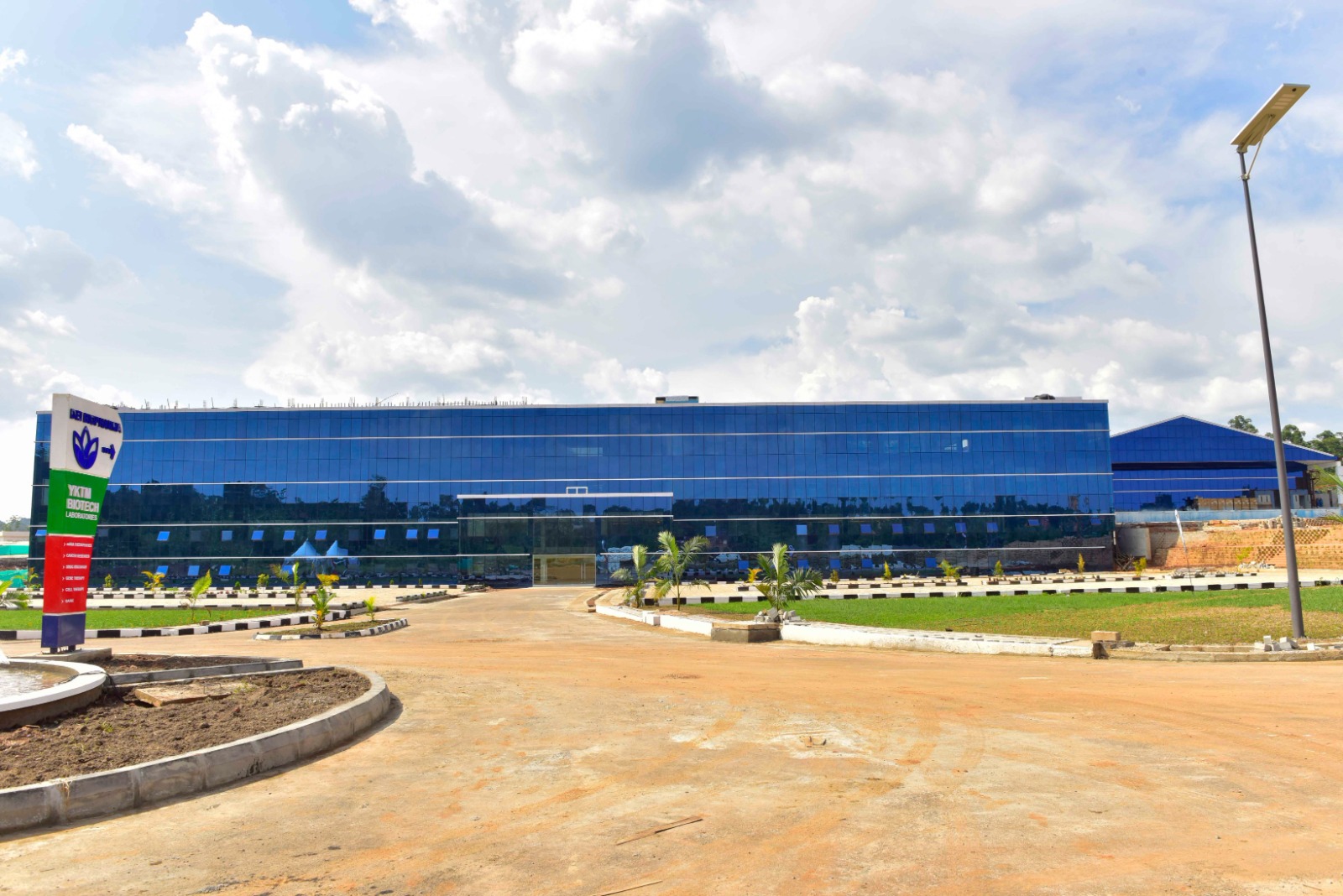 If the original objective was to establish a sustainable pharmaceutical manufacturing industry, the government must explain whether that objective was achieved, how much production was realised, how many jobs were created and what remains operational.
It must also clarify whether the companies have been meeting their tax obligations, paying workers and honouring their financial commitments.
The concerns about staff payments are particularly important because industrial projects are not merely about buildings, machinery and investment figures. They also involve workers whose livelihoods depend on the sustainability of the enterprise.
If employees are not being paid while the companies struggle to meet their financial obligations, the consequences extend beyond the businessman and his creditors.
There are also questions about the fate of government money if the assets are eventually sold and the proceeds go towards settling secured debts.
Will the government recover its investment?
Were government funds secured against any of the properties now advertised? Do taxpayers rank among the creditors, or will commercial lenders and other secured creditors take priority?
These questions cannot be answered by the auction notice alone, but they underscore the need for a transparent financial audit.
 Magoola under pressure
For Magoola, the latest development represents a major test of his business ambitions. The businessman was once celebrated as a young Ugandan entrepreneur capable of transforming the country’s pharmaceutical industry through local manufacturing.
His Dei empire was expected to demonstrate that Uganda could move beyond importing medicines and develop the capacity to produce pharmaceutical products for the domestic and regional markets.
But the advertisement of properties associated with his business interests has placed that narrative under intense scrutiny.
The auction process could still be halted if the outstanding obligations are settled or an acceptable arrangement is reached with the creditor.
However, the notice has already exposed the financial pressure confronting the business interests associated with the entrepreneur.
 For the government, the controversy presents an even bigger challenge: explaining to Ugandans why such enormous resources were committed to one private industrial project and what safeguards exist to prevent taxpayers from bearing the consequences of its financial difficulties.
Ugandans are entitled to know whether the money was invested prudently, whether the intended industrial benefits materialised and who will ultimately take responsibility if the investment fails.
The Dei story should not end with an auction notice in the New Vision. It must trigger a comprehensive examination of the financing arrangements, government approvals, disbursements, project performance and outstanding obligations.
After all, if the reported UGX720 billion public investment is accurate, this is not simply about Mathias Magoola losing his properties.
It is about the possibility of taxpayers losing hundreds of billions of shillings in a project that was sold to them as a revolutionary pharmaceutical breakthrough.
The question now is no longer simply whether Magoola can save his empire. It is whether Ugandans can ever recover the money they were promised would transform their pharmaceutical industry
Author Profile

- Charles Gazza Kodili is a seasoned journalist with over 20 years of experience in the media industry. He holds a Bachelor of Arts degree in Mass Communication. He’s currently the Chief Editor at the Investigator.
Charles can also be reached via; Tel: +256 774 108978
Email: [email protected]
Latest entries
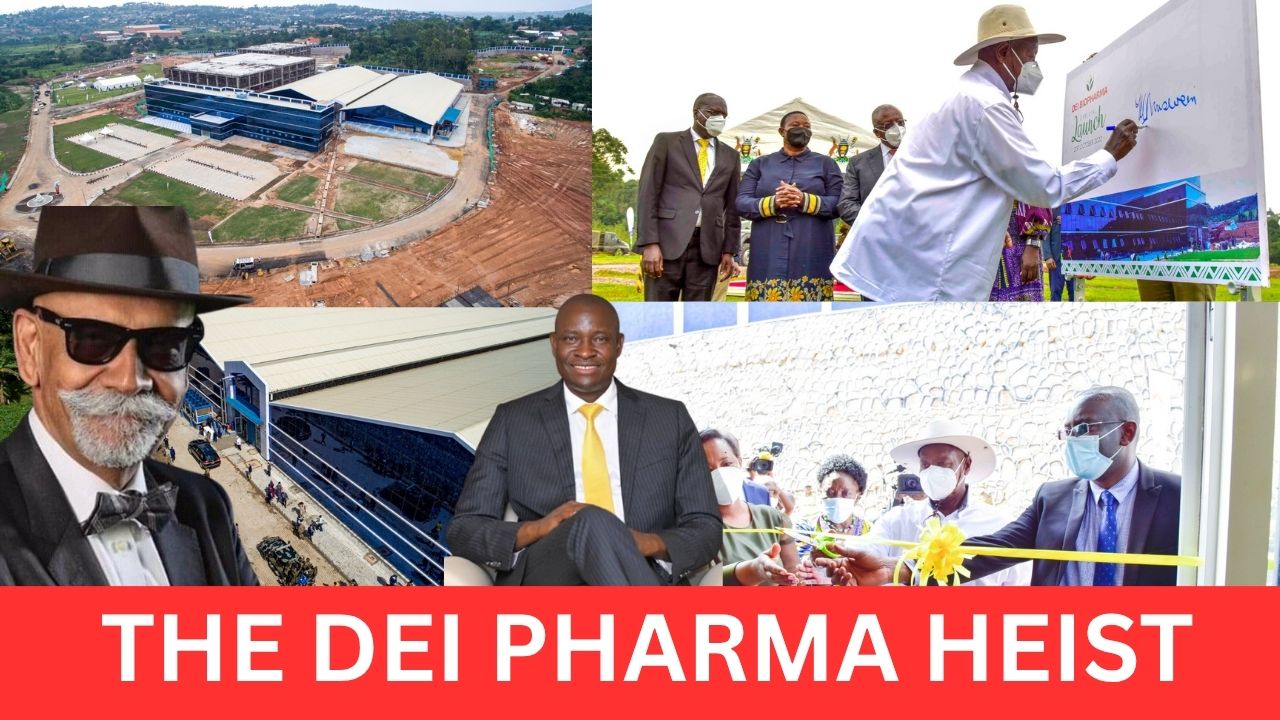 FeaturedNovember 5, 2026TAXPAYERS’ MONEY DOWN THE DRAIN? Uganda Could Lose Hundreds Of Billions Of Shillings Invested In Mathias Magoola’s Pharmaceutical Empire As Advertised Property Auctions Expose The Financial Troubles Surrounding His Business Interests
 FeaturedNovember 4, 2026INSIDE THE NRM POWER STRUGGLE: Why Museveni’s Boys Dr Omona And Ofwono Opondo Have Turned Their Guns on Muhoozi’s Diehards Balaam and Kabanda Following Gen Elwelu’s Arrest
 BusinessNovember 4, 2026INSIDE CENTENARY BANK’S MISSION TO BUILD UGANDA’S CYBERSECURITY TALENT: From 26 Competing Teams To Four Finalists, The Inaugural University Hackathon Puts Young Innovators In The Spotlight As The Bank Strengthens Digital Security Awareness
 FeaturedNovember 3, 2026THE PURGE OF MUSEVENI’S BLUE-EYED BOYS! IS THE PRESIDENT UNDER SIEGE? From Gen Peter Elwelu’s Arrest To The Troubles Of Namyalo, Opondo, Kandiho And Odrek Rwabwogo, Museveni’s Traditional Loyalists Are Increasingly Finding Themselves On The Firing Line Of Muhoozi’s Political Establishment