


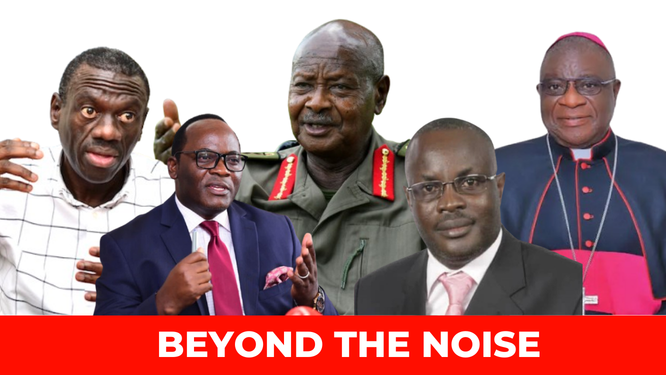

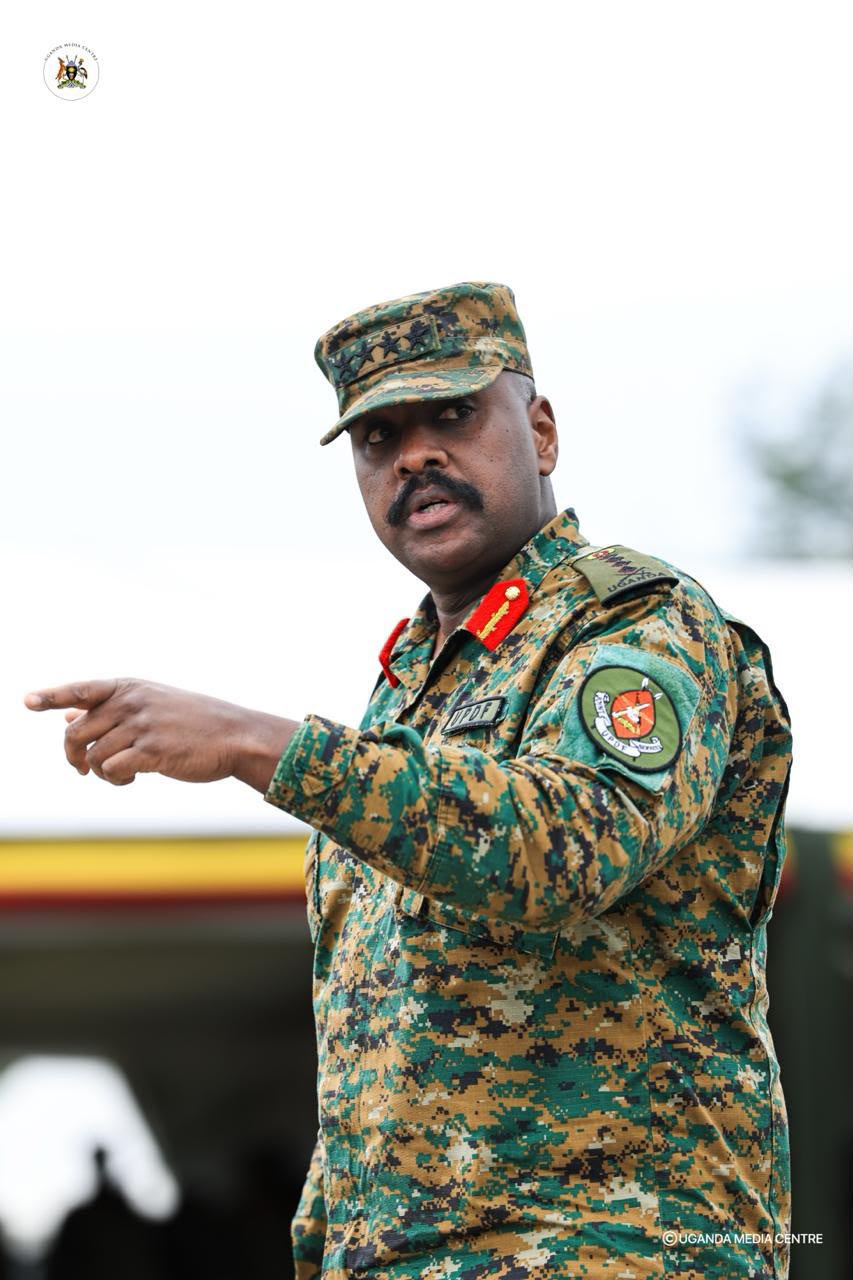
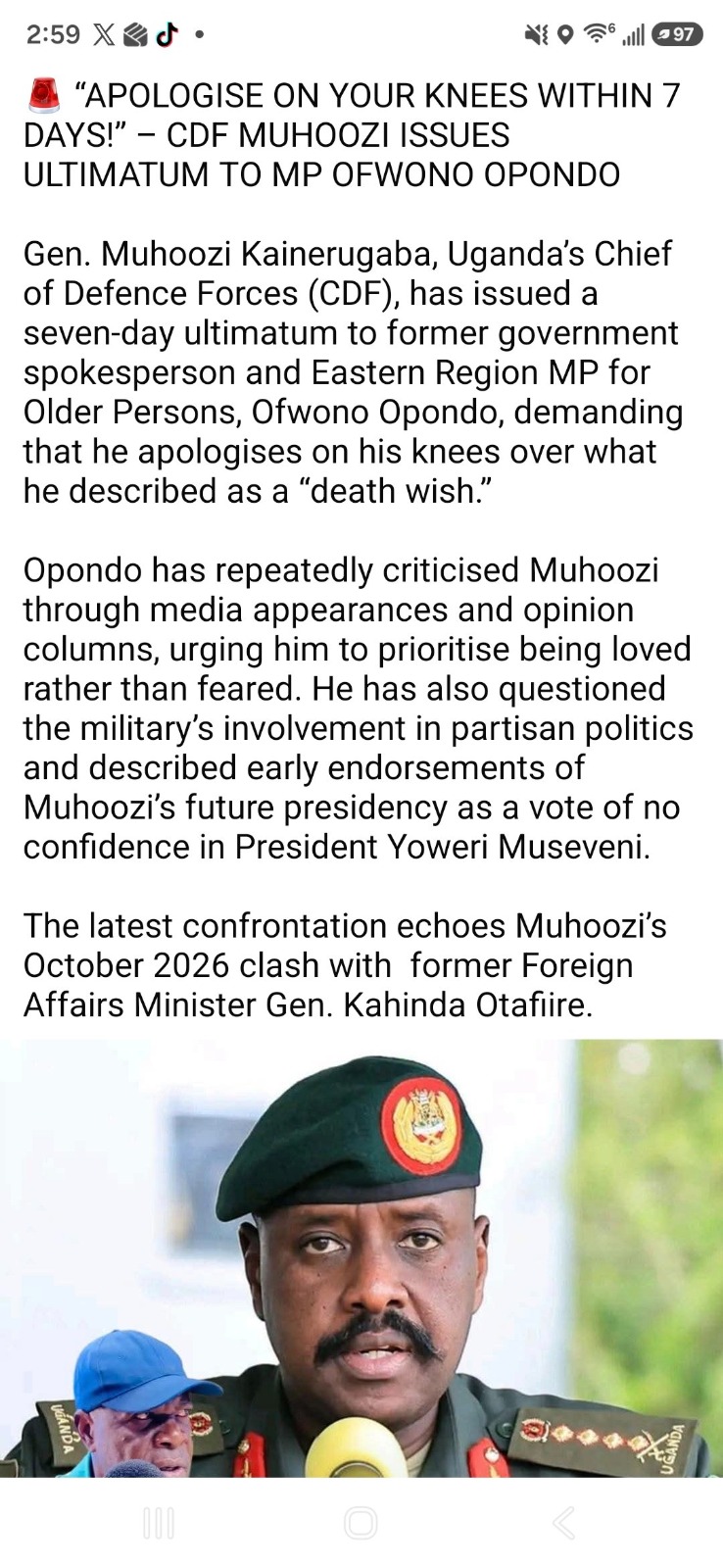
The increasingly public confrontation between Chief of Defence Forces (CDF) Gen Muhoozi Kainerugaba and some of President Museveni’s longest-serving political allies has taken another dramatic turn after the army chief issued a seven-day ultimatum to former Government spokesperson Ofwono Opondo, demanding that he apologise on his knees.
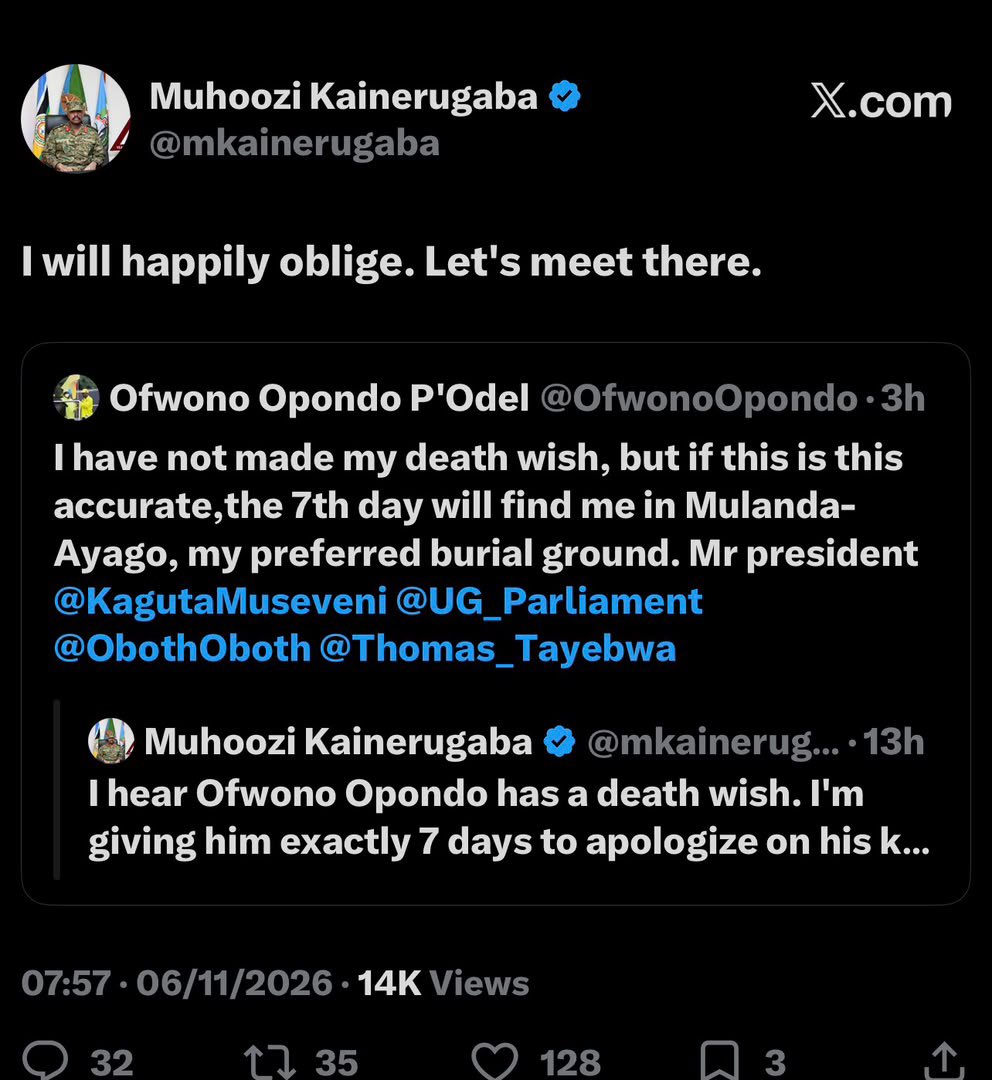
In a development that has exposed growing tensions within the ruling establishment, Gen Muhoozi took to X, formerly Twitter, to announce that Opondo had exactly seven days to apologise to him, following what the CDF described as a reported death wish by the veteran government spokesperson.
“I hear Ofwono Opondo has a death wish. I’m giving him exactly 7 days to apologize on his knees to me,” Muhoozi posted.
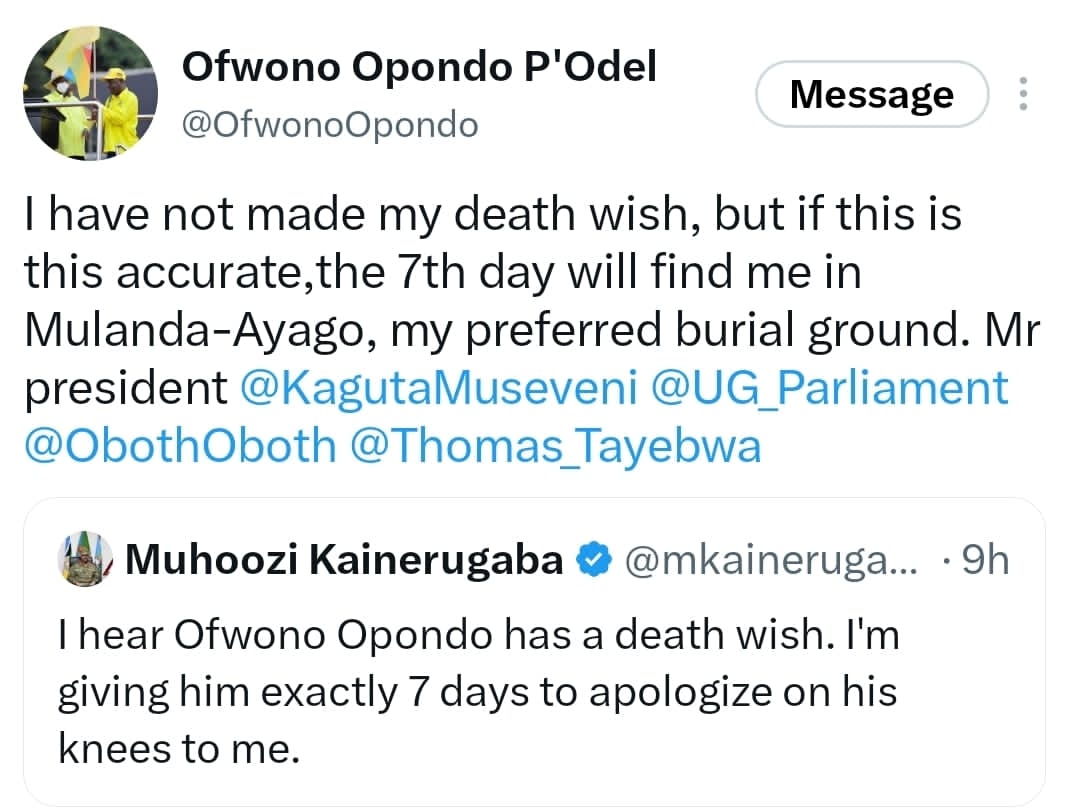
But rather than retreat, apologise or seek accommodation, Opondo responded with characteristic political sarcasm, appearing to turn the CDF’s ultimatum into an opportunity to publicly challenge the authority and implications of his demand.
“I have not made my death wish, but if this is accurate, the 7th day will find me in Mulanda-Ayago, my preferred burial ground,” Opondo wrote.
 He tagged President Museveni, Parliament, Defence Minister Jacob Oboth-Oboth and Speaker of Parliament Thomas Tayebwa, effectively bringing the confrontation to the attention of the country’s highest political and institutional offices.
The exchange has generated intense debate about the relationship between the military establishment, the political leadership and the individuals who have spent decades defending President Museveni and the National Resistance Movement (NRM).
More significantly, it has placed Opondo alongside a growing list of senior government figures who have publicly refused to bow to Gen Muhoozi’s demands or political pronouncements.
Among them are Maj Gen (Rtd) Kahinda Otafiire, the Minister of Water and Environment, and Dr Chris Baryomunsi, the Minister of Health, both longstanding associates of President Museveni.
The emerging picture is that the CDF’s increasingly assertive public interventions are encountering resistance from some of the very political veterans whose loyalty, political mobilisation and institutional experience helped sustain the Museveni presidency for decades.
The Man Who Has Stood With Museveni Through Thick And Thin
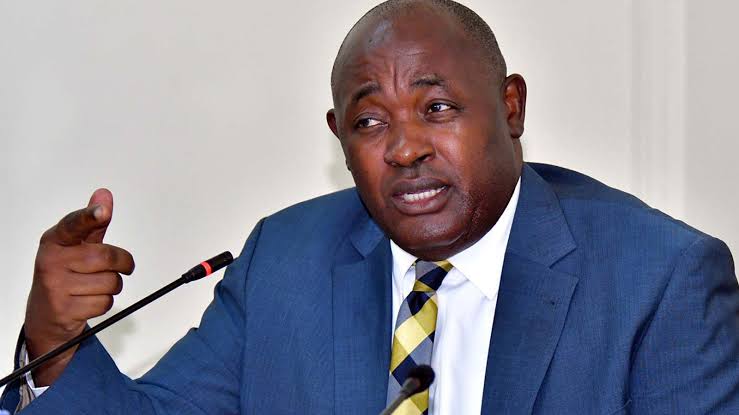
Opondo is not an ordinary government spokesperson who can be dismissed as an outsider seeking political relevance.
He is one of the most recognisable political communicators within the NRM establishment and has spent decades defending President Museveni, his government and the ruling party through some of the country’s most politically turbulent moments.
His relationship with Museveni is rooted in the political struggles, ideological battles and communication machinery that have sustained the NRM government.
As a journalist-turned-government communicator, Opondo became one of the administration’s most outspoken defenders, frequently confronting opposition politicians, critics, activists and sections of the media over their interpretation of government policies and political developments.
He has served as Executive Director of the Uganda Media Centre and Government spokesperson, positions that placed him at the centre of the government’s communication architecture.
 His political value to Museveni has not necessarily been measured by his ability to win elections but by his willingness to defend the President’s decisions, explain controversial government positions and confront critics without appearing intimidated.
For years, Opondo has been among the voices deployed to defend the NRM’s political record, particularly during periods when the government faced criticism over elections, governance, security and the conduct of public institutions.
His political identity is therefore closely associated with Museveni’s administration. That is what makes his confrontation with the President’s son particularly significant.
Unlike opposition politicians who have routinely challenged Muhoozi’s political ambitions, Opondo belongs to the establishment that has helped keep Museveni in power.
He is part of the political generation that understands the structures, alliances and institutional arrangements through which the President has maintained his leadership.
His apparent refusal to kneel before the CDF raises a fundamental question: can individuals who have spent decades defending Museveni be expected to surrender their political dignity to a younger generation simply because of its proximity to State House?
Muhoozi’s Seven-Day Deadline
The CDF’s ultimatum has attracted attention because of the language used and the position he occupies within Uganda’s security establishment.
As Chief of Defence Forces, Muhoozi is the country’s highest-ranking serving military officer and exercises considerable influence within the UPDF command structure.
His public demand that a civilian government spokesperson apologise on his knees has therefore raised questions about the boundaries between military authority, political influence and civilian public service.
The demand was not framed as an ordinary disagreement or a request for clarification. It was an ultimatum, complete with a deadline and an explicit demand for public submission.
 Opondo’s response, meanwhile, was crafted around the language of death, burial and his ancestral home in Mulanda-Ayago.
By tagging Museveni and the leadership of Parliament, he appears to invite the country’s political establishment to take notice of the extraordinary nature of the confrontation.
His reference to his preferred burial ground was widely interpreted by supporters as a sarcastic declaration that he would rather stand by his position than submit to humiliation.
It is important to distinguish Opondo’s statement from an actual declaration of suicidal intent. His words were presented as a satirical response to the CDF’s reference to a death wish.
Nevertheless, the exchange has generated anxiety because it involves a serving military commander publicly setting an ultimatum against a senior civilian official.
Otaffire, The Historical Who Has Also Said No
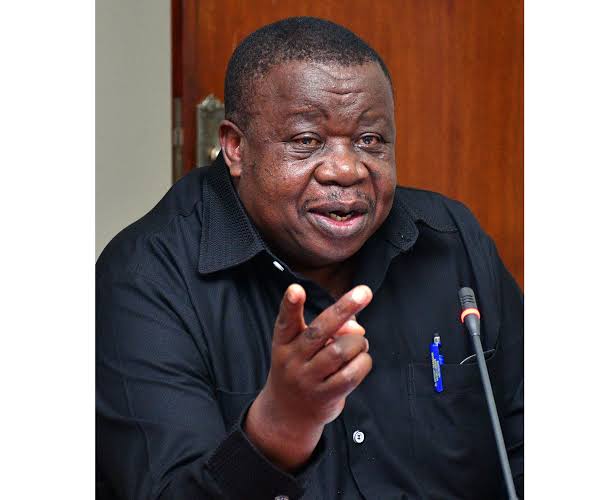
Opondo’s confrontation is reminiscent of the public disagreements between Gen Muhoozi and Maj Gen (Rtd) Kahinda Otafiire. Otafiire is no political lightweight.
He is one of the historical figures of the National Resistance Army (NRA) bush war and belongs to the generation of commanders and political actors who participated in the struggle that brought Museveni to power in 1986.
As a veteran of the liberation struggle and a senior member of the NRM establishment, Otafiire has accumulated considerable political and military experience.
He currently serves as Minister of Water and Environment and remains a close political associate of Museveni. His significance in this debate goes beyond his ministerial portfolio.
Otafiire represents a generation of historicals who believe that the political and military credentials of the NRM cannot simply be erased by the emergence of a new generation around the President’s son.
His disagreements with Muhoozi have demonstrated that not everyone within the ruling establishment is prepared to accept the CDF’s public pronouncements without question.
The historicals have their own political standing, institutional memories and relationships with Museveni.
For Otafiire, the question is not necessarily whether Muhoozi has a place in the country’s political future, but whether that future should be constructed at the expense of established institutions and the political generation that created the current order. Opondo’s response appears to reinforce that emerging resistance.
Baryomunsi’s ‘Poorly Brought-Up Child’ Remark
Dr Chris Baryomunsi, the Minister of Health and another close associate of President Museveni, has also previously taken on Muhoozi in unusually blunt language.
Baryomunsi attracted attention when he described the CDF as a poorly brought-up child and accused him of suffering from what he called the Peter Pan Syndrome.
The expression, generally used to describe an adult displaying behaviour associated with immaturity, was an extraordinary personal rebuke directed at a serving army commander.
Coming from a senior Cabinet minister, the remarks demonstrated that the discomfort surrounding Muhoozi’s public conduct is not confined to opposition politicians or outsiders.
Baryomunsi’s intervention was particularly significant because he is part of Museveni’s political establishment and has served in senior government positions.
His willingness to publicly criticise the CDF demonstrated that proximity to the President does not necessarily translate into unquestioning acceptance of Muhoozi’s conduct.
Otafiire, Baryomunsi and Opondo consequently represent three different strands of the established NRM political class confronting the growing influence of the CDF.
One is a historical military figure, another a senior Cabinet minister and the third a veteran government communicator.
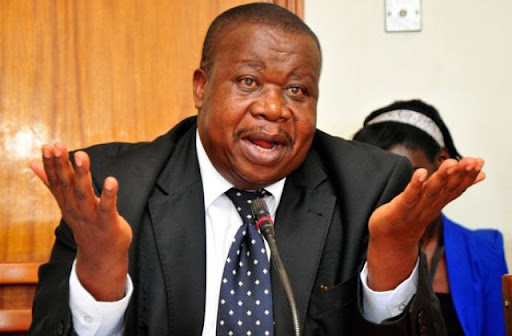
Their differences with Muhoozi raise broader questions about generational transition, political succession and the preservation of institutional authority.
Omona’s Cryptic Message: No Burial in Ayago?
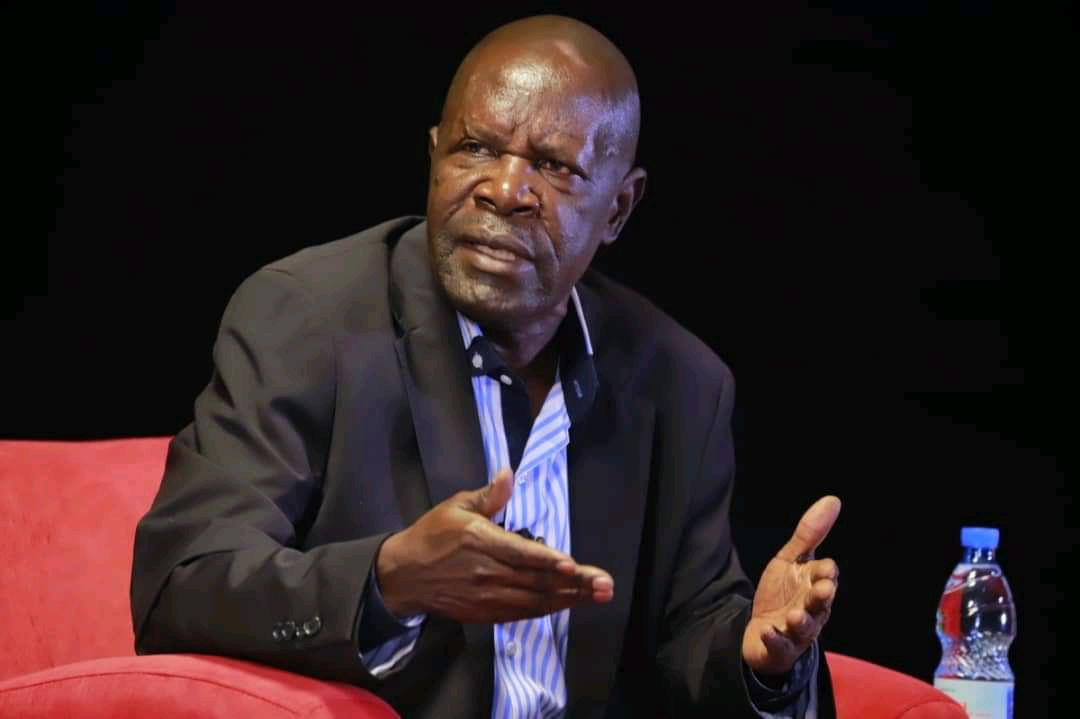
As the confrontation gained momentum, Dr Kenneth Omona Olusegun, a senior NRM figure and a friend of Opondo, weighed in with an unusually elaborate message drawing on Luo traditional symbolism.
Rather than directly discussing Muhoozi’s seven-day ultimatum, Omona chose to interpret Opondo’s reference to Mulanda-Ayago through the cultural significance of the word Yago.
“Senior Ofwono Opondo of Ayago Village, ayago means of Yago. Yago is Kigelia Africana (sausage tree),” Omona wrote.
He explained that, in Luo tradition, the fruit of the Yago tree is associated with rituals surrounding a false death, including the burial of the fruit to cover a grave dug after a death that has not actually occurred.
Omona then introduced the concept of “chir” or “kir”, which he described as a traditional matter requiring atonement or prayer.
He wrote: “So, OO, there is no more grave space in Ayago, Yago can be buried elsewhere BUT followed by tumu kir.”
The message became even more cryptic when Omona introduced the Luo expression “lamu cen”, which he explained as a curse against evil or a bad omen.
He quoted the traditional words: “WANG CENG KUCIT CI OCITI, OLOR KWEDE MATWALA.” He translated the expression as a prayer for the setting sun to roll away and disappear forever.
Omona concluded his intervention with a message that appeared to seek de-escalation: “Let’s have peace (Kuc/Mulem), Uganda is sweet home.”
 His intervention was significant because it came from someone within the NRM political establishment who shares a friendship with Opondo.
It also demonstrated how the confrontation had moved beyond a personal disagreement into a cultural and political conversation, with supporters interpreting the exchange through their respective traditions and identities.
The Rubicon Moment
Political commentator Nicholas Sengoba invoked one of the most famous episodes in Roman history to describe the significance of Opondo’s response. “Alea iacta est!” he wrote, translating the Latin expression as “The die is cast!”
Sengoba recalled how Julius Caesar crossed the Rubicon River with his army in January 49 BC, defying the Roman Senate’s restrictions on generals bringing their armies into Italy. The crossing triggered a civil war and became a lasting symbol of a point of no return.
The historical analogy was particularly striking because Opondo’s response suggested that he was not prepared to retreat simply because an ultimatum had been issued.
However, unlike Caesar’s crossing, the current confrontation is taking place within Uganda’s political establishment, where the implications will depend on how the parties involved respond.
The reaction on X was immediate, with supporters and critics interpreting the exchange in sharply different ways. Some praised Opondo for what they described as courage in refusing to kneel before the CDF.
One commentator wrote: “I pity anyone who thinks they can rule by instilling fear in people.”
Another declared: “There are other groups people where ‘men’ kneel for others but NOT LUO. We die standing on our feet and our NO means NO.”
Others invoked the historical Lamogi Rebellion against British colonial rule to challenge perceptions that communities in northern Uganda would accept intimidation.
There were also references to Otafiire and Baryomunsi, with one user describing Opondo as another prominent government figure unwilling to submit to Muhoozi.
The confrontation attracted jokes, cultural references, political warnings and expressions of solidarity.
Some users even began publicly counting down the seven days, with one commentator announcing that he intended to keep track of the hours, minutes and seconds remaining.
Others questioned whether the ultimatum would translate into any actual action, while some warned against normalising threats and intimidation in public affairs.
 The Structures That Elected Museveni
Beyond the personalities, the confrontation exposes a much bigger question concerning the relationship between the NRM’s established political structures and the growing prominence of Muhoozi’s Patriotic League of Uganda (PLU).
Museveni’s political longevity has not been built on military influence alone.
It has been sustained through an elaborate political network comprising the NRM Central Executive Committee, parliamentary structures, district party organisations, local mobilisers, Cabinet ministers, historicals, religious and cultural interlocutors and grassroots political networks.
These structures have helped mobilise voters, defend government policies, manage political disagreements and maintain the President’s electoral support. Opondo has been one of the communicators defending that political architecture.
Otafiire has been part of the historical generation that laid its foundations, while Baryomunsi has served within the Cabinet machinery through which government policies are implemented.
The CDF’s growing public political profile and the influence associated with PLU have consequently raised questions about whether the established NRM structures will retain their authority in the country’s anticipated generational transition.
If Museveni is to be reelected, it is the party’s established political machinery, parliamentary networks and grassroots mobilisation structures that must ultimately translate political support into votes.
Military rank, social media influence and proximity to State House cannot substitute for the constitutional and political processes through which a government derives legitimacy.
This is why the CDF’s relationship with the NRM establishment matters.
Muhoozi may enjoy considerable influence as the President’s son and the serving army chief, but that does not automatically confer authority over Cabinet ministers, government spokespersons, Parliament or elected party officials.
The distinction between military command and civilian political leadership remains fundamental. The CDF must also recognise that the individuals he is confronting are not political strangers who arrived after Museveni consolidated power.
They are members of the political establishment that has defended, sustained and helped reproduce the NRM government over several decades.
A Test For State House
Ultimately, the seven-day ultimatum places President Museveni in an uncomfortable political position.
 Opondo has directly tagged him, effectively drawing the Commander-in-Chief into a dispute involving his son and one of his longstanding political allies.
The President must navigate the delicate relationship between his responsibilities as Head of State, his position as Commander-in-Chief and his political association with individuals who have served his government for decades.
The question is whether the NRM can accommodate disagreement within its own ranks without allowing personal confrontations to undermine the authority of government institutions.
It is also a test of whether senior public officials can express disagreement without being subjected to demands for personal humiliation.
Opondo’s response has made one thing clear: the seven-day ultimatum has not produced the immediate public submission that its language appeared to demand.
Instead, it has opened another front in the growing debate over the balance of power within the ruling establishment.
For Muhoozi, the challenge is not simply securing an apology from Opondo. It is demonstrating that his public pronouncements can command respect without alienating the very political establishment whose support remains essential to any future political project.
For Opondo, the confrontation is an extraordinary moment for a man who has spent decades defending Museveni’s government but now finds himself publicly at odds with the President’s son.
And for Museveni, it is a reminder that the political structures that have sustained his presidency cannot be taken for granted.
The seven-day countdown may eventually expire, but the bigger question will remain: who sets the rules within the NRM establishment — the institutions that built the movement, or the new generation seeking to inherit its influence?
As Opondo’s friend Omona concluded, Uganda remains a sweet home. The challenge is ensuring that political disagreements do not turn that home into an arena of intimidation.
Author Profile
- Charles Gazza Kodili is a seasoned journalist with over 20 years of experience in the media industry. He holds a Bachelor of Arts degree in Mass Communication. He’s currently the Chief Editor at the Investigator.
Charles can also be reached via; Tel: +256 774 108978
Email: [email protected]
Latest entries
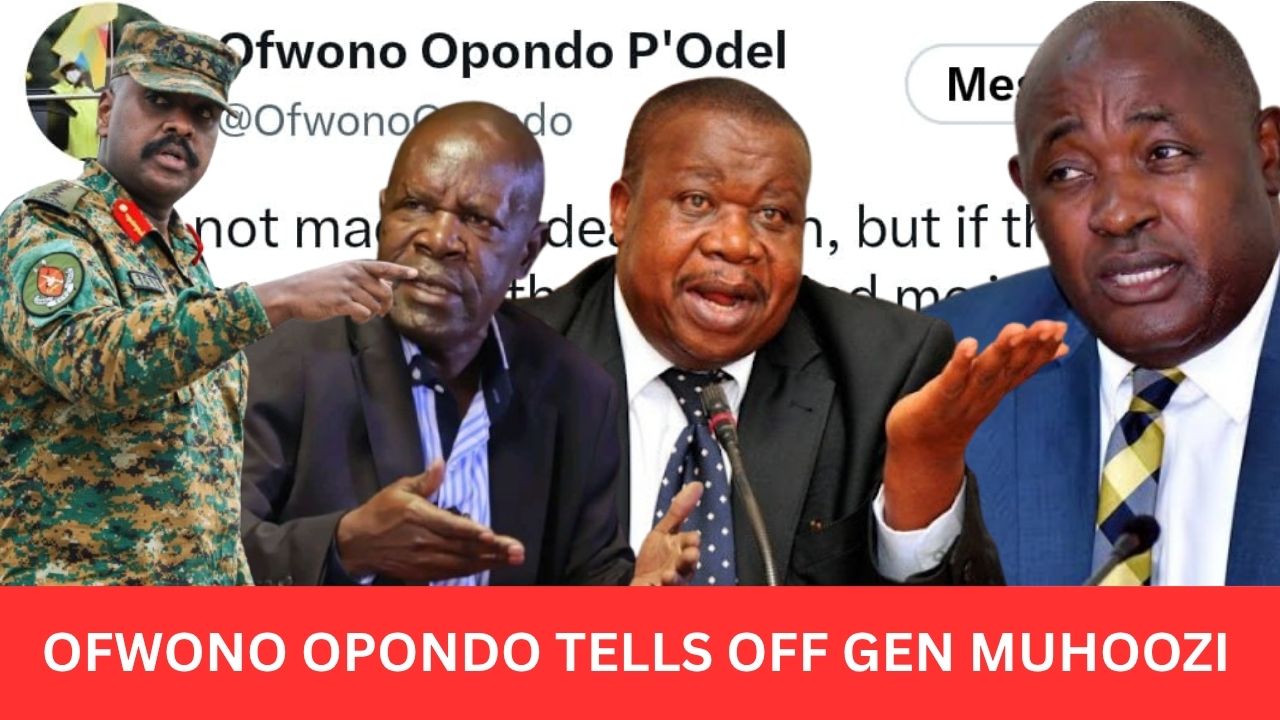 FeaturedNovember 6, 2026THE REVOLUTION EATS ITS OWN: OPONDO CHALLENGES THE FIRST SON: In An Extraordinary Confrontation, A Man Who Has Spent Decades Defending President Museveni Turns The Tables On His Son, Mocking A Demand For An Apology And Daring The Political Establishment To Confront The Implications
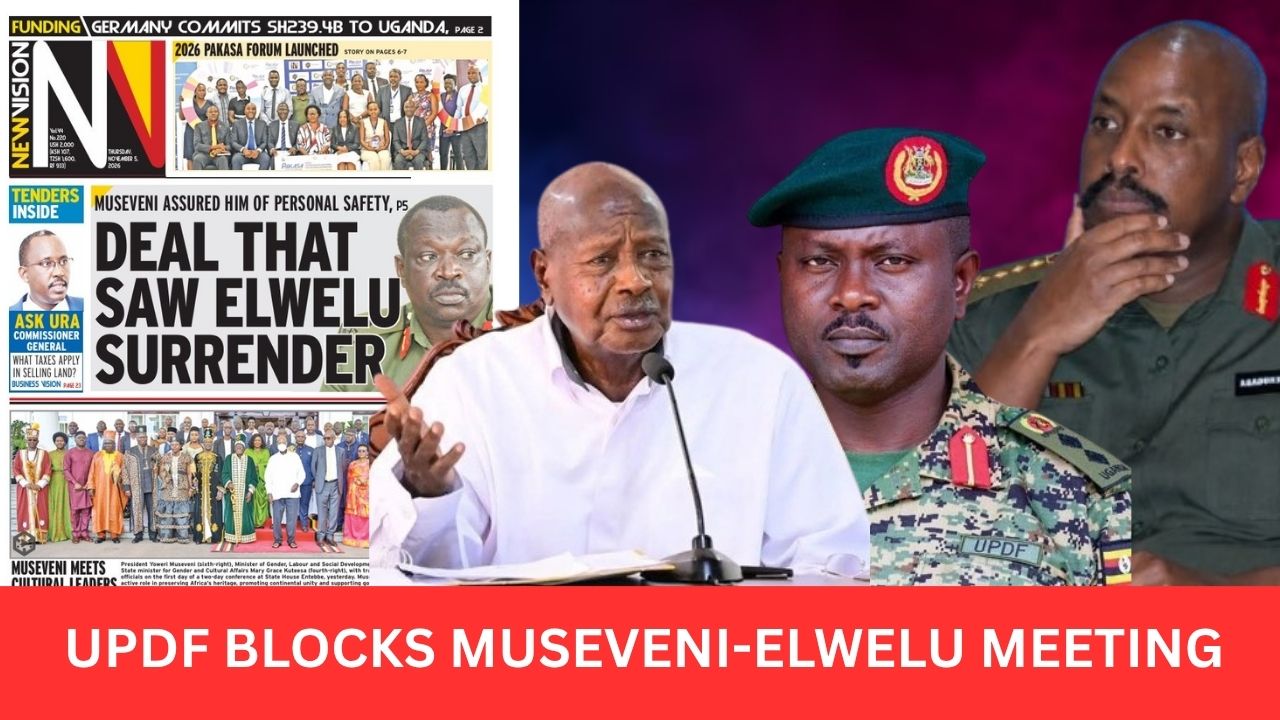 FeaturedNovember 5, 2026COMMANDER-IN-CHIEF DEFIED? A Stunning Contradiction Between A State-Owned Newspaper’s Account Of Museveni’s Reported Desire To Meet Elwelu And The UPDF’s Immediate Rejection Of Any Presidential Safety Deal Has Reignited Debate About The President’s Authority And Muhoozi’s Military Command
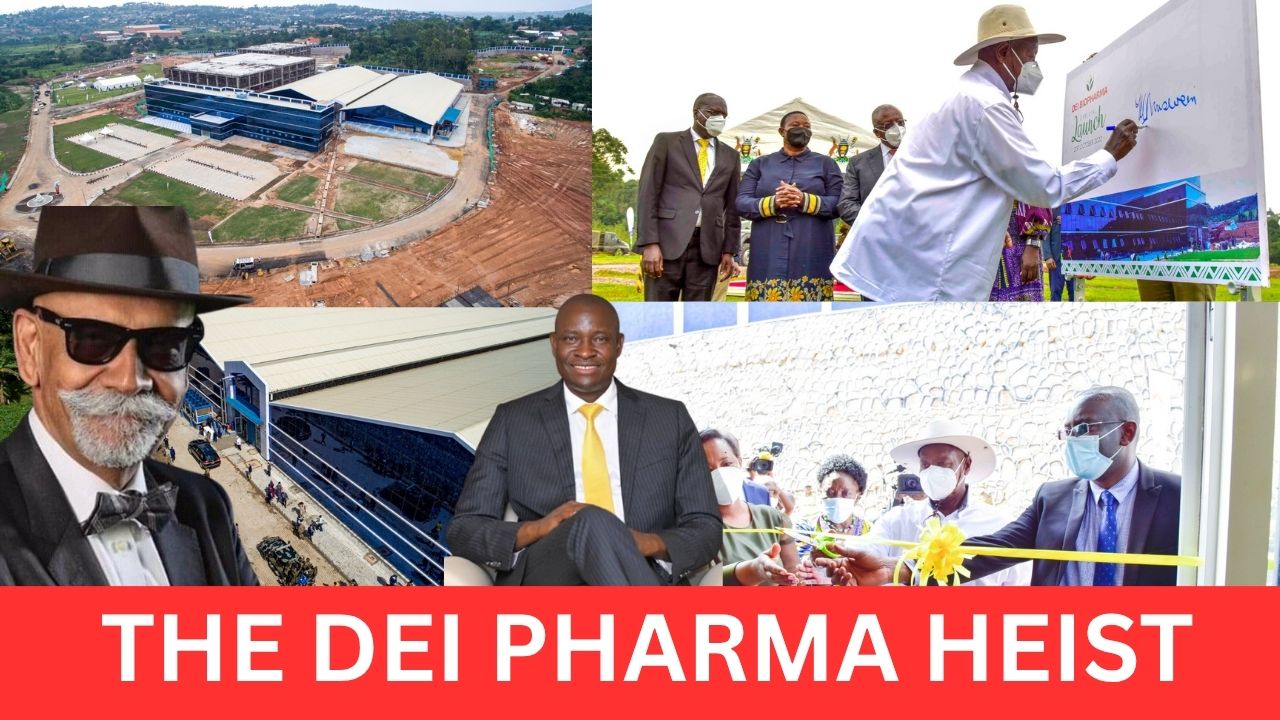 FeaturedNovember 5, 2026TAXPAYERS’ MONEY DOWN THE DRAIN? Uganda Could Lose Hundreds Of Billions Of Shillings Invested In Mathias Magoola’s Pharmaceutical Empire As Advertised Property Auctions Expose The Financial Troubles Surrounding His Business Interests
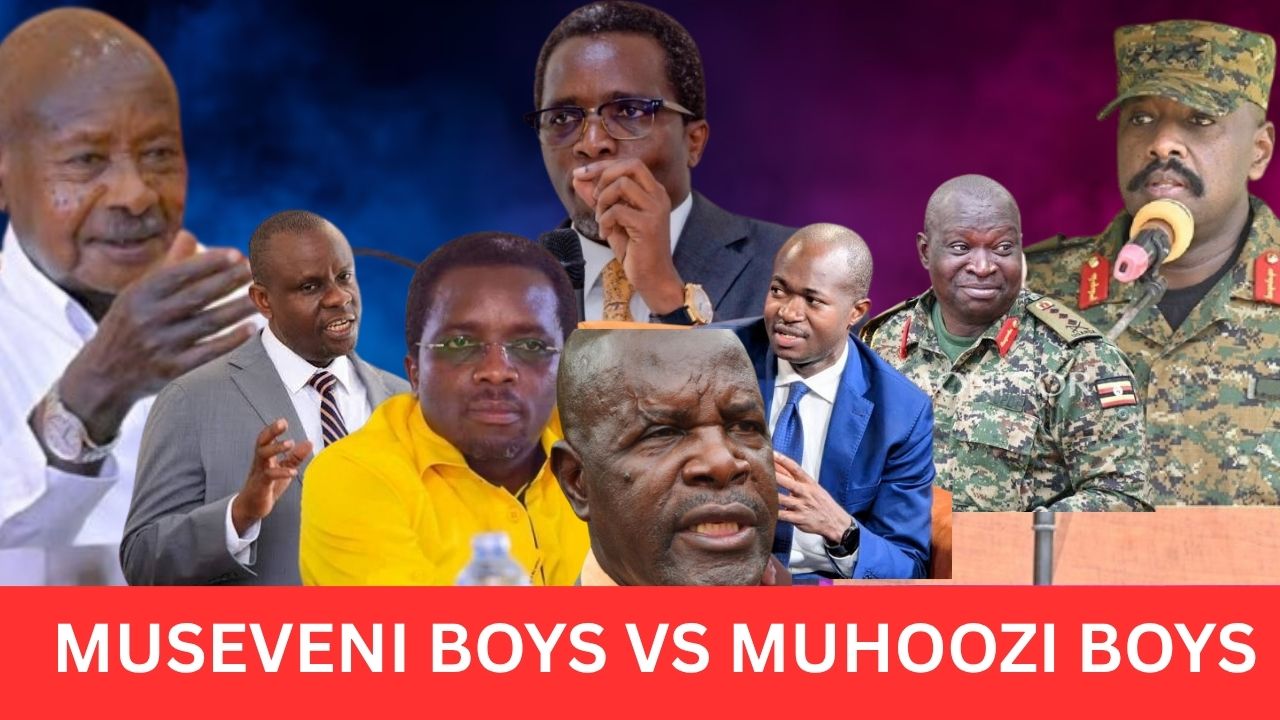 FeaturedNovember 4, 2026INSIDE THE NRM POWER STRUGGLE: Why Museveni’s Boys Dr Omona And Ofwono Opondo Have Turned Their Guns on Muhoozi’s Diehards Balaam and Kabanda Following Gen Elwelu’s Arrest