
















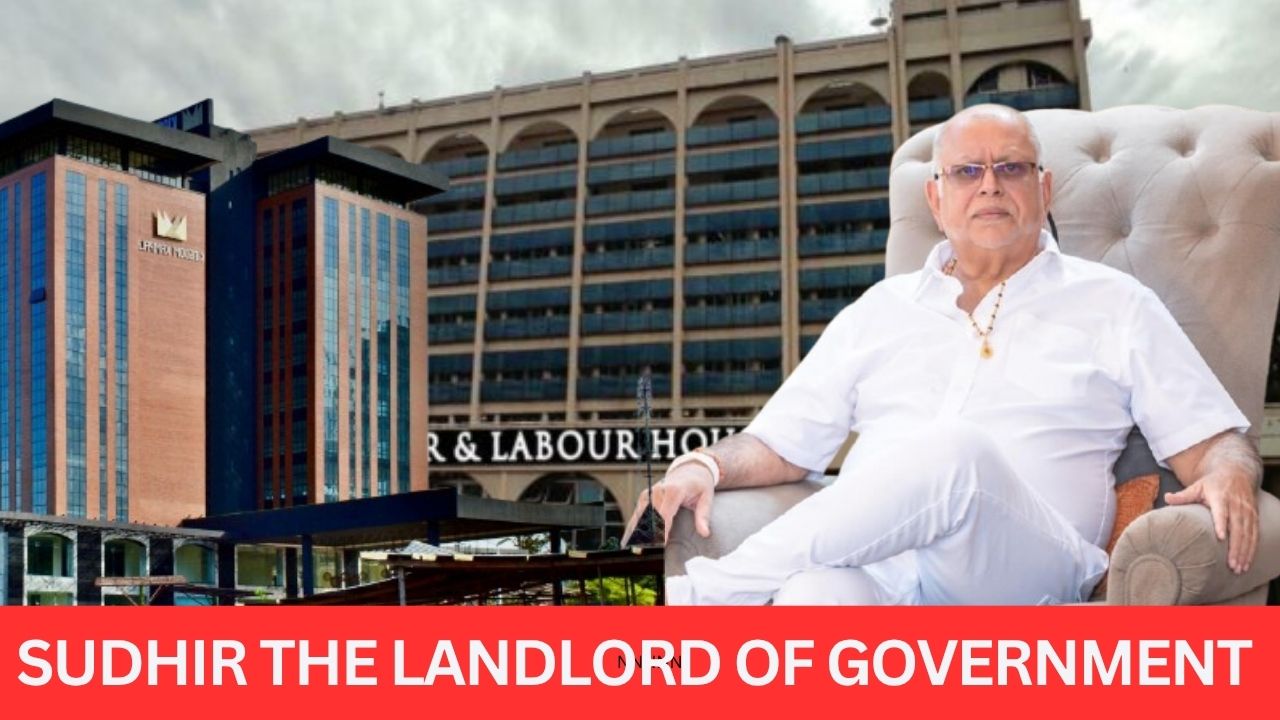
Ugandans are once again asking hard questions after renewed debate over the billions of shillings government reportedly spends every month renting office space from city tycoon Sudhir Ruparelia, with critics arguing that the money could instead be used to construct permanent government buildings, improve public services and boost the welfare of civil servants.
The debate has further exploded after former member of parliament (Kira Municipality) Ibrahim Ssemujju Nganda resurfaced figures he previously cited in Parliament showing the enormous sums various government institutions allegedly pay to properties associated with the business magnate. According to Ssemujju’s calculations, government entities collectively pay approximately Shs2.9 billion every month in rent.
The figures he cited include the Ministry of Justice allegedly paying Shs450 million monthly, the Ministry of ICT Shs320 million, the Ministry of Gender Shs250 million, the Anti-Corruption Court Shs180 million, the Ministry of East African Affairs Shs280 million, Parliament Shs860 million and several other agencies occupying buildings linked to the businessman. If the figures are accurate, the monthly total translates into nearly Shs35 billion annually.
Ssemujju dramatically broke down the numbers further, claiming the amount translates into approximately Shs97 million every day, Shs4 million every hour and about Shs600,000 every minute flowing from government coffers into rent payments.The revelations have sparked outrage among many Ugandans who wonder why government continues paying rent decades after independence while owning large chunks of public land across the country.
UPDF SHOWS A DIFFERENT WAY
Many analysts point to the Uganda People’s Defence Forces as an example of how public institutions can reduce expenditure through long-term planning. The UPDF is currently investing in permanent infrastructure, notably its swanky headquarter at Mbuya hill which is in the final phase of completion, a move expected to save billions of shillings in future rental costs.
Supporters of this approach argue that money previously spent on rent can be redirected toward strategic priorities such as building schools, equipping hospitals, improving security infrastructure and enhancing the welfare of government workers.”Every shilling saved from rent is a shilling that can be invested elsewhere,” said one governance analyst contacted by this publication. Critics say if military planners can think decades ahead by constructing their own facilities, civilian ministries should be doing the same.
“THIS IS THE REAL CORRUPTION”
The issue has ignited fierce debate on social media. Political commentator Dr. Kanakulya Dickson described the situation as part of a much larger problem. “This syndicate is wider and bigger than this and it is the real corruption. The rest are just sideshows delivered every once in a while to divert Ugandans,” he posted.
Another social media user, Peter Bwayo, questioned why government institutions remain concentrated in Kampala. “Can’t those ministries be spread countrywide and they construct their own buildings because we have land in Karamoja at free cost?” he wondered.Others questioned whether the figures being discussed were even possible. “Can someone please look into this? Can this be real?” asked MagicMike.
“WHY IS GOVERNMENT STILL A TENANT?”
One of the strongest reactions came from social media user Alpa Ntibulire. “If an individual was able to own the buildings exposed last month, how come the government she’s been serving remains a tenant?” he asked. Many Ugandans appeared stunned to learn that some government institutions allegedly operate from rented premises. “Wait, we rent the Parliament?” wrote another shocked commentator.
Others suggested that the annual rent expenditure could potentially finance major government construction projects. “When you add it all up, the government could construct its own office buildings in less than a year. Who exactly bewitched this country?” asked another social media user.
CIVIL SOCIETY JOINS DEBATE
Several governance activists have long argued that excessive dependence on rented office space drains public resources.Transparency advocates have repeatedly called for comprehensive audits of government rental expenditures and long-term plans to reduce dependence on private landlords. Some civil society voices argue that public institutions should be required to justify why they continue occupying rented premises year after year without developing permanent alternatives.
They say a national office infrastructure strategy could significantly reduce recurrent expenditure. According to governance campaigners, billions currently spent on rent could instead finance new district hospitals, teachers’ housing, health centres and road maintenance projects.
DEFENDERS OF SUDHIR FIGHT BACK
However, not everyone believes the businessman deserves criticism. Many argue that the issue lies with government planning rather than the landlord. Business commentator Ben Ssebuguzi defended the property mogul. “This is a petty talk given how far Dr. Sudhir has brought our real estate sector,” he argued.
Others point out that constructing and maintaining commercial buildings requires huge investments, loans, taxes and operational costs. Humphrey Mutaasa noted that a single eight-storey commercial building can cost between Shs20 billion and Shs30 billion to construct before maintenance and taxes are even considered.
Another commentator, Sankara Aldertons, argued that the businessman merely identified a market opportunity.”Is it his fault that government failed to build offices and they want to rent in his beautiful expensive buildings?” he asked. Supporters say that if government agencies occupy his properties, it is likely because they provide suitable office space and meet procurement requirements.
INSIDE THE BUILDINGS DRAINING BILLIONS FROM TAXPAYERS
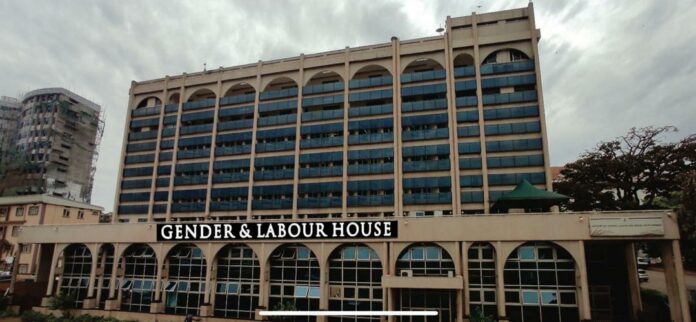
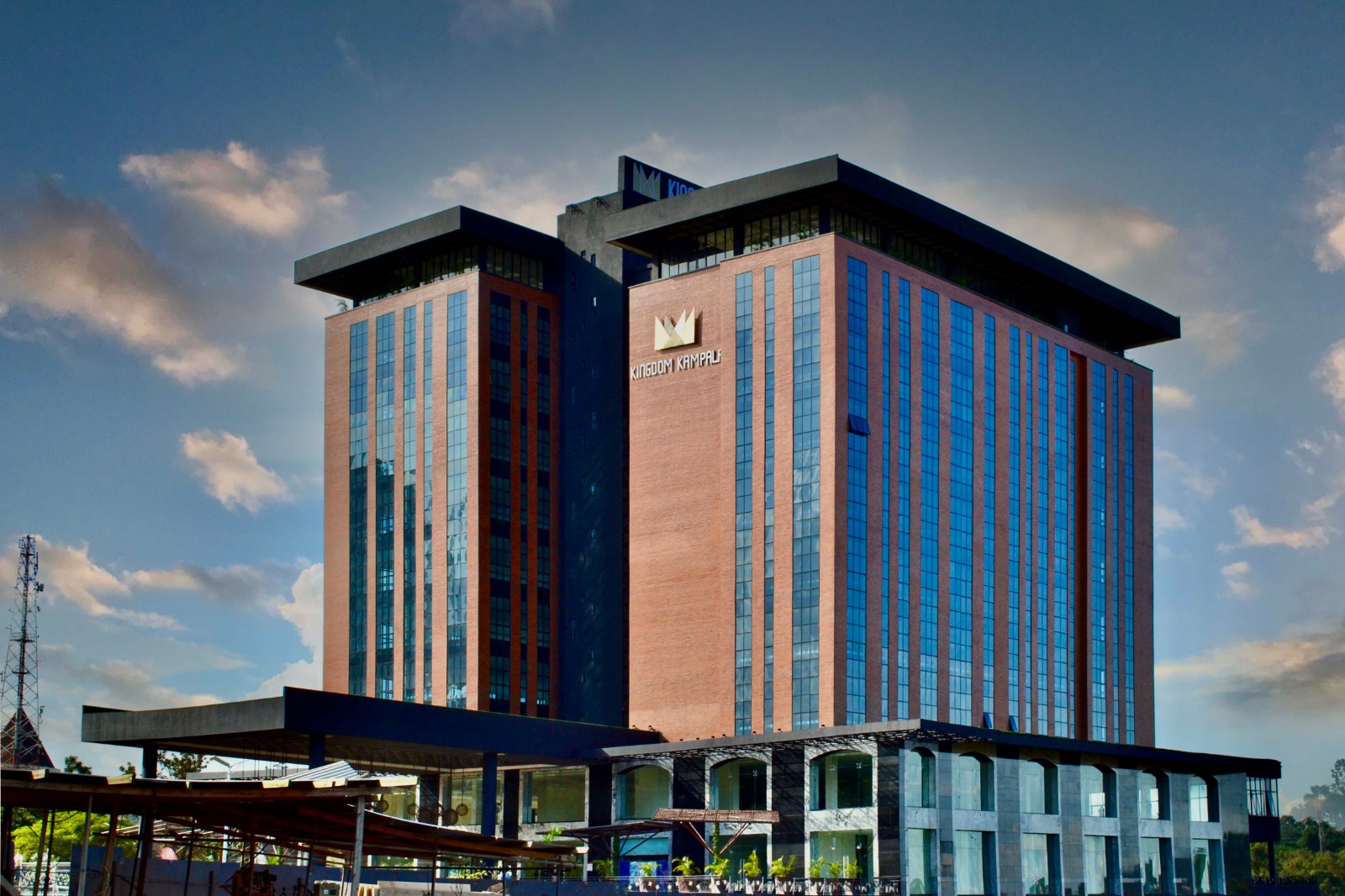
A closer look at the properties at the centre of the debate reveals that some of Kampala’s most prominent government offices operate from buildings associated with businessman Sudhir Ruparelia and companies linked to the Ruparelia Group.Among the most notable is Kingdom Kampala, the iconic commercial complex along Nile Avenue which hosts several government offices, including the Ministry of East African Affairs, the Equal Opportunities Commission and offices used by presidential advisors.
Another property frequently mentioned is Pearl of Africa Business Park on Yusuf Lule Road, where several government agencies have occupied office space over the years. The complex is widely associated with the Ruparelia property portfolio and has become one of the most visible symbols of government’s dependence on rented office accommodation.
The Ministry of Justice and Constitutional Affairs is among institutions reported to occupy rented premises linked to the businessman, while the Ministry of ICT and National Guidance has also previously operated from privately rented office space. In fact sources have intimated to us that the Ministry of Justice and Constitutional Affairs are about to wholly transfer to their new home in Naguru. This will mark the end of renting and thereby save the taxpayer the burden of rent.
The debate also extends to Simbamanyo House, where government departments have reportedly occupied office space. The building became the subject of public attention following its ownership disputes and subsequent acquisition by interests linked to the Ruparelia business empire.Parliament itself has become part of the discussion because of the rent reportedly paid for additional office space used by legislators and parliamentary departments outside the main parliamentary chambers.
Warehousing arrangements have also attracted scrutiny, with figures cited by Ssemujju alleging that both the Uganda Revenue Authority and the Electoral Commission pay hundreds of millions of shillings annually for storage facilities in Kampala and Ntinda.Critics argue that while these buildings are modern, strategically located and professionally managed, government’s continued reliance on rented facilities raises uncomfortable questions about long-term planning. “If government is spending nearly Shs35 billion every year on rent, how many permanent office blocks could have been built over the last ten years?” one governance activist asked.
The comparison with the Uganda People’s Defence Forces, which is increasingly investing in permanent infrastructure and headquarters, has only intensified public calls for a national strategy aimed at reducing dependence on private landlords.
THE BIG QUESTION
Yet despite the arguments, one question continues to dominate public discussion. Why does government continue paying billions in rent year after year while owning land across the country and possessing the ability to construct permanent office complexes?For many taxpayers, the answer may determine whether future generations continue funding private landlords or whether public money is redirected toward schools, hospitals, better salaries for doctors and teachers, and improved service delivery.
As the UPDF moves toward owning more of its infrastructure and reducing long-term rental obligations, pressure is mounting on civilian ministries to explain why they remain tenants.Until that question is answered, the debate over Uganda’s multibillion-shilling rent bill—and the fortunes earned from it—is unlikely to disappear anytime soon.
Author Profile

- Charles Gazza Kodili is a seasoned journalist with over 20 years of experience in the media industry. He holds a Bachelor of Arts degree in Mass Communication. He’s currently the Chief Editor at the Investigator.
Charles can also be reached via; Tel: +256 774 108978
Email: [email protected]
Latest entries
 FeaturedOctober 16, 2026KAWOOYA UNDER FIRE AS MINISTRY DENIES DR CANDIA SUSPENSION: Health Ministry Says Arua Doctor Remains In Office After Minister Reportedly Ordered Him To Hand Over For “Pocketing”
 FeaturedOctober 14, 2026MATHEW BAGONZA BAIL DEAL DEALS A BLOW TO CDF GEN. MUHOOZI: Rwabwogo’s Camp Sees Relief After Weeks Of Confrontation, As Reported First Family Tensions Raise Questions About The CDF’s Fight With His Brother-In-Law
 FeaturedOctober 14, 2026GOVERNMENT TO CASH IN ON CHARCOAL TRADE: Government Plans To Formalise The Charcoal Business Through Trade Licences, Taxation And Strict Monitoring Of Producers And Dealers
 FeaturedOctober 13, 2026‘PRODUCE SAM MUGUMYA NOW’ — SSENYONYI: LoP Tells Parliament Families Of Missing Ugandans Deserve Answers, Freedom And Justice As He Challenges Government Over The Opposition Activist’s Fate