















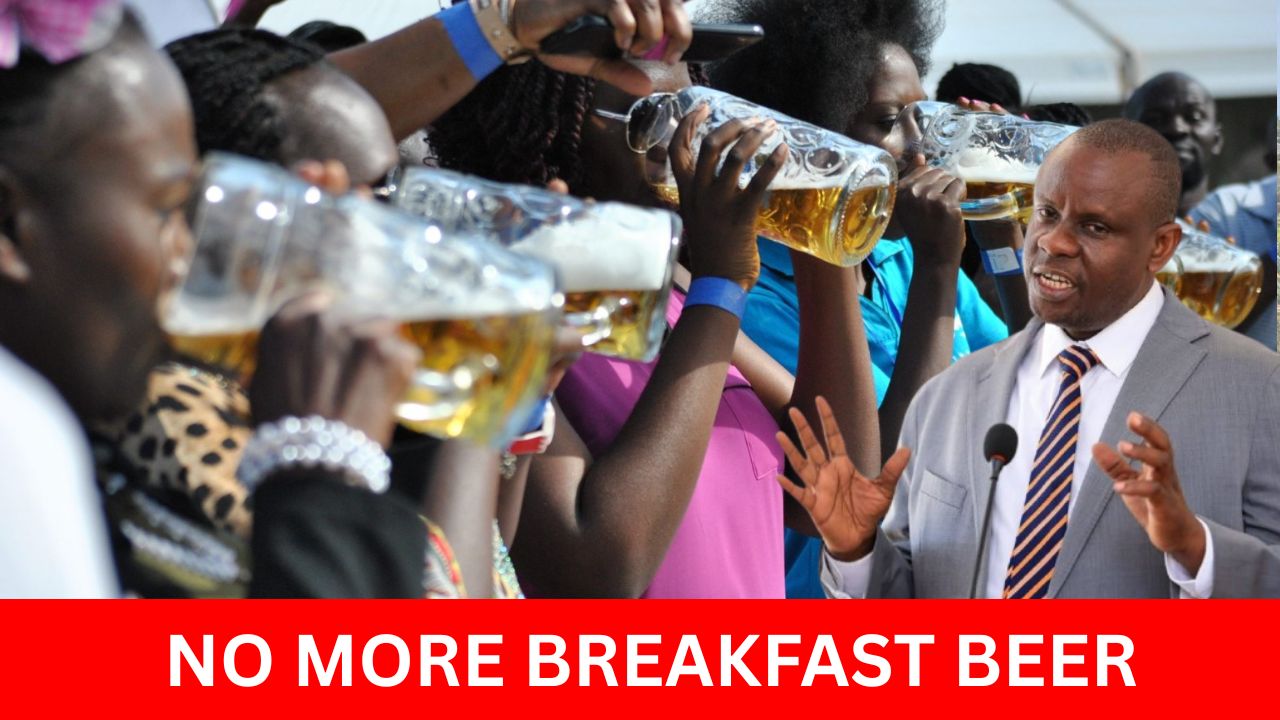
Bars, Malwa joints and other alcohol-selling establishments across Uganda have been directed not to open before 3pm on working days, in a new government directive aimed at curbing early-morning drinking, improving productivity and addressing social problems associated with excessive alcohol consumption.
The directive was issued on Tuesday, August 11, 2026, by Local Government Minister Balaam Barugahara Ateenyi in a letter addressed to all LC5 chairpersons, city mayors, division mayors and council speakers across the country.
Under the directive, local governments have been instructed to work with security agencies and enforcement teams to ensure that alcohol outlets comply with lawful operating-hour restrictions.
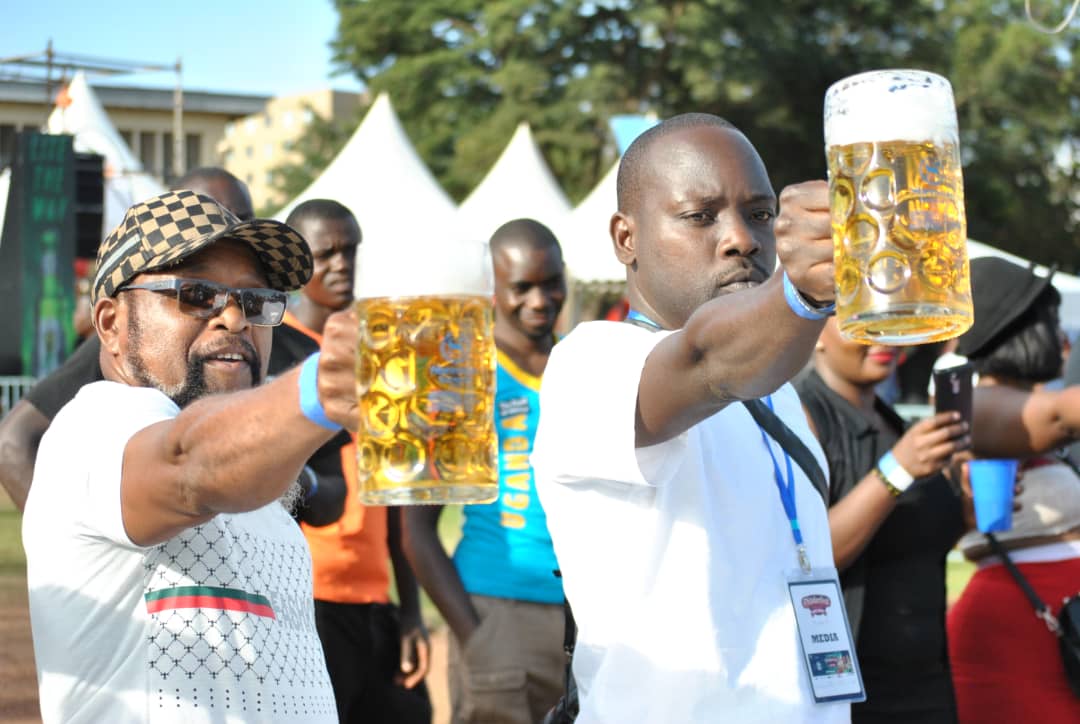
Bars and other establishments that repeatedly defy lawful operating-hour directives could be closed, while operators who sell or supply alcohol to persons below the age of 18 are to be arrested and prosecuted in accordance with the law.
The minister said the measures are intended to discourage a culture of early-morning drinking, which he linked to idleness, family problems and rising crime in communities.
“Bars, Malwa joints and other alcohol-selling establishments should not open before 3:00 p.m. on working days,” Mr Barugahara said, while stressing that the directive is subject to applicable national laws, licensing requirements and lawful local-government regulations.

The order has immediately triggered a national debate, with some Ugandans welcoming it as a bold attempt to restore productivity and discipline, while others have questioned the legal basis for imposing specific operating hours on licensed businesses.
Some social-media users also jokingly warned the minister that changing Uganda’s drinking culture would be no easy task.
One user, B.O.B, remarked that some Ugandans regard beer as “breakfast” or “lunch”, suggesting that enforcing a 3pm opening time could meet stiff resistance.
Another user, Vian, jokingly appealed to the minister not to “tamper with the drunkards”.
But behind the humour is a serious policy debate over the role of government in regulating alcohol consumption and balancing public health, productivity, business interests and individual freedoms.
Government targets early-morning drinking
Mr Barugahara said local leaders should take the lead in discouraging early-morning alcohol consumption and ensure that bars and alcohol outlets do not operate in ways that encourage people to spend their mornings drinking instead of working.
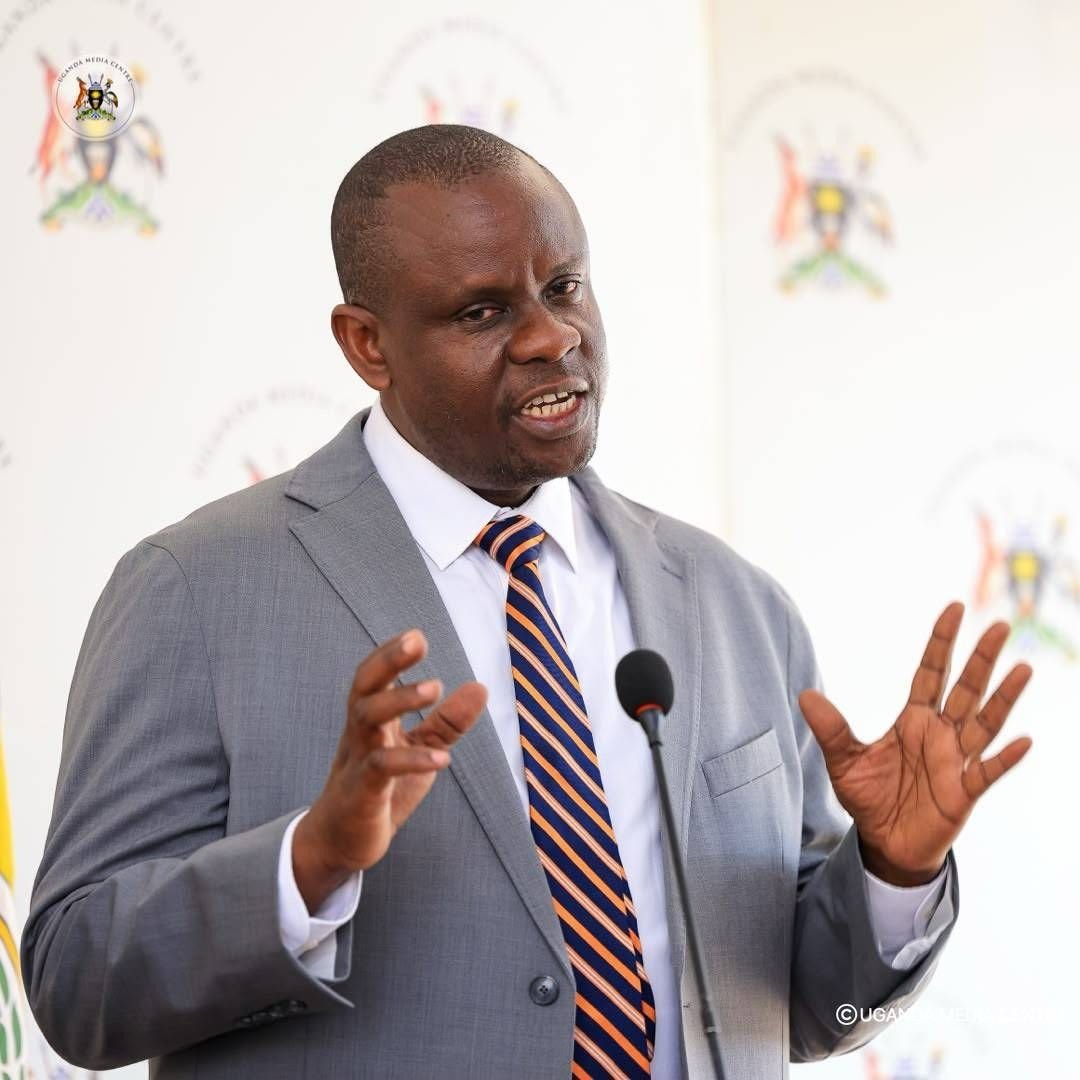
The minister’s argument is that excessive drinking during working hours affects not only individual consumers but also families, businesses and communities.
He said the directive is intended to address idleness, family problems and crime associated with excessive alcohol consumption while promoting what he described as a productive and responsible population.
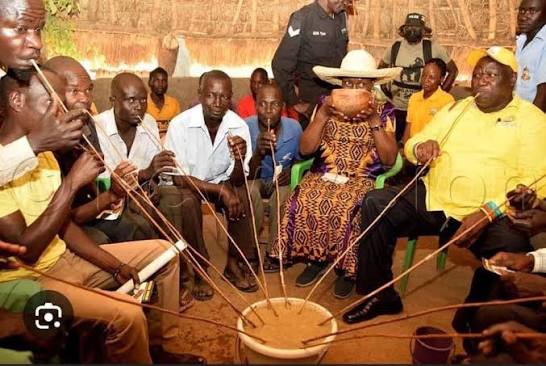
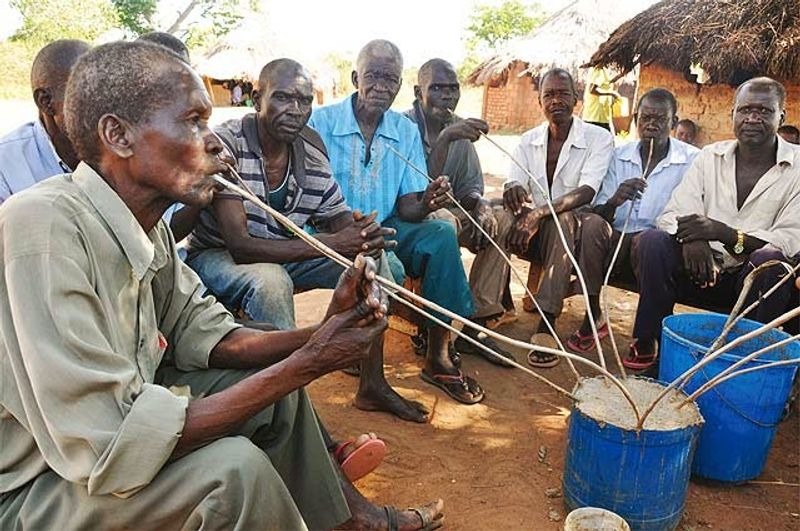
The order also targets Malwa joints, which are common gathering places in many urban and rural communities.
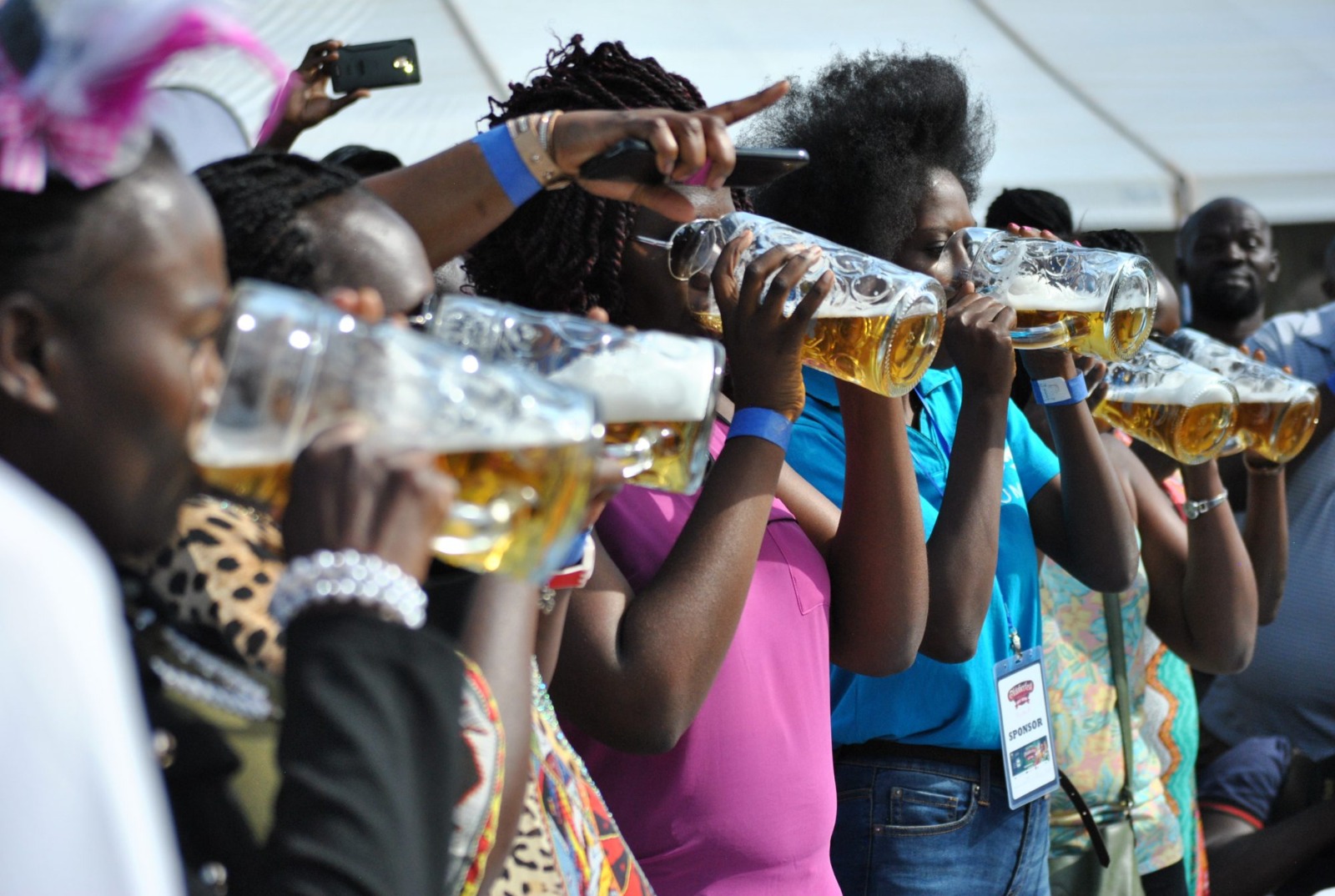
Although some of these establishments operate as small informal businesses, the minister’s directive places them within the same regulatory framework as conventional bars where they sell alcohol.
Minors face stronger protection
The directive also places significant emphasis on protecting people under the age of 18 from alcohol.

Bar owners, shop owners and operators of Malwa joints or other alcohol-selling establishments who sell or supply alcohol to minors are to be arrested and prosecuted in accordance with the law. Local authorities and security agencies have been instructed to strictly enforce the requirement. Establishments found repeatedly violating the rule are expected to face appropriate sanctions.
The measure shifts responsibility beyond the individual who consumes alcohol to the business operator who supplies it.
It also places a greater burden on local authorities to monitor alcohol outlets and identify businesses that repeatedly sell alcohol to children.
Councils ordered to open doors to journalists
However, the 3pm alcohol directive is only one part of a much broader set of instructions issued by the minister. Mr Barugahara has also ordered all local councils to allow members of the press to attend council sittings. He said the move is intended to promote transparency, accountability and public awareness by enabling citizens to follow debates, decisions and the conduct of public business in their respective local governments.
The minister compared the arrangement to Parliament, where journalists are allowed to cover proceedings. The directive could increase scrutiny of local-government decisions, particularly debates involving public expenditure, service delivery, procurement, local taxation and development projects.
For years, local councils have been central to decisions affecting roads, health centres, schools, markets, water projects and other services, making their proceedings of considerable public interest.
Mr Barugahara wants citizens to have greater access to what their elected representatives are debating and deciding.
Budgets to be displayed publicly
The minister has further ordered local governments to display their approved budgets on main council notice boards and other accessible public notice boards. The intention is to allow ordinary citizens to know what has been budgeted for their communities and follow up on the implementation of projects and services.
The directive effectively encourages communities to become watchdogs over public expenditure.
Citizens could use publicly displayed budgets to monitor whether money allocated to a road, school, health centre, market or other project is actually reflected in work taking place on the ground.
Mr Barugahara described the approach as promoting “people-led audits”, suggesting that citizens should not wait for government agencies alone to detect misuse of public resources.
The minister’s transparency agenda has received considerable support online. Alex J Muhangi thanked the minister, saying the measures were long overdue.
He particularly welcomed the call for media access to council meetings and the public display of budgets and contracts.
Muhangi also criticised the practice of bars opening early in the morning, arguing that the new approach could help change what he described as a culture of excessive drinking.
Betting companies also targeted
The minister has also ordered local governments to regulate the operating hours of betting companies in their respective jurisdictions.
The directive says regulation should be carried out in accordance with applicable laws and regulations, with the stated objective of protecting communities, particularly young people, from harmful practices associated with excessive betting.
The move reflects growing concern about the visibility of betting shops and the participation of young people in gambling activities.
However, like the alcohol directive, the betting restriction has raised questions about the exact powers available to local governments.
Nzyotho Enos questioned the legal basis for restricting the operating hours of bars and betting companies, pointing out that businesses have licences and tax obligations.
He also noted that some people work at night and that sporting events can take place early in the day. Tiina Nyenstya similarly welcomed the intention behind the directive but urged government to ensure that implementation follows the law.
“The intention is good particularly in terms of transparency, accountability, and protecting young people from alcohol and betting,” she said.
However, she added that Ugandans also need to know what existing laws allow local governments to do in imposing specific operating hours.
“Good governance necessitates both sound policies and a respect for the law and due process,” she argued.
Supporters welcome the crackdown
Despite the questions over implementation, the directive has attracted considerable support from members of the public.
Ezra Chuma said the announcement was something he had expected from the minister, arguing that young people had increasingly become involved in alcohol consumption without engaging in gainful work.
Hon Everest Bushaara also welcomed the measures, saying Ugandans were ready to do better if the directive was implemented. Other respondents described the announcement as a long-awaited intervention.
One user called it a “great move”, while another said it was what Ugandans had been waiting for. The support reflects concerns in some communities over the impact of alcohol abuse on household incomes, employment, domestic relationships and crime.
Enforcement will be the real test
The government has directed joint security teams, council enforcement officers and other relevant authorities to support local governments in implementing the measures.
Local leaders have also been told to take personal responsibility for implementation and report challenges through the appropriate channels. This could prove to be the most difficult part of the directive.
Uganda already has various laws and regulations governing alcohol, business licensing and local-government administration. The minister’s directive therefore expressly states that the new operating-hour measures are subject to national laws, licensing requirements and lawful local-government regulations. This means enforcement will have to be carefully aligned with the existing legal framework.
For bar owners, the practical question is whether the 3pm requirement will be enforced uniformly across the country or whether individual local governments will develop different approaches based on their circumstances and legal powers.
For government, the challenge will be ensuring that the directive does not become another regulation that exists on paper but is poorly enforced.
A wider campaign for discipline and accountability
Mr Barugahara’s directive is therefore much broader than an order to close bars until 3pm. It represents a wider attempt to push local governments toward greater transparency, public participation and social regulation.
The minister wants journalists in council chambers, budgets on public notice boards, minors protected from alcohol, early-morning drinking discouraged and betting businesses subjected to greater scrutiny.
Supporters say the measures could strengthen accountability and improve productivity. Critics, however, are already asking whether local authorities have sufficient legal authority and enforcement capacity to implement every aspect of the directive. The coming weeks are likely to provide the answer.
For now, one message from the Ministry of Local Government is unmistakable: Uganda’s bars, Malwa joints and other alcohol outlets are being told to wait until 3pm before opening on working days, as government launches a new push for discipline, productivity and accountability at the local-government level.
Author Profile
- Charles Gazza Kodili is a seasoned journalist with over 20 years of experience in the media industry. He holds a Bachelor of Arts degree in Mass Communication. He’s currently the Chief Editor at the Investigator.
Charles can also be reached via; Tel: +256 774 108978
Email: [email protected]
Latest entries
 FeaturedOctober 16, 2026KAWOOYA UNDER FIRE AS MINISTRY DENIES DR CANDIA SUSPENSION: Health Ministry Says Arua Doctor Remains In Office After Minister Reportedly Ordered Him To Hand Over For “Pocketing”
 FeaturedOctober 14, 2026MATHEW BAGONZA BAIL DEAL DEALS A BLOW TO CDF GEN. MUHOOZI: Rwabwogo’s Camp Sees Relief After Weeks Of Confrontation, As Reported First Family Tensions Raise Questions About The CDF’s Fight With His Brother-In-Law
 FeaturedOctober 14, 2026GOVERNMENT TO CASH IN ON CHARCOAL TRADE: Government Plans To Formalise The Charcoal Business Through Trade Licences, Taxation And Strict Monitoring Of Producers And Dealers
 FeaturedOctober 13, 2026‘PRODUCE SAM MUGUMYA NOW’ — SSENYONYI: LoP Tells Parliament Families Of Missing Ugandans Deserve Answers, Freedom And Justice As He Challenges Government Over The Opposition Activist’s Fate