









As Uganda’s 1981-1986 liberation war intensified, the various rebel movements fighting the government of the day found themselves under enormous military pressure. Government forces under the Uganda Army (UA), commanded by senior officers including the late Gen David Oyite-Ojok, launched sustained offensives against the insurgent groups, inflicting heavy casualties and forcing several rebel commanders to rethink their military strategy.
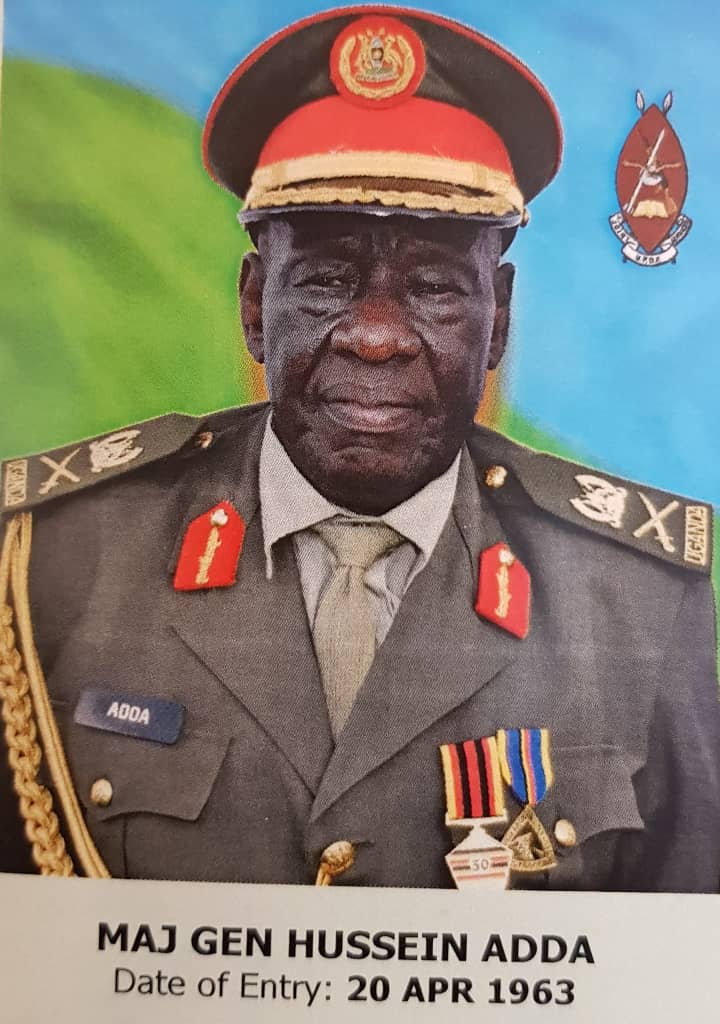
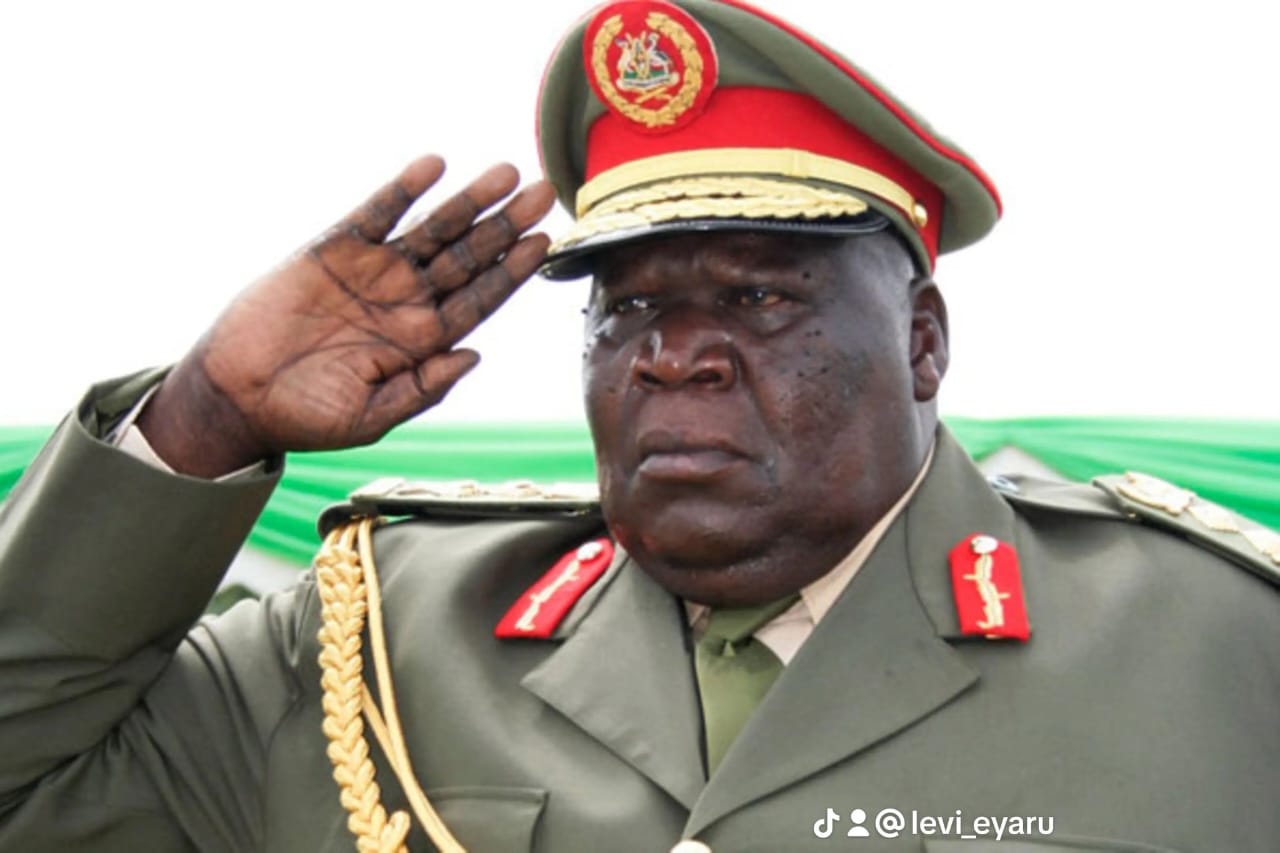 While the National Resistance Army (NRA), led by Yoweri Museveni, was battling government troops in the Luweero Triangle, another rebel force, the Uganda Freedom Movement (UFM), was simultaneously fighting in the central region with bases in Nkokonjeru, Kisisita under commanders such as Hussein Adda and Mark Kodili. Commander Adda a Muslim by devote was UFM operations commander while Kodili Sandhurst trained officer was the Chief of Staff of UFM.
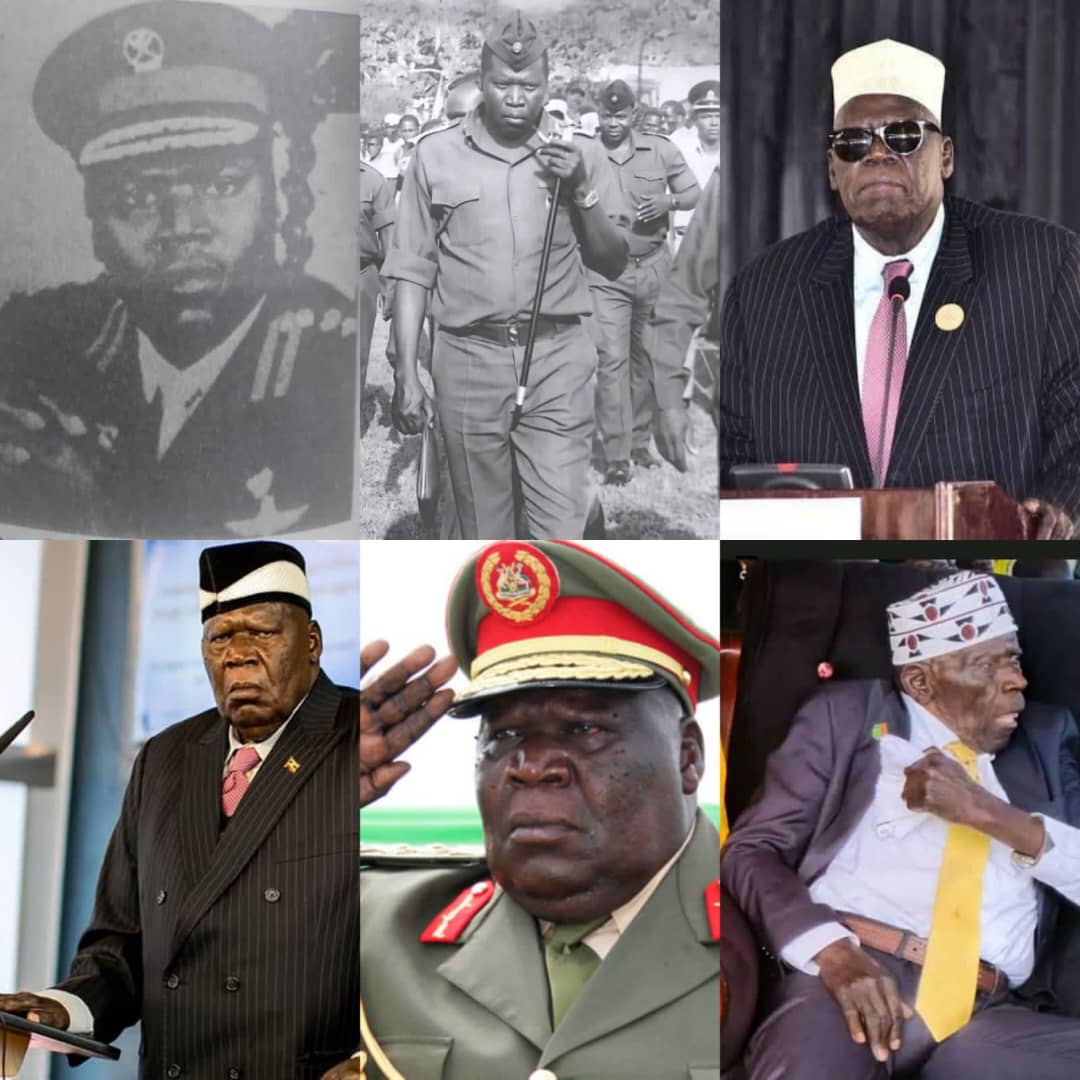
According to historical accounts and sources familiar with the liberation struggle who spoke to The Investigator, both the NRA and UFM found themselves running dangerously short of ammunition as government forces increasingly enjoyed better equipment supplied by friendly foreign governments.
The deteriorating battlefield situation prompted unprecedented cooperation between the rival rebel movements.
Retreat to Reorganise
Sources say that after suffering repeated government offensives, the NRA and UFM leadership agreed that surviving the war required external military assistance.
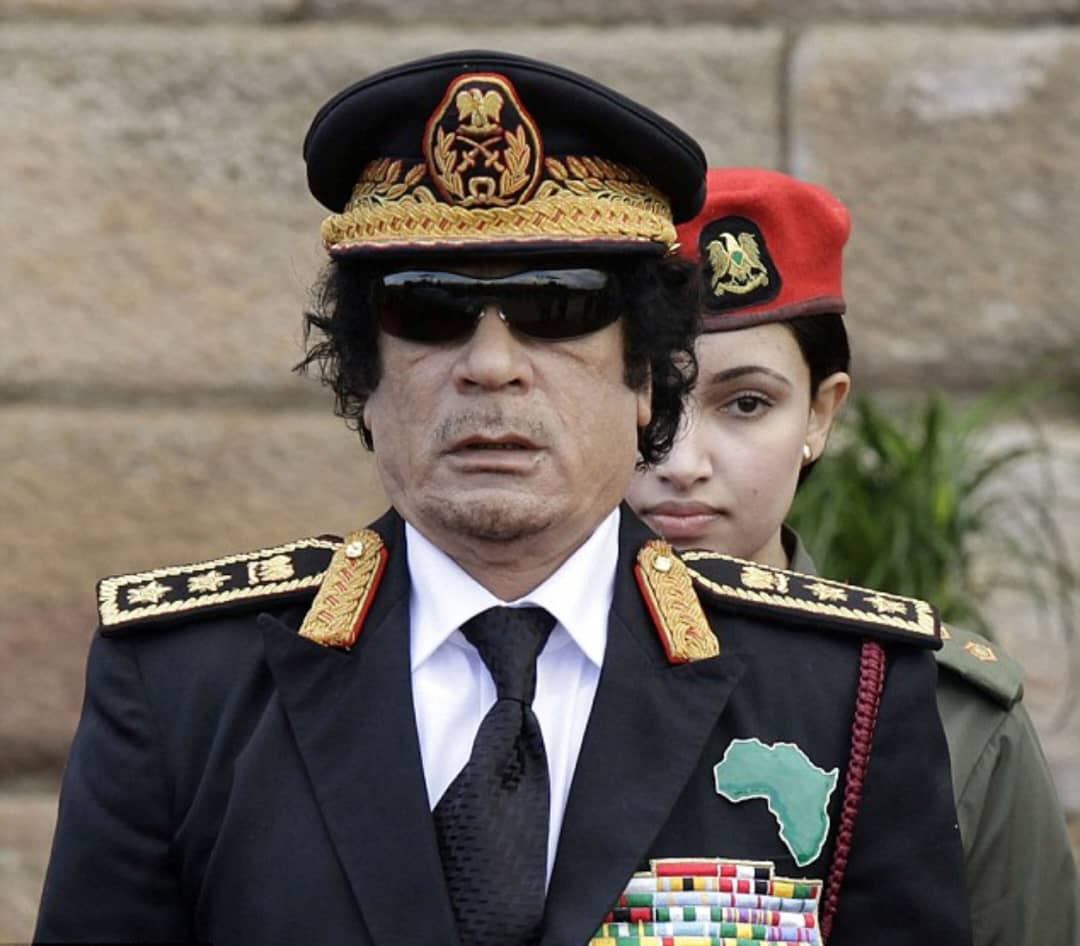
The two movements reportedly held consultations in which they assessed their dwindling stockpiles of ammunition and concluded that neither organisation could sustain prolonged combat without outside support.
The obvious destination was Libya.
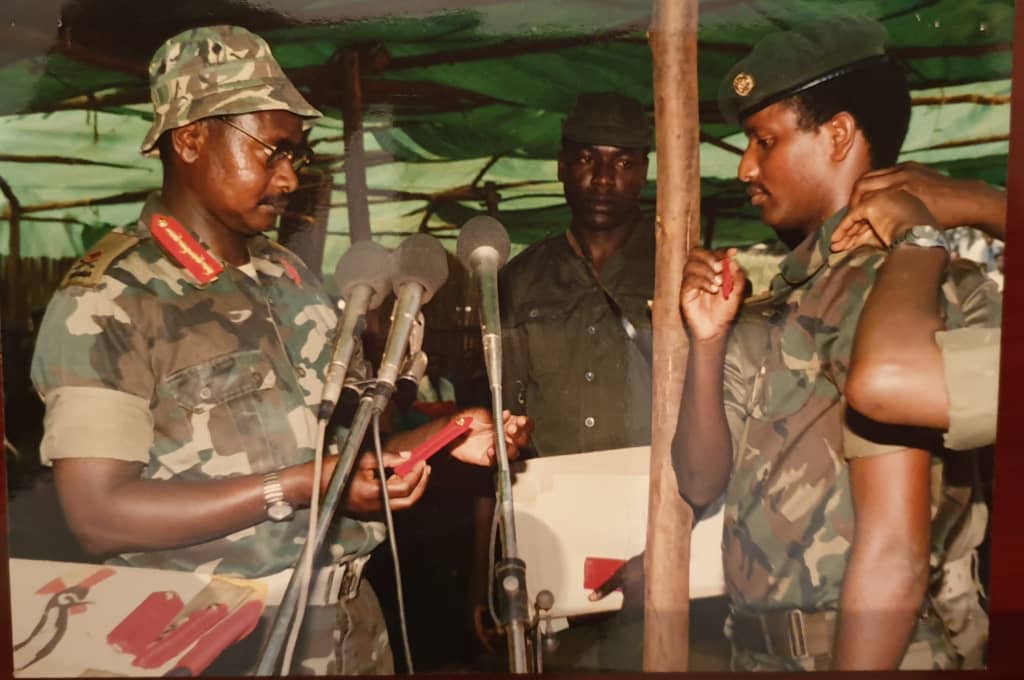
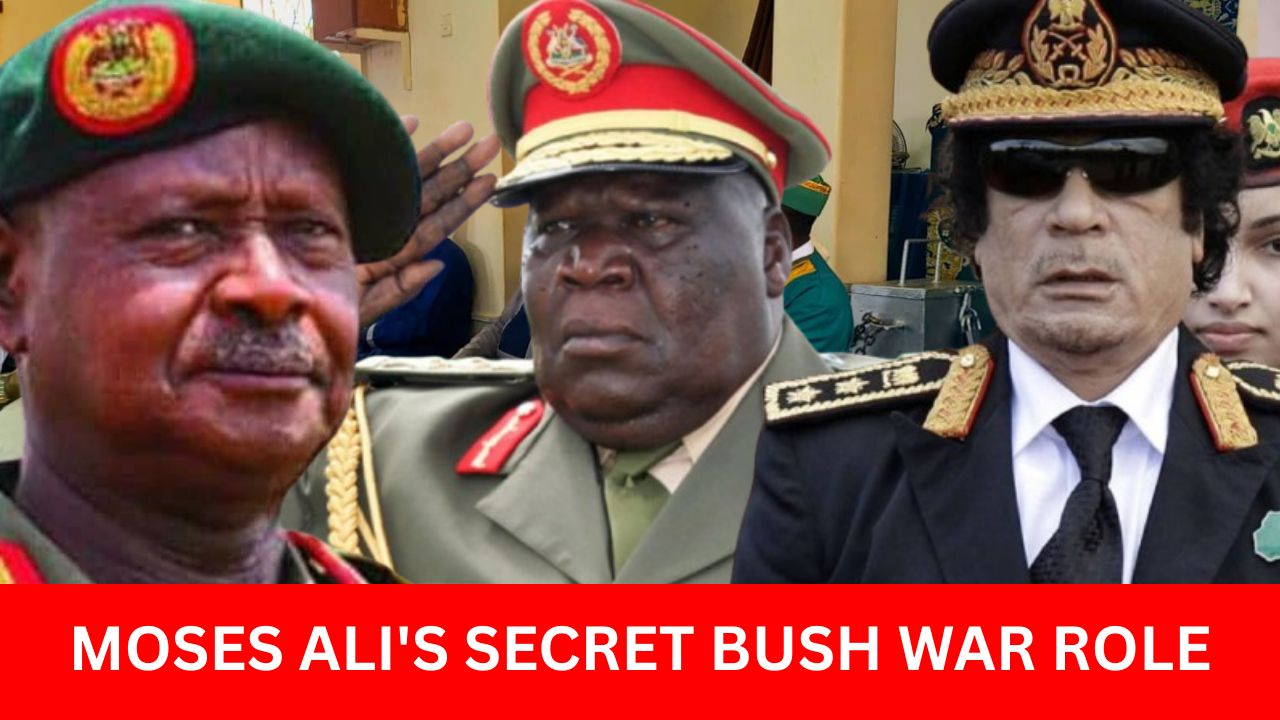
At the time, Libyan leader Col Muammar Gaddafi had earned a reputation across Africa for supporting liberation movements through military training, logistical support and weapons supplies.However, neither the NRA nor the UFM enjoyed direct access to Tripoli.They needed an intermediary.
Enter Moses Ali
That intermediary, according to sources, was Moses Ali.At the time, Ali was leading the Uganda National Rescue Front (UNRF), a West Nile-based rebel movement operating alongside commanders including Bamuze.
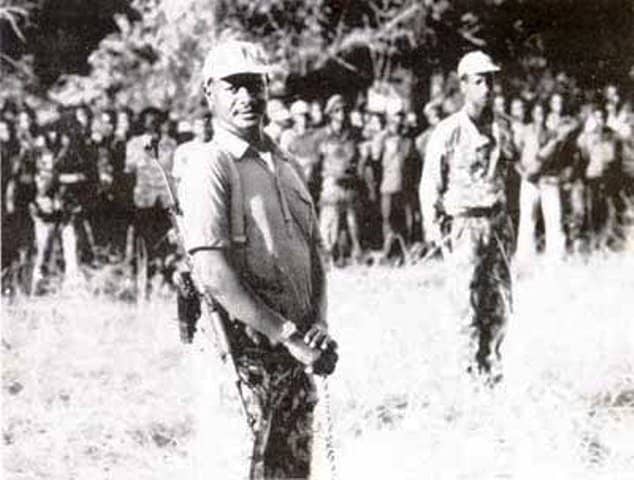
Unlike several other rebel leaders, Moses Ali reportedly enjoyed established contacts with the Libyan leadership, particularly Col Gaddafi.His movement had historical ties with Libya dating back to the post-Idi Amin years when many West Nile fighters found refuge outside Uganda.
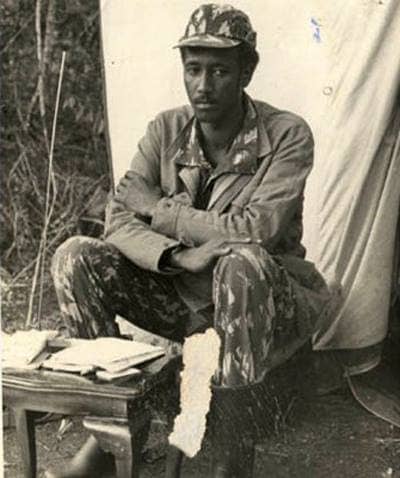
Recognising Ali’s influence, the NRA and UFM reportedly sent emissaries requesting him to facilitate a meeting with the Libyan leader.According to sources, Ali agreed to help—but with one unusual condition.
The Conversion Proposal
Sources claim that Moses Ali advised the visiting commanders that Gaddafi was more likely to support movements led by Muslims or those with strong Islamic affiliations.To strengthen their case before the Libyan leader, Ali allegedly suggested that the rebel leaders formally convert to Islam before travelling to Libya.
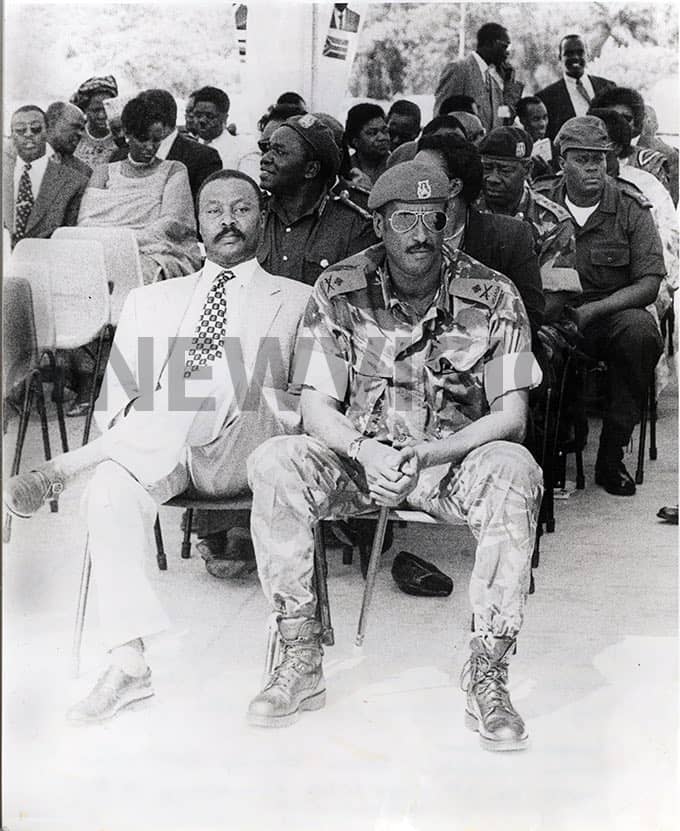
The proposal was reportedly accepted.
It is during this period, according to the sources, that NRA commander Caleb Akandwanaho adopted the Islamic name Salim Saleh.
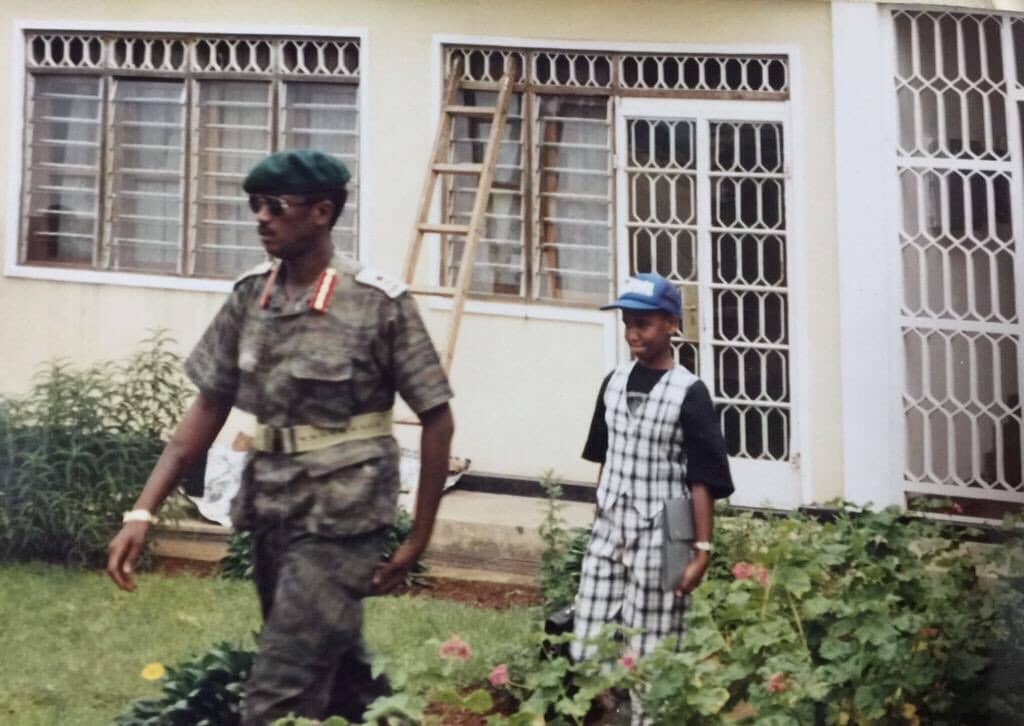
His elder brother, Yoweri Museveni, is also said to have taken the Islamic name Kassim.On the UFM side, commander Hussein Adda already professed the Islamic faith and therefore required no conversion.
While the historical details surrounding these reported conversions remain part of liberation war accounts shared by participants over the years, they have frequently resurfaced in discussions about the origins of Libya’s relationship with the NRA.
Journey to Libya
Following the reported conversions, the delegation comprising Kassim (Museveni), Salim Saleh (Caleb Akandwanaho), Hussein Adda and other representatives allegedly travelled under arrangements facilitated by Moses Ali.
Sources say Ali personally introduced the delegation to Libyan officials before eventually securing an audience with Col Gaddafi.The discussions reportedly focused on the deteriorating military situation inside Uganda and the need for military hardware to sustain resistance against the Uganda Army.
Libya, which at the time maintained an activist foreign policy across Africa, was known for extending military assistance to liberation movements considered politically or ideologically aligned with Tripoli.
Military Support Changes Battlefield
Although the exact quantities of assistance remain disputed among historians, several former combatants have acknowledged that Libyan support played an important role during the liberation struggle.
Fresh consignments of weapons and ammunition reportedly enabled the NRA to reorganise and gradually expand its military operations.
The additional military supplies also improved the rebels’ capacity to withstand government offensives that had previously forced repeated tactical withdrawals.As the war progressed, the NRA increasingly shifted from defensive survival to coordinated offensive operations.
Military analysts have argued that external assistance—including support reportedly obtained through Libya—became one of several factors that eventually altered the balance of power on the battlefield.
Moses Ali’s Quiet Role
Although Moses Ali would later join Museveni’s government after the 1986 takeover and rise to become one of Uganda’s longest-serving cabinet ministers, his alleged contribution during the liberation struggle has received relatively little public attention.
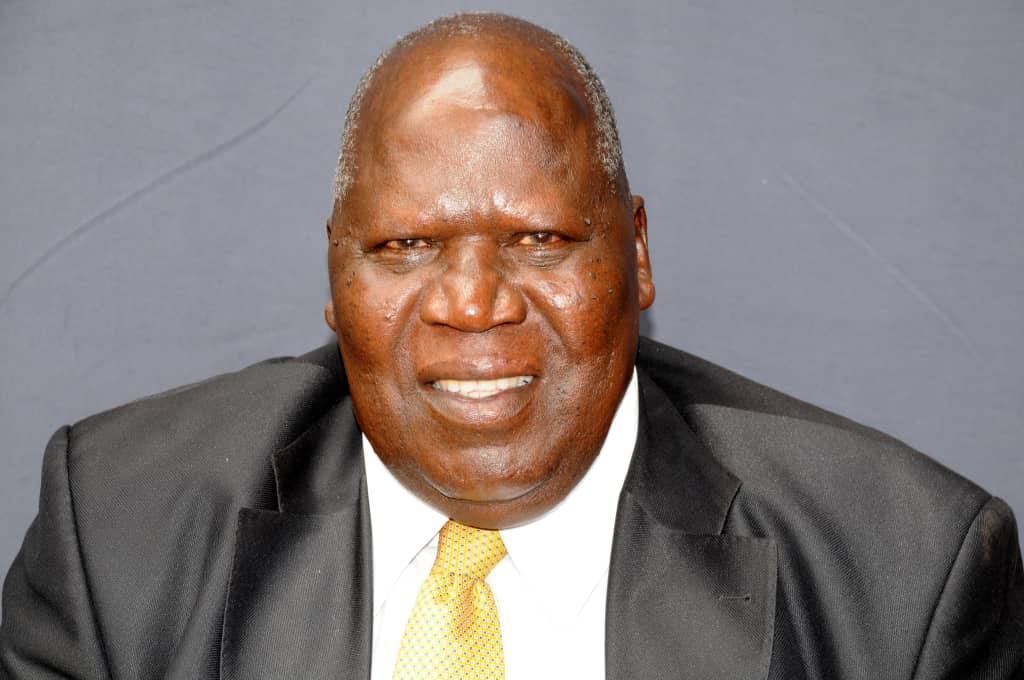
His role has often been overshadowed by later political developments, including his appointments as Deputy Prime Minister and his long tenure representing Adjumani West County in Parliament.
Those who participated in the bush war, however, continue to describe him as a bridge between Uganda’s various liberation movements and influential regional actors.Several former commanders have over the years acknowledged that relationships built across different rebel groups became essential in sustaining the wider anti-government struggle.
A Complicated Liberation History
Uganda’s liberation war involved far more than a single rebel movement.
Alongside the NRA were organisations such as the UFM, FEDEMU, UNRF and other groups pursuing different military and political objectives.
Despite ideological differences and occasional rivalry, practical considerations often forced cooperation.The search for weapons, training and diplomatic recognition frequently brought together commanders who otherwise operated independently.
Foreign governments also played significant roles, with neighbouring countries and regional powers becoming important sources of support for competing factions.Within that broader context, Moses Ali’s reported role as a facilitator between Ugandan rebels and Libya illustrates the complex regional dimensions of Uganda’s liberation struggle.
Forces Join NRA in 1986
When NRA finally toppled UA, President Museveni welcomed Ali, Kodili and Hussein Adda into his NRA outfit. Adda was given the rank of Major, Kodili Major, Ali Brigadier in 1987.
Legacy Beyond the Battlefield
Following the NRA’s capture of power in January 1986, many former rivals eventually found themselves serving in the same government.Moses Ali became one of the most enduring figures in Uganda’s political establishment, serving in various ministerial positions for decades while maintaining influence in West Nile.
His recent passing at the age of 87 has revived interest in previously untold episodes of the liberation struggle, including his reported role in facilitating contacts between the NRA leadership and Libya.
Whether remembered as a rebel commander, senior government official or political negotiator, Moses Ali occupied a unique position in Uganda’s modern history.
Accounts from former participants continue to paint a picture of a man whose influence extended well beyond the battlefield—one whose regional connections may have helped shape critical moments during the country’s five-year liberation war.
Editor’s note: The account above is based on information provided by sources familiar with the liberation struggle and reflects their recollections of historical events. Some aspects remain contested and have not been independently verified through official historical records or firsthand documentary evidence.
Author Profile
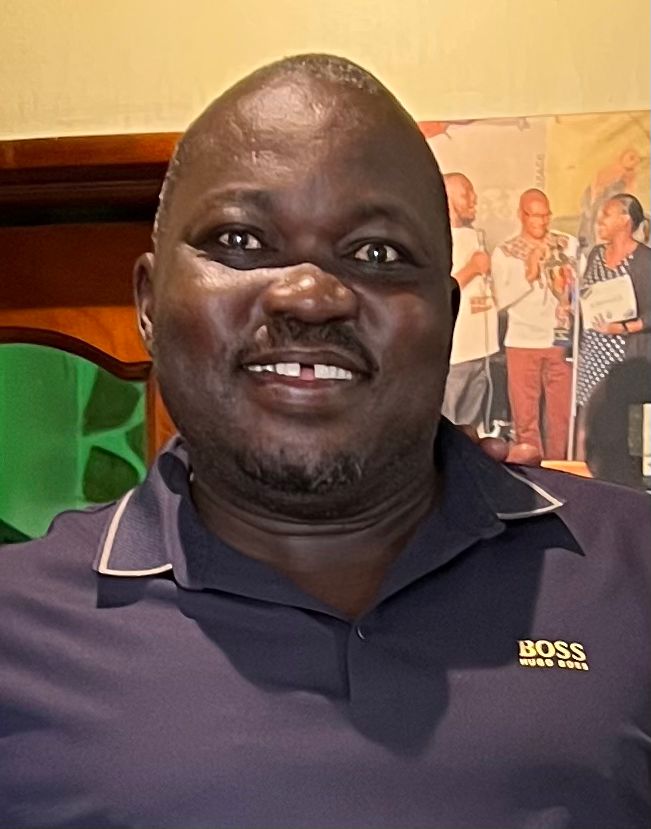
- Charles Gazza Kodili is a seasoned journalist with over 20 years of experience in the media industry. He holds a Bachelor of Arts degree in Mass Communication. He’s currently the Chief Editor at the Investigator.
Charles can also be reached via; Tel: +256 774 108978
Email: [email protected]
Latest entries
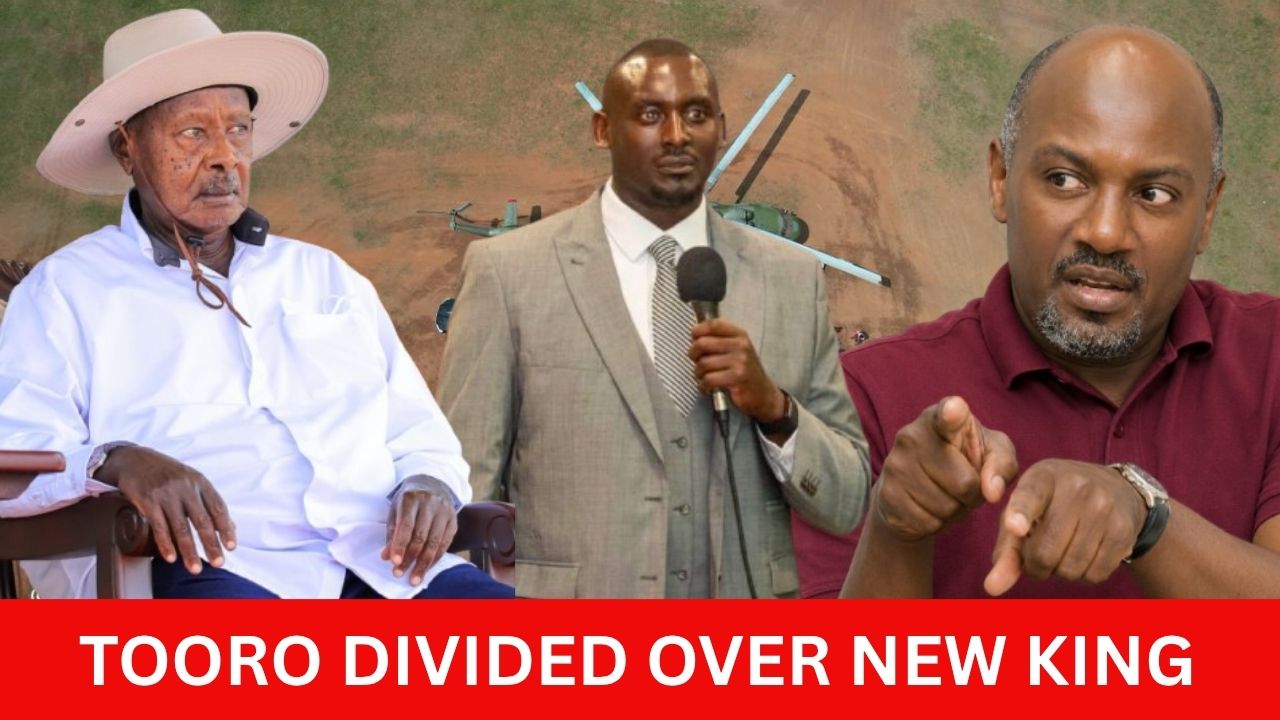 NewsSeptember 5, 2026THE INSIDE STORY: TOORO THRONE IN TURMOIL! Who Is Kamurasi? What Happened To Oyo’s Reported Son? Why Did Mwenda Announce The Decision? What Does the Custom Say About Succession?
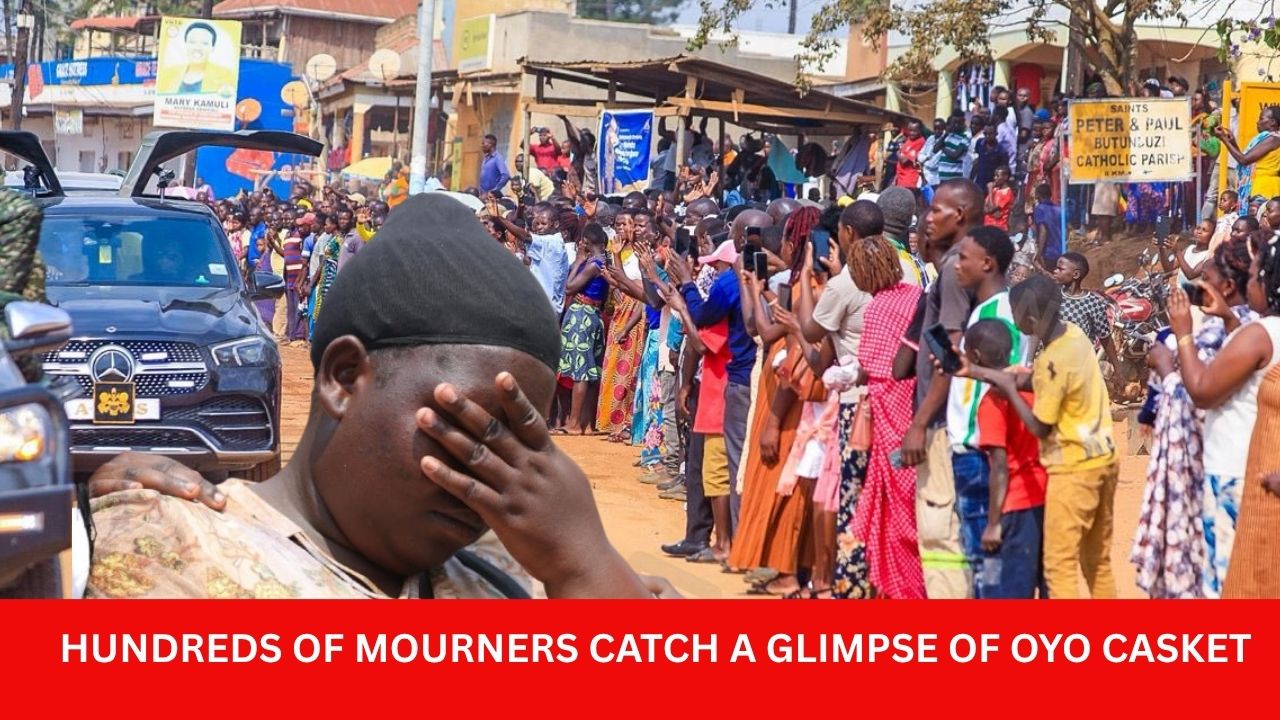 NewsSeptember 4, 2026MUSEVENI REVEALS OYO’S CANCER BATTLE: President Says Queen Mother Best Kemigisa Told Him About The King’s Aggressive Cancer In November 2025 As Oyo’s Body Returns Home
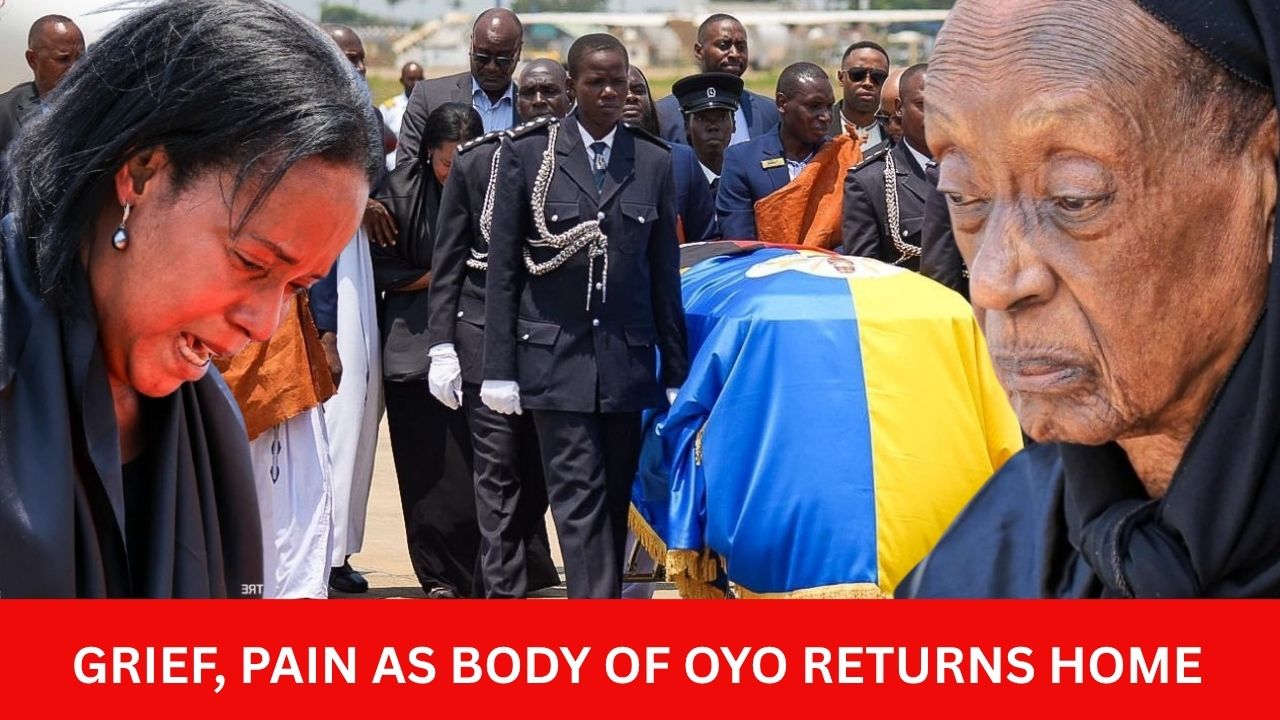 NewsSeptember 4, 2026KING OYO’S BODY BACK HOME: President Museveni Receives The Remains Of King Oyo At Entebbe As Queen Mother Best Kemigisa And Royal Family Members Begin The Monarch’s Final Journey Home
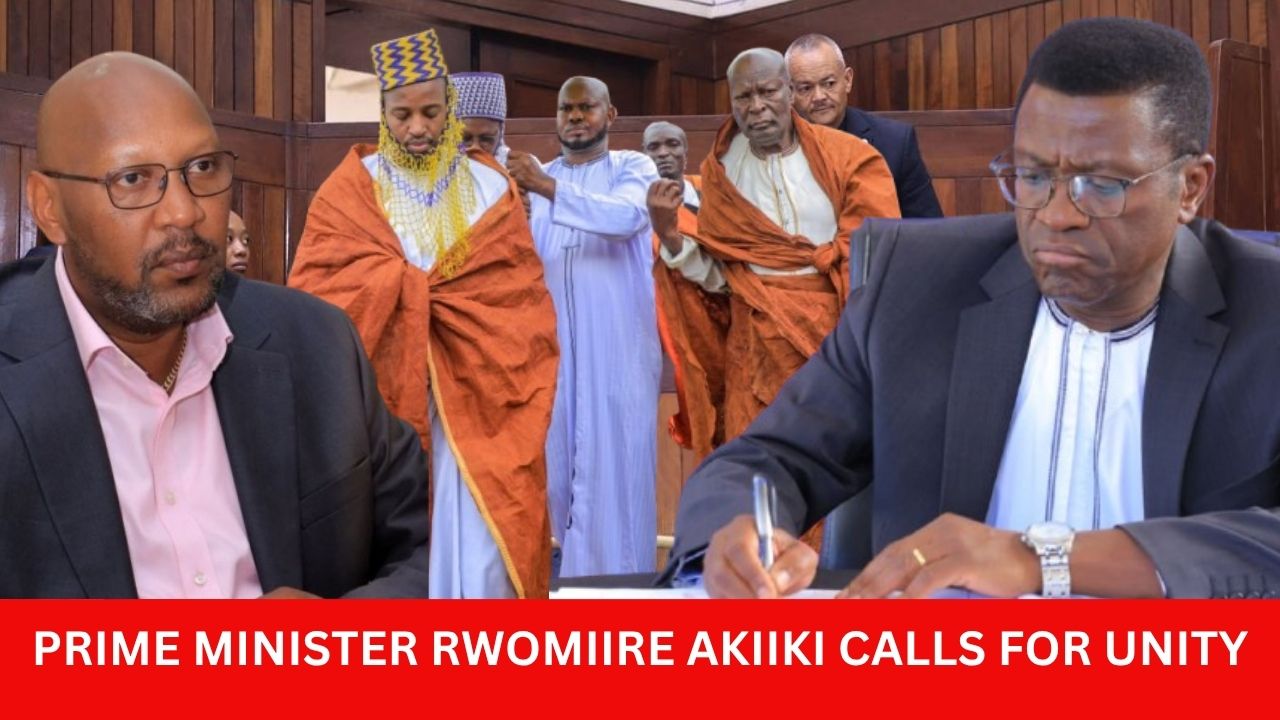 NewsSeptember 3, 2026TOORO UNITY PLEA AS KING OYO RETURNS: Prime Minister Rwomiire Tells Batooro to Reject Division, Silence Speculation and Give Their Fallen King a Dignified Farewell

Thanks for sharing this historic information
Here you are