


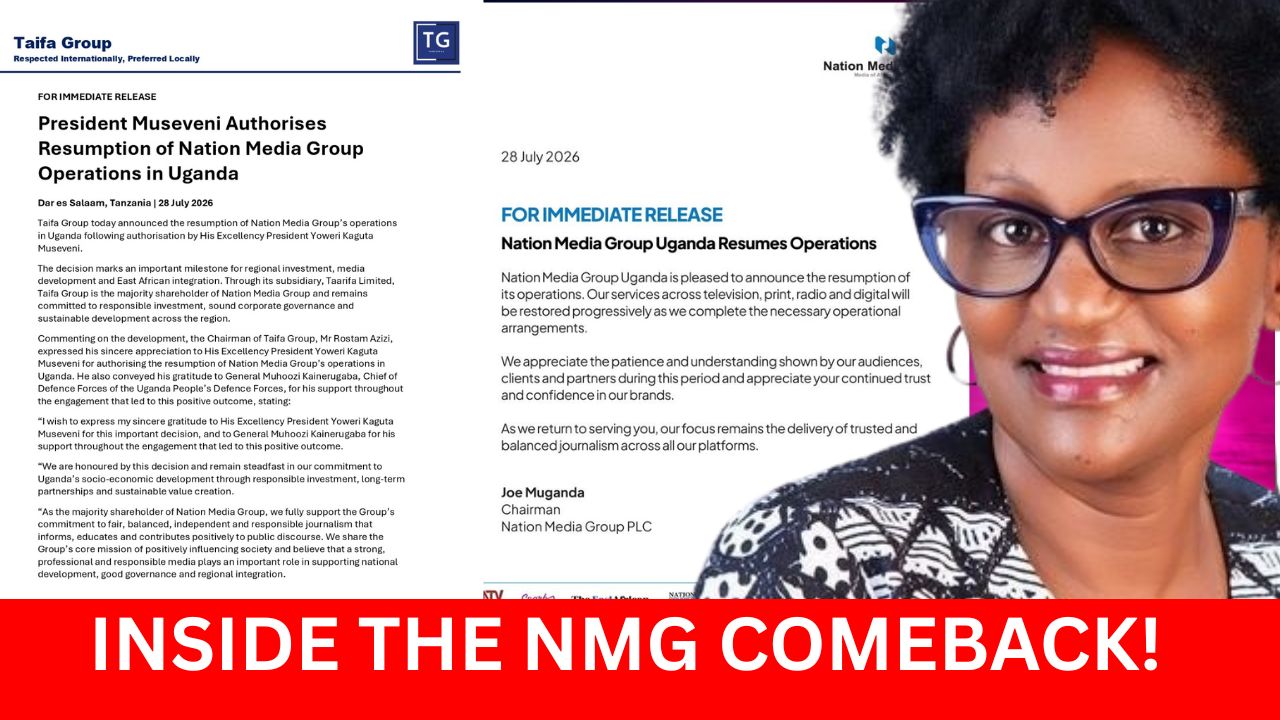
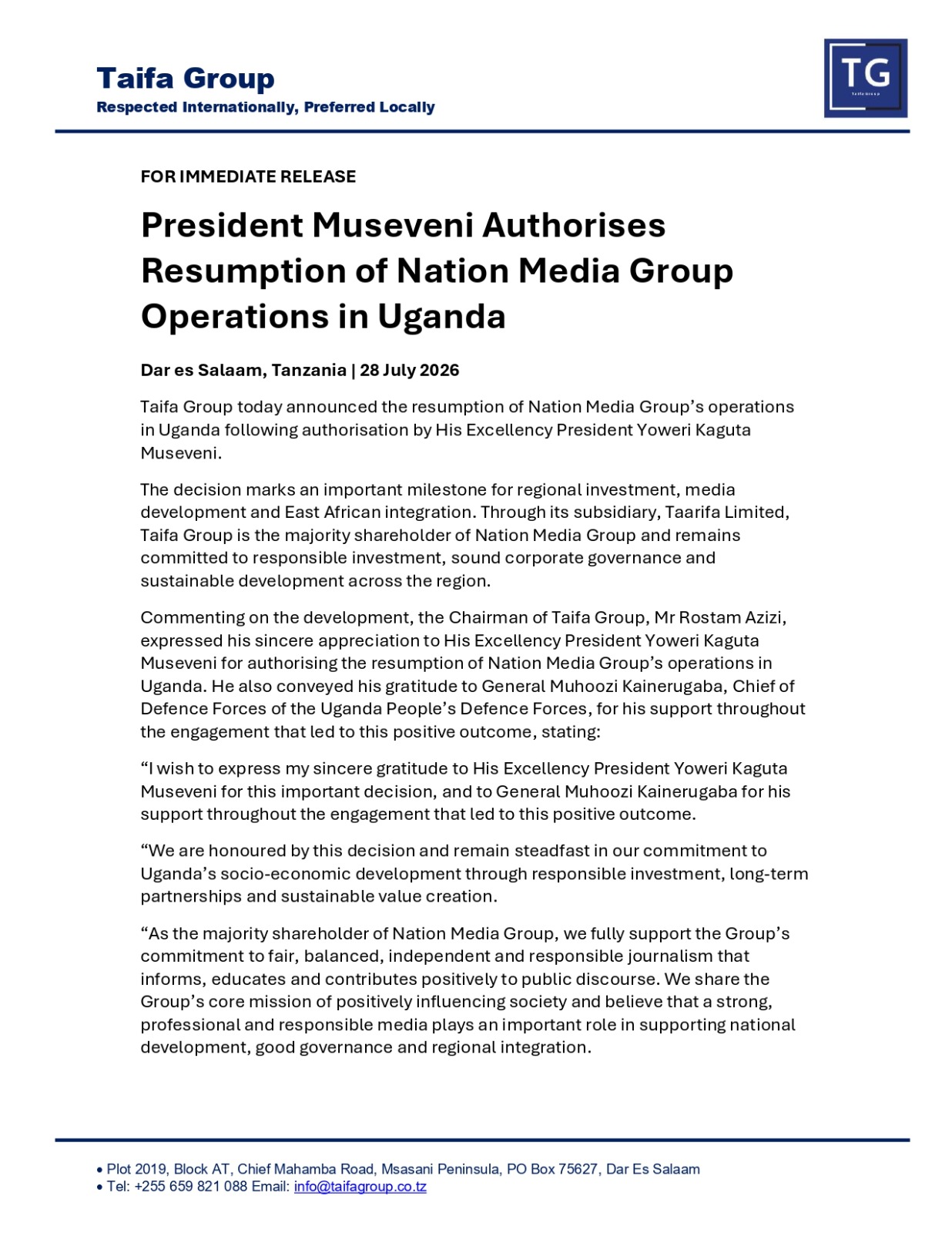
After nearly a month of silence that shook Uganda’s media landscape, Nation Media Group (NMG) Uganda has announced the resumption of its operations, bringing an end to one of the most dramatic interruptions in the country’s recent media history.
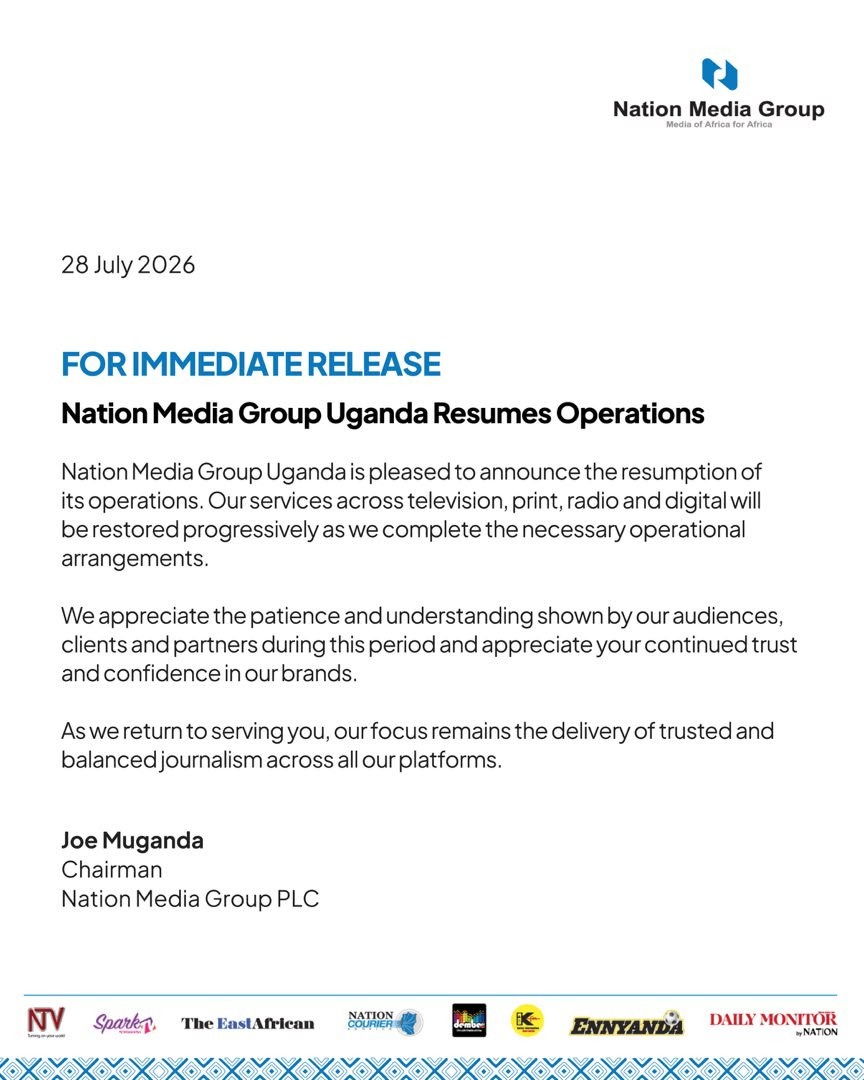 In a statement released on Tuesday, July 28, 2026, NMG Uganda said television, print, radio and digital services would return progressively as the company completed operational arrangements.
“Nation Media Group Uganda is pleased to announce the resumption of its operations. Our services across television, print, radio and digital will be restored progressively as we complete the necessary operational arrangements,” the statement signed by NMG PLC Chairman Joe Muganda reads.
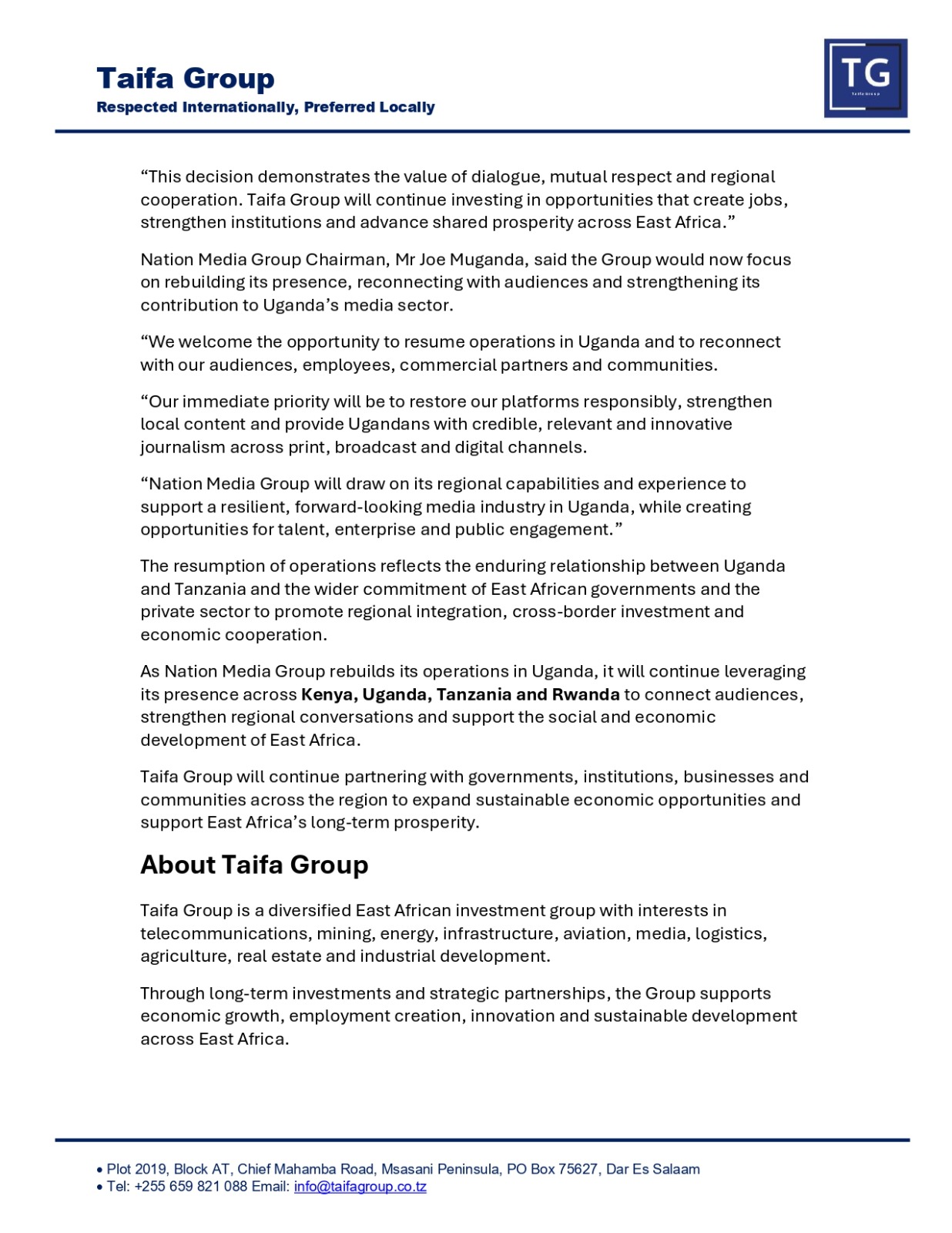
The company thanked its audiences, clients and business partners for their patience during the disruption, while reaffirming its commitment to “trusted and balanced journalism across all our platforms.”
For thousands of viewers, readers and listeners, the announcement marks the return of familiar brands including NTV Uganda, Daily Monitor, KFM, Dembe FM, Spark TV, The EastAfrican, Ennyanda and Nation Courier.
A month that changed Uganda’s media landscape
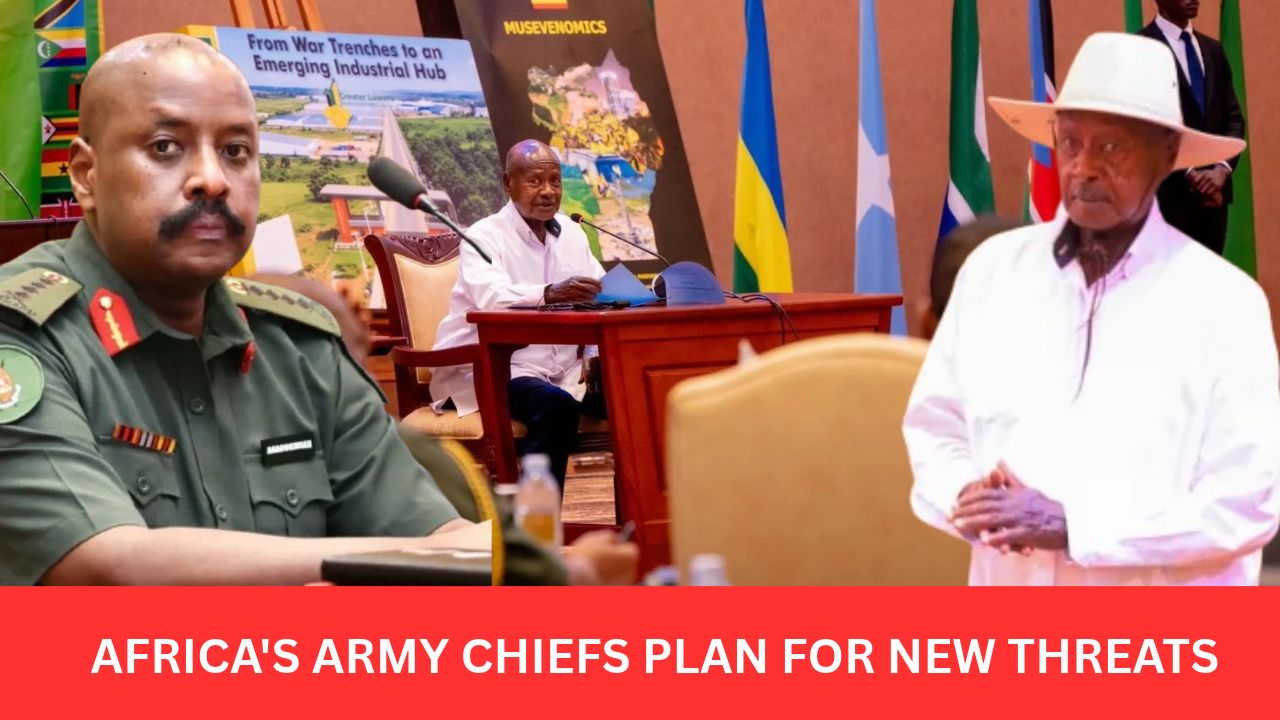
The reopening comes almost exactly one month after NMG’s operations were disrupted following directives linked to Chief of Defence Forces Gen Muhoozi Kainerugaba.
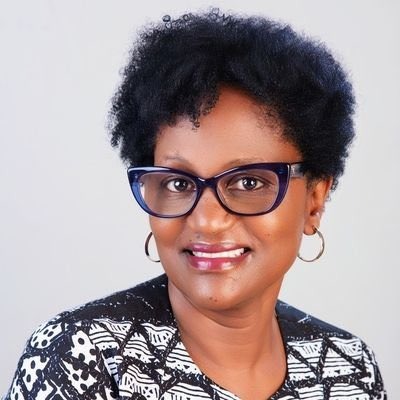
The shutdown sent shockwaves through Uganda’s media industry. For decades, Nation Media Group has been regarded as one of East Africa’s most influential independent media organisations, operating leading newspapers, television stations, radio stations and digital platforms.
The interruption affected thousands of employees, freelancers, suppliers, advertisers and millions of consumers who rely on the company’s news products every day.
Advertisers were forced to suspend campaigns while many journalists suddenly found themselves unable to publish or broadcast.Industry observers described the closure as unprecedented because of NMG’s central role in Uganda’s media ecosystem.
Quiet diplomacy behind closed doors
Although Tuesday’s statement does not disclose what led to the reopening, media and government sources have indicated that extensive engagements took place behind the scenes over the past several weeks.
Those discussions are understood to have involved senior Nation Media Group executives, government officials and other stakeholders seeking a solution that would allow the media house to resume normal business.
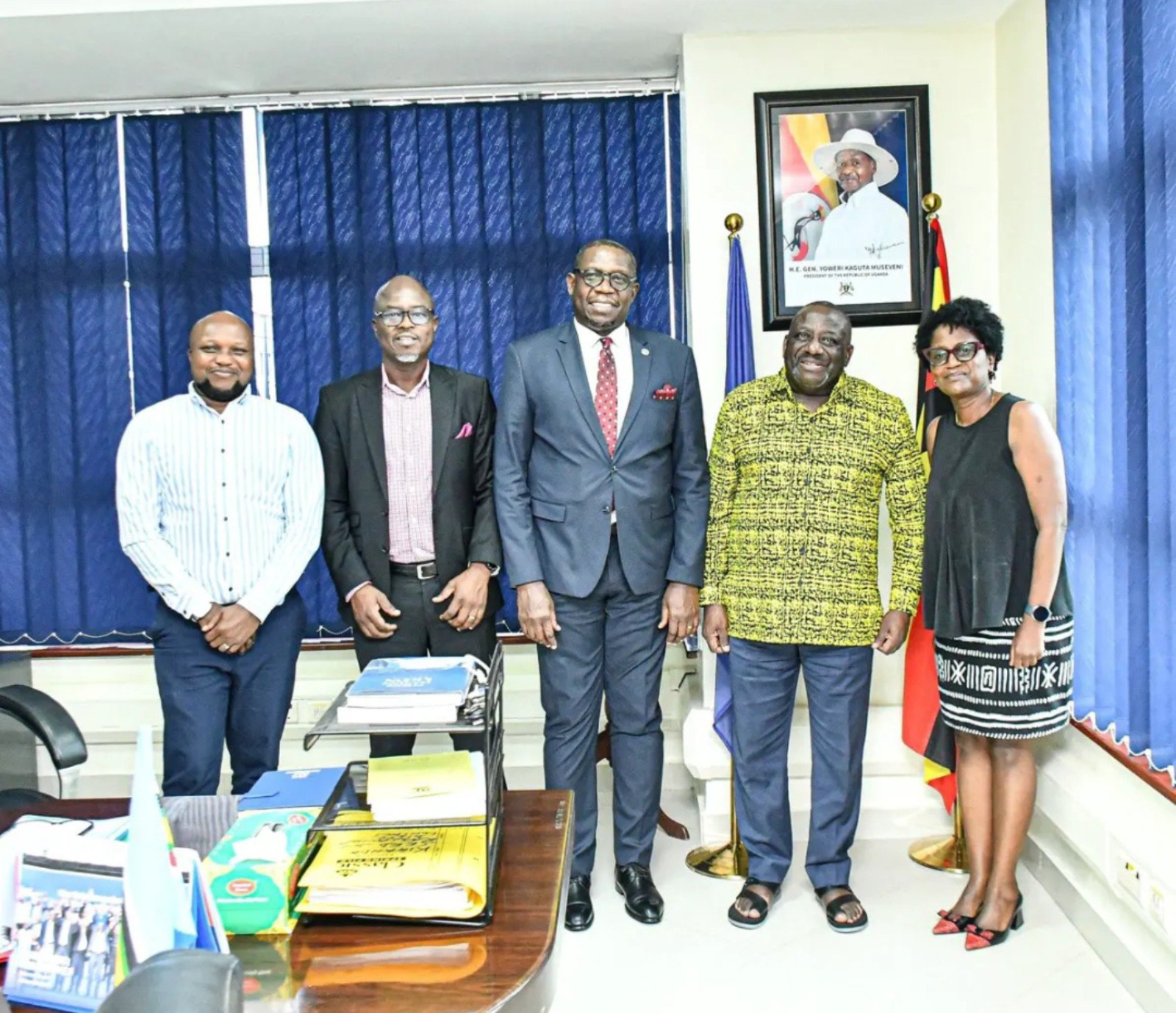 Neither the company nor government has publicly detailed the content of those engagements.As a result, it remains unclear whether specific undertakings were agreed upon or whether the reopening followed broader consultations aimed at resolving the impasse.
What is evident, however, is that both sides avoided escalating public exchanges during the latter stages of the shutdown, a move many analysts interpreted as creating space for dialogue.Several industry players privately expressed hope throughout the month that negotiations would eventually prevail over confrontation.
Pressure from multiple fronts
The prolonged disruption also attracted widespread attention within Uganda’s business community.
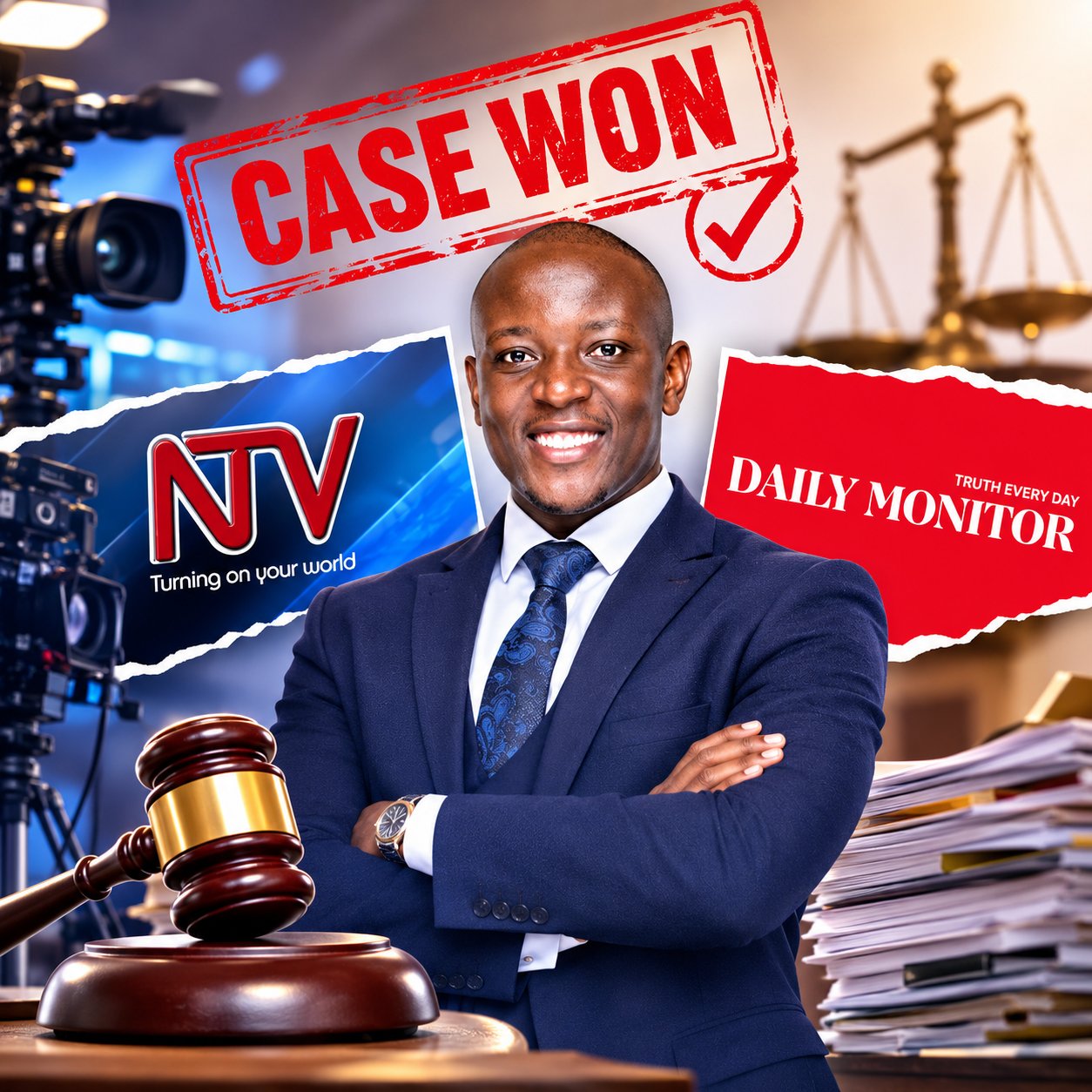
Nation Media Group is not only a newsroom but also one of the country’s largest media employers and advertising platforms.The suspension of operations affected commercial advertising, corporate communication campaigns and media buying schedules.
Businesses that depend on NMG’s platforms had to redirect advertising budgets or postpone campaigns altogether.Media analysts noted that prolonged uncertainty risked affecting investor confidence in Uganda’s communications sector.
Journalists’ associations and media freedom advocates also closely monitored developments, arguing that the continued absence of one of the country’s largest media organisations reduced diversity within the information space.
Economic implications
Beyond journalism, the closure carried significant economic consequences.
Printing operations slowed.
Broadcast programming was interrupted.
Freelance contributors temporarily lost assignments.
Distribution networks serving newspapers across Uganda experienced disruptions.
The ripple effects extended to photographers, camera operators, drivers, vendors and numerous service providers connected to the media house.
For advertisers, the interruption meant losing access to audiences built over decades by Daily Monitor, NTV Uganda, KFM and other NMG brands.
What the statement says
The company’s announcement is notably concise. Rather than revisiting the events leading to the shutdown, management focused on reassuring audiences that services would return in phases.
 The statement also emphasizes appreciation for viewers, readers, listeners, clients and partners who remained patient throughout the interruption. Equally significant is the reaffirmation of editorial values.
“As we return to serving you, our focus remains the delivery of trusted and balanced journalism across all our platforms,” the statement says.
That message appears designed to reassure audiences that the company’s editorial mission remains unchanged despite the month-long disruption.
A gradual return
The announcement indicates that operations will resume progressively rather than immediately.This suggests technical, programming and logistical arrangements are still underway before all services return to full capacity.
Industry experts say restarting a large multimedia operation involves restoring broadcast schedules, newspaper production, digital publishing systems, advertising commitments and staffing arrangements.
Some programmes may therefore return before others as the company works toward full operational capacity.
Lessons from the shutdown
The events of the past month have reignited debate about the relationship between media institutions and state authorities in Uganda.
Supporters of dialogue argue the reopening demonstrates that difficult disputes can ultimately be resolved through engagement rather than prolonged confrontation.Others believe the episode highlights the vulnerability of media organisations to political and regulatory pressures.
Regardless of differing interpretations, few dispute that the interruption represented one of the most significant moments in Uganda’s media sector in recent years.For journalists working within Nation Media Group, the reopening also represents an opportunity to return to reporting, broadcasting and publishing after weeks of uncertainty.
Looking ahead
Attention now shifts from the circumstances of the shutdown to the future of Uganda’s largest private media organisation.
The immediate priority will likely be restoring normal programming, rebuilding advertising schedules and reconnecting with audiences.
For readers, viewers and listeners, the return of NMG means renewed access to one of the country’s most established news providers.
For the wider media industry, the reopening closes a difficult chapter while raising broader questions about media freedom, institutional resilience and the importance of continued dialogue between state institutions and independent news organisations.
As broadcasts resume and newspapers return to regular circulation, many will be watching not only how quickly operations normalize, but also whether the events of the past month lead to lasting changes in the relationship between Uganda’s media and public institutions.
For now, Nation Media Group’s message is simple: after weeks of silence, its newsrooms are preparing to tell stories once again.
Author Profile
- Charles Gazza Kodili is a seasoned journalist with over 20 years of experience in the media industry. He holds a Bachelor of Arts degree in Mass Communication. He’s currently the Chief Editor at the Investigator.
Charles can also be reached via; Tel: +256 774 108978
Email: [email protected]
Latest entries
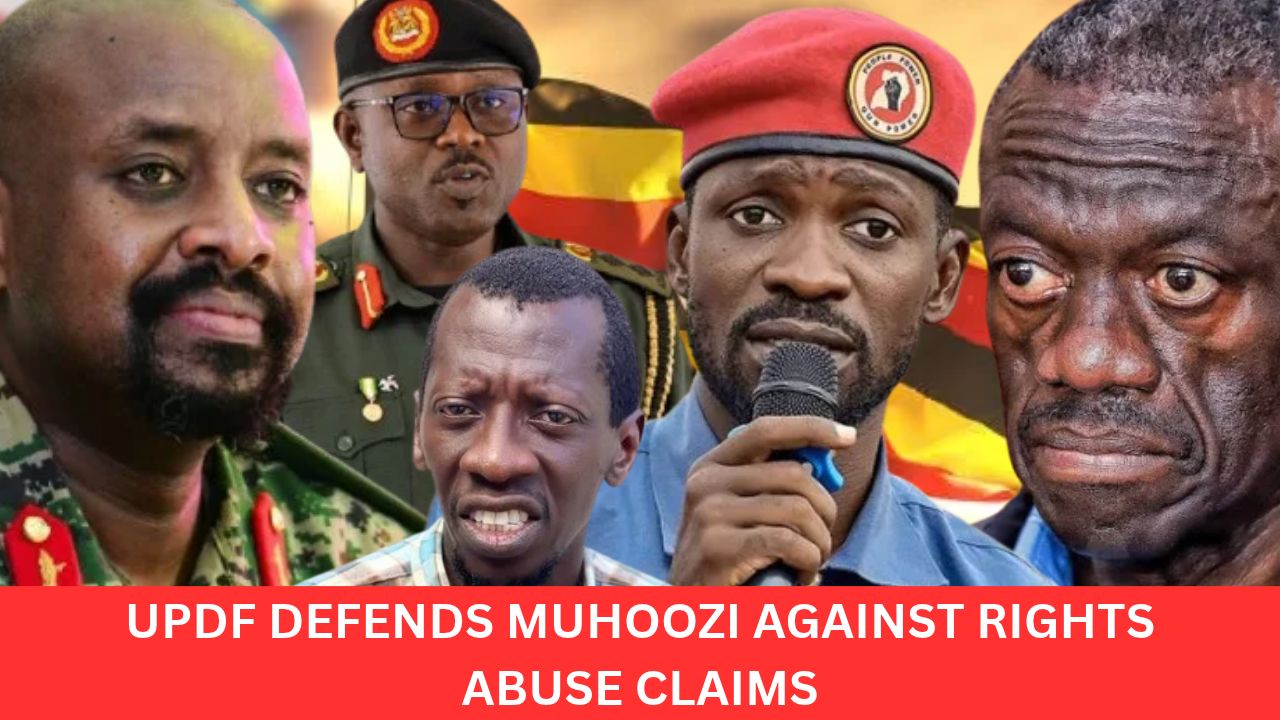 FeaturedOctober 10, 2026MUHOOZI UNDER FIRE OVER DEATH THREATS New York Times article puts Muhoozi’s human rights record under fresh scrutiny as UPDF cries foul
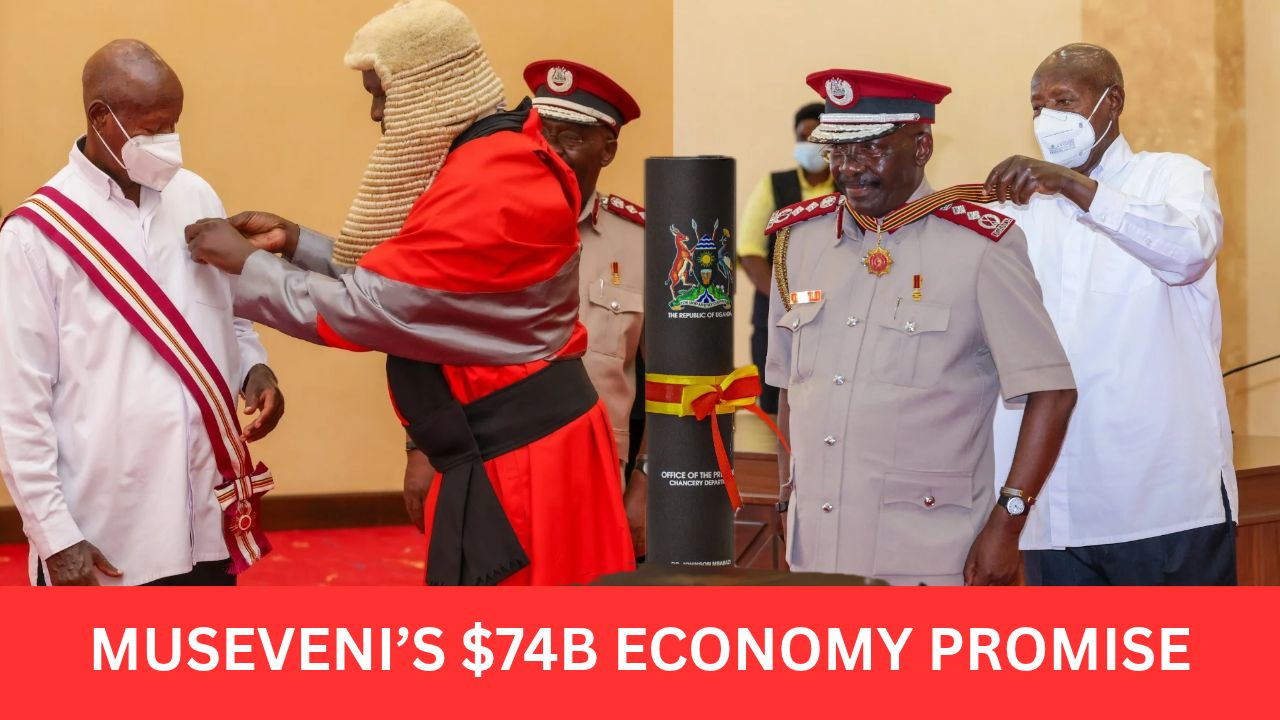 FeaturedOctober 9, 2026UGANDA ECONOMY TO HIT $73.96B: President Museveni Cites Decades Of Economic Growth As He Receives A Top National Honour During The 64th Independence Anniversary Celebrations At State House, Entebbe
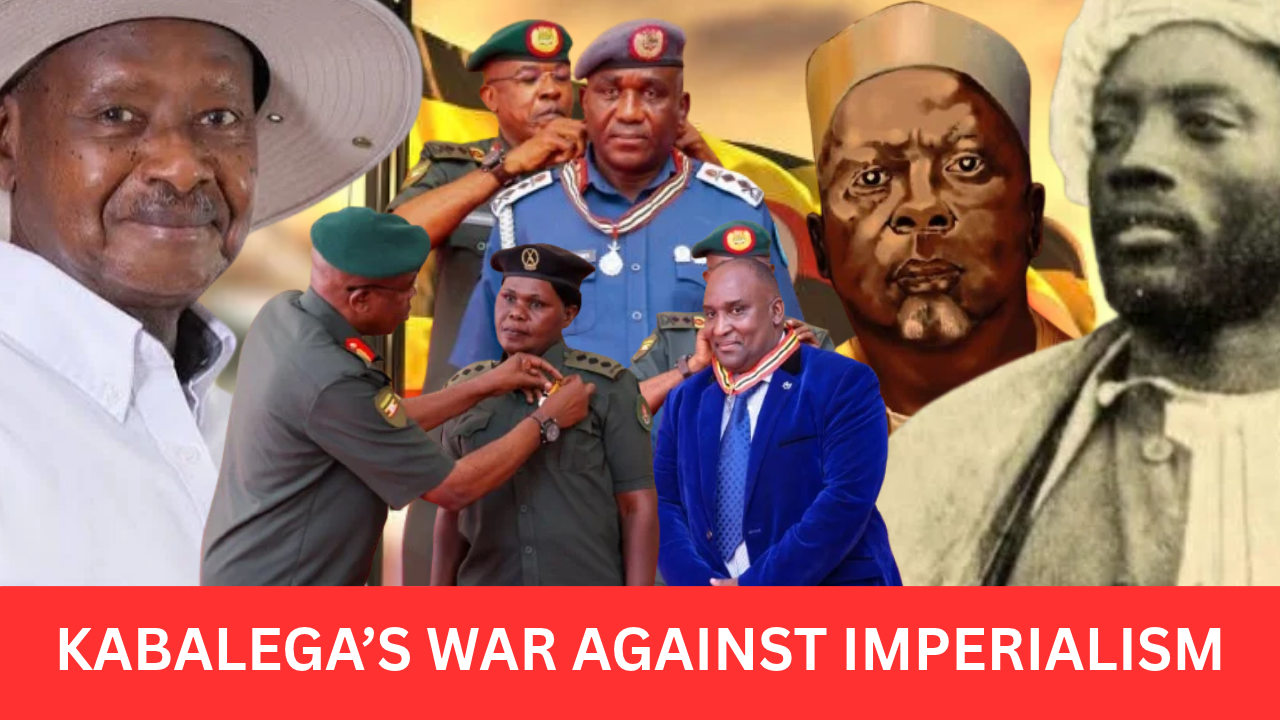 FeaturedOctober 9, 2026KABALEGA: THE KING WHO FOUGHT THE BRITISH: From Battles Against Sir Samuel Baker To Uganda’s Independence In 1962, The Bunyoro King Became A Symbol Of Resistance Against Foreign Domination
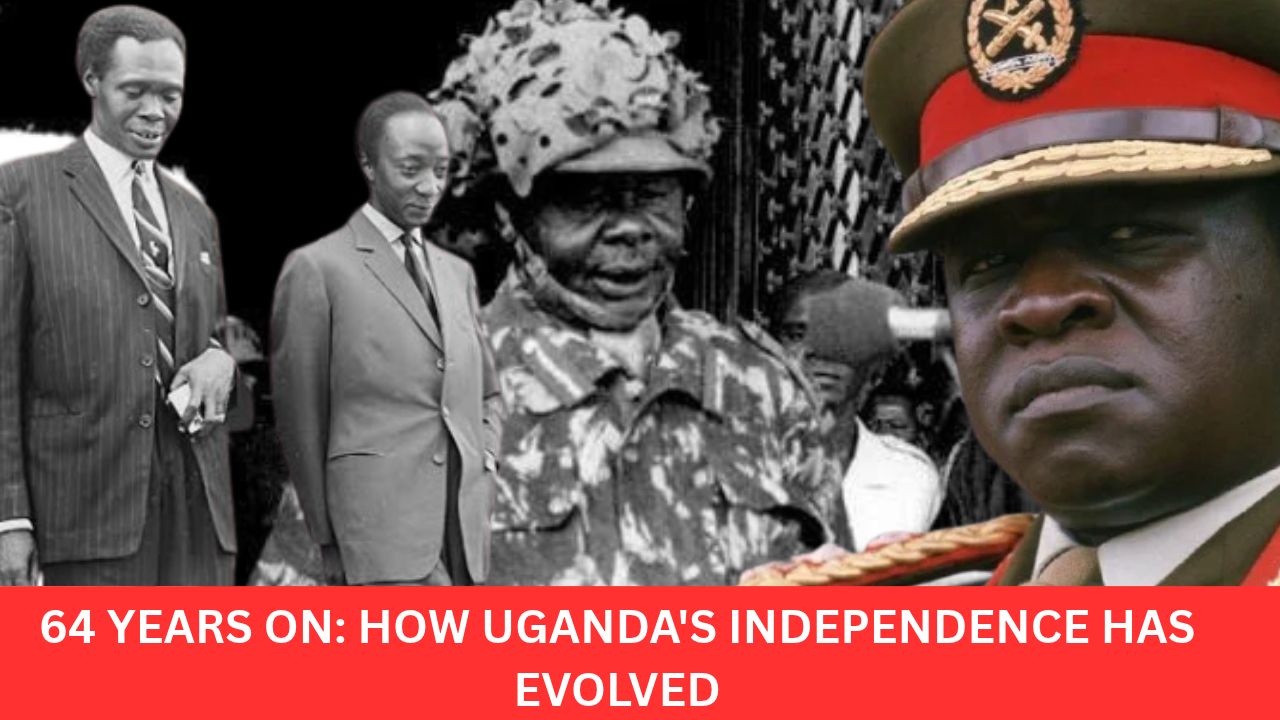 FeaturedOctober 8, 2026UGANDA AT 64: From Obote Receiving the Instruments of Power in 1962 to Museveni Receiving a National Medal in 2026, Uganda’s Independence Story Remains Unfinished. We Journey With You the Thorney 6+ Decades of Uhuru