
















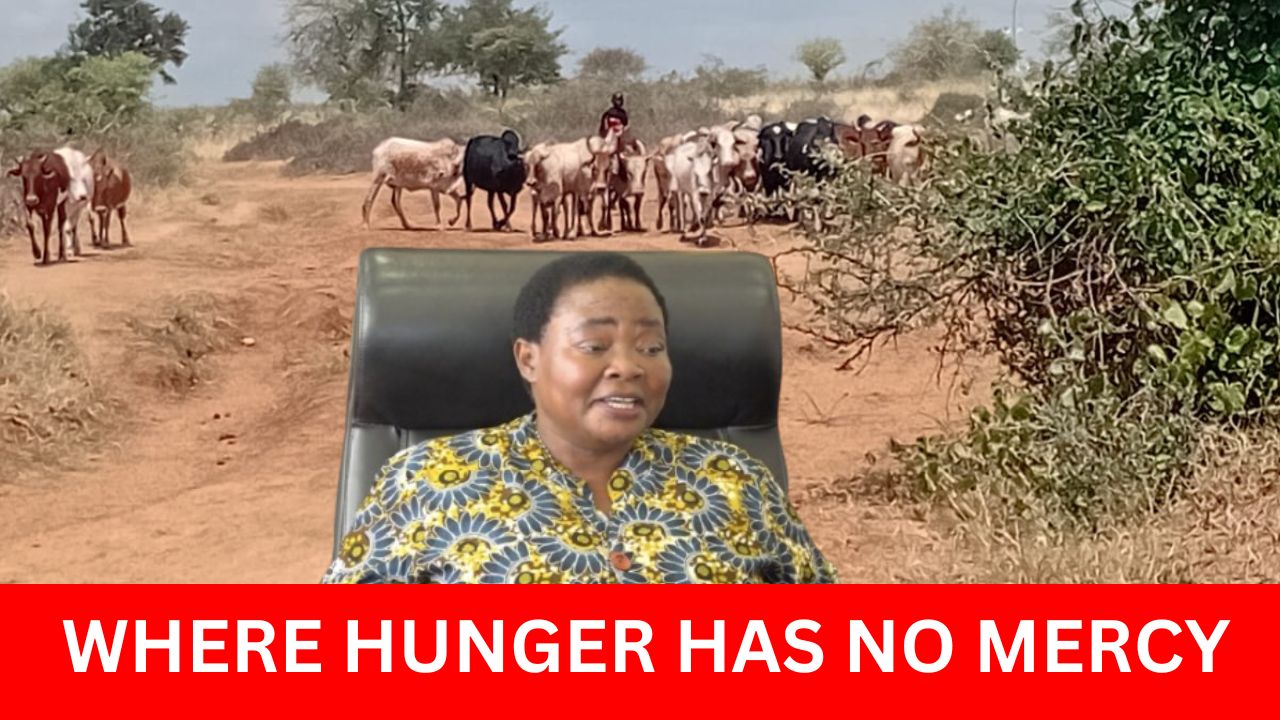
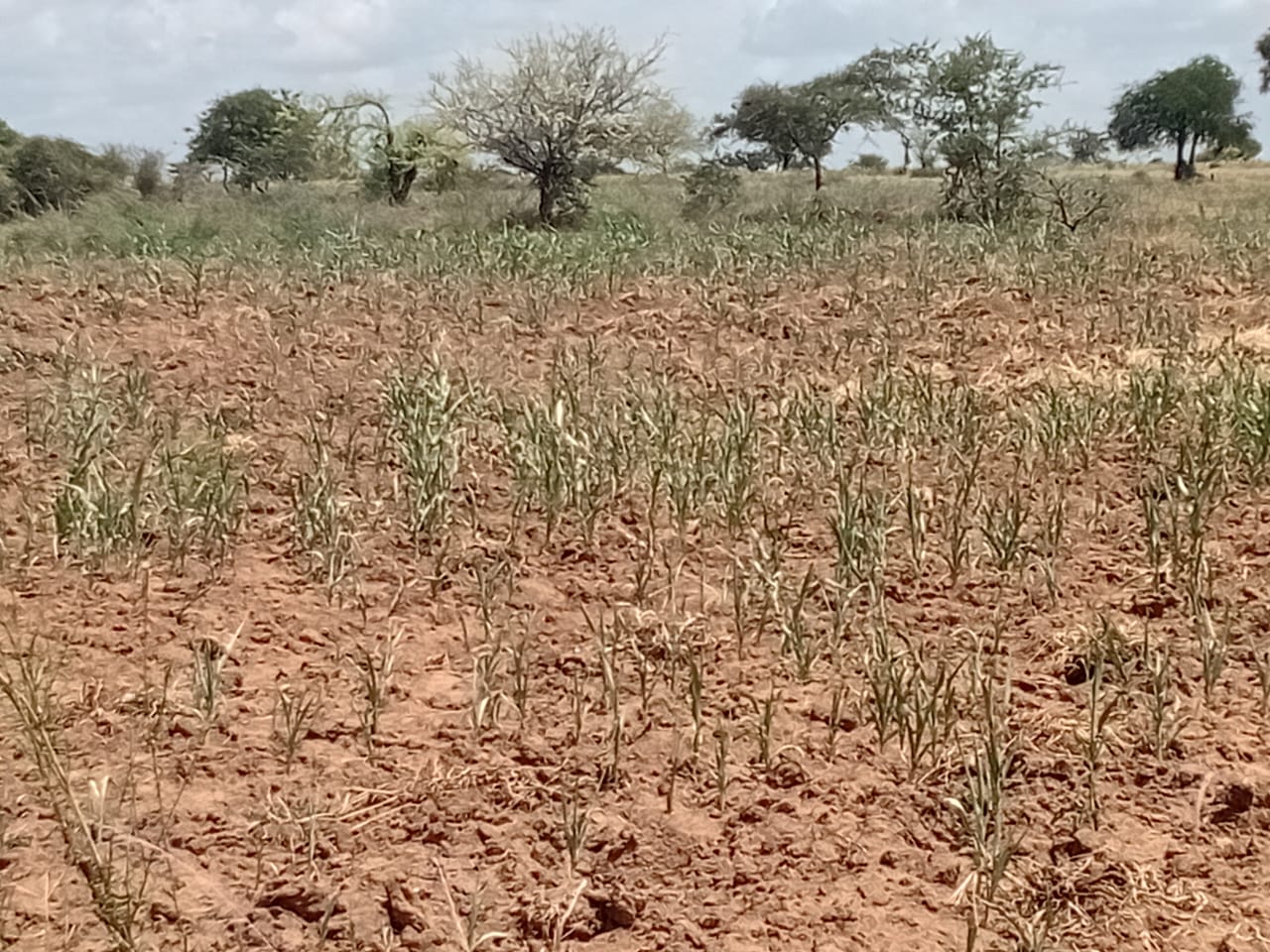
Karamoja is crying. Its sons and daughters are crying. Mothers and fathers are crying. The cattle, goats and wildlife are struggling to survive. The crops have withered before harvest. Valley dams are drying into muddy pools. Even the taps that once offered hope have run dry.
I have covered many difficult assignments in my journalism career, but nothing prepared me for what I witnessed during The Investigator’sfact-finding mission to Uganda’s north-eastern region. Hunger statistics and government reports can never adequately describe the pain written across the faces of people who have lost everything to drought.
This was not just another reporting assignment. It was a journey into the heart of one of Uganda’s worst humanitarian crises in recent years.
Preparing for the mission
When The Investigatoreditorial team resolved to investigate the worsening hunger situation in Karamoja, we knew the assignment would demand more than cameras and notebooks.
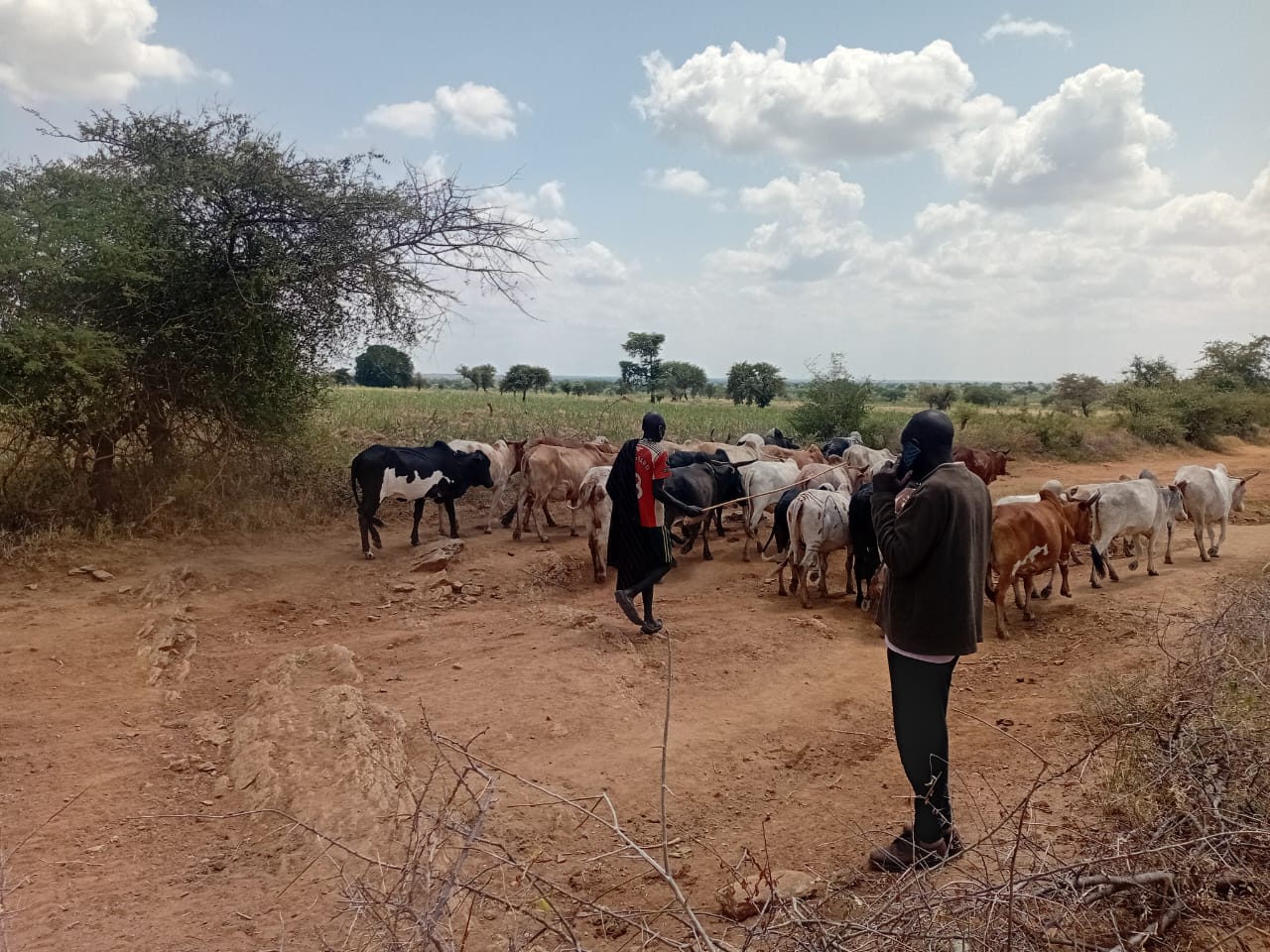
The region, which comprises the districts of Moroto, Kaabong, Karenga, Kotido, Napak and Nakapiripirit among others, is vast, rugged and unforgiving. Although blessed with enormous mineral wealth, its people remain heavily dependent on rain-fed agriculture and livestock for survival. When the rains fail, entire communities are pushed to the brink.
Around our editorial table, we carefully planned every detail of the expedition. I suggested that beyond our normal reporting equipment, we carry sufficient drinking water, dry food rations including biscuits, energy drinks, first aid supplies and enough emergency cash. We had been warned that finding clean drinking water would be difficult in many areas.
Transport was another major consideration. Because much of Karamoja consists of rocky terrain, steep hills and rough roads, we settled for a powerful Toyota Land Cruiser capable of handling the challenging landscape, especially the winding mountain roads leading to Kaabong.
Our journey would cover well over 600 kilometres from Kampala. Armed with maps, cameras, notebooks and determination, we set off early on a Monday morning. None of us knew the emotional burden awaiting us.
Security concerns
Reporting in Karamoja requires more than courage. As we prepared for the journey, several colleagues advised us to arrange security because desperation caused by hunger can easily trigger unrest.
After several phone calls and consultations with local authorities, the Resident District Commissioner in Kaabong helped arrange for an armed UPDF soldier to accompany us while covering some of the most affected communities. It was a precaution we would later appreciate.
Through the mountains of Kaabong
The journey north was both beautiful and heartbreaking. The magnificent mountains of Kaabong stretched endlessly before us. Rolling valleys and rugged hills painted a picture of natural beauty, yet beneath that beauty lay unimaginable suffering.
The afternoon sun beat down mercilessly. Temperatures soared as our driver, Musa, carefully navigated the rocky roads.
Sensing the growing silence inside the vehicle, Musa attempted to lighten the mood with stories from previous journeys through Karamoja. For brief moments laughter filled the Land Cruiser, but it quickly faded as the harsh reality outside our windows returned. The further we travelled, the drier the landscape became.
Wildlife fighting for survival
Our route took us through parts of Kidepo Valley National Park, one of Africa’s most spectacular wildlife reserves. Even here, nature was struggling.
Animal after animal emerged from the dry bush heading towards what has become the park’s lifeline—a single valley dam. Our guide, wildlife ranger Moses Ochieng, pointed towards the shrinking water body.
“This is practically all we have left for many of the animals in this section of the park,” he told us quietly. “As you can see, the water level has reduced tremendously. Every species depends on this dam.” What unfolded before us was both magnificent and tragic. Elephants arrived in families. Buffaloes pushed towards the muddy edges. Waterbucks cautiously approached.
Warthogs darted in and out. Zebras stood patiently waiting their turn. Crocodiles lay motionless in the remaining pools while flocks of wild ducks circled overhead.
Every creature seemed united by one desperate mission—finding water before it disappeared completely. The thermometer read nearly 38 degrees Celsius. Even the wildlife was fighting for survival.
A disturbing phone call
As evening approached and we prepared to retire for the night, our local fixer in Kotido called.
His voice carried urgency. “Please make sure you reach Kotido by eight in the morning,” he pleaded. “The situation is becoming tense. Last night people became angry after watching children and elderly people collapse from hunger. Everyone is waiting for government relief food.” Our fixer, Faisal Lokech, warned us not to delay. The next morning, we were back on the road before sunrise.
Journey to Nampumpum
Lokech joined us in Kotido town before directing us towards Nampumpum village, one of the areas hardest hit by drought. Soon the road disappeared altogether. Our driver was forced to create his own path through thick bush and dry grasslands. Silence filled the vehicle.
No one spoke. It felt as though we were driving into the unknown. Lokech finally broke the silence. “What you are about to see,” he said softly, “will shock you.”
He was right.
A Shs10 million dream destroyed
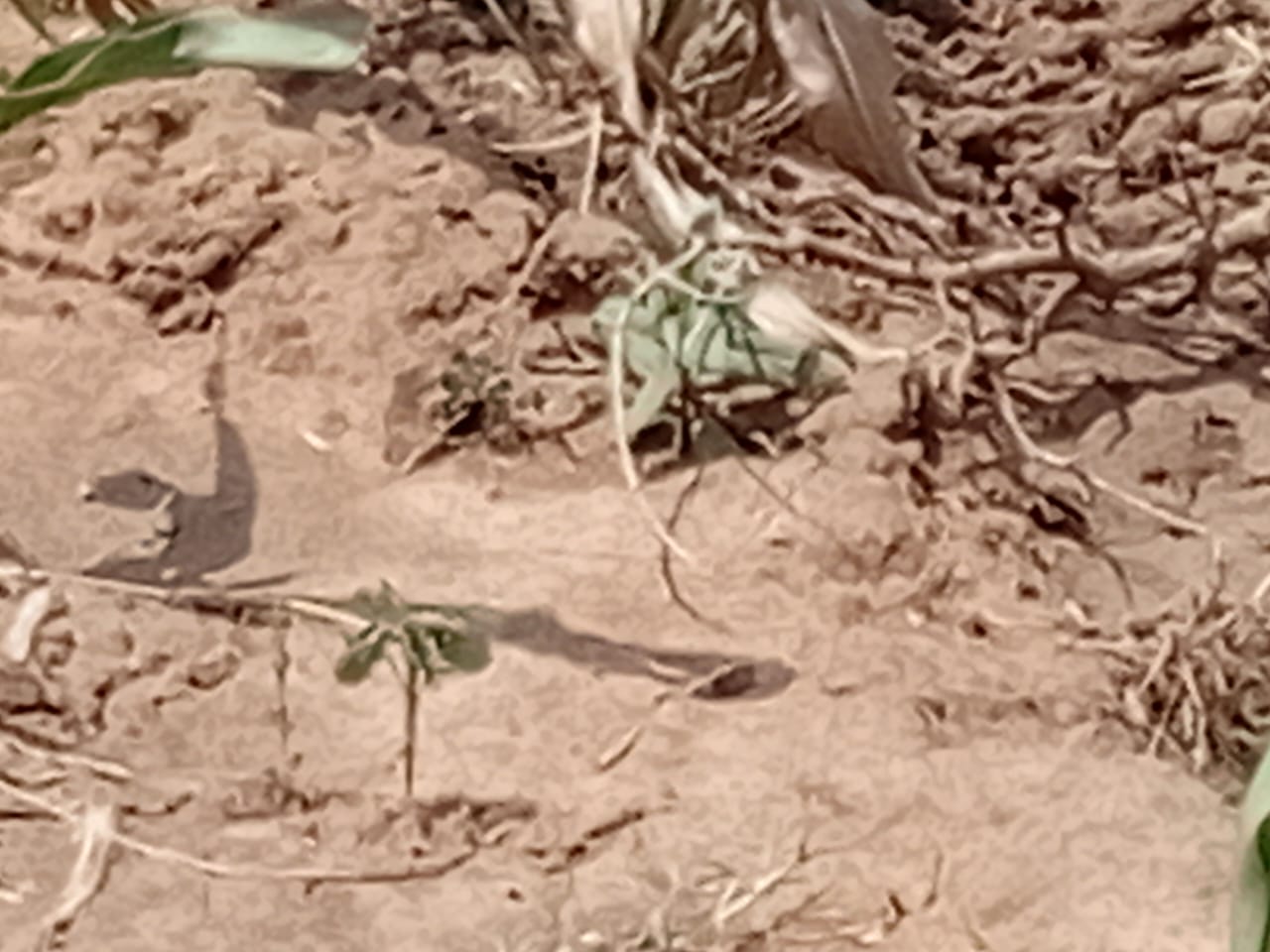
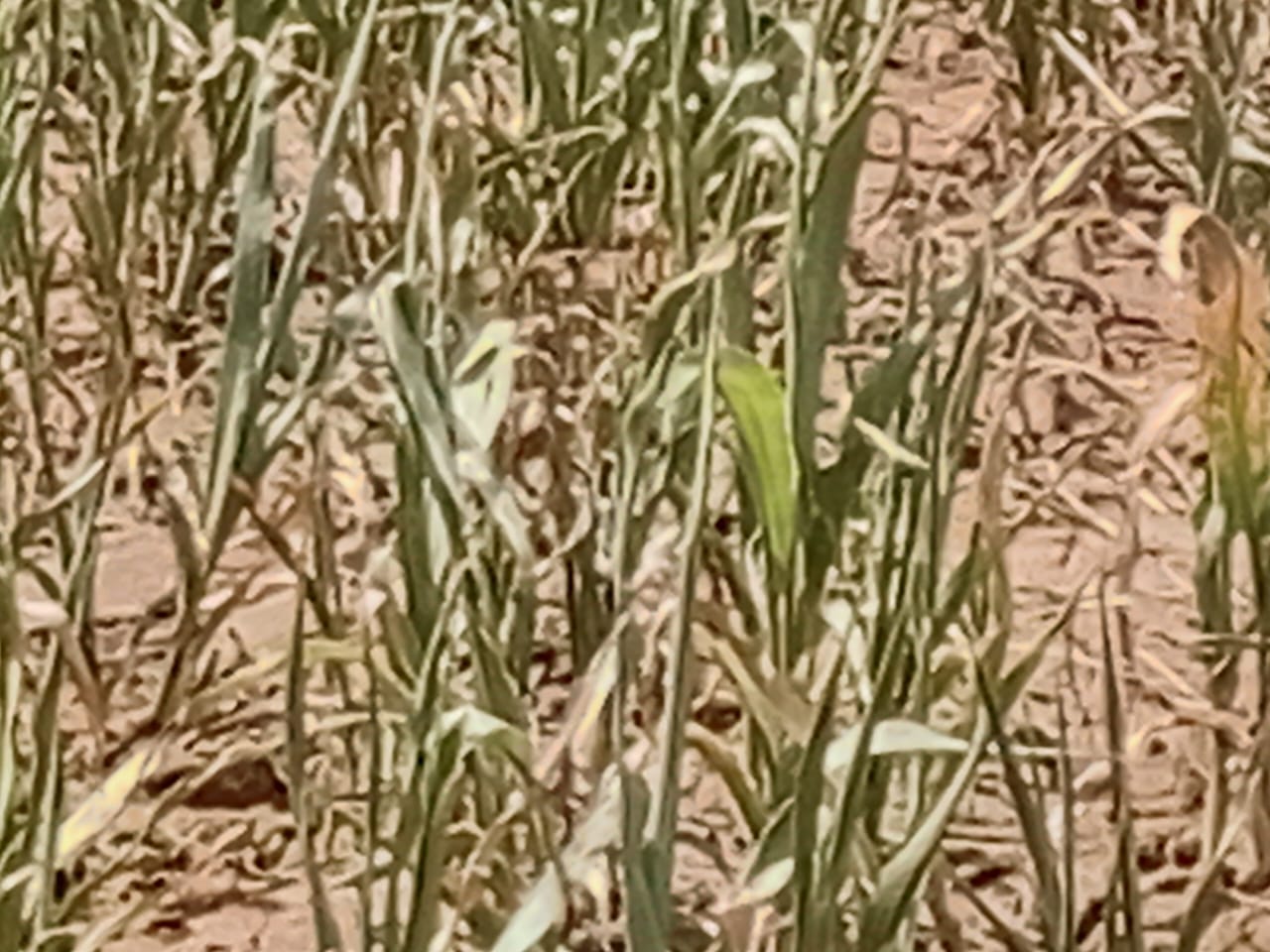
The first sight that greeted us was a large sorghum plantation stretching nearly ten acres. Or rather, what remained of it. Every plant had dried before maturity. The once promising crop had turned brown under the relentless sun. To our surprise, tears rolled down Lokech’s cheeks.
He pointed towards the field. “This is my garden.” He paused before continuing.
“I invested nearly Shs10 million here. Everything is gone. There will be no harvest. My children may not return to school because I have lost everything. We can only pray that God sends rain or a good Samaritan comes to our rescue.” His voice cracked.
For several minutes none of us spoke. The suffering had suddenly become personal. This was not merely another farmer. This was the very man guiding us through the crisis.
Endless fields of despair
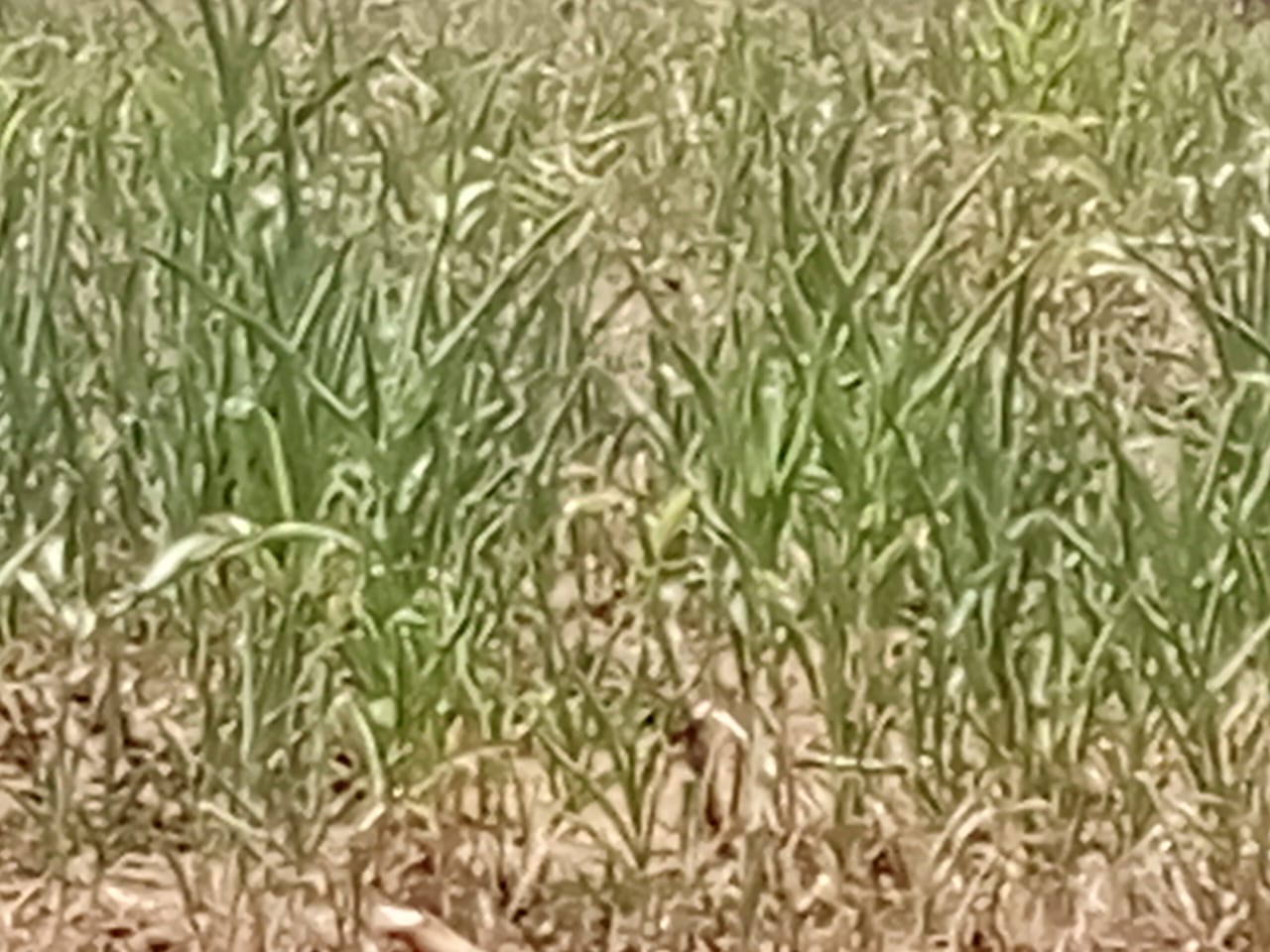
For nearly twenty kilometres beyond Kidepo Airstrip, we saw almost nothing green. Garden after garden had dried completely. The sorghum had failed. The maize had vanished.
The cassava looked lifeless. Children watched our vehicle approach with hopeful eyes. Some waved enthusiastically. Others simply stretched out their hands. Many probably believed relief food had finally arrived. It was one of the most painful moments of our journey.We had cameras. They needed food. “Nobody will harvest anything this season,” Lokech explained.
“Karamoja depends on one rainy season every year. Once it fails, people have to wait until the next planting season, which begins around March. That means months without food.”
His words echoed through the vehicle. Months without food.
The valley dam that sustains two sub-counties
Nothing prepared us for what we encountered next. We arrived at a valley dam serving two sub-counties. Calling it a dam almost seemed generous. It had become a shallow pool of muddy water heavily covered with silt.
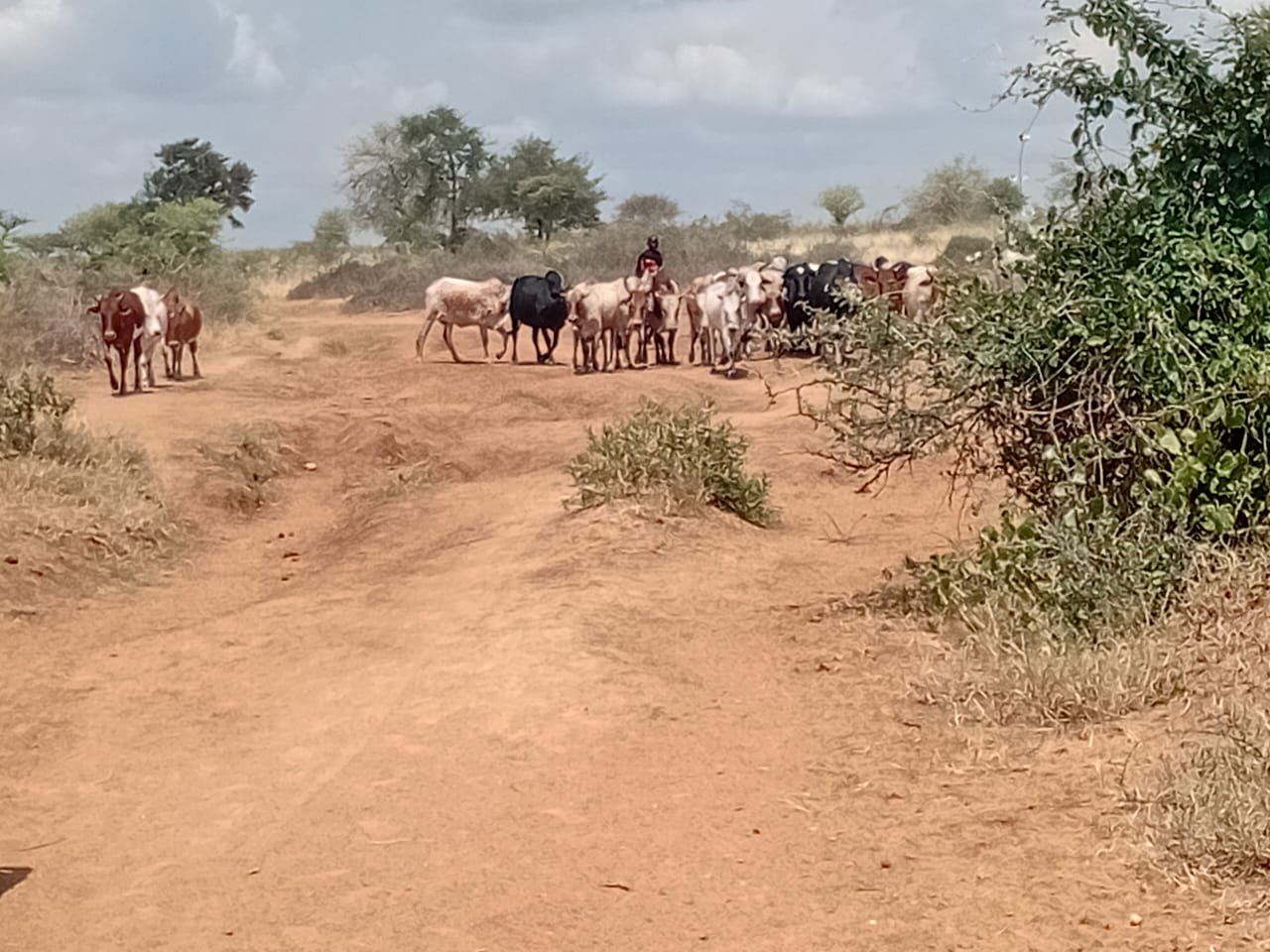
This single water source had become the meeting point for humans, cattle, goats and wildlife. There was no separation. No protected drinking point. No alternative source. Everyone depended on the same muddy water. Children lay on their stomachs, lowering their faces directly into the muddy pool to drink. Elderly men did the same.
Nearby, cattle struggled through the mud searching for cleaner spots.
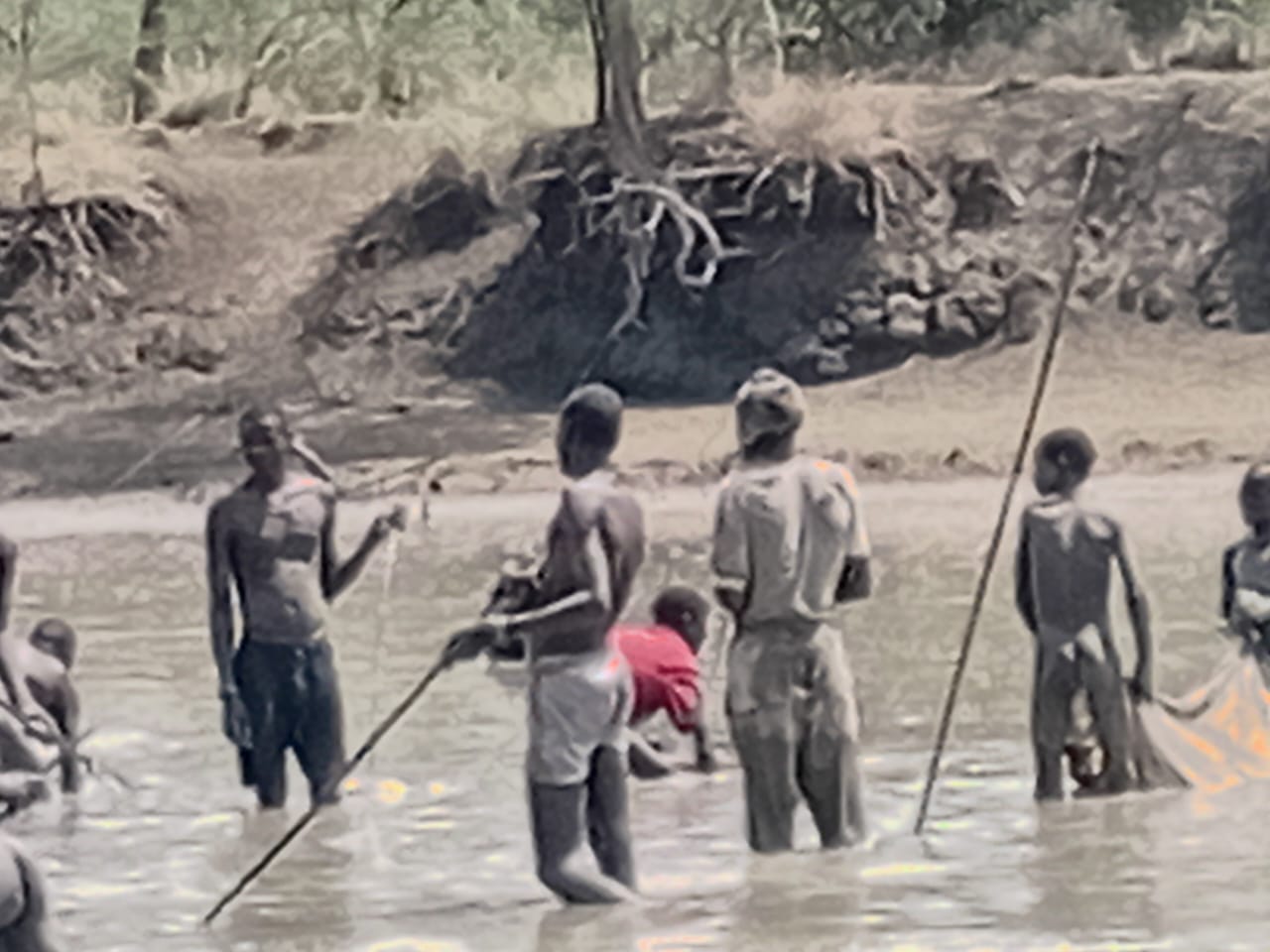
The scenes were almost impossible to comprehend. Young men, dressed in worn-out clothes, stood knee-deep in mud hunting mudfish with homemade spears. It was survival in its rawest form. “After three days we shall simply pray” One cattle keeper, Lemule John, stood helplessly beside his thin herd. He stared at the shrinking water before speaking. “This is all that remains.”
He pointed at the muddy pool. “After another three days we shall simply pray. If nothing changes, our animals will die, and perhaps we shall also die.” His words were not dramatic.They were factual. The drought had stripped away hope.
A small gesture
Our team watched as the young fishermen proudly displayed the few mudfish they had managed to catch. The catch was tiny. Hardly enough to feed one family. We decided to buy every fish they had caught. Instead of taking the fish with us, we handed them back.
It was a small gesture. It could never solve the hunger crisis confronting thousands across Karamoja. But at that moment, it felt wrong to leave without helping in whatever little way we could.
Government responds
Even as the humanitarian crisis deepens, government has acknowledged the severity of the situation.
 Minister for Relief, Disaster Preparedness and Refugees Sam Engola has repeatedly assured affected communities that government intervention is underway.
According to Engola, relief food has already been dispatched to the most affected districts to prevent further loss of life and cushion vulnerable households as they wait for the next planting season.
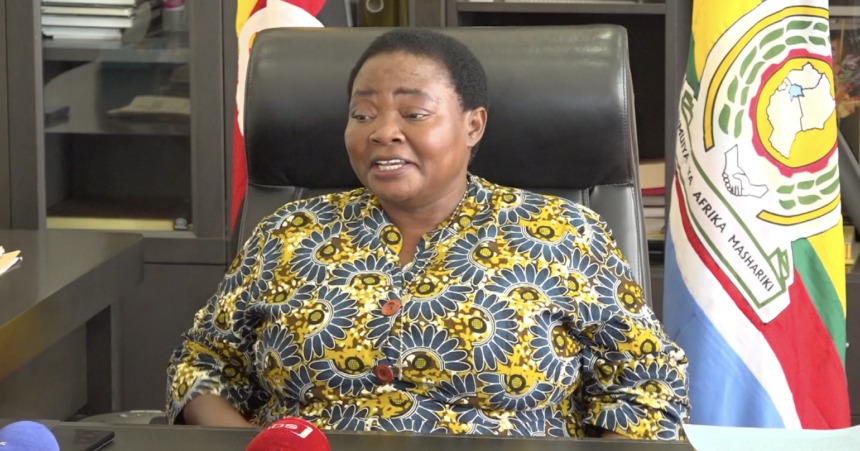
Prime Minister Robinah Nabbanja has also confirmed that government, working through the Uganda People’s Defence Forces National Enterprise Corporation (UPDF NEC), has commenced large-scale distribution of relief food across Karamoja.
She has appealed for calm, urging local leaders to ensure that food reaches the most vulnerable households, including children, pregnant mothers, the elderly and persons living with disabilities.
The relief supplies offer hope to thousands of families, but community leaders say the scale of the drought means more sustained interventions will be required, including investment in permanent water sources, irrigation systems and climate-resilient agriculture.
Leaving with heavy hearts
As evening approached, Lokech advised that we leave immediately. “The security situation can change quickly,” he warned. We trusted his judgment. Driving away from the valley dam, none of us spoke. Our cameras were full. Our notebooks overflowed with interviews.
Yet we all felt that no amount of photographs or words could truly capture what we had witnessed. Karamoja is not merely facing a food shortage. It is confronting a humanitarian emergency where drought has robbed families of harvests, livestock of pasture, wildlife of water and children of hope. The people we met are resilient.
They have endured hardship before. But resilience alone cannot fill empty granaries or replenish dry dams. As we returned to Kampala, one thought refused to leave my mind.
Uganda cannot afford to look away. Karamoja’s cry is not only the cry of one region.It is a call to the entire nation to act before more lives are lost to a disaster that can no longer be ignored.
By The Investigator Reporter
Author Profile
- Charles Gazza Kodili is a seasoned journalist with over 20 years of experience in the media industry. He holds a Bachelor of Arts degree in Mass Communication. He’s currently the Chief Editor at the Investigator.
Charles can also be reached via; Tel: +256 774 108978
Email: [email protected]
Latest entries
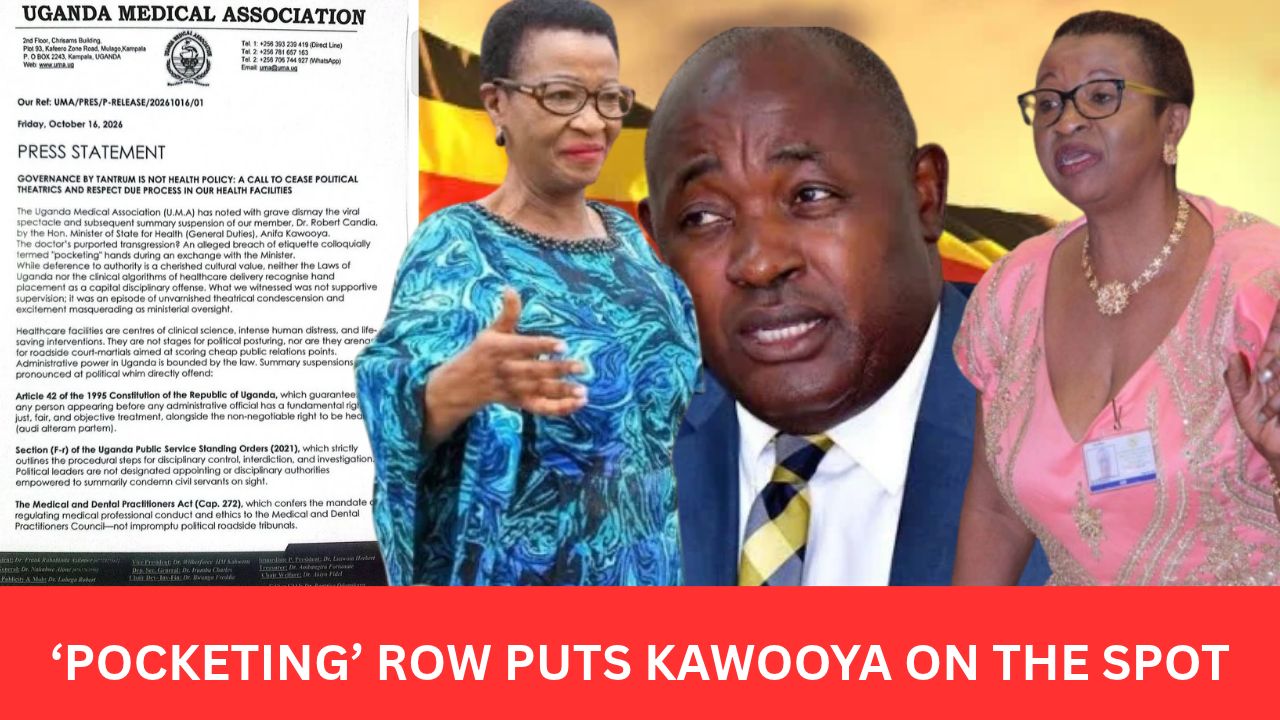 FeaturedOctober 16, 2026KAWOOYA UNDER FIRE AS MINISTRY DENIES DR CANDIA SUSPENSION: Health Ministry Says Arua Doctor Remains In Office After Minister Reportedly Ordered Him To Hand Over For “Pocketing”
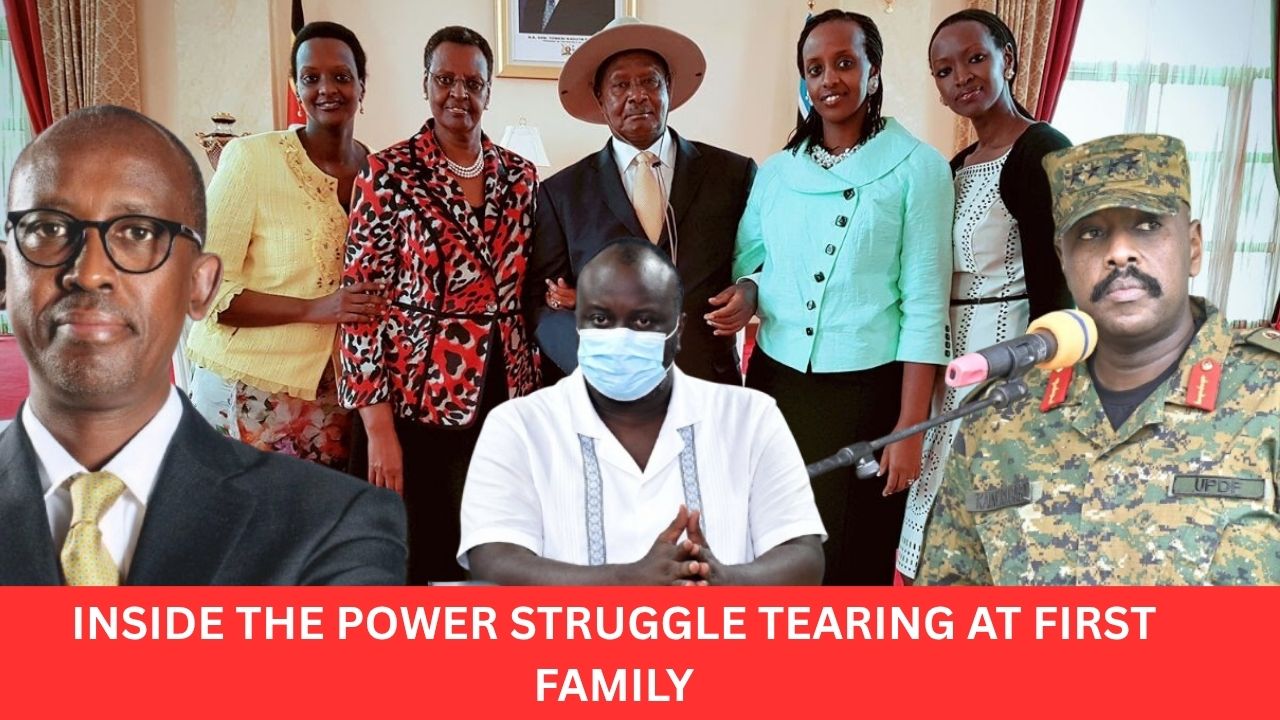 FeaturedOctober 14, 2026MATHEW BAGONZA BAIL DEAL DEALS A BLOW TO CDF GEN. MUHOOZI: Rwabwogo’s Camp Sees Relief After Weeks Of Confrontation, As Reported First Family Tensions Raise Questions About The CDF’s Fight With His Brother-In-Law
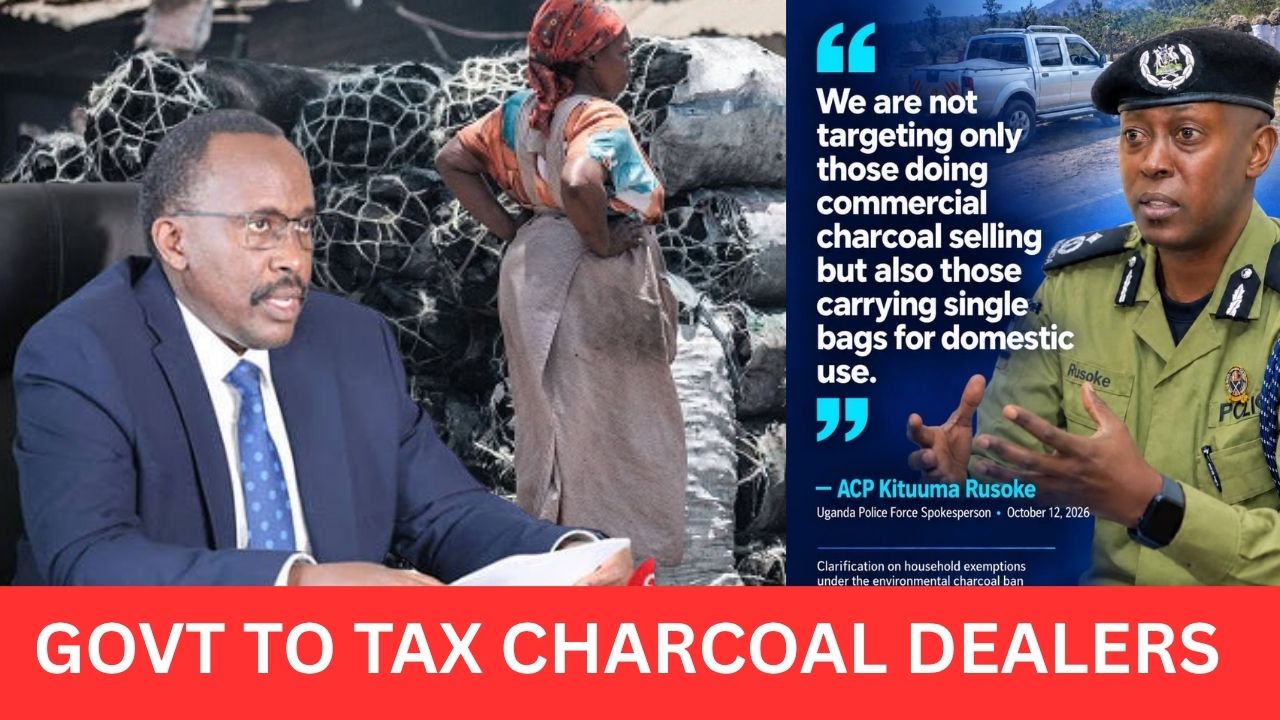 FeaturedOctober 14, 2026GOVERNMENT TO CASH IN ON CHARCOAL TRADE: Government Plans To Formalise The Charcoal Business Through Trade Licences, Taxation And Strict Monitoring Of Producers And Dealers
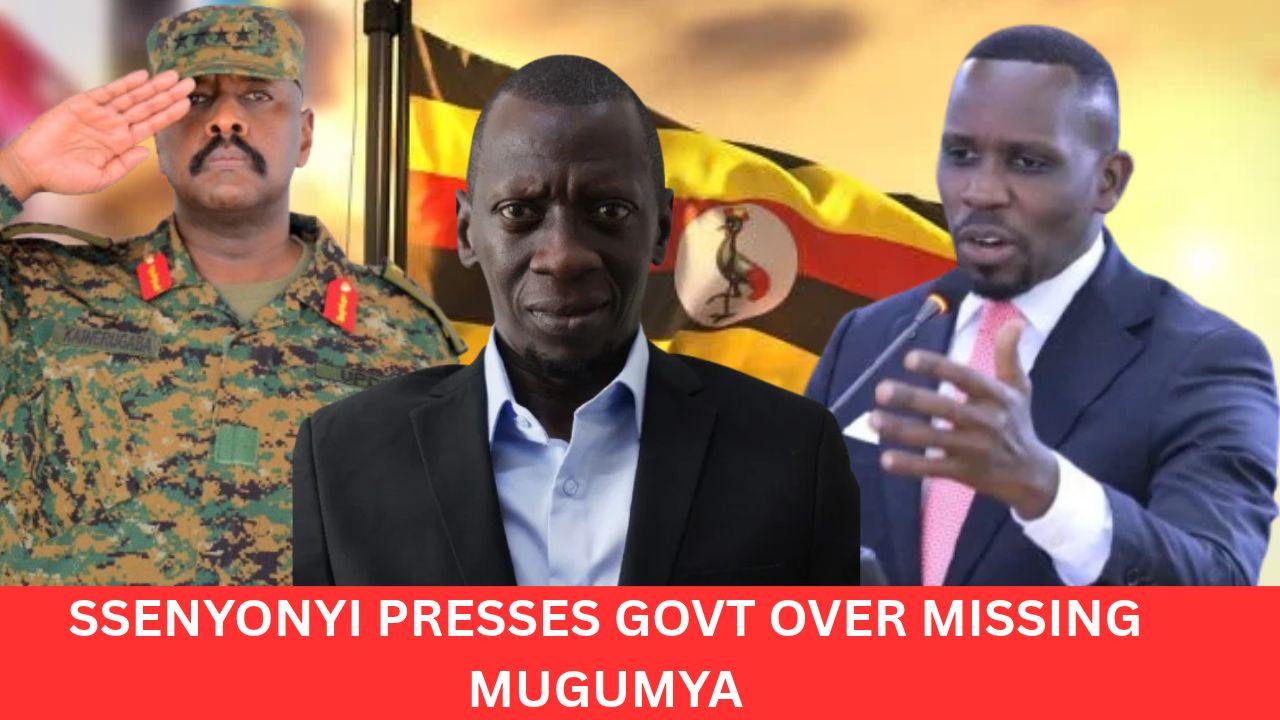 FeaturedOctober 13, 2026‘PRODUCE SAM MUGUMYA NOW’ — SSENYONYI: LoP Tells Parliament Families Of Missing Ugandans Deserve Answers, Freedom And Justice As He Challenges Government Over The Opposition Activist’s Fate


Thank you for your reporting! I am following the situation closely as I used to live and research in Karamoja. I am working on a writing project about life there as we speak.Thank you for making the journey and telling the human story of what is going on there right now.