









For more than two decades, businessman Hassan Basajjabalaba has occupied an unusual position in Uganda’s business and political landscape — a tycoon whose fortunes have repeatedly intersected with government contracts, bank financing, presidential intervention, public property and multimillion-shilling compensation claims.
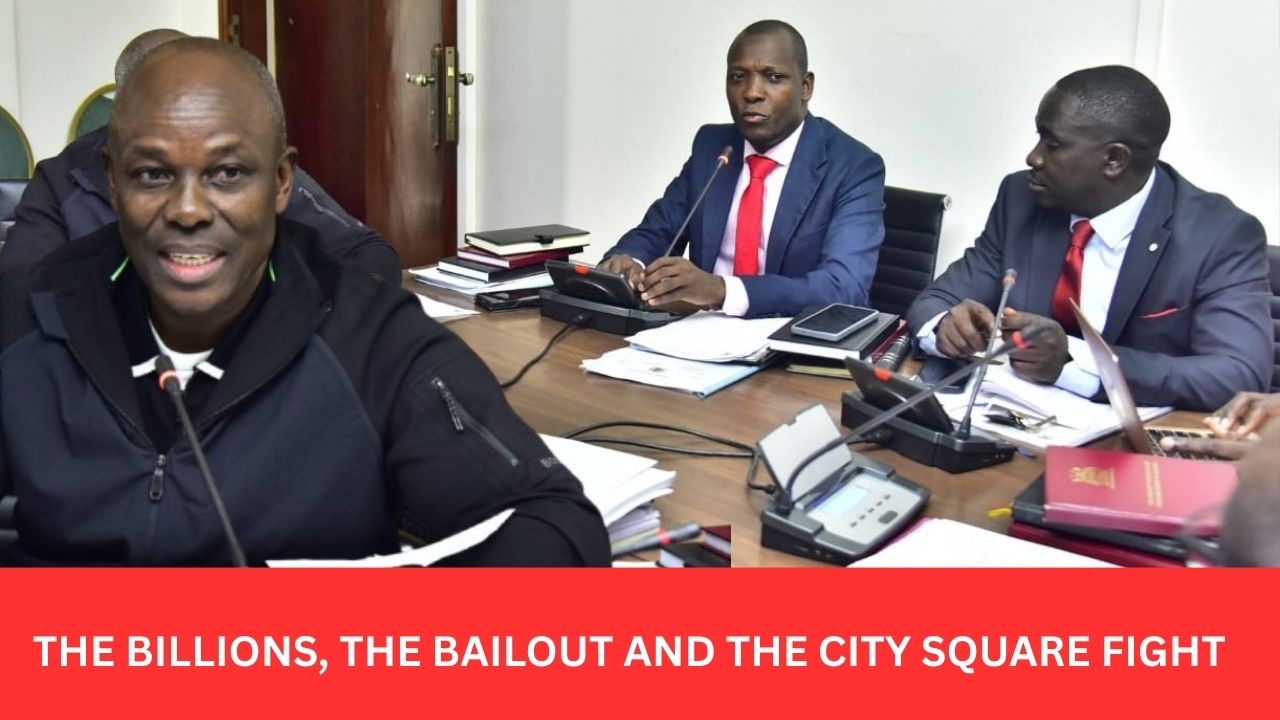
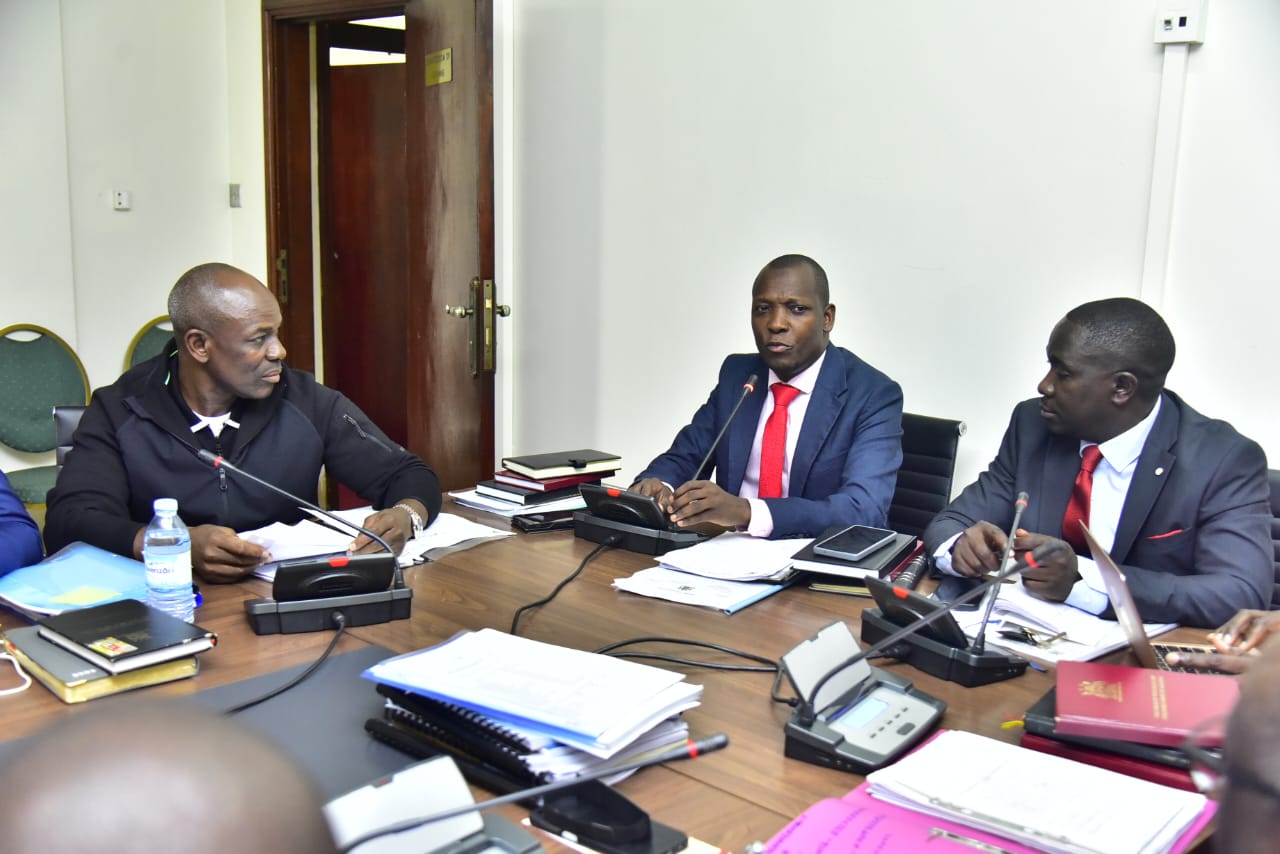
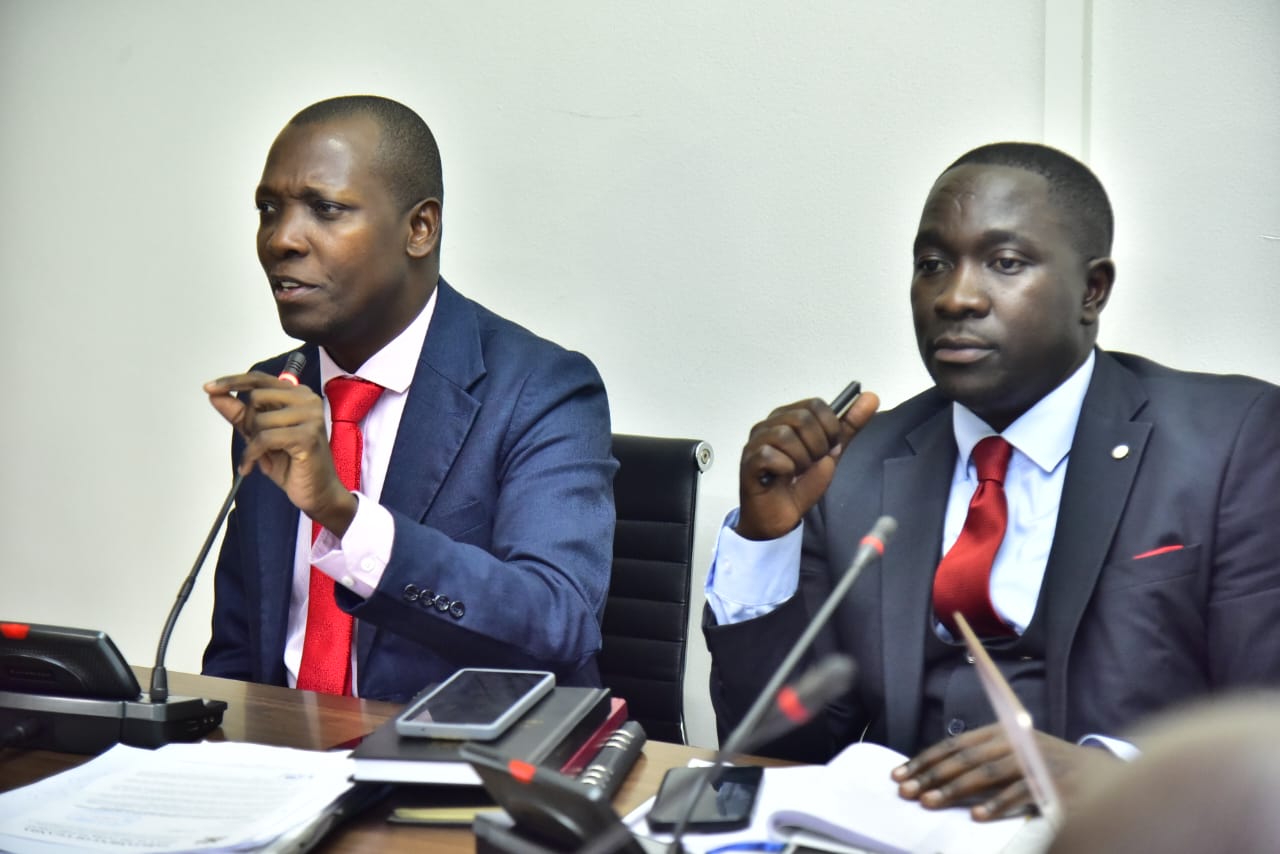
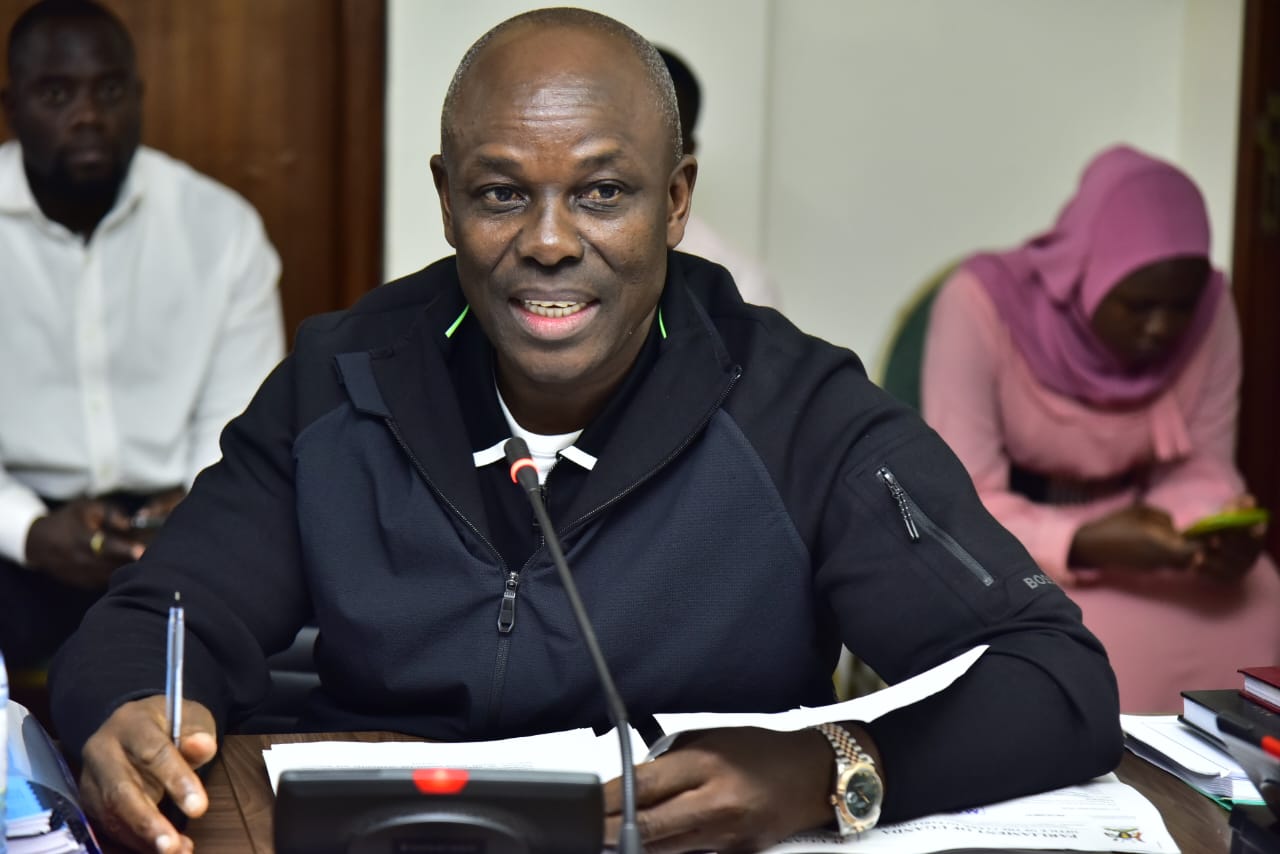
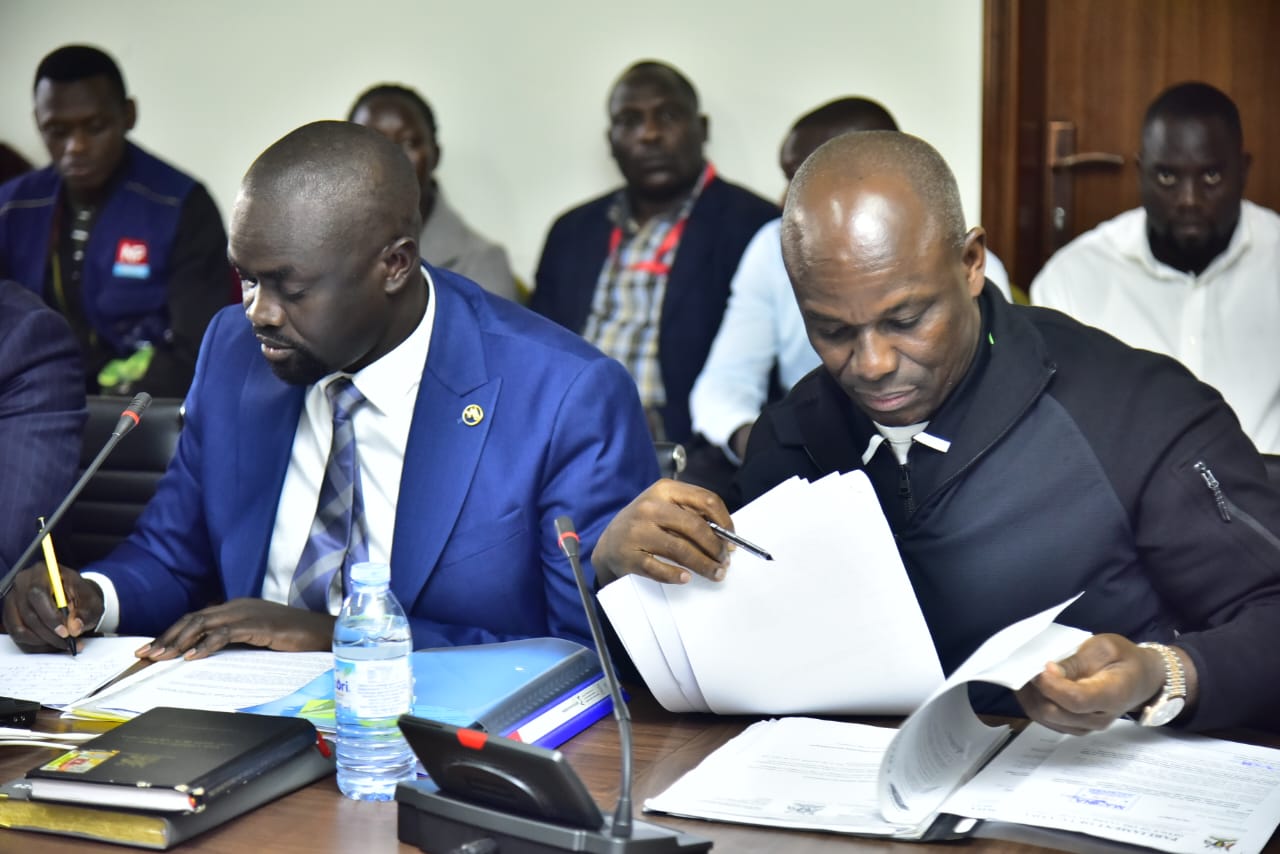
Now, years after his business empire was rescued from financial distress and after a controversial compensation saga running into hundreds of billions of shillings, Basajjabalaba is back before Parliament, this time answering questions from the Committee on Commissions, Statutory Authorities and State Enterprises (COSASE).
At the centre of the latest inquiry is a Shs140.487 billion Bank of Uganda guarantee issued in 2017 to facilitate borrowing by Haba Group of Companies. The amount remains outstanding and is highlighted in the Auditor General’s report for the 2024/25 financial year.
 But Basajjabalaba’s latest appearance before Parliament cannot be separated from the long and complicated history of his business dealings with the Ugandan State.
The businessman who repeatedly needed rescuing
Basajjabalaba rose from the hides-and-skins trade to build a diversified business empire with interests that have included education, real estate, hospitality, healthcare, agriculture and manufacturing.
His most prominent institution today is Kampala International University, where he remains chairman of the Board of Trustees. KIU says he founded the university and expanded his investments into several sectors and countries, including Tanzania. But behind the success story lies a history of serious financial difficulties.
In the early 2000s, Basajjabalaba’s companies accumulated substantial bank debts. Contemporary reports indicate that in 2004 he had borrowed about $11 million from two commercial banks to support his businesses but failed to service the loans as expected. The crisis eventually reached the highest levels of government.
Reports from the period indicate that President Yoweri Museveni directed the Bank of Uganda to intervene in the businessman’s financial difficulties. One account says that in 2004 the central bank paid about Shs21.09 billion to Standard Chartered on behalf of Basajjabalaba’s company. The intervention was subsequently described as a bailout, although Basajjabalaba and his supporters have disputed aspects of the characterisation of government’s involvement.
The debt problems did not end there. Contemporary reports indicate that properties belonging to Basajjabalaba’s businesses were placed under security arrangements with banks. Government later considered recovering money it had paid on his behalf by relying on property titles held as security. In 2012, Parliament was told that government was considering auctioning some of his assets to recover Shs21 billion.
Among the properties mentioned was Kampala Regency Hotel on Namirembe Hill. Another media report said the titles had been deposited with the central bank after government intervened when Basajjabalaba failed to meet loans from Standard Chartered and Stanbic. The loans were reported at $14 million and $8 million respectively.
This was the first major chapter in a recurring story around Basajjabalaba: a large business empire, heavy borrowing, valuable property used as security and government intervention when the financial structure came under pressure.
The markets that changed everything
The controversy surrounding Basajjabalaba exploded further when companies associated with Haba Group entered into arrangements involving some of Kampala’s most valuable public markets and spaces. Court records identify arrangements involving Nakasero Market, Nakivubo-Shauriyako Market, St Balikuddembe Market, Nakawa Market and Constitutional Square, formerly City Square. The agreements became politically explosive after market vendors opposed some of the arrangements.
 The deals were eventually terminated, and Basajjabalaba and companies associated with him sought compensation from government. The claims eventually produced one of Uganda’s most controversial compensation episodes.
A contemporary investigation by the Auditor General and KPMG questioned the legal basis and value of several claims. A 2011 report shows Haba Group had received almost $70 million in cash and credit guarantees, while a KPMG verification report questioned the validity of some contracts underpinning the claims. The compensation figure eventually associated with the dispute was about Shs142 billion. The money became the subject of an extraordinary legal and political battle, with critics questioning why taxpayers should meet compensation arising from contracts involving public property.
Museveni and the compensation saga
President Museveni became a central figure in the Basajjabalaba controversy because of his interventions over the cancelled market deals. Contemporary reporting documented several presidential communications concerning compensation to Basajjabalaba following the cancellation of the market arrangements.
The government-backed financing arrangements became particularly controversial because Bank of Uganda issued guarantees and letters of comfort to commercial banks involved in financing the compensation. The result was a complicated financial chain: government obligations to Basajjabalaba, bank financing to Haba-related companies and guarantees from the central bank. That structure is now resurfacing in the COSASE hearings.
The Ssemakadde challenge
While government institutions wrestled with the compensation question, lawyer Isaac Ssemakadde and the Legal Brains Trust challenged the transactions in court. The Legal Brains Trust argued that the contracts and subsequent compensation arrangements involving public property and government money were unlawful and unconstitutional. The litigation eventually reached the Supreme Court. In September 2025, the Supreme Court delivered its decision in Hassan Bassajjabalaba and Others v Legal Brains Trust, Constitutional Appeal No. 4 of 2020.
The Supreme Court did not determine that Basajjabalaba was entitled to the compensation, nor did it finally determine the substantive allegations surrounding the transactions. Instead, it held that the Constitutional Court had lacked jurisdiction because the petition before it was essentially a fact-heavy enforcement dispute rather than a matter requiring constitutional interpretation under Article 137. The Constitutional Court’s declarations and orders were consequently set aside.
 That ruling was a significant procedural development in a dispute that had already lasted years.
Ssemakadde, who had represented Legal Brains Trust, had previously criticised the compensation arrangement and argued that the taxpayer remained exposed. In 2020, he described the Constitutional Court’s decision as inadequate because, in his view, commercial banks involved in the transaction had escaped liability.
Thus, the battle between Basajjabalaba and Ssemakadde was never simply a personal confrontation. It represented two competing positions over public money, government contracts, constitutional accountability and the responsibility of private beneficiaries of state-backed financial arrangements.
Back before COSASE
Today, COSASE has reopened another chapter. Basajjabalaba is appearing before the committee over the Shs140.487 billion Bank of Uganda guarantee issued in 2017 to Haba Group. The Auditor General’s 2024/25 report says the amount remains outstanding. Bank of Uganda officials have told the committee that the transaction dates back to 2017, when a different leadership was in charge of the central bank.
COSASE chairperson Muwadda Nkunyingi has also raised questions over differing figures.
According to the committee, Basajjabalaba’s own account puts the amount owed to him by government at Shs168.8 billion, substantially higher than the Shs140.8 billion figure contained in the Auditor General’s report. The discrepancy has become one of the questions confronting the committee.
Basajjabalaba has defended himself, telling MPs that government owes him money arising from terminated contracts and that he has not received the full compensation he was promised. He has proposed three possible solutions: government should pay the balance it owes him; the parties should negotiate a refund and government take back the property; or government should take over the investments while allowing him to recover what he has already paid.
On the Bank of Uganda guarantee, Basajjabalaba has also sought to explain the arrangement. He told COSASE that when a commercial bank sought payment, Bank of Uganda’s position was that it had guaranteed Haba rather than the bank itself. He further said Haba subsequently cleared an outstanding US$10 million. He has also complained that Bank of Uganda retained securities even after payment arrangements were made, leading to further litigation. These claims remain part of the evidence being examined by Parliament rather than established findings of the committee.
The City Square bombshell
The latest COSASE hearing has also revived another chapter in the Basajjabalaba saga: City Square. Basajjabalaba told MPs that his company won the tender in 2001 to redevelop the 2.5-acre City Square and paid Shs1.635 billion to the then Kampala City Council as a premium. According to his testimony, the plan was to retain the green space on top while putting commercial facilities underneath.
He said the original arrangement provided for a five-year lease beginning in 2002, with an option for another 49 years. His account has now raised an intriguing question: if the original arrangement had contemplated a further 49 years, what exactly became of those rights when the project was halted? Basajjabalaba told COSASE that he was shocked to see the recent proposal for another developer to develop the same land.
The dispute has gained fresh relevance after a new proposal was submitted to government for a commercial development at City Square. President Museveni subsequently directed Kampala Minister Minsa Kabanda to study the proposal with KCCA and report back. The directive itself was an instruction to assess the proposal, not an approval to alienate the land.
Basajjabalaba has warned that he will challenge any attempt to give the property to another developer. The City Square issue therefore brings his business history full circle: a public property, a proposed private development, a cancelled arrangement and a subsequent compensation claim.
 A tycoon caught between business and the State
Basajjabalaba’s story is therefore more complicated than that of a businessman simply seeking government compensation. It is a story that stretches from bank loans and property securities to presidential intervention, public-market contracts, government guarantees, compensation claims, court battles and now renewed parliamentary scrutiny.
His supporters can point to the businesses and institutions he has built, including Kampala International University and its operations in East Africa. His critics, meanwhile, have consistently questioned the extent to which taxpayers have been exposed to the risks of his business dealings.
There have also been reports over the years of assets being attached or threatened with auction over unpaid debts. Basajjabalaba himself has at different times disputed such accounts and blamed banks for actions he considered breaches of agreements.
Claims that he permanently relocated to Tanzania should, however, be treated cautiously. Available evidence establishes that he expanded his business interests into Tanzania and founded Kampala International University in Tanzania, but the sources reviewed do not establish that he permanently relocated there to escape his Ugandan financial or legal troubles.
That distinction matters because the businessman is still firmly part of Uganda’s public financial story. And as COSASE digs into the Shs140.487 billion Bank of Uganda guarantee, the old questions are returning with new figures: how much money has government actually paid, how much remains outstanding, what securities were given, who carries the risk and whether taxpayers will ultimately recover their money.
For Basajjabalaba, the latest COSASE appearance is another chapter in a long-running struggle over his business empire, his claims against government and the public money tied to them. For Parliament, it is a test of whether a financial controversy that has survived several governments, court battles and changing figures can finally be reduced to a clear accounting of who owes whom — and why.
Author Profile
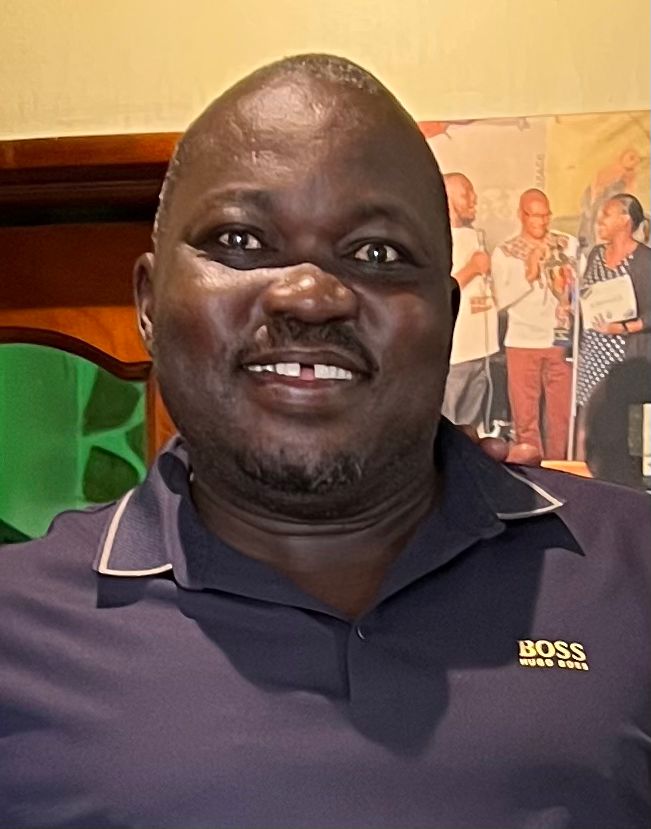
- Charles Gazza Kodili is a seasoned journalist with over 20 years of experience in the media industry. He holds a Bachelor of Arts degree in Mass Communication. He’s currently the Chief Editor at the Investigator.
Charles can also be reached via; Tel: +256 774 108978
Email: [email protected]
Latest entries
 FeaturedOctober 16, 2026KAWOOYA UNDER FIRE AS MINISTRY DENIES DR CANDIA SUSPENSION: Health Ministry Says Arua Doctor Remains In Office After Minister Reportedly Ordered Him To Hand Over For “Pocketing”
 FeaturedOctober 14, 2026MATHEW BAGONZA BAIL DEAL DEALS A BLOW TO CDF GEN. MUHOOZI: Rwabwogo’s Camp Sees Relief After Weeks Of Confrontation, As Reported First Family Tensions Raise Questions About The CDF’s Fight With His Brother-In-Law
 FeaturedOctober 14, 2026GOVERNMENT TO CASH IN ON CHARCOAL TRADE: Government Plans To Formalise The Charcoal Business Through Trade Licences, Taxation And Strict Monitoring Of Producers And Dealers
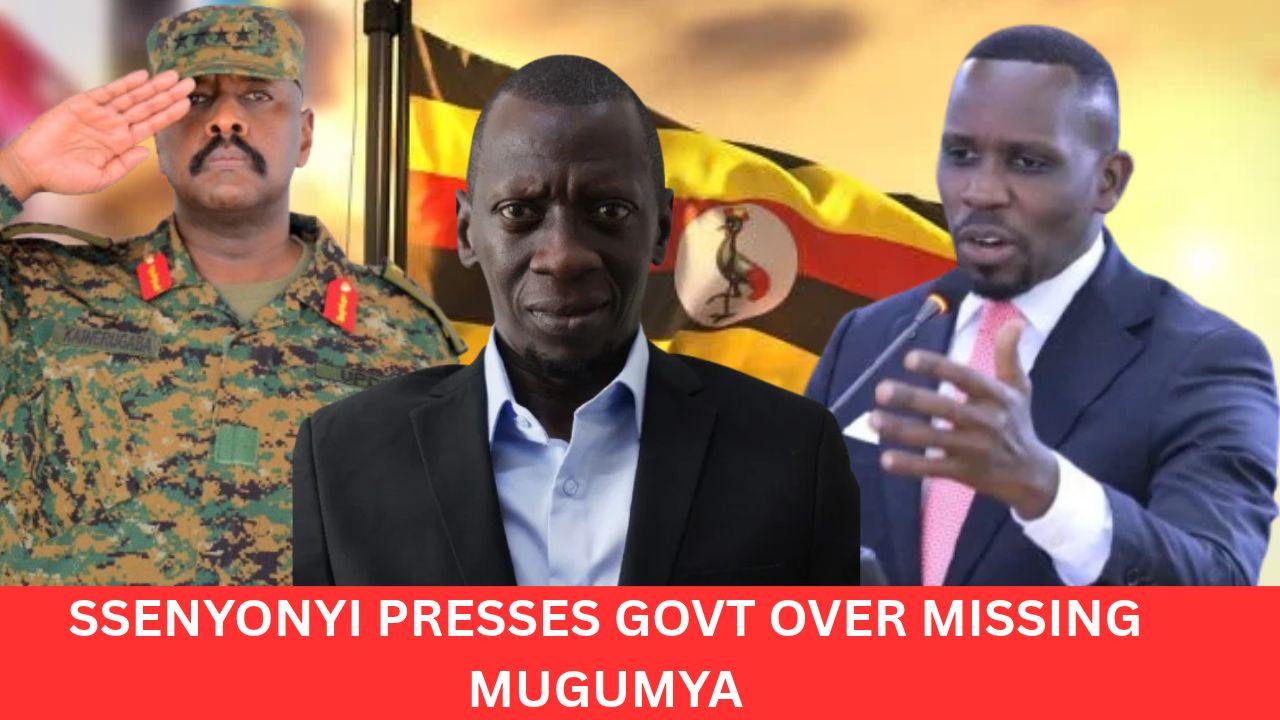 FeaturedOctober 13, 2026‘PRODUCE SAM MUGUMYA NOW’ — SSENYONYI: LoP Tells Parliament Families Of Missing Ugandans Deserve Answers, Freedom And Justice As He Challenges Government Over The Opposition Activist’s Fate