






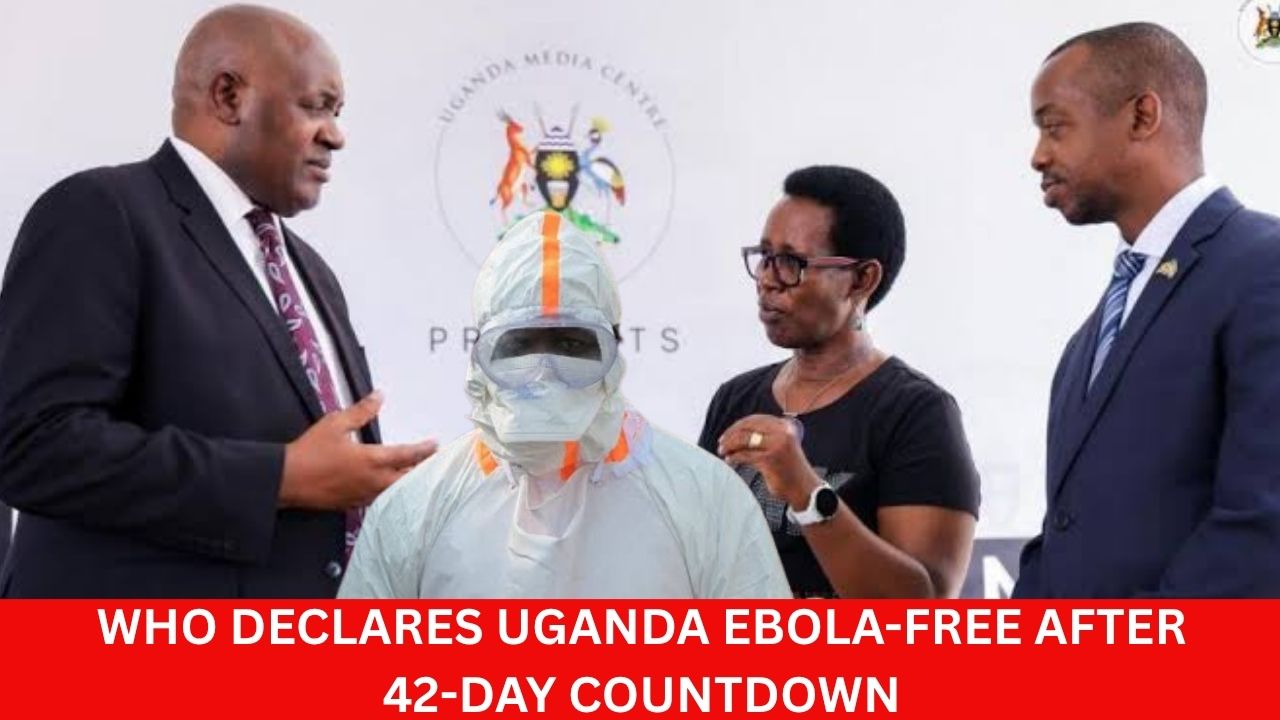
Uganda has officially been recognised as free of Ebola disease caused by the Bundibugyo virus after the country successfully completed the internationally required 42-day period without recording a new confirmed case.
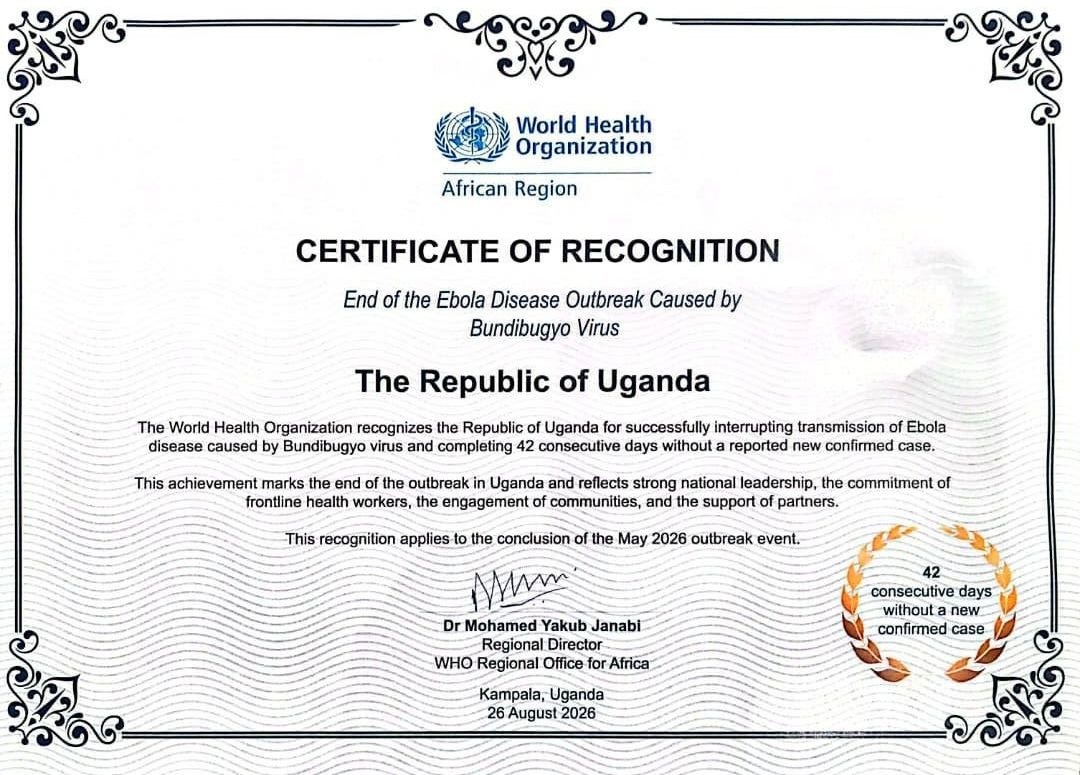
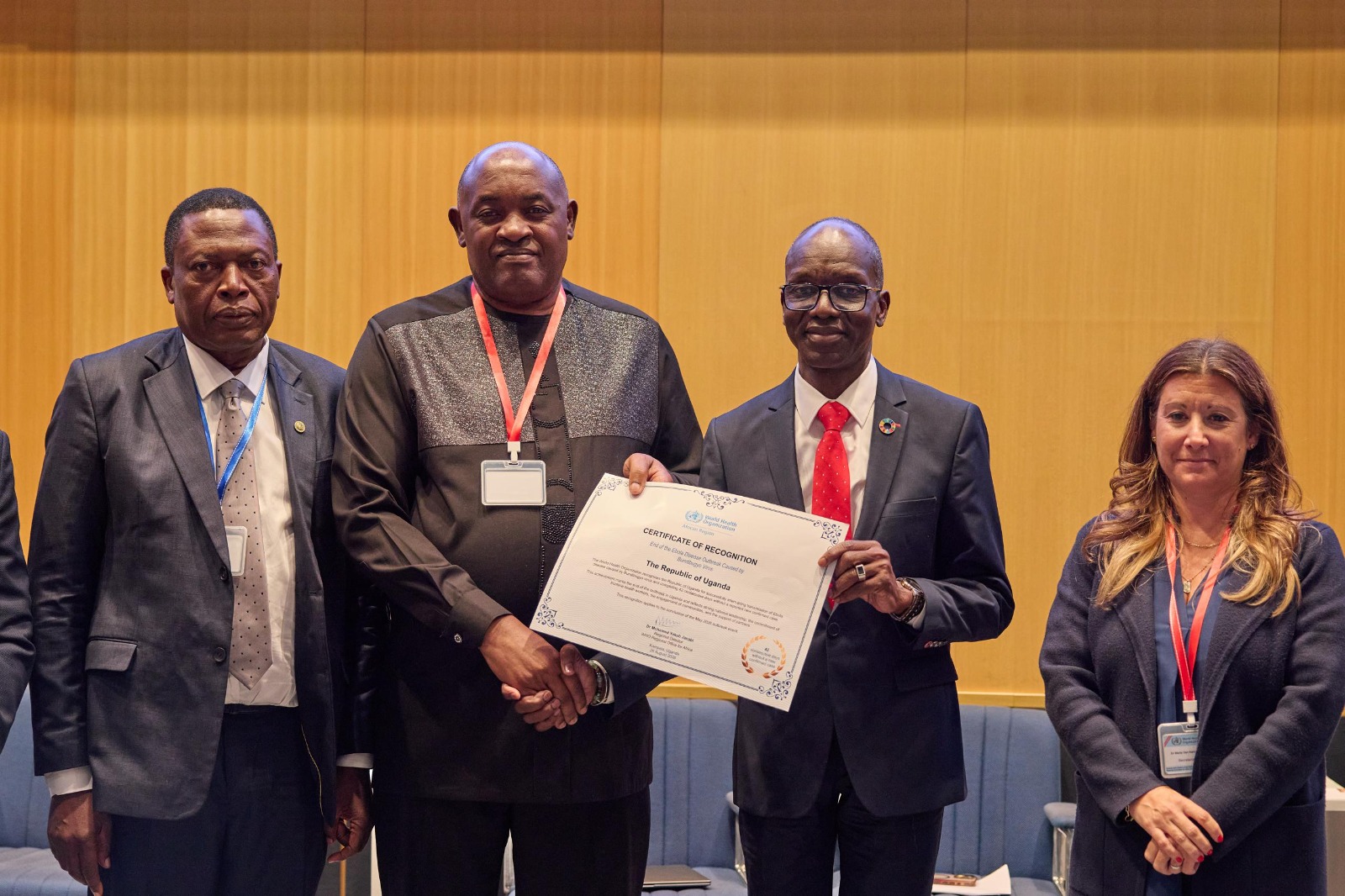
The World Health Organisation (WHO), through its Regional Office for Africa, issued a Certificate of Recognition acknowledging Uganda for successfully interrupting transmission and completing 42 consecutive days without a new confirmed Ebola case. The certificate, signed by WHO Regional Director for Africa Dr Mohamed Yakub Janabi in Kampala, is dated August 26, 2026.
In a formal announcement issued on August 27, WHO and the Africa Centres for Disease Control and Prevention (Africa CDC) welcomed the end of Uganda’s Ebola outbreak, describing the achievement as an important public-health milestone for the country and the continent.
The declaration brings to a close an outbreak that began in May and tested Uganda’s surveillance, laboratory, treatment and contact-tracing systems.
Uganda’s Health Minister, Dr Chris Baryomunsi, said the successful containment demonstrated the country’s growing capacity to respond rapidly to dangerous infectious diseases.
The Minister had earlier told Parliament that Uganda had made significant progress in interrupting transmission, noting that there had been no new confirmed cases for an extended period.
“There are no new confirmed cases in the last 21 days. This is the strongest available epidemiological signal that local human-to-human transmission has been interrupted,” Dr Baryomunsi said during a parliamentary update on July 16.
He, however, stressed that the country still had to complete the full 42-day period before the outbreak could officially be considered over.
“WHO guidelines require 42 days without a new confirmed case – two full incubation periods – before an outbreak can be declared over. We are now in that critical final stretch and the countdown has started today,” he said. That countdown has now been completed without another confirmed infection.
20 cases recorded
Uganda declared the Bundibugyo virus outbreak on May 15, 2026, after infections linked to the wider regional outbreak in the Democratic Republic of Congo (DRC) were detected.
According to WHO, Uganda recorded 20 confirmed cases during the outbreak, including two deaths. Fifteen of the infections were imported from the DRC, while five were secondary infections linked to imported cases.
The outbreak was therefore largely driven by cross-border movement and exposure to imported cases rather than sustained community transmission.
The country’s final confirmed patient was discharged from care on July 16 after testing negative for the virus twice. That discharge marked the beginning of the final 42-day countdown. WHO describes the period as equivalent to twice the upper limit of the incubation period for the disease and the internationally established benchmark for determining that transmission associated with an outbreak has ended. By the end of the countdown, no new confirmed case had been detected.
The WHO certificate specifically recognises Uganda for “successfully interrupting transmission” and completing 42 consecutive days without a reported new confirmed case. It also credits national leadership, frontline health workers, communities and partners for the achievement.
Kasujja: ‘Epidemics come to die in Uganda’
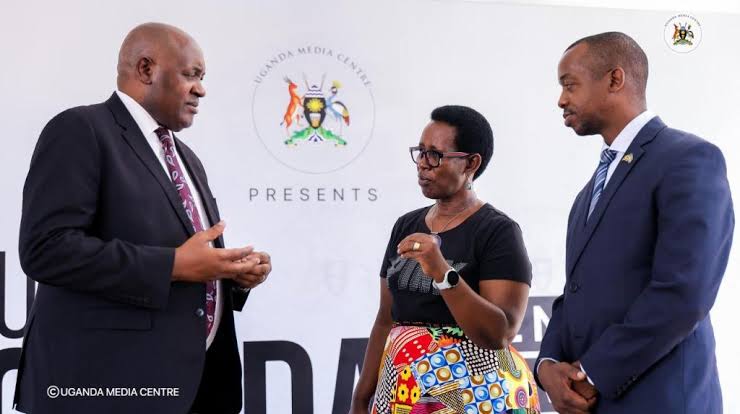
For Uganda Media Centre Executive Director Allan Kasujja, the successful containment represents more than the end of another disease outbreak.
Kasujja had earlier described the discharge of the final patient as evidence of Uganda’s ability to confront epidemics through experience, preparedness and public cooperation.
“Epidemics come to die in Uganda. We have the expertise. We have the most public health-aware citizens in the world,” Kasujja said as the country entered the 42-day countdown.
The statement became a rallying cry for the country’s public-health response, particularly at a time when the neighbouring DRC was experiencing a much larger and rapidly expanding Bundibugyo outbreak.
Kasujja and other government communicators also pushed back against what they viewed as international portrayals that failed to distinguish Uganda’s situation from the more severe outbreak across the border.
The WHO has since effectively vindicated Uganda’s containment efforts, formally recognising that transmission in the country has ended. WHO Regional Director Dr Janabi said Uganda had demonstrated what sustained investment in preparedness can deliver.
A race against cross-border transmission
Uganda’s outbreak was closely connected to developments in the DRC, where Bundibugyo virus transmission has continued to pose a serious regional threat.
WHO reports that the DRC outbreak has expanded rapidly, with large numbers of cases and deaths recorded across several provinces. Uganda therefore remains vulnerable to reintroduction of the virus because of continued population movement across the border.
This explains why Ugandan health authorities have maintained surveillance even after declaring the country free of the outbreak.
The successful declaration does not mean Uganda can abandon its preparedness systems. Instead, officials are expected to maintain disease surveillance, border screening, laboratory capacity and infection-prevention measures, particularly in areas bordering the DRC.
Dr Baryomunsi previously said Uganda would continue supporting the DRC’s response, including through the establishment of Ebola treatment facilities and deployment of Ugandan health specialists.
“Uganda will support the Congolese government by establishing Ebola treatment centres and President Yoweri Museveni has sanctioned four of them. Subsequently, over 50 specialists have been sent from Uganda to DRC,” he said.
WHO praises Uganda’s response
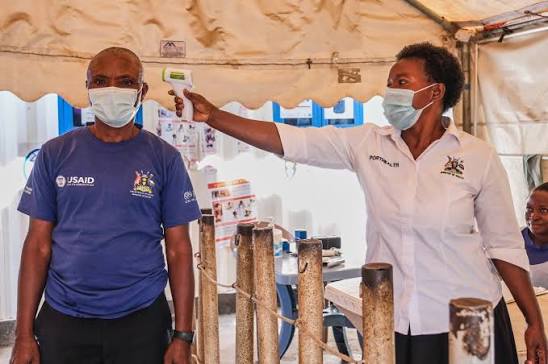
WHO’s recognition comes after months of intensive surveillance, contact tracing, testing, case management and community engagement.
The global health agency said the completion of the 42-day period provided an additional safeguard that no chains of transmission associated with the last imported case had been missed.
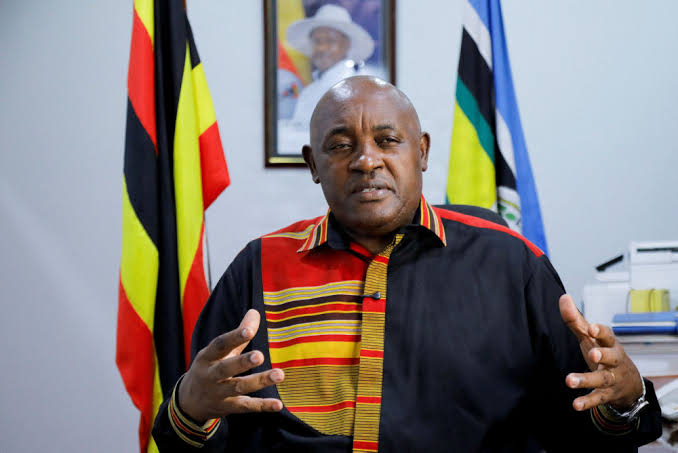
WHO’s Dr Janabi described the achievement as a victory for Uganda and an important lesson for Africa, while warning that the continent would only be fully secure when transmission is stopped everywhere.
“Ending an Ebola outbreak is an important milestone, but the lasting achievement is a stronger ability to protect people from future health threats,” Dr Janabi said.
The WHO recognition also places Uganda’s response in the context of its long experience fighting Ebola and other infectious diseases.
The country has repeatedly relied on rapid case detection, contact tracing, laboratory confirmation, isolation and treatment to prevent outbreaks from becoming widespread.
‘Uganda is open for business’
The Ebola-free declaration is also expected to provide relief to Uganda’s tourism, hospitality, aviation and business sectors, which are often affected by international disease alerts.
When Uganda declared the outbreak over in July, Dr Baryomunsi urged citizens to remain vigilant while stressing that normal social and economic activity should continue.
The Ministry of Health has also continued cautioning communities in border areas against complacency because of the active outbreak in the DRC.
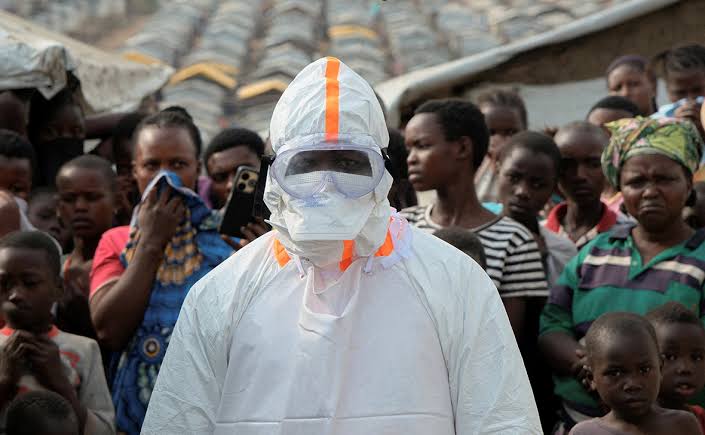
Uganda’s achievement therefore carries a dual message: celebrate the successful end of the outbreak, but do not lower the guard.
For the health sector, the WHO certificate is an international endorsement of a response that contained 20 confirmed cases without allowing sustained community transmission to take hold.
For government communicators such as Kasujja, it is also a moment to reinforce Uganda’s public-health reputation.
And for Dr Baryomunsi and the health workers who managed the outbreak, the declaration closes another difficult chapter in Uganda’s long battle against Ebola.
With the WHO certificate now formally recognising the end of the Bundibugyo virus outbreak, Uganda can celebrate another Ebola victory.
But with the virus still raging in the DRC, the message from health authorities remains clear: Ebola may be gone from Uganda for now, but vigilance must remain.
Author Profile
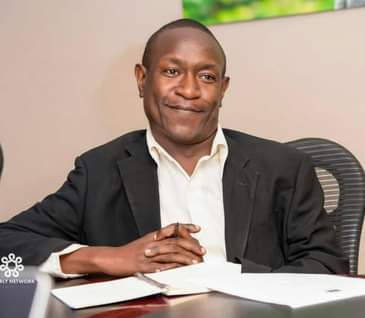
- Mr. Jacko David Waluluka is another unique entertainment and general investigative news writer, a field he has diligently covered for over fifteen years. He’s also the Chief Administrator at The Investigator. He can easily be reached via [email protected]
Latest entries
 EntertainmentOctober 8, 2026KOFI OLOMIDE SHOW CANCELLED OVER EBOLA FEARS: Health Ministry Blocks October 9 Concert Over Fears Thousands Of Fans Could Cross From Ebola-Affected Areas Of DR Congo
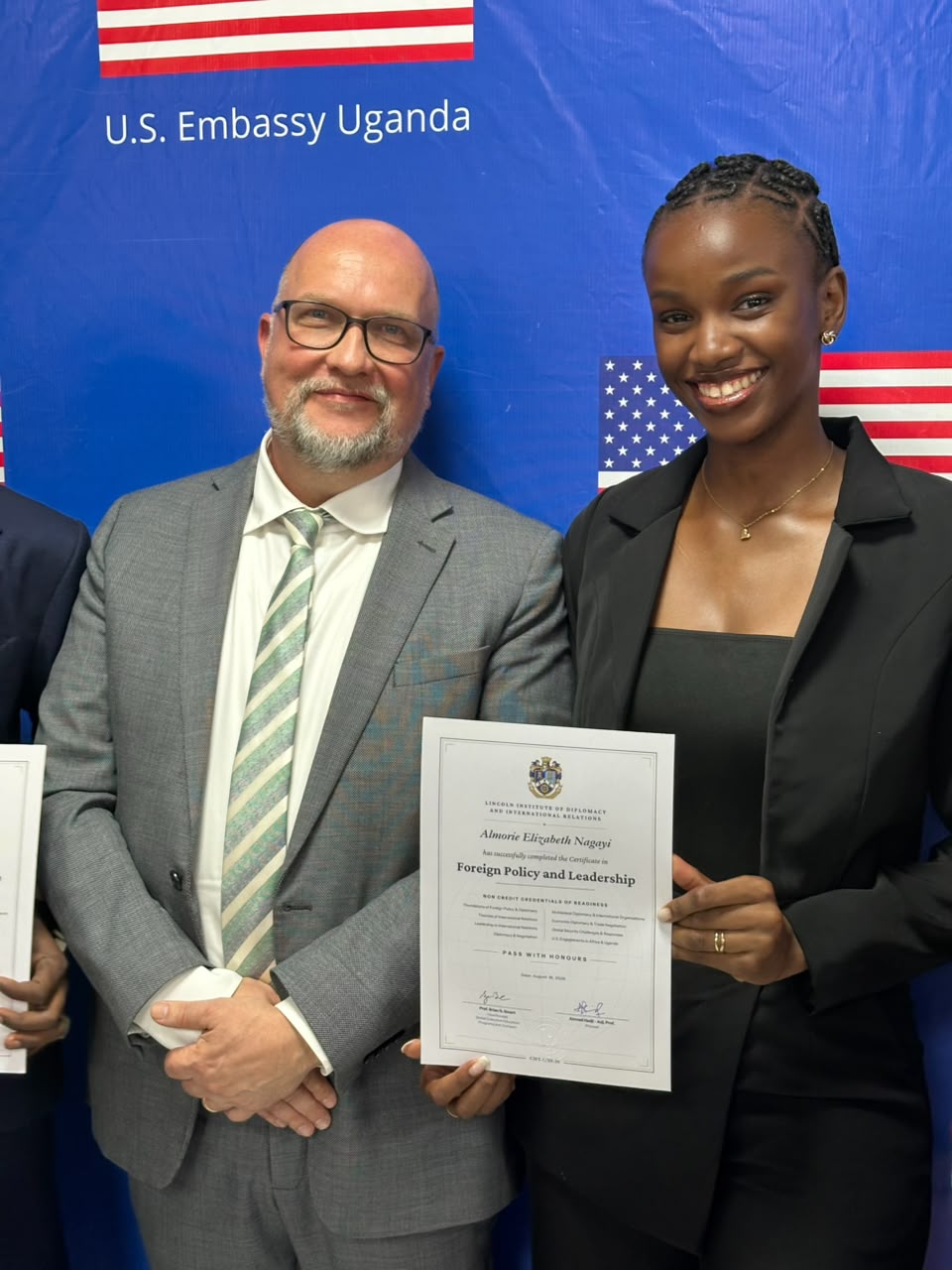 FeaturedOctober 8, 2026MORE THAN JUST A BEAUTY QUEEN: Almorie Nagayi Eyes a Future in Diplomacy. At 19, The Masaka City Representative is Pairing Her Pageant Journey with Foreign-Policy Training And a Campaign to Empower Young Women
 FeaturedSeptember 25, 2026LADY TO PIN JILTED LOVER IN MOSES MATOVU MURDER: Detectives to Use Rose Tumusiime`s Confessions to Corner Vincent Nsamba Sitenda Over a Fatal Kibuli Confrontation against the AfrigoBand Boss
 FeaturedSeptember 24, 2026MOSES MATOVU MURDER PROBE: ROSE MOVED TO CID: Katikiro Charles Peter Mayiga, Gerald Mayanja Snr, Nyombi Thembo, Sheebah And Other Ugandans Mourn Matovu As The Music Fraternity Prepares For His Burial In Kyanja On Friday