







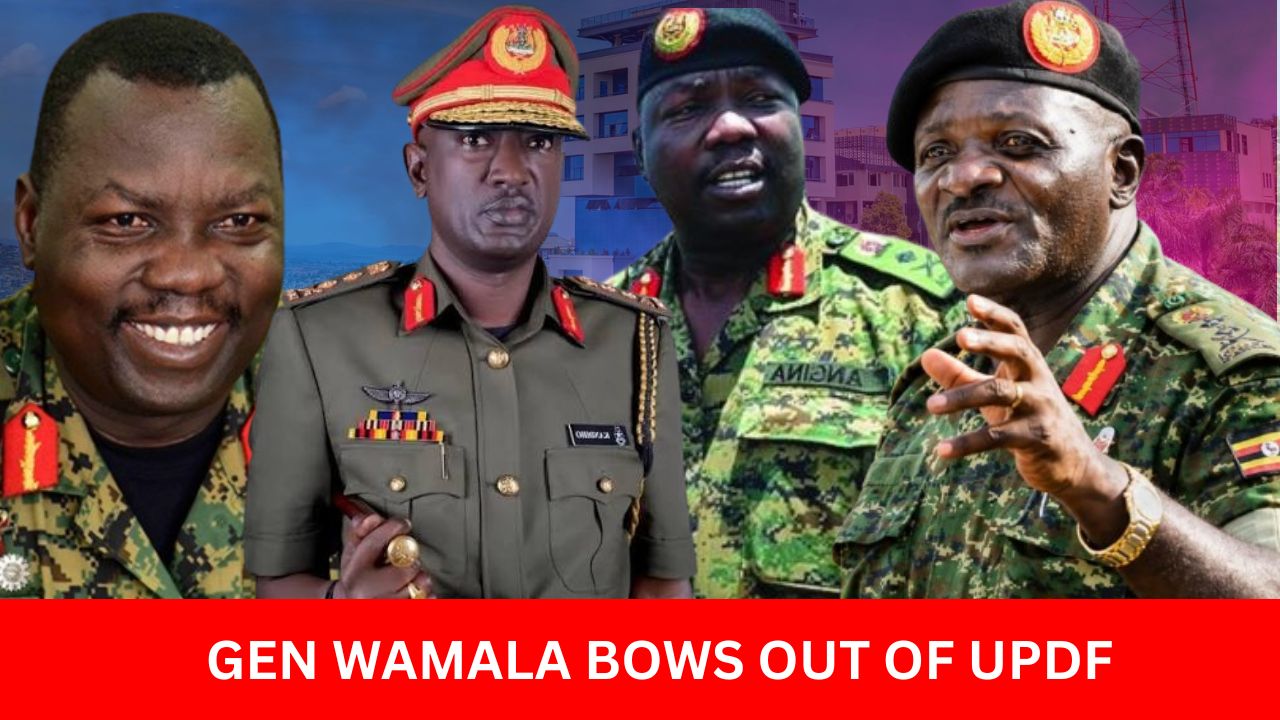
General Edward Katumba Wamala has formally drawn the curtain on a remarkable 47-year military career, bringing to an end one of the longest and most consequential careers in Uganda’s security establishment.
In a deeply personal message published after completing his service on July 31, Gen Katumba said he was leaving the Uganda People’s Defence Forces (UPDF) with gratitude to God, his comrades, the institution and the people of Uganda.
“47 years in uniform. 47 years of service to Uganda,” Katumba wrote. “As I close this chapter, I do so with deep gratitude to God, my comrades, the UPDF and the people of Uganda for the privilege to serve.”
His retirement marks more than the departure of one general. It is part of a wider generational transition in Uganda’s military, with a number of senior commanders who have occupied some of the country’s most sensitive security and administrative positions also exiting active service.
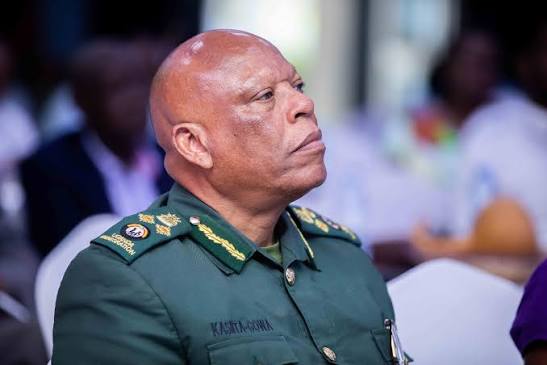
Among them are Lt Gen Charles Angina, Lt Gen Charles Otema Awany, Maj Gen Leopold Kyanda, Maj Gen Abel Kandiho, Maj Gen Apollo Kasiita-Gowa and Maj Gen Geoffrey Tumusiime Katsigazi.
The 2026 retirement exercise covers 1,863 UPDF personnel, including more than 20 generals and other senior officers.
Gen Katumba’s 47-year journey
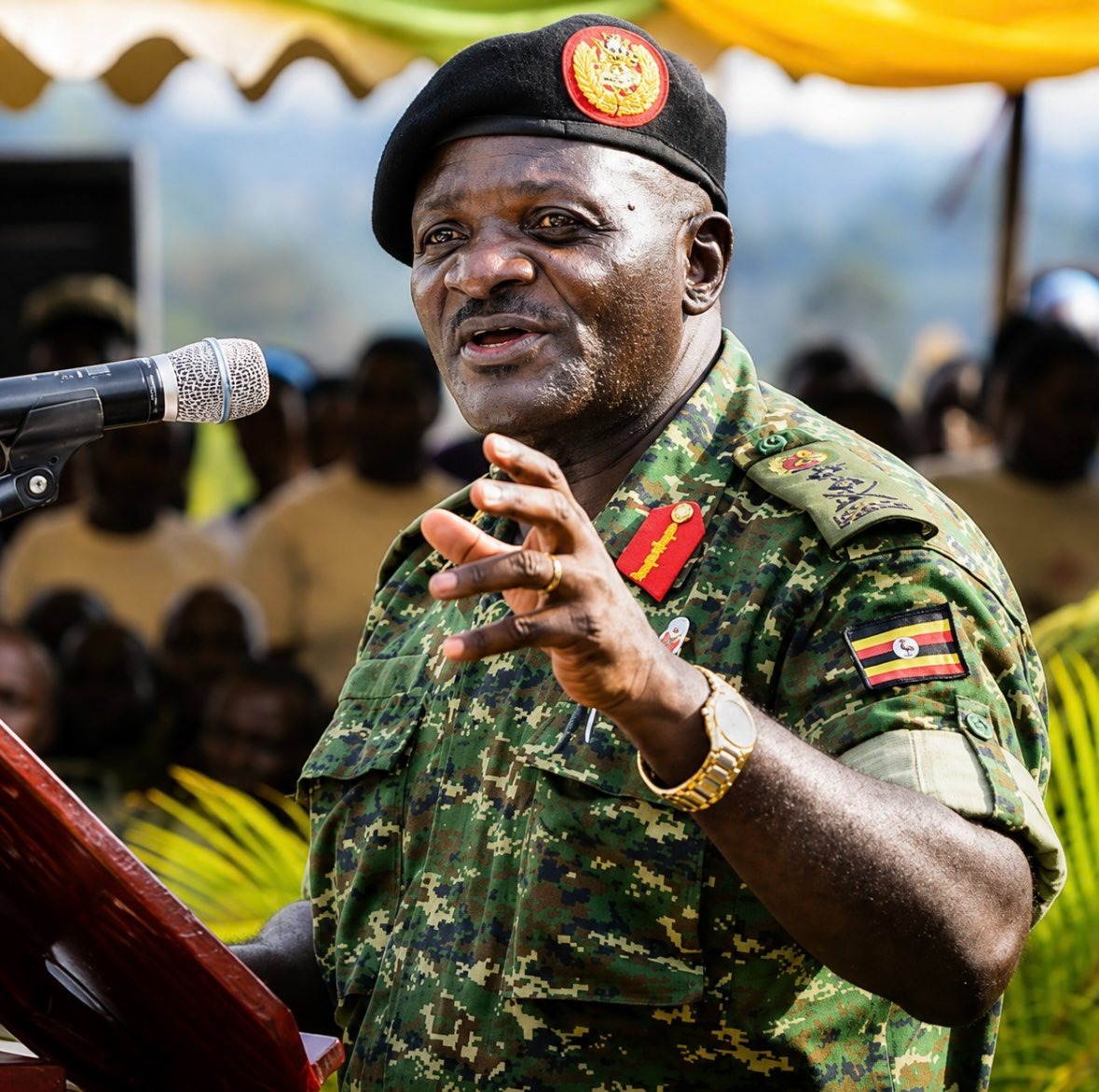
Katumba’s military story stretches back to 1979, when Uganda was emerging from the turmoil that followed the overthrow of Idi Amin.
In his farewell message, Katumba singled out President Yoweri Museveni as one of the people who fundamentally shaped his military journey. He recalled that in 1979, Museveni, who was then Minister of Defence in the UNLF government, encouraged many Ugandans to join the Army and serve their country.
“That decision has shaped the greater part of my life,” Katumba said. His career subsequently took him through virtually every major layer of Uganda’s security establishment.
Katumba served in the military during the transition from the Uganda National Liberation Army (UNLA) to the National Resistance Army (NRA), before becoming one of the country’s most senior commanders.
He commanded Ugandan forces in the Democratic Republic of Congo, served as Inspector General of Police between 2001 and 2005, became Commander of Land Forces and later rose to become Chief of Defence Forces between 2013 and 2017.
After leaving the top military command, Katumba transitioned into civilian government, first serving as Minister of State for Works before becoming Minister of Works and Transport.
His career therefore crossed the military, police and civilian spheres, making him one of the few Ugandan security officers to have occupied such a wide range of senior positions.
From soldier to IGP
Perhaps one of the most defining chapters of Katumba’s career was his four-year tenure as Inspector General of Police.
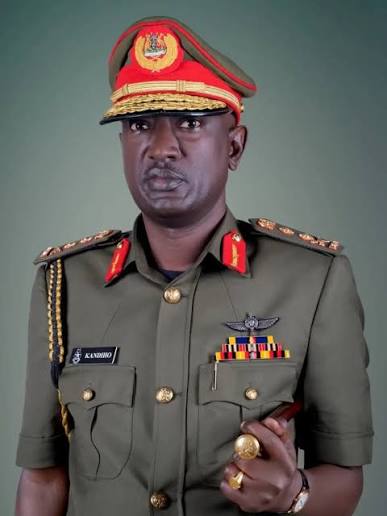
It was during this period that he developed relationships with younger officers who would later rise to prominent positions themselves.
One of those officers was AIGP (Rtd) Asan Kasingye, who has now offered one of the most emotional tributes to the retiring general. Kasingye recalled that when Katumba became IGP in 2001, he was a Superintendent of Police.
On Katumba’s first Monday in office, Kasingye said, the new IGP appointed him acting head of the Community Affairs Department after the previous office-holder had been interdicted.
Kasingye said Katumba had followed his work from a distance, including his appearances on CBS Radio, and believed he could make a contribution to community policing.
“You told me that you had a lot of hope in me as a young man and asked me to intensify and deepen community policing as a way of preventing crime,” Kasingye recalled.
The former police officer said Katumba repeatedly appeared with him on television and radio programmes and travelled with him to public meetings. “He trusted me with management of Police FC and the office for chairman Police Council Appeals Court,” Kasingye said.
Kasingye’s account provides an intimate glimpse into Katumba’s leadership philosophy: identifying promising officers, giving them responsibility and then allowing them to grow.
Between 2002 and 2005, Kasingye rose from Senior Superintendent to Assistant Commissioner and then Commissioner of Police. He later became an Assistant Inspector General of Police.
Kasingye said Katumba’s mentorship went beyond professional advancement. At one point, Katumba summoned him to his office and discussed his family, health, business and life outside policing.
“He said that the family, my health and what I was doing outside my office were the most important things in my public service life,” Kasingye recalled. He described Katumba as a “visionary leader, a Pan Africanist, a patriot, a commander, a mentor and a father.”
A lifetime of mentorship
Katumba has reflected on this aspect of his career in his farewell message. “One of the greatest rewards of a life in service is knowing that, along the way, you have touched lives, opened doors, groomed others, and inspired them to become better versions of themselves,” he said.
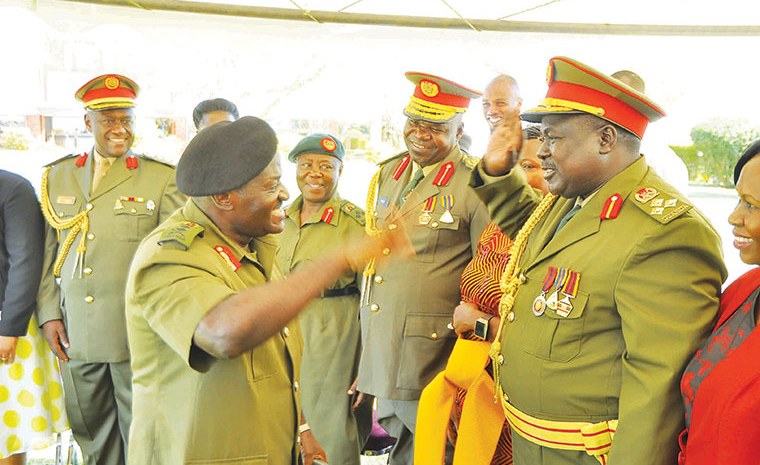
“Leadership, to me, is about building people, believing in them, and preparing them to carry the responsibility forward.” That philosophy may ultimately prove to be one of his most enduring legacies.
Kasingye said he would remain indebted to Katumba’s “counsel, command, mentorship and advice”, adding that he had looked up to him throughout his career. “The legacy you left in my life is cemented with the strongest concrete in the world,” he said.
Angina: From battlefield command to diplomacy
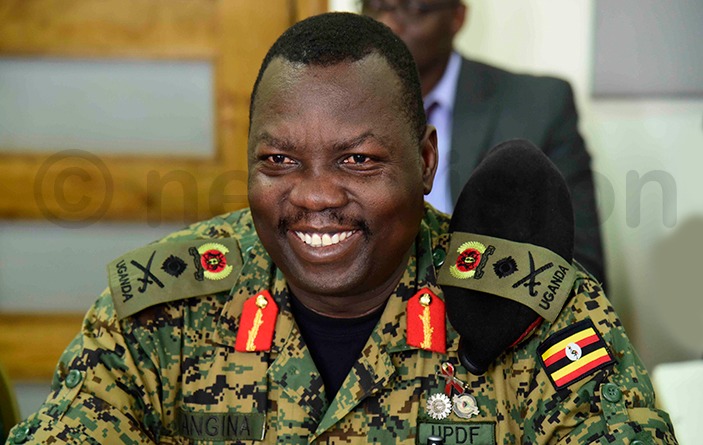
Among the generals leaving the military is Lt Gen Charles Angina, one of the UPDF’s veteran commanders. Angina joined the military in the early 1980s and rose through intelligence, operational and command appointments. In UPDF, Lt Gen Angina is seen as a blue-eye boy of Gen Katumba. Wherever he was deployed, Gen Katumba would move with Lt Gen Angina. “You would think Lt Angina was a lifetime ADC of Gen Katumba. They are too close,” a top UPDF officer told The Investigator.
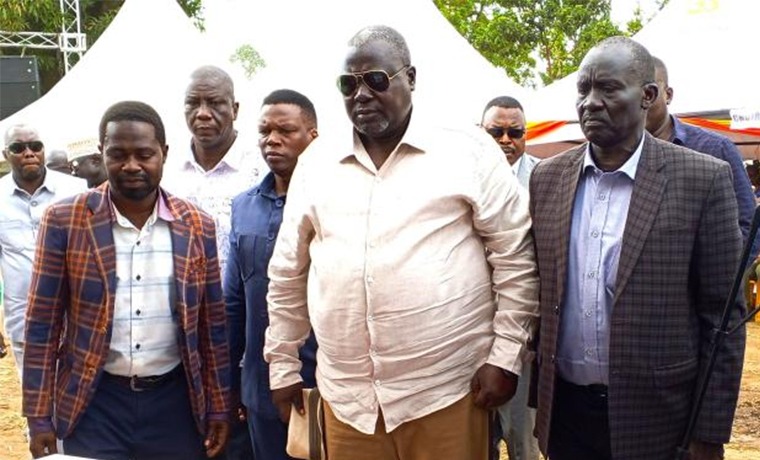
He served as an intelligence officer, platoon commander, operations coordinator, brigade commander and commander of the UPDF’s 2nd Division.
He also served in the Democratic Republic of Congo, including as a sector commander during Ugandan military operations there.
His career later took him into strategic command, including service as Chief of Staff of Land Forces and Deputy Chief of Defence Forces.
He eventually moved into diplomacy, where he became Uganda’s Deputy Head of Mission in Cairo, Egypt. Uganda’s Foreign Affairs Ministry continues to identify him in that role, while recent reports have also described him as Chargé d’Affaires in Cairo.
His transition from military command to diplomacy mirrors the broader use of retired and serving military officers in Uganda’s foreign policy establishment.
Lt Gen Otema Awany and the Reserve Force
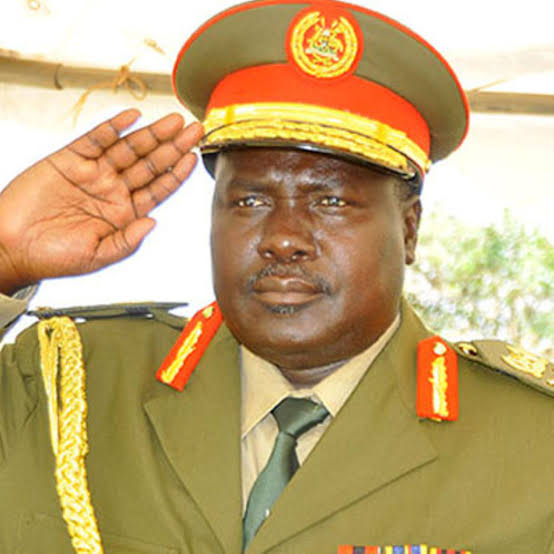
Lt Gen Charles Otema Awany leaves behind another important legacy as Commander of the UPDF Reserve Force.
Otema has remained in active command in 2026, participating in senior UPDF engagements and overseeing the Reserve Force, a component increasingly viewed as important to national mobilisation and security preparedness.
In March, Otema who has served as director for transport, intelligence officer attached to 4thdivision in Gulu and Chief of Logistics and Engineering urged regional reserve commanders to strengthen teamwork, accountability and leadership, stressing the Reserve Force’s role in national security and socio-economic transformation.
“The Reserve Force remains an important pillar of national security,” he said. His retirement therefore comes at a time when the institution he commanded is being positioned as an important link between the regular military, veterans and communities across the country.
Maj Gen Kyanda: The institutional soldier
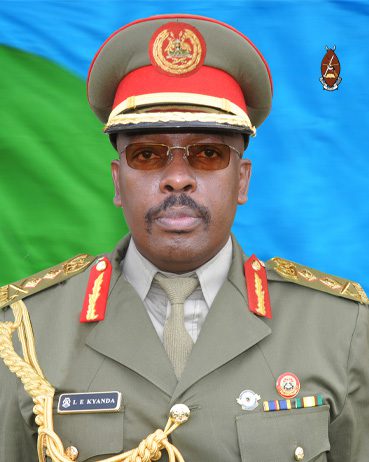
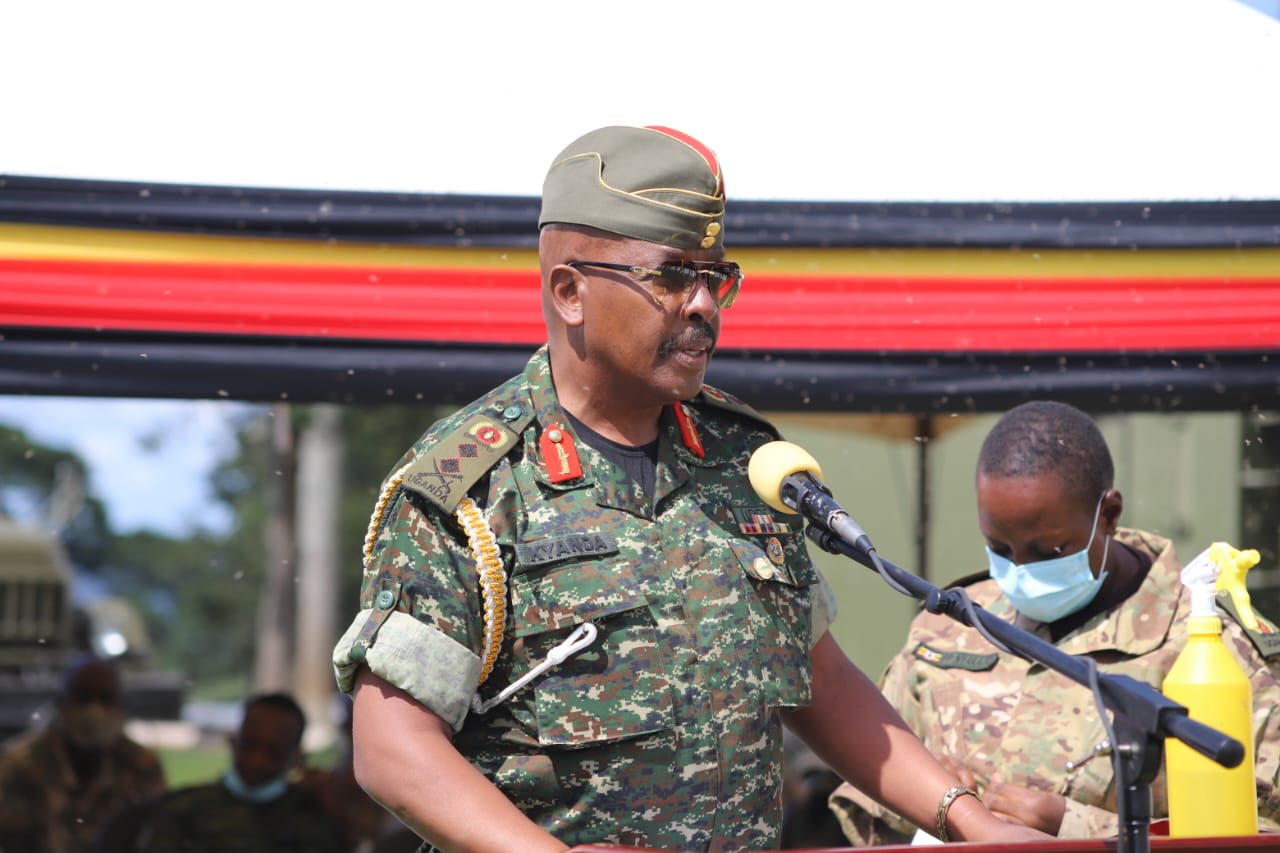
Maj Gen Leopold Kyanda is another veteran commander whose career has been deeply intertwined with the institutional development of the UPDF.
Kyanda served in senior administrative and command positions, including commander of PGB (now SFC), commander CMI, Chief of Staff of the Land Forces and later Joint Chief of Staff.
He was promoted to Major General in 2019 after completing senior military training, including studies at India’s National Defence College. Maj Gen Kyanda is among the old guard disciplined UDPF soldiers. He retires with his head held high.
As Joint Chief of Staff, Kyanda frequently spoke about discipline, cooperation and institutional efficiency. In 2023, while addressing UPDF staff officers, he emphasised the importance of synergy between departments and institutions, arguing that cooperation produces results greater than what individual units can achieve separately.
His career has consequently been associated less with battlefield visibility and more with the internal machinery required to keep a large military institution functioning.
Maj Gen Kandiho: The intelligence chief
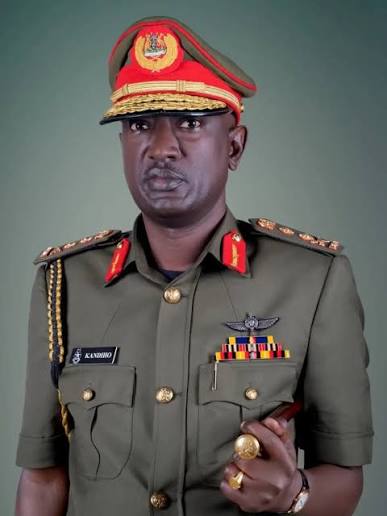
Maj Gen Abel Kandiho leaves active military service after one of the most prominent intelligence careers of his generation.
Author Profile
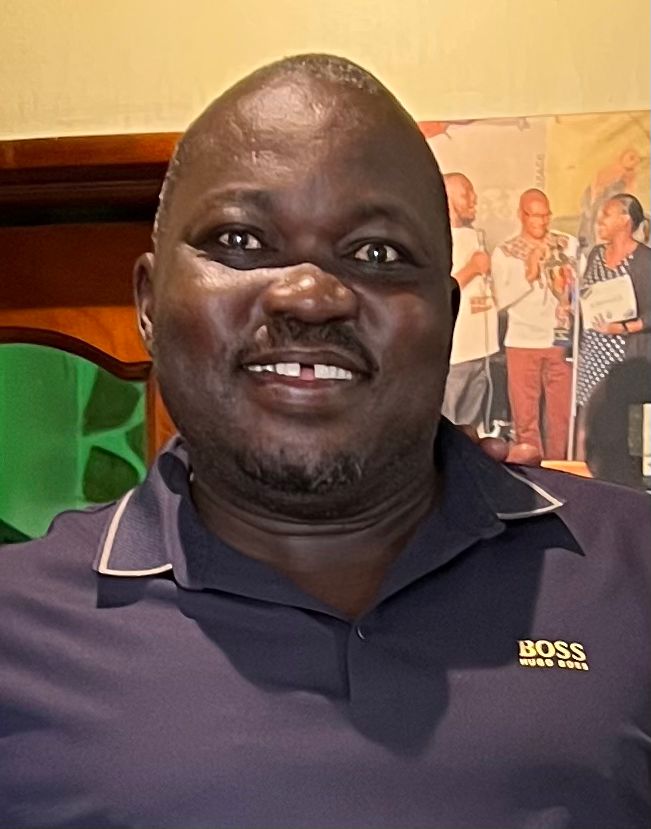
- Charles Gazza Kodili is a seasoned journalist with over 20 years of experience in the media industry. He holds a Bachelor of Arts degree in Mass Communication. He’s currently the Chief Editor at the Investigator.
Charles can also be reached via; Tel: +256 774 108978
Email: [email protected]
Latest entries
 FeaturedOctober 16, 2026KAWOOYA UNDER FIRE AS MINISTRY DENIES DR CANDIA SUSPENSION: Health Ministry Says Arua Doctor Remains In Office After Minister Reportedly Ordered Him To Hand Over For “Pocketing”
 FeaturedOctober 14, 2026MATHEW BAGONZA BAIL DEAL DEALS A BLOW TO CDF GEN. MUHOOZI: Rwabwogo’s Camp Sees Relief After Weeks Of Confrontation, As Reported First Family Tensions Raise Questions About The CDF’s Fight With His Brother-In-Law
 FeaturedOctober 14, 2026GOVERNMENT TO CASH IN ON CHARCOAL TRADE: Government Plans To Formalise The Charcoal Business Through Trade Licences, Taxation And Strict Monitoring Of Producers And Dealers
 FeaturedOctober 13, 2026‘PRODUCE SAM MUGUMYA NOW’ — SSENYONYI: LoP Tells Parliament Families Of Missing Ugandans Deserve Answers, Freedom And Justice As He Challenges Government Over The Opposition Activist’s Fate