












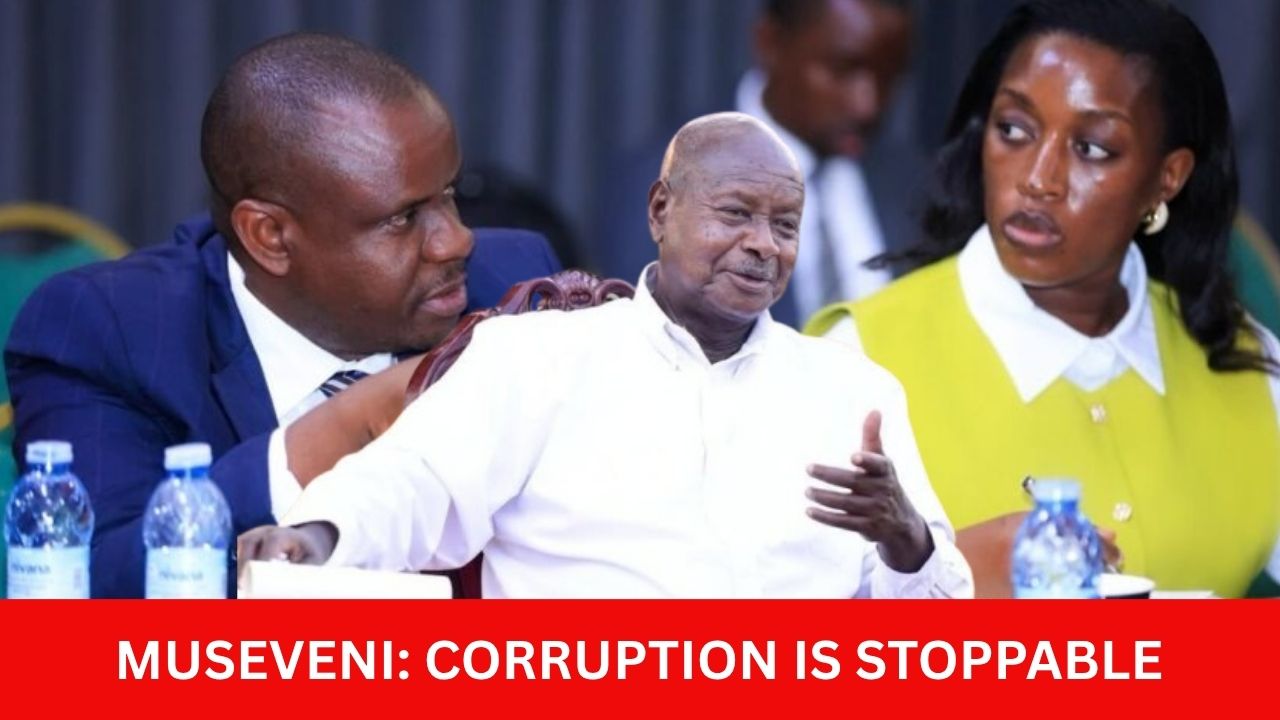
President Yoweri Museveni has thrown his weight behind Local Government Minister Balaam Barugahara’s controversial field operations against corruption, arguing that the minister’s decision to take investigations directly to the people is a necessary response to the “impunity and frequency” of corruption in government institutions.
In a strongly worded message addressed to Ugandans, particularly the “Bazzukulu,” Museveni dismissed concerns that Barugahara and other officials could be “Kutomera”—acting blindly or bumping into issues without sufficient evidence—during their inspection tours.
Instead, the President said the scale of corruption reported by citizens justified the minister’s aggressive approach.
“I am writing to comment on the field inspection tours of Hons. Barugahara and Nameere and possibly others in future. Some of the commentators were worried that this may be Kutomera (bumping into issues blindly). This is most unlikely,” Museveni said.
He argued that the country’s corruption problem had become so widespread that government officials could no longer rely solely on conventional administrative channels to identify wrongdoing.
Museveni’s intervention is significant because Barugahara’s anti-corruption campaign has generated considerable public attention, with the minister moving into communities, holding public meetings and listening directly to citizens who allege abuse, theft, fraud and mismanagement of government resources. For Museveni, that direct engagement is precisely what makes the approach effective.
Corruption reports interrupted Museveni’s campaigns
The President revealed that corruption had become such a persistent concern during the recent campaigns that he was forced to interrupt his political programme to address complaints coming from citizens.
“I have told you before, that during the campaigns, my campaigns had to be interrupted to deal with the information from the angry citizens about corruption in PDM, etc.,” he said.
The reference to the Parish Development Model, one of the flagship government programmes intended to move households into the money economy, highlights the political sensitivity of corruption allegations involving government programmes.
Museveni said complaints were not limited to PDM funds. He recalled meeting elders from Bunyoro who raised allegations concerning the sale of local government jobs.
“Earlier on, I had met a delegation of elders from the Bunyoro area talking about the selling of local Government jobs,” he said.
The President also pointed to alleged “ghosts” on government payrolls, particularly in schools and health centres. “There are numerous stories about the ghosts of learners and teachers in Government Schools, as well as health centres of the Government,” he said.
The allegations, if substantiated, would point to weaknesses not merely among individual officials but within systems responsible for staffing, payroll management, service delivery and accountability.
It is against this background that Museveni says criticism of Barugahara’s methods should be considered.
Why Museveni says Barugahara is not ‘Kutomera’
The President’s central defence is that Barugahara and Nameere are not randomly targeting people. Instead, he argues, they are responding to information that has accumulated for years but has often failed to receive decisive action.
“The challenge now is for the DPP to have a dedicated officer that can quickly assess the abundant evidence against these criminals so that they are prosecuted,” Museveni said.
His call places the Office of the Director of Public Prosecutions at the centre of the next stage of the anti-corruption drive.
The President appears to be arguing that investigations and public complaints should not end with political statements, inspections or arrests. Where evidence establishes criminal conduct, the cases should move swiftly into the judicial process.
This is also where Museveni identifies what he considers the deeper weakness in Uganda’s fight against corruption.
According to him, the problem is not simply that corrupt officials exist. It is that systems and individuals who should expose them sometimes protect them.
“The main problems on the issue of corruption have been two: the cover up by the responsible officials that should be protecting national interests and the failure to report by the elite that have access to the decision-making centres,” he said.
That assessment provides the political justification for Barugahara’s decision to bypass traditional channels and take complaints directly to the public.
Barazas as a weapon against corruption
Museveni specifically praised the use of barazas—public gatherings where citizens can raise concerns directly before government officials.
He said the approach has enabled Barugahara and Nameere to circumvent what he described as a “blockade of the thieves” allegedly protected by sections of the elite.
“That is why Barugahara and Nameere, by going to the People directly in the form of Barazas (Public gatherings), have by-passed the blockade of the thieves manned by the responsible elements of the elite,” Museveni said.
The President’s comments therefore elevate the baraza from a traditional public mobilisation tool into an accountability mechanism.
For years, citizens have complained that corruption cases can disappear after being reported to local officials. A citizen may report an irregularity, but the complaint may never progress beyond the office where it was made. Museveni’s argument is that taking the process directly to communities can disrupt that chain.
Instead of citizens reporting through officials who may themselves have an interest in suppressing the allegations, Barugahara’s team can hear complaints publicly and identify cases requiring further investigation.
Byamukama praised as a whistleblower
Museveni also singled out Works Minister Fred Byamukama as an example of an official who, in his view, has demonstrated patriotism by exposing wrongdoing.
“One of them is Hon. Byamukama, who exposed to me the racket of extorters that were operating in State House, here,” Museveni said. According to the President, Byamukama reported the alleged racket directly to him, leading to a trap operation and arrests.
“He reported them to me, and we trapped the thieves and arrested them,” Museveni said. Museveni used the incident to make a broader point: corruption can be defeated when officials and citizens refuse to remain silent.
“This corruption in Uganda is stoppable,” he declared. The message is particularly pointed because Museveni argues that the fight cannot be left to anti-corruption institutions alone.
Government employees, political leaders and ordinary citizens must all participate by reporting wrongdoing. “Do not cover-up if you are a Government officer and report if you are a citizen,” he said.
A warning to officials who sit on complaints
Museveni also acknowledged that the government has previously attempted to respond to complaints but that follow-up action has sometimes been inadequate.
He revealed that he had previously assigned former minister Magyezi to investigate corruption complaints brought to him by citizens.
“I had, indeed, sent the former Minister Magyezi to follow up the issues of corruption the People had reported to me,” Museveni said.
Although Magyezi reportedly visited some of the affected areas, Museveni suggested that the intervention did not result in the decisive action he expected. “He did go to these places but, it seems, decisive action had not been taken,” he said. That admission provides perhaps the strongest justification for the new style of field operations.
Museveni appears to believe that Uganda has reached a point where simply receiving reports, writing official letters and conducting routine inspections is not enough. The public wants visible action.
The return of the mass baraza
Museveni further linked Barugahara’s approach to the early years of the National Resistance Movement, when leaders held large public meetings with citizens.
“We are back to the earlier NRM days when huge crowds would flock voluntarily to our public meetings without being given water to drink, food, hiring tents for the local elite while the masses stay in the rain or the sun,” he said.
The comparison is political as well as administrative. Museveni appears to see the enthusiasm surrounding the current public meetings as evidence that citizens are hungry for direct access to government officials.
For the President, the response to Barugahara and Nameere demonstrates that Ugandans are not necessarily opposed to aggressive government intervention; rather, they want their complaints heard and acted upon.
His endorsement could therefore give Barugahara greater political space to continue the campaign, while placing greater responsibility on investigators and prosecutors to ensure that allegations emerging from the field are properly tested.
The President’s message also carries a warning to the bureaucracy. If corruption is being hidden by officials, Museveni says, those responsible for protecting national interests must stop covering it up. And if citizens have evidence, they should report it.
The challenge now is to convert the growing public mobilisation into credible investigations, prosecutions and convictions where wrongdoing is established.
Museveni’s defence of Barugahara is therefore less about protecting an individual minister than about endorsing a particular method of fighting corruption: going directly to citizens, breaking through bureaucratic barriers and acting on the evidence they provide.
Whether that strategy produces lasting results will depend on what happens after the barazas—the investigations, the recovery of stolen resources and, ultimately, the prosecution of those found responsible.
For now, however, Museveni has made his position unmistakable.
He believes Uganda’s corruption problem has become too entrenched for officials to sit behind desks waiting for complaints to pass through the usual channels.
And in Barugahara’s public war on corruption, the President sees an attempt to reopen a direct line between government and the people.
Author Profile
- Mr. Stephen Kasozi Muwambi is a seasoned crime investigative writer, majoring in judicial-based stories. His two decades’ experience as a senior investigative journalist has made him one of the best to reckon on in Uganda. He can also be reached via [email protected]
Latest entries
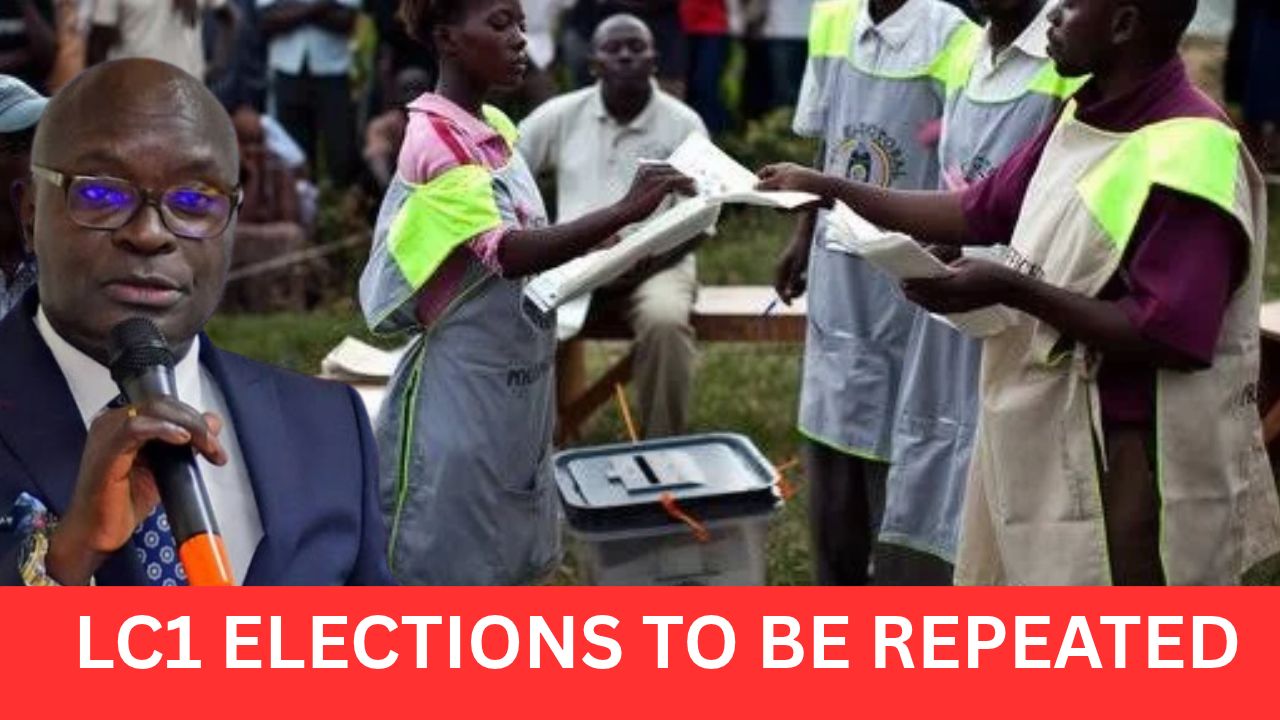 FeaturedOctober 8, 2026INTO WHY EC ORDERED FRESH LC1 POLLS IN 54 VILLAGES: Justice Simon Byabakama Cites Complaints, Disputed Results and Irregularities as the Commission Orders for Fresh Voting in the Affected Villages
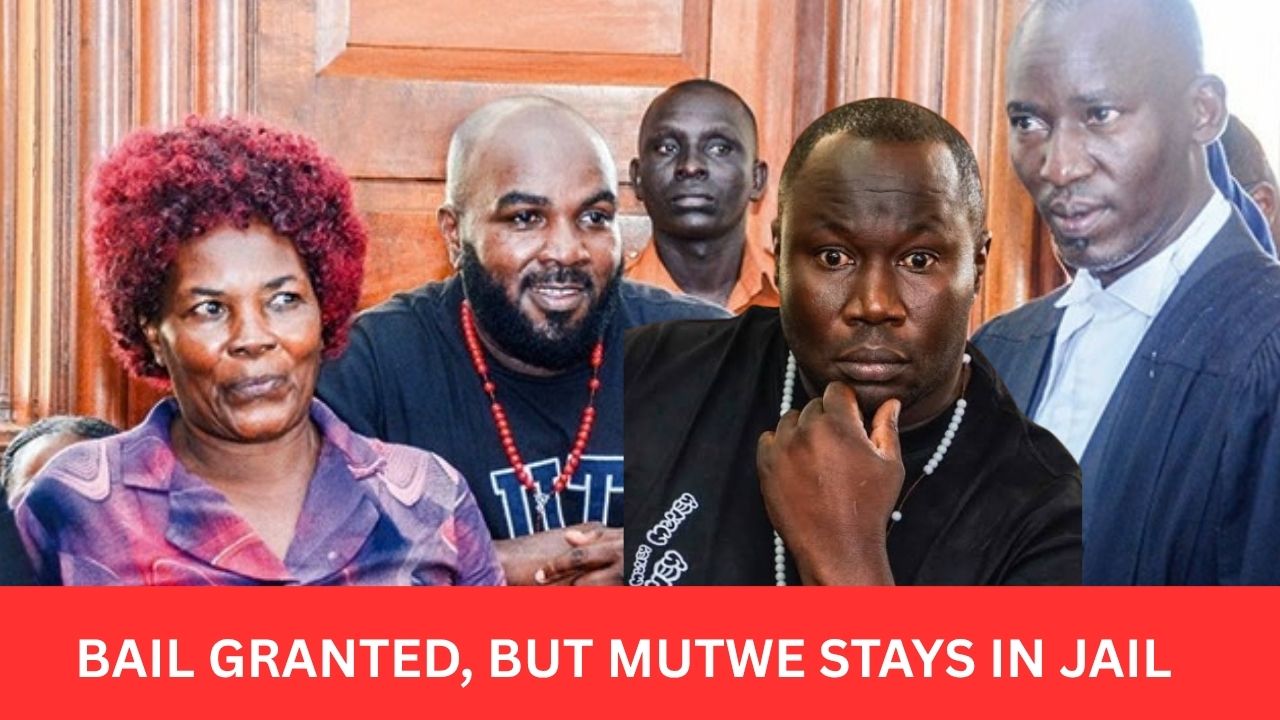 FeaturedOctober 7, 2026EDDIE MUTWE WINS BAIL, BUT REMAINS IN LUZIRA: Bobi Wine’s NUP Bodyguard’s Freedom Blocked By Second Case As Court Orders Sh5m Cash Bail And Sh50m Surety Bond
 FeaturedOctober 6, 2026WITNESS, NOT SUSPECT: In A Dramatic Twist, The DPP Has Cleared Mose Matovu’s Female Companion Of Prosecution. Investigators Will Now Rely On Tumusiime’s Testimony As The State Tightens Its Case Against Nsamba
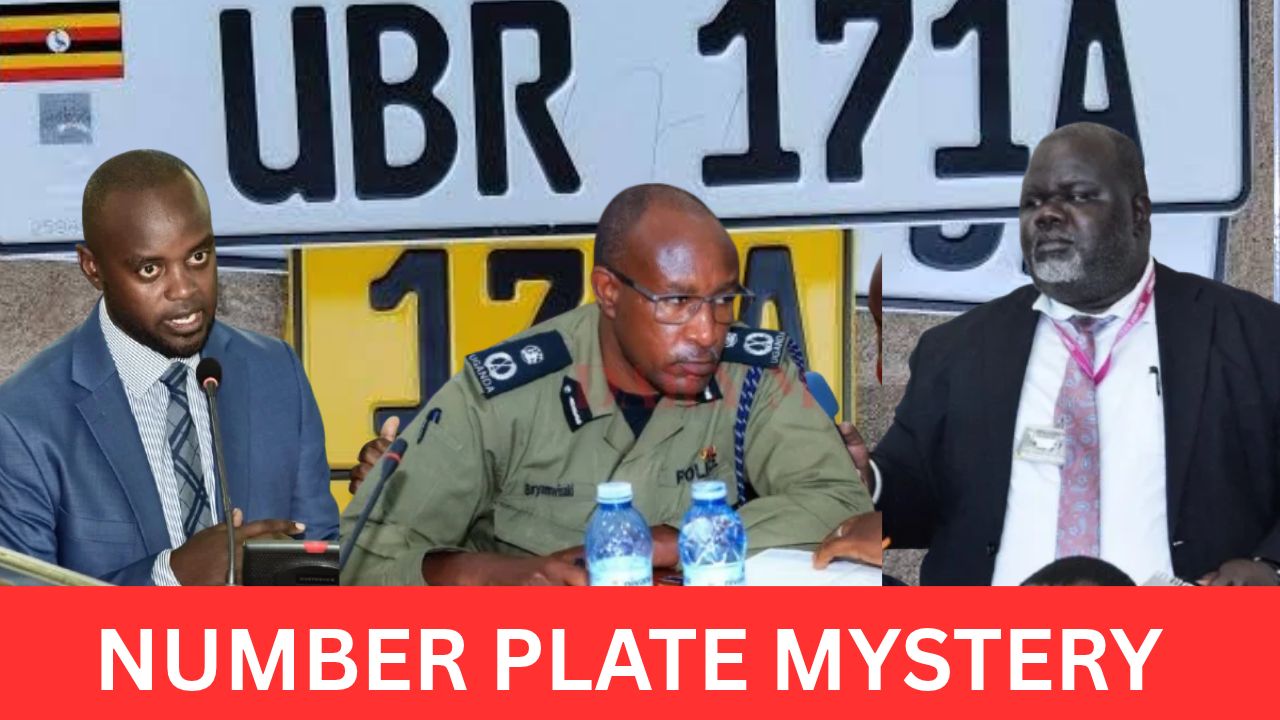 FeaturedOctober 5, 2026INSIDE THE DIGITAL PLATES SCANDAL: Why Angry MPs Sent Ministry Officials To Coolers As Investigations Closes In On A Top Minister Whose Arrest Is Imminent