




For 47 years, General Edward Katumba Wamala wore the uniform of Uganda’s security forces, a journey that began with a young man who had trained in agriculture and ended with one of the country’s most recognisable military figures bowing out as a four-star general. His was not a straight road.
It passed through war and peace, battlefields and boardrooms, forests and deserts, military barracks and Cabinet corridors. Along the way, Katumba became a soldier, commander, peacekeeper, policeman, army chief, minister and, perhaps most importantly, a survivor.
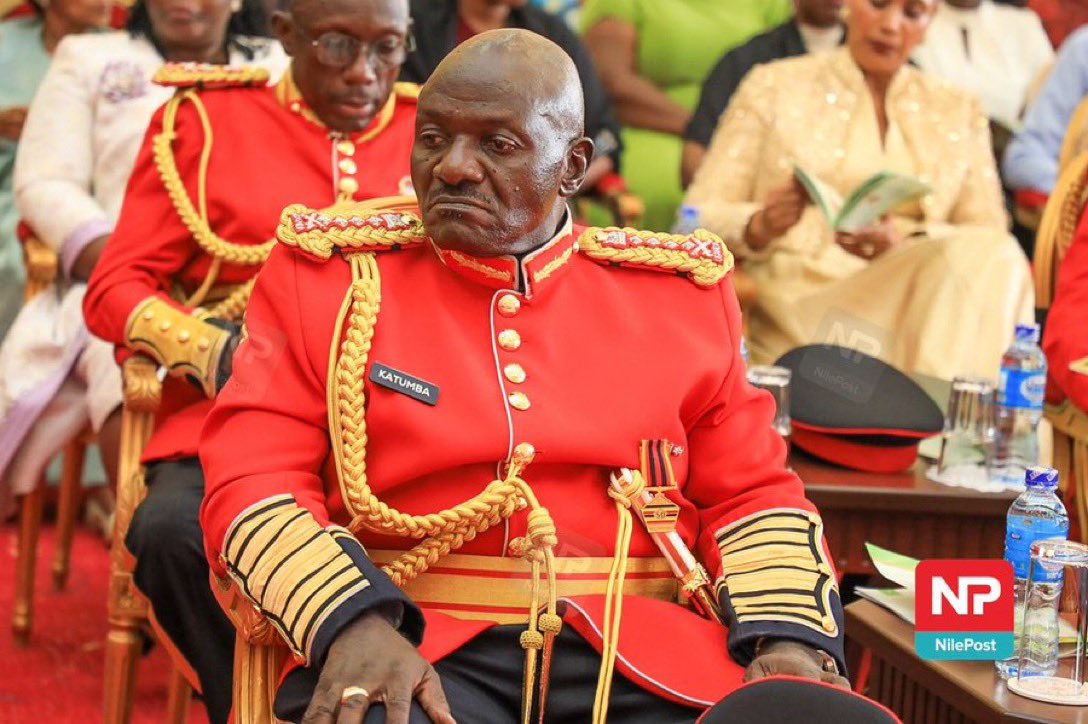
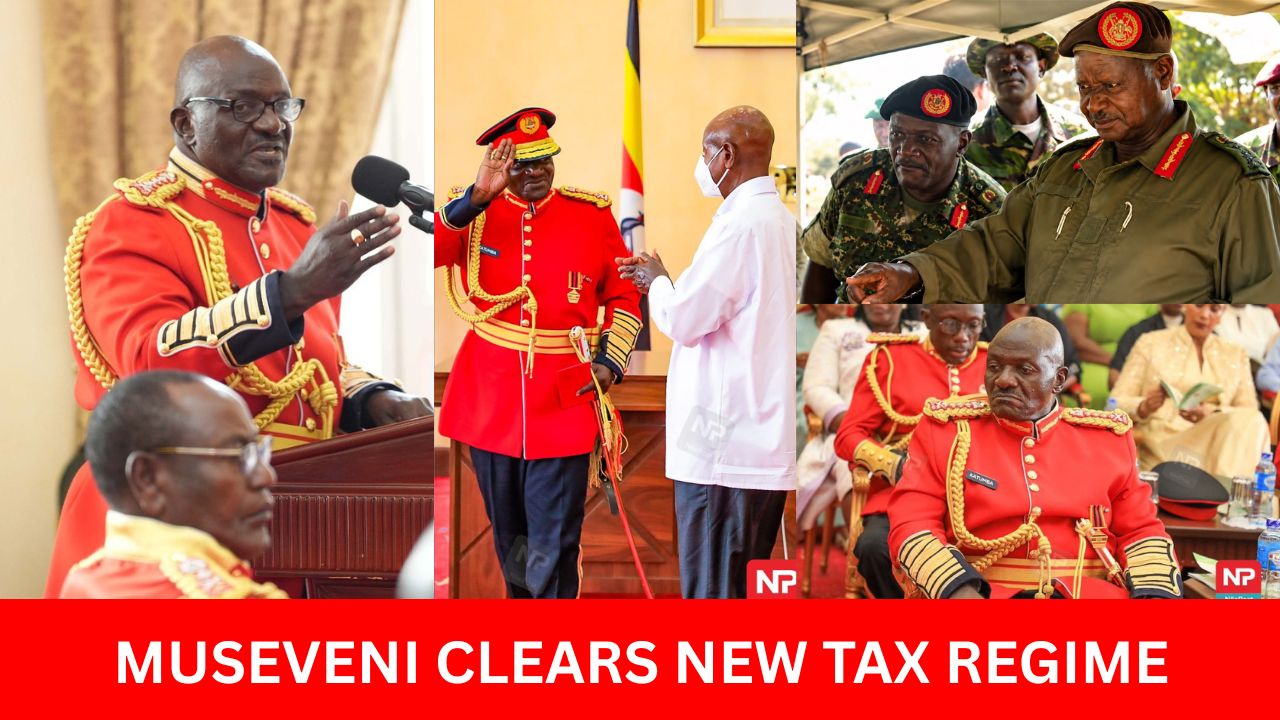
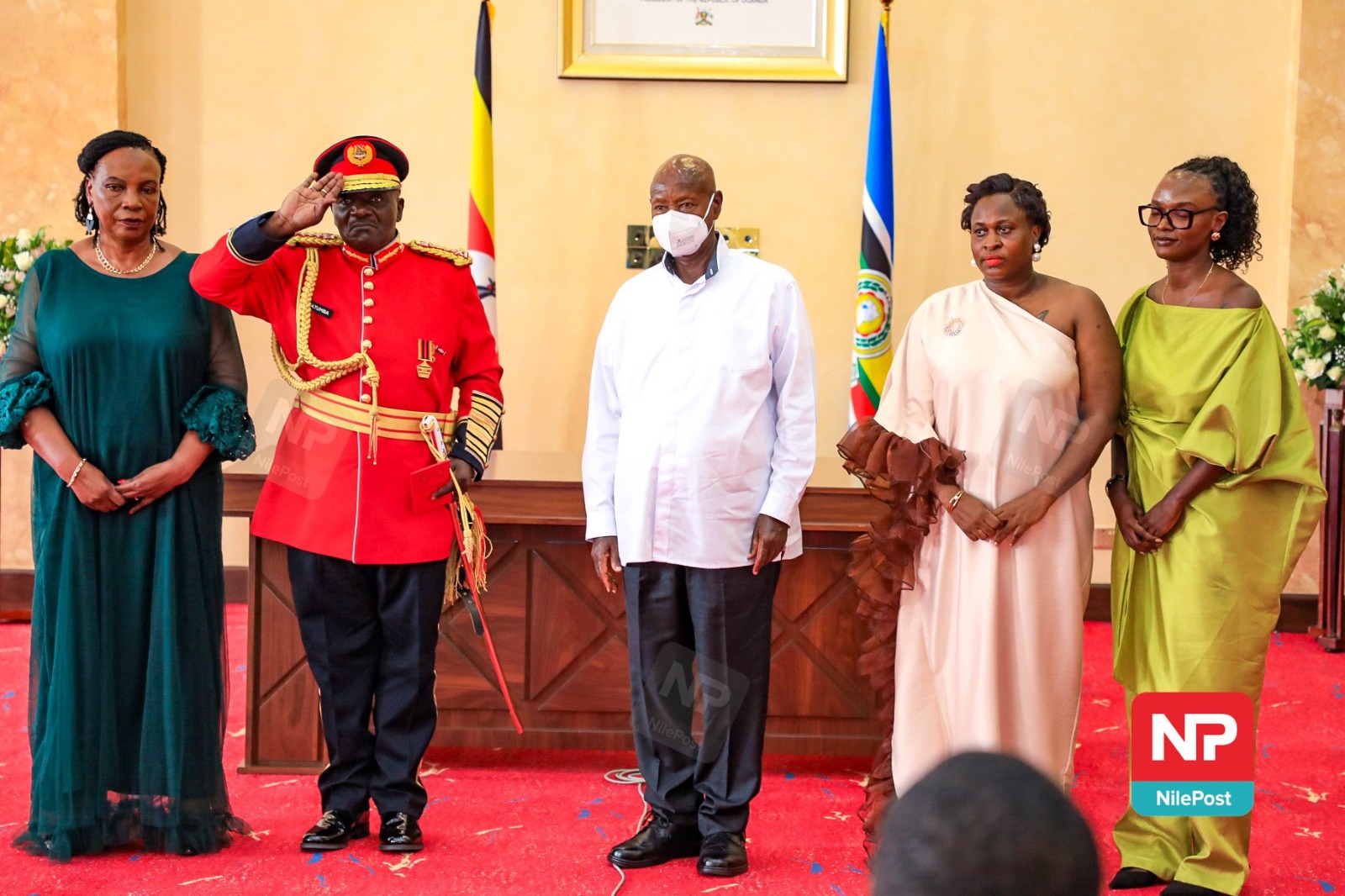
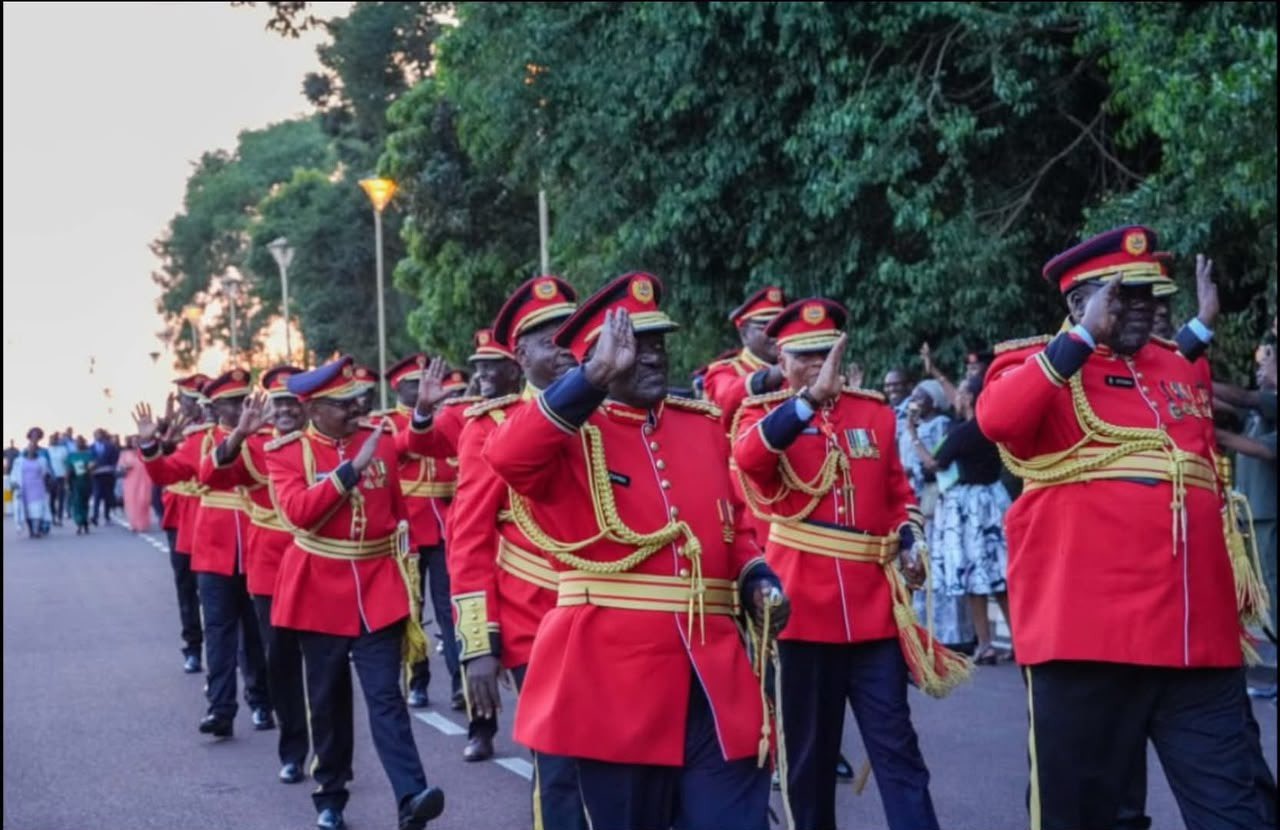
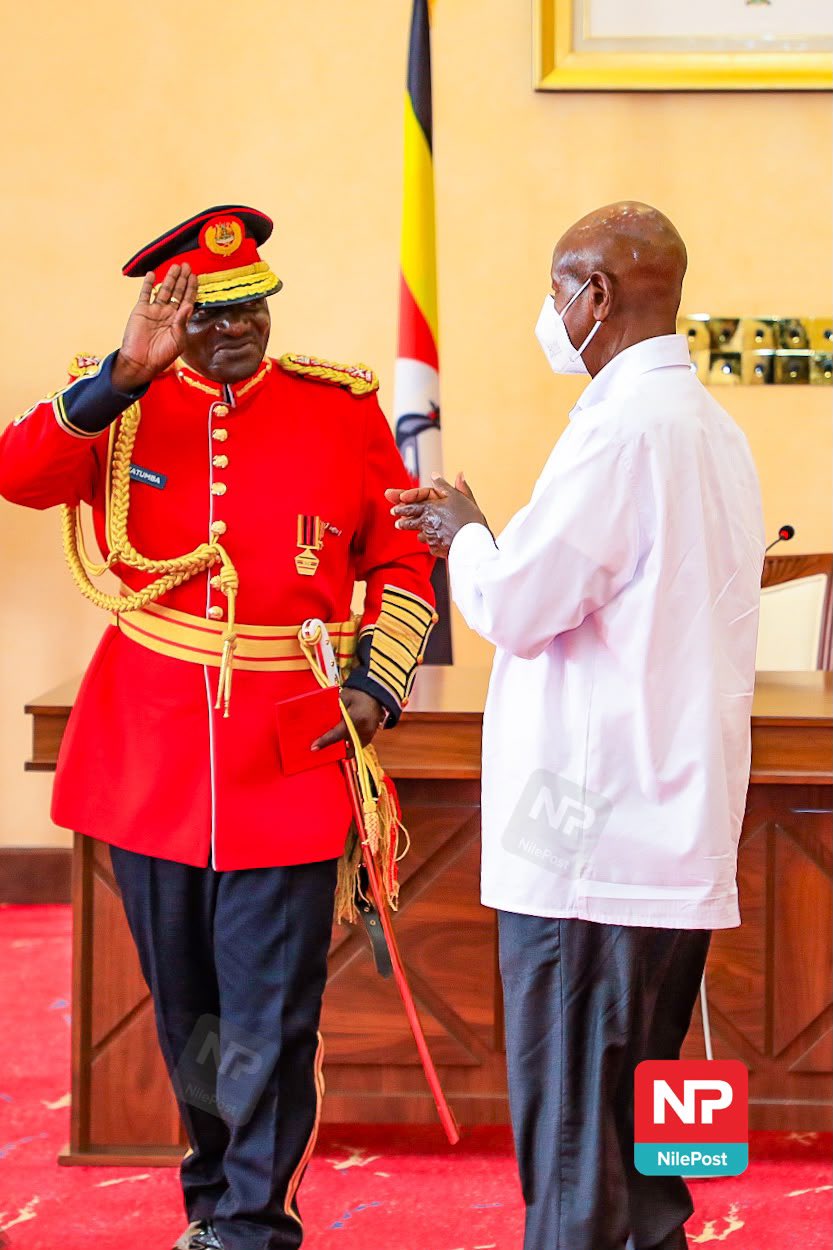
On July 31, 2026, he completed 47 years of military service. The UPDF subsequently included him among 19 General Officers formally retired at State House, Entebbe, on August 20, bringing to a ceremonial close a career that stretched across almost five decades.
Katumba himself summed up the journey in words that sounded less like a boast than a final salute. “For 47 years, I served my country. Through war and peace, triumph and loss, I presented myself for duty,” he said. “I wore the uniform with pride, knowing that behind it was the trust of millions of Ugandans. Along the way, I lost brothers. I made lifelong friends. I witnessed Uganda change, struggle, and rise. I carry every memory with me.” That memory begins in 1979.
The Young Man Who Chose The Army
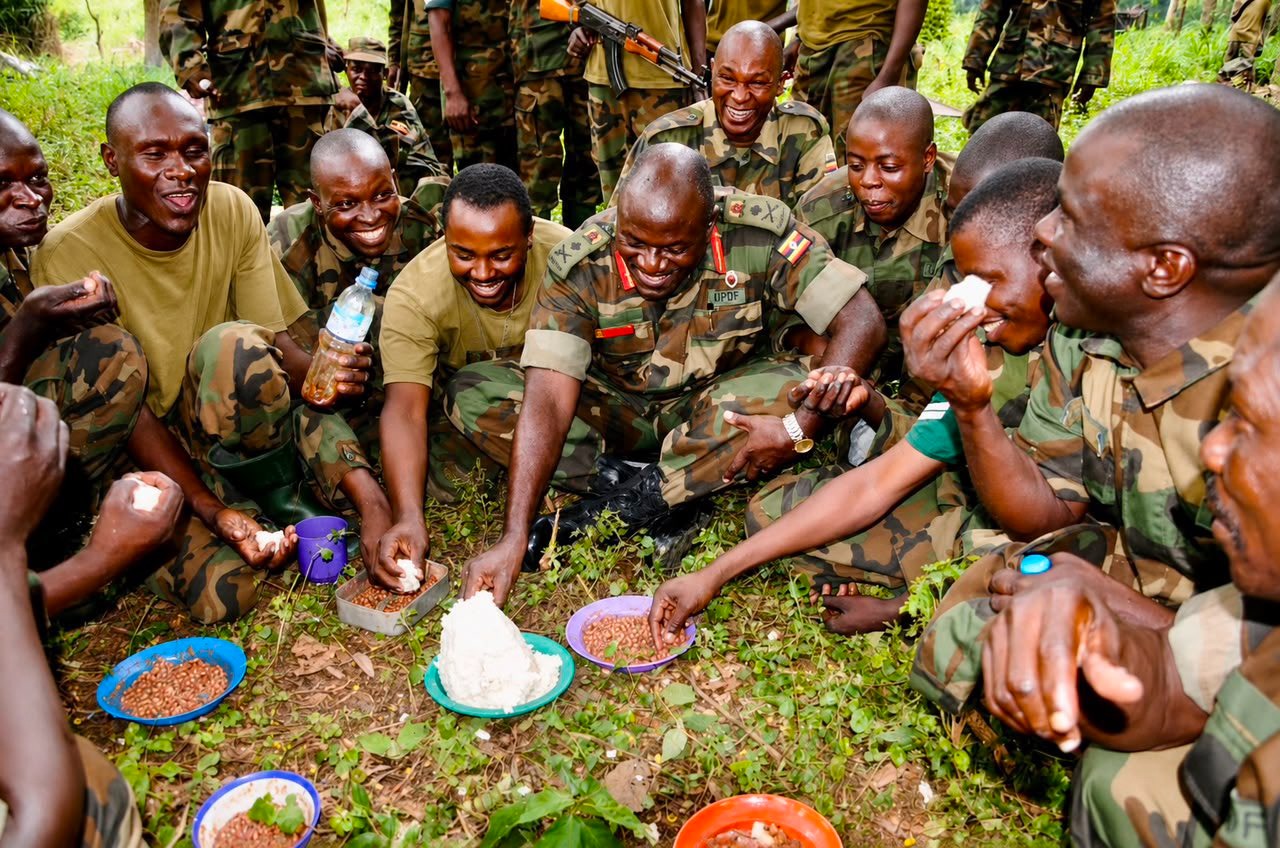
Katumba was trained in agriculture at Bukalasa Agricultural College. But in May 1979, as Uganda was emerging from the turmoil that had accompanied the fall of Idi Amin, an opportunity to join the military presented itself. The UNLF government was recruiting officer cadets. Katumba applied. He was among about 300 cadets who underwent training before being posted to Moroto to serve in the Uganda National Liberation Army.
It was a decision that would determine virtually the rest of his life. Years later, Katumba acknowledged President Yoweri Museveni’s influence during that formative period. Museveni was then serving as Minister of Defence in the UNLF government and, according to Katumba, inspired many young Ugandans to consider military service. “That decision has shaped the greater part of my life,” Katumba recalled of joining the army in 1979. From the beginning, therefore, Katumba’s story became intertwined with that of Museveni and the turbulent transformation of Uganda’s security forces.
From UNLA To NRA
The young officer would experience Uganda’s political and military upheavals from inside the armed forces. When the National Resistance Army defeated the UNLA in 1986, Katumba transitioned into the new army. The NRA would later become the UPDF.
For Katumba and a generation of officers, this was more than a change of uniforms. It was the beginning of another long chapter of rebuilding a national army while confronting armed rebellions at home and conflicts beyond Uganda’s borders. He rose steadily through the ranks, gaining experience in command and operations. He was not simply a headquarters officer. He became a field commander.
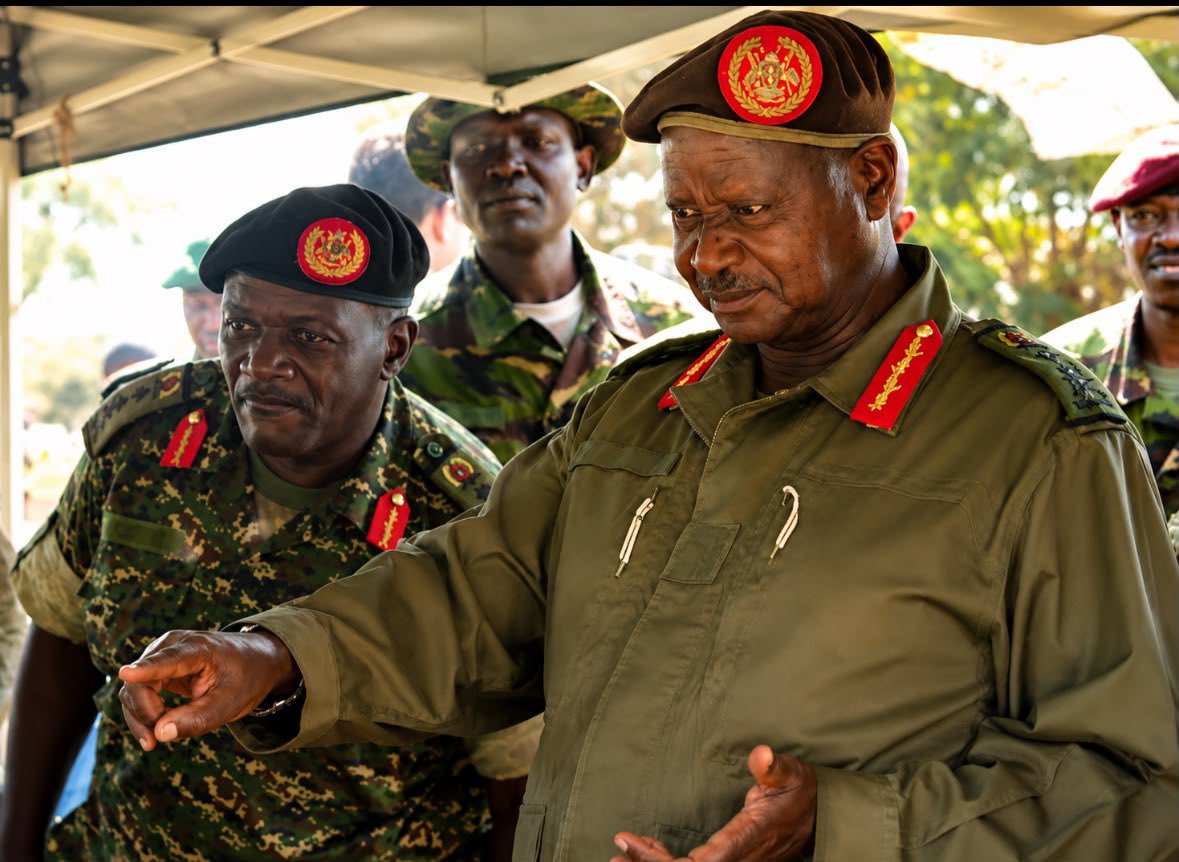
The years would take him through northern Uganda, while in West Nile, Katumba served as brigade commander based in Bondo before crossing to 4thdivision headquarters in Gulu, the Democratic Republic of Congo after the Kisangani wars against Rwanda, South Sudan and other theatres where Ugandan troops were deployed. His own retirement message captures the geography of those years.
“Together, we scaled the plains of Kitgum, the Kilak Hills of Gulu, the Zoka forests of Amuru, the dense forests of the Congo, the deserts of Somalia, and the vast plains of South Sudan and the Central African Republic, all in search of peace and stability, not only for the people of Uganda, but for our entire region.” It was a military career shaped by operations in difficult terrain and complex conflicts.
The Congo Commander
One of Katumba’s defining assignments came in the Democratic Republic of Congo. Between 2000 and 2001, as a Brig Gen, he commanded Ugandan forces in Congo. His experience there placed him among the senior officers trusted with Uganda’s most sensitive external military operations. The Congo experience was another stage in his transformation—from battlefield officer into strategic commander. He had to deal not only with military operations but also with the political consequences of Uganda’s involvement in the region.
His relationship with senior commanders, including Gen Salim Saleh, was forged against this broader background of military operations and strategic decision-making. During Operation Thunderbolt in the late 1990s, Saleh had overall command while Katumba served as operational commander. These were the years in which Katumba became part of the senior military generation around Museveni.
The General Who Became Police Chief
Perhaps one of the most remarkable transformations in Katumba’s career came in 2001. He was appointed Inspector General of Police. It was an unusual move: an active UPDF officer taking charge of the Uganda Police Force.
Katumba served as IGP from 2001 to 2005 and became the first active UPDF officer to head the police. This was Katumba’s first major appearance outside the traditional army command chain. The soldier had become a policeman. He brought military discipline and command experience into an institution dealing daily with crime, public order and civilian policing. For many Ugandans, this was the moment Katumba stopped being merely a military name and became a national public figure.
The Land Forces Commander
After leaving the police leadership, Katumba returned to the army. In 2005, he became Commander of the UPDF Land Forces. This was another crucial phase. As land forces commander, Katumba oversaw the army’s principal fighting force at a time when Uganda was heavily involved in regional security operations, particularly Somalia.
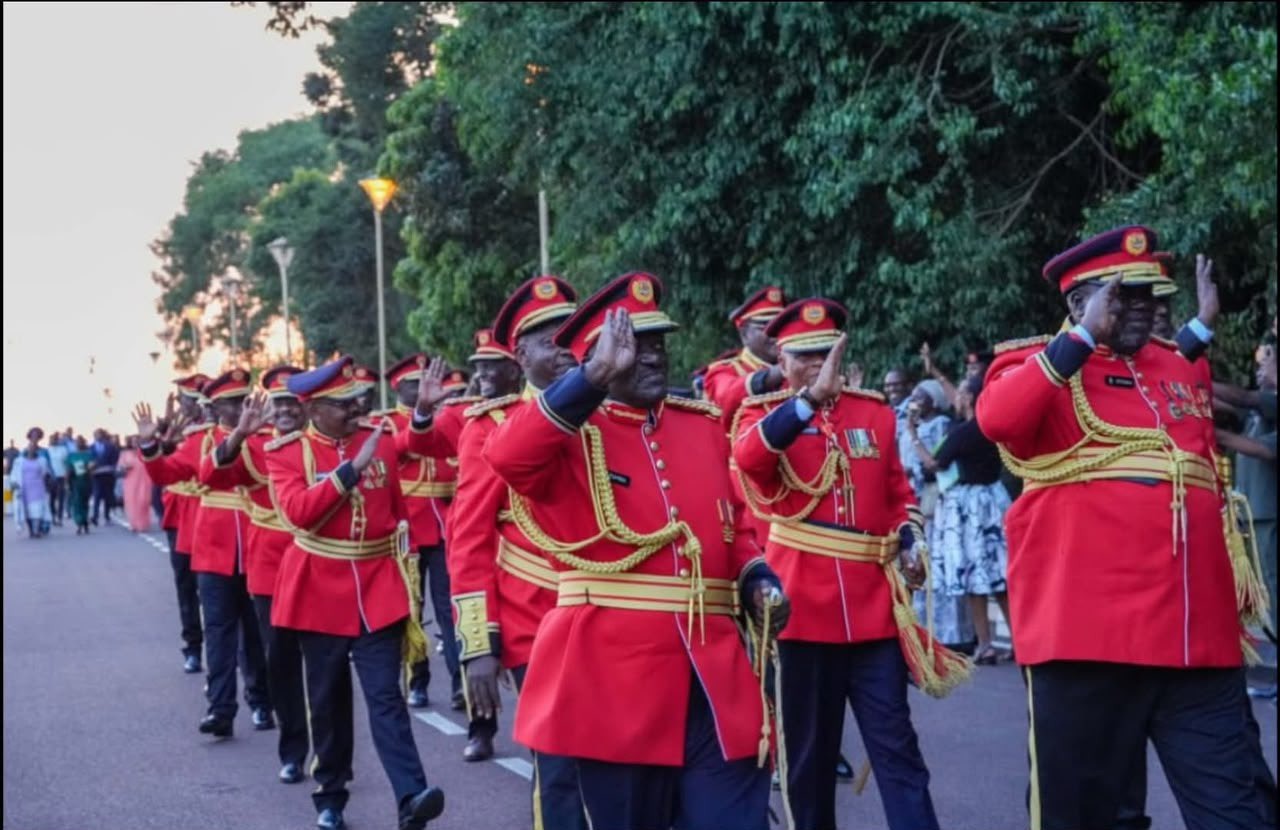
The UPDF’s deployment in Somalia became one of the most consequential chapters of Uganda’s military history, with Ugandan troops operating under the African Union mission against al-Shabaab. Katumba’s experience in regional operations therefore became an important part of his military legacy. His retirement message returned to those missions. “Wherever duty called, we went. We answered the call without hesitation.” He added that Uganda’s military efforts had helped create conditions in which not only Ugandans but neighbouring countries could celebrate greater peace and stability.
The Four-Star General
In 2013, Katumba reached the summit of Uganda’s military hierarchy. He was promoted to four-star General and appointed Chief of Defence Forces. For four years, from 2013 to 2017, he occupied the country’s highest professional military office. The journey from a young officer cadet in 1979 to CDF in 2013 was a remarkable climb. It also placed Katumba at the centre of the country’s national security establishment and alongside men with whom he had shared decades of military history.
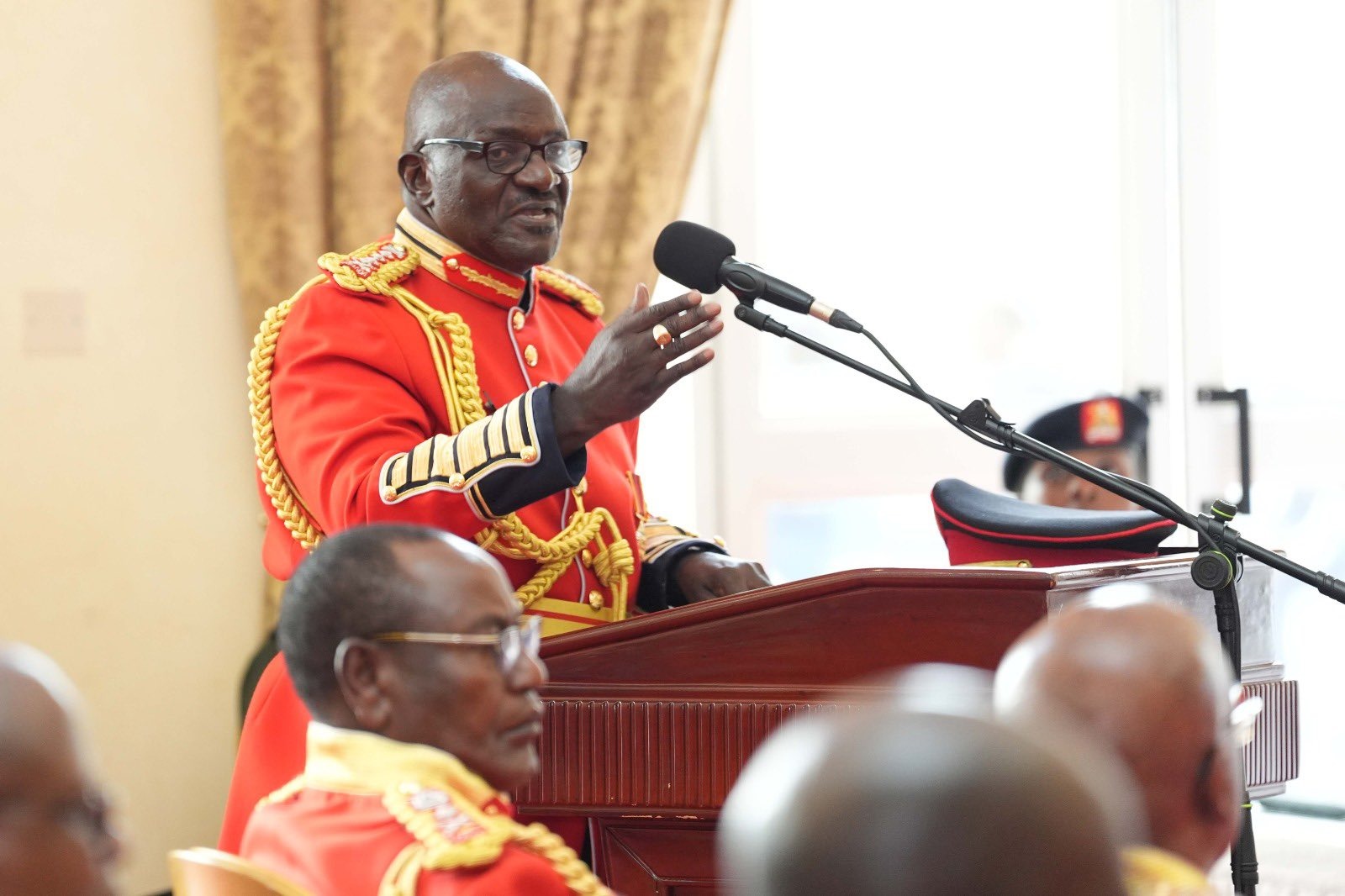 Among those who became part of that generation was Lt Gen Charles Angina, another senior officer who rose through the NRA-UPDF system and served in senior command positions before eventually retiring alongside Katumba in 2026.
For officers such as Angina, Katumba represented not merely a commander but a colleague from a generation that had lived through Uganda’s military transformation. It is Katumba who saved the skin of Angina after the latter committed a command mistake when under his watch, a group of ADF forces on June 8 1998 attacked Kichwamba Technical Institute in Kabarole District, Uganda.
The attack was carried out by rebels resulting in the deaths of 80 students and the abduction of over 100 others. At this time Lt Gen Angina was commander of the second division. He had camped at Mountain of The Moons hotel following a tipoff ADF rebels would strike that night.
The rebels locked students in their dormitories and set them on fire. Twenty-seven students who were burnt beyond recognition were buried in a mass grave inside the college and the grave bears all their names. some Students escaped and survived the attack.
 Following a report, the army leadership had decided to drop Lt Gen Angina from command but sources say, Gen Katumba interceded on his behalf and perhaps that’s how Angina’s neck was saved from the gallows mounted by the then dreadful Maj Gen James Kazini. To date, Lt Gen Angina owes his career to Gen Katumba.
The Soldier Who Became A Minister
In 2017, another face of Katumba emerged. The general left the position of CDF and moved into civilian government, first as Minister of State for Works and later as Minister of Works and Transport. It was a significant transition. The man who had commanded soldiers now had to navigate roads, bridges, contractors, infrastructure policy and Parliament.
Yet Katumba retained the military bearing that had defined him. He remained a public figure associated with discipline, measured speech and the authority of decades in uniform. His political career also demonstrated the trust President Museveni continued to place in him. In May 2026, Katumba was reappointed to Cabinet as Minister of Public Service, even as his active military career was drawing to a close.
The Face Of Survival
But Katumba’s story cannot be told only through promotions. There was also tragedy. On June 1, 2021, gunmen attacked his vehicle in Kisaasi, Kampala. Katumba survived after sustaining gunshot wounds, but his daughter Brenda Wamala Nantongo and his driver, Haruna Kayondo, were killed. The attack exposed another side of the General. The powerful commander suddenly became a wounded father. He had spent decades sending men into dangerous operations. Now violence had reached his own family.
It was one of the deepest personal losses of a career already marked by the death of comrades. In his retirement message, he remembered the fallen. “To the fallen, I will never forget you.” Those words carry a particular weight coming from a soldier whose career was built around conflict and whose memories include friends and colleagues who never returned.
The Friends Who Remained
Behind the formal titles—General, CDF, IGP, Minister—was a network of relationships built over decades. Museveni was not only the Commander-in-Chief under whom Katumba served for much of his career; he was also a political and military figure who influenced the young officer’s decision to join the army. Salim Saleh was part of the senior military fraternity with whom Katumba shared difficult regional operations.
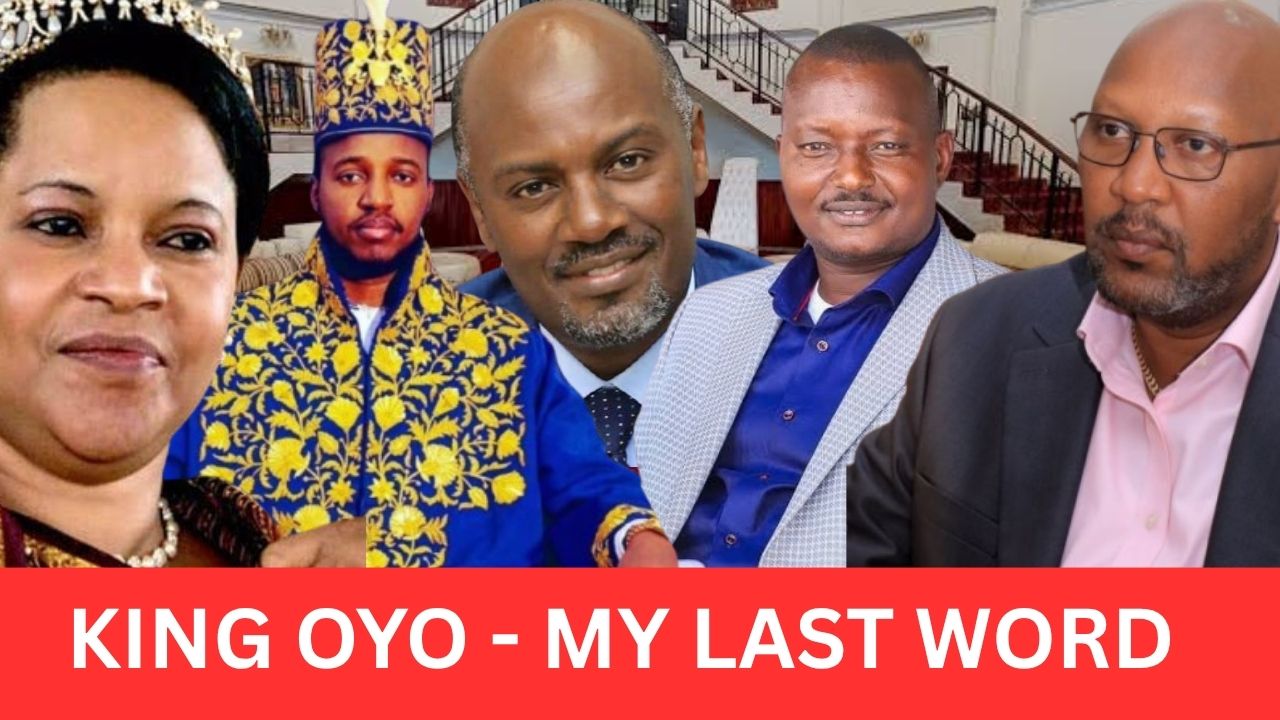
Charles Angina belonged to the same generation of senior officers whose careers were shaped by the NRA and UPDF experience. And outside the military, Katumba’s public life increasingly brought him into contact with national and cultural leaders, including Buganda Katikkiro Charles Peter Mayiga. These relationships illustrate another face of Katumba: the soldier who built friendships across institutions and generations.
The Family Man Behind The Uniform
Perhaps the most emotional line in Katumba’s farewell was directed not at politicians or soldiers, but at his family. “To my family, thank you for sharing me with the nation.” That sentence captures the hidden cost of 47 years in uniform. Military service is not carried by the soldier alone. Families endure long absences, uncertainty, postings and the risks associated with war and command. Katumba’s final message recognised that sacrifice.
 He also acknowledged the men and women who served beside him. “We served together. We endured together. And together, we made a difference.”
One Final Salute
Katumba’s retirement closes the military chapter of a career that began when Uganda was emerging from one of its darkest periods. He entered the army as a young officer in 1979. He survived political transitions, wars and regional conflicts. He became a field commander, Congo commander, police chief, Land Forces commander and eventually CDF.
He wore the uniform through Uganda’s transformation from a country emerging from years of instability into a regional security actor. Then he crossed into civilian leadership. Now, after 47 years, the uniform is finally coming off. But Katumba insists that retirement does not mean the end of his relationship with Uganda. “I retire with a heart full of gratitude.” And then, in the words that perhaps best define the man behind all the ranks and titles: “My love for Uganda will never retire.” His final words are those of a soldier who understands that military service ends, but memory does not. “One final salute. For God and My Country.”
Author Profile
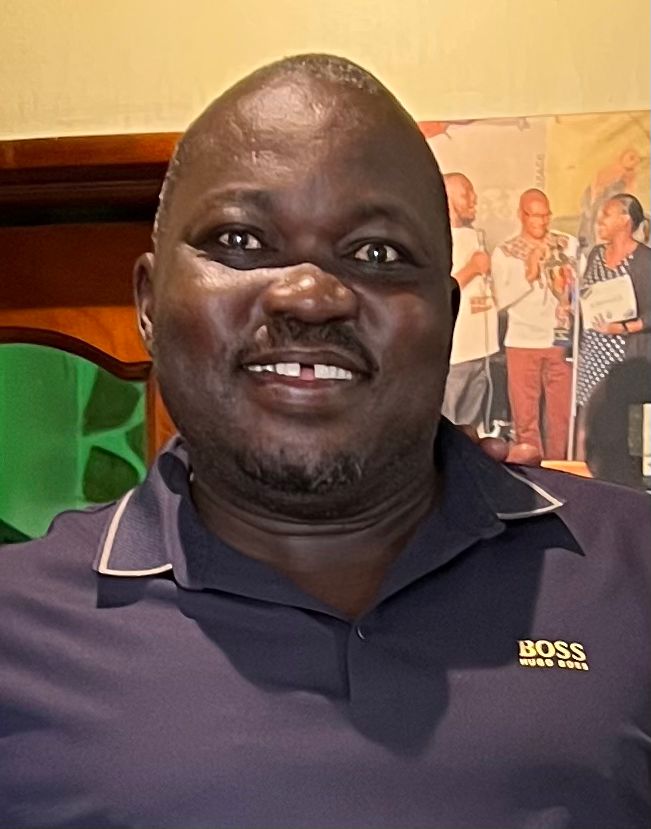
- Charles Gazza Kodili is a seasoned journalist with over 20 years of experience in the media industry. He holds a Bachelor of Arts degree in Mass Communication. He’s currently the Chief Editor at the Investigator.
Charles can also be reached via; Tel: +256 774 108978
Email: [email protected]
Latest entries
 FeaturedOctober 9, 2026UGANDA ECONOMY TO HIT $73.96B: President Museveni Cites Decades Of Economic Growth As He Receives A Top National Honour During The 64th Independence Anniversary Celebrations At State House, Entebbe
 FeaturedOctober 9, 2026KABALEGA: THE KING WHO FOUGHT THE BRITISH: From Battles Against Sir Samuel Baker To Uganda’s Independence In 1962, The Bunyoro King Became A Symbol Of Resistance Against Foreign Domination
 FeaturedOctober 8, 2026UGANDA AT 64: From Obote Receiving the Instruments of Power in 1962 to Museveni Receiving a National Medal in 2026, Uganda’s Independence Story Remains Unfinished. We Journey With You the Thorney 6+ Decades of Uhuru
 FeaturedOctober 8, 2026AFRICA MUST PREPARE FOR NEW WARS – MUSEVENI: The President Challenges Defence Chiefs to Link Military Strength With Economic Power, Political Stability and Regional Integration as African Armies Rethink Security Beyond Conventional Warfare