




Uganda’s bid to secure the United Nations Secretary-Generalship for veteran diplomat Ambassador Olara Otunnu has received a major boost after the second Security Council straw poll showed a sharp improvement in his support, moving him from the bottom of the pack into a more competitive position.
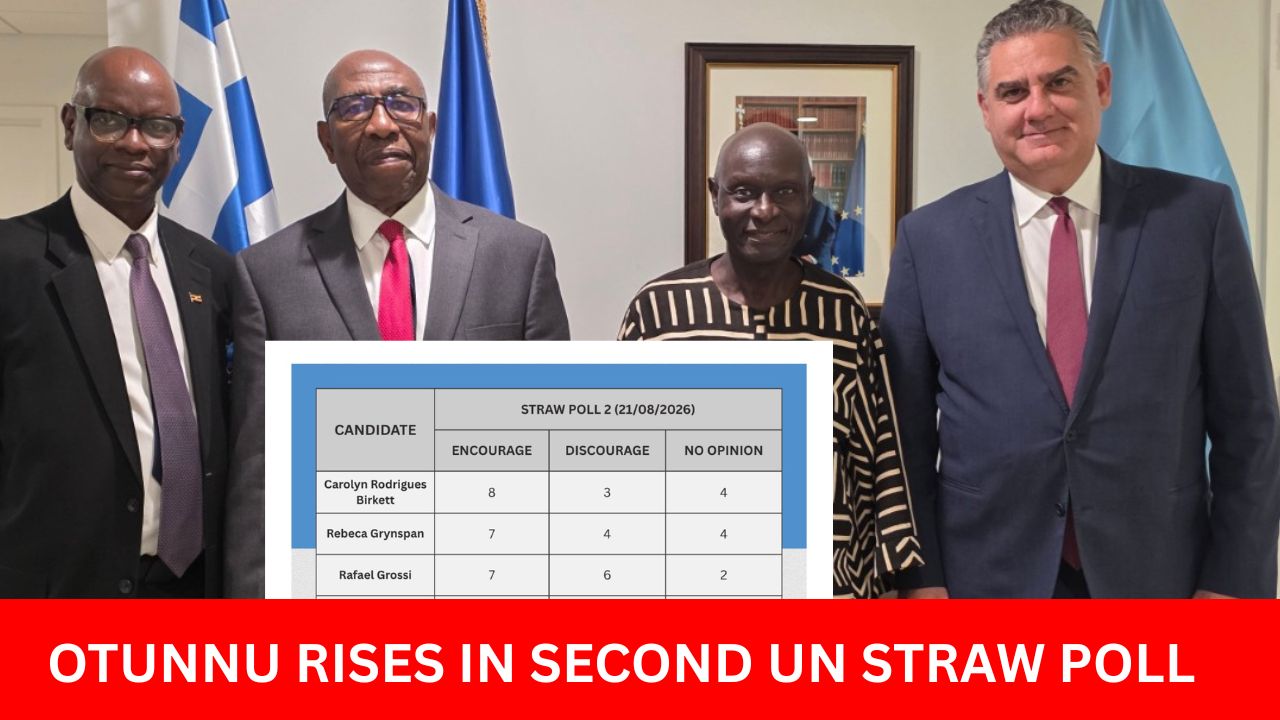
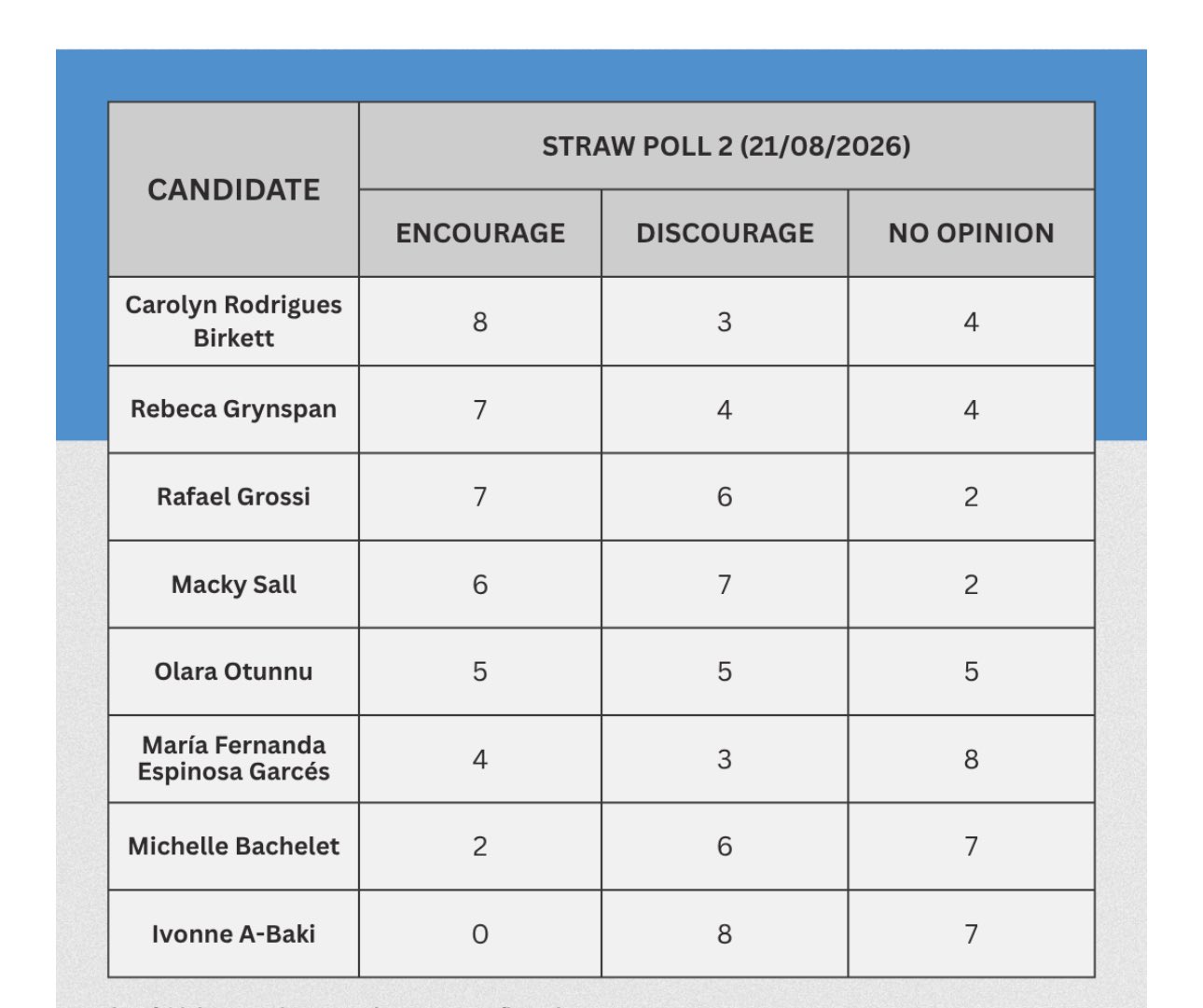
The second informal poll, conducted by the 15-member UN Security Council on Friday, August 21, showed Otunnu receiving five “encourage” votes, five “discourage” votes and five “no opinion” votes.
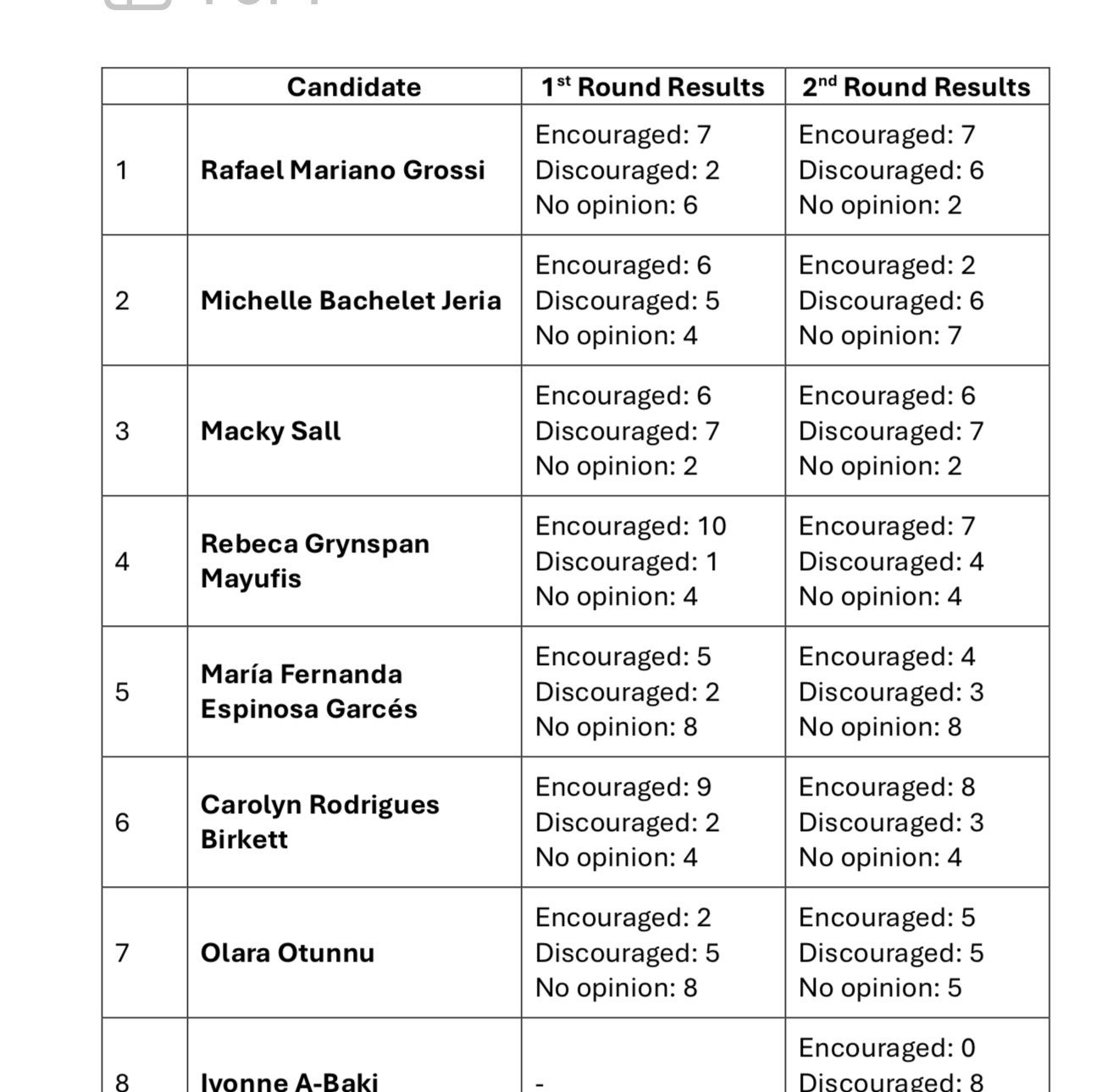
The result marks a significant improvement from the first straw poll held on July 30, when Otunnu received only two “encourage” votes, five “discourage” votes and eight “no opinion” votes. His latest performance therefore represents a gain of three positive votes and a reduction of three undecided positions.
The latest figures suggest that Uganda’s diplomatic campaign is beginning to make inroads into the Security Council, even though Otunnu remains some distance from the nine affirmative votes required for the Council to recommend a candidate to the General Assembly.
The second poll also dramatically changed the shape of the contest. Guyana’s Carolyn Rodrigues Birkett emerged as the new leader with eight “encourage” votes, overtaking Costa Rica’s Rebeca Grynspan, who had led the first poll with 10 positive votes but slipped to seven in the second round. Argentina’s Rafael Grossi also received seven “encourage” votes, although his six “discourage” votes put him behind Grynspan in the broader assessment.
Senegal’s former president Macky Sall received six “encourage” votes, while Otunnu registered five, placing him ahead of Maria Fernanda Espinosa, who received four. Michelle Bachelet secured two positive votes, while newcomer Ivonne A-Baki received no “encourage” vote in the poll. The figures are particularly significant for Uganda because Otunnu entered the race late, only being formally nominated by Uganda on July 24, just days before the first straw poll. His inclusion in that first ballot, before he had completed the General Assembly and Security Council dialogue process, had itself generated controversy.
Rugunda’s Lobbying Paying Off
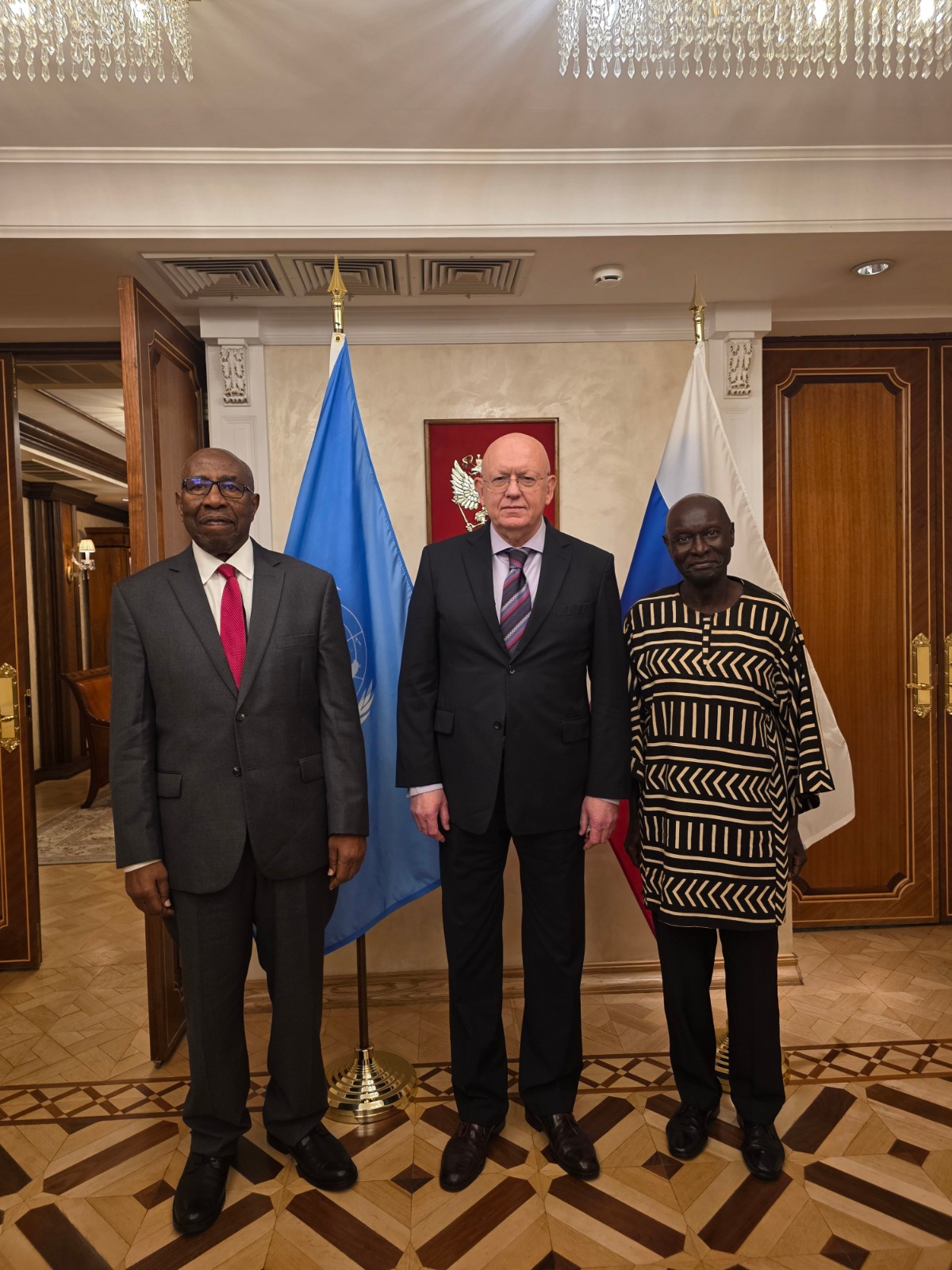
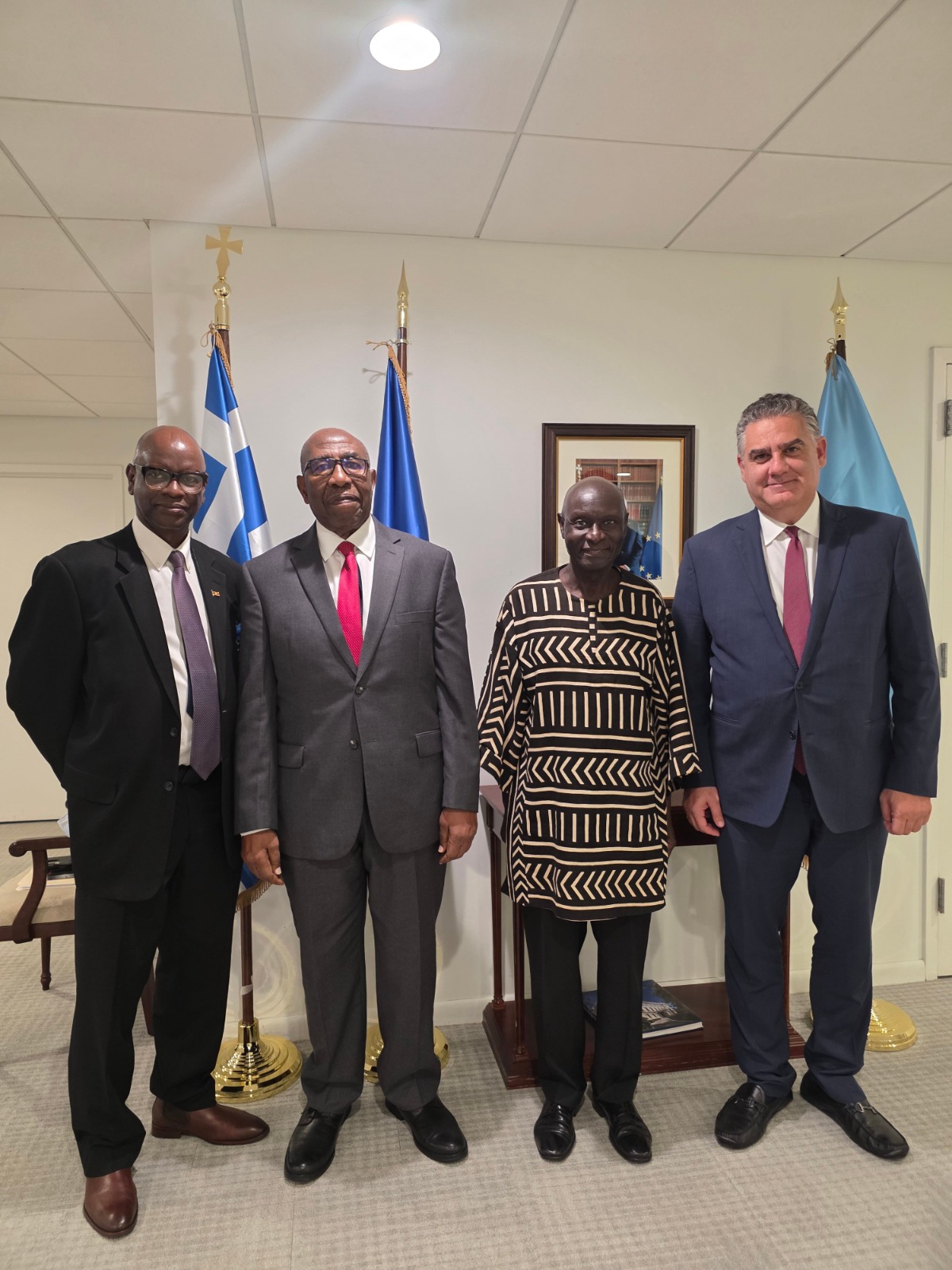
The improvement comes after an aggressive diplomatic offensive led by former Prime Minister Dr Ruhakana Rugunda, who President Yoweri Museveni appointed to spearhead Uganda’s international campaign. Rugunda and Otunnu travelled to New York for a series of engagements with UN member states and the Security Council, giving Uganda an opportunity to directly sell the candidate’s experience, credentials and vision.
Rugunda has described Otunnu as a distinguished Ugandan statesman whose national and international experience makes him suited for the UN’s top job. At the launch of Uganda’s campaign, Rugunda declared: “I am very happy that you have endorsed Ambassador Otunnu. We will give him our full support.” He added: “I think now is the time to actualise this long-postponed aspiration.”
That campaign has now moved beyond Kampala and into the corridors of international diplomacy in New York, where the decisive lobbying is taking place. Rugunda’s experience is considered an important asset to the campaign. A former Foreign Affairs Minister, Prime Minister and Uganda’s representative to the United Nations, he has extensive knowledge of the diplomatic networks that surround the Security Council.
His team’s task, however, remains formidable. A candidate needs at least nine positive votes in the 15-member Security Council and, critically, cannot be blocked by any of the five permanent members — the United States, Russia, China, Britain and France.
Otunnu: “I Look Forward to Continued Engagement”
Otunnu, who previously served as Uganda’s Permanent Representative to the UN and later as UN Under-Secretary-General and Special Representative for Children and Armed Conflict, has sought to turn his extensive experience inside the organisation into a major selling point. Following the second straw poll, Otunnu adopted a measured tone, avoiding triumphalism and instead thanking the Security Council for considering his candidature.
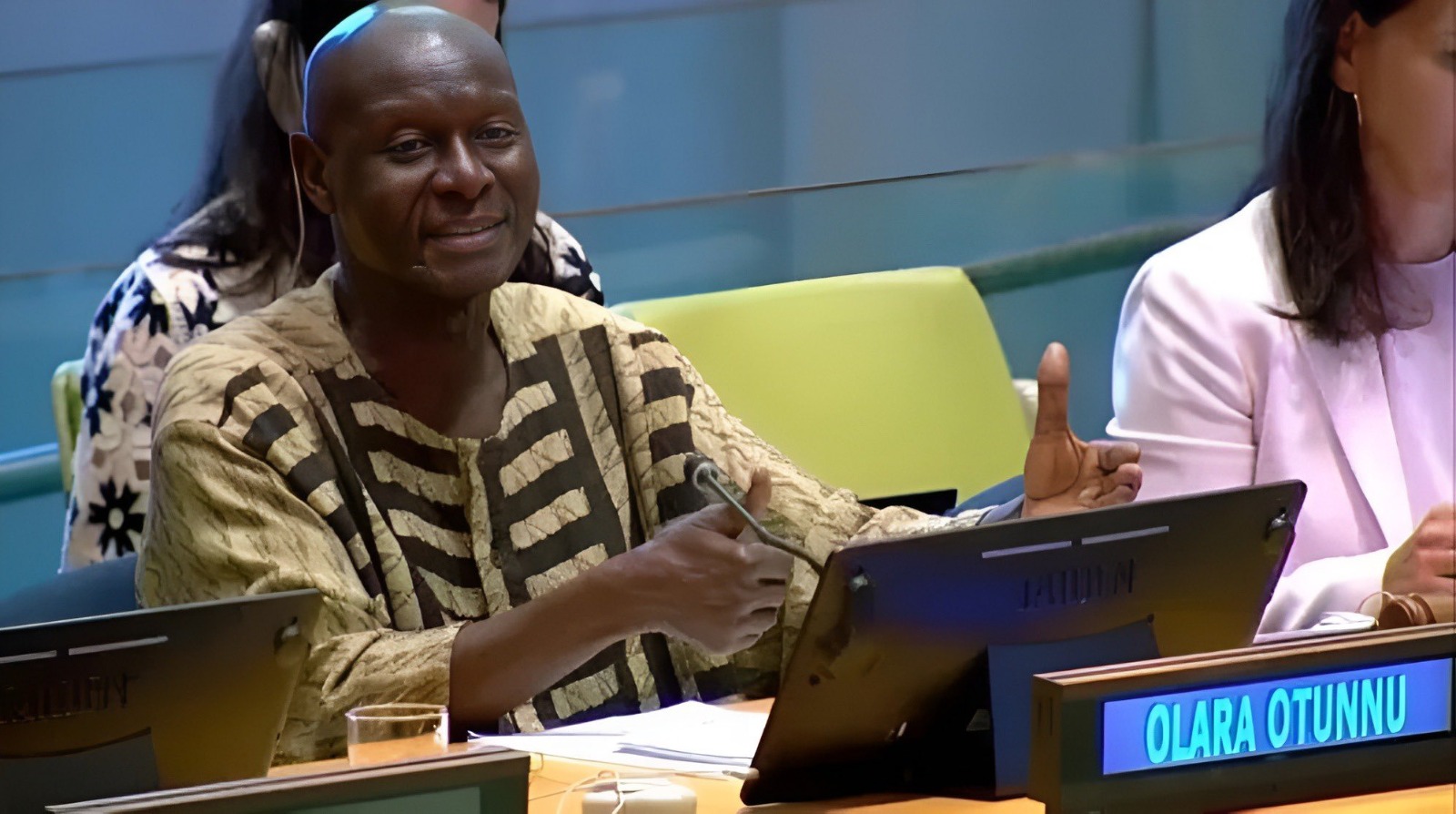
“I have received from the President of the Security Council, the official outcome of the second straw ballot conducted today by the Security Council. I am grateful to all members of the Security Council. I look forward to continued engagement with members of the Security Council and all Member States of the United Nations,” Otunnu said.
His response reflects the reality that the straw poll is not an election. It is an informal mechanism used by Security Council members to gauge the level of support for candidates and identify possible consensus contenders.
Otunnu’s campaign, therefore, still has substantial ground to cover. But the movement from two to five positive votes is being viewed as an important psychological and diplomatic breakthrough for a candidate who began the race with little measurable support.
Ayebare: Uganda Intensifies the Push
Foreign Affairs Minister Adonia Ayebare has been central to Uganda’s diplomatic effort, helping coordinate the campaign and the candidate’s New York engagements.
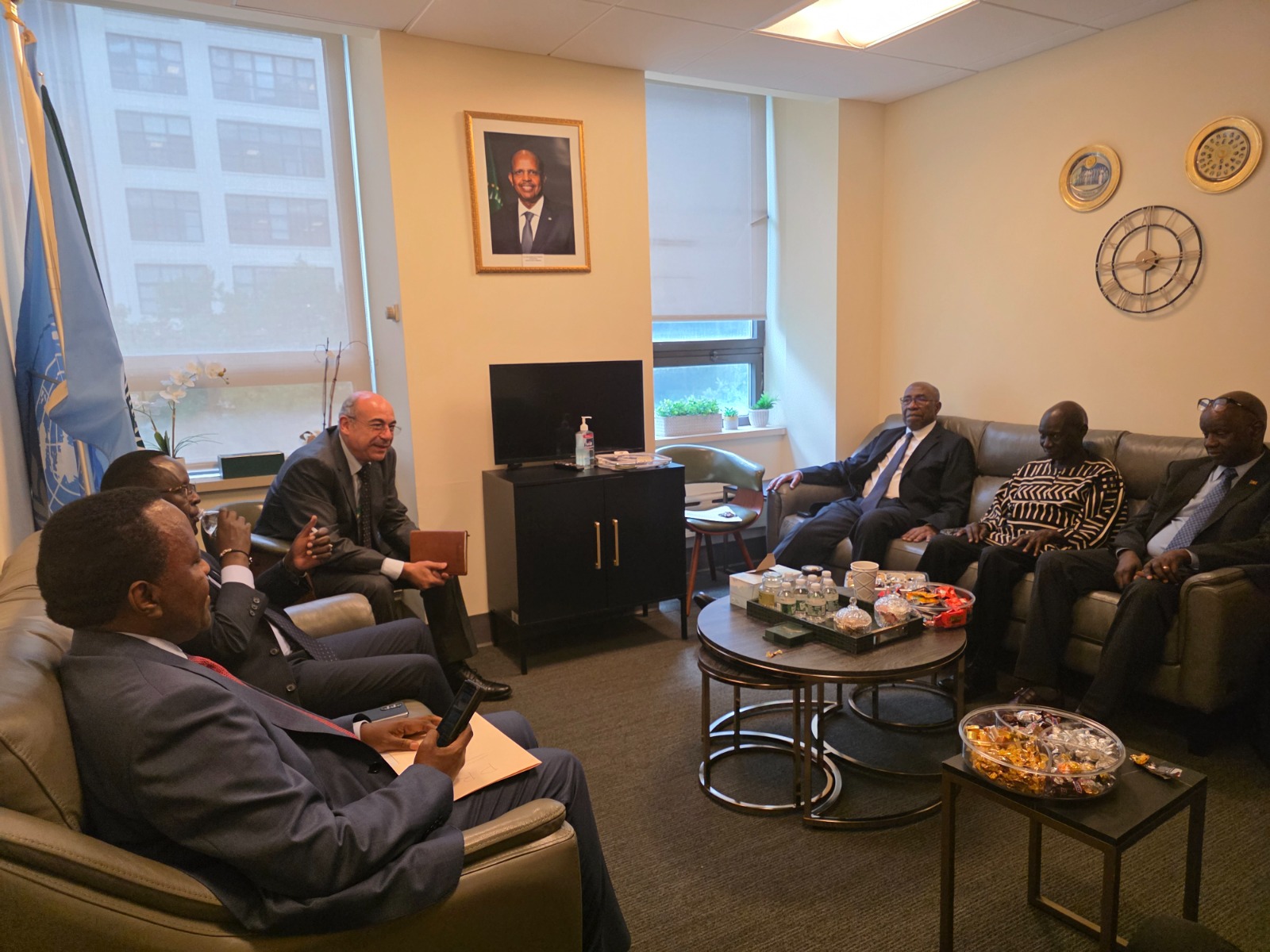
As Otunnu and Rugunda travelled to New York earlier this month, Ayebare announced that the Ugandan candidate would meet delegations and participate in interactive dialogues with the General Assembly and Security Council.
Ayebare said Otunnu was travelling with Rugunda, who is heading the campaign, while thanking the United States embassy in Kampala for assistance rendered to the delegation during the visa process. The New York engagements were considered critical because Otunnu had entered the race after most of the other candidates had already presented themselves to UN member states.
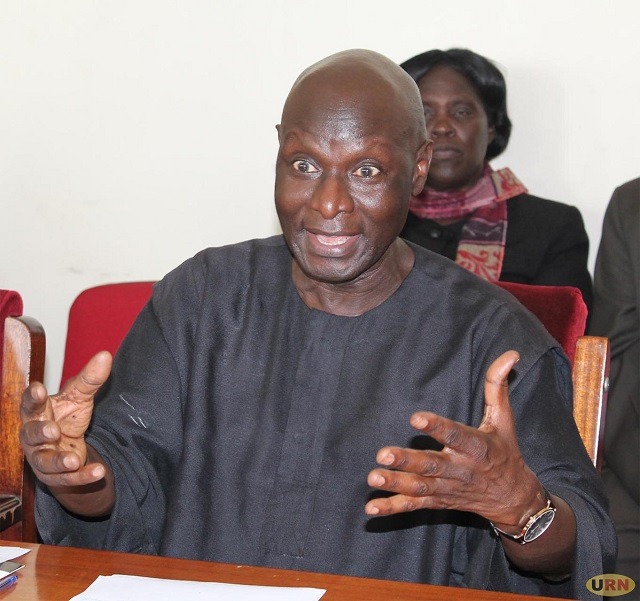
His subsequent dialogue with the General Assembly and the Security Council allowed him to directly articulate his vision for the organisation. During the General Assembly dialogue, Otunnu called for deep reforms of the UN and restoration of its moral authority. He argued that the organisation could no longer afford business as usual amid wars, geopolitical divisions and declining confidence in multilateral institutions.
His message has centred on conflict prevention, peacebuilding, institutional reform, development financing and international cooperation on emerging technologies, including artificial intelligence.
Birkett Takes Lead As Grynspan Slips
The second straw poll has also transformed the contest at the top. Grynspan’s first-round performance had made her the early favourite after she secured 10 “encourage” votes. Birkett followed closely with nine, while Grossi had seven.
But the latest poll saw Grynspan lose three positive votes, falling to seven, while Birkett gained one to reach eight and take first place. Grossi remained on seven but attracted six “discourage” votes, compared with four for Grynspan. The results demonstrate how fluid the race remains.
No candidate has yet secured the nine positive votes required for a recommendation while also eliminating the possibility of a veto from one of the permanent five. For Uganda, however, the biggest story is Otunnu’s movement. His first straw poll result — two positive votes, five negative votes and eight undecided — appeared to leave him far behind the leading candidates.
Three weeks later, his five positive votes, five negative votes and five undecided positions tell a different story. The former UN under-secretary-general has not yet emerged as the frontrunner, but he has demonstrated that his campaign can convert diplomatic engagement into movement inside the Security Council.
Bachelet’s Challenge
Meanwhile, Bachelet’s candidacy appears increasingly vulnerable. Chile withdrew its official backing for the former president’s bid in March, saying the regional dispersion of candidates and differences with influential actors made the candidature unviable. Bachelet, however, continued in the race with backing from Brazil and Mexico.
Her two “encourage” votes in the second straw poll represent a steep decline in political momentum compared with the six positive votes reported in the first round.
For Otunnu, the latest result gives Uganda renewed confidence.
The campaign now faces the harder phase: converting five positive votes into the nine required, while persuading those who remain undecided and neutralising potential opposition from the permanent members. The race is therefore far from over. But for Uganda, the second straw poll has changed the narrative. Otunnu is no longer simply the late entrant at the bottom of the table. He is now moving.
And with Rugunda leading an intensified diplomatic offensive and Ayebare coordinating Uganda’s international engagement, Kampala will be hoping that the five “encourage” votes recorded on Friday are only the beginning of a much bigger breakthrough in the battle for the UN’s top job.
Author Profile
- Charles Gazza Kodili is a seasoned journalist with over 20 years of experience in the media industry. He holds a Bachelor of Arts degree in Mass Communication. He’s currently the Chief Editor at the Investigator.
Charles can also be reached via; Tel: +256 774 108978
Email: [email protected]
Latest entries
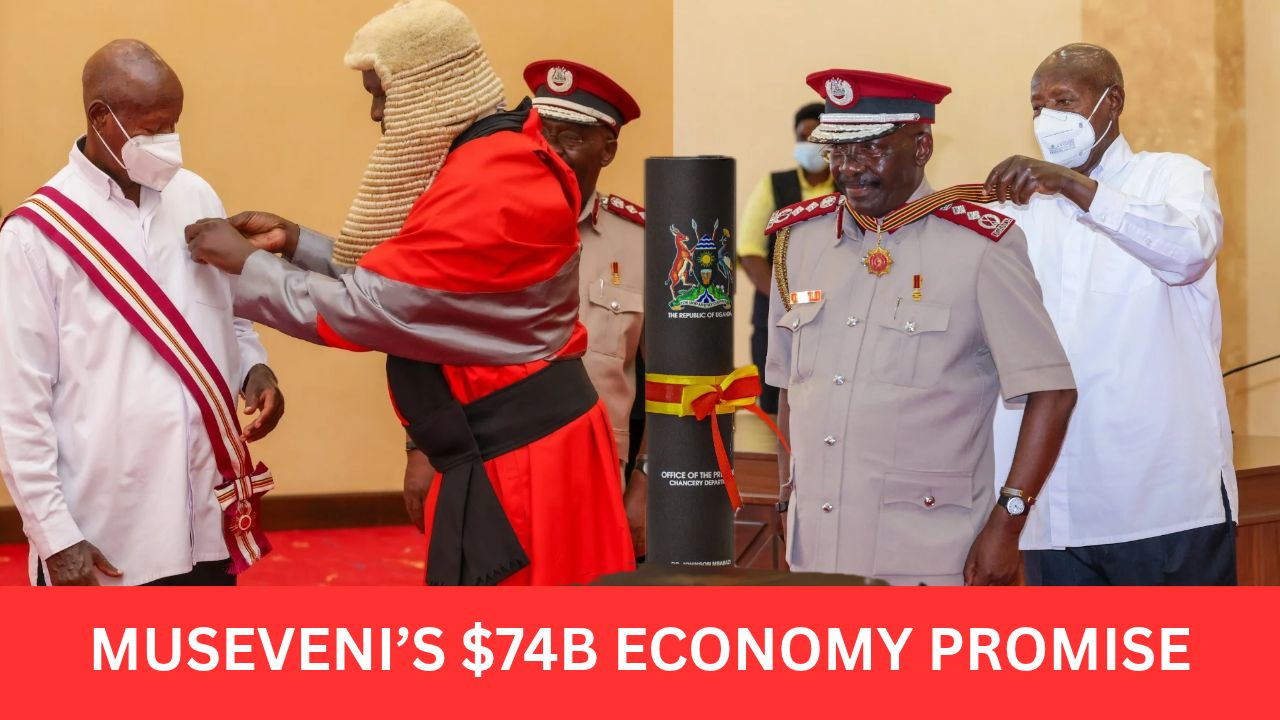 FeaturedOctober 9, 2026UGANDA ECONOMY TO HIT $73.96B: President Museveni Cites Decades Of Economic Growth As He Receives A Top National Honour During The 64th Independence Anniversary Celebrations At State House, Entebbe
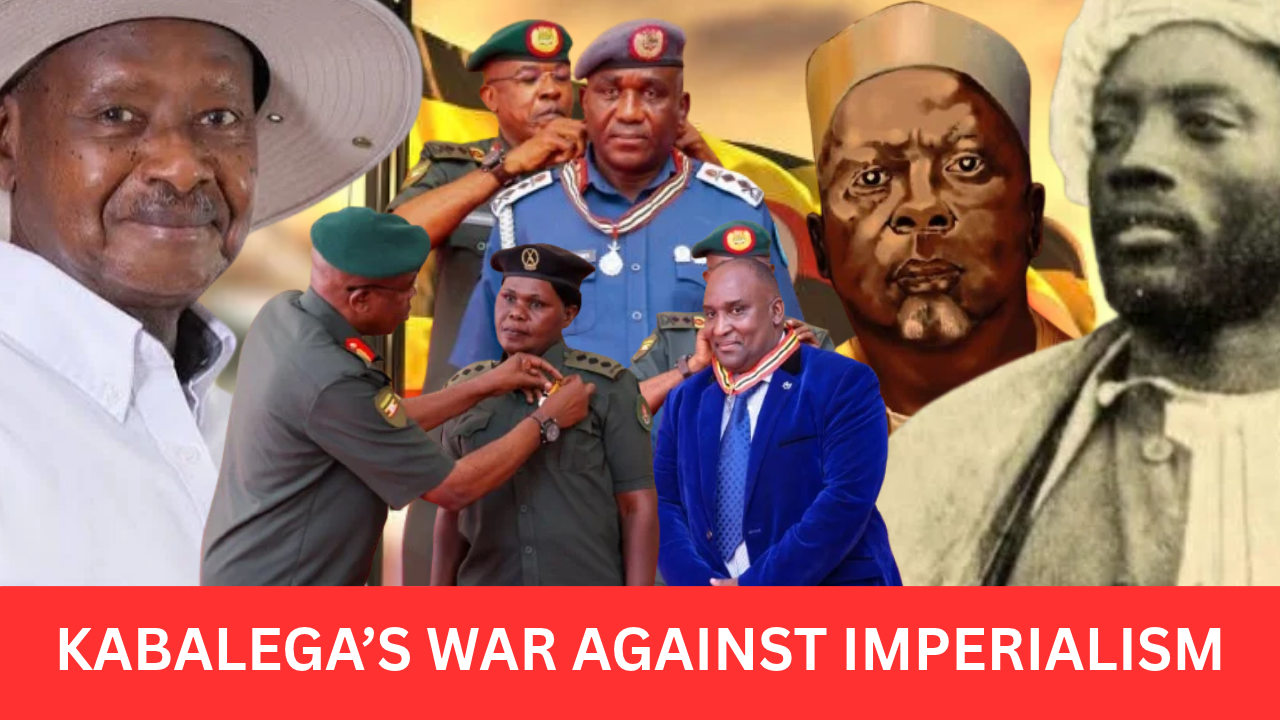 FeaturedOctober 9, 2026KABALEGA: THE KING WHO FOUGHT THE BRITISH: From Battles Against Sir Samuel Baker To Uganda’s Independence In 1962, The Bunyoro King Became A Symbol Of Resistance Against Foreign Domination
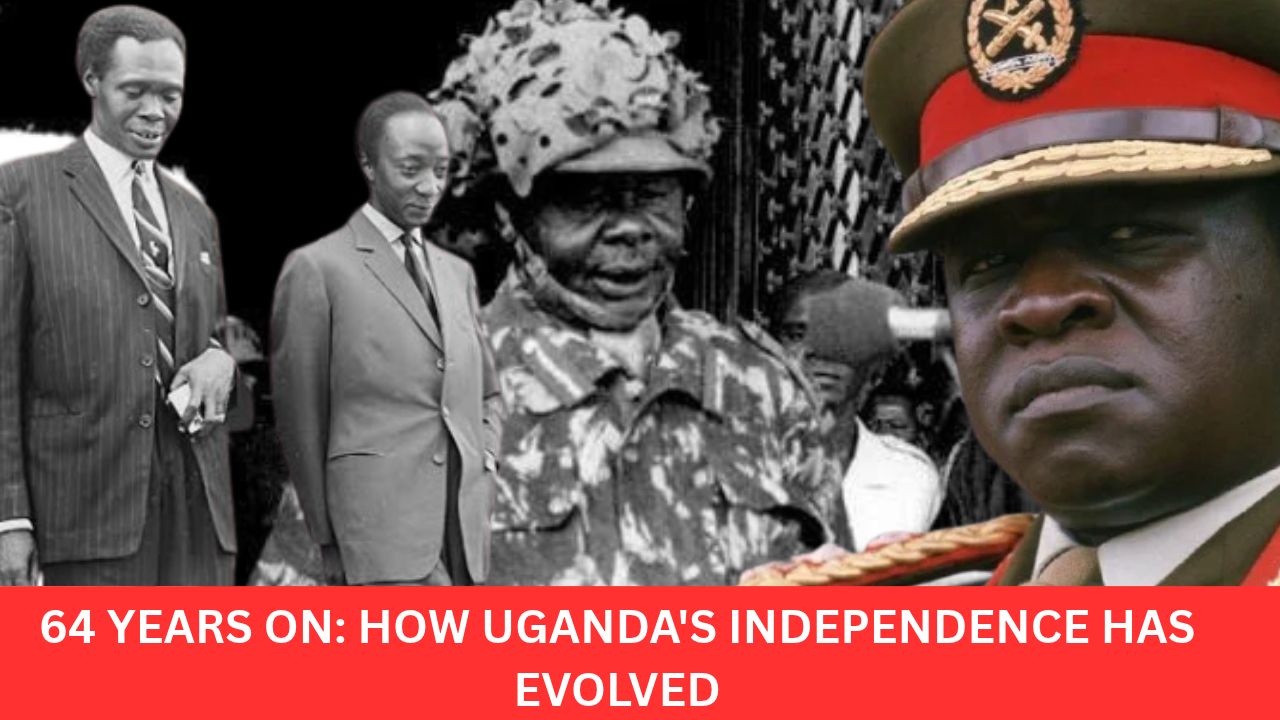 FeaturedOctober 8, 2026UGANDA AT 64: From Obote Receiving the Instruments of Power in 1962 to Museveni Receiving a National Medal in 2026, Uganda’s Independence Story Remains Unfinished. We Journey With You the Thorney 6+ Decades of Uhuru
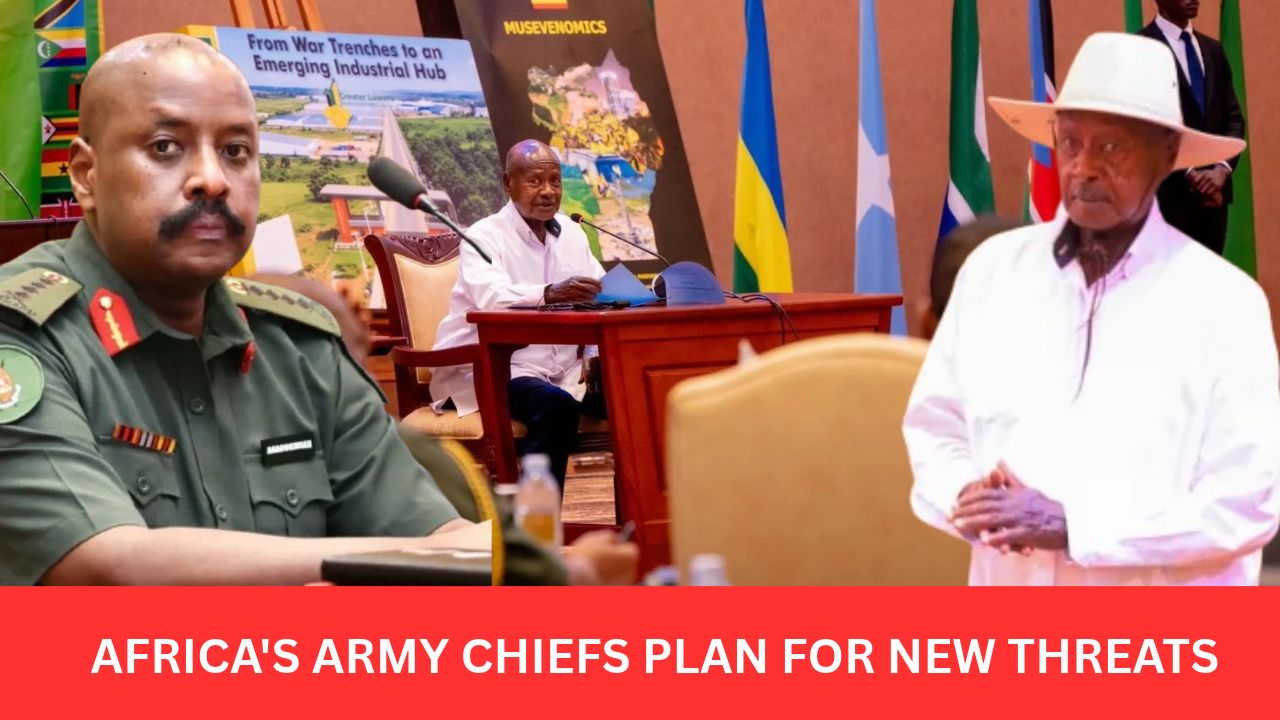 FeaturedOctober 8, 2026AFRICA MUST PREPARE FOR NEW WARS – MUSEVENI: The President Challenges Defence Chiefs to Link Military Strength With Economic Power, Political Stability and Regional Integration as African Armies Rethink Security Beyond Conventional Warfare