







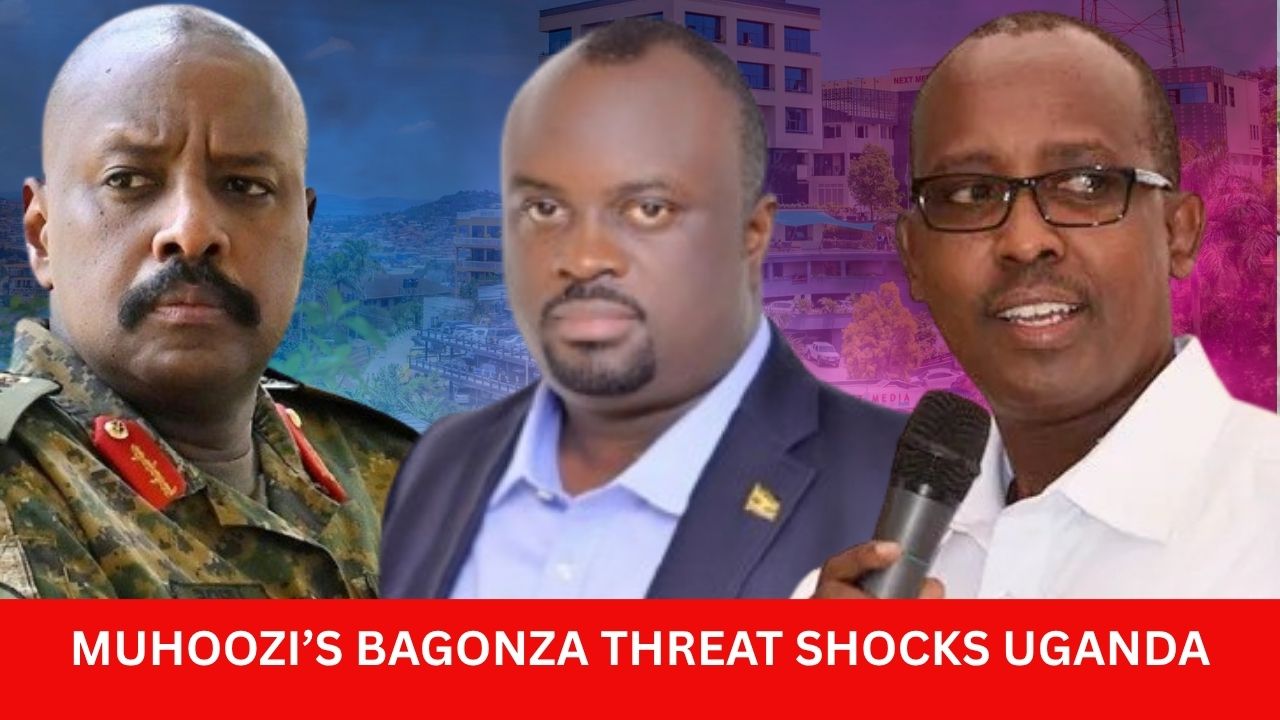
The confrontation between Chief of Defence Forces Gen. Muhoozi Kainerugaba and presidential adviser Odrek Rwabwogo has taken a dramatic new turn after Muhoozi threatened to have Rwabwogo’s aide, Matthew Bagonza, caned on the stomach following his arrest.
In a post shared on X, Gen. Muhoozi published a photograph of Bagonza, who is an aide to Rwabwogo, and wrote: “We shall start caning his stomach tomorrow. He will lose weight after that.” The post, accompanied by a photograph showing Bagonza standing shirtless, has intensified scrutiny of the circumstances surrounding his detention and the increasingly bitter public fallout between Muhoozi and Rwabwogo.
Bagonza’s arrest is the latest development in a dispute that has increasingly moved from disagreements over the operations of the Presidential Advisory Committee on Exports and Industrial Development (PACEID) into open exchanges involving security agencies. The CDF has previously warned that PACEID officials would face arrest, while also declaring the organisation illegal. The latest post now places Bagonza at the centre of the confrontation.
Muhoozi releases Bagonza photograph
The photograph released by Gen. Muhoozi shows Bagonza standing inside what appears to be a room, without a shirt. It was accompanied by the CDF’s warning that caning would begin the following day and that the punishment would cause Bagonza to lose weight.
The unusually direct threat has drawn attention because it appears to indicate that Bagonza is in security custody and that the CDF is personally following his case. However, the circumstances surrounding the photograph, including where it was taken, when it was taken and under whose authority it was released, remain unclear.
There has also been no publicly disclosed charge sheet accompanying the photograph to explain the allegations against Bagonza. His arrest therefore raises questions about the legal basis for his detention and what security agencies intend to do next.
Who is Matthew Bagonza?
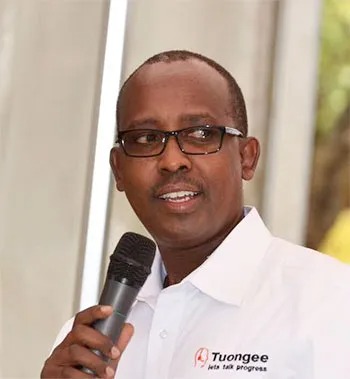
Bagonza is not an ordinary political supporter. He has been closely associated with PACEID and Rwabwogo’s work at the presidential advisory body, which was established to promote Uganda’s exports, industrialisation and access to international markets. As a member of the PACEID secretariat, Bagonza has been involved in initiatives seeking to connect Ugandan businesses, manufacturers and producers to foreign markets.
His proximity to Rwabwogo makes his arrest particularly significant. Rwabwogo is married to Patience Rwabwogo, a daughter of President Yoweri Museveni and sister to Gen. Muhoozi. His position therefore places him within the broader orbit of Uganda’s First Family, even as his relationship with Muhoozi has increasingly become strained. The arrest of his aide has consequently transformed what might otherwise have been an internal institutional dispute into a highly sensitive political and security confrontation.
CDF turns the heat on Rwabwogo
Gen. Muhoozi has not limited his criticism to PACEID. He has directly warned Rwabwogo that he could also be arrested if he attempts to contact security officers over the matter without permission. The warning effectively places Rwabwogo in a difficult position.
As chairman of PACEID, he would ordinarily be expected to defend or seek information about officials working under his leadership. But Muhoozi’s warning suggests that any direct intervention with security officials could itself trigger action against him.
The CDF’s position has therefore created an extraordinary situation in which a senior presidential adviser is being warned by the country’s top military commander against contacting security officers concerning an aide. The latest threat to cane Bagonza adds another dimension to the confrontation.
PACEID declared illegal
The Bagonza arrest follows Muhoozi’s public declaration that PACEID is an “illegal organisation” and his warning that its members would be arrested. The declaration immediately generated questions about the legal status of an organisation that operates within the presidential establishment and is associated with national programmes on exports and industrial development. The arrest of Bagonza appears to have been the first major action following that warning.
Muhoozi subsequently confirmed Bagonza’s detention by publishing his photograph. The CDF’s social-media posts have therefore become an important source of information about the unfolding operation, particularly because security agencies have not publicly provided a detailed account of the case.
A feud that has moved into the open
The dispute between Muhoozi and Rwabwogo is significant because of their family relationship. Rwabwogo is Muhoozi’s brother-in-law, yet the two have increasingly exchanged hostile public messages. The latest confrontation demonstrates how sharply their relationship has deteriorated. For years, Rwabwogo has been a prominent figure in government-linked economic programmes, particularly through PACEID.
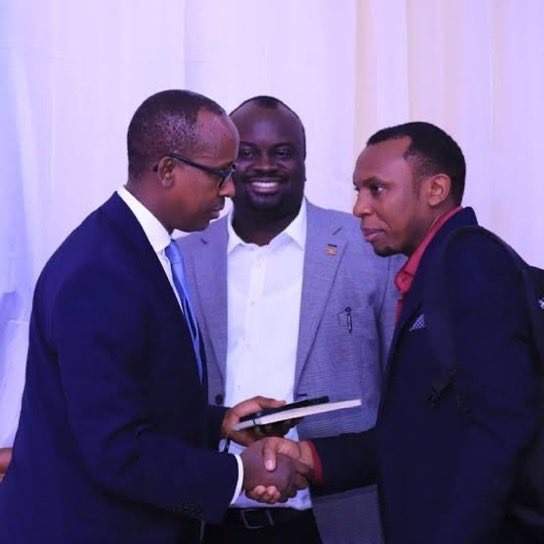
Muhoozi, meanwhile, has risen to become Uganda’s CDF and has increasingly made public interventions on political, economic and national-security issues. Their differences have now reached a point where an aide associated with Rwabwogo has been arrested and publicly displayed by the CDF. The photograph of Bagonza, followed by the threat of caning, has made the dispute even more personal.
Questions over due process
The most immediate concern surrounding Bagonza is what happens next. The public has yet to receive a detailed explanation of the allegations against him. It remains unclear whether he has been formally charged, which agency is holding him, whether he has access to legal representation and when he will appear before a court, if charges have been preferred.
These questions are particularly important because the CDF’s social-media statement refers to a proposed punishment rather than a conventional judicial process. The Constitution and Uganda’s criminal justice system provide mechanisms for investigating and prosecuting suspects. Punishment ordinarily follows a judicial process rather than an executive or military declaration. The CDF’s comments have therefore generated questions about the treatment of detainees and the boundaries between military authority, policing and the courts.
Muhoozi’s political ambitions
The Bagonza confrontation is also unfolding as Gen. Muhoozi becomes increasingly open about his political ambitions. In another post on X, the CDF declared: “I will stand for the highest office in the land in 2031. And we will win by the grace of Almighty God.”
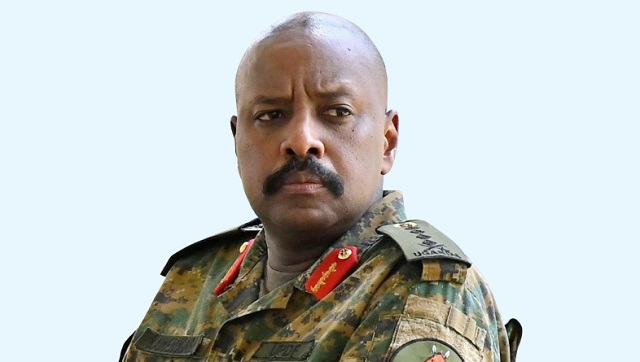
The declaration has given greater political significance to his increasingly outspoken public profile. Muhoozi’s position as CDF places him at the centre of Uganda’s security establishment, while his public declaration about 2031 signals an intention to remain a major figure in the country’s political future. That makes the confrontation with Rwabwogo and PACEID particularly consequential.
What happens to Bagonza?
For Bagonza, the immediate issue is his detention and treatment. Gen. Muhoozi’s post has put his situation firmly in the public spotlight. The photograph of the detained aide, combined with the statement that caning will begin “tomorrow”, has raised questions about whether the threat was intended literally, rhetorically or as a warning to Bagonza and his associates.
The statement also raises questions about the authority under which such treatment could occur. For Rwabwogo, the arrest of his aide represents a direct challenge. He must now navigate a confrontation in which his own brother-in-law, the CDF, has warned him against contacting security officials without approval.
And for PACEID, the dispute threatens to overshadow the organisation’s original mandate of promoting Uganda’s exports and industrial development. The Bagonza case has therefore become a test of how far the confrontation between Muhoozi and Rwabwogo will go. For now, the strongest message has come directly from the CDF: Bagonza is in custody, the PACEID dispute has entered a security phase, and Rwabwogo has been warned that he could personally face arrest.
As the country waits for a formal explanation of the allegations against Bagonza, the controversy is likely to continue generating questions over PACEID, the Rwabwogo-Muhoozi fallout, the role of security agencies and the limits of power within Uganda’s political establishment.
Author Profile
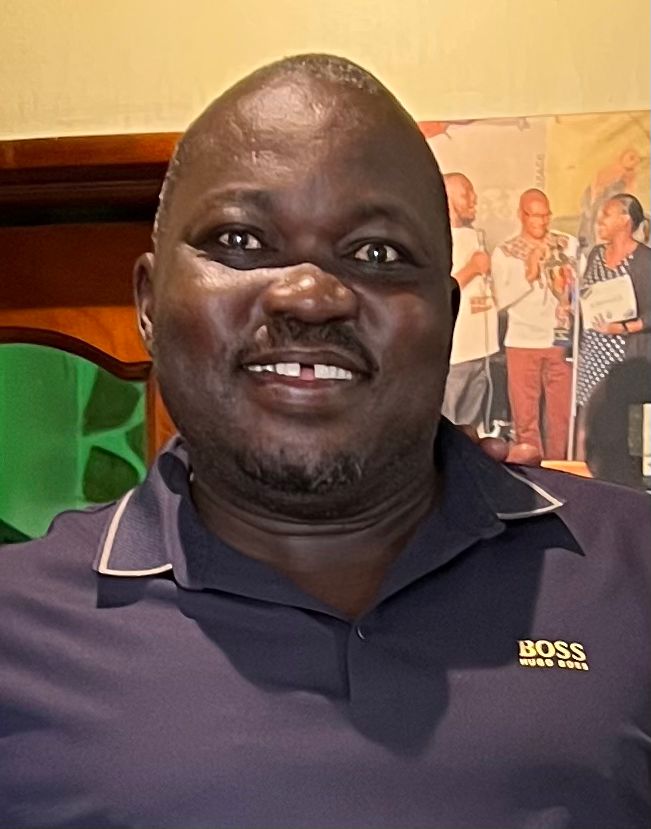
- Charles Gazza Kodili is a seasoned journalist with over 20 years of experience in the media industry. He holds a Bachelor of Arts degree in Mass Communication. He’s currently the Chief Editor at the Investigator.
Charles can also be reached via; Tel: +256 774 108978
Email: [email protected]
Latest entries
 FeaturedOctober 9, 2026UGANDA ECONOMY TO HIT $73.96B: President Museveni Cites Decades Of Economic Growth As He Receives A Top National Honour During The 64th Independence Anniversary Celebrations At State House, Entebbe
 FeaturedOctober 9, 2026KABALEGA: THE KING WHO FOUGHT THE BRITISH: From Battles Against Sir Samuel Baker To Uganda’s Independence In 1962, The Bunyoro King Became A Symbol Of Resistance Against Foreign Domination
 FeaturedOctober 8, 2026UGANDA AT 64: From Obote Receiving the Instruments of Power in 1962 to Museveni Receiving a National Medal in 2026, Uganda’s Independence Story Remains Unfinished. We Journey With You the Thorney 6+ Decades of Uhuru
 FeaturedOctober 8, 2026AFRICA MUST PREPARE FOR NEW WARS – MUSEVENI: The President Challenges Defence Chiefs to Link Military Strength With Economic Power, Political Stability and Regional Integration as African Armies Rethink Security Beyond Conventional Warfare