




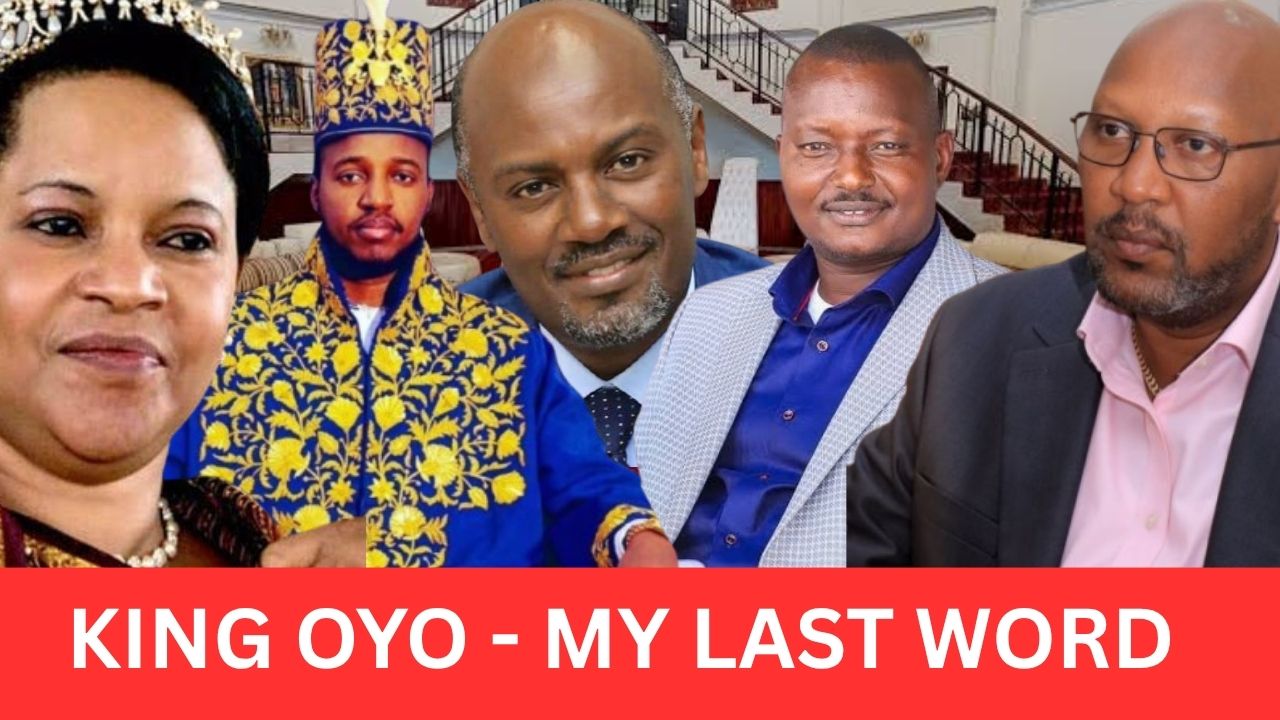
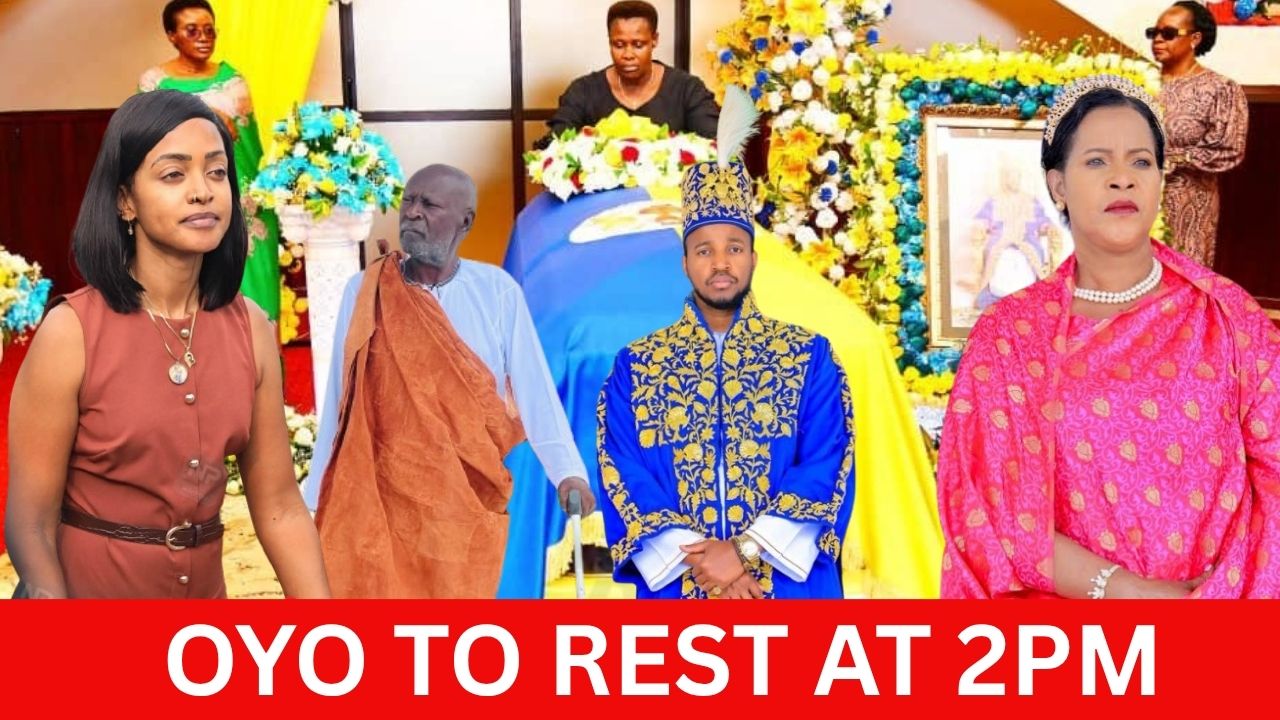



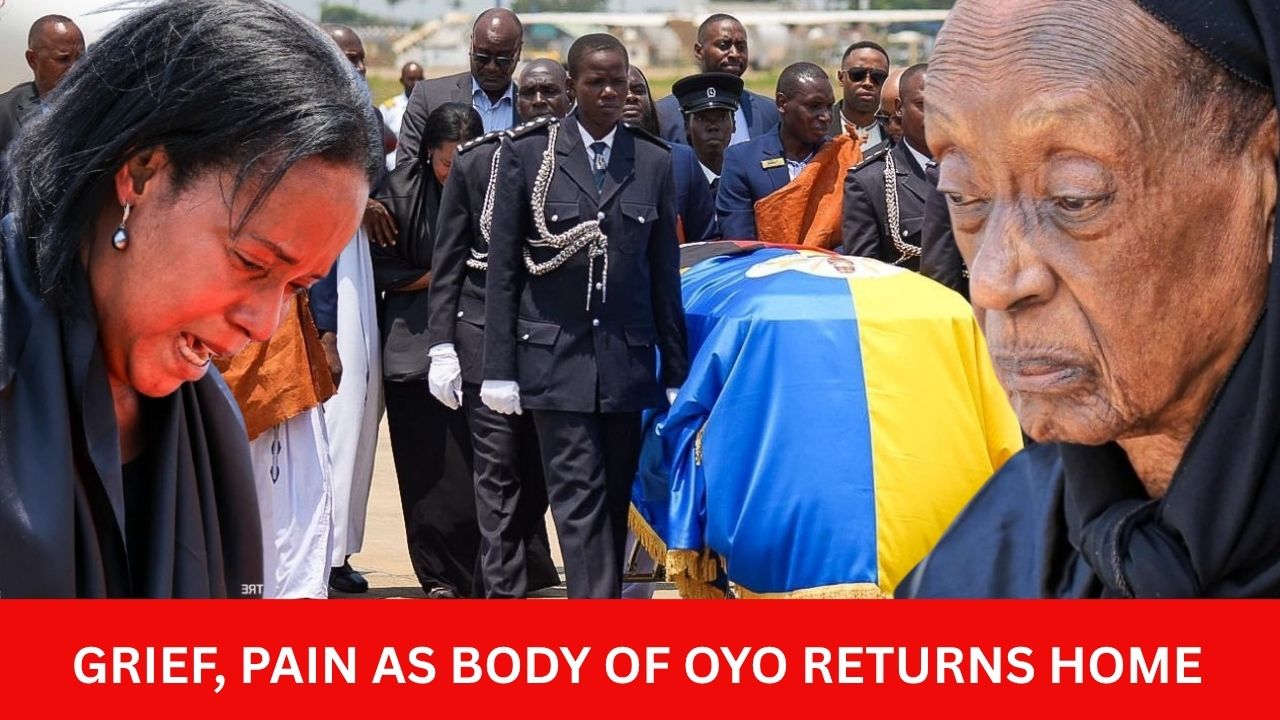
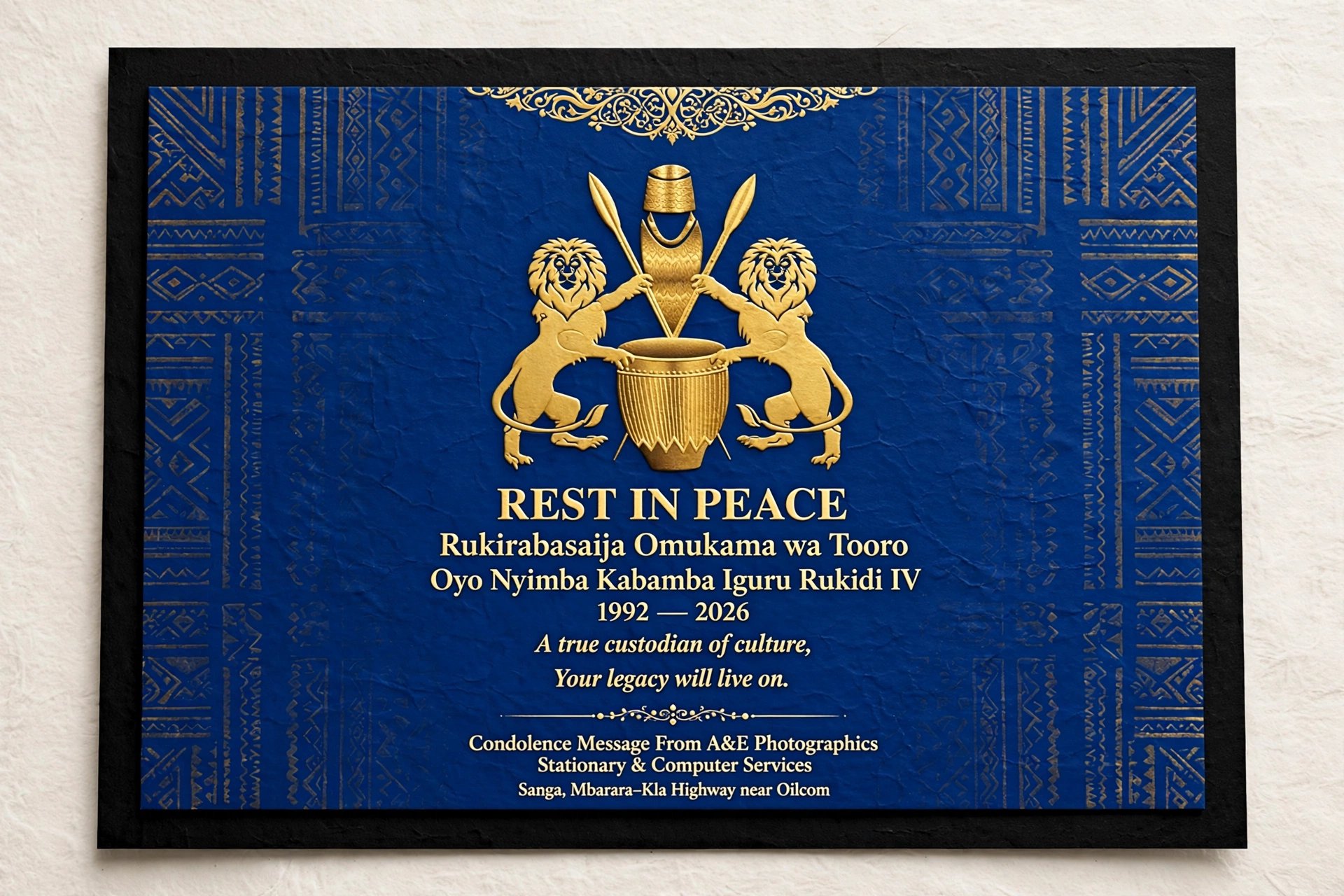
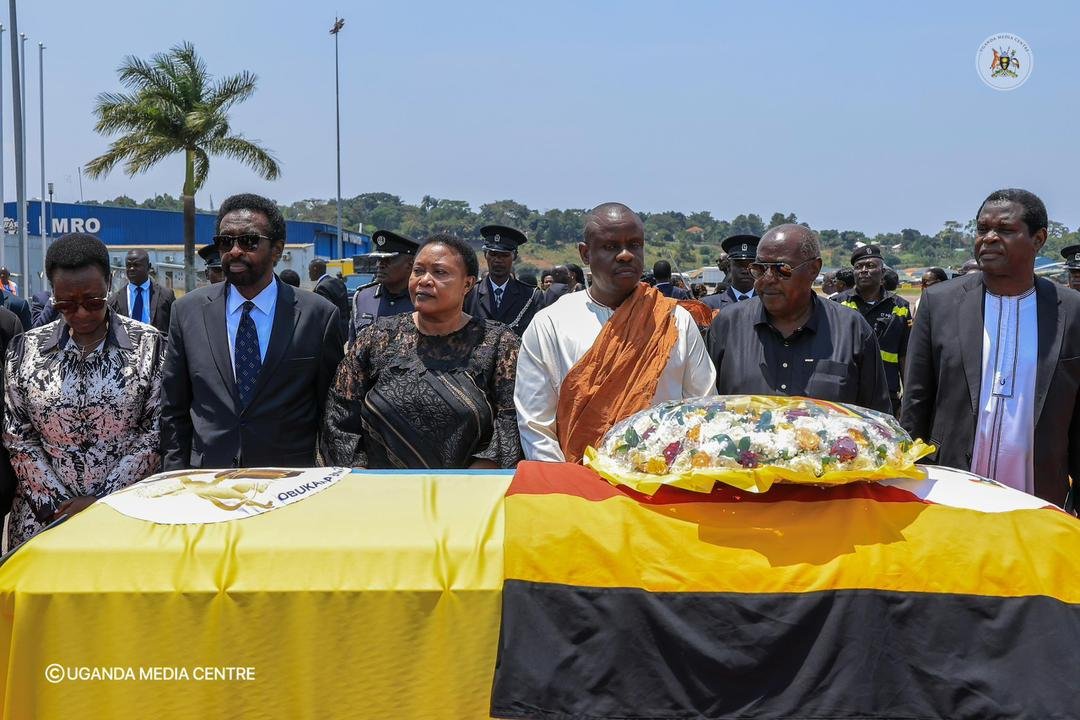
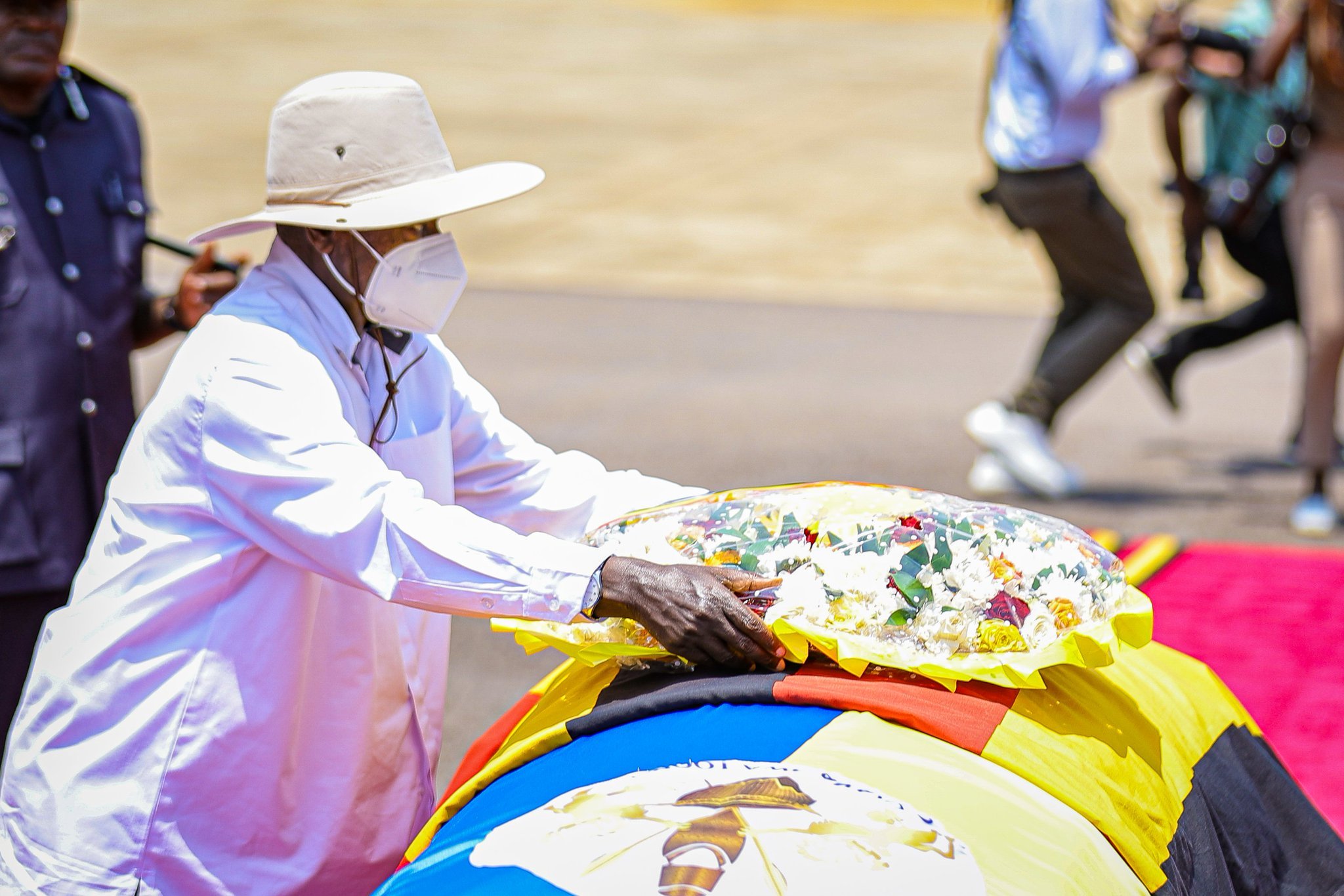
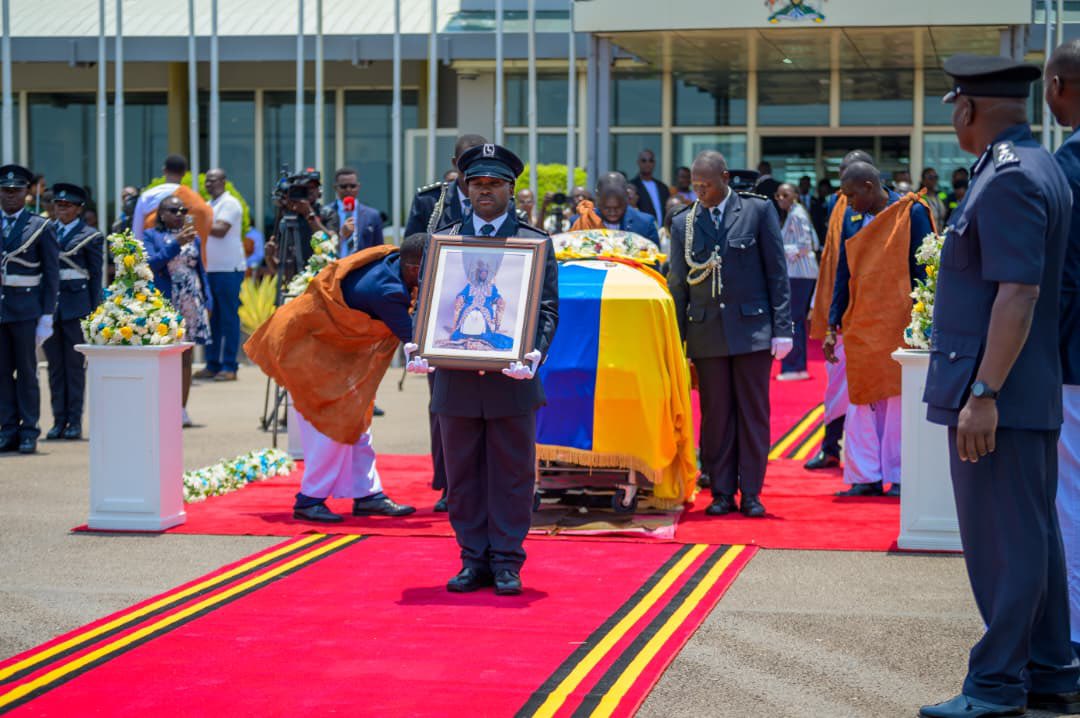
President Yoweri Museveni has received the remains of the late Omukama of Tooro, Oyo Nyimba Kabamba Iguru Rukidi IV, as the body of the young monarch returned to Uganda from the United States amid mourning and growing questions over the future leadership of Tooro Kingdom.
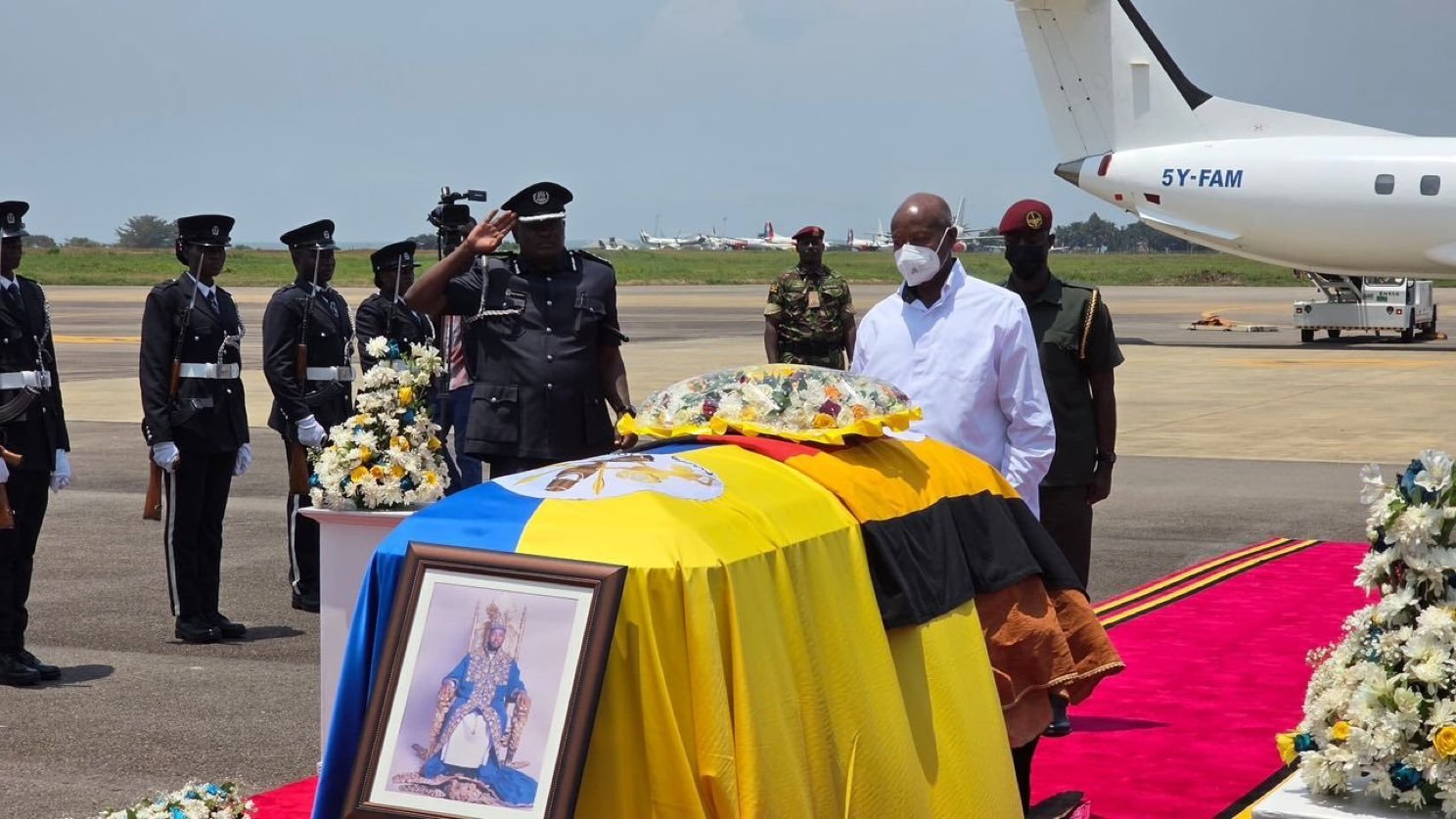
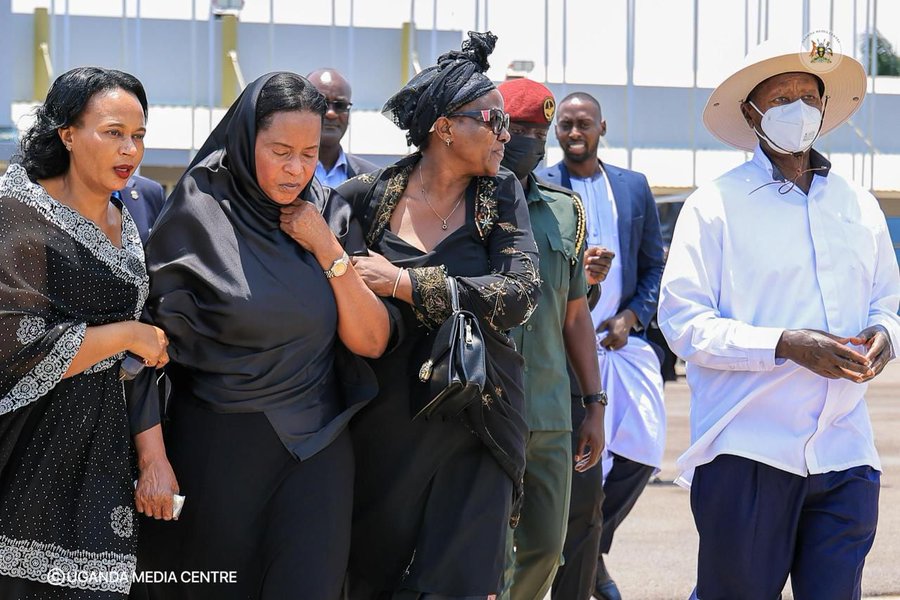
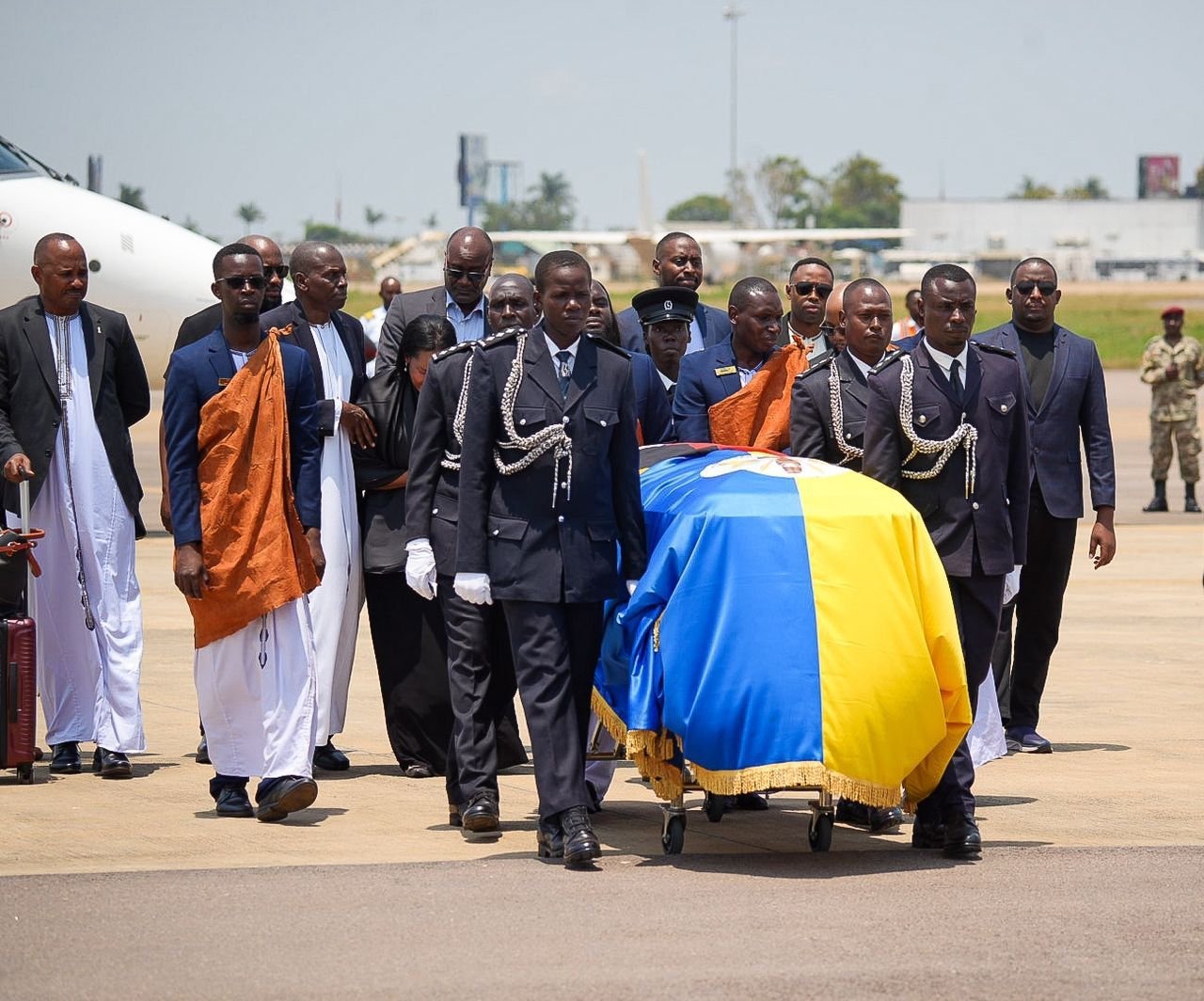 The President was at Entebbe International Airport to receive the body and members of the royal family following the repatriation of the remains of King Oyo, who died while receiving medical treatment abroad.
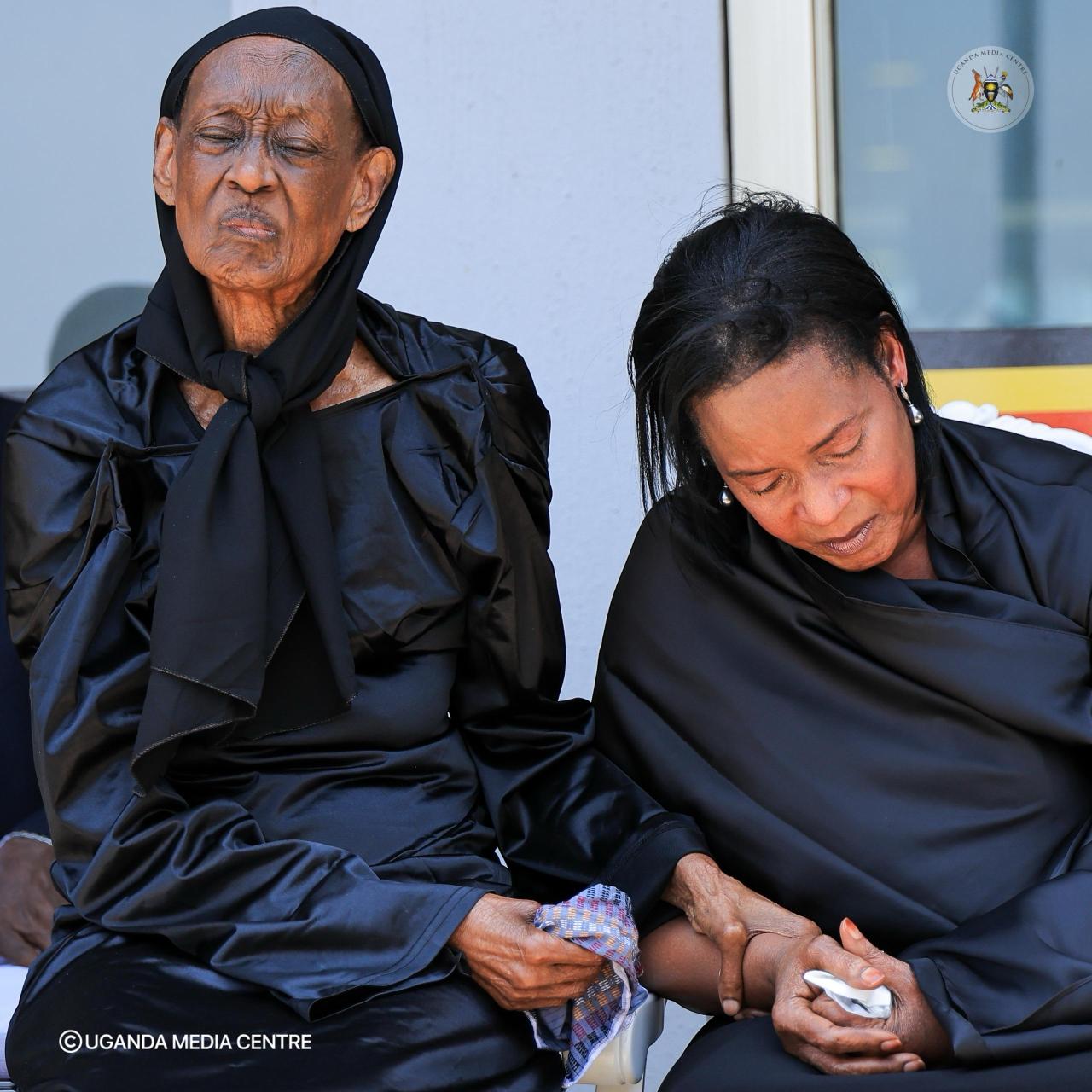
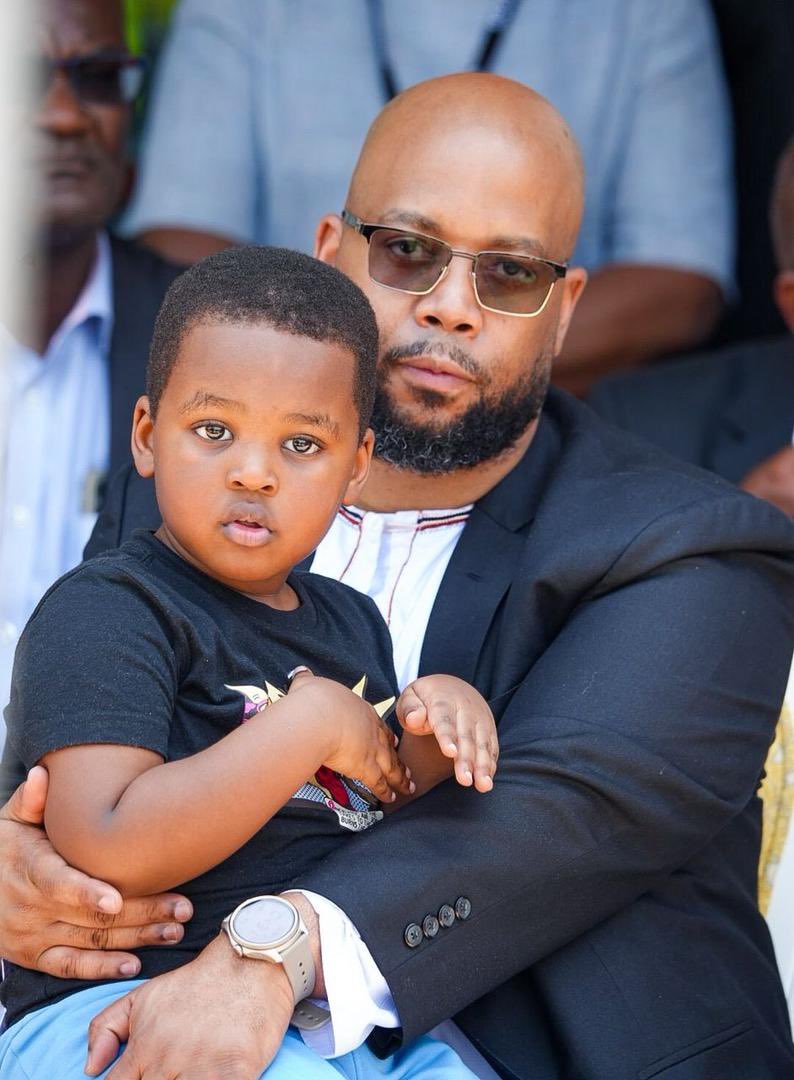
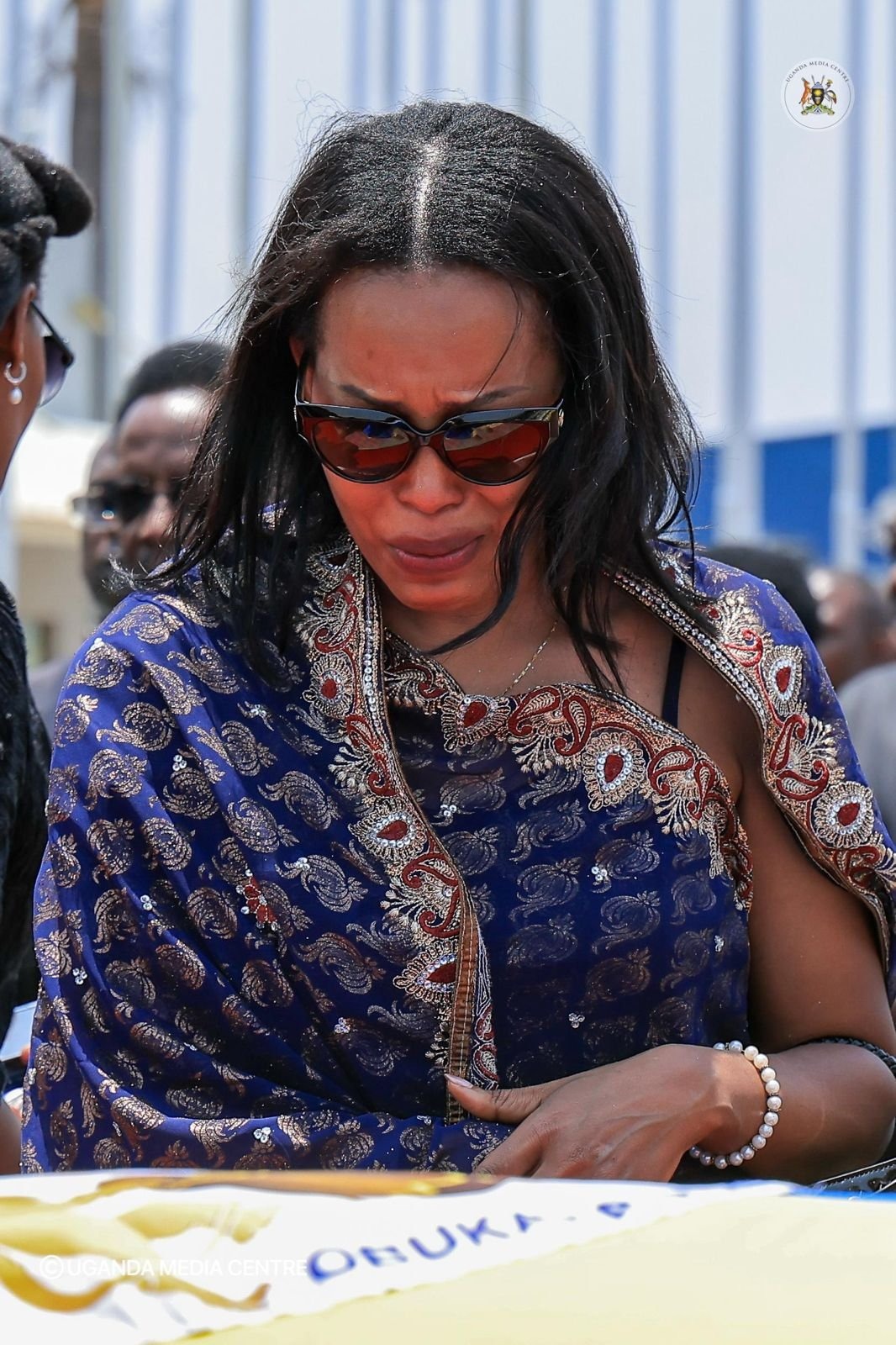
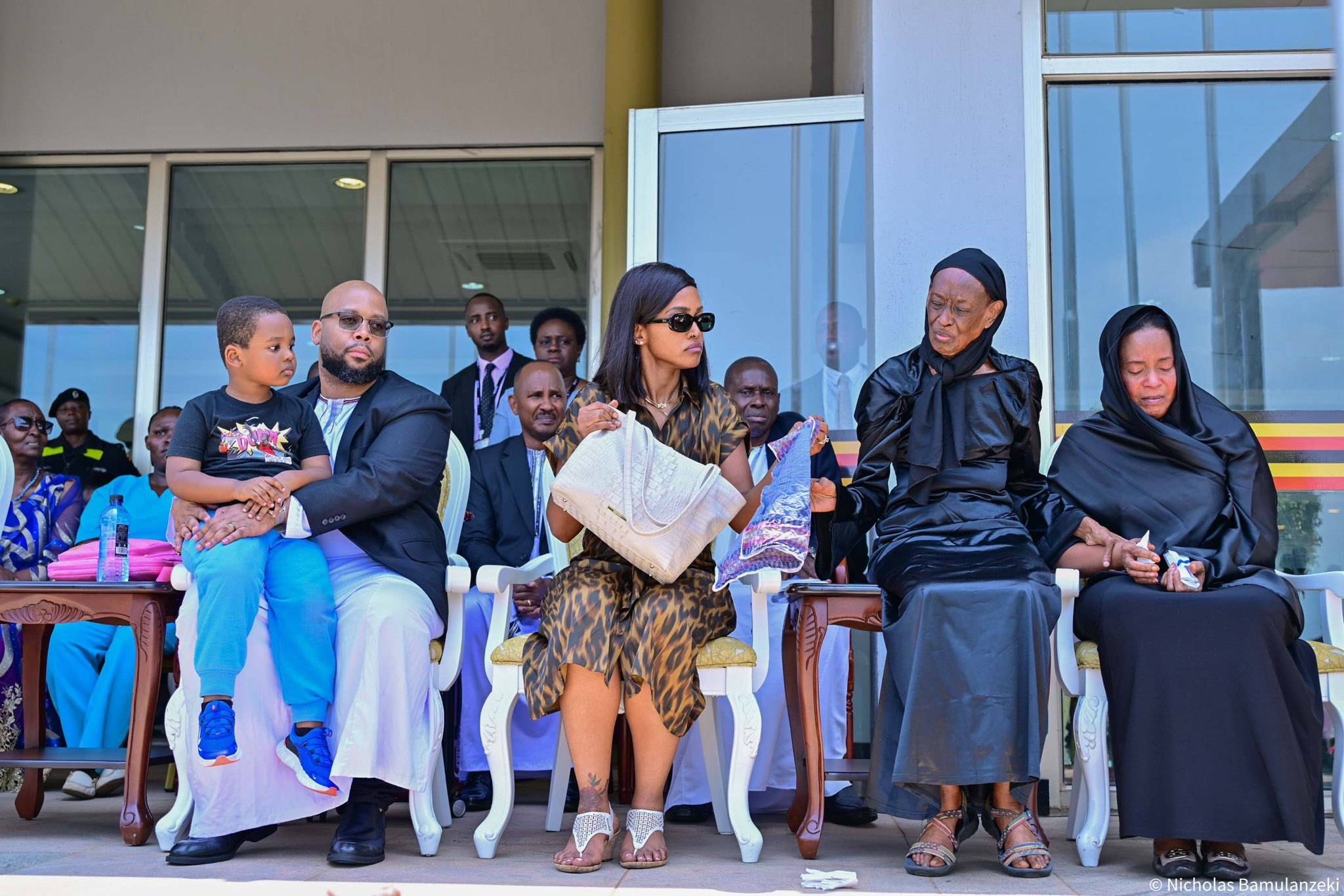
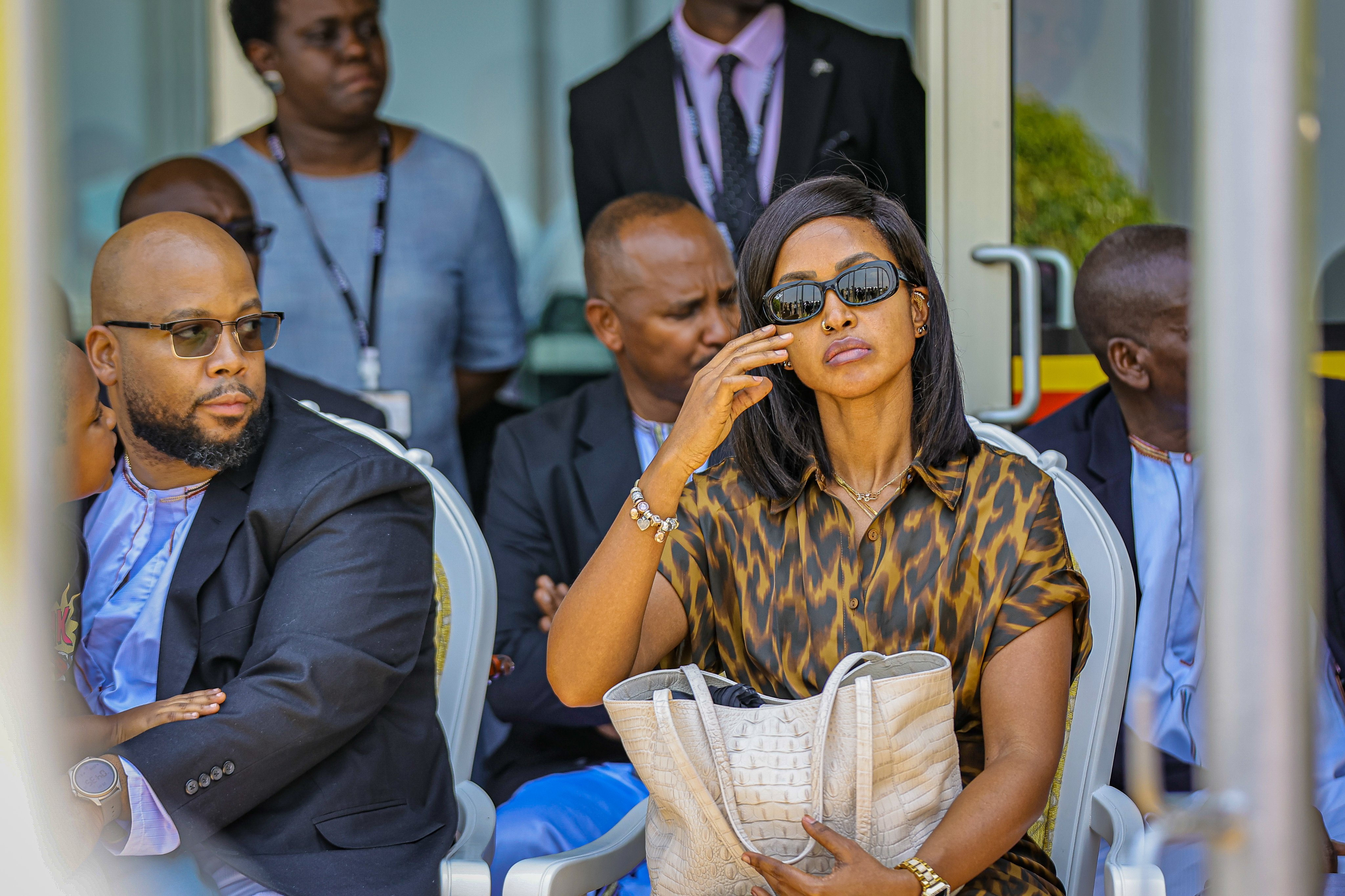
 The return marked the beginning of the final journey of a monarch who ascended the Tooro throne as a child and went on to reign for more than three decades. Queen Mother Best Kemigisa, Princess Elizabeth Christobel Edith Bagaya and King Oyo’s sister, Princess Ruth Komuntale, accompanied the remains back to Uganda. Princess Komuntale travelled with her husband and their child.
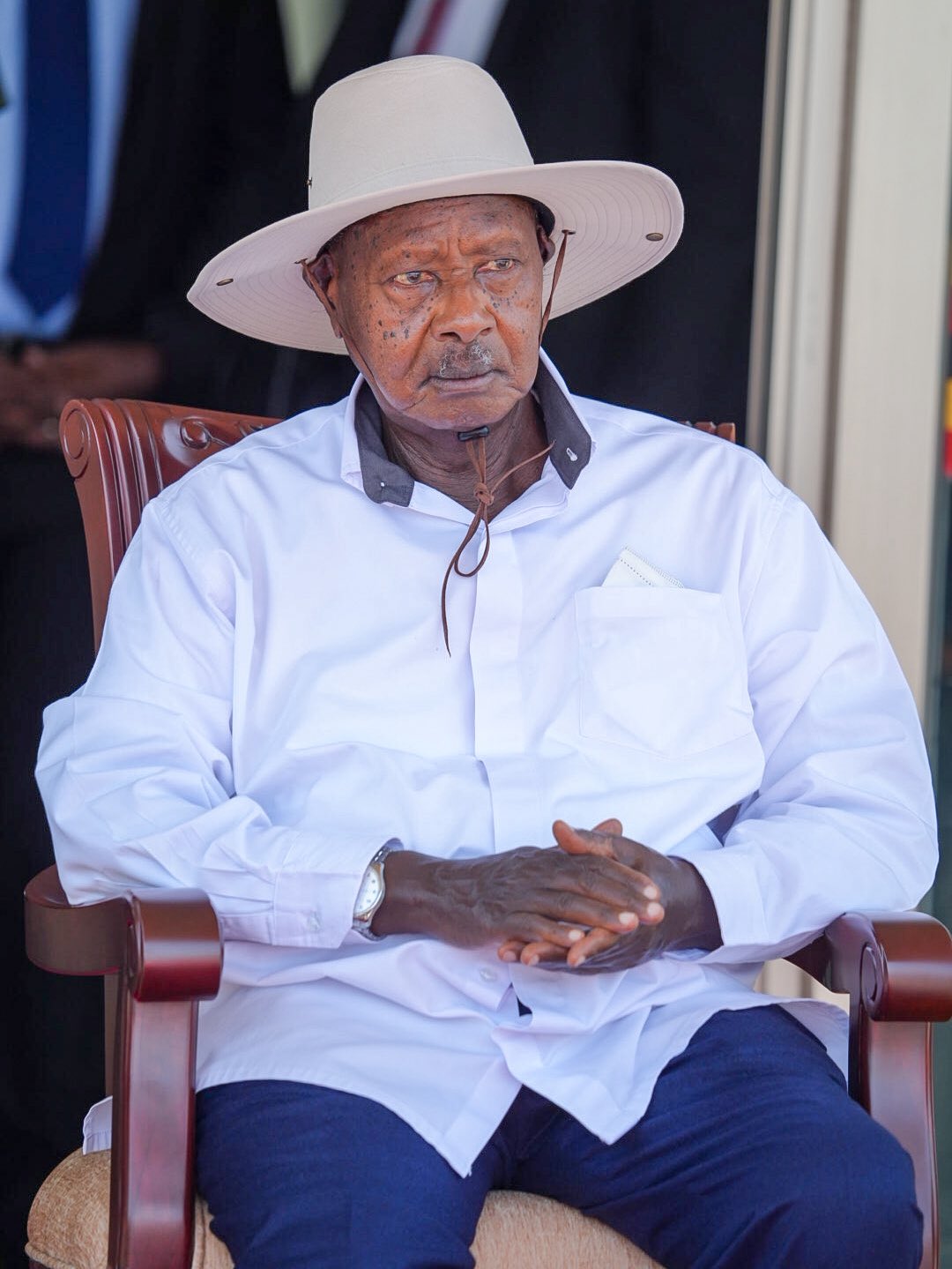 President Museveni later saw off the Queen Mother and other members of the royal family as they travelled aboard a Uganda People’s Defence Forces aircraft to Humura Grounds in Kyegegwa District, where the body was received before proceeding towards Tooro. The President’s participation in the repatriation ceremonies underlined the national significance attached to the death of the monarch, who had become one of the most recognisable traditional leaders in Uganda.
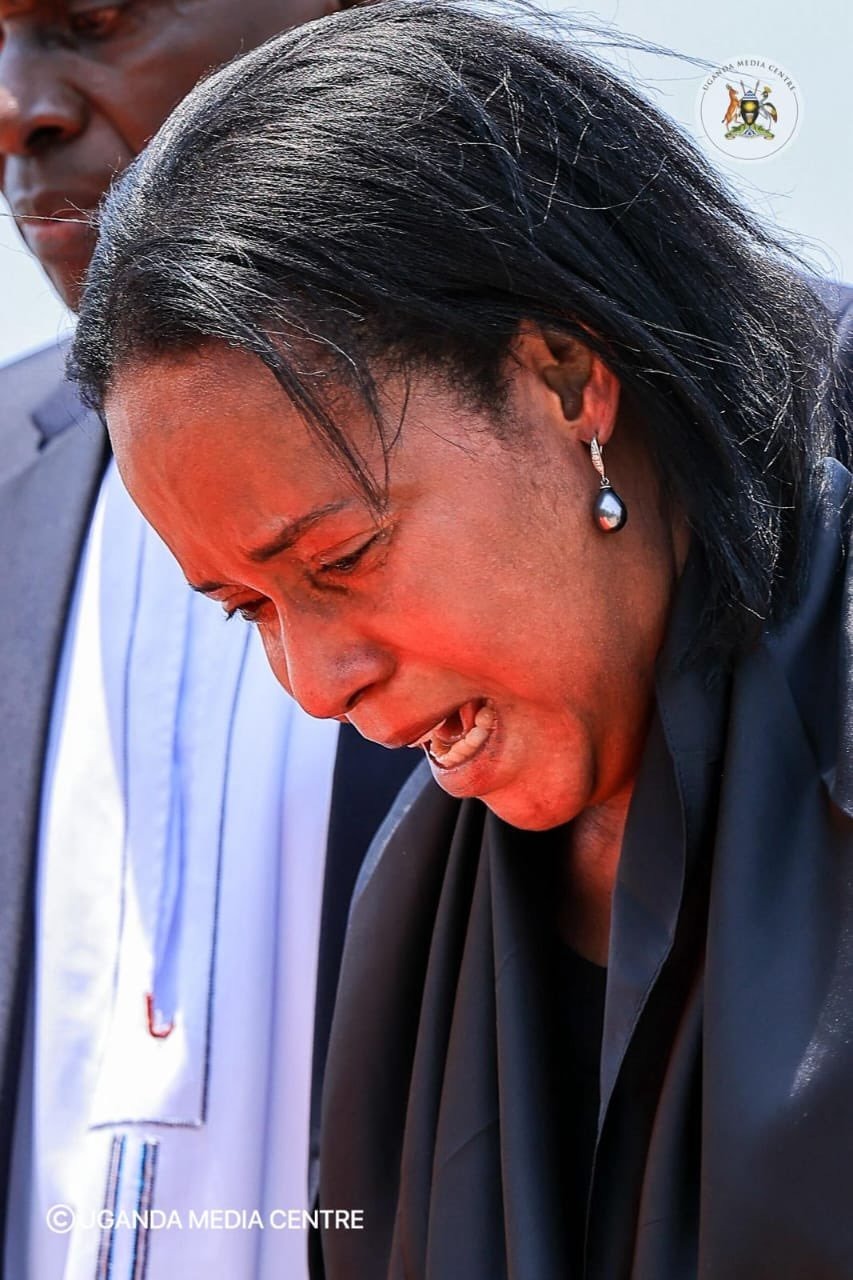 Museveni mourns young monarch
In his eulogy, Museveni paid tribute to King Oyo, recalling the monarch’s long reign and his contribution to the cultural identity and unity of the people of Tooro. The President’s tribute comes at a time when the death of King Oyo has generated not only an outpouring of grief but also intense interest in the future of the Tooro institution.
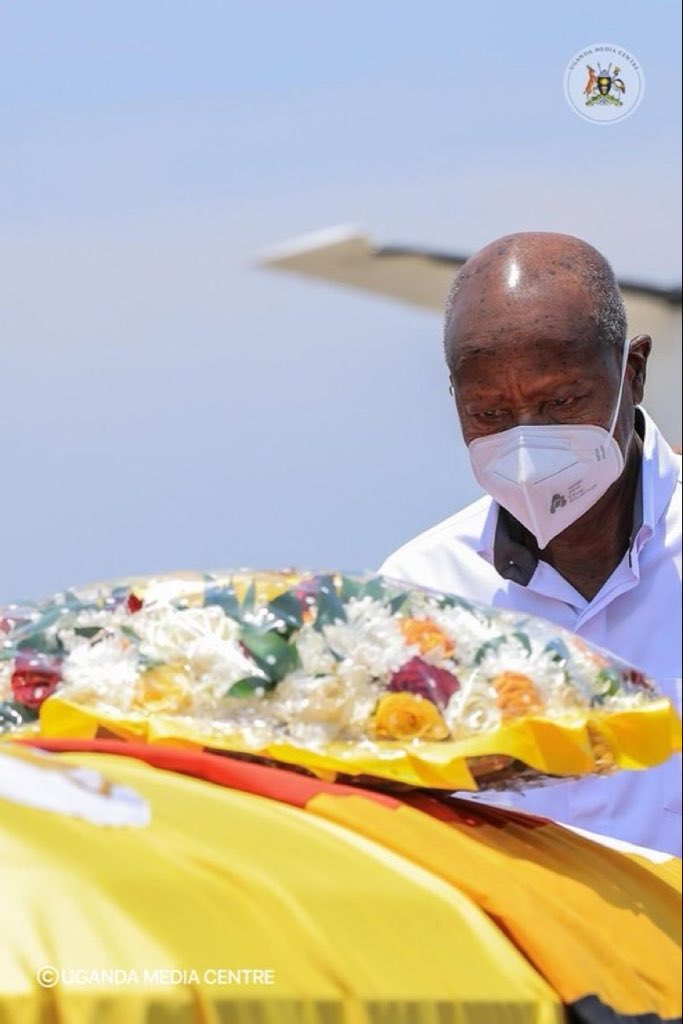 Oyo was only a child when he was installed as Omukama in 1995 following the death of his father, Omukama Patrick Matthew Kaboyo Olimi III. His early years on the throne were overseen by regents as he grew into his role. Among those who served as regents was Princess Elizabeth Bagaaya Akiiki, the Princess Royal and Batebe, who was present during the return of her nephew’s body.
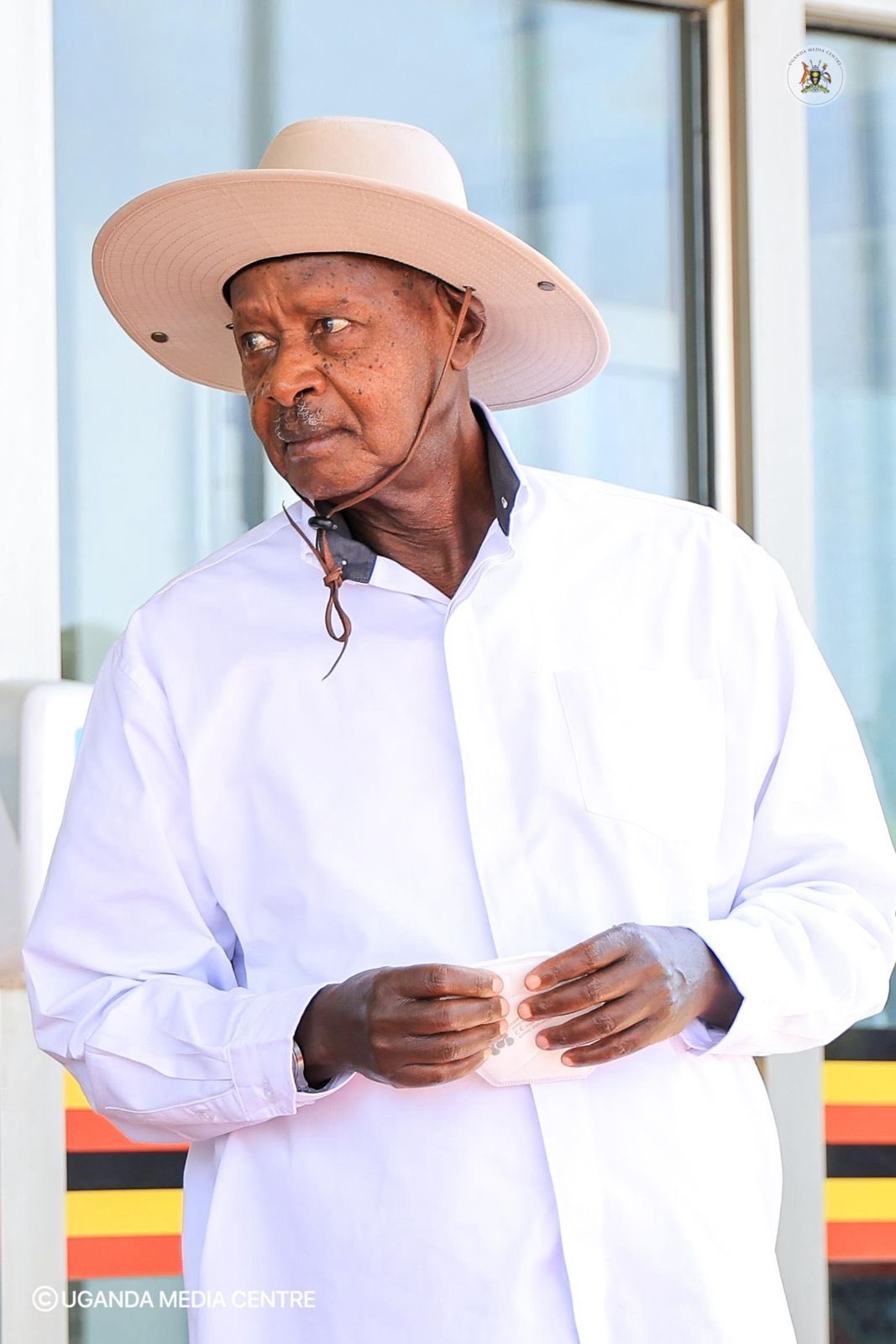
Now aged 90, Princess Bagaaya was among the senior members of the royal family associated with the young king’s early years on the throne.
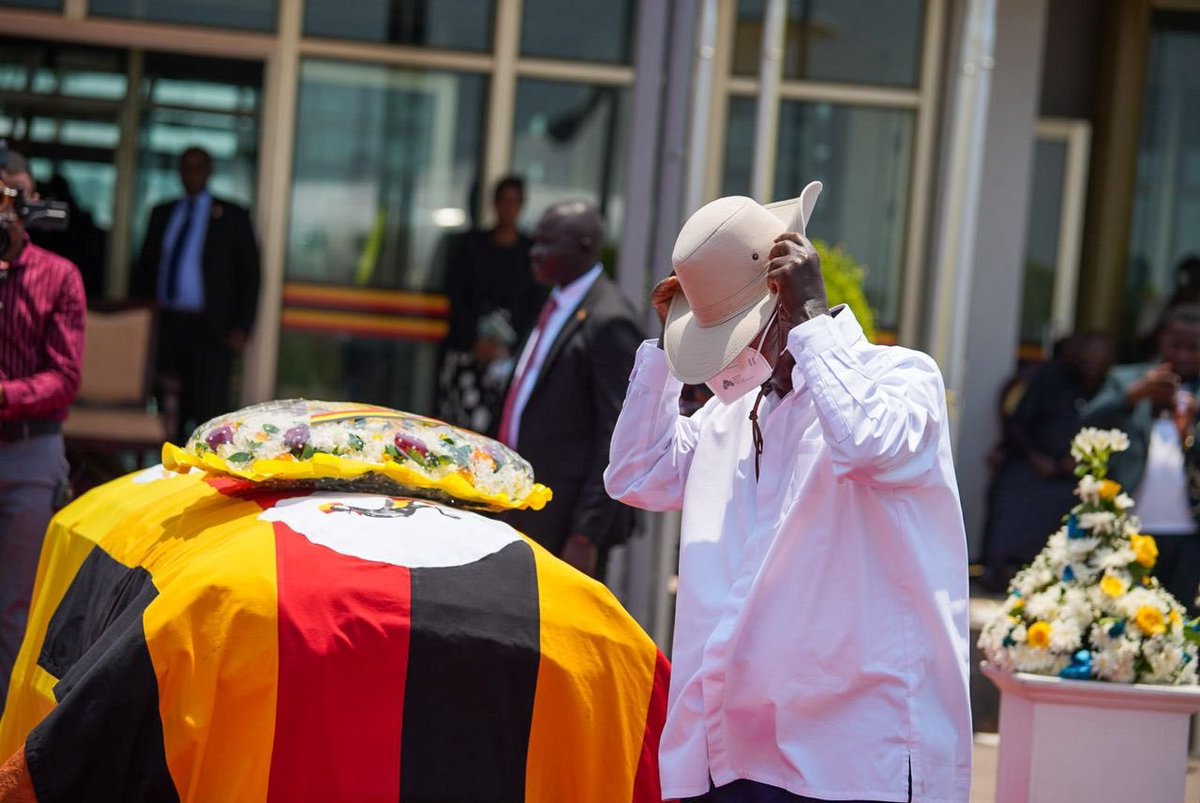 Her presence at the homecoming of King Oyo offered a poignant reminder of the long history of the Tooro monarchy and the generations of the royal family who have witnessed its transformation.
From boy king to longest-serving monarch
For an entire generation of Batooro, Oyo was not simply a traditional ruler. He was the king they grew up watching. Installed at a very young age, he matured before the eyes of his subjects and eventually assumed greater responsibilities as the monarch.
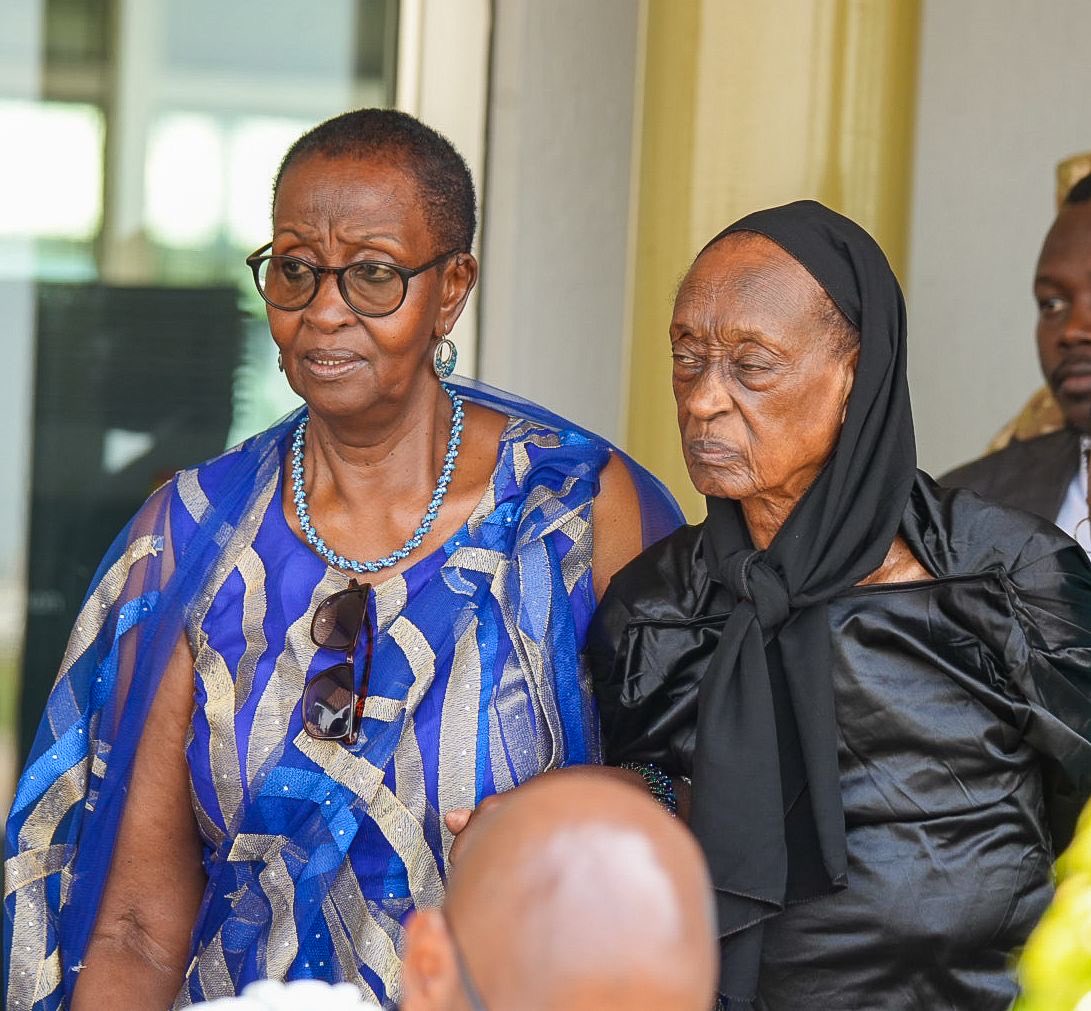 His reign stretched for 31 years, making his story inseparable from that of a generation of Batooro.
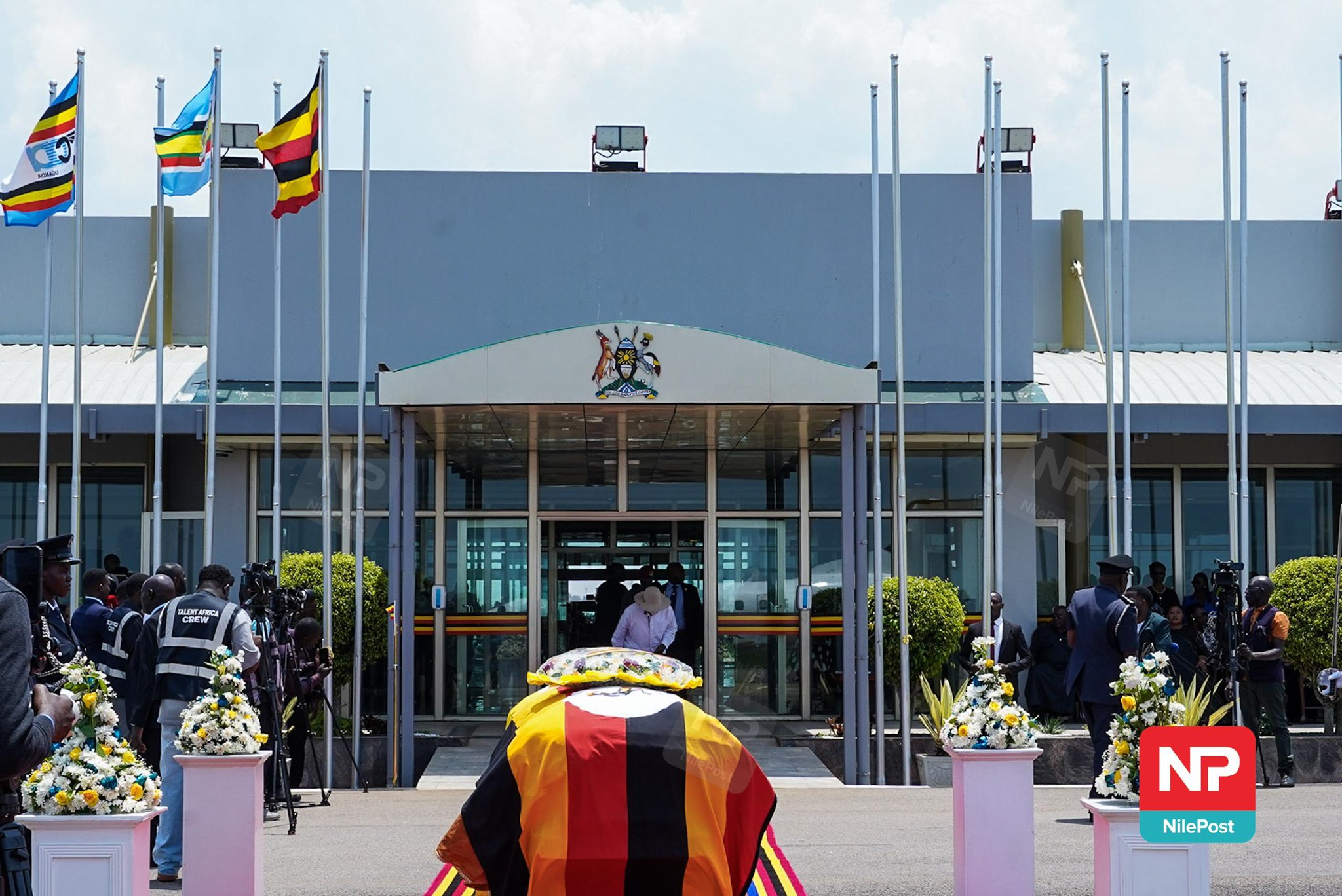 The young king became an international figure because of the unusual circumstances of his accession. His age at the time of enthronement earned him recognition as the world’s youngest reigning monarch. Over the years, however, the focus shifted from his childhood to his development as a cultural leader and his efforts to preserve the institution of the Tooro Kingdom.
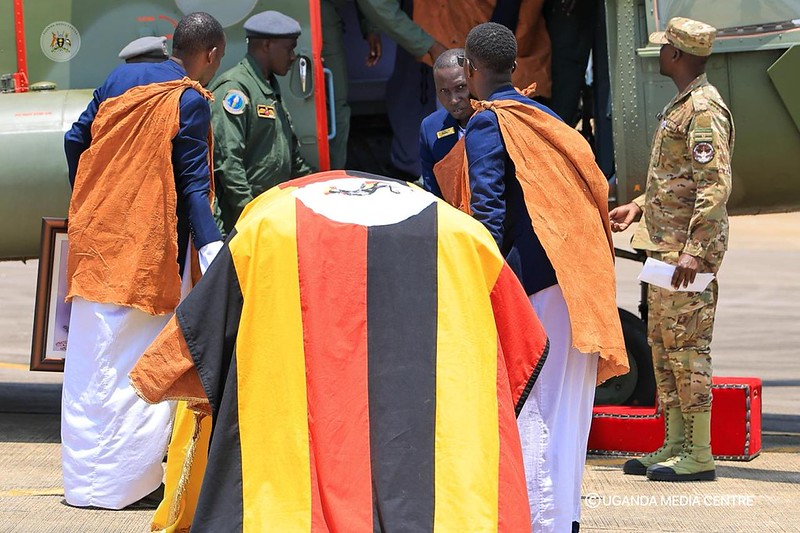 His death therefore represents the end of a significant chapter in the modern history of Tooro.
Sejusa raises “double tragedy”
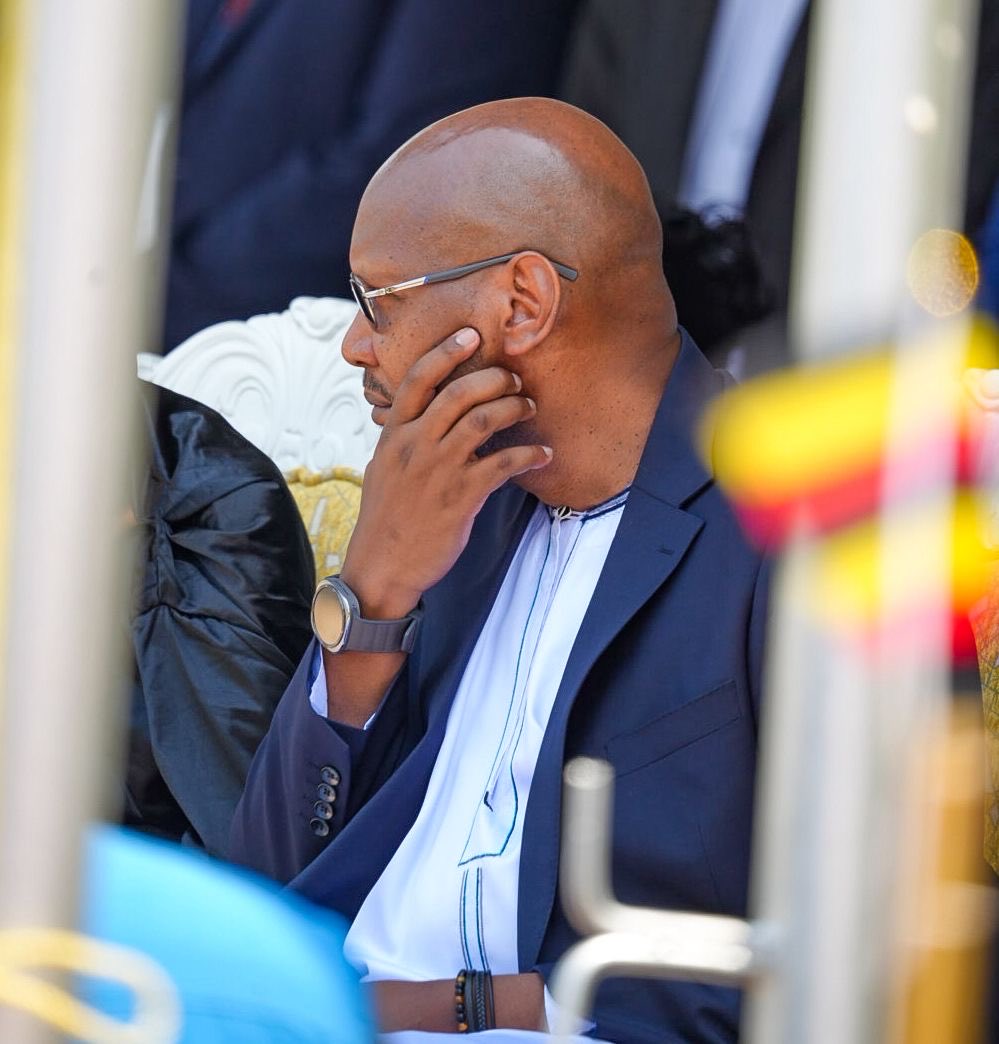
Former intelligence chief Gen David Sejusa described the death of King Oyo as a “double tragedy”, saying the monarch’s death abroad compounded the grief surrounding his passing. In a message posted on social media, Sejusa said he had deliberately kept away from X until Oyo’s remains had returned to his kingdom.
 He described the return of the body as an important moment for Tooro and expressed concern that the monarch had died away from his people after ruling them for 31 years.
 Sejusa also invoked traditional African beliefs surrounding the death of kings outside their ancestral lands. He argued that traditional beliefs regarded the death of a king on foreign soil as deeply troubling because of the belief that ancestral power could become trapped outside the kingdom. “Therefore, we need to pray for Tooro Kingdom,” Sejusa said.
 He also recalled his personal friendship with King Oyo’s father, saying he had visited the late Omukama Patrick David Kaboyo Olimi III and Best Kemigisa in Dar es Salaam in 1989, when Kaboyo was serving as Uganda’s minister-counsellor. Sejusa extended condolences to the people of Tooro, the royal family and Ugandans.
Succession questions emerge
The return of the body also comes against the backdrop of questions surrounding succession in Tooro Kingdom.
The succession debate has intensified following President Museveni’s recent remarks suggesting that King Oyo had left an heir.
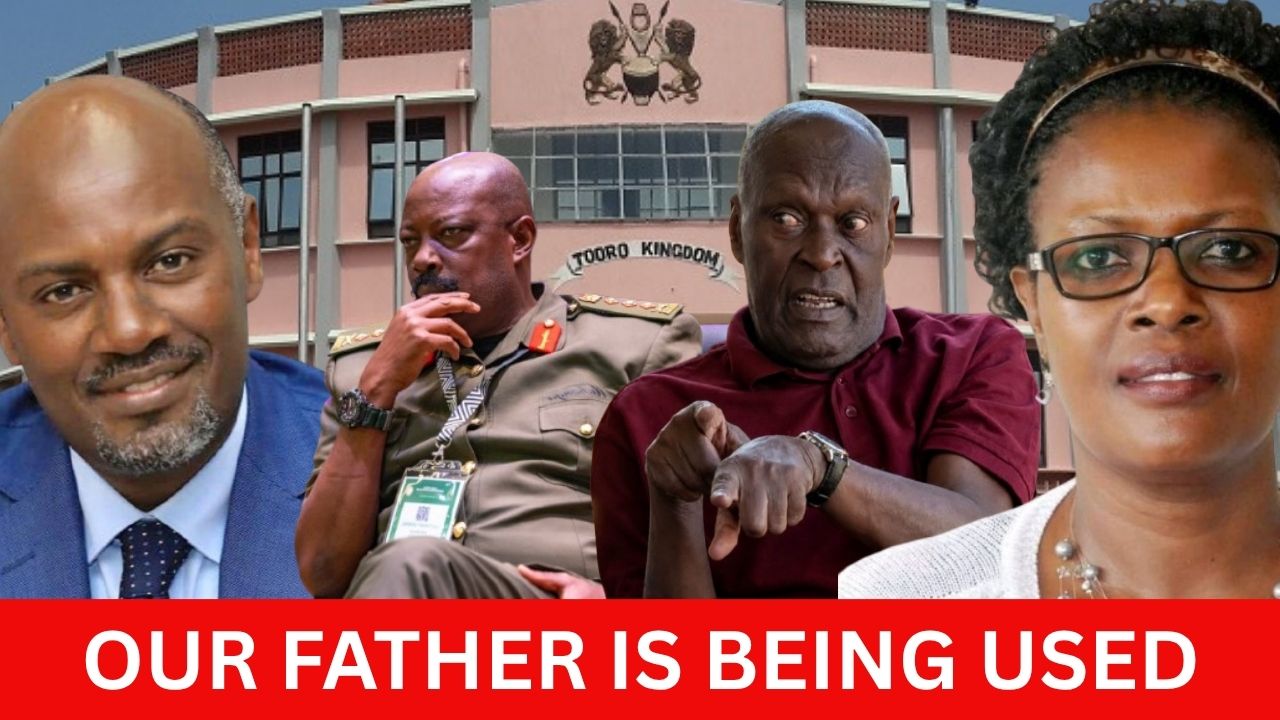
The remarks have raised questions among some cultural leaders because sections of the Tooro cultural establishment have said they were not aware of such an heir. The issue has created uncertainty at a particularly sensitive moment, as the kingdom prepares to bury its monarch.
The role of cultural leaders, the royal family and other institutions in determining the next Omukama is expected to come under close scrutiny in the days ahead.
 The disagreements have also exposed tensions between some cultural leaders and Tooro Prime Minister Calvin Armstrong Rwomiire Akiiki, adding another layer to the succession debate. For now, however, attention remains focused on mourning King Oyo and according him a dignified farewell.
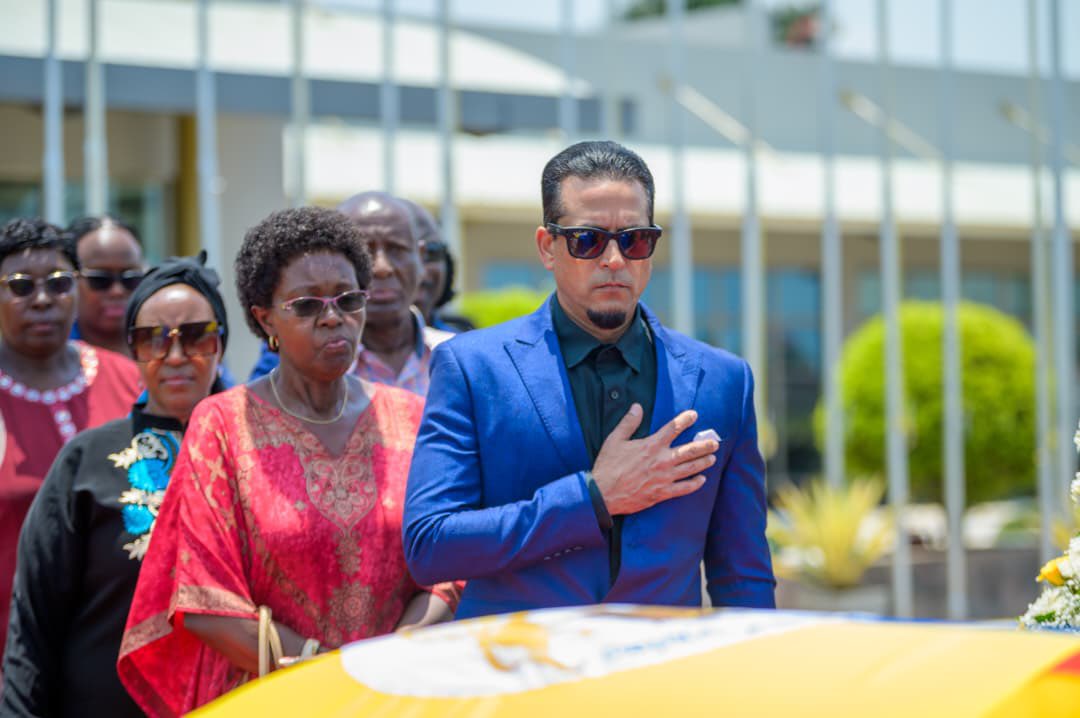 Final journey to Tooro
Following the reception at Entebbe, the royal family travelled towards Tooro, with the body taken to Humura Grounds in Kyegegwa District.
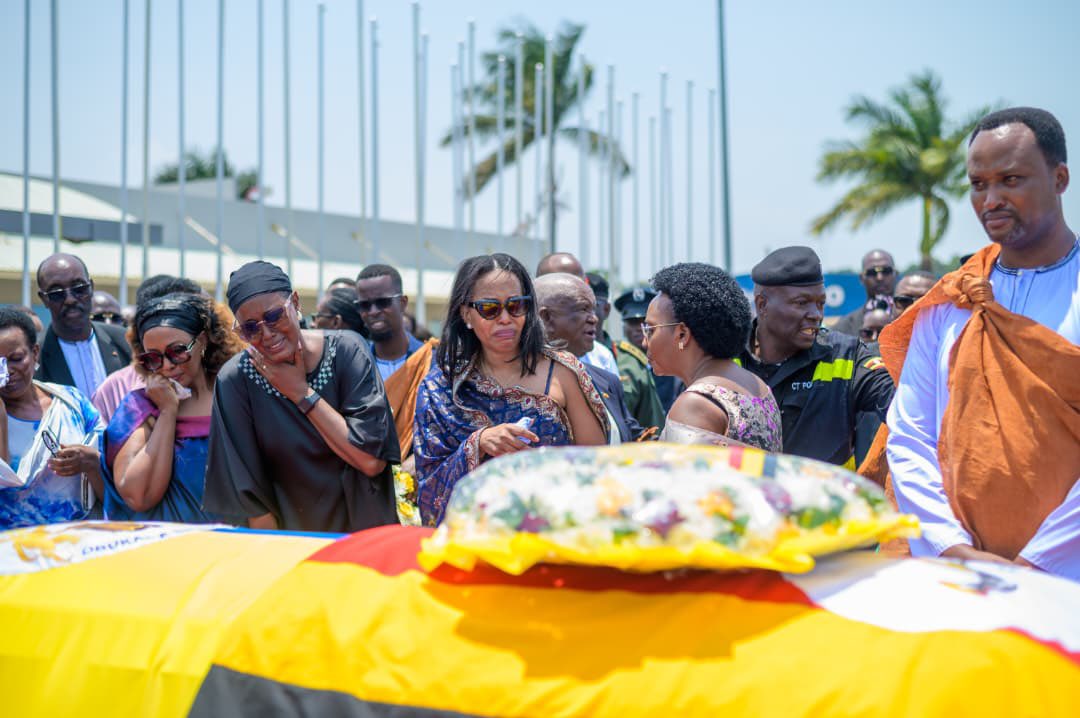
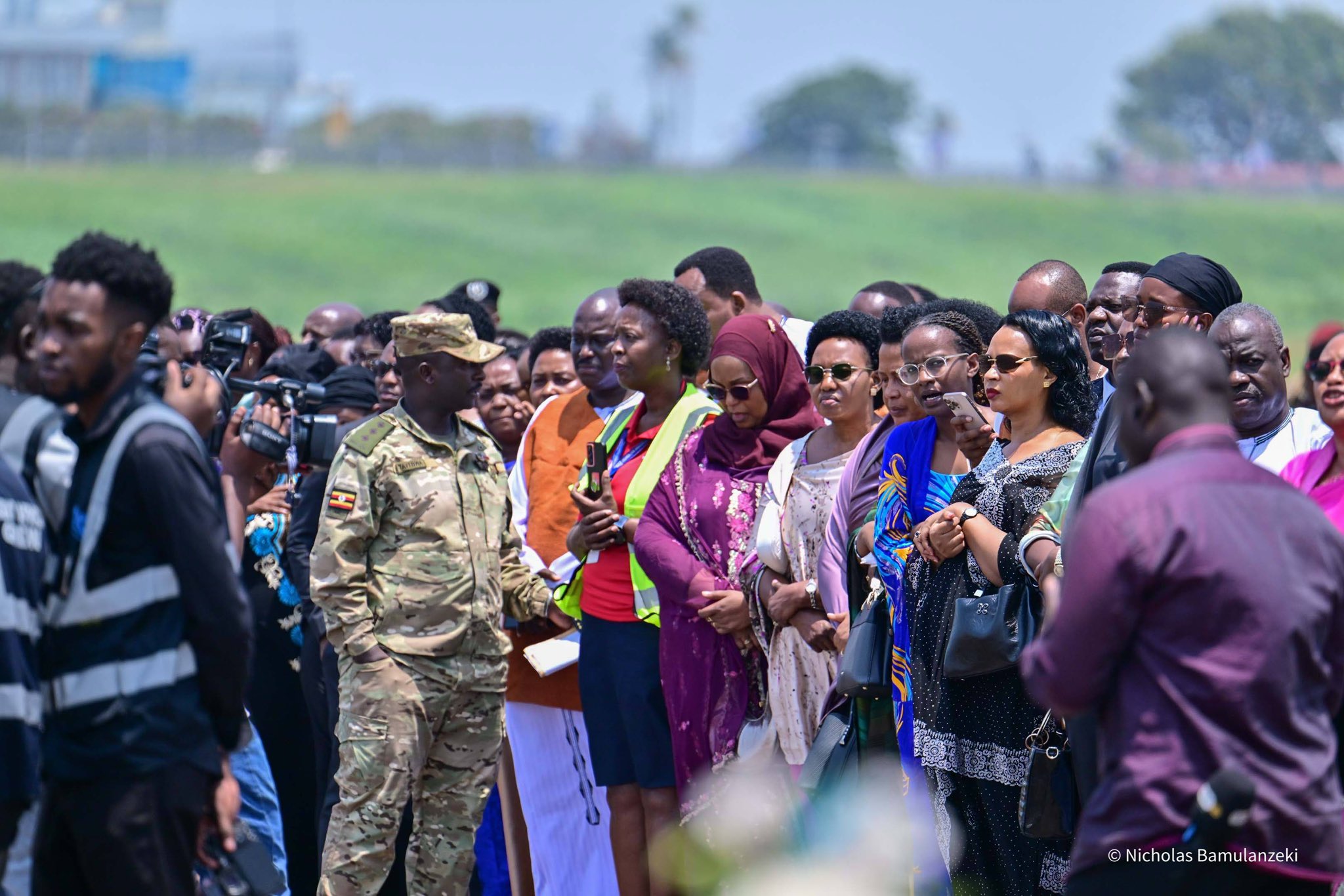
The journey from Kyegegwa did attract thousands of mourners along the Fort Portal route as Batooro and other Ugandans pay their final respects to the monarch.
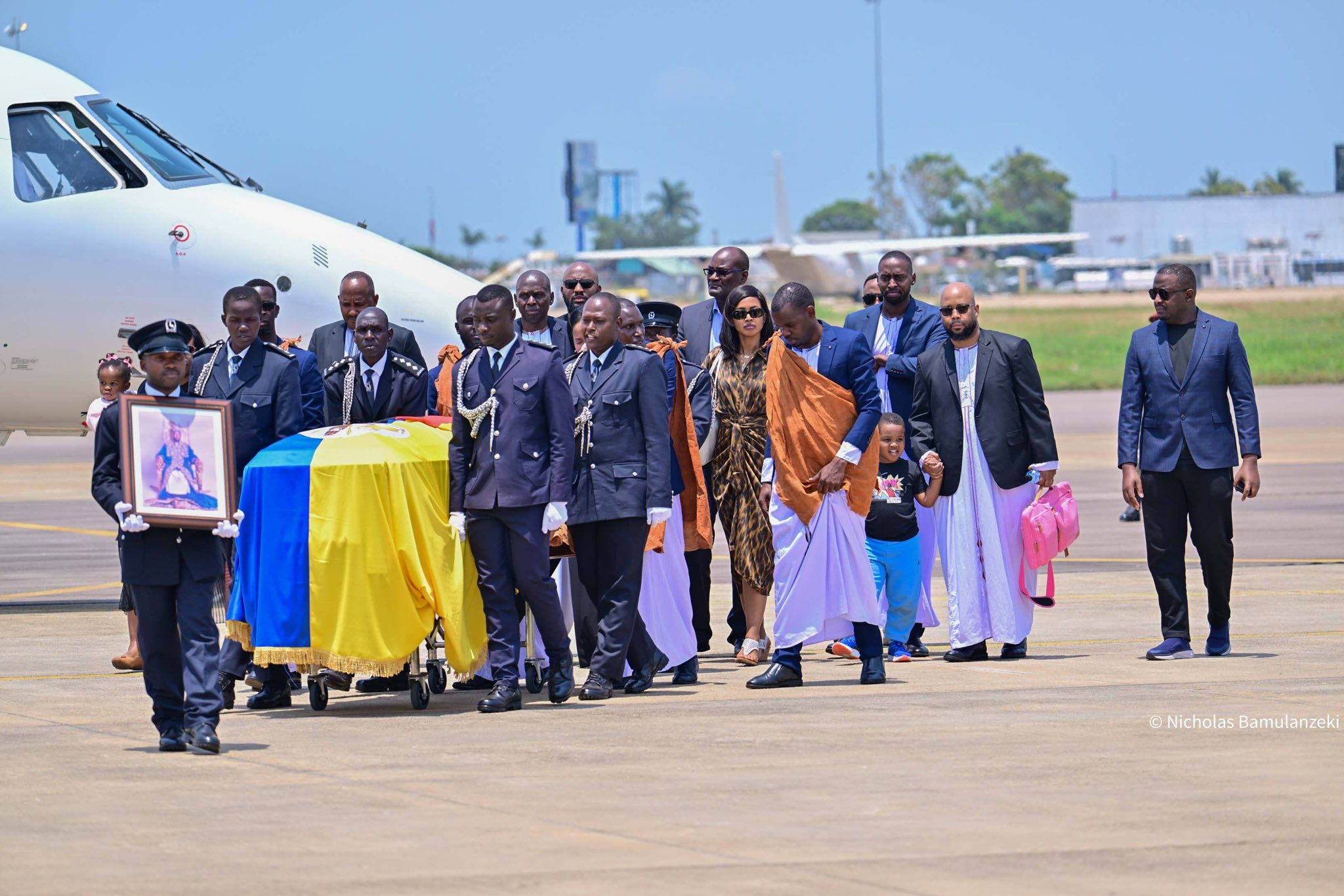 The arrival of the body in Uganda has transformed the mourning from one centred largely on news of his death abroad into a national farewell.
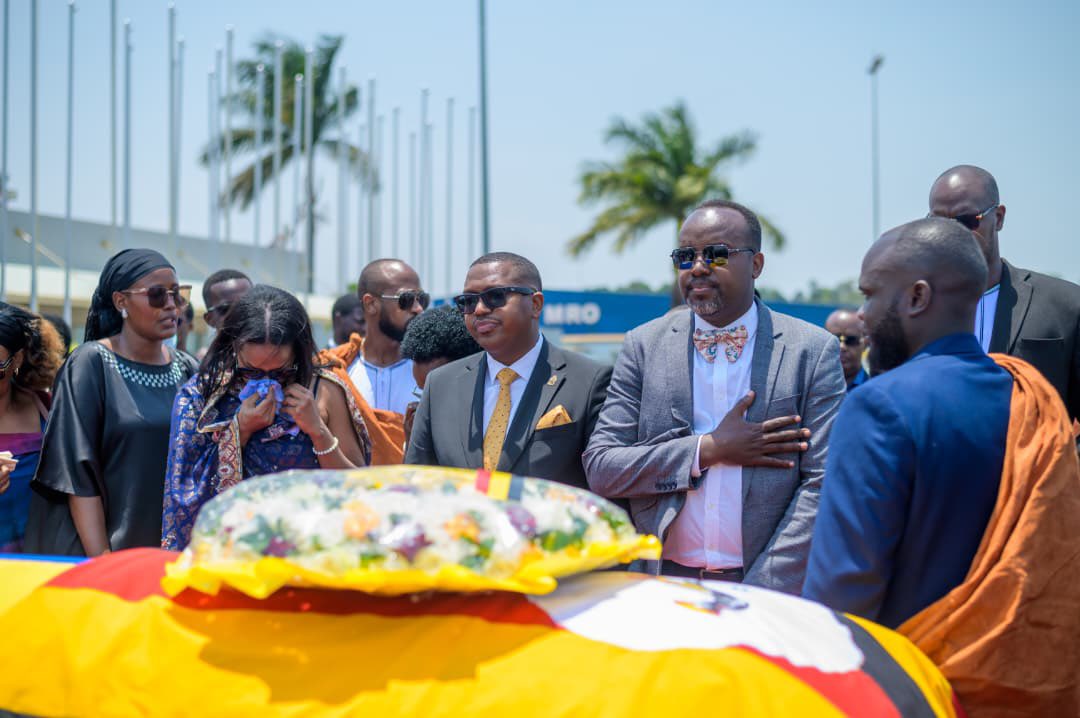
At Humura and later in Fort Portal, cultural rites and public ceremonies will provide an opportunity for the people of Tooro to mourn a king who spent virtually his entire adult life at the centre of the kingdom’s public life. King Oyo’s death closes a 31-year chapter in the history of Tooro.
 But as his body returns to the land over which he reigned, the kingdom now faces the difficult task of mourning its fallen monarch while confronting questions about succession and the future of the institution he inherited as a child.
For millions who watched him grow from a boy king into a mature monarch, the return of his remains is both a homecoming and the beginning of the final farewell to a defining figure of modern Tooro.
Women mourn “handsome Rukirabasaija”
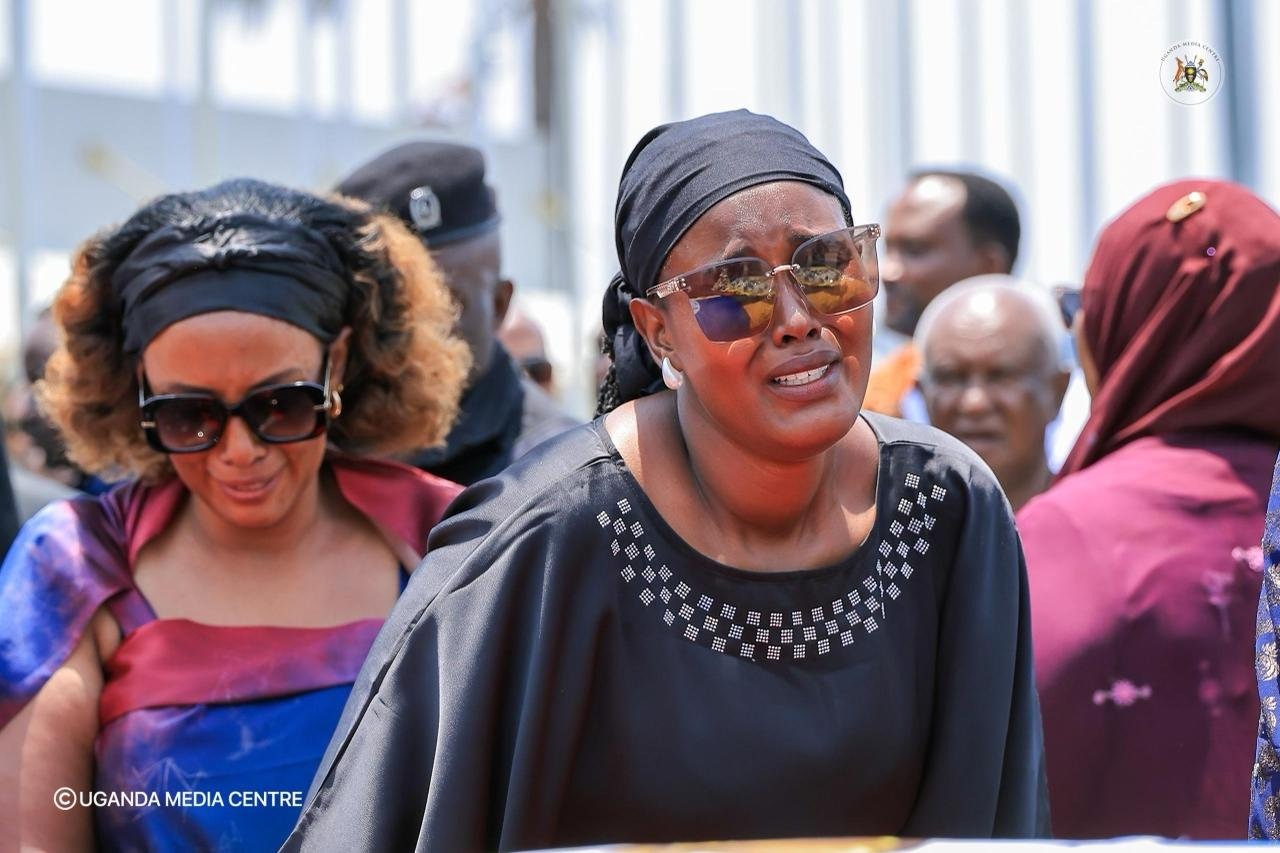
The return of King Oyo’s body has also prompted deeply emotional tributes from Ugandans, with Dr Stella Nyanzi offering a powerful poem mourning the young monarch. In her tribute, Nyanzi framed the king’s death as a moment of collective grief among Ugandan women, invoking generations of mothers, daughters, sisters and wives mourning the loss of the Tooro monarch.
 She wrote:
UGANDA’S WOMEN ARE WEEPING!
Grandmothers, mothers and daughters,
Aunts, sisters, nieces, granddaughters,
Wives, mothers-in-law, sisters-in-law,
All generations of Uganda’s women weep!
We are in great pain for our Omukama Oyo,
Our handsome Rukirabasaija,
The most excellent man among all men.
If men are too strong to weep in mourning,
We shall freely cry to express our grief.
We shall not bathe our bodies for 9 days.
We shall not brush our teeth for 9 days.
We shall not trim our nails for 9 days.
We shall not sleep on soft beds for 9 days.
We shall not sing or dance as we mourn.
We shall not laugh or smile as we mourn.
We grieve our King who died too young.
We cry for our King coronated too young.
If our men weep not in mourning,
Uganda’s women are freely weeping.
Amatta gaatikire. Enkuba etutiire.
Nyanzi’s poem captures the profound emotional attachment that developed around King Oyo, who became king when he was still a child and grew into adulthood in full public view.
 Her reference to mourning practices also evokes the cultural traditions surrounding the death of a monarch and the solemnity with which the Batooro are approaching the king’s final rites.
 The closing words, “Amatta gaatikire. Enkuba etutiire,” add a distinctly Tooro cultural note to the tribute, leaving the poem not simply as an expression of personal sorrow but as a lament for a king whose death has shaken an entire kingdom.
Author Profile
- Charles Gazza Kodili is a seasoned journalist with over 20 years of experience in the media industry. He holds a Bachelor of Arts degree in Mass Communication. He’s currently the Chief Editor at the Investigator.
Charles can also be reached via; Tel: +256 774 108978
Email: [email protected]
Latest entries
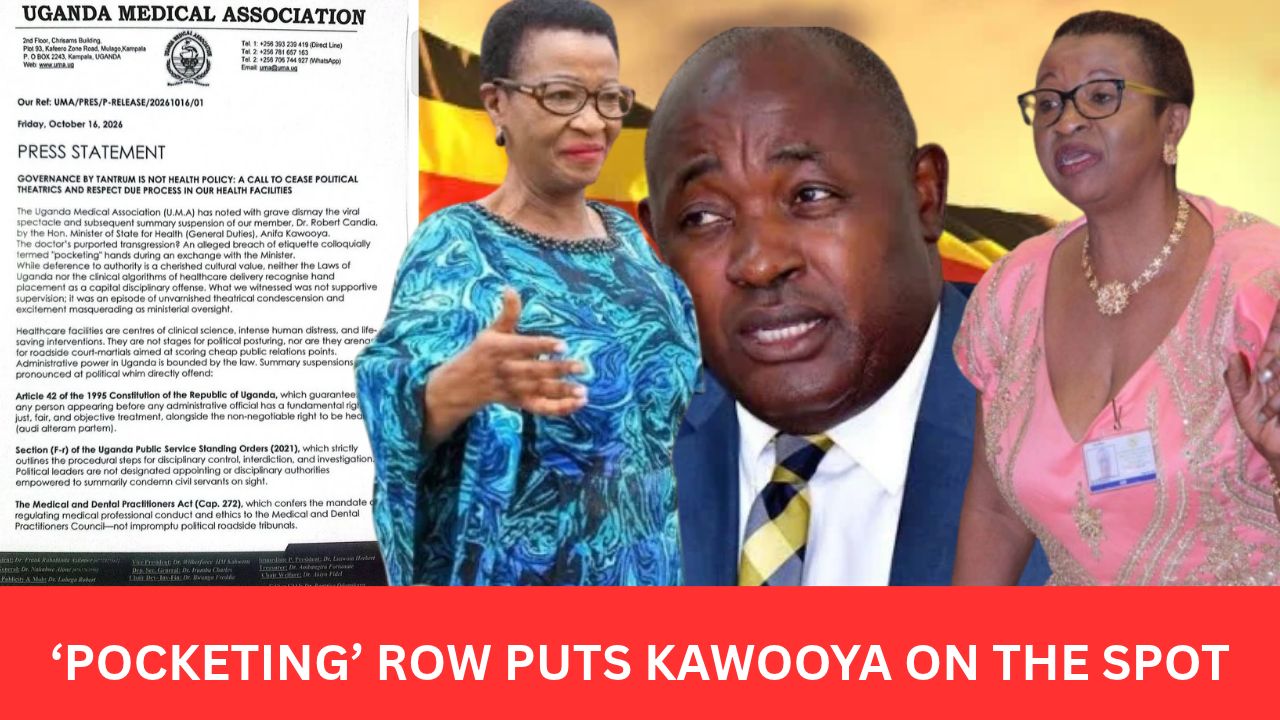 FeaturedOctober 16, 2026KAWOOYA UNDER FIRE AS MINISTRY DENIES DR CANDIA SUSPENSION: Health Ministry Says Arua Doctor Remains In Office After Minister Reportedly Ordered Him To Hand Over For “Pocketing”
 FeaturedOctober 14, 2026MATHEW BAGONZA BAIL DEAL DEALS A BLOW TO CDF GEN. MUHOOZI: Rwabwogo’s Camp Sees Relief After Weeks Of Confrontation, As Reported First Family Tensions Raise Questions About The CDF’s Fight With His Brother-In-Law
 FeaturedOctober 14, 2026GOVERNMENT TO CASH IN ON CHARCOAL TRADE: Government Plans To Formalise The Charcoal Business Through Trade Licences, Taxation And Strict Monitoring Of Producers And Dealers
 FeaturedOctober 13, 2026‘PRODUCE SAM MUGUMYA NOW’ — SSENYONYI: LoP Tells Parliament Families Of Missing Ugandans Deserve Answers, Freedom And Justice As He Challenges Government Over The Opposition Activist’s Fate