











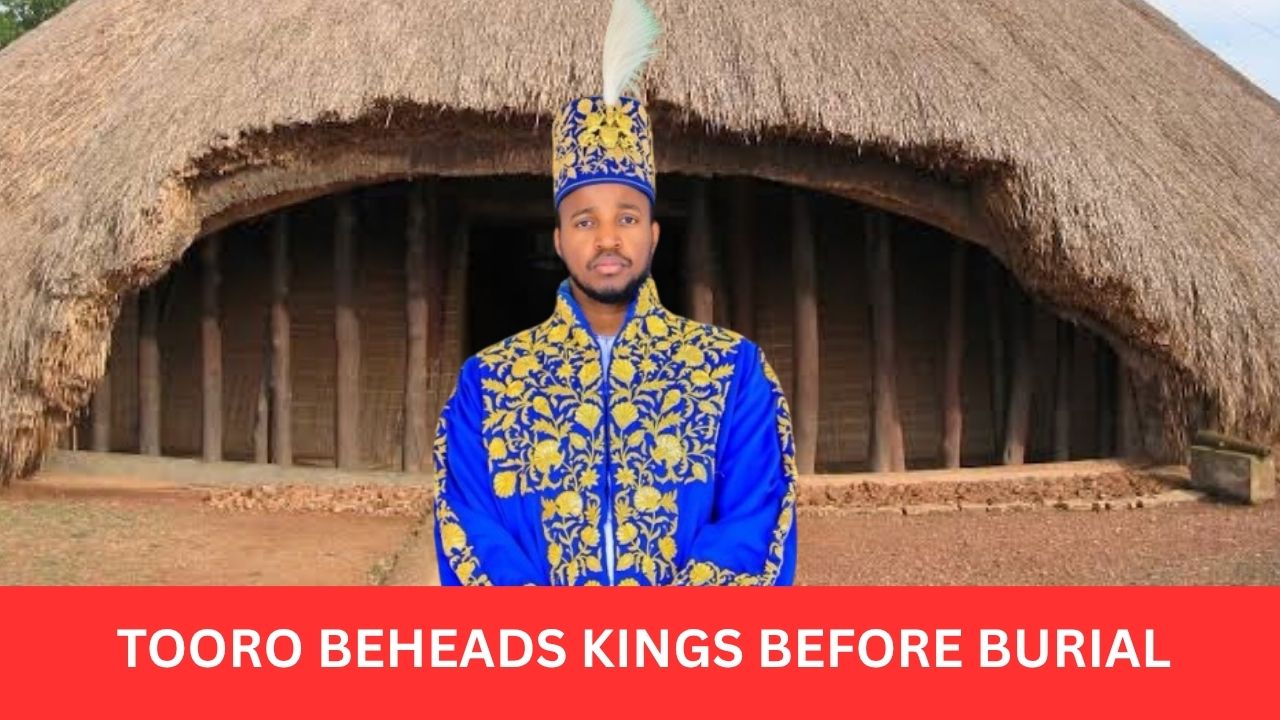
The burial of an Omukama of Tooro is far more than the lowering of a coffin into a royal grave. It is a carefully guarded cultural process in which mourning, succession and the continuity of the kingdom are woven into one elaborate ritual.
The death and burial of Omukama Oyo Nyimba Kabamba Iguru Rukidi IV has once again drawn attention to the centuries-old traditions surrounding the final journey of Tooro kings, particularly the mysterious ritual involving nine coffee berries.
According to an elder familiar with Tooro traditions, the death of an Omukama traditionally sets in motion a nine-day period of mourning, with different rituals performed at different stages.
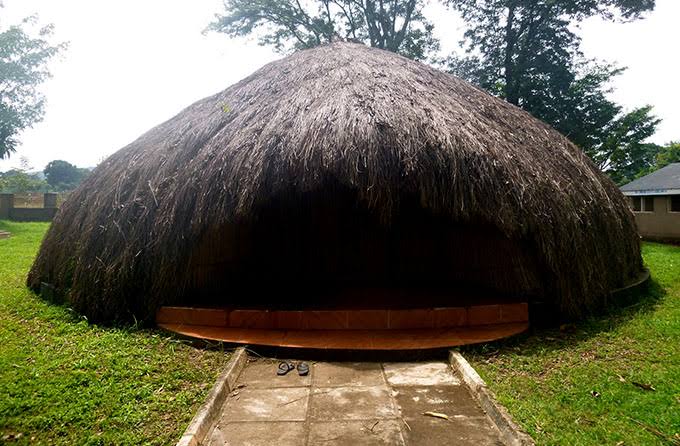
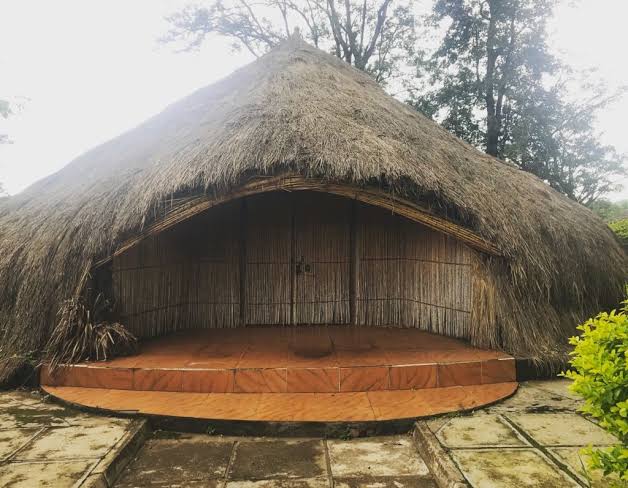
In an account of Tooro royal funeral traditions, the elder confirms that the Babiito royal clan and designated cultural custodians play a central role in the funeral rites and that Tooro kings are traditionally interred at the Karambi Royal Tombs, near Fort Portal.
 The nine-day mystery
The elder, speaking about the ancient traditions, says the death of the king was traditionally announced by a member of the Basingo clan.
“During ancient Tooro, the Omusingo would climb atop a rooftop and proclaim the death of the king. The guard would immediately put him out by spearing him. Today we don’t kill the Omusingo,” the elder says.
According to the account, the traditional killing of the announcer and eight others who would accompany the king into the next world has been replaced by the symbolic use of nine coffee berries.
The nine berries have consequently become one of the most recognisable symbols of the Tooro royal funeral.
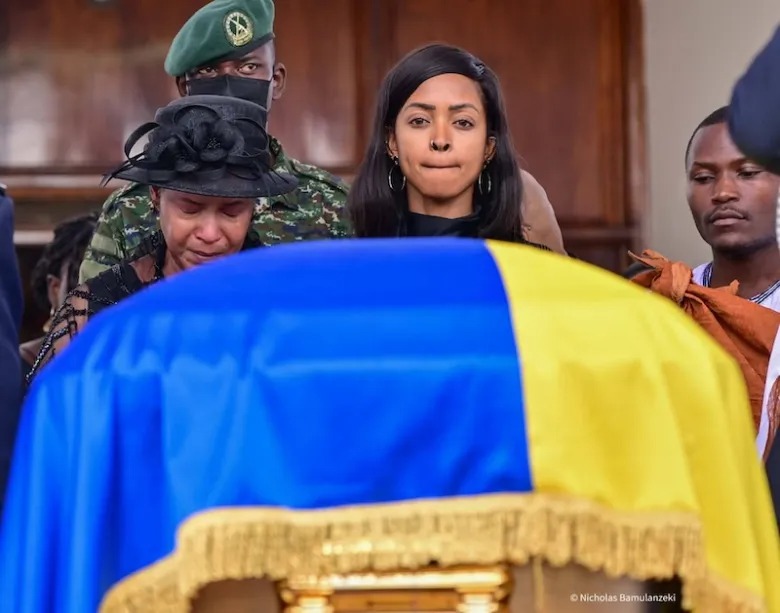
Modern official accounts confirm that the incoming heir is required to place nine coffee berries into the grave. The act is not merely ceremonial: it symbolises the completion of the late king’s burial and the transition from one reign to another.
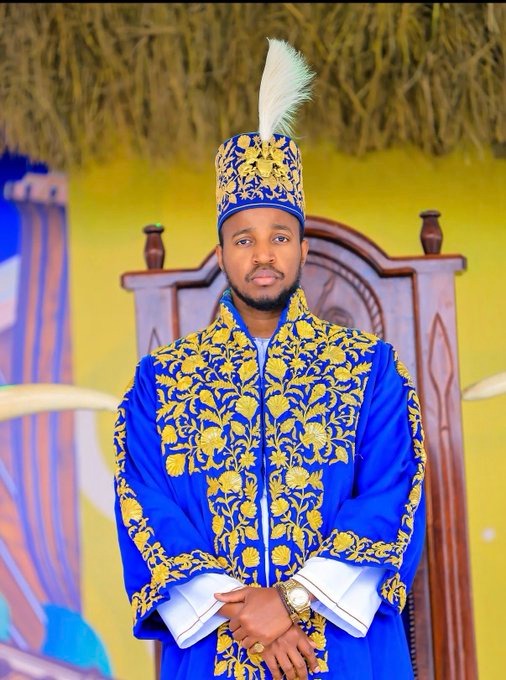 Indeed, when Oyo’s father, Omukama Patrick Olimi Kaboyo II, died in 1995, the then three-year-old Crown Prince Oyo dropped nine coffee berries into his father’s grave.
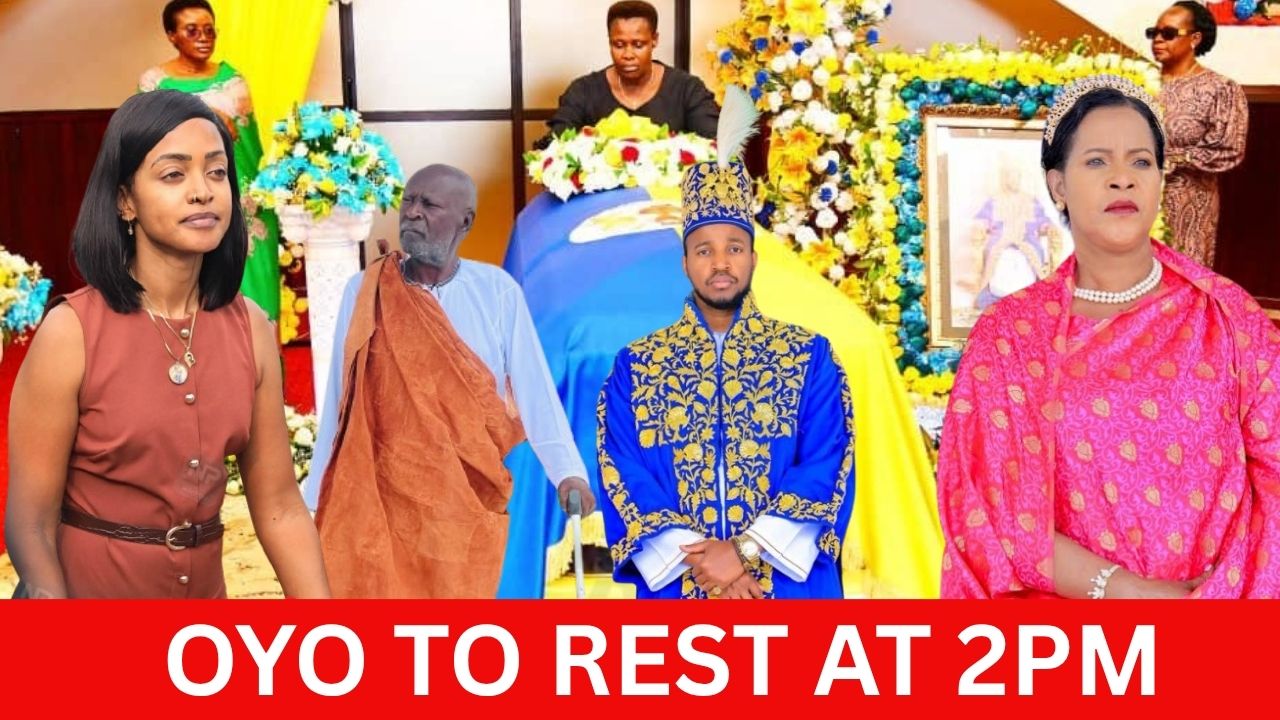
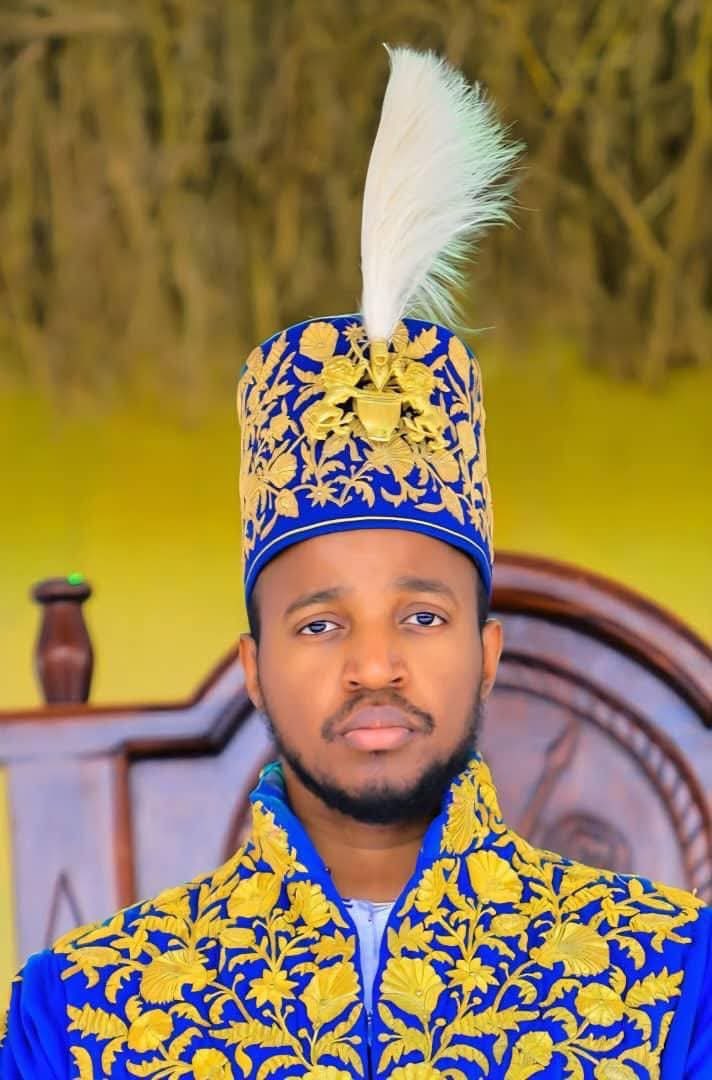
When Oyo himself was buried at Karambi on September 12, 2026, his successor, Edward Rukidi Kijanangoma, performed the same symbolic act, casting nine coffee berries into the grave.
The secret of the king’s body
The elder’s account becomes even more striking when he describes what traditionally happens to the body of a deceased Omukama.
He says that, under the Tooro tradition, the king’s head is separated from the body on the first day and immediately buried at Karambi by selected elders.
“The king’s head is buried on day one. The other eight days are for preserving the headless body using some fire. The process of preserving takes eight days. That’s why we communicate nine days of mourning,” the elder says.
According to him, after the preservation process, the body is quietly taken at night by a group of elders and buried close to a river, traditionally River Mpanga.
 “At night, a group of elders are tasked with the responsibility of burying the headless body of the king. We bury it just by the river bank. That is our tradition,” he says.
These details are part of the more guarded oral traditions surrounding Tooro royal funerals.
Was Oyo also subjected to the Toor rites?
The elder insists that the tradition applies to every Omukama. “Tradition of Tooro has been preserved for time immemorial,” he says.
However, whether every element of the ancient account was performed in precisely the same form during Oyo’s 2026 burial is not publicly established. What is documented is that Oyo’s body was taken to Karambi and that his successor performed the nine-coffee-berry ritual.
The secrecy surrounding the final rituals is itself part of the institution.
The Uganda Media Centre says the heir’s participation in the coffee-berry ritual has traditionally been used to identify the successor during a period when the identity of the next Omukama may not yet have been publicly announced.
 Buganda: Kings under the great thatched dome
Tooro’s royal burial customs are not unique in Uganda in attaching enormous cultural importance to the final resting place of a king.
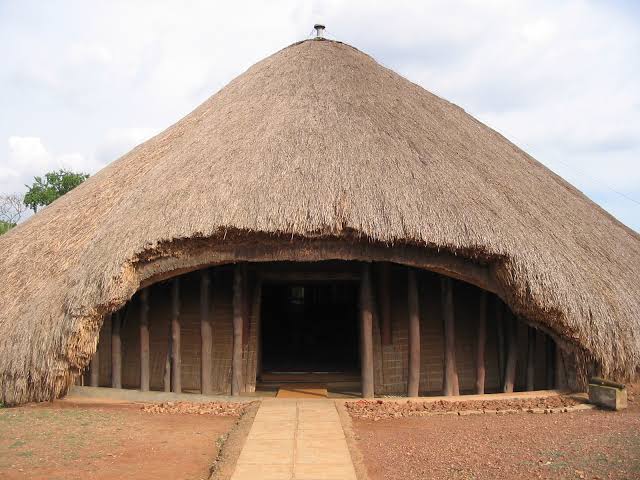
In Buganda, the most famous royal burial site is the Kasubi Royal Tombs in Kampala.
The site contains the tombs of four Kabakas — Muteesa I, Mwanga II, Daudi Chwa II and Muteesa II — inside the great circular Muzibu Azaala Mpanga building.
UNESCO describes Kasubi as both a royal burial ground and an important spiritual centre where cultural practices and rituals connecting the living with the departed continue to be maintained.
Buganda’s tradition has also historically separated aspects of the deceased Kabaka’s remains. Historical accounts describe the body being buried in one place while a separate shrine was associated with the jawbone, which was believed to contain the king’s soul.
Thus, while Tooro has its own distinctive nine-berry succession ritual, Buganda’s royal funerary tradition similarly treats the remains of the king as part of a much larger spiritual and institutional relationship between the monarch, ancestors and the living kingdom.
 Bunyoro: Mparo and the memory of kings
In neighbouring Bunyoro-Kitara, royal history is preserved at the Mparo Royal Tombs near Hoima.
The tombs are associated with Omukama Chwa II Kabalega, one of Bunyoro’s most celebrated rulers, as well as Sir Tito Winyi and other members of the royal family.
Mparo is not simply a cemetery. It has become a place where people pay homage to the kings and engage with the historical and cultural memory of Bunyoro.
The burial of Kabalega is particularly significant because of his resistance to British colonial expansion. His tomb therefore represents not only the resting place of a monarch but also a physical reminder of Bunyoro’s political history.
Like Tooro’s Karambi, Mparo connects the present generation with a succession of rulers who shaped the kingdom.
 Pharaohs: kings prepared for eternity
Thousands of kilometres away, ancient Egypt developed perhaps the world’s most elaborate royal burial traditions.
Egyptian pharaohs were not simply buried after death. Their bodies were prepared through mummification, placed in elaborate tombs and surrounded by objects and inscriptions intended to support their passage into the afterlife.
During the New Kingdom, many pharaohs were buried in the Valley of the Kings, on the western bank of the Nile near modern Luxor. Egypt’s Ministry of Tourism and Antiquities says the valley became the burial ground for rulers of the 18th, 19th and 20th dynasties, roughly between 1550 and 1069 BC.
The location itself carried religious meaning. Ancient Egyptians associated the western side of the Nile with death because the sun appeared to die in the west before being reborn in the east.
Unlike the enormous pyramids of earlier periods, New Kingdom rulers increasingly favoured concealed underground tombs in the desert. The Valley of the Kings eventually became the final resting place of famous rulers including Tutankhamun, Seti I and Ramesses II.
 One institution, different traditions
From Karambi to Kasubi, Mparo and the Valley of the Kings, royal burials reveal a common idea: the death of a king is not regarded as an ordinary death.
The funeral becomes a bridge between the old reign and the new one.
In Tooro, that bridge is dramatically represented by the nine coffee berries. In Buganda, it is embodied in the sacred Kasubi complex. In Bunyoro, the Mparo tombs preserve the memory of successive kings. In ancient Egypt, monumental tombs and mummification were designed to secure the pharaoh’s passage into eternity.
For Tooro, however, the nine coffee berries remain perhaps the most visible reminder that when an Omukama is buried, something else happens simultaneously: one reign is closed and another begins.
That was the significance witnessed at Karambi when the successor to Oyo performed the ancient ritual over the grave of the fallen king.
Author Profile

Latest entries
 NewsOctober 22, 2026FUEL PRICES, DOLLAR RATES TEST PUBLIC CONFIDENCE: Rising Fuel Costs And Currency Market Pressures Are Exposing The Economic Consequences Of Eroding Confidence, With Businesses And Households Bearing The Burden
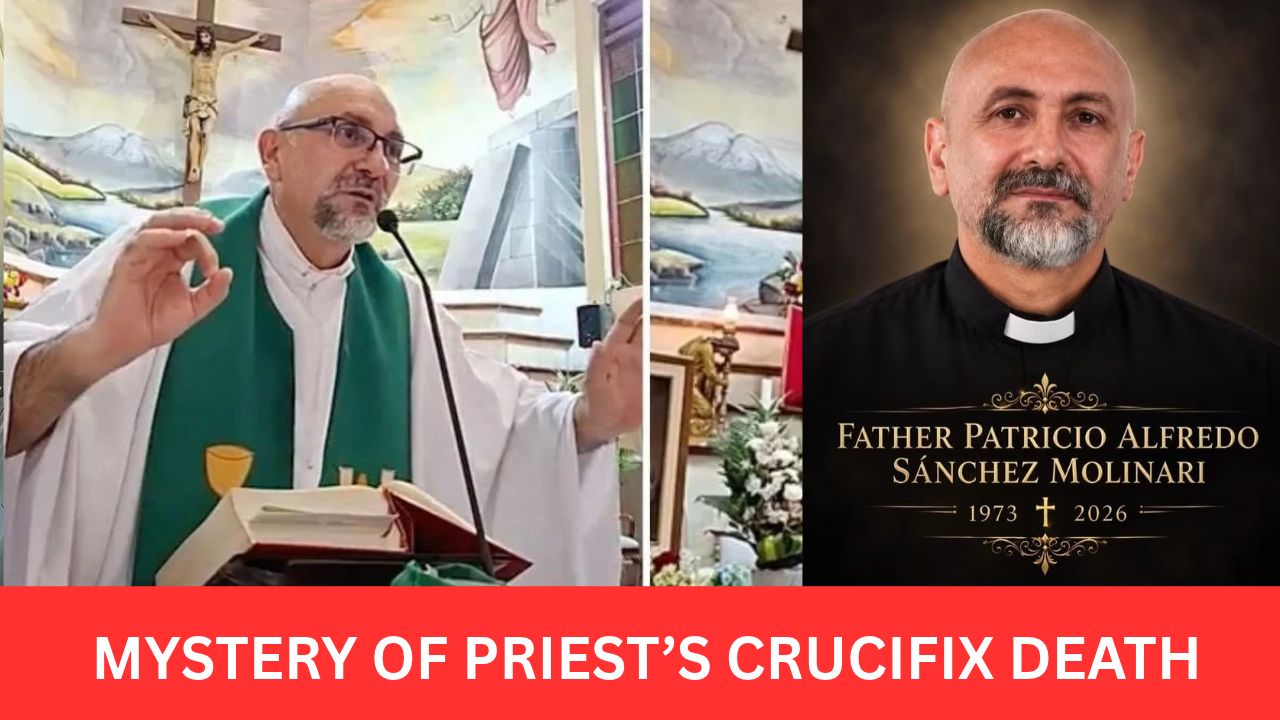 FeaturedOctober 19, 2026CRUCIFIX CRUSHES PRIEST TO DEATH: Father Patricio Alfredo Sánchez Molinari Dies After A Massive Wooden Cross Falls On His Head During A Livestreamed Mass In Ecuador
 UncategorizedOctober 14, 2026POPE TESTS POSITIVE OF CANCER: Man of God Leo XIV’s Lung Cancer Highlights Growing Number Of Nonsmokers Diagnosed With The Disease And Younger People Too
 FeaturedOctober 12, 2026WHO GAVE BEBE COOL THE MILITARY ESCORT? The Singer’s Reported Military Police Protection Has Triggered Questions About Who Authorised The Deployment, Why It Is Necessary And Whether The Arrangement Is Linked To Official Duties