


















Uganda has officially named its crude oil blend “Pearl Sweet”, marking another major milestone in the country’s long journey from petroleum discovery to commercial production and entry into the international oil market.
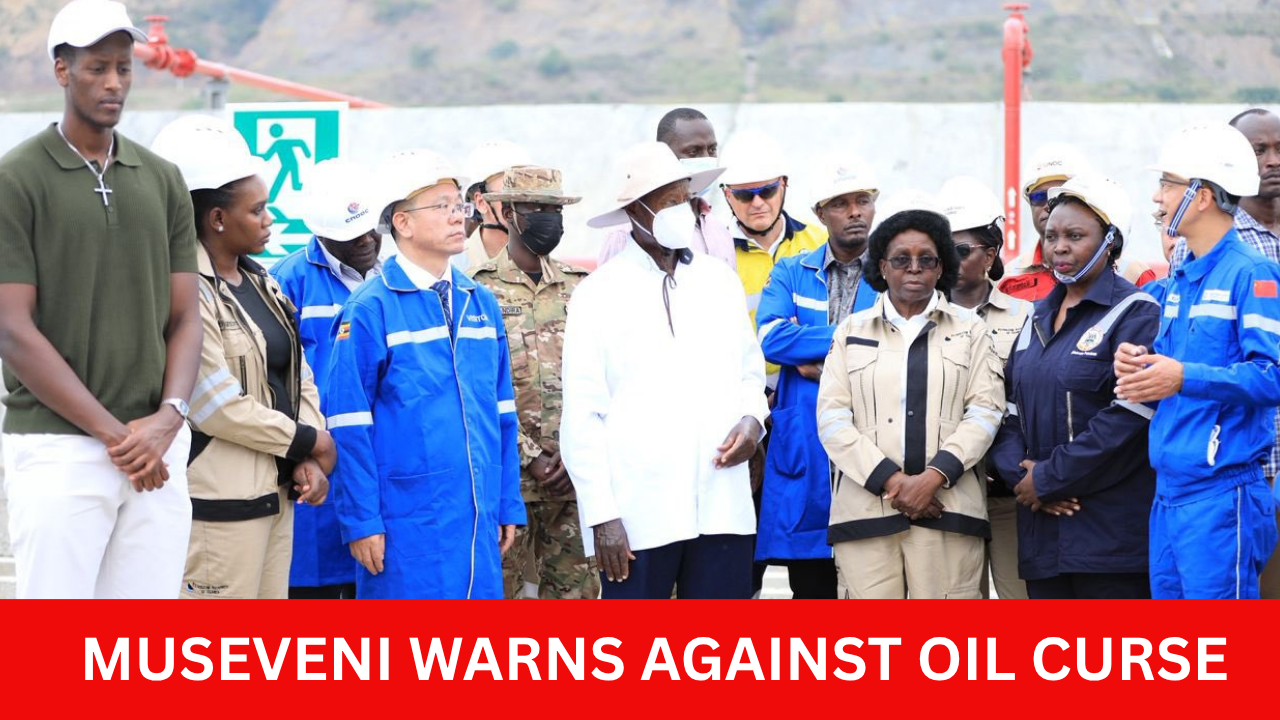
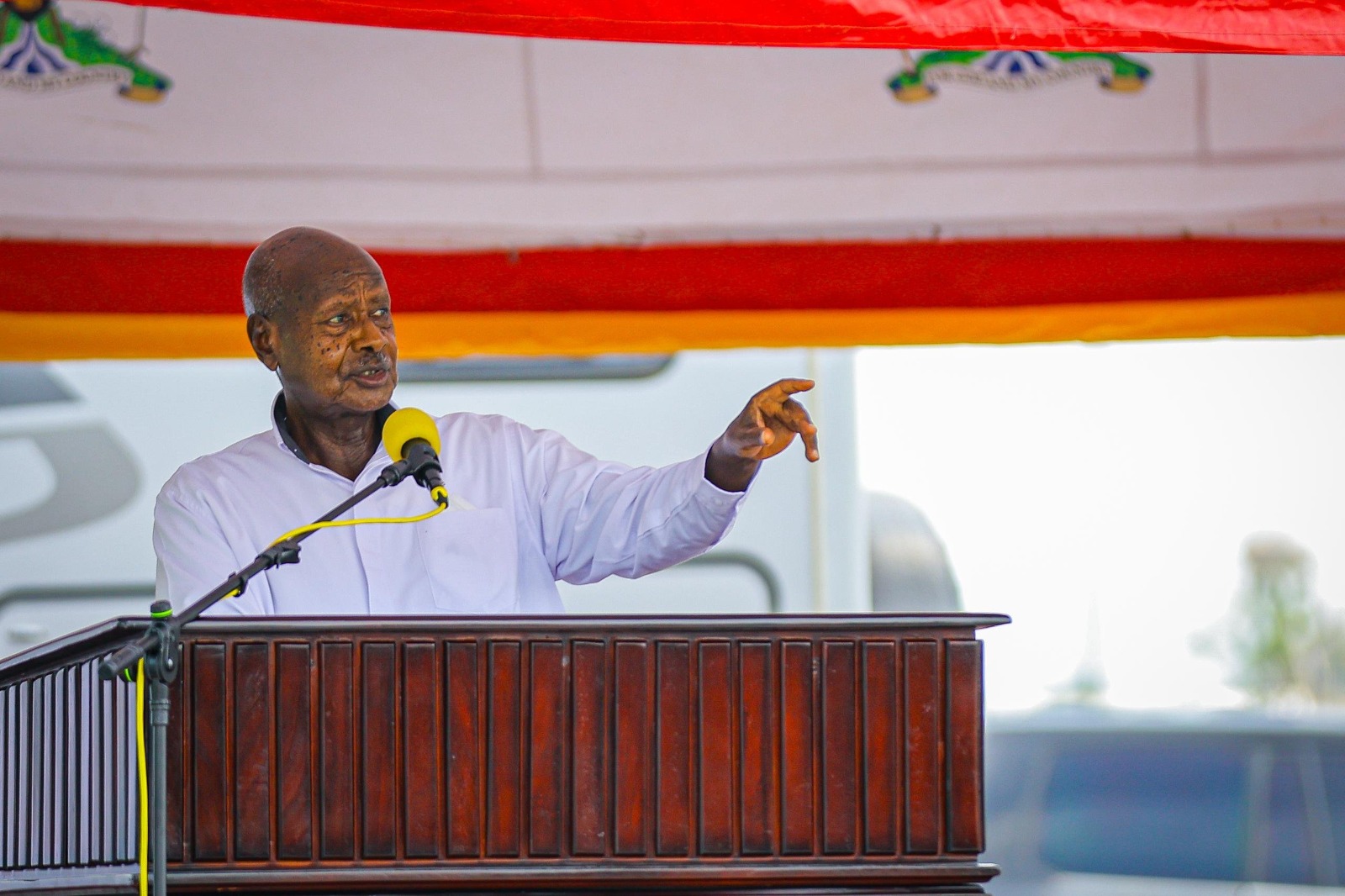
The name was unveiled during a ceremony at the Kingfisher Development Area in Kikuube District, where President Yoweri Kaguta Museveni used the occasion to emphasise that Uganda’s oil wealth must be managed carefully and invested in productive assets that will continue benefiting the country long after the oil fields are depleted.
The naming of the crude blend gives Uganda’s petroleum resource a distinct identity as the country moves closer to producing its first commercial barrel of oil.
President Museveni said Uganda must avoid the mistakes made by some African oil-producing countries, where petroleum wealth failed to translate into broad-based and sustainable economic development.
He said the country’s approach should be guided by long-term planning, with oil revenues used to strengthen the productive capacity of the economy rather than finance excessive consumption.
“The Bible says whatever man sows, that’s what he reaps. If you are planning for the country and you sow ignorance, you will have chaos,” Museveni said.
He linked the oil strategy to the National Resistance Movement’s 10-point programme, particularly the objective of building an independent and self-sustaining economy.
“We could not repeat the mistakes we have seen in other African countries,” he said.
Refinery Key To Oil Strategy
Museveni said Uganda’s decision to prioritise the development of an oil refinery was intended to ensure that the country captures greater value from its petroleum resources.
Rather than exporting crude and subsequently importing refined petroleum products, the President said Uganda should refine part of its crude locally, reducing transportation and transit costs while supporting industrialisation.
He put Uganda’s annual petroleum import bill at about $2 billion, arguing that domestic refining could help reduce the amount of foreign exchange spent importing petroleum products.
The refinery, he said, should therefore not be viewed simply as an oil-sector project but as part of a broader economic transformation strategy.
The President also stressed the importance of using associated gas generated during petroleum production instead of wasting it through flaring.
Gas from the Kingfisher development is expected to support power generation of about 80 megawatts, while other petroleum products will contribute to cooking and other domestic uses.
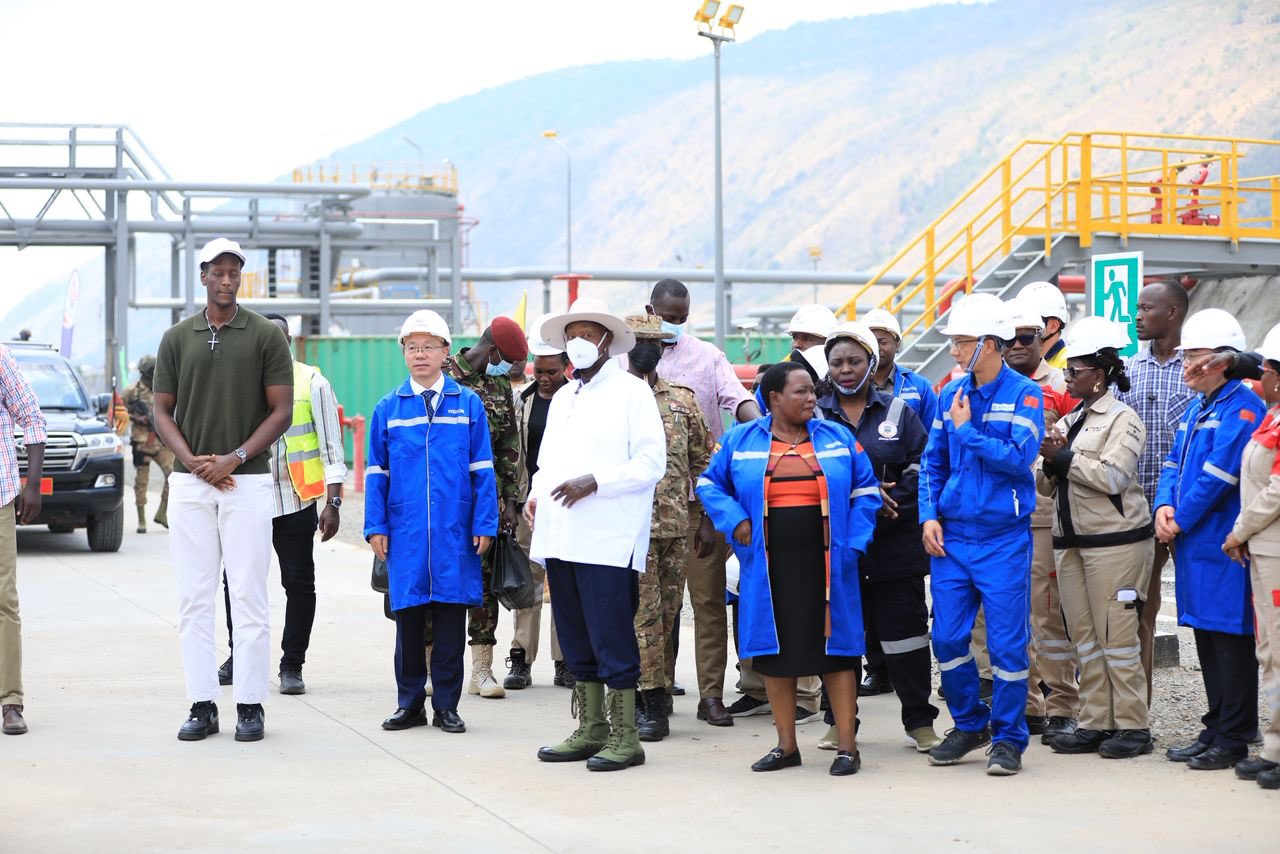
According to Museveni, using the different products generated along the petroleum value chain will enable Uganda to derive greater economic value from its finite resources while limiting environmental damage.
He said oil revenues should instead be channelled into investments such as electricity generation, transport infrastructure, railways, universities and other national assets.
“Oil is finite,” the President said in essence, warning that the country must use the temporary resource to create permanent productive capacity.
Kingfisher Nears First Oil
The naming of Pearl Sweet comes as Uganda’s major oil projects enter the final stages of preparation for commercial production.
Energy Ministry Permanent Secretary Irene Bateebe said the Kingfisher project is about 80% complete overall and approximately 98% ready for first oil, with commissioning and testing underway.
The Kingfisher field, operated by CNOOC Uganda, is expected to produce about 40,000 barrels of crude oil per day at peak production.
Bateebe said CNOOC Uganda and its joint venture partners have invested approximately $2.4 billion in the Kingfisher development.
She described the progress as a major step towards turning Uganda’s petroleum resources into a tangible contributor to economic transformation.
The much larger Tilenga project, operated by TotalEnergies, is also advancing towards production.
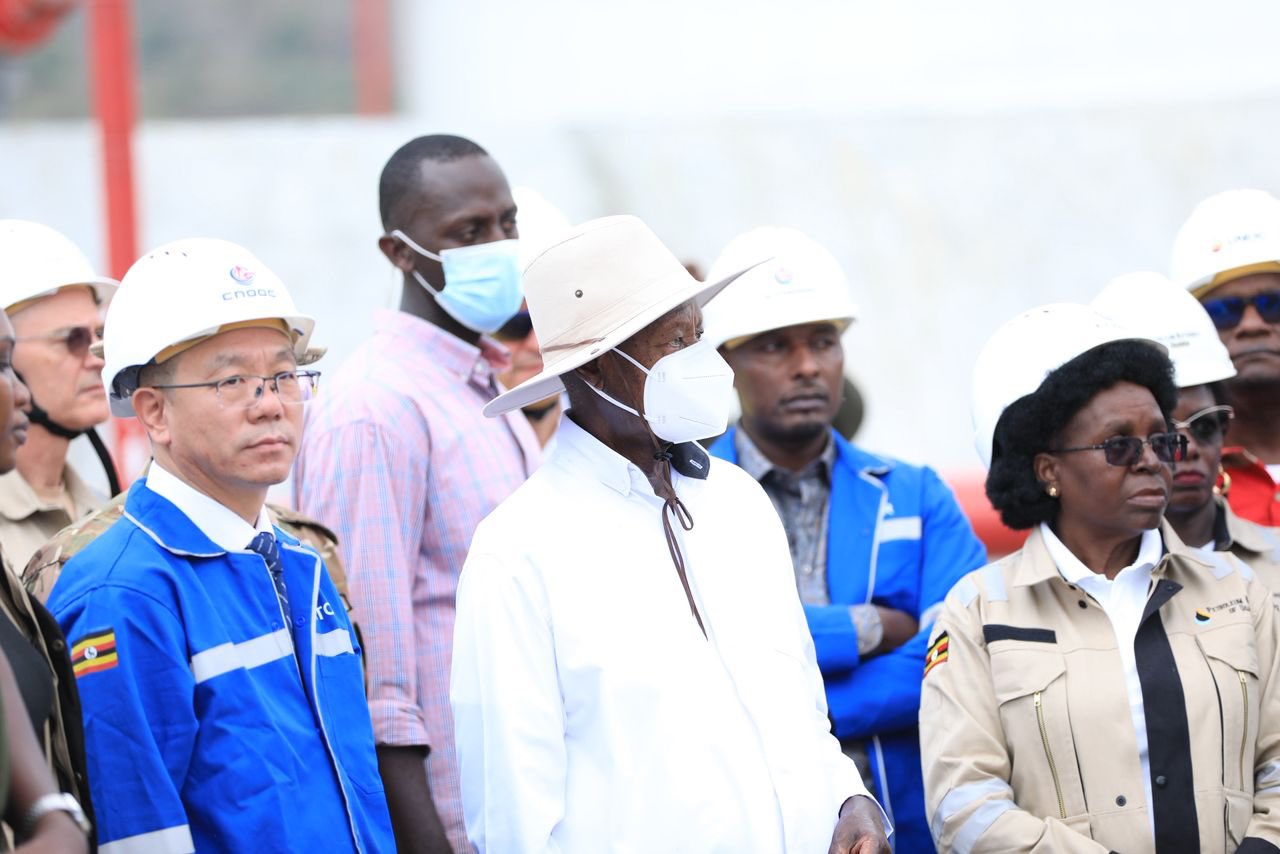
According to Bateebe, Tilenga is approximately four times the size of Kingfisher and is expected to produce about 190,000 barrels per day.
More than 210 wells had been drilled by July 2026, exceeding the minimum number required for first oil.
Together, the projects are expected to transform Uganda from a petroleum-importing country into a crude oil producer and potentially provide a new source of government revenues.
EACOP AT 92.7%
The success of Uganda’s oil strategy, however, depends not only on extracting crude but also on transporting it to international markets.
Bateebe said construction of the East African Crude Oil Pipeline (EACOP) had reached 92.7% completion.
The 1,443-kilometre heated pipeline will transport Uganda’s crude from the oil-producing areas in Hoima to the marine export terminal at Tanga in Tanzania.
She said the 47.5-kilometre feeder pipeline connecting Kingfisher to Pump Station One had already been laid and buried.
More than 1,200 kilometres of cumulative welding has also been completed on the main pipeline.
“Producing crude oil is only one part of the petroleum value chain. Uganda must be able to safely transport and commercialise its crude,” Bateebe said.
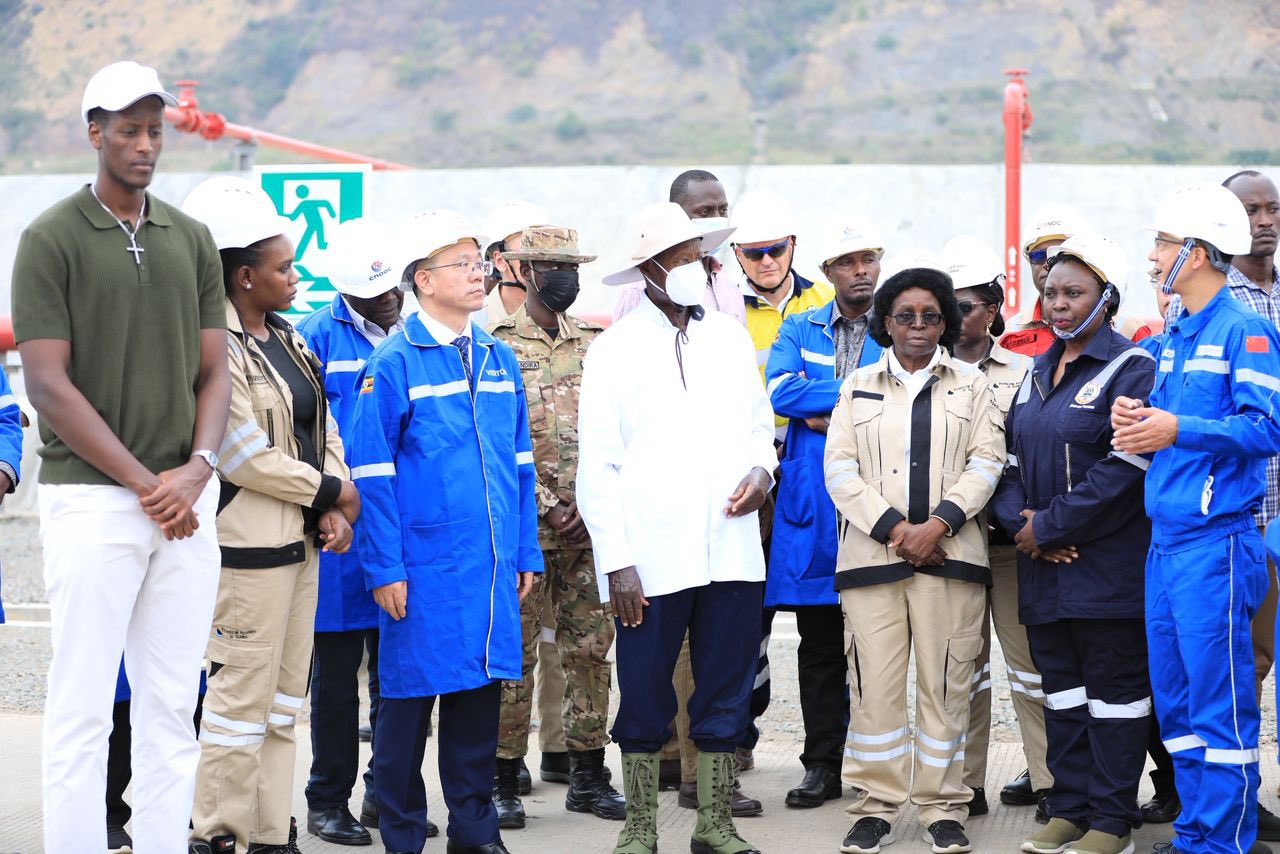
She described EACOP as strategically important because it will provide the route through which Uganda’s crude reaches international markets.
Kingfisher Facility Takes Shape
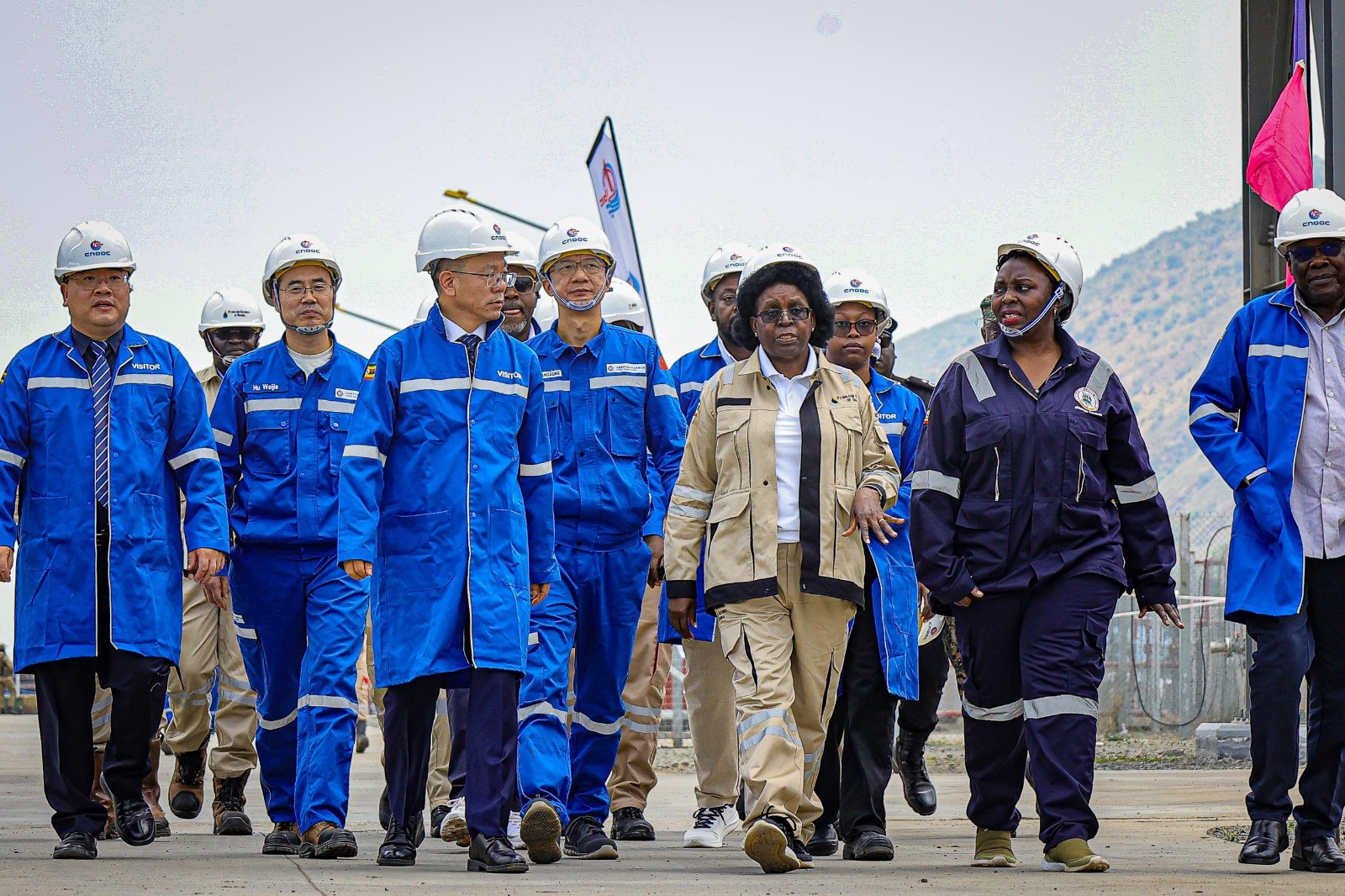
Mr Liu Xiangdong said the Central Processing Facility had reached mechanical completion by August 25, signalling that major construction, installation and pre-commissioning works had substantially been completed.
He said 22 of the planned 31 wells had been drilled, with some extending to depths of more than seven kilometres.
The Kingfisher field, he said, will have a production capacity of around 25,000 barrels per day in two months, which is expected to be sufficient to support commissioning of EACOP.
The figures underscore the speed with which the project is moving towards the production phase.
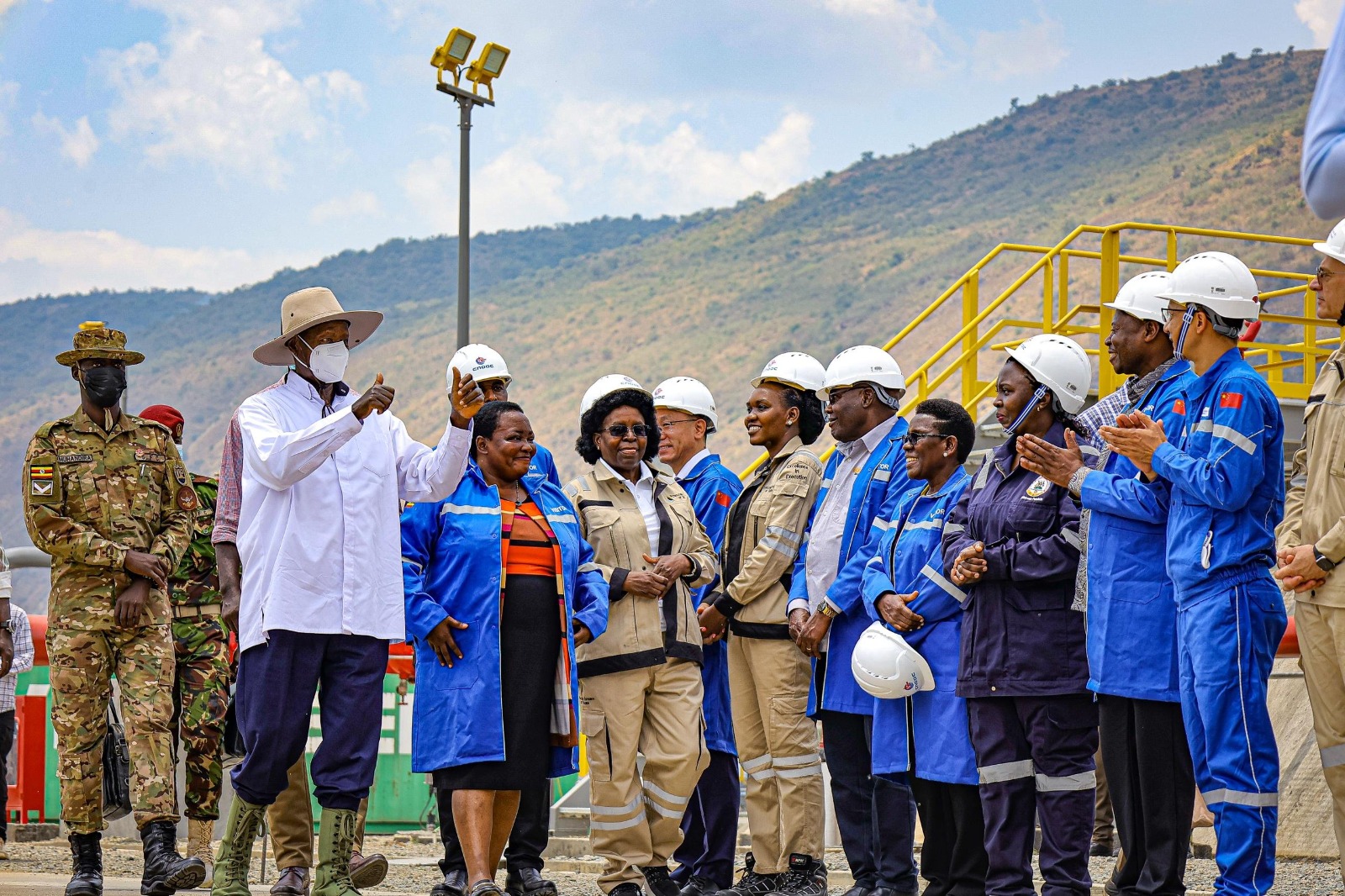
For Uganda, the transition from construction to production will also bring a new phase of managing petroleum revenues, environmental responsibilities and expectations from citizens.
Local Content And Jobs
Bateebe said the petroleum sector was already generating employment and business opportunities for Ugandans even before first oil.
More than 18,000 Ugandans are directly employed in the sector, including more than 5,000 people from communities hosting petroleum activities.
Ugandans occupy about 65% of management positions, 85% of technical positions and 99% of support positions, according to the ministry.
Ugandan companies have also received approximately $2.27 billion out of about $7 billion invested in the sector so far.
The figures, the ministry argues, demonstrate the importance of local content in ensuring that petroleum development creates opportunities beyond government revenues.
Looking Beyond First Oil
Museveni also urged the country to look beyond the first barrel, saying Uganda should continue exploring for additional petroleum resources.
The Government is preparing for exploration in the Moroto, Lake Kyoga and Hoima basins, with a third petroleum licensing round expected to be announced this year.
The President said the objective should be to ensure that Uganda’s first barrel of oil does not become its last.
For now, however, attention is focused on the transition from development to production and the international launch of Pearl Sweet.
The name represents more than a branding exercise. It comes at a point when Uganda is attempting to establish itself as a new player in the global crude oil market while ensuring that petroleum wealth contributes to industrialisation, infrastructure development, employment and human capital.
The challenge, as Museveni stressed during the ceremony, will be ensuring that the revenues from a finite resource are converted into lasting national wealth.
Uganda’s oil story, therefore, is entering a new chapter: from discovery and investment to production, export and revenue management. The success of that chapter will ultimately be measured not only by how much crude Pearl Sweet produces, but by what Uganda builds with the wealth it generates.
Author Profile

- Charles Gazza Kodili is a seasoned journalist with over 20 years of experience in the media industry. He holds a Bachelor of Arts degree in Mass Communication. He’s currently the Chief Editor at the Investigator.
Charles can also be reached via; Tel: +256 774 108978
Email: [email protected]
Latest entries
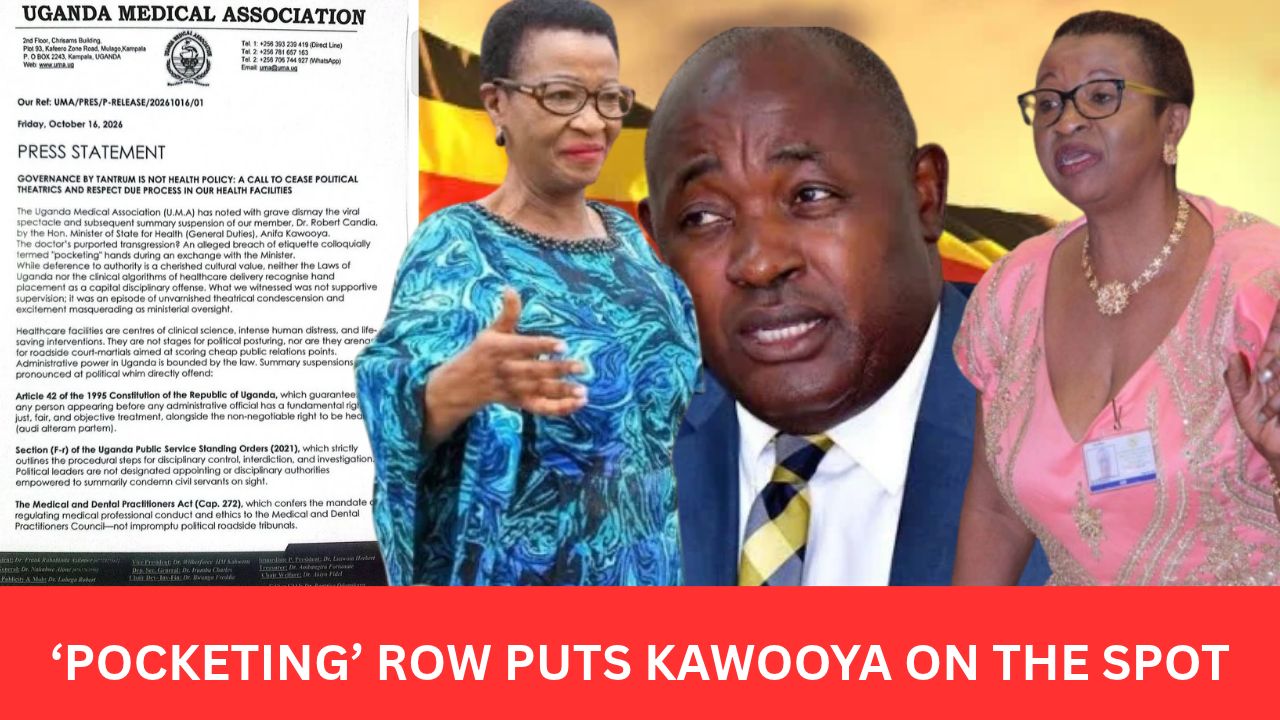 FeaturedOctober 16, 2026KAWOOYA UNDER FIRE AS MINISTRY DENIES DR CANDIA SUSPENSION: Health Ministry Says Arua Doctor Remains In Office After Minister Reportedly Ordered Him To Hand Over For “Pocketing”
 FeaturedOctober 14, 2026MATHEW BAGONZA BAIL DEAL DEALS A BLOW TO CDF GEN. MUHOOZI: Rwabwogo’s Camp Sees Relief After Weeks Of Confrontation, As Reported First Family Tensions Raise Questions About The CDF’s Fight With His Brother-In-Law
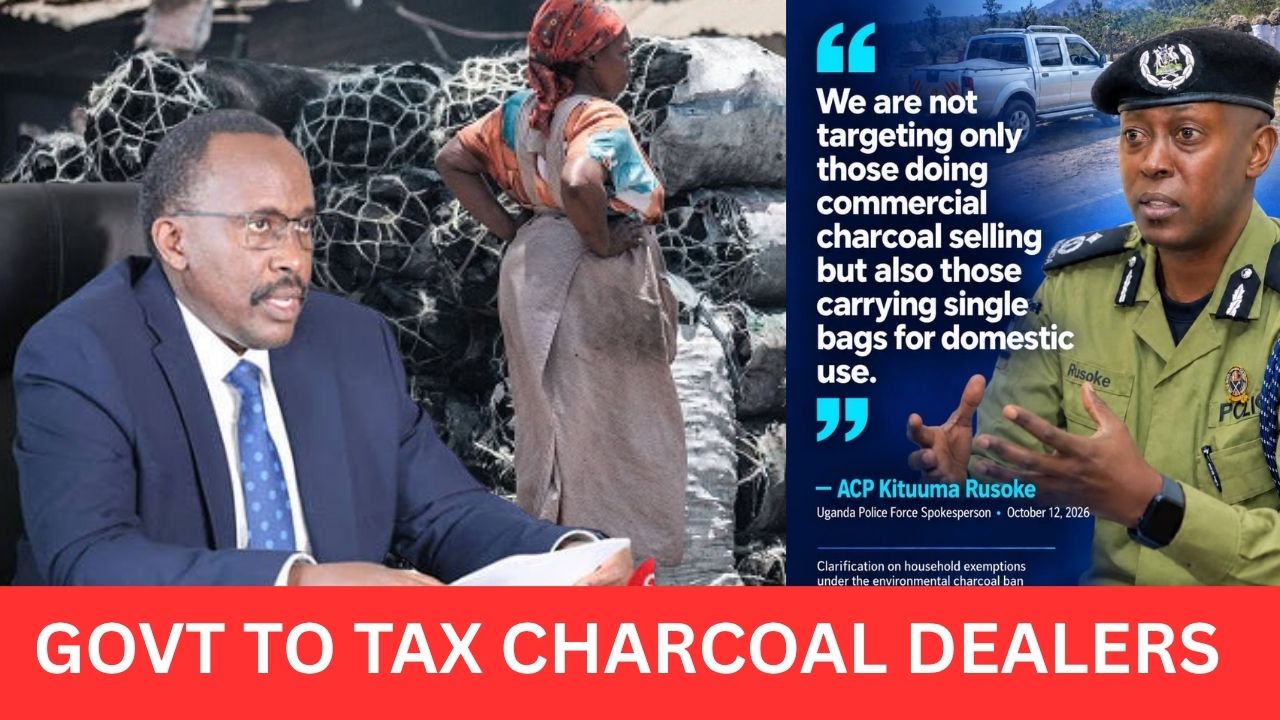 FeaturedOctober 14, 2026GOVERNMENT TO CASH IN ON CHARCOAL TRADE: Government Plans To Formalise The Charcoal Business Through Trade Licences, Taxation And Strict Monitoring Of Producers And Dealers
 FeaturedOctober 13, 2026‘PRODUCE SAM MUGUMYA NOW’ — SSENYONYI: LoP Tells Parliament Families Of Missing Ugandans Deserve Answers, Freedom And Justice As He Challenges Government Over The Opposition Activist’s Fate