








Ugandan-born football stars are reportedly considering early retirement from the national team following a controversial recruitment drive by the Federation of Uganda Football Associations (FUFA) to naturalise foreign-born players, in a development that threatens to deepen divisions within the Uganda Cranes camp.
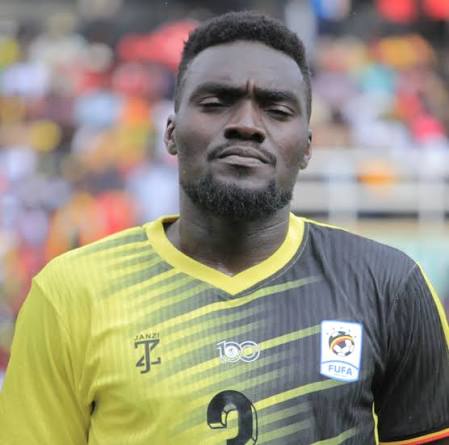
Former captain Khalid Aucho has become the most prominent player to announce his retirement from international football, bringing to an end a 13-year journey in which he represented Uganda on the continent’s biggest football stages, wore the national colours with pride and earned the trust of successive coaches and teammates.
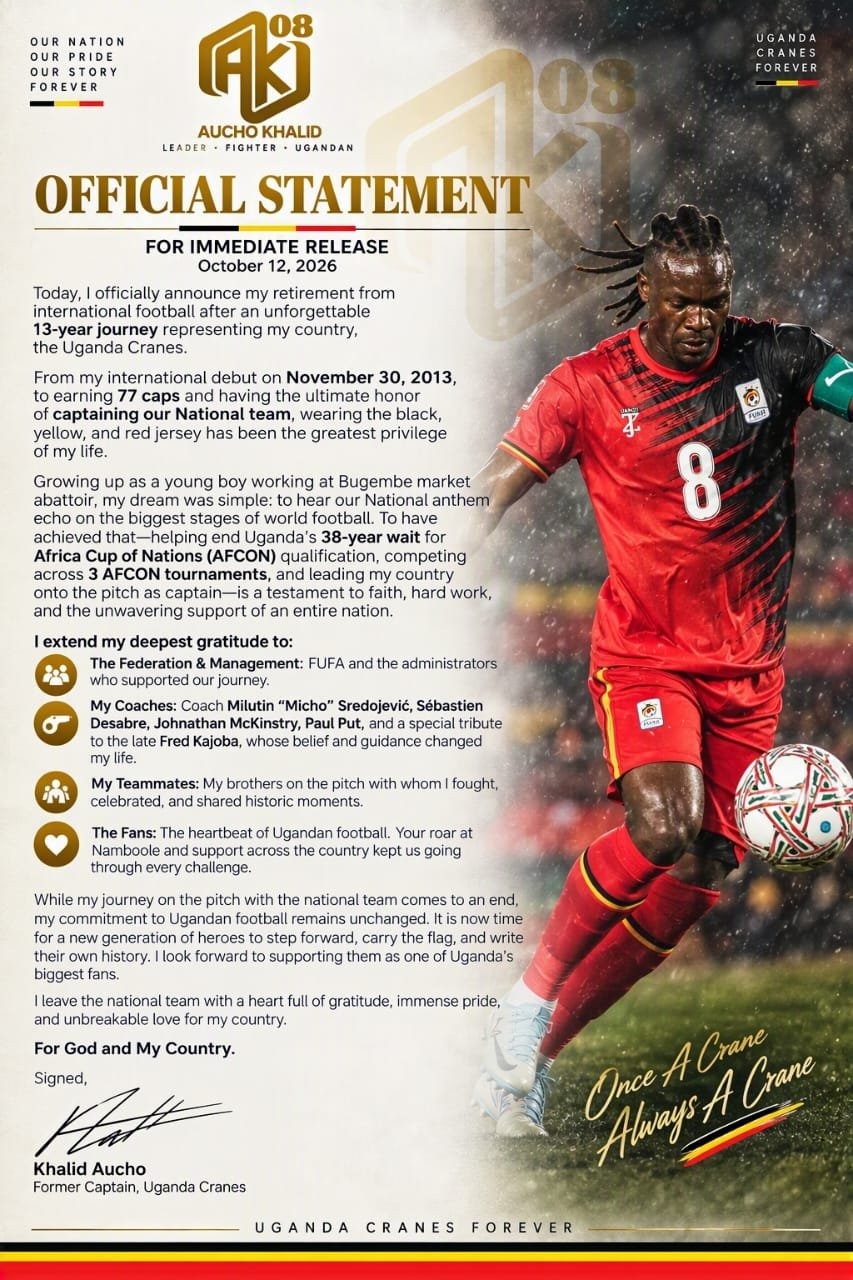
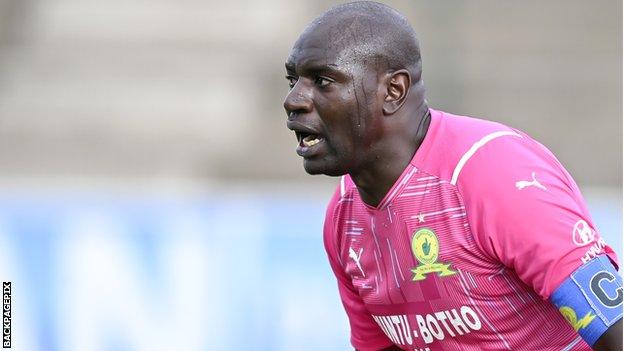 Aucho, whose retirement statement was released on October 12, 2026, said he was stepping away from international football after what he described as an unforgettable journey representing his country.
The announcement has, however, coincided with growing debate over FUFA president Moses Magogo’s reported plan to recruit and naturalise more than 20 foreign-born players, a strategy critics fear could sideline homegrown talent who have spent years building the national team.
Sources close to the departing captain told The Investigatorthat Aucho is not alone, with several established Cranes players reportedly contemplating similar decisions over what they perceive as a lack of appreciation for their service.
Among the players said to be considering stepping away are goalkeeper Salim Magoola, experienced left-back Joseph Ochaya, defender Timothy Denis Awany and industrious defender Aziz Kayondo.
Their reported frustration presents FUFA with a difficult balancing act: pursuing a more competitive national side while retaining the confidence of the players who have carried Uganda through years of qualification campaigns, international friendlies and continental tournaments.
The potential departures also raise a broader question about the future of Ugandan football: can a recruitment strategy intended to improve results succeed if it alienates the domestic talent on which the national team has depended?
Aucho’s 13-year journey ends
In his retirement statement, Aucho traced his international career to November 30, 2013, when he made his debut for Uganda.
Over the following years, the midfielder accumulated 77 caps and rose to become captain of the national team, earning a place among the experienced players entrusted with leading the Cranes through major assignments.
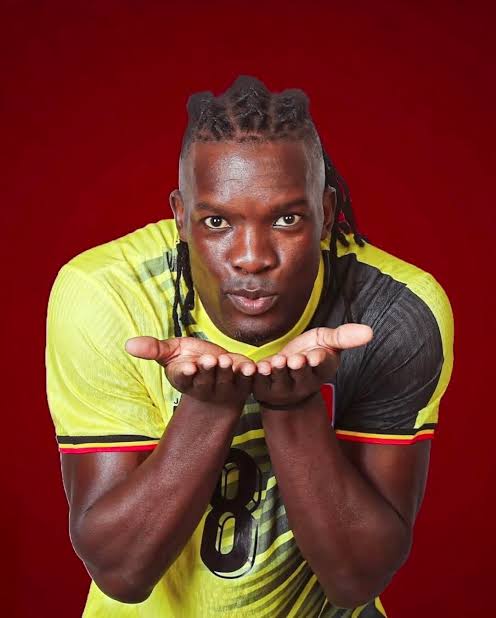
For Aucho, the journey was the fulfilment of a childhood dream. He recalled growing up while working at Bugembe market abattoir, dreaming of one day hearing Uganda’s national anthem played at the biggest stages of world football.
That dream eventually took him to three Africa Cup of Nations (AFCON) tournaments and placed him at the centre of Uganda’s long-awaited return to the continental competition after a 38-year absence.
His journey represented more than personal achievement. For supporters who followed the Cranes through difficult qualification campaigns, players such as Aucho embodied the patience and persistence required to rebuild Uganda’s football fortunes.
As captain, he carried the responsibility of leading teammates on and off the pitch, while his experience in international football provided an important reference point for younger players entering the national team.
In announcing his retirement, Aucho thanked FUFA, football administrators, his coaches, teammates and supporters for their contribution to his career.
He singled out coaches Milutin “Micho” Sredojević, Sébastien Desabre, Jonathan McKinstry and Paul Put for their roles in his development, while also paying tribute to the late Fred Kajoba, whose guidance he said had changed his life.
His appreciation extended to the fans whose support at Mandela National Stadium in Namboole and across the country sustained the team through difficult periods.
“While my journey on the pitch with the national team comes to an end, my commitment to Ugandan football remains unchanged,” Aucho said in his statement.
He called on a new generation of players to step forward, carry the national flag and write their own history.
“I leave the national team with a heart full of gratitude, immense pride, and unbreakable love for my country,” he added.
The message was a dignified farewell from a player whose career has been closely associated with Uganda’s efforts to establish itself among Africa’s competitive football nations.
 Yet the timing of his retirement has placed it at the centre of a wider argument about the direction of the national team.
Magogo’s naturalisation plan
Last week, Magogo reportedly announced that FUFA was in the final stages of recruiting more than 20 foreign-born players through a naturalisation programme intended to strengthen the Cranes.
The initiative, described by critics as the “BACUBA”project, has generated debate over whether Uganda should prioritise recruiting eligible players from abroad or concentrate on developing and rewarding talent nurtured in the country’s football system.
The first group of players recruited under the initiative has reportedly featured in matches involving Libya at Hoima Stadium and the Democratic Republic of Congo in South Africa.
The reported programme, said to be backed by President Yoweri Museveni with funding estimated at Shs1.5 billion, signals an ambitious attempt to improve the national team’s competitiveness.
Supporters of recruiting eligible players from abroad can argue that international football is increasingly competitive and that national federations must explore every lawful avenue available to improve their squads.
Naturalisation, however, does not automatically guarantee success. New arrivals must adapt to the team’s tactical system, develop relationships with their teammates and demonstrate that they can deliver results under competitive pressure.
For players who have spent years representing Uganda, the more immediate concern is whether the recruitment drive will reduce their opportunities, diminish their standing or render their experience less valuable in the eyes of the federation.
Sources close to Aucho told The Investigatorthat established players feel betrayed by the direction of the project and the treatment they believe they have received after years of service.
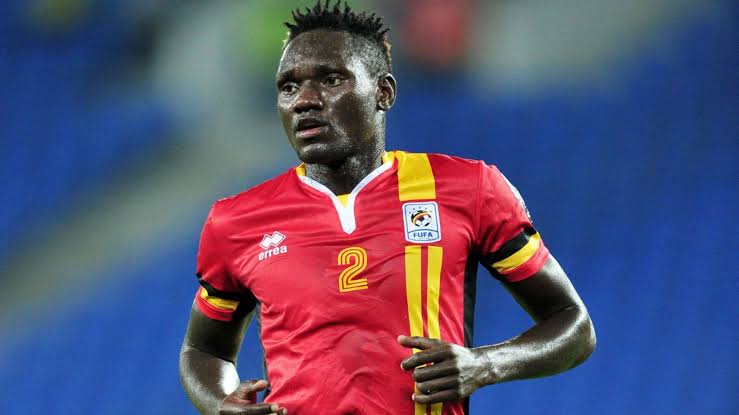 “The Ugandan-born stars feel betrayed by FUFA and the government. Other than stay on under looked, they have decided to retire and, by the way, they wish the federation all the best,” a source close to Aucho said.
The timing has fuelled speculation that Aucho’s departure could be the beginning of a larger dispute over player selection, national identity and the future composition of the Cranes.
Homegrown stars fear being sidelined
The reported list of players contemplating retirement contains several footballers who have accumulated significant experience in Uganda’s national setup.
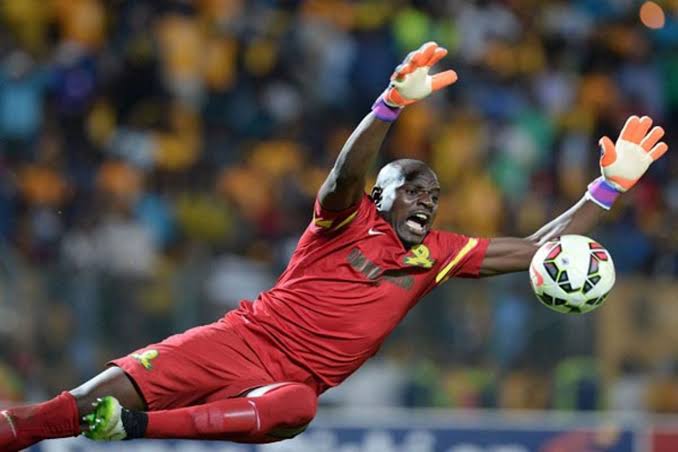
Goalkeeper Salim Magoola has been part of the pool of players relied upon to compete for the national team’s goalkeeping position. His potential departure would create another selection challenge for the technical team.
Joseph Ochaya, an experienced left-back, has offered defensive experience and familiarity with the demands of international football. Timothy Denis Awany has also featured among the defenders associated with the national side, while Aziz Kayondo represents the generation expected to contribute to Uganda’s future.
If the reports are confirmed, losing several players in a short period could force the technical team to rebuild important parts of the squad while simultaneously integrating new recruits.
The danger is not simply losing individual players. International football depends on continuity, communication and an understanding of how teammates react under pressure. Experienced players often provide that foundation, particularly during difficult away fixtures and high-stakes qualification matches.
A sudden change in the squad could therefore create challenges even if the incoming players possess the technical ability required to compete.
At the same time, the naturalisation debate should not be reduced to a simple contest between foreign-born and Uganda-born footballers. Eligibility, commitment, performance and fair competition must remain central to selection decisions.
Players born outside Uganda who meet the applicable nationality and football eligibility requirements can contribute meaningfully to the national team. The question for FUFA is how to integrate such players without undermining confidence among those already serving the country.
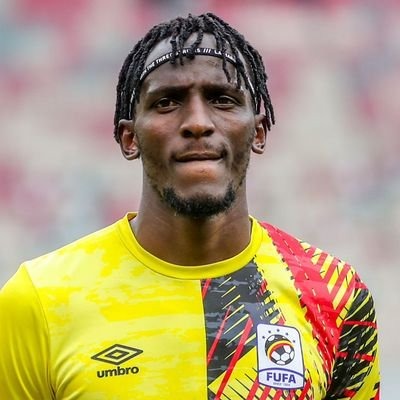
The federation must also communicate clearly about selection criteria, the purpose of the programme and the opportunities available to existing players. Without transparency, even a well-intentioned recruitment strategy risks being interpreted as a vote of no confidence in the domestic football system.
Bebe Cool salutes departing captain
Aucho’s announcement has attracted tributes from Ugandans who view his retirement as the end of an important chapter in the country’s football history.
Singer and prominent football supporter Bebe Cool was among those who publicly celebrated the midfielder’s contribution to the national team.
In a message shared on social media, Bebe Cool thanked Aucho for his dedication, discipline, leadership and passion while representing the Cranes.
“Your contribution to our country’s football journey will always be appreciated, and your legacy will continue to inspire the next generation of Ugandan footballers,” Bebe Cool said.
He added: “Once a Cranes captain, always a legend!”
The singer also praised Aucho for wearing the national jersey with pride and helping bring hope, unity and inspiration to Ugandans. “Webale nnyo, Captain! Uganda celebrates you,” he wrote.
Bebe Cool’s message reflected the appreciation that many supporters have for established players whose careers have been intertwined with the country’s football ambitions.
For supporters, the retirement of a captain is not merely a change in the squad. It is the departure of a player who has represented the country through different generations of coaches, teammates and football administrators.
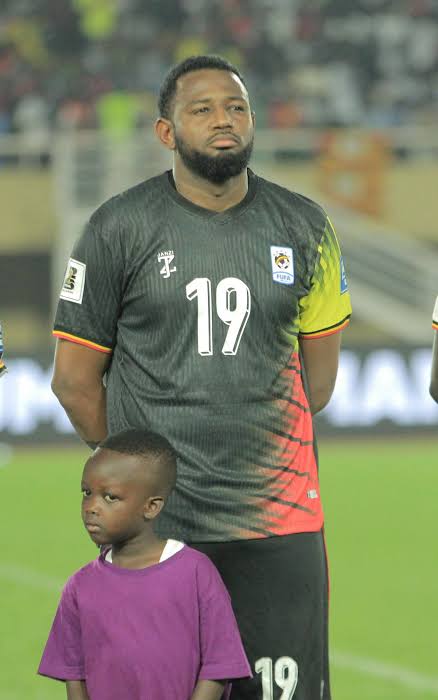
Aucho’s record of 77 appearances, three AFCON tournaments and service as captain provides a measure of the experience Uganda will lose as it seeks to strengthen its international standing.
His decision also places pressure on FUFA to explain how the naturalisation programme will complement the existing team rather than create unnecessary divisions.
The question of loyalty and reward
At the heart of the controversy is a question that extends beyond football tactics: how should a country reward players who have dedicated years of their careers to its national team?
Representing a national side comes with privileges, but it also requires sacrifices. Players surrender time with their families, travel extensively and face criticism whenever results fall below public expectations.
For senior players, the opportunity to captain their country is often the highest recognition of their commitment.
Aucho’s retirement statement did not directly accuse Magogo, FUFA or the government of forcing him out. Instead, he focused on gratitude, national pride and the need for younger players to take responsibility for the team’s future.
However, reports from sources close to him have connected his decision to dissatisfaction surrounding the recruitment drive.
That distinction matters. The captain’s public statement provides the clearest account of his decision, while claims that other players are preparing to retire require confirmation from the individuals concerned.
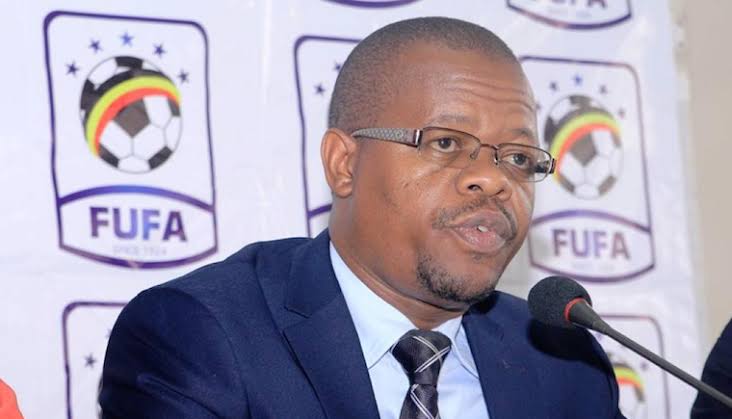 FUFA, for its part, faces the challenge of convincing established players that international recruitment will not automatically displace them regardless of their performance.
Selection must ultimately be based on merit. A player who performs consistently should have an opportunity to compete for a place, whether born in Uganda or abroad, provided all eligibility requirements are met.
Equally, players who have spent years representing Uganda should not be made to feel that their service counts for nothing simply because the federation has identified a new recruitment strategy.
If the reported discontent spreads, the consequences could extend beyond the senior national team. Young players in local academies and domestic clubs may question whether sustained development and strong performances are enough to earn them opportunities with the Cranes.
That would be an unfortunate message for a country seeking to develop a sustainable football system.
A defining moment for FUFA
Magogo and his administration now face a delicate task of managing expectations while pursuing their ambition to make Uganda more competitive internationally.
The naturalisation initiative will eventually be judged by the quality of the football it produces, the results achieved and its contribution to the long-term development of the national side.
But results alone may not settle the controversy if the process creates lasting divisions within the squad.
The federation needs to explain the objectives of the programme, the criteria for identifying recruits and the role existing players will play in the team’s future.
It must also distinguish between recruiting additional eligible talent and replacing players who remain capable of contributing.
A national team requires competition for places, but competition is most effective when players understand the rules and believe that selection decisions are fair.
The government and FUFA must also consider the wider investment in local football. Uganda’s clubs, schools, academies and grassroots programmes provide the foundation from which many national team players emerge.
A recruitment programme that brings in additional talent should strengthen that foundation, not become a substitute for investing in the development of Ugandan-born players.
There is also a practical consideration. International recruits may improve the depth of a squad, but team cohesion takes time to build. Established players can help newcomers understand the expectations associated with wearing the national colours.
Losing several experienced players during a transition could therefore undermine some of the very benefits the recruitment initiative is intended to deliver.
For this reason, FUFA’s response to the reported concerns will be as important as the identities of the incoming players.
The end of an era?
Aucho leaves the Cranes with a record of service that cannot be erased by changes in recruitment policy.
From his international debut in November 2013 to his time as captain, he was part of the generation that carried Uganda through a period of renewed continental ambition.
His appearance at three AFCON tournaments and his role in the national team made him one of the experienced figures upon whom Uganda relied during its international assignments.
His farewell also contains a message for the future. By calling on a new generation to carry the flag, Aucho has acknowledged that national teams must evolve and make room for fresh talent.
The challenge is ensuring that such change does not come at the cost of unnecessary resentment or the loss of players who still have something to offer.
Whether Magoola, Ochaya, Awany, Kayondo and other established players will follow the former captain remains to be seen. Their reported intentions should not be treated as confirmed retirements until they make their own announcements.
 For now, Aucho’s departure has opened a difficult conversation about the balance between national identity, football eligibility, recruitment and loyalty.
Uganda has every reason to seek a stronger Cranes side capable of competing consistently on the African stage. But the pursuit of better results must be accompanied by a clear plan for the players already wearing the national colours.
The coming months will reveal whether the naturalisation programme can unite experienced homegrown players and new recruits behind a common goal, or whether the controversy will leave the team facing a more difficult rebuilding exercise.
For Aucho, the decision is made. He has thanked his coaches, teammates, administrators and supporters and says his commitment to Ugandan football remains unchanged.
His words, “For God and My Country,” provide a fitting closing line to a career built around representing Uganda.
But for FUFA, his retirement may be the beginning of a much larger test: proving that the drive to improve the Cranes can succeed without making the players who served the country feel forgotten.
Author Profile
- Charles Gazza Kodili is a seasoned journalist with over 20 years of experience in the media industry. He holds a Bachelor of Arts degree in Mass Communication. He’s currently the Chief Editor at the Investigator.
Charles can also be reached via; Tel: +256 774 108978
Email: [email protected]
Latest entries
 FeaturedOctober 12, 2026MAGOGO’S FOREIGNERS DRIVE OUT CRANES LEGENDS: Cranes Captain Khalid Aucho’s Retirement Sparks Fears Of An Exodus As Established Ugandan-Born Players Reportedly Consider Quitting The National Team
 FeaturedOctober 12, 2026HONORARY COLONEL, MAJOR GENERAL: KABANDA CHALLENGES OTAFIIRE: PLU’s Daudi Kabanda Questions Kahinda Otafiire’s Military Training, Bush War Role And Rise To Major General, Prompting A Forceful Defence From The Retired Officer’s Son
 FeaturedOctober 10, 2026MUHOOZI UNDER FIRE OVER DEATH THREATS New York Times article puts Muhoozi’s human rights record under fresh scrutiny as UPDF cries foul
 FeaturedOctober 9, 2026UGANDA ECONOMY TO HIT $73.96B: President Museveni Cites Decades Of Economic Growth As He Receives A Top National Honour During The 64th Independence Anniversary Celebrations At State House, Entebbe