









Uganda’s controversial digital number plate project has suffered its biggest legal blow yet, with Attorney General Dr Sam Mayanja telling Parliament that the agreement with Russian firm Joint Stock Company Global Security (JSCGS) is null, void and incapable of binding the Ugandan Government.
The stunning legal opinion has thrown into question a project that has already consumed years of government attention, forced motorists to pay hundreds of thousands of shillings for new plates and generated fierce political and parliamentary controversy.
Appearing before Parliament’s Committee on Physical Infrastructure, chaired by Mwine Mpaka, the Attorney General said fundamental legal and contractual conditions were never fulfilled.
“There are those things which go to the fundamentals of the contract itself which don’t exist here,” Dr Mayanja told MPs. “I think I would go ahead and say, as Attorney General, I see no contract here to comment on. There’s no contract which binds the State of Uganda because none of the conditions which go to the root of the matter have been fulfilled.”
His statement potentially turns the entire digital number plate saga on its head. For years, government has treated the agreement signed in July 2021 as a valid arrangement under which JSCGS would establish and operate the Intelligent Transport Monitoring System (ITMS), including digital number plates and vehicle-tracking technology.
But the Government’s principal legal adviser now says the agreement does not legally bind the State. The implications are enormous.
How The Deal Was Born
The digital number plate project dates back to President Yoweri Museveni’s security concerns over murders, kidnappings and criminal activity involving vehicles and motorcycles.
The project gathered momentum after the June 2021 attempted assassination of then Works and Transport Minister Gen Edward Katumba Wamala.
Security Minister Maj Gen (Rtd) Jim Muhwezi subsequently announced that Cabinet had approved the installation of tracking devices in vehicles and motorcycles.
A 10-year agreement with JSCGS was eventually signed on July 23, 2021. The Government was represented by the Office of the President and the Ministry of Works and Transport, while JSCGS signed on behalf of the Russian side.
Muhwezi became the public face of the project and defended the arrangement before Parliament.
He told MPs that the project was not a personal initiative, saying President Museveni had directed him on June 13, 2021 to move quickly.
Muhwezi also said the procurement process had started years before he became Security Minister and that government had conducted due diligence on the Russian company as early as December 2018.
The Attorney General at the time, William Kiryowa Kiwanuka, reportedly said his office had cleared the agreement. Muhwezi also maintained that the procurement had been done within the law and had received clearance from the Solicitor General. That assurance is now one of the issues likely to attract renewed parliamentary scrutiny.
Otafiire’s Warning
But even as the project was being pushed forward, there was a senior government official who was deeply uncomfortable with the arrangement. That was then Internal Affairs Minister Maj Gen (Rtd) Kahinda Otafiire.
Otafiire who is the current Minister of Water and Environment told Parliament in 2023 that he had written directly to President Museveni warning him about the project and proposing an alternative arrangement.
His concern was not simply about the technology. He questioned why Uganda should abandon local number plate manufacturers and instead import plates from abroad when the same technology could potentially be incorporated into locally manufactured plates.
“I wrote that the Russian company can work with the current manufacturers of number plates in Uganda and explore the possibility of putting their chips on the number plates in Uganda,” Otafiire told MPs.
He said shutting down local manufacturers in favour of imported plates would be insensitive and inconsistent with Uganda’s local manufacturing ambitions. More troublingly, Otafiire said he never received a response from the President.
He suspected that his communication might never have reached Museveni. “I never received a reply,” he said, adding that he doubted whether the President had received the communication.
The revelation created one of the most intriguing questions surrounding the project: who stood between a senior Cabinet minister and the President?
While there is no established evidence that a specific individual deliberately hid Otafiire’s letter, the minister’s account has fuelled allegations of an internal network of officials who may have controlled information reaching the President.
Any suggestion that a “mafia” deliberately intercepted the letter therefore remains an allegation requiring evidence and should not be treated as an established fact.
The Contractual Red Flags
The parliamentary inquiry has now exposed a string of apparent compliance gaps. Among the issues raised before the committee are the absence of a proper feasibility study, questions about value-for-money assessment, lack of clearance relating to financial commitments and contingent liabilities, and questions surrounding the project’s revenue-sharing arrangements.
The committee has also questioned how the Shs714,300 charge imposed on motorists was arrived at.
The controversy deepened after Parliament’s CID arrested two officials—Nathan Negesa, attached to the Office of the President, and Moses Bekabye, a Ministry of Finance official—following their appearance before the committee.
Negesa was unable to provide MPs with a satisfactory breakdown of the Shs714,300 charge. A breakdown subsequently presented to MPs reportedly accounted for Shs624,000, leaving Shs90,300 unexplained.
The arrests have transformed what initially appeared to be an administrative dispute into a potentially wider accountability investigation.
who approved what?
The emerging picture shows a chain of responsibility involving several institutions. President Museveni provided the political direction for the vehicle-tracking initiative. The Security Ministry, under Muhwezi, became central to implementation.
The Office of the President and the Ministry of Works and Transport were signatories to the agreement. JSCGS became the private contractor. The Attorney General’s office provided legal advice under the previous Attorney General.
And several government agencies were subsequently drawn into implementation, including security, transport, finance and other institutions.
Yet the latest legal opinion raises the fundamental question of whether the contractual foundation on which all these activities rested was legally sound in the first place.
The Money Question
The financial structure is another explosive component. Government had repeatedly explained that it would not directly finance the project upfront because JSCGS would invest and recover its money over the life of the 10-year agreement.
Muhwezi said the company would put in its money and recover it over the period, with the Ministry of Finance involved in developing the financial model.
Earlier reports also showed a controversial revenue-sharing arrangement under which the contractor would receive a large share of penalties during the initial years before government’s share increased later.
The Attorney General’s latest position raises a fundamental question: how could a private company be permitted to derive revenue from an arrangement that may itself have violated Ugandan law? That is now one of the central issues for Parliament.
Security Benefits Under Question
Muhwezi has continued to defend the security value of the system. Appearing before MPs on September 30, he said the tracking system was working and had helped security agencies recover stolen vehicles.
But MPs have demanded evidence that the technology being used justifies the enormous cost imposed on motorists.
Manufacturers have also complained about the foreign company’s monopoly, while the Uganda Manufacturers Association has argued that the arrangement contributed to delays, high costs and disruption of local businesses. The project has also faced repeated delays in issuing plates.
The Big Question
The digital number plate saga has therefore moved far beyond a dispute over the price of a number plate.
It is now a question about how government contracts are approved, who provides legal and financial oversight, whether Cabinet decisions are properly documented and whether officials can proceed with projects before fundamental statutory requirements are met.
It is also a question about accountability. If the Attorney General is correct that there is no legally binding contract, Parliament must now establish who authorised implementation, who approved expenditure, who negotiated the financial model, who cleared the procurement and why warnings from senior officials were not acted upon.
Most importantly, government must explain what happens next to the millions of Ugandans who have already paid for the digital plates.
The parliamentary committee is expected to summon more officials involved in the original procurement and has also arranged to engage President Museveni through the Office of the Speaker.
The digital number plate project was sold to Ugandans as a revolutionary security tool designed to make it easier to track criminals and stolen vehicles.
Five years later, the project has become a test of something much bigger: whether Uganda’s procurement, legal and accountability systems can prevent a multi-billion-shilling government venture from being implemented on a contract that the Attorney General now says does not legally exist.
Author Profile
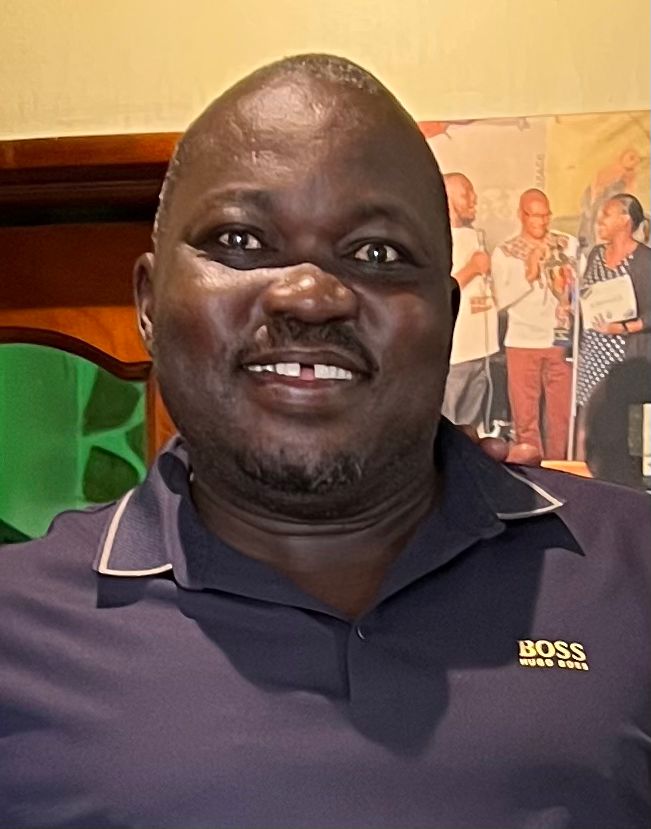
- Charles Gazza Kodili is a seasoned journalist with over 20 years of experience in the media industry. He holds a Bachelor of Arts degree in Mass Communication. He’s currently the Chief Editor at the Investigator.
Charles can also be reached via; Tel: +256 774 108978
Email: [email protected]
Latest entries
 FeaturedOctober 7, 2026DIGITAL NUMBER PLATE SCANDAL: No Feasibility Study. No Financial Clearance. No Proper Value-For-Money Assessment. Parliament Now Wants Answers Over Who Authorised The Troubled Digital Number Plate Venture
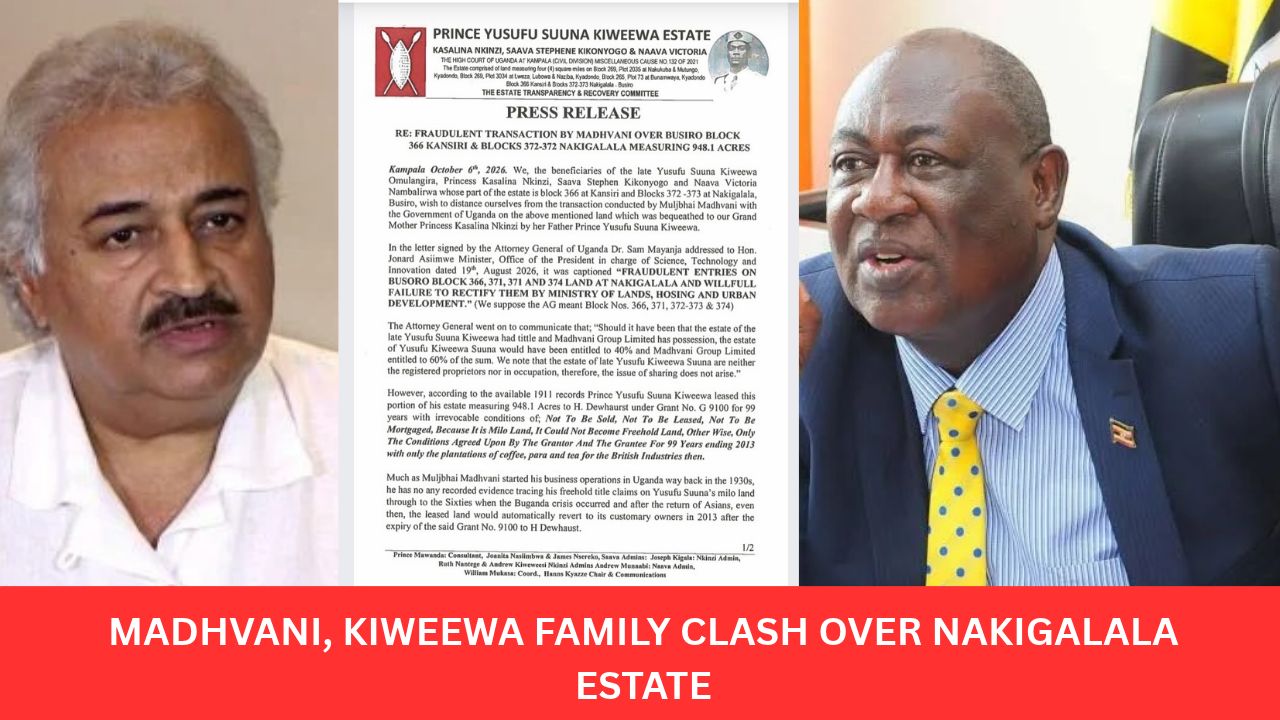 FeaturedOctober 7, 2026MADHVANI ON SPOT OVER A LAND BATTLE WITH PRINCE KIWEEWA FAMILY: Family Challenges UGX170b Government Deal, Says 948-Acre Estate Was Buganda `Milo Land` That Should Have Reverted To Customary Owners In 2013
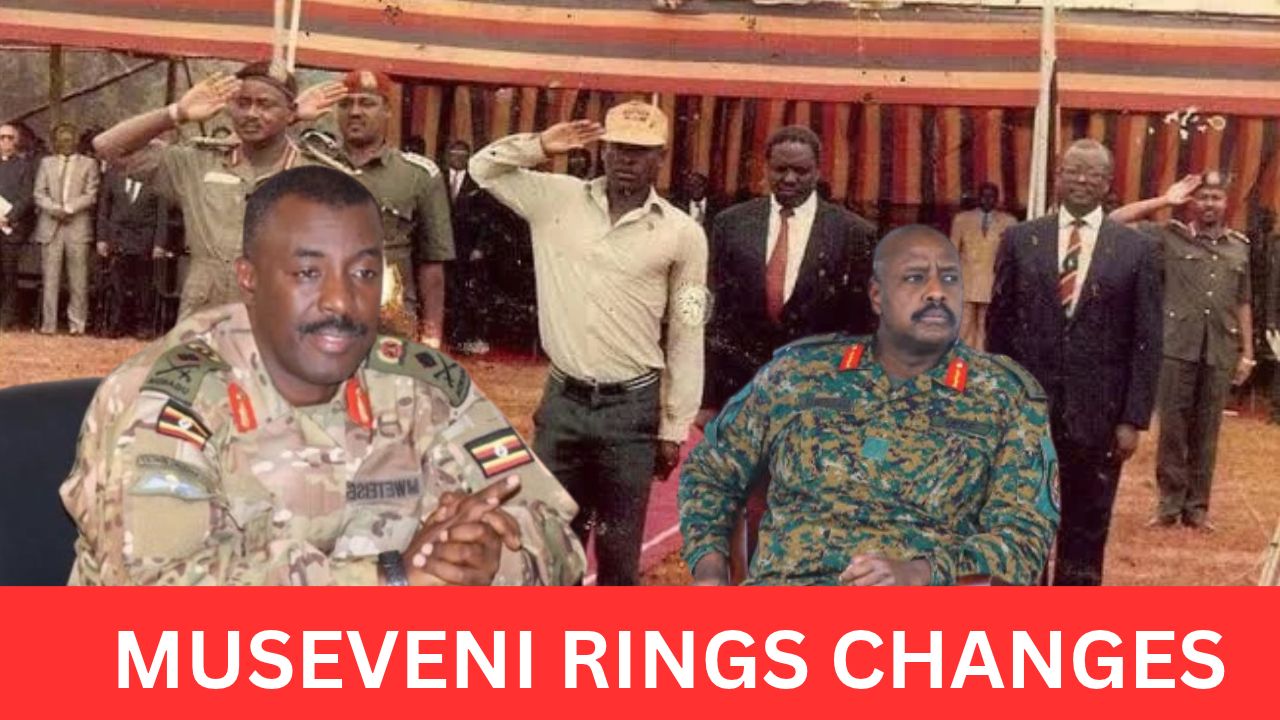 FeaturedOctober 6, 2026OF WHY IS MUSEVENI CHANGING HIS INNER SECURITY RING: Intelligence Alerts, Changing Threats and Presidential Discretion Behind Quiet Reshuffle of the Men and Women Closest to the Commander-in-Chief
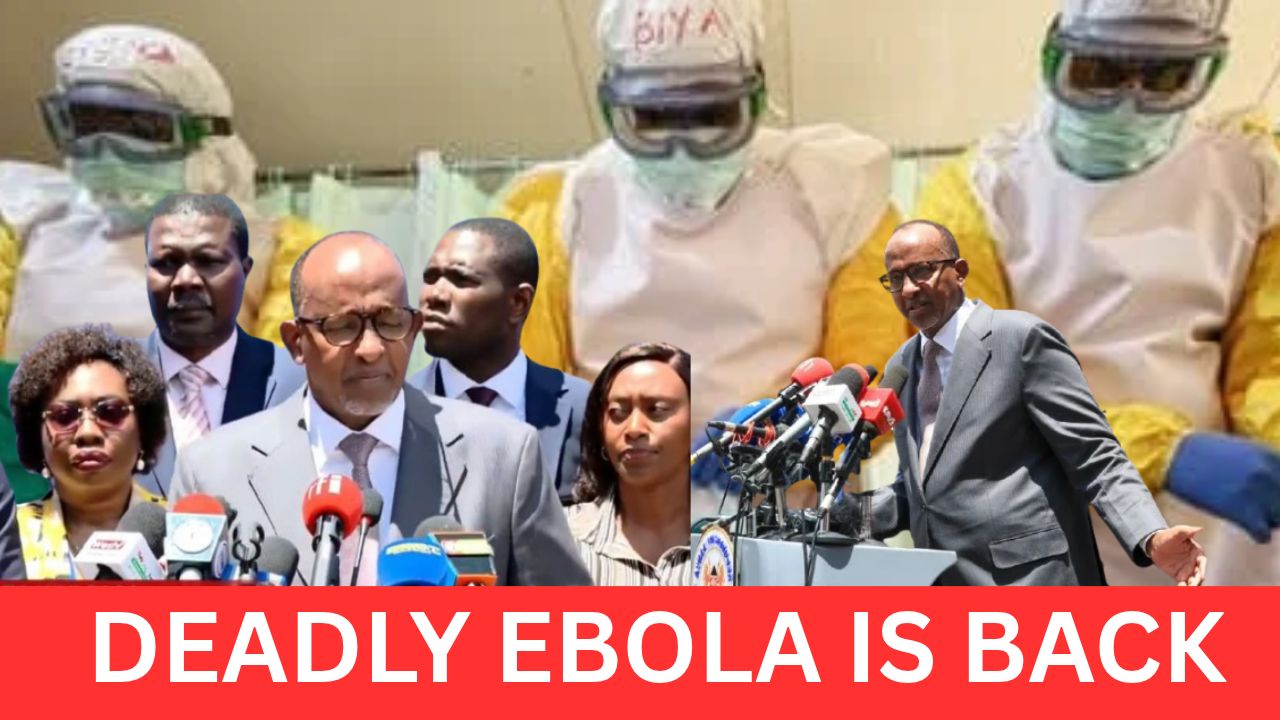 FeaturedOctober 6, 2026VIRUS CROSSES BORDERS: The Patient Travelled By Road From The DRC To Kampala Before Flying To Nairobi. Kenyan Authorities Are Tracing 28 Contacts And 23 Passengers And Crew, While Uganda Faces Renewed Scrutiny Despite Being Declared Ebola-Free By WHO