










A public exchange between Daudi Kabanda, the head of the office of Chairman Patriotic League Of Uganda (PLU), and Che Otafiire, son of veteran politician and retired army officer Maj Gen (Rtd) Kahinda Otafiire, has reopened debate over military ranks, the history of the National Resistance Army (NRA) and who deserves recognition for participating in Uganda’s liberation struggles.
What began with a seemingly light-hearted post by Kabanda demanding an honorary military rank has escalated into a personal and historical dispute, with the two sides trading accusations over Otafiire’s military training, battlefield responsibilities, promotions and place in the early NRA command structure.
At the centre of the controversy is a distinction that is often blurred in Uganda’s political discussions: the difference between receiving an honorary rank, holding a substantive military commission and having participated in a liberation struggle.
The dispute also raises broader questions about how Uganda documents its military history, how former combatants are recognised and whether social media arguments between politically connected figures are helping the public understand the past or turning it into another arena for personal rivalry.
The Investigator recently reported on the controversy surrounding Otafiire’s military rank, adding to the scrutiny of the circumstances under which some early NRA officers received their ranks. The latest exchange has taken that debate beyond the original report, bringing the general’s son directly into the argument.
The post that triggered the exchange
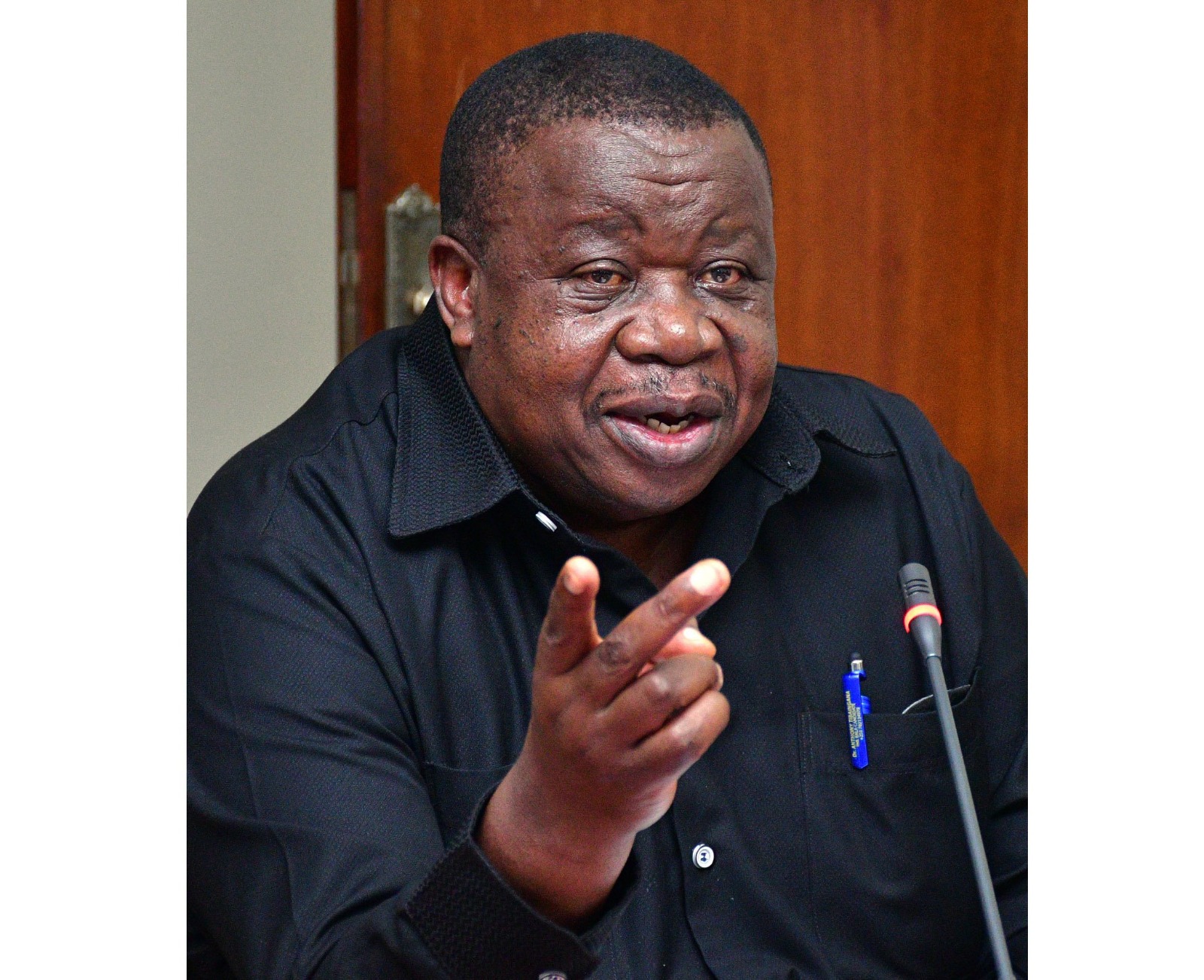
Kabanda fired the first shot at the Otafiire family on October 10, when he posted on X: “I also want a honorary rank. Brig. Daudi Kabanda (Honorary).”
Although brief, the post carried an apparent jab at the practice of awarding honorary military ranks and the circumstances surrounding the rank of Colonel held by Otafiire in 1987, when formal ranks were being assigned to commanders of the National Resistance Army.
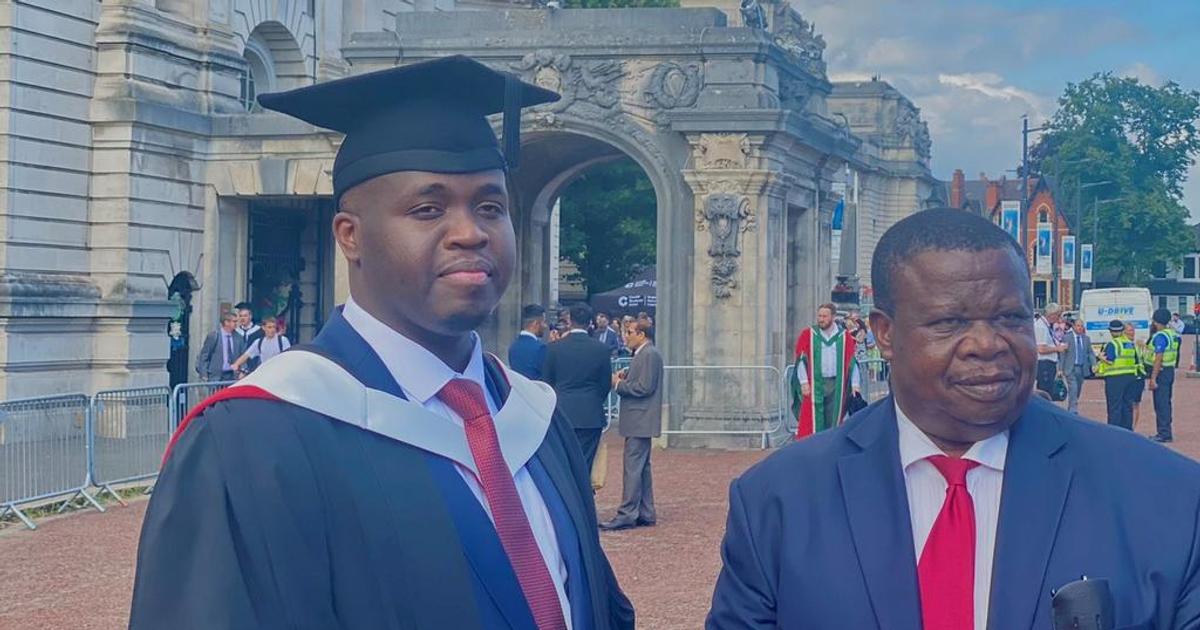
Che Otafiire responded with a lengthy defence of his father, opening with a sarcastic greeting: “Good morning, Kabanda (Intellectual Jaundice).”
He acknowledged that his father’s original rank of Colonel was honorary, but argued that this should not be interpreted as evidence that Otafiire had never served in the military or participated in the armed struggles that preceded and accompanied the formation of the NRA.
“An honorary appointment in the early NRA must not be confused with an absence of military service, training or subsequent formal promotion,” Otafiire argued.
He cited Otafiire’s reported service number, RO/00014, comparing it with that of the late Eriya Kategaya, whom he identified as RO/00002, to place his father among the earliest recorded NRA serving officers.
The argument was intended to establish that Otafiire’s military involvement went beyond the title that became the subject of the dispute.
However, a service number, on its own, does not establish the nature of an officer’s operational duties, the military courses completed or the command positions held. Those questions require supporting service records and official documentation.
Otafiire also said his father undertook an officers’ course in 1991, which covered command responsibilities ranging from platoon and company to battalion, brigade and division level. He cited officers including Col Tom Butiime, Col Amanya Mushega and Lt Gen Henry Tumukunde as participants in the course.
He further traced his father’s involvement in armed resistance to the period before the 1981–1986 bush war, saying Otafiire participated in clandestine mobilisation and recruitment for the Front for National Salvation (FRONASA) during Idi Amin’s rule.
According to his account, Otafiire was involved in recruitment efforts associated with figures such as the late Maj Gen Fred Rwigyema, Maj Gen Chef Ali and Gen Ivan Koreta.
He also said his father participated in the 1978–1979 war that ended Amin’s rule, joined the NRA in 1981 and served as its Chief Political Commissar during the bush war.
The account presents Otafiire as a veteran whose political and organisational contributions should be considered alongside conventional battlefield command.
But the central issue remains whether these claims can be independently established through military records, wartime documentation and the testimony of people who served alongside him.
Kabanda challenges the promotion
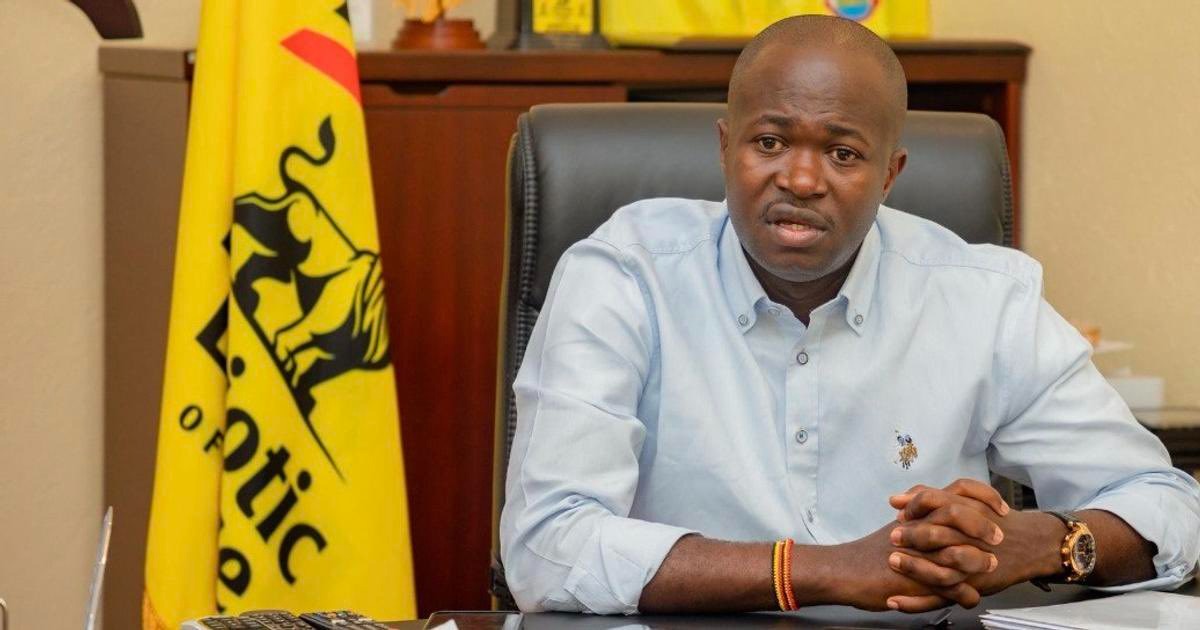
Kabanda responded by addressing Otafiire as “Che (The Genius)” and insisting that the distinction between honorary and substantive ranks was precisely what his opponent had failed to explain.
He argued that honorary ranks are not equivalent to active military ranks and questioned how Otafiire moved from an honorary Colonel to Major General, allegedly bypassing the rank of Brigadier.
“Under normal circumstances, an honorary rank is given once. You cannot be promoted when you are holding an honorary rank,” Kabanda wrote.
He cited the late Kategaya, Hajji Moses Kigongo and Tom Butiime as examples of figures he said retained honorary ranks rather than progressing through the conventional military promotion system. Fact check: (Tom Butime, Moses Kigongo were promoted twice, Butime elevated from Major to Colonel while Kigongo was elevated to Brigadier – Editor)
Kabanda alleged that Otafiire had secured his promotion to Major General through influence over President Yoweri Museveni. He also claimed that the retired officer had been lobbying for promotion to full General, but that Museveni had declined.
These are allegations made by Kabanda, not independently established facts. The exchange supplied no documentary evidence to demonstrate that Otafiire improperly influenced the President or sought a further promotion.
The question of how the Major General rank was conferred therefore requires a separate examination of the relevant appointment, promotion and retirement records, rather than relying on either side’s assertions.
Kabanda also disputed Otafiire’s account of his military training. He said the retired general attended only the Officers’ Basic Course at Bombo Barracks in 1990, arguing that the course would ordinarily prepare an officer for junior command rather than senior operational responsibilities.
He contrasted this with officers he said attended more advanced courses at Kimaka or overseas, including Gen Salim Saleh, the late Gen James Tumwine, Gen Sejusa, the late Gen Aronda Nyakairima and Lt Gen Tumukunde.
Kabanda concluded that Otafiire’s military knowledge was limited and that his role during the bush war was confined to the political wing rather than battlefield command.
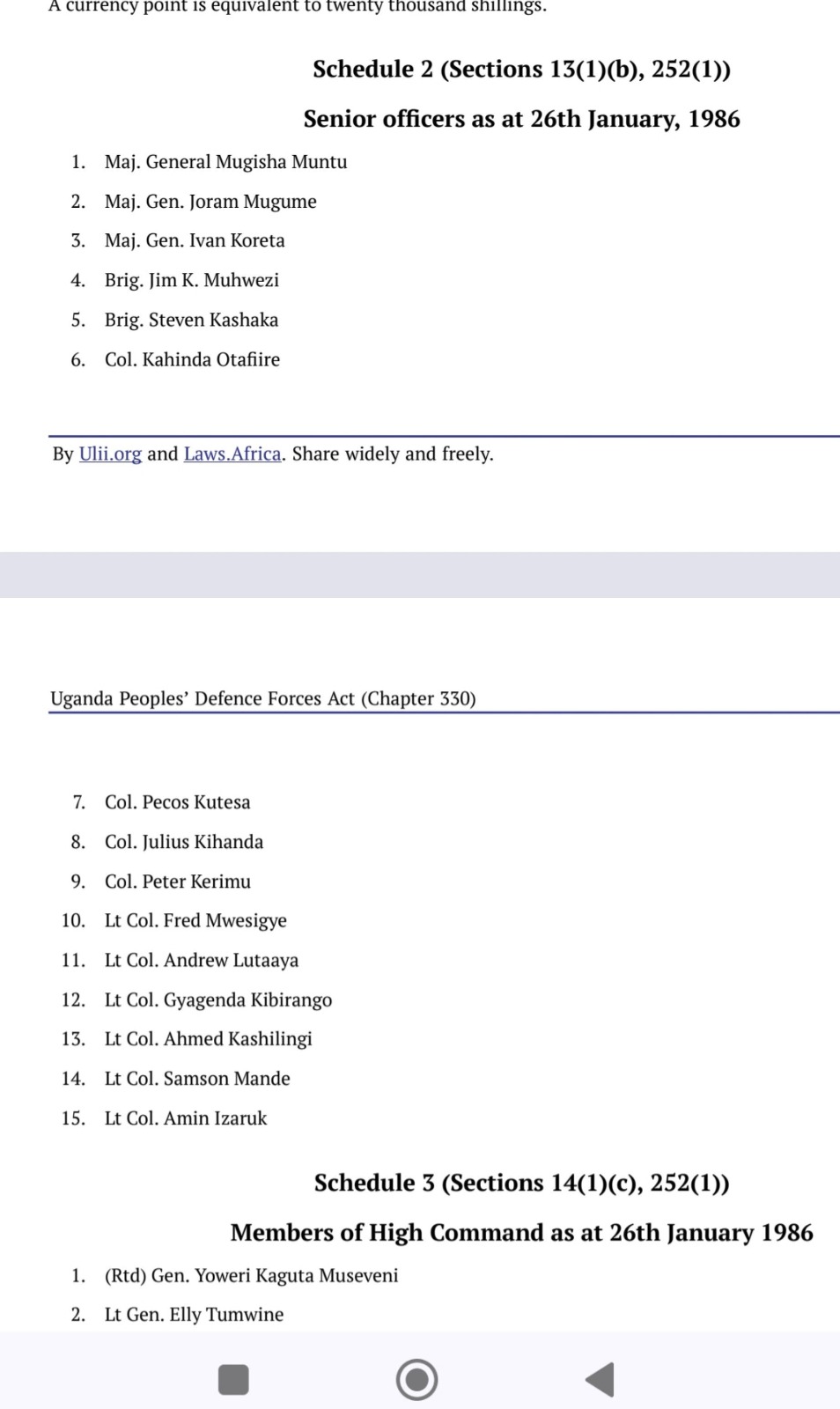
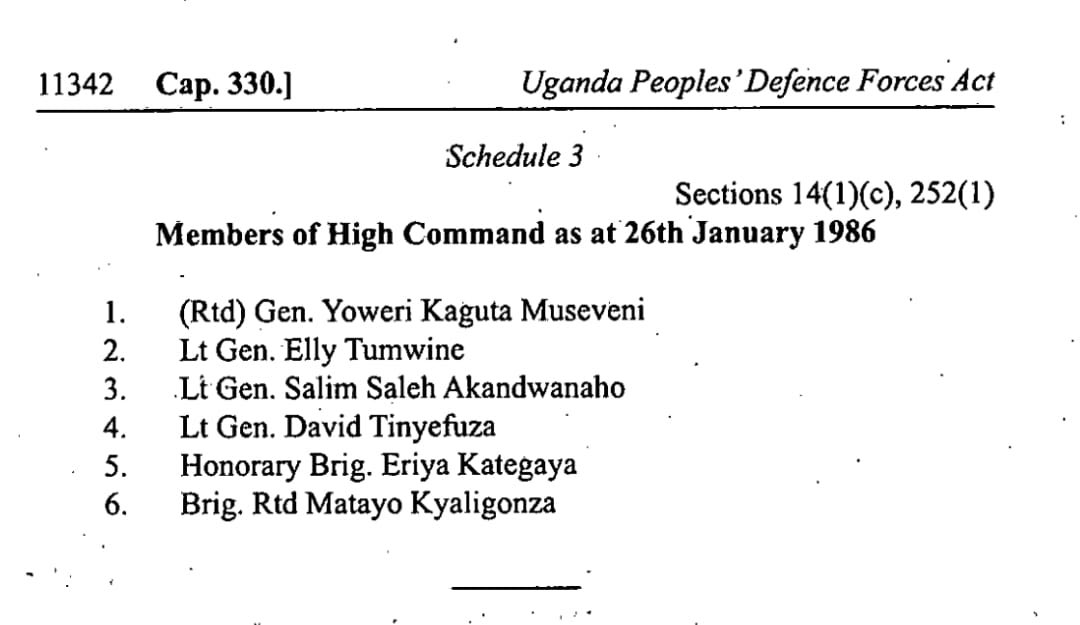
He further claimed that Otafiire was never a member of the NRA High Command.
These assertions are central to Kabanda’s argument, but they should not be treated as settled historical conclusions without access to the relevant personnel files, course records and wartime command documents.
The distinction matters because a political commissar’s contribution to a liberation movement cannot automatically be measured by the same criteria used to assess a field commander. Equally, participation in a liberation struggle does not, by itself, establish that an individual exercised command at every level later associated with their military title.
The two sides are therefore arguing about more than a rank. They are disputing the standards by which military service, professional qualifications and historical recognition should be assessed.
The High Command question
One of the most significant aspects of the dispute is Kabanda’s claim that Otafiire was never a member of the NRA High Command.
That assertion drew a response from Charles Rwomushana, who questioned the accuracy of the list being relied upon in the debate.
“I’m very sure that list in the schedule is incorrect,” Rwomushana wrote, adding that the late Brig Taddeo Kanyankole had been a member of the High Command.
His intervention introduced another important dimension: the reliability of the records being used to reconstruct the military leadership of the early NRA.
The High Command was a crucial institution in the organisation and direction of the armed struggle. Establishing its membership is therefore not merely a matter of personal prestige. It is part of documenting how the movement was organised, who exercised authority and how military and political responsibilities were distributed.
However, Rwomushana’s intervention, as presented in the exchange, challenged the accuracy of the list but did not conclusively establish Otafiire’s own membership.
The question consequently remains open to documentary verification.
A definitive account would require contemporary records identifying High Command members, minutes or other documents recording appointments, and corroboration from surviving participants.
The same standard should apply to claims about Otafiire’s courses, operational responsibilities and promotion history. Where the records are available, they should be examined rather than allowing competing political loyalties to determine which version of history is accepted.
Honorary rank versus military service
At the heart of the argument is the meaning of an honorary rank. In general, an honorary military rank is a title conferred without necessarily following the normal process through which an officer earns substantive rank and advances through the professional military hierarchy.
A substantive rank, by contrast, is held through the applicable appointment and promotion arrangements. The precise legal and administrative implications depend on the rules governing the institution and the circumstances under which the rank was granted.
The distinction is important, but it does not settle every question raised in this dispute.
An honorary rank does not automatically prove that its holder never participated in combat, received military training or contributed to a liberation movement. Equally, evidence of participation in a war does not automatically establish that a person held a particular substantive rank or commanded troops at a given level.
The early NRA emerged from an armed struggle in which military organisation developed under conditions different from those of a fully established national army. Political mobilisation, recruitment, ideological work, intelligence and battlefield operations were interconnected, even though they represented different responsibilities.
That history makes it necessary to examine each officer’s career on its own merits.
If Otafiire served in the political wing, as Kabanda alleges, that would not by itself establish that he made no contribution to the struggle. Political commissars can play important roles in maintaining discipline, mobilising support and sustaining the political objectives of an armed movement.
But the existence of such responsibilities should not be used to evade legitimate questions about the formal military qualifications and command positions of senior officers.
The public is entitled to understand how senior ranks were awarded, what criteria applied and whether the processes were consistent with the rules in force at the time.
Similarly, the fact that an individual held an honorary rank should not be used to erase a documented record of service.
The strongest conclusion, therefore, is not that either side has conclusively settled the dispute. It is that honorary status, wartime participation, professional training and subsequent promotion are separate questions requiring separate evidence.
 Social media turns personal
Beyond the historical issues, the exchange illustrates how social media has become an arena for disputes involving Uganda’s political and military establishment.
Che Otafiire’s response moved quickly from a defence of his father’s record to personal insults directed at Kabanda.
In his post, he called Kabanda “dangerously dense” and suggested that he needed an interpreter to understand the facts being presented.
Kabanda, in turn, dismissed his opponent’s account and questioned his father’s professional competence.
The tone attracted attention from other users, some of whom questioned whether the personal attacks were necessary.
Thomas Shelby OBE MP singled out Otafiire’s language, asking whether the reference to Kabanda being “dangerously dense” was necessary.
“Was this part necessary, assuming he is not,” the user wrote, adding a laughing emoji.
The comment reflected a strand of the online response that appeared more interested in the conduct of the argument than in choosing a side over the historical dispute.
Other users focused on the substance of the claims. The account Descendant of Kahaya argued that the ranks awarded in 1987 were conventional ranks intended for administrative convenience because the officers had not attended a war college.
That contribution broadly echoed the distinction between the early NRA’s arrangements and the professional military training associated with a conventional army. However, the claim itself would also require historical documentation before being accepted as a comprehensive explanation of the 1987 ranks.
Another user, BUSEESIRE NEWS UGANDA, drew attention to the Runyankore meaning of the phrase “dangerously dense”, while others responded with jokes about Kabanda’s choice of words and the intensity of the exchange.
Some commenters defended Otafiire’s standing, arguing that Kabanda should not be discussing the retired general in such terms.
Semuwemba Simon described Kahinda Otafiire as a great man and an inspiration, urging that an autobiography or book documenting his life be produced so that his contribution would not disappear from Uganda’s history.
“The books of history of this land, should never have a fade of the good General’s legacy,” the user wrote.
Another commenter, identifying himself as Gnosi, asked whether information could be obtained about Ugandan personnel who served under Otafiire in the Democratic Republic of Congo, explaining that his father had been captured as a child soldier, later served in the Congo and had reportedly served under the retired general.
That question pointed to a broader historical interest beyond the argument about rank: the experiences of ordinary soldiers and the people who served under senior commanders.
Other users questioned Kabanda’s decision to engage in the dispute, while some made jokes about the exchange and the meaning of the insults.
The reactions demonstrate that the controversy has become a mixture of historical debate, personal loyalty, political rivalry and online entertainment.
But social media reactions are not a substitute for historical evidence. Nor does the number of people supporting either participant establish the accuracy of the claims being made.
 A test for Uganda’s military history
The dispute comes at a time when questions about the National Resistance Movement’s history remain politically significant. The NRA’s five-year bush war, which culminated in its capture of power in January 1986, is central to the political identity of the ruling movement and the careers of several of its leading figures.
The ranks, roles and responsibilities of its founding officers consequently carry significance beyond military administration. They are also connected to questions of legitimacy, seniority, sacrifice and recognition.
For that reason, disputes over the military histories of prominent figures can quickly become politically charged.
The danger is that history becomes a contest in which every participant selects facts that support a preferred conclusion while dismissing inconvenient evidence.
Kabanda’s questions about the honorary rank, training and promotion are legitimate subjects for scrutiny if supported by records. Che Otafiire’s insistence that his father’s military contribution should not be reduced to an honorary title is also a claim that deserves examination against the historical record.
Neither argument, however, should be accepted in its entirety merely because it comes from a politically connected individual.
A more conclusive account would require the publication or independent examination of Otafiire’s military service file, records of the 1987 rank assignments, documentation of his officers’ courses, relevant promotion instruments and reliable records of the NRA’s wartime command structure.
Such evidence would help distinguish what is documented from what is alleged, while giving historians and the public a clearer picture of how the early army evolved.
It would also help establish whether the ranks awarded during the transition from guerrilla movement to national army followed consistent rules or reflected arrangements specific to the circumstances of the time.
The public exchange between Kabanda and Che Otafiire has brought these questions into the open, but it has not resolved them.
Ultimately, the controversy should be judged not by who delivers the sharpest insult or commands the loudest online following, but by who can substantiate their claims.
Uganda’s liberation history is too important to be left to personal feuds. The service of those who participated in the struggle, the qualifications of those who later became senior officers and the procedures through which they received their ranks deserve careful, impartial documentation.
The question is not simply whether Kahinda Otafiire’s original rank was honorary. It is what the historical record establishes about his service, training, responsibilities and subsequent promotion.
Until the relevant evidence is examined, the dispute remains an unresolved contest of competing claims — one that could be settled more convincingly by records than by rhetoric.
Author Profile
- Charles Gazza Kodili is a seasoned journalist with over 20 years of experience in the media industry. He holds a Bachelor of Arts degree in Mass Communication. He’s currently the Chief Editor at the Investigator.
Charles can also be reached via; Tel: +256 774 108978
Email: [email protected]
Latest entries
 FeaturedOctober 12, 2026HONORARY COLONEL, MAJOR GENERAL: KABANDA CHALLENGES OTAFIIRE: PLU’s Daudi Kabanda Questions Kahinda Otafiire’s Military Training, Bush War Role And Rise To Major General, Prompting A Forceful Defence From The Retired Officer’s Son
 FeaturedOctober 10, 2026MUHOOZI UNDER FIRE OVER DEATH THREATS New York Times article puts Muhoozi’s human rights record under fresh scrutiny as UPDF cries foul
 FeaturedOctober 9, 2026UGANDA ECONOMY TO HIT $73.96B: President Museveni Cites Decades Of Economic Growth As He Receives A Top National Honour During The 64th Independence Anniversary Celebrations At State House, Entebbe
 FeaturedOctober 9, 2026KABALEGA: THE KING WHO FOUGHT THE BRITISH: From Battles Against Sir Samuel Baker To Uganda’s Independence In 1962, The Bunyoro King Became A Symbol Of Resistance Against Foreign Domination