
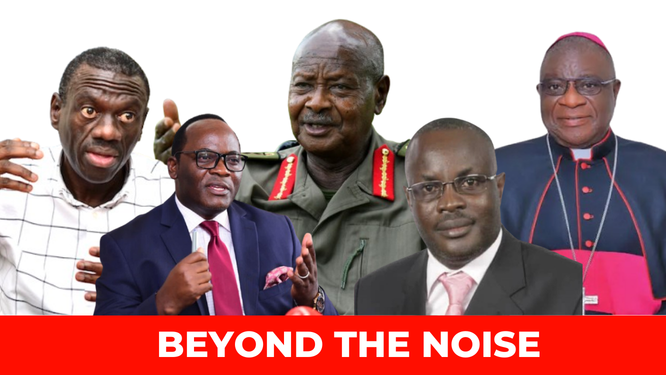

The relationship between Gen Salim Saleh and Dr Kizza Besigye is one of the most intriguing stories in Uganda’s political and military history.
Once comrades who shared the dangers of the five-year National Resistance Army (NRA) bush war, the two men eventually found themselves on opposite sides of the political divide, with one remaining a powerful figure in the establishment and the other becoming one of President Museveni’s most persistent challengers.
But a recent account by Gen Saleh following his visit to his former bush war comrade at Luzira Maximum Security Prison has opened an unexpected chapter in their complicated relationship, raising the possibility of political reconciliation and renewed discussions about power-sharing.
In a striking revelation, Gen Saleh disclosed that he found Dr Besigye in a life-threatening condition while visiting him in detention and immediately intervened to have him transferred to a medical facility for specialised treatment.
The decorated general described the experience as deeply personal, insisting that the care being extended to Besigye was the same treatment he would expect if he were in similar circumstances.
“When I went to the hospital, I found my friend almost dead in prison. My first action was to take him from the prison to a proper medical centre where he is currently being attended to. It’s the same bed I would be in myself if I were under intensive conditions,” Saleh said.
He added that Besigye was transferred to the Joint Clinical Research Centre (JCRC), an institution he helped establish during the early years of the NRA government.
“The care and attention being given to Dr Besigye is the same I would receive. He is now at the Joint Clinical Research Centre,” he said.
The choice of words was significant. Saleh did not simply describe Besigye as a former political opponent or a retired military colleague. He called him my friend — a description that evokes memories of a shared struggle, personal sacrifices and a political relationship that has survived decades of disagreements. For Saleh, the intervention appears to go beyond a humanitarian gesture. It represents an attempt to reconnect with a man with whom he once shared the ambition of overthrowing the government of President Milton Obote and establishing a new political order.
And with Saleh reportedly determined to pursue discussions about power-sharing and bring Besigye back into the political establishment, the reunion could have implications beyond the prison walls.
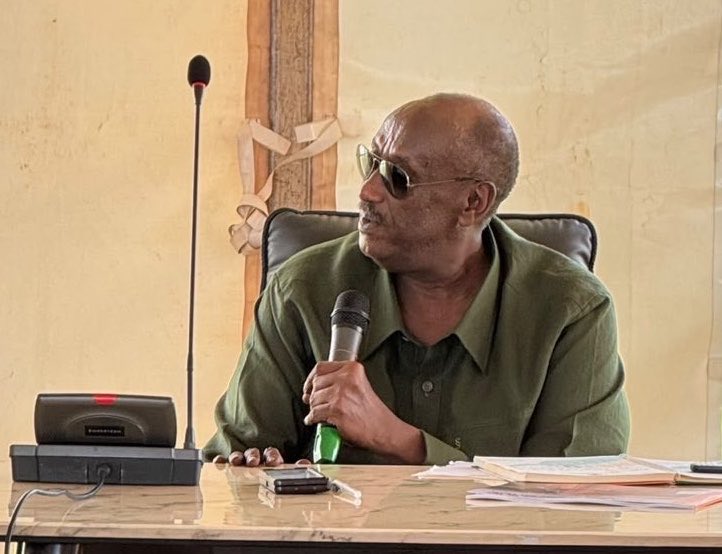
From the Luweero trenches to the corridors of power
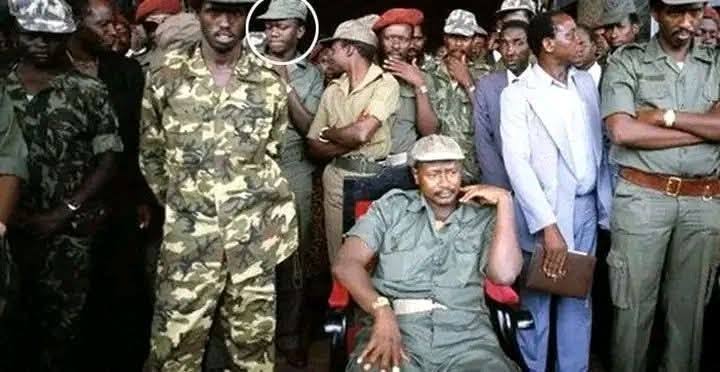
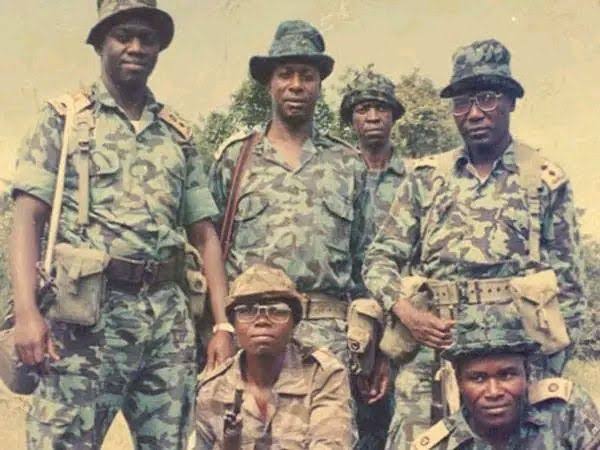
The renewed contact between the two men brings back memories of the 1981–1986 guerrilla war, when Dr Besigye joined the NRA rebellion against the government of former president Milton Obote.
Besigye, a medical doctor who graduated from Makerere University in 1980, joined the rebellion in 1982 after becoming convinced that Uganda needed another political struggle following the disputed 1980 general election and the deteriorating political situation under the Obote II government.
He brought a skill that was desperately needed in the bush: medical expertise.
While serving in the NRA mobile forces, Besigye was responsible for medical services, treating wounded fighters and attending to the health of the guerrillas operating in the Luweero Triangle.
He also became President Museveni’s personal physician, a position that placed him close to the rebel leadership.
His medical responsibilities brought him into contact with several senior NRA commanders, including Gen Saleh, who was among the principal military figures in the rebellion.
Indeed, Besigye’s contribution to the bush war was not merely that of a medical officer. He became part of the political and military inner circle that shaped the NRA’s eventual victory and the government that emerged after the fall of the military junta led by Gen Tito Okello Lutwa in January 1986.
Besigye was appointed Director of Medical Services in 1985 and continued serving in that capacity until the NRA captured power.
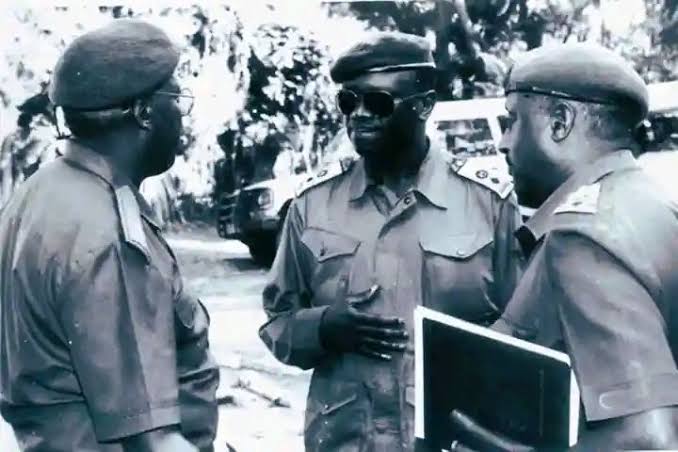
The relationship between the two men was therefore forged in a period when the NRA’s survival depended on discipline, loyalty, cooperation and shared sacrifices. Saleh was one of the senior commanders responsible for the military campaign, while Besigye was among the officers whose professional and political contributions helped sustain the rebellion.
Besigye’s medical background also became important beyond the battlefield. He later participated in establishing the Joint Clinical Research Centre, the same institution where Saleh says he arranged for his former comrade to receive specialised treatment.
It is an extraordinary historical coincidence that an institution associated with the early years of their shared liberation struggle has now become the place where one comrade is helping another recover from illness while in state detention.
The two men were among the historical figures whose lives became intertwined with the establishment of the National Resistance Movement government in 1986.
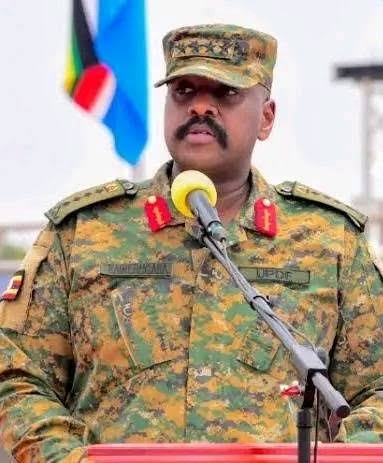
Their days as liberators in the NRM government
When the NRA marched into Kampala on January 26, 1986, the victorious rebels presented themselves as liberators determined to establish a new political order after years of instability, military coups and civil conflict.
Besigye was among the young historicals entrusted with important responsibilities in the new government.
At barely 29 years old, he was appointed Minister of State for Internal Affairs, serving from 1986 to 1987. He was subsequently transferred to the President’s Office, where he served as Minister of State and National Political Commissar.
In those positions, Besigye was involved in promoting the Movement’s political programme, explaining its ideology and popularising its structures, including the Resistance Council system that later evolved into the Local Council framework.
He was also a member of the inner circle that believed the Movement system offered an alternative to Uganda’s history of sectarian politics and military takeovers.
His military career continued after his ministerial assignments. In 1991, he was appointed commander of the Mechanised Regiment in Masaka. He later became Chief of Logistics and Engineering, overseeing important military administrative and logistical responsibilities.
Gen Saleh, meanwhile, had emerged as one of the most influential military figures in the new administration and President Museveni’s trusted younger brother.
The two men were therefore not strangers who merely happened to serve in the same government. They were historicals who had participated in the struggle, occupied influential positions and witnessed the transformation of a guerrilla movement into a governing establishment.
But the political honeymoon that followed the NRA victory would not last forever.
The disagreements that eventually separated them were rooted in different interpretations of what the liberation struggle had promised Ugandans and what the government had become.
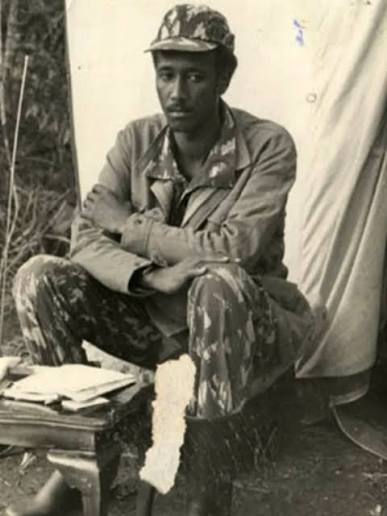
The 1991 turning point and growing disagreements
One of the developments that reportedly contributed to the changing relationship between Besigye and the ruling establishment occurred in 1991, when President Museveni appointed him commander of the Mechanised Regiment in Masaka while Gen Saleh was away undertaking a military mission in Rwanda.
Besigye reportedly regarded the appointment as a demotion, having previously served in senior government positions. His subsequent return to the army did not, however, end his influence within the military establishment.
The more fundamental disagreement emerged towards the end of the 1990s, when questions about the direction of the Movement government became increasingly difficult to ignore.
By then, Besigye had become uncomfortable with what he considered a departure from the original ideals of the NRA revolution.
The former guerrilla fighter believed the Movement had abandoned its founding principles, particularly democracy, accountability, political pluralism, equal opportunities and the fight against corruption.
In November 1999, he authored a document titled An Insider’s View of How the NRM Lost Its Broad Base, in which he criticised the government’s direction and argued that the Movement had become increasingly undemocratic, corrupt and intolerant of internal criticism.
The document was explosive because it came from a man who had participated in the revolution and occupied senior positions in the government and military.
Rather than raising his concerns privately, Besigye made his criticism public, effectively challenging the leadership of the organisation he had helped establish.
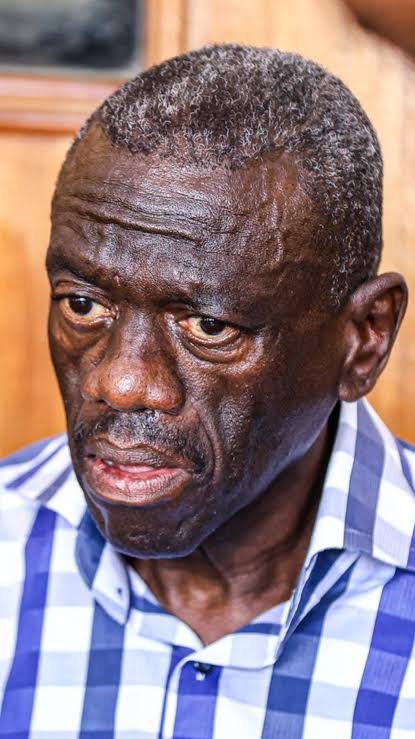
His position put him on a collision course with President Museveni and the military establishment.
The disagreement also exposed ideological differences between Besigye and Gen Saleh, who had developed different assessments of Uganda’s biggest national challenge.
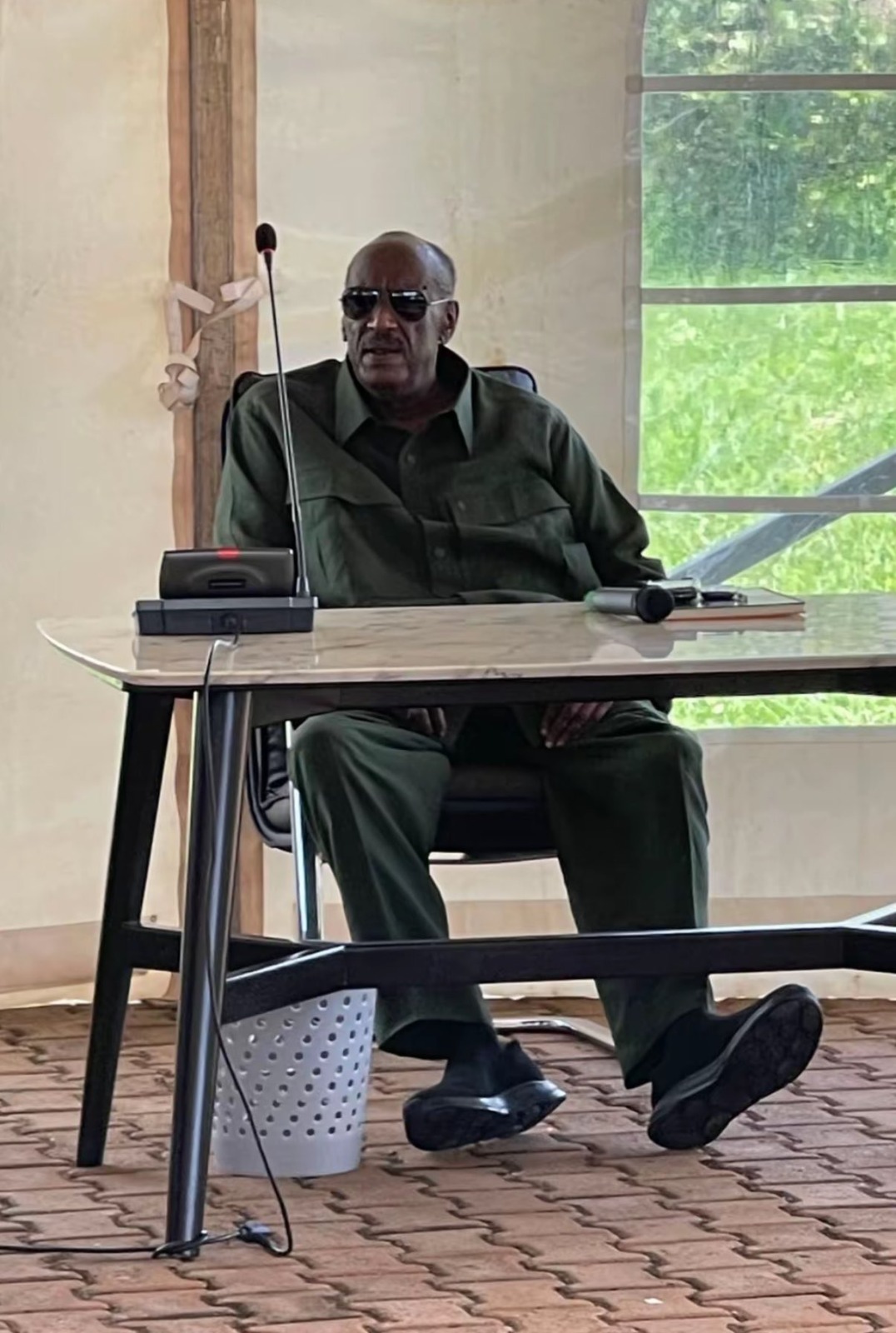
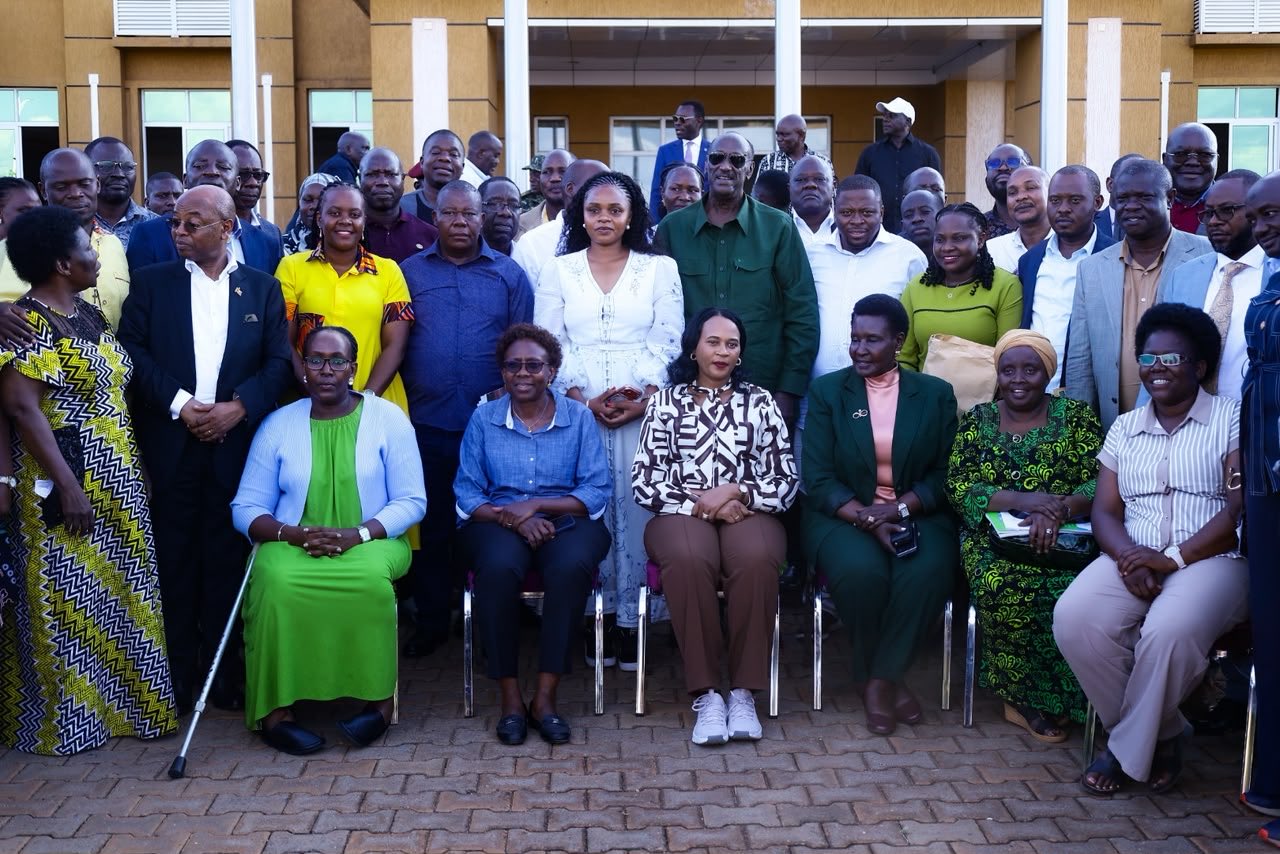
Reflecting on their separation during his October 30, 2026, address to legislators at Kapeeka in Nakaseke District, Saleh disclosed that the two men had produced different political assessments around the same period.
“Dr Besigye wrote that paper of his, a political paper. But for me, I wrote a very subversive document also around that time. But mine was for fighting poverty. I was saying that poverty is going to be our main challenge. But Dr Besigye was saying that politics is going to be our big challenge. So, we separated at that moment,” Saleh explained.
This revelation is particularly significant because it suggests that their separation was not necessarily caused by personal hostility but by fundamentally different approaches to Uganda’s future.
Besigye believed political governance was the country’s biggest challenge, while Saleh placed greater emphasis on poverty eradication and economic transformation.
The difference was not merely academic. It represented two competing interpretations of the liberation struggle. For Besigye, economic development without political accountability, democratic competition and institutional reforms could not deliver the Uganda they had fought for.
For Saleh, poverty remained the overriding challenge that required practical intervention and economic transformation. The disagreement eventually became irreconcilable.
Besigye faced military disciplinary proceedings over his criticism, and although the intervention of elders helped prevent a more serious confrontation, the relationship with the ruling establishment had deteriorated. He subsequently left the military, retired with the rank of colonel and announced his intention to challenge Museveni in the 2001 presidential election.
His decision marked the beginning of a new political chapter in which the former NRA insider became the most formidable challenger to the government he had helped bring to power.
From comrades to political adversaries
Besigye’s entry into electoral politics transformed him from a historical member of the ruling establishment into the face of Uganda’s opposition.
In the 2001 presidential election, he challenged Museveni and emerged as his strongest opponent, receiving approximately 27 per cent of the vote.
He subsequently contested the 2006, 2011 and 2016 presidential elections under different political circumstances, maintaining that Uganda needed a democratic transition.
The 2001 election was followed by legal challenges, allegations of electoral malpractice, intimidation and political persecution, which became recurring features of the country’s political contestation.
Besigye’s relationship with Museveni deteriorated further as he continued mobilising against the government. He was arrested on several occasions, faced criminal charges and endured confrontations with security agencies during opposition demonstrations.
He later became the founding president of the Forum for Democratic Change (FDC), which emerged as a major opposition political organisation.
His political journey eventually produced another break with the ruling establishment that had once considered him one of its own.
Meanwhile, Gen Saleh remained a powerful figure within the NRM establishment, serving in different military, security and economic roles. The contrast between the two men became increasingly symbolic.
Saleh represented the revolutionary leadership that remained within the government, while Besigye represented the historicals who believed the original liberation promises had been betrayed. Their disagreements were therefore part of a wider political rupture involving several former NRA and NRM members who questioned the direction of the government.
Some, including former prime minister Amama Mbabazi and former vice president Gilbert Bukenya, also experienced political disagreements with the ruling establishment, although their circumstances and subsequent political paths differed.
For more than two decades, the political differences between Museveni and Besigye became one of the defining features of Uganda’s multiparty political history.
Luzira detention and the latest chapter
The latest chapter in the relationship between Saleh and Besigye comes against the backdrop of the opposition leader’s prolonged detention following his November 2024 arrest in Nairobi, Kenya.
Besigye and his political aide, Hajj Obeid Lutale, were arrested in Nairobi and subsequently returned to Uganda, where they were charged with treason-related offences alongside retired UPDF officer Capt. Denis Oola.
The prosecution alleges that the accused participated in meetings in Athens, Geneva and Nairobi to plot the overthrow of the government. Besigye has remained on remand as the case proceeds through the courts.
His detention has attracted considerable public attention, particularly following concerns about his deteriorating health.
His wife, Winnie Byanyima, has repeatedly raised concerns about his medical condition, accusing the authorities of failing to provide adequate specialised treatment.
The situation reached a critical point on July 29, 2026, when Besigye collapsed during a court appearance and was rushed for medical attention.
His health subsequently became a major political and humanitarian concern, with opposition leaders and supporters demanding that he receive appropriate treatment and be granted bail.
It was against this background that Gen Muhoozi Kainerugaba, the Chief of Defence Forces and Saleh’s nephew, made a post on X on August 25, 2026, suggesting that Besigye’s situation should be handled by Saleh.
Saleh says the message provided an unexpected opportunity to reconnect with a man he had completely lost touch with because of their political differences.
“I got that tweet on the 25th of August from the CDF. He said Kizza Besigye’s problem is mine. For me, he didn’t even know that he had given me a very good opportunity. Because of politics, I had lost touch with KB completely,” Saleh recalled.
He said he contacted Muhoozi to establish whether he was serious about the suggestion and was assured that he was.
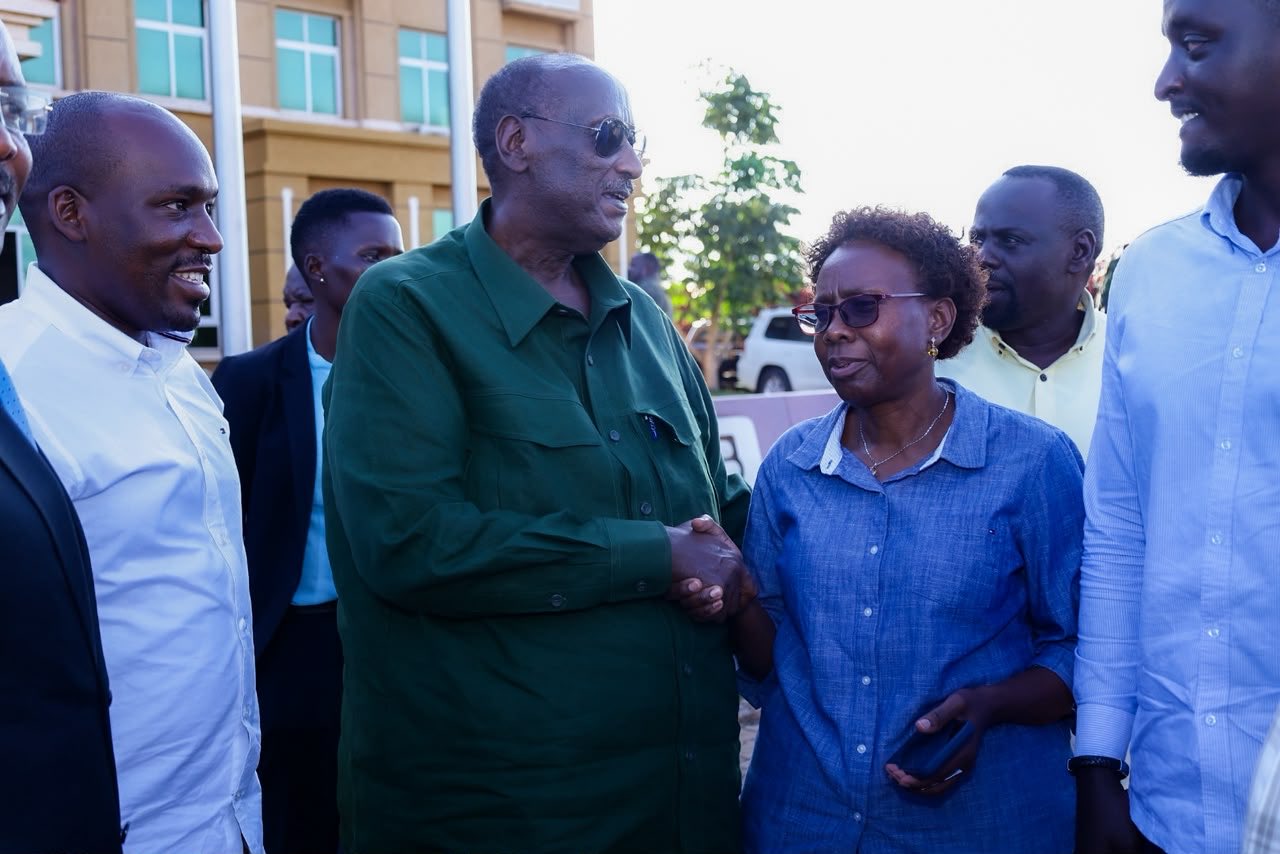
What followed was a personal intervention that would eventually become the subject of national political discussion. Saleh visited Besigye and was shocked by his condition.
Saleh’s reconciliation mission and power-sharing question
Beyond the medical intervention, what has generated considerable political interest is Saleh’s apparent determination to resolve the differences that separated him from his former comrade.
His remarks suggest that he is interested in something more substantial than arranging medical treatment.
He wants the two men to revisit their history, understand what went wrong and establish whether they can agree on a common vision for Uganda.
Saleh disclosed that he had since been in contact with Besigye and wanted to allow him to stabilise medically before engaging him in deeper discussions.
“So, I said I’m going to let him stabilise in the hospital, and then I will ask him. So I have been in touch with him. All the newspapers are talking about peace talks, but that’s where we are,” he said. He was, however, cautious about describing the engagement as formal peace negotiations.
“Don’t ask me whether we are in peace talks or not. For me, the moment I got that tweet, I said, now God has helped me to reconnect with an old colleague,” he added.
The general expressed hope that within three to six months, the two sides could reach a common understanding about Uganda’s future.
“We are working out, and I hope we shall convince each other in the next three to six months to have a combined outlook of the Uganda you guys want to have,” he said.
He also explained that one of his motivations was to prevent younger Ugandans from inheriting the political disagreements of the generation that participated in the liberation struggle.
“We are carefully examining what needs to be done for you people of the younger generation so that you don’t inherit our generational quarrels. That’s what we are trying very hard to do, and I hope God will help us achieve that,” he said.
Besigye’s wife, Winnie Byanyima, has rejected the suggestion that her husband’s health and legal rights should become subjects of political bargaining.
“There are no negotiations for Kizza Besigye’s release. His health and his rights are not matters for negotiations,” she wrote on X.
Similarly, senior People’s Front for Freedom (PFF) officials have questioned reports of negotiations, with some insisting that Besigye’s release through bail should remain a matter for the courts.
Besigye has also reportedly maintained that any meaningful dialogue about Uganda’s political future should involve all relevant stakeholders rather than focus on a few individuals.
This presents Saleh with a delicate balancing act: reconciling his former comrade with the political establishment while convincing the opposition that the process is not designed to secure personal concessions at the expense of broader democratic demands.
The question of medical rights and political responsibility
Saleh’s description of finding Besigye almost dead in prison has also generated a wider debate about the responsibility of the state towards detained citizens.
Opposition supporters have questioned why an intervention by a powerful general was necessary for an individual in custody to access what should ordinarily be basic medical services.
Nyanjura Doreen Omutatina, reacting to Saleh’s account, questioned whether Besigye’s supporters and former comrades were expected to celebrate the transfer to a medical facility.
She wrote: “I have watched Salim Saleh say he visited @kizzabesigye1 and found him ‘almost dead,’ and that he ensured KB’s transfer to JCRC.
“Are we, as Besigye’s supporters and comrades, expected to be grateful that a man in critical condition was moved from prison to a clinic? Isn’t medical attention a basic right, not a Favour?”
She further questioned how Besigye’s health had deteriorated to such a level in the first place, arguing that the authorities should be held accountable for the conditions under which he had been detained.
Can the former comrades find common ground?
Ultimately, Saleh’s mission will be judged not simply by whether he manages to reconnect with Besigye but by whether the engagement can produce a meaningful political settlement.
The general is attempting to bridge a divide that has existed for more than two decades and involves fundamental disagreements about governance, democracy, accountability and the future of Uganda.
For Besigye, reconciliation cannot necessarily mean abandoning the political principles that led him to challenge the government in 1999 and subsequently contest Museveni in four presidential elections.
For Saleh, however, bringing the former bush war comrade back into the national political conversation could represent an opportunity to resolve a historical disagreement that has continued to divide the liberation generation.
Author Profile

- Uganda's First online News Paper. "More than Just News" Investigative, Informative, without Fear or Favor
Latest entries
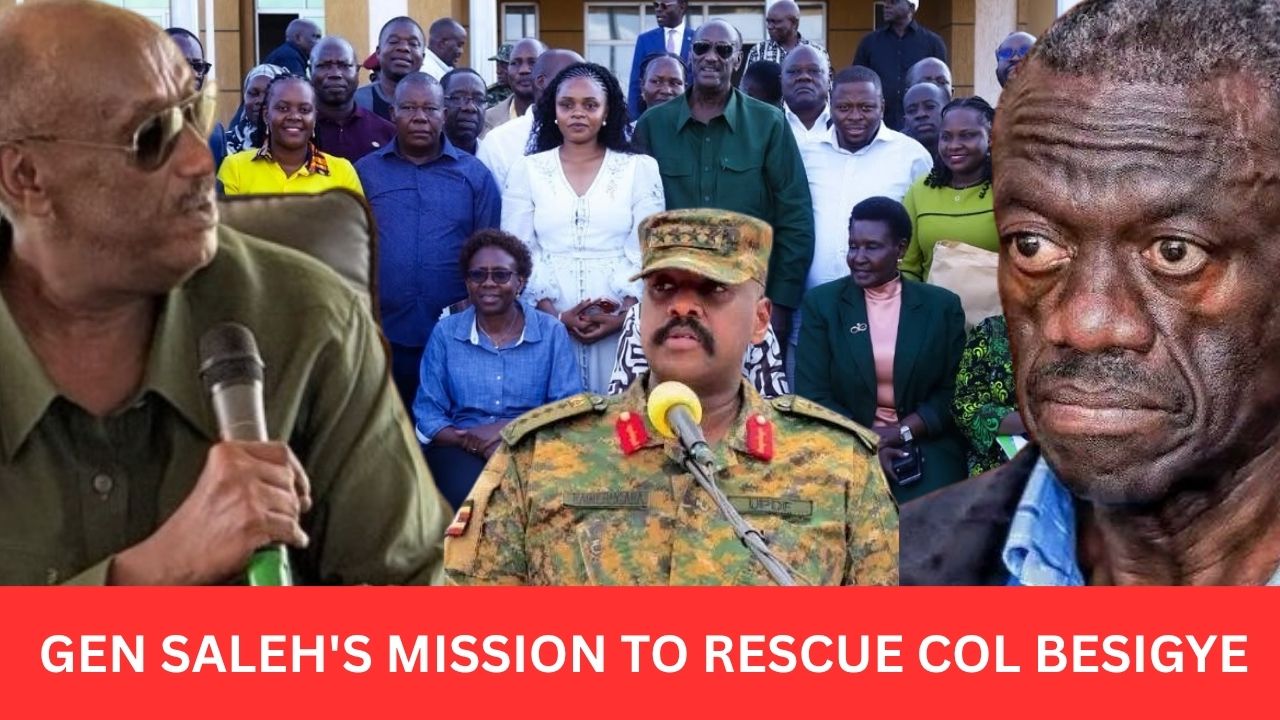 FeaturedOctober 31, 2026“I FOUND MY FRIEND BESIGYE ALMOST DEAD IN PRISON” – They Fought Together To Overthrow Obote, Served In Museveni’s First Government But Parted Ways Over The Direction Of The Revolution. Now Saleh Wants To Heal The Wounds
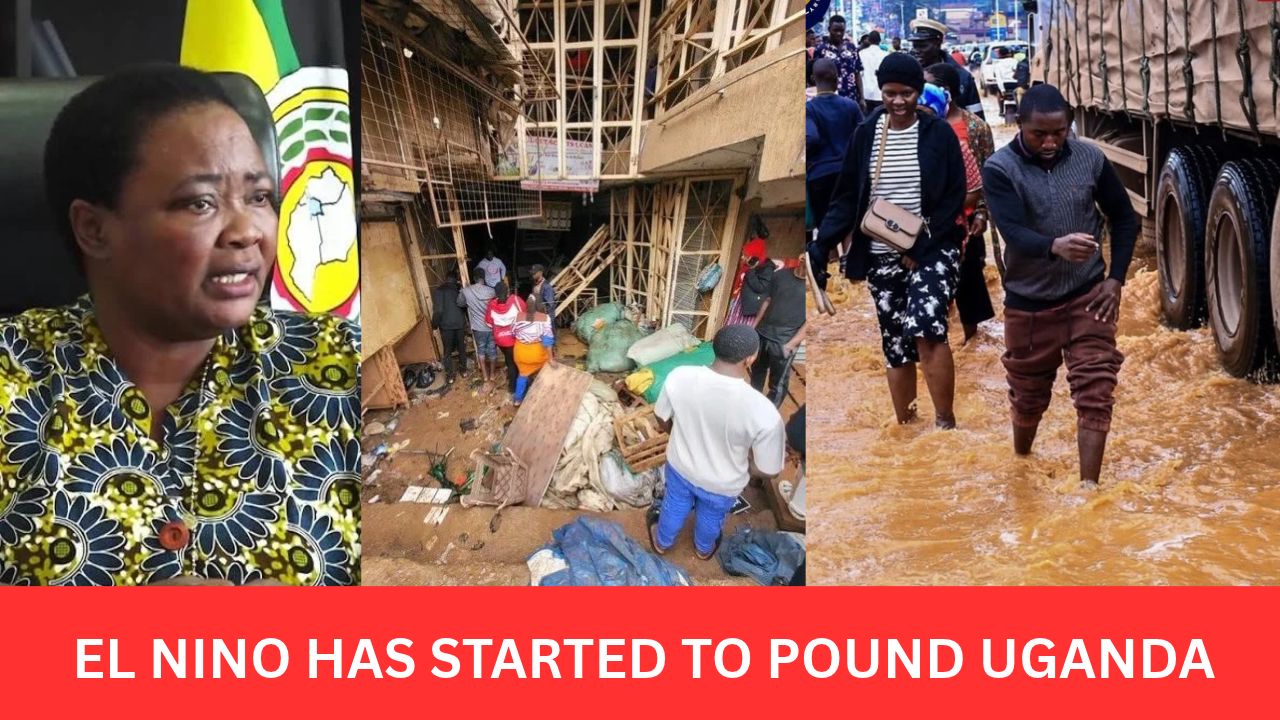 FeaturedOctober 12, 2026EL NIÑO RAINS BEGIN! KAMPALA, UPCOUNTRY FLOODED: Heavy Downpours Pound The City And Upcountry, River Mayanja Bursts Banks, Commuters Stranded As Residents Count Losses And Demand Urgent Government Action
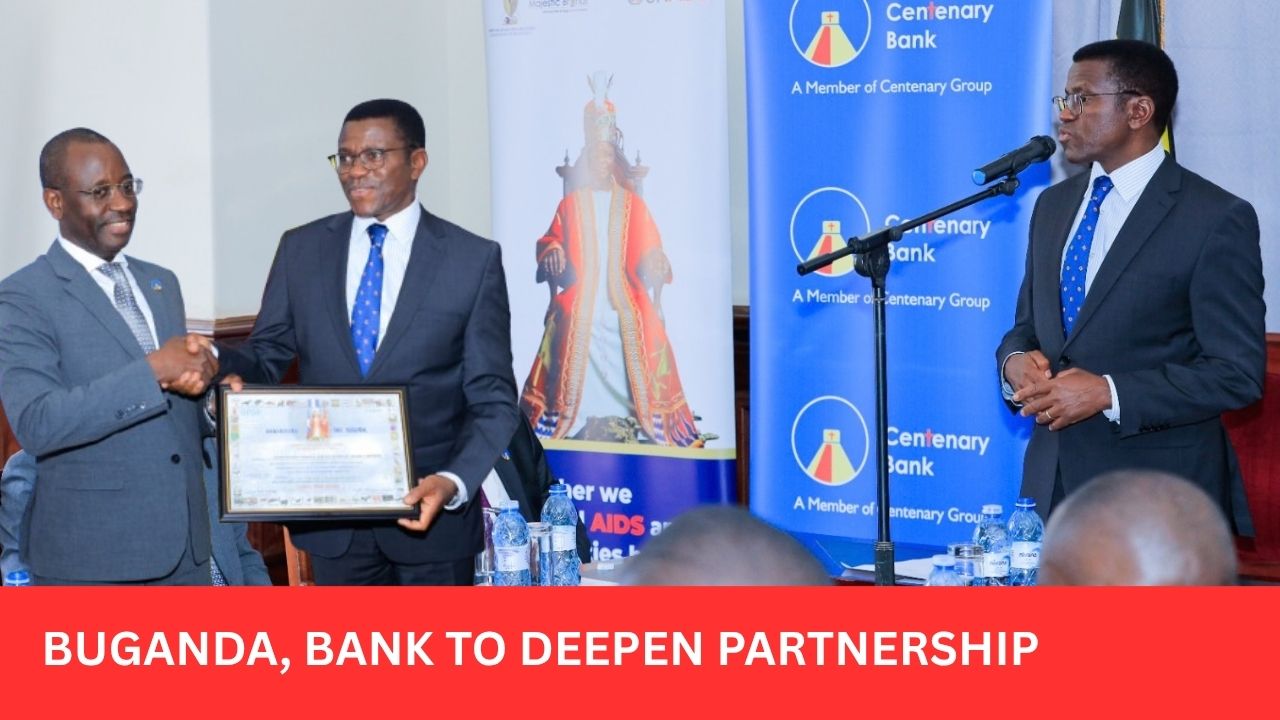 BusinessSeptember 25, 2026CPM BACKS CENTENARY: Buganda–Centenary Partnership Gets Fresh Boost As Premier Charles Peter Mayiga Calls For Deeper Collaboration To Drive Financial Inclusion And Development
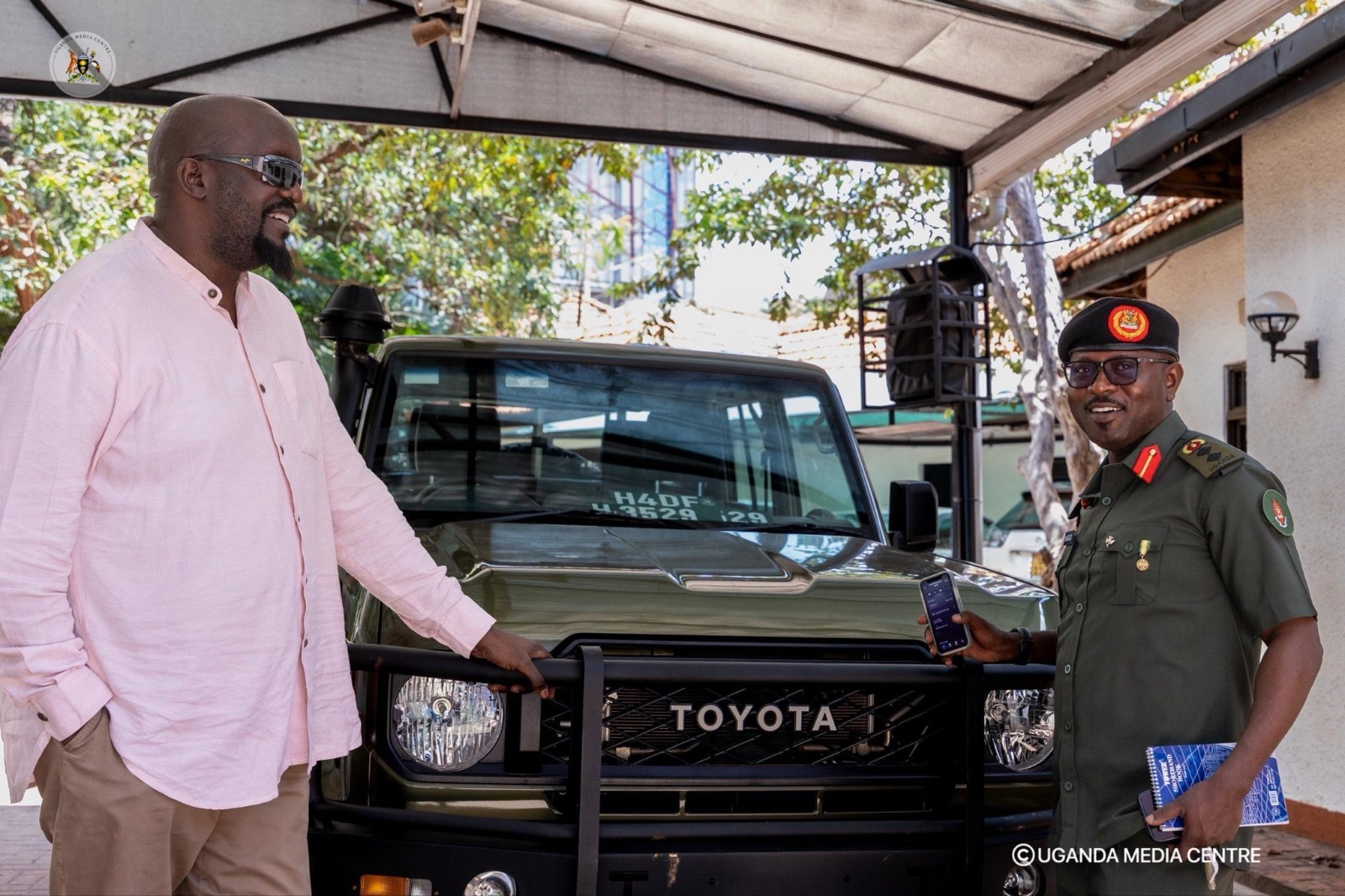 FeaturedSeptember 20, 2026THE CAR-SUJA VEHICLE: GEN. MKM Donates a Brand-New Toyota Land Cruiser Pickup to The Uganda Media Centre After Learning That Two Staff Members Had Been Involved in an Accident