







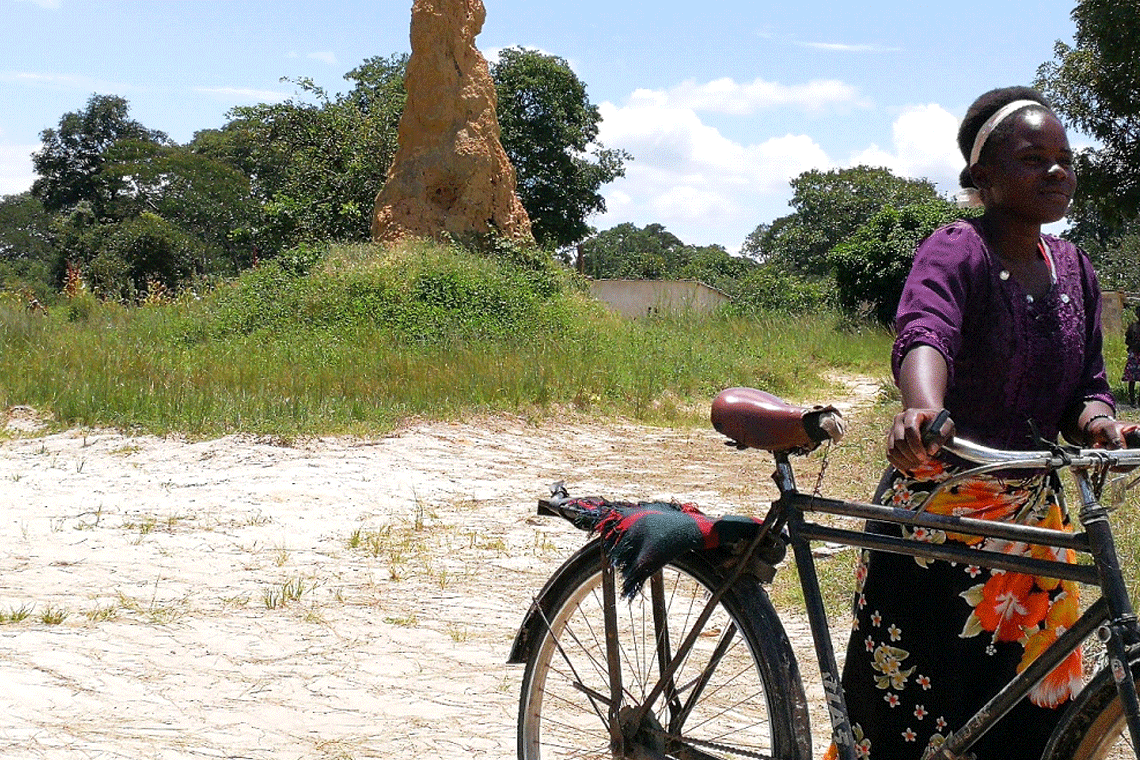


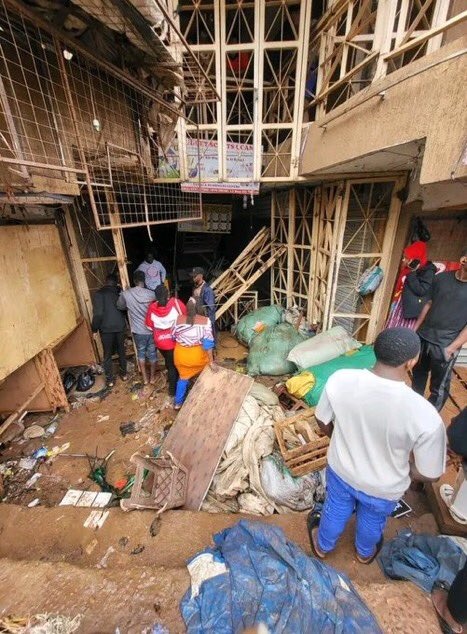
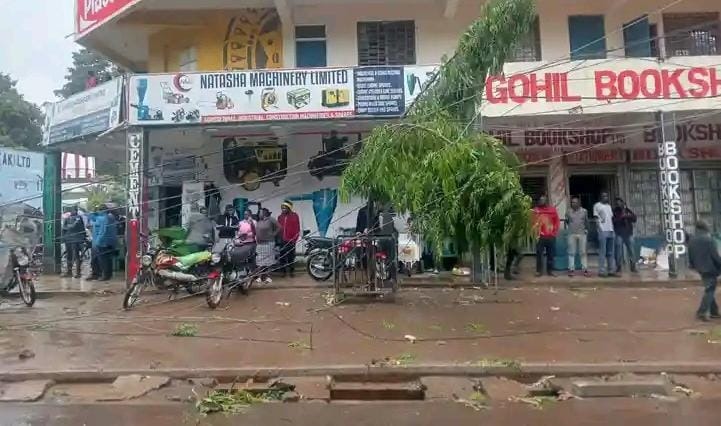
The heavy rains pounding Kampala and several parts of the country have renewed fears of widespread flooding, with residents counting losses, roads becoming impassable and communities demanding urgent government intervention to protect lives and property.
The downpour that began yesterday and continued into this morning has disrupted transport, threatened homes and businesses, and exposed the vulnerability of urban drainage systems and rural infrastructure to prolonged rainfall.
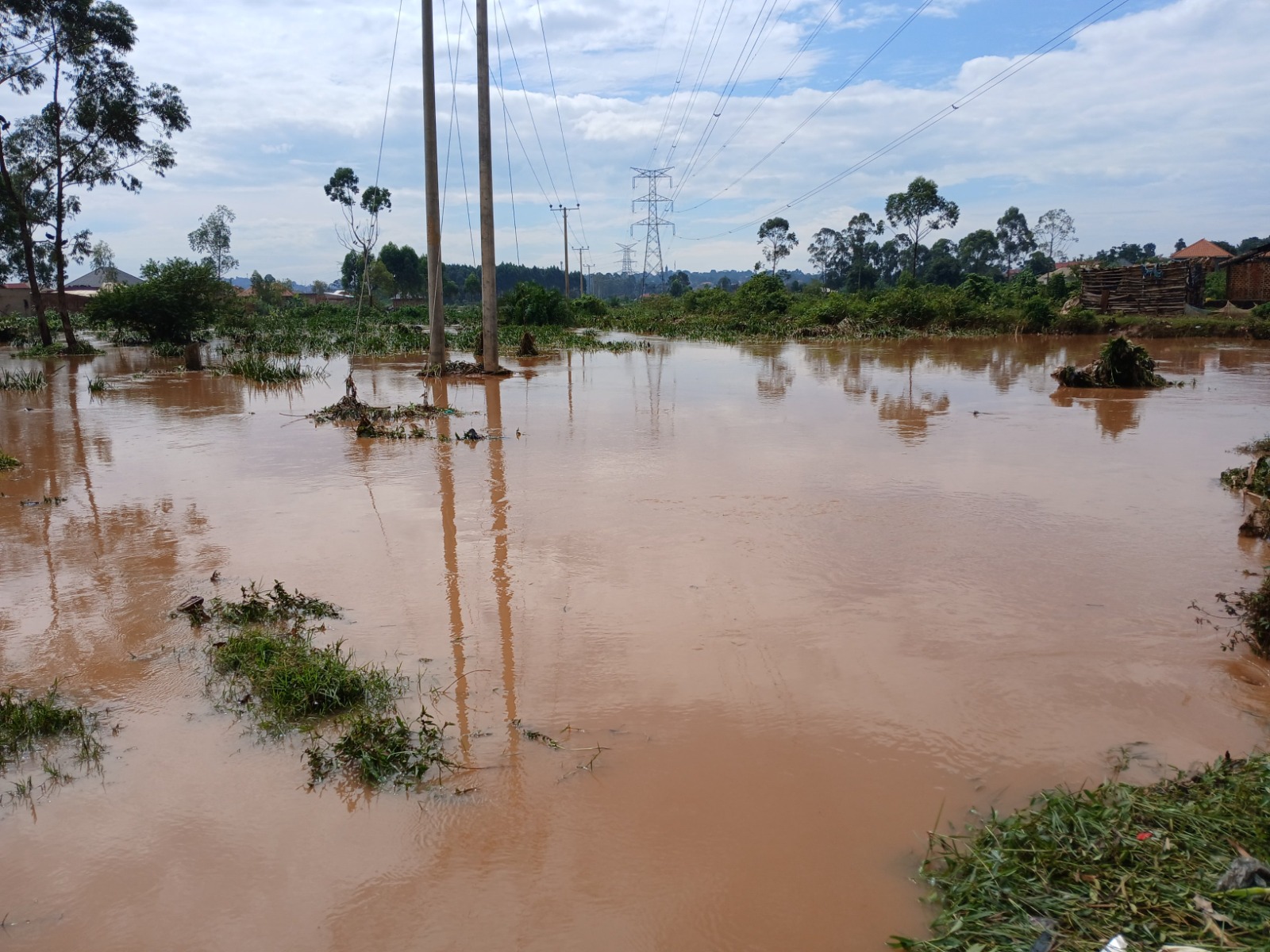
One of the most affected areas is the Mmende–Matugga Road, where River Mayanja burst its banks, submerging sections of the road and leaving commuters and residents stranded. The flooding has disrupted movement between communities, with motorists and pedestrians struggling to navigate the waterlogged route.
Police marine officers reportedly rescued three people from the floodwaters yesterday evening, highlighting the danger posed by the rising river.
The incident has revived painful memories of 2018, when River Mayanja also burst its banks, washing away roads and claiming several lives. Residents fear that without substantial improvements to drainage infrastructure, the same communities will continue to suffer whenever heavy rains hit the area.
For many families, the immediate concern is no longer simply the inconvenience of rain but the threat to their homes, livelihoods and personal safety.
Residents along the affected road are calling on the government to install larger culverts capable of handling increased water volumes and allowing the river to flow without overwhelming the road infrastructure.
Local leaders have also warned that emergency interventions alone will not solve a problem that has repeatedly disrupted transport and endangered communities.
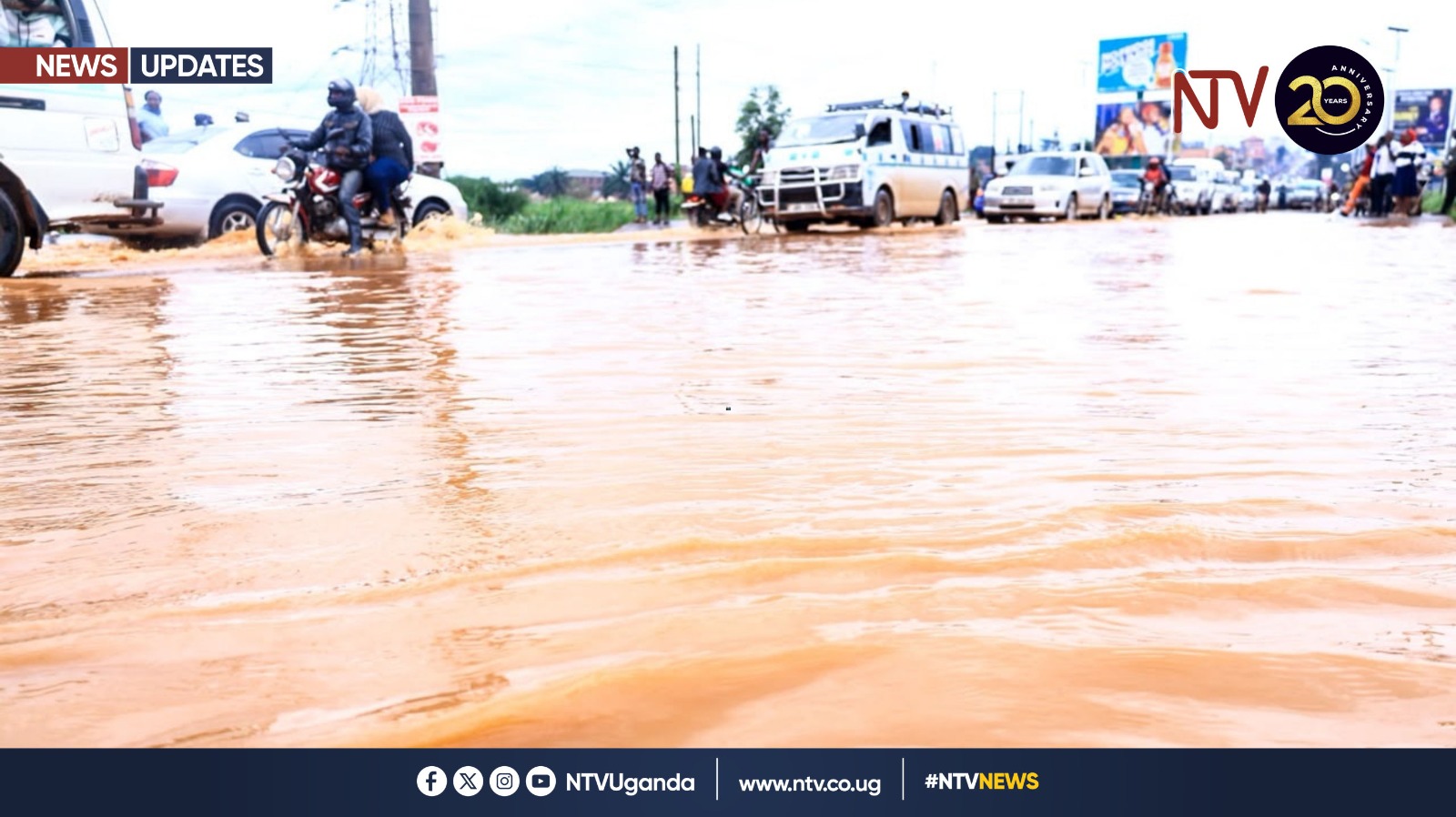
Kampala struggles as floodwater takes over roads
In Kampala and the surrounding metropolitan area, the latest downpour has once again exposed the consequences of inadequate drainage, wetland encroachment and rapid urban development.
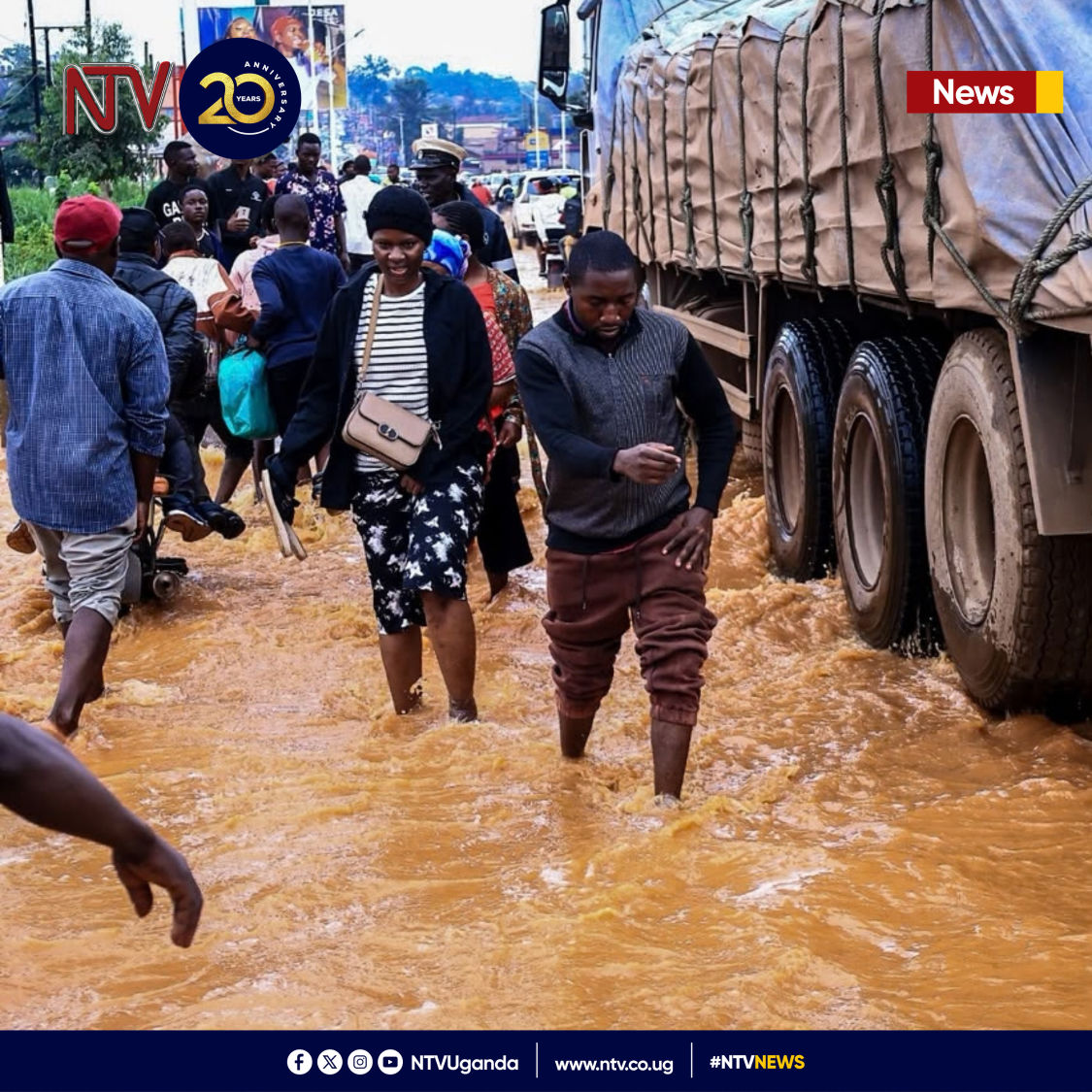
On Sunday, October 11, heavy rain flooded a section of the Kampala–Hoima Highway at Lubigi wetland, stranding commuters, causing traffic congestion and contributing to minor accidents. Pedestrians were forced to wade through the water, while some youths carried stranded people across for a fee.
The flooding created additional dangers because concealed manholes and other road hazards were hidden beneath the water. Traffic officers were deployed to direct motorists, boda boda riders and pedestrians through the affected section.
For people who depend on the road to reach work, schools and businesses, the disruption came at a direct financial cost. Some commuters had to pay youths to carry them across flooded stretches, while others faced delays and struggled to find alternative routes.
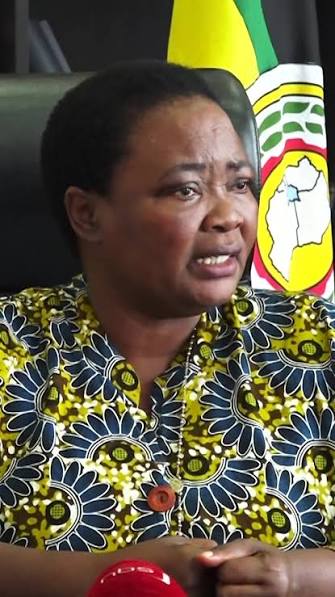
A man at the Lubigi scene warned of the health and economic consequences, saying: “The stagnant water exposes residents to waterborne diseases and causes economic losses through delays and interrupted business.”
The situation illustrates how flooding can turn an ordinary journey into a dangerous and expensive undertaking, particularly for low-income residents who cannot afford alternative transport.
At Lubigi, Nansana Member of Parliament Zambaali Bulasio Mukasa called for a comprehensive drainage master plan involving government agencies and local authorities.
“We need a master plan for the drainage system. I call upon the district authorities and the Minister of Water and Environment to sit down and design a proper plan that will address this challenge,” Mukasa said.
The legislator also raised concerns about wetland encroachment and questioned the value for money from public expenditure on drainage improvements, arguing that repeated flooding demanded greater accountability and a sustainable solution.
His concerns reflect a wider debate over whether Uganda’s urban infrastructure is keeping pace with population growth and the increasing risks associated with extreme rainfall.
River Mayanja floods renew fears
Away from Kampala, the situation along the Mmende–Matugga Road has raised fresh alarm following the bursting of River Mayanja’s banks.
The rising water submerged the road, leaving residents and commuters stranded and disrupting the movement of people and goods. Three people were rescued by police marine officers from the floodwaters yesterday evening.
Residents are demanding that government install larger culverts to improve the passage of water beneath the road and reduce the likelihood of future flooding.
They say the recurring problem requires more than temporary repairs after every disaster. The 2018 flooding of River Mayanja, which washed away roads and claimed several lives, remains a grim reminder of the potential consequences of failing to address the problem.
Local leaders are warning that urgent infrastructure improvements are necessary to prevent further destruction. Their concerns include the capacity of drainage channels and culverts to accommodate heavy flows, the durability of road crossings and the need for early warnings when rivers rise.
For residents living close to the river, the concern is that continued heavy rainfall could leave them isolated, damage property and expose families to dangerous currents.
The affected communities now face the immediate task of assessing the damage and determining whether the road can safely carry traffic as the water recedes. Any repairs that fail to address the underlying drainage problem could leave the route vulnerable to another washout.
El Niño fears as government issues warning
The flooding comes as Uganda prepares for a potentially wetter-than-normal September–December rainy season, with authorities warning of possible floods, landslides, damage to infrastructure and disease outbreaks.
The Ministry of Water and Environment’s October weather update cautions that enhanced rainfall during the October–December period could increase flooding, waterlogging and landslide risks in vulnerable areas.
The rains are therefore arriving against the background of official warnings about the possible effects of El Niño, a climate phenomenon associated with changes in ocean temperatures and atmospheric circulation that can influence rainfall patterns across East Africa.
However, a single heavy downpour does not by itself establish that El Niño has begun or that every flood is caused by it. The immediate flooding must be understood alongside local drainage problems, river levels, land use and the capacity of existing infrastructure.
In September, the government warned that much of Uganda could receive rainfall about 25 per cent above the long-term average during the September–December season, with wet conditions potentially extending into January and February 2027.
Alex Kakooza, the Permanent Secretary in the Office of the Prime Minister, urged people living in disaster-prone areas to move to safer locations.
“We are asking these people to come down, to leave those places to areas of safety, so that when the landslides happen, we don’t lose lives,” Kakooza said.
The government also said it had disseminated early-warning messages and developed an El Niño Contingency and Response Plan for 2026/27, which was awaiting Cabinet approval at the time of the September announcement.
The challenge now is translating those warnings into practical action as communities experience flooding.
Residents need timely weather alerts, accessible emergency services and clear instructions on which roads and bridges are unsafe. District authorities must also identify vulnerable communities and coordinate evacuations where rising water threatens lives.
Drainage and infrastructure under scrutiny
The recurring flooding has put renewed pressure on government agencies responsible for roads, urban planning, drainage and disaster management.
At Lubigi, the demand for a comprehensive drainage master plan reflects residents’ frustration with repeated flooding despite previous investments in Kampala’s drainage infrastructure. Mukasa has also called for action against wetland encroachment, which can interfere with natural water flows.
Along the Mmende–Matugga Road, residents want larger culverts and improved water passage. Such interventions would need to be informed by proper engineering assessments of the river’s flow, the volume of water expected during heavy rainfall and the design of the road crossing.
Simply installing larger culverts without addressing blocked drainage channels, erosion and other restrictions on water flow may not provide a lasting solution.
Government must also establish whether the latest flooding has damaged roads, buildings or other public infrastructure and communicate what emergency repairs and longer-term improvements are planned.
There is, however, a distinction between measures announced before the rainy season and interventions actually undertaken in response to the latest flooding. The government’s existing contingency plan and public warnings demonstrate preparedness efforts, but they do not establish that emergency relief or reconstruction has been deployed to every affected community.
As of this report, specific new compensation arrangements for flood-affected households, a confirmed repair schedule for the Mmende–Matugga Road and a fresh government assessment of the damage from this particular downpour have not been independently established.
Residents face an anxious rainy season
For residents whose homes, businesses and transport routes are exposed to flooding, the coming weeks will test whether the warnings issued by government agencies translate into meaningful protection.
The immediate priorities are rescuing anyone trapped by floodwater, keeping people away from dangerous rivers and submerged roads, restoring safe movement and assessing damage to homes and livelihoods.
Authorities must also ensure that residents receive reliable information rather than relying on rumours or treating every downpour as proof of a particular climate event.
The flooding at River Mayanja and Lubigi is a reminder that heavy rainfall can quickly become a disaster where water has nowhere to go. Rivers require adequate passage, roads need properly designed drainage systems, and wetlands and natural waterways must be protected from obstruction.
With the rainy season underway and forecasts pointing to the possibility of above-normal rainfall, residents are demanding action before the next downpour arrives.
The government’s warnings have made the risks clear. The pressing question is whether infrastructure improvements, emergency response and enforcement against encroachment will be sufficient to prevent another round of deaths, destroyed property and stranded communities.
Author Profile

- Uganda's First online News Paper. "More than Just News" Investigative, Informative, without Fear or Favor
Latest entries
 FeaturedOctober 12, 2026EL NIÑO RAINS BEGIN! KAMPALA, UPCOUNTRY FLOODED: Heavy Downpours Pound The City And Upcountry, River Mayanja Bursts Banks, Commuters Stranded As Residents Count Losses And Demand Urgent Government Action
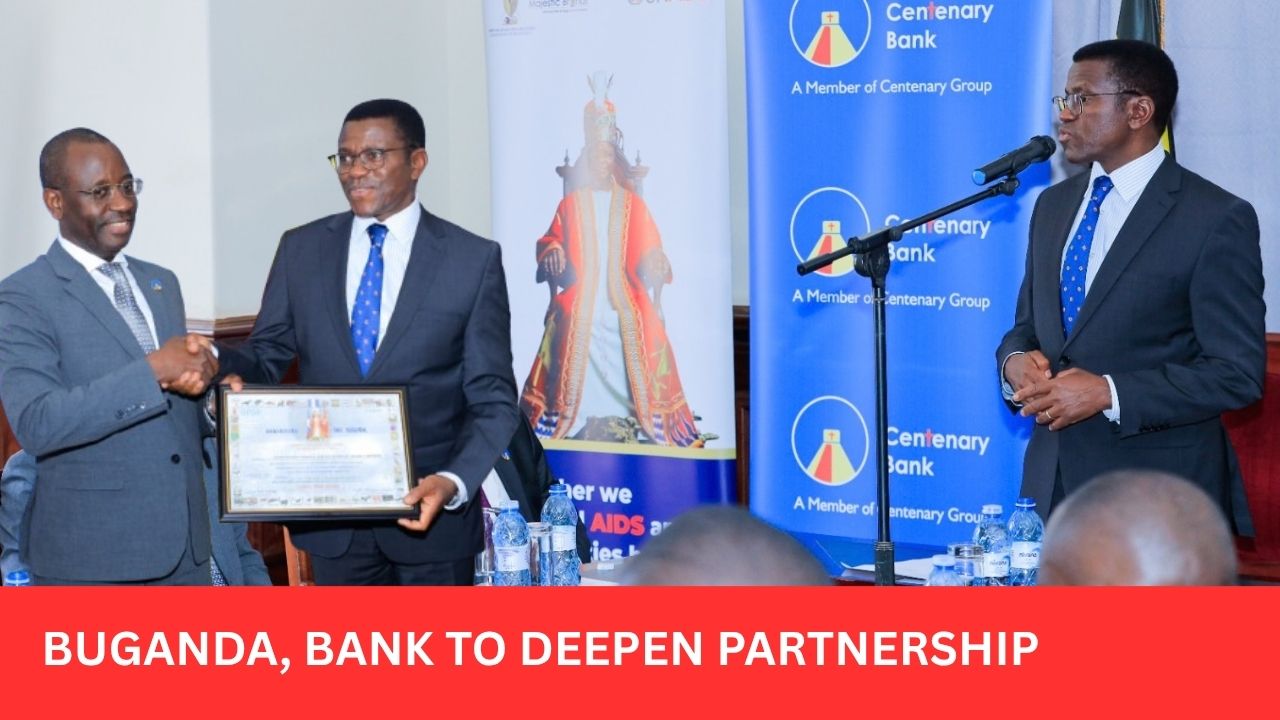 BusinessSeptember 25, 2026CPM BACKS CENTENARY: Buganda–Centenary Partnership Gets Fresh Boost As Premier Charles Peter Mayiga Calls For Deeper Collaboration To Drive Financial Inclusion And Development
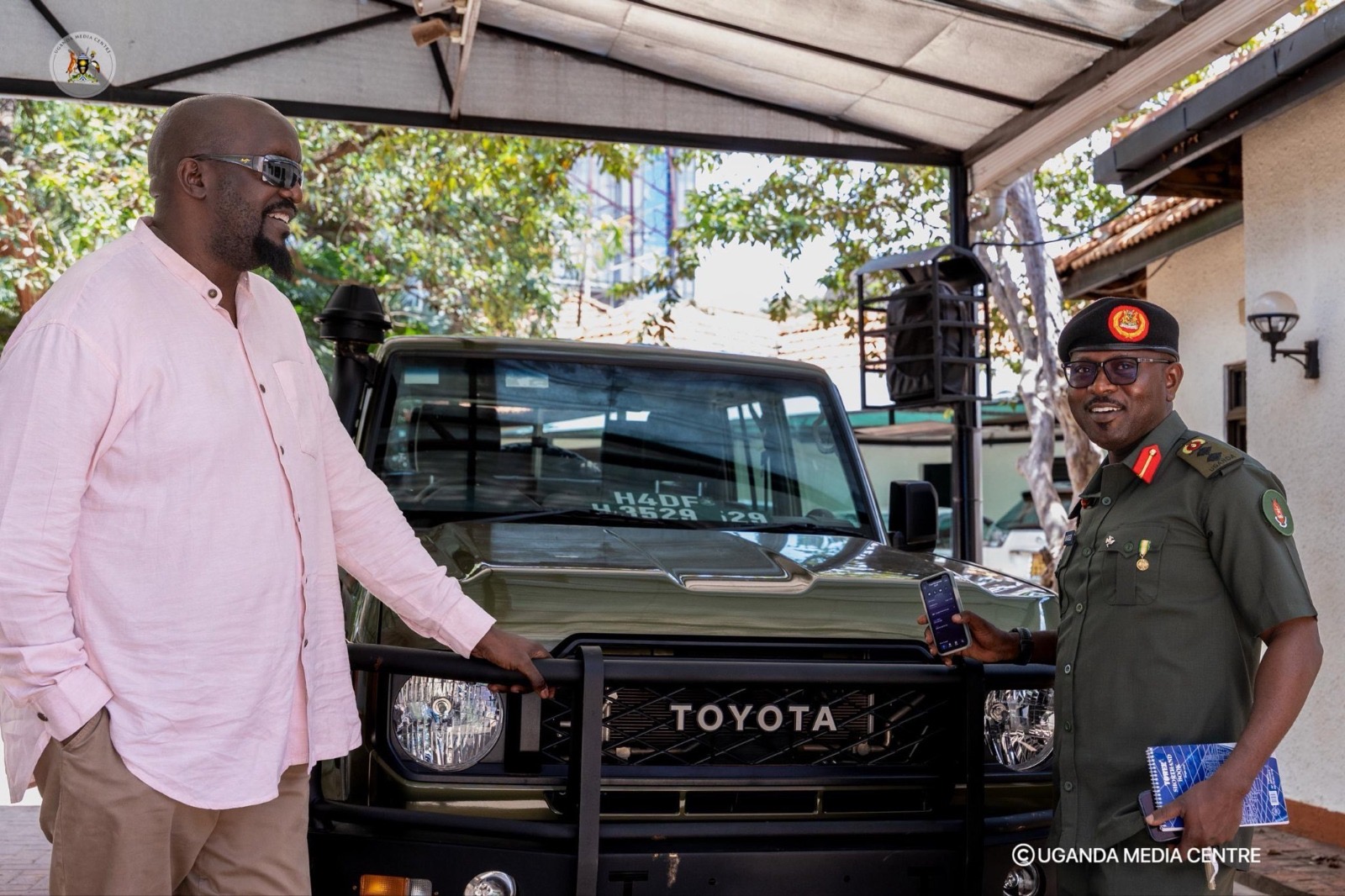 FeaturedSeptember 20, 2026THE CAR-SUJA VEHICLE: GEN. MKM Donates a Brand-New Toyota Land Cruiser Pickup to The Uganda Media Centre After Learning That Two Staff Members Had Been Involved in an Accident
 FeaturedSeptember 13, 2026MUSEVENI “SHIELDED `MURDEROUS` QUEEN MOTHER”… Andrew Mwenda Accuses QM Best Kemigisa Of the 1999 Prince Kijjanangoma Murder, Alleges M7`s Protection Against Prosecution! Tooro Succession Crisis Deepens