



















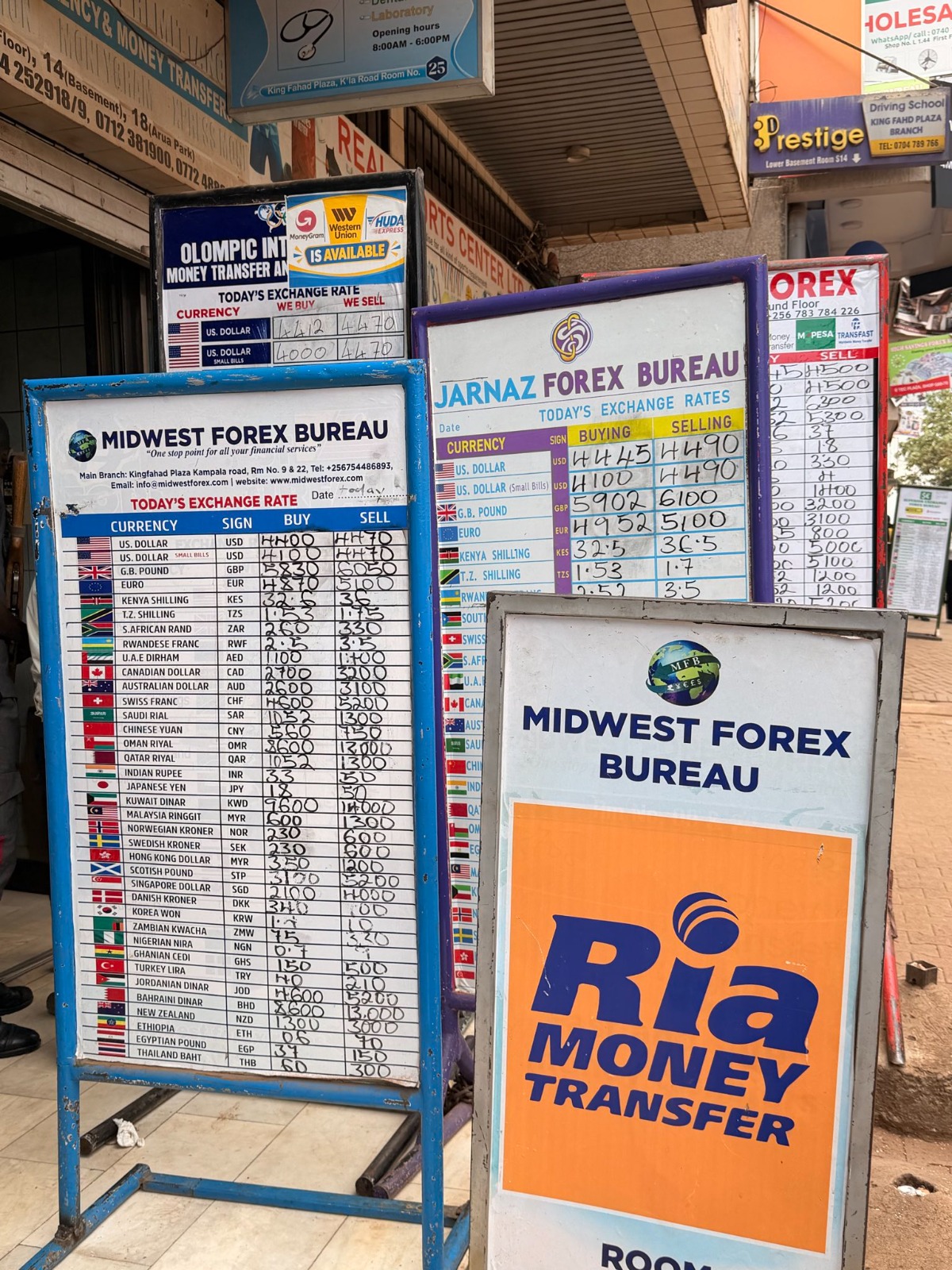
The Uganda Shilling is in its deepest crisis in more than three decades, with the US dollar briefly approaching the Shs4,500 mark as panic buying, higher oil prices, capital outflows and weak dollar inflows combine to push the local currency into uncharted territory.
The dramatic slide has put the Bank of Uganda (BoU) under growing pressure to act, forcing the central bank to dip into its foreign exchange reserves for the second time this month after weeks of resisting direct intervention.
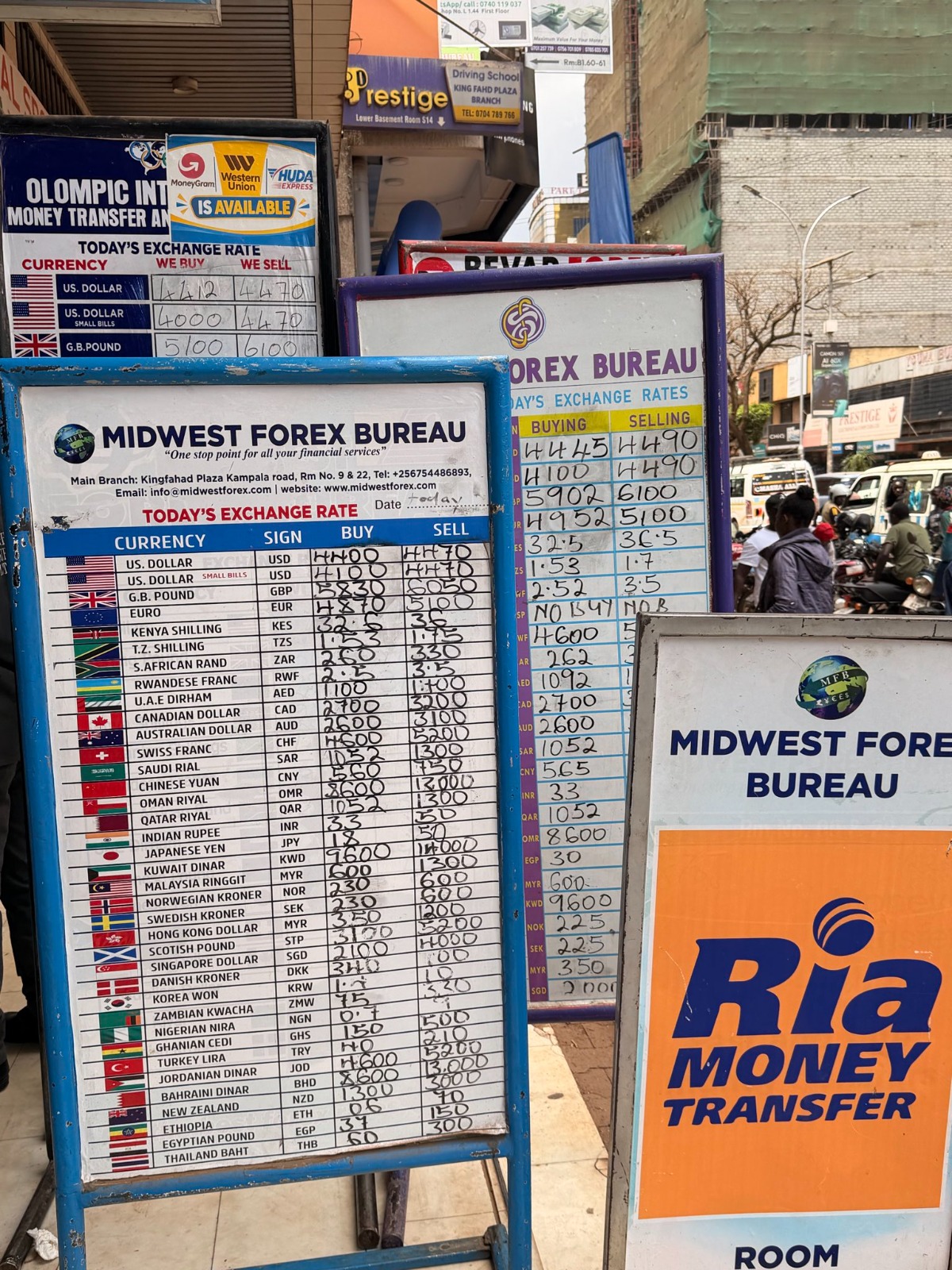
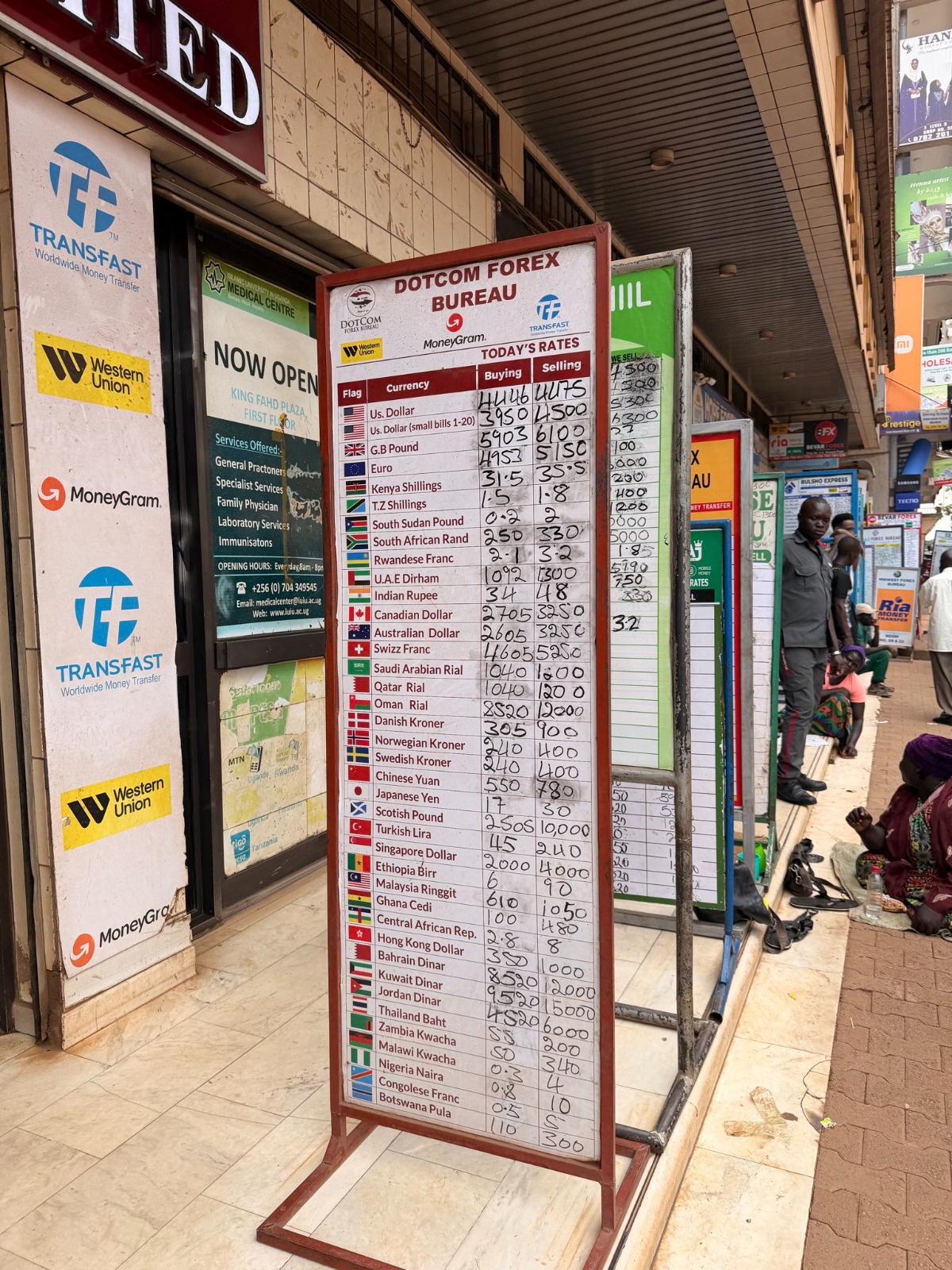
On Friday, the shilling briefly touched about Shs4,500 to the dollar before recovering to around Shs4,404, according to BoU counter rates. The move represented one of the sharpest intraday swings in recent years and left the currency among the worst performers globally.
The pressure has continued despite a series of measures by the central bank aimed at slowing the depreciation.
On October 14, BoU raised the Central Bank Rate (CBR) by an aggressive 225 basis points, from 9.75 per cent to 12 per cent, in an emergency monetary policy move. It also tightened liquidity by increasing the cash reserve requirement for commercial banks from 11 per cent to 13.5 per cent.
The measures were intended to reduce excess shilling liquidity, contain inflation and make holding shilling-denominated assets more attractive.
The shilling initially responded, gaining more than two per cent after the rate hike, but the relief was short-lived. The dollar soon resumed its climb, reaching Shs4,200 and subsequently the Shs4,300 range.
BoU then returned to the foreign exchange market, announcing on October 22 that it was selling foreign currency to commercial banks.
The central bank did not disclose the amount sold, but market sources estimated that an earlier intervention on October 14 may have involved about $30 million. The latest intervention came after the interest-rate increase failed to produce a lasting recovery.
A crisis of dollars
The fundamental problem is straightforward: Uganda is currently demanding more dollars than are flowing into the economy. BoU has attributed the pressure to a widening current-account deficit, higher international energy prices, increased import and transport costs and weaker foreign investment inflows.
The current-account deficit widened by $1.4 billion to $4.6 billion in the 12 months to August, according to the central bank. Higher oil prices have increased the country’s dollar requirements, while capital outflows, particularly from offshore investors, have added pressure.
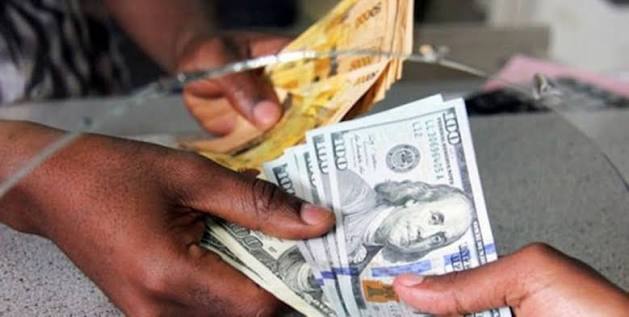
 The situation has also been aggravated by panic buying. As the shilling weakened, companies and individuals rushed to acquire dollars in anticipation of further depreciation, creating a vicious cycle: expectations of a weaker shilling increased dollar demand, which in turn weakened the shilling further.
At some forex bureaux, the imbalance has become visible on the streets, with traders having dollars struggling to keep pace with demand from customers holding shillings.
The central bank, however, insists that the situation should not be confused with a complete collapse of Uganda’s external position.
Governor Michael Atingi-Ego has repeatedly argued that Uganda has sufficient capacity to deal with periods of currency pressure.
Speaking at the Uganda Bankers’ Association conference last month, when the shilling was trading around Shs3,930, Atingi-Ego said the country had survived similar shocks before.
“Bank of Uganda has what it takes to stabilise this exchange rate. So, be still. All will be fine.”
He pointed to the 2022 global interest-rate shock, the suspension of new World Bank financing in 2023 and offshore bond outflows in 2024 as previous episodes in which the shilling came under severe pressure before eventually stabilising.
Atingi-Ego has also resisted the argument that BoU should defend a particular exchange-rate level.
The central bank operates a market-determined exchange-rate regime and has said its interventions are designed to smooth excessive volatility rather than maintain an artificial rate.
 “If it has depreciated, it has depreciated smoothly; it has not been erratic, it has not been very volatile,” Atingi-Ego said earlier as the currency came under pressure.
The reserves dilemma
The crisis has nevertheless opened a debate about Uganda’s foreign exchange reserves. Uganda has accumulated a sizeable reserve buffer, with gross reserves recently standing at more than $6.5 billion. That gives BoU ammunition to intervene when the market becomes disorderly. But spending reserves to defend the shilling has political and economic risks.
President Museveni has publicly opposed using reserves simply to make imports cheaper, arguing that a weaker shilling can improve the local-currency earnings of exporters.
The President has said reserves should not be squandered defending an exchange rate while Uganda continues importing heavily.
That position has created an uncomfortable policy dilemma for BoU: intervene enough to prevent panic and disorder, but not so heavily that reserves are depleted trying to stop a depreciation driven by underlying economic forces.
Rwakakamba’s “third path”
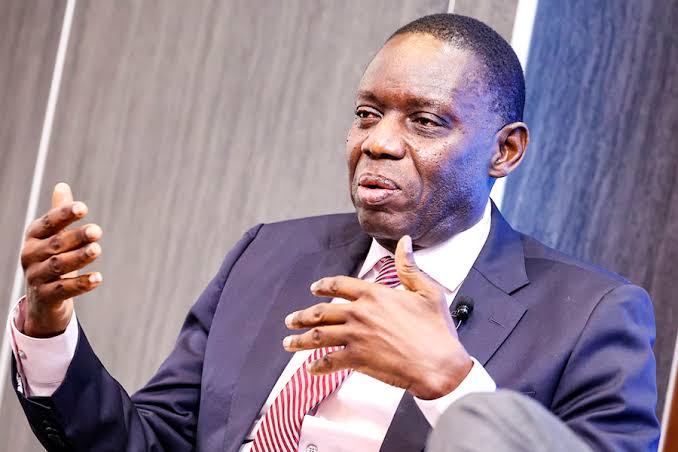
Economist Morrison Rwakakamba says Uganda does not have to choose between doing nothing and burning through reserves to defend an arbitrary exchange rate.
 He has proposed what he calls a “third path” — limited, rules-based intervention combined with fiscal discipline and measures to generate more foreign exchange.
Rwakakamba argues that some commentary has overstated the crisis and wrongly interpreted the government’s policy.
“Bloomberg overstates the crisis and misreads the policy,” he says, arguing that the shilling’s slide reflects global dollar strength, fuel shocks and capital outflows rather than simply government failure.
According to Rwakakamba, Uganda should accept that reserves are a shock absorber rather than use them to subsidise imports or maintain a fixed exchange rate.
His proposal calls for BoU to intervene when the dollar rises too rapidly, selling limited amounts of foreign exchange and immediately sterilising the shilling liquidity created by the intervention.
He proposes that such operations should be transparent, with the central bank publishing the figures regularly.
Rwakakamba also proposes a temporary special window under which dollars could be made available at a slightly better rate for essential imports such as fuel, fertiliser, essential medicines and wheat.
 The arrangement, he argues, could be funded through a temporary foreign-exchange swap from reserves, with dollars returning to the system when the imported goods are sold. Everything else, he says, should be purchased at the market rate.
His third measure is aimed at foreign-currency deposits. He proposes that commercial banks temporarily set aside an additional five per cent in dollars against foreign-currency deposits that have grown sharply since August, with the measure reviewed after 90 days.
He also wants government to reduce unnecessary dollar demand created by customs and administrative rules.
For goods arriving before November 30, he proposes that import duty should be calculated using the BoU exchange rate on the day the goods were loaded on the ship rather than allowing exchange-rate movements during transit to create additional dollar pressure.
Transparency and exports
Rwakakamba’s final prescription is greater transparency. He wants BoU to publish a detailed reserve position showing how much is available, how much is committed and how many months of imports the reserves can cover.
He also proposes that government publish a detailed fuel-price breakdown every Friday, showing the cost of crude oil, shipping, exchange rates, taxes and dealer margins.
For new Uganda Investment Authority licences issued over the next six months, he wants government to clearly establish whether each project will generate more foreign exchange than it will consume over an 18-month period.
 The broader objective is to prevent the shilling crisis from becoming a permanent feature of the economy.
The economist’s position is that Uganda should protect its reserve buffer while allowing the exchange rate to adjust to economic realities.
“Do not try to push the dollar back to 3,700,” Rwakakamba argues. Instead, government should “stop the overshoot and panic” while waiting for stronger foreign-exchange inflows, particularly Christmas remittances and anticipated oil revenues. For BoU, the challenge is now to strike that delicate balance.
A prolonged defence of the shilling could consume reserves without addressing the underlying dollar shortage. Doing nothing, on the other hand, could allow panic and inflation expectations to become entrenched.
The immediate task is therefore not necessarily to restore the shilling to an old exchange rate, but to restore confidence that the currency can find an orderly level without triggering an inflationary spiral.
As the dollar flirts with Shs4,500, Uganda’s central bank has shown that it is prepared to intervene.
The bigger question is whether intervention can buy enough time for the economy’s dollar earners — exports, remittances, tourism, investment and oil — to catch up with the country’s growing appetite for foreign exchange.
Author Profile

- Charles Gazza Kodili is a seasoned journalist with over 20 years of experience in the media industry. He holds a Bachelor of Arts degree in Mass Communication. He’s currently the Chief Editor at the Investigator.
Charles can also be reached via; Tel: +256 774 108978
Email: [email protected]
Latest entries
 FeaturedOctober 26, 2026IGG DEMANDS 10 YEARS OF FUFA FINANCIAL RECORDS: From Kadiba Stadium And FUFA House To Startimes Broadcasting Deals, The Inspectorate Of Government Demands Bank Statements, Contracts And Revenue Disclosures As Football’s Financial Accountability Comes Under Scrutiny
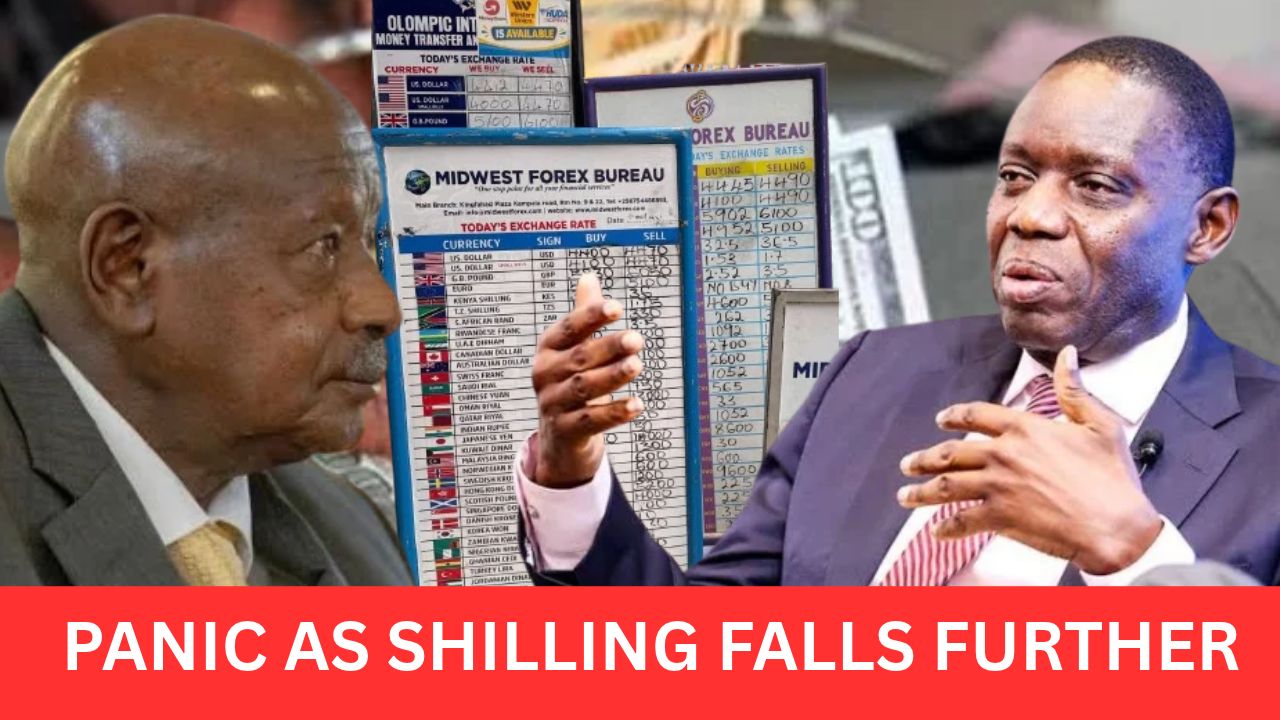 FeaturedOctober 26, 2026THE SHILLING ON FREE FALL: BoU Moves As Dollar Nears Shs4,500, President Museveni Has Publicly Opposed Using Reserves Simply To Make Imports Cheaper, Arguing That A Weaker Shilling Can Improve The Local-Currency Earnings Of Exporters
 FeaturedOctober 26, 2026IGG, MAO CLASH OVER KAINOBWISHO: The Inspectorate Of Government Orders Justice Minister Norbert Mao To Enforce Its Directive Against URSB Registrar General Mercy Kainobwisho And Three Senior Officials Over Alleged Corruption
 FeaturedOctober 26, 2026WHERE IS SAM MUGUMYA? UPDF Denies Holding Missing Opposition Activist As Lawyers Demand Answers, While A Former Detainee Says He Was Held With Him And Gen Muhoozi Is Reported To Have Claimed The Activist Is In His Custody