





Parliament has backed a recommendation to disband the Uganda Human Rights Commission (UHRC) and replace its chairperson and commissioners, deepening the crisis at the constitutional watchdog that has been rocked by leadership disputes, accountability questions and allegations of institutional paralysis.
The recommendation follows scrutiny by the Committee on Commissions, Statutory Authorities and State Enterprises (COSASE), which raised concerns over the Commission’s governance, financial management, procurement, asset management and failure to effectively execute key aspects of its constitutional mandate.
The committee’s report, presented to Parliament last week, paints a troubling picture of an institution entrusted with protecting Ugandans from human rights abuses but which has itself struggled with internal administration and accountability.
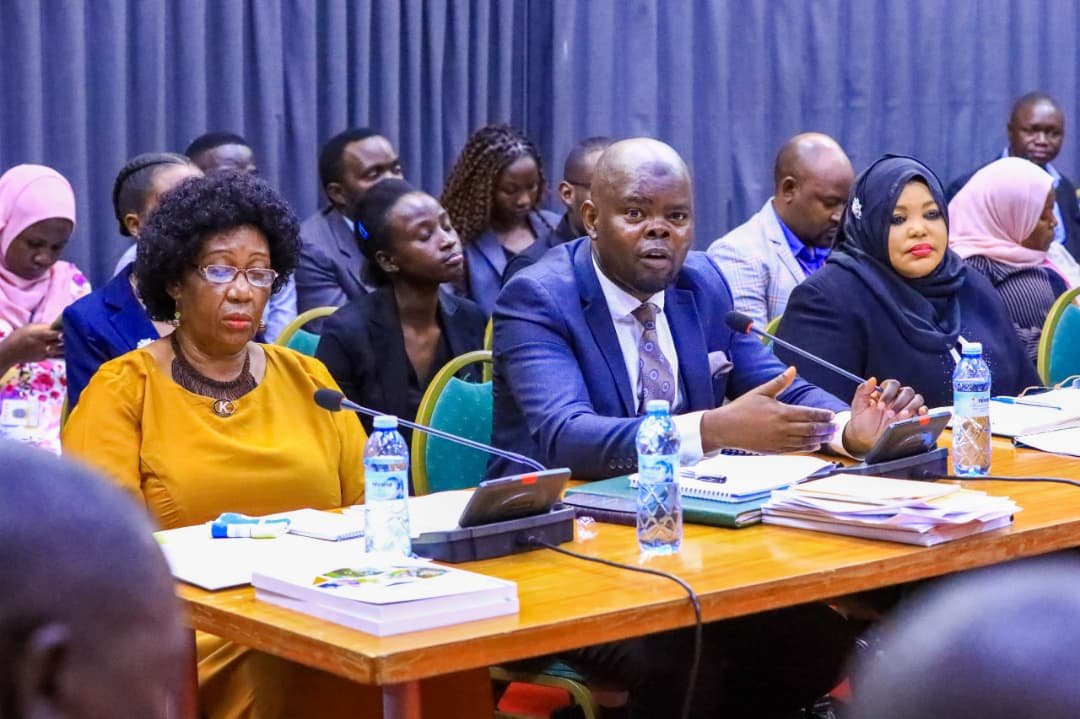 COSASE chairperson Muwada Nkunyingi told Parliament that UHRC received Shs28.95 billion in revenue during the 2024/25 financial year, up from Shs18.34 billion the previous year, yet serious weaknesses persisted in the management and delivery of its core functions. Parliament of Uganda
The committee specifically pointed to delays in investigating human rights complaints, inspecting detention facilities and concluding cases before the UHRC tribunal.
Nkunyingi’s committee also questioned the implementation of the Commission’s strategic plan and the management of public resources.
The recommendation to overhaul the Commission comes after months of increasingly public disagreements among its leadership, particularly between chairperson Mariam Fauzat Wangadya and some of the commissioners.
The leadership crisis became more pronounced earlier this year when commissioners raised complaints about governance and financial management, prompting scrutiny by Parliament and the Inspectorate of Government.
Wangadya’s troubled tenure
Wangadya, a lawyer and former Deputy Inspector General of Government, returned to UHRC in September 2021 as chairperson after the death of former chairperson Meddie Kaggwa had left the institution without a substantive head for almost two years. UHRC describes her as a human rights defender and children’s rights advocate.
Her tenure, however, has ended amid a bitter internal dispute.
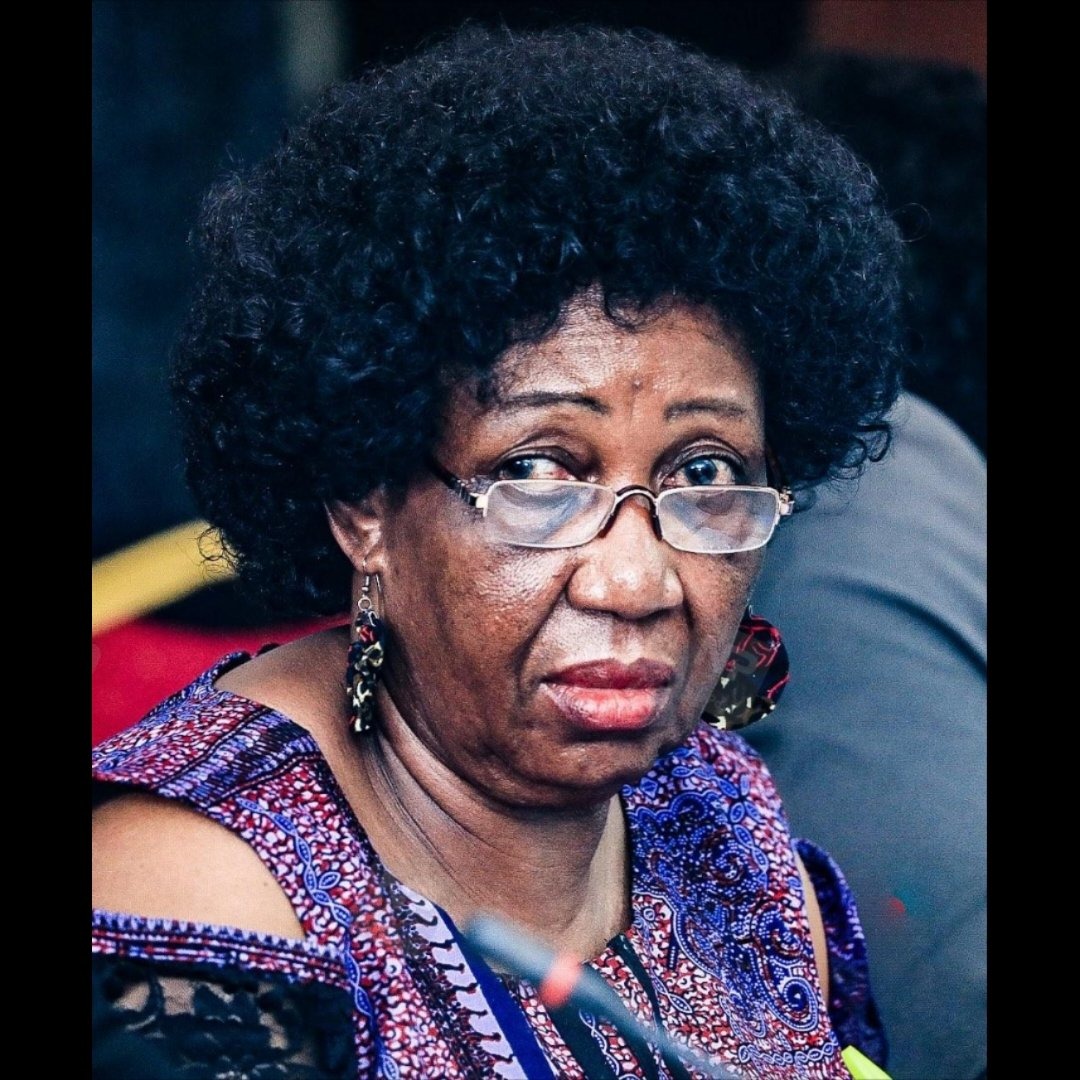 In July, Wangadya submitted a notice indicating her intention to resign, but Attorney General Sam Mayanja told Parliament that the notice did not constitute a completed resignation because it had not been formally accepted by President Museveni.
When she subsequently appeared before Parliament, Wangadya said the President had rejected her resignation.
“I don’t know whether the word ‘reinstate’ me is the right one, because the process was not completed,” she told MPs, arguing that she had never formally left office. The dispute over her resignation was only one part of a much wider institutional problem.
In July, Parliament’s scrutiny found that the Commission had not held a formal sitting since March 2026. This had serious consequences because the tribunal, which handles complaints of human rights violations, requires the chairperson to preside over proceedings.
UHRC officials told COSASE that tribunal hearings had last been held in December 2025 after the budget allocated for hearings had been exhausted.
The result was a growing backlog of complaints and questions about whether the institution was fulfilling the very mandate for which it was established.
Commissioners turn on each other
The internal dispute also dragged Commissioner Crispin Kugiza Kaheru into the controversy. Kaheru, a civil rights activist with extensive experience in governance, human rights, accountability and conflict-resolution work, joined UHRC in September 2021.
In July, as the Commission faced mounting criticism, Kaheru publicly argued that the institution needed stability and proper oversight rather than speculation.
“Because when the facts come out, reputations will be restored and you will see how accountability will find its rightful address,” Kaheru said in an interview as he addressed the controversies surrounding UHRC.
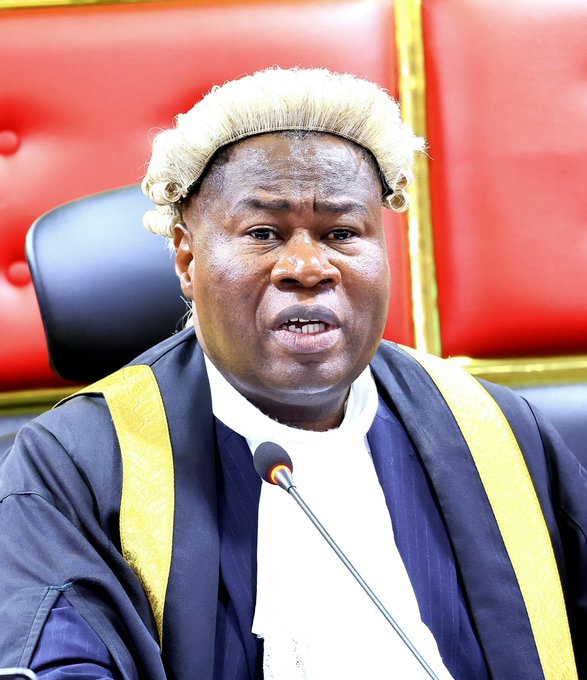
He also defended Wangadya’s status, saying she remained the substantive chairperson and that the Attorney General had clarified that her resignation had not been accepted. But Kaheru himself became part of the accusations exchanged within the Commission.
Some commissioners accused Wangadya and Kaheru of financial misconduct and abuse of office, including allegations concerning the use of Commission assets, official vehicles, generators and travel-related expenditure. Wangadya and her allies rejected the accusations.
Wangadya, for her part, publicly questioned the competence and credibility of some commissioners, saying their conduct had made it difficult for her to run the Commission.
She also accused some commissioners of having been appointed despite lacking the professional and personal qualities required to lead a constitutional institution.
The competing accusations transformed what would ordinarily have been internal administrative disagreements into a public crisis over the credibility of Uganda’s principal human rights institution.
‘No investigation’ defence
As reports of an Inspectorate of Government probe circulated, Wangadya rejected suggestions that the allegations against her amounted to proof of wrongdoing.
“Please know there is no investigation against me, or any commissioner or staff member. If I wrote a letter saying we are investigating you, does that mean you are guilty?” she said, challenging those reporting on the controversy to distinguish allegations from established findings.
UHRC’s public affairs office similarly insisted that the Commission remained operational despite the allegations.
But Parliament’s intervention has now shifted the matter from an internal dispute to a question of institutional survival.
Human rights watchdog under scrutiny
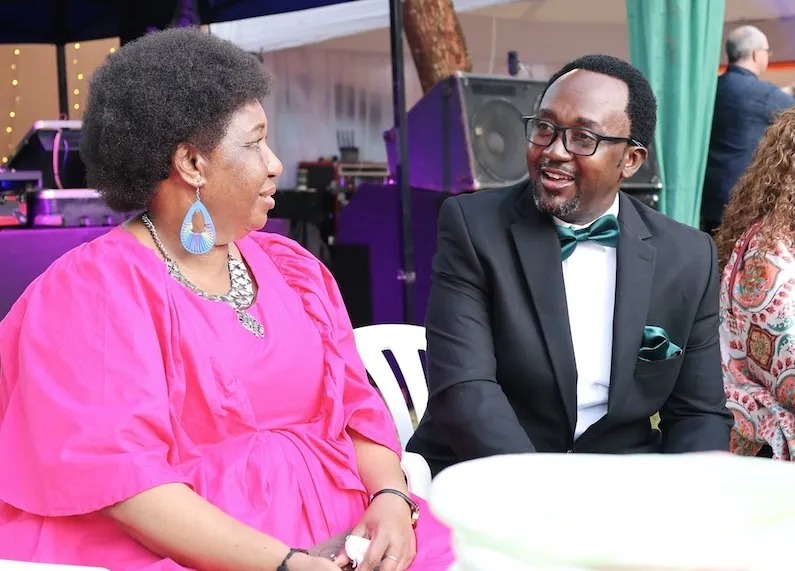 The irony has not been lost on observers: an institution created to hold the state accountable for violations of citizens’ rights is now itself facing parliamentary questions over accountability.
Article 51 of the Constitution establishes the Uganda Human Rights Commission as an independent institution mandated to promote and protect human rights and ensure good governance.
The Commission has in the past highlighted serious human rights concerns involving detention, police conduct, freedom of expression, electoral violence and the treatment of vulnerable groups.
Wangadya herself previously called for stronger government support for UHRC, saying the Commission needed adequate funding to fulfil its statutory obligations.
In 2023, while presenting the Commission’s annual report, she pointed to an increase in complaints from citizens and called for government recommendations arising from those complaints to be implemented. She also complained about inadequate funding, depleted vehicles and dependence on donor support. The Commission has also continued to publicly defend its constitutional role.
In September this year, Kaheru said the Commission could not produce a credible human rights report without drawing perspectives from government, civil society, academia and experts.
“We need perspectives from government, Civil Society Organisations, academia and experts on the issues we have selected to write about,” he said during consultations for the Commission’s 29th annual report. uhrc.ug
Wangadya, through remarks delivered on her behalf, similarly stressed that the strength of a national human rights institution depended on the honesty of voices shaping its findings.
Those statements now stand in sharp contrast to the institutional paralysis identified by Parliament.
What next for UHRC?
Parliament’s decision effectively puts the future of the current UHRC leadership in doubt. The proposed replacement of Wangadya and the commissioners would amount to one of the most significant interventions in the Commission since its establishment.
It also raises questions about how Parliament and the Executive will balance the need for accountability with the constitutional independence of a national human rights institution.
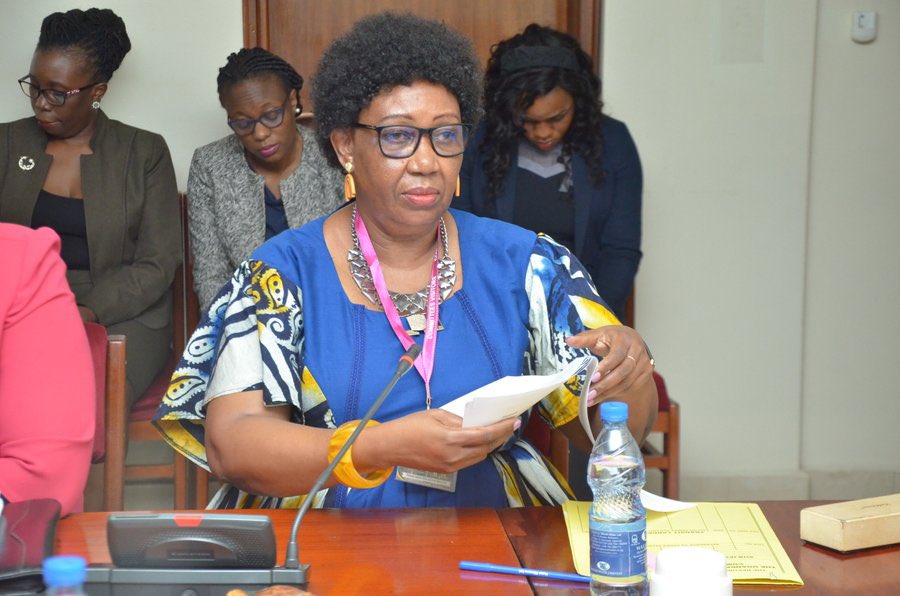 For critics of the current leadership, the recommendation provides an opportunity to reset the Commission, restore public confidence and create a more functional institution.
For human rights defenders, however, the greater concern will be whether an overhaul strengthens or weakens the independence of the body charged with scrutinising government agencies and security institutions.
The immediate challenge will therefore be to ensure that the proposed changes do not simply replace one leadership dispute with another.
UHRC’s credibility ultimately depends not only on who occupies its offices but on whether it can independently investigate complaints, inspect places of detention, conduct tribunal hearings and compel government institutions to respond to human rights violations.
For now, COSASE’s findings have placed Wangadya and her commissioners at the centre of an unprecedented institutional reckoning.
The watchdog is itself being watched—and Parliament has concluded that a change at the top may no longer be enough.
Author Profile
- Charles Gazza Kodili is a seasoned journalist with over 20 years of experience in the media industry. He holds a Bachelor of Arts degree in Mass Communication. He’s currently the Chief Editor at the Investigator.
Charles can also be reached via; Tel: +256 774 108978
Email: [email protected]
Latest entries
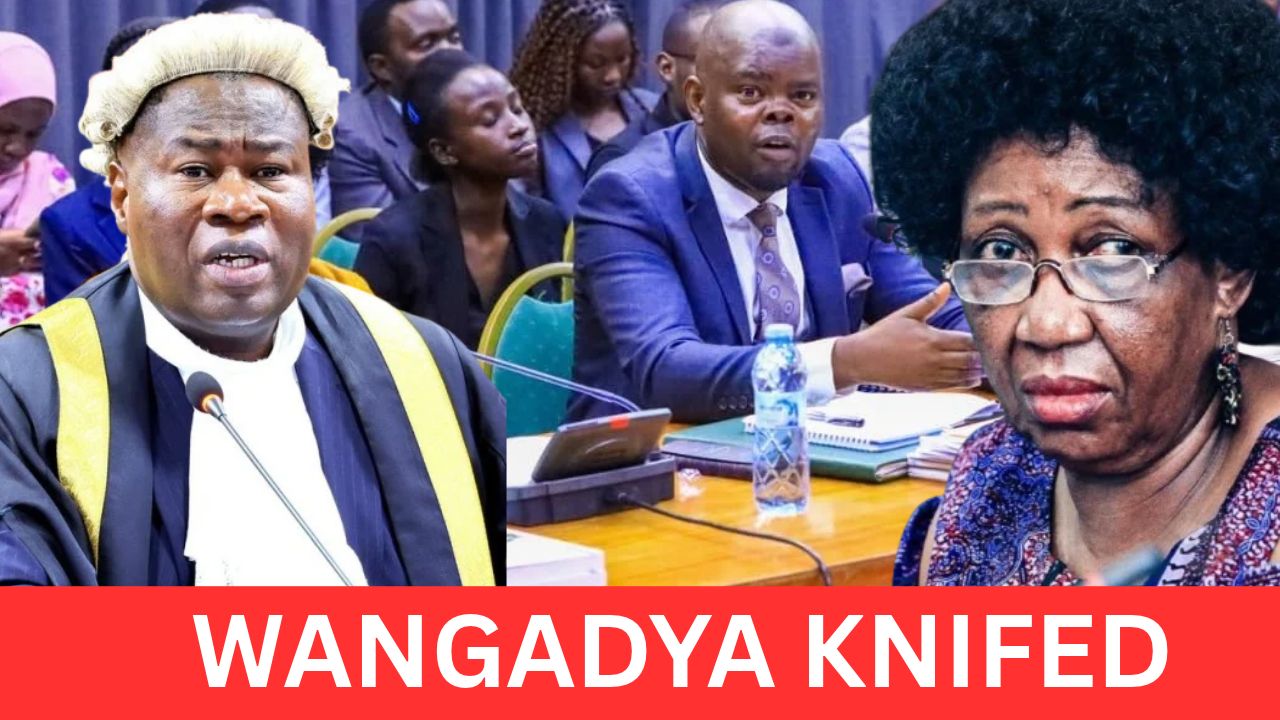 FeaturedOctober 21, 2026WANGADYA, COMMISSIONERS FACE AXED: Parliament Endorses COSASE Recommendation To Replace The Chairperson And Commissioners After Months Of Bitter Internal Disputes
 FeaturedOctober 20, 2026MUSEVENI COMMISSIONS GRANDSON INTO UPDF: Ruhamya Kainerugaba’s Commissioning At Kabamba Puts Three Generations Of The President’s Family In The Military, With His Father, Gen Muhoozi, Serving As CDF
 FeaturedOctober 20, 2026TRUMP WARNS AMERICANS: ‘DO NOT TRAVEL’ TO UGANDA: Uganda Is Listed Alongside Conflict-Hit And Unstable African States Under The Highest US Travel Advisory, With Terrorism, Crime, Civil Unrest And Health Risks Cited
 FeaturedOctober 19, 2026‘DON’T LET LUKWAGO DIE IN CUSTODY’: Opposition Leaders And Lawyers Demand Immediate Medical Freedom For The Detained City Lawyer As Concerns Mount Over His Chronic Conditions And Access To Specialist Care