














Uganda has lost one of its most distinguished sons, a pioneering academic, accomplished engineer, industrialist, businessman and statesman whose remarkable life was defined by institution-building, intellectual courage and an enduring commitment to national development.
Dr Erick Tiyo Sekabuga Adriko, a former Deputy Prime Minister of Uganda, passed away on Saturday morning, November 28, 2026, at about 4:30am at Medipal Hospital in Kampala, where he had reportedly been admitted to the Intensive Care Unit (ICU). His death was confirmed by his family.
He was a man whose contribution to Uganda extended far beyond the corridors of political power. From the lecture rooms of Makerere University to the Cabinet chambers, from the boardrooms of some of Uganda’s leading corporations to the golf courses where he nurtured his sporting interests, Adriko occupied several influential spaces and left an unmistakable mark.
His passing closes a remarkable chapter in Uganda’s history, particularly in the development of engineering education, industrial enterprise and public administration.
For a country that continues to grapple with the challenge of building strong institutions, developing local industrial capacity and nurturing home-grown expertise, Adriko represented a generation of Ugandans who believed that national progress had to be built on knowledge, innovation, enterprise and public service. He was, in every sense, a pioneer.
The Makerere University trailblazer
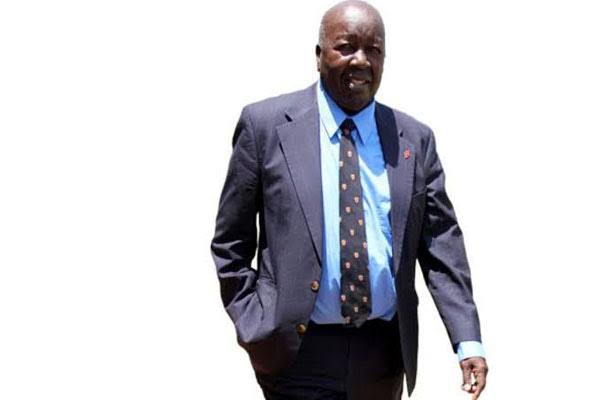
Perhaps one of Adriko’s most enduring contributions to Uganda was his role in establishing Makerere University’s Faculty of Technology in 1970. At a time when Uganda was still building its technical and scientific education infrastructure, Adriko recognised the importance of developing indigenous engineering capacity to support the country’s industrialisation ambitions. He became the founding head of the Faculty of Technology, helping establish an academic institution that would go on to train generations of engineers and technical professionals who have contributed to Uganda’s development.
The establishment of the faculty was more than an academic undertaking. It was an investment in the country’s future. Uganda needed engineers capable of designing, constructing, maintaining and managing the infrastructure upon which a modern economy depended. It needed technical minds who could move the country beyond dependence on imported expertise and develop the capacity to solve its own industrial and technological challenges.
Adriko was among the pioneers who understood this necessity. His work at Makerere helped create a foundation upon which subsequent generations of engineering students and professionals would build their careers. He was not simply interested in occupying an academic position. He wanted to create something that would outlive him.
That perhaps explains one of the defining features of his life: his ability to break new ground and create room for others to follow. Soon after establishing the Faculty of Technology, Adriko transitioned from academia into business, demonstrating that his ambitions were not confined to the university environment.
He carried the technical knowledge, discipline and problem-solving orientation of an engineer into the world of industrial and commercial enterprise. His transition from academia to business was itself a statement about the relationship between education and economic development. Knowledge, in his view, had to be translated into productive activity.
From engineering to industrial enterprise
Adriko’s professional journey was distinguished by his ability to operate across different sectors. An accomplished mechanical engineer with a doctorate from the University of London, he possessed the technical credentials and intellectual grounding to pursue an academic career. However, he ventured into business and industry, eventually establishing the Adriko Group of Companies.
Through his business interests, he became part of Uganda’s private-sector leadership at a time when the country was working to rebuild its economy and strengthen domestic enterprise. His entrepreneurial journey reflected the ambitions of a generation that sought to combine professional expertise with commercial independence.
 He understood that industrialisation required more than political declarations. It required entrepreneurs willing to invest, take risks, create businesses and participate in the development of the national economy. Adriko’s business interests and corporate leadership brought him into contact with some of Uganda’s most important institutions. He served on the boards of several prominent organisations, including MTN Uganda, Uganda Revenue Authority (URA), UBA Uganda and Kakira Sugar Works.
These appointments reflected the confidence placed in his experience, professional judgment and understanding of business and institutional governance. His presence in corporate boardrooms was an extension of the same institution-building philosophy that had characterised his academic career.
He was part of a generation of professionals whose influence was felt not only through the positions they occupied but also through the institutions they helped shape.
The engineer who became a statesman
Adriko’s contribution to Uganda was not limited to academia and business. He also played a significant role in national politics and public administration. He served as Member of Parliament for Vurra County, representing his constituency in the national political arena before rising to some of the highest offices in government.
His political career placed him at the centre of Uganda’s efforts to rebuild and reorganise its public institutions during a critical period in the country’s post-independence history. Between 1991 and 1994, he served as Third Deputy Prime Minister and Minister of Lands, Housing and Urban Development.
He later rose to the position of Second Deputy Prime Minister and Minister of Public Service, serving between 1995 and 1996. These were important responsibilities in a country undertaking institutional reforms and seeking to consolidate its public administration structures.
As Minister of Lands, Housing and Urban Development, Adriko occupied a portfolio central to Uganda’s development challenges. Land administration, urban planning, housing and the management of public land remain among the country’s most consequential policy areas. His tenure placed him within the political leadership responsible for addressing these national priorities.
 His subsequent appointment as Minister of Public Service brought him into the heart of government administration, where the efficiency, organisation and performance of the civil service are critical to the delivery of public programmes.
His rise to the Deputy Prime Minister’s office demonstrated the breadth of his professional and political standing. Unlike many political figures whose careers are built almost exclusively around party mobilisation, Adriko brought to public service a background in engineering, academia and business.
He represented a tradition of leadership in which professional competence and administrative experience were considered important assets in national governance.
A hand in shaping Uganda’s Constitution
Another significant chapter in Adriko’s public life was his participation in the 1989 Constitutional Commission. His appointment to the commission placed him among those entrusted with examining Uganda’s constitutional future during a period of political transition and institutional rebuilding.
The commission formed part of the broader national process that eventually culminated in the promulgation of the 1995 Constitution. His participation reflected the recognition that Uganda’s constitutional and political development required contributions from professionals beyond the traditional political establishment.
Engineers, academics, lawyers, administrators and other professionals had a role to play in defining the country’s governance structures. Adriko’s presence in that process was consistent with his broader philosophy of national service.
He was a technocrat who understood that institutions matter, that national development requires a sound governance framework and that the country’s future should be shaped through the participation of people with different professional experiences.
Chancellor who nurtured institutions
Even after leaving active government service, Adriko remained committed to education and institutional development. Between 2004 and 2016, he served as Chancellor of Kyambogo University, one of Uganda’s important public institutions of higher learning.
His appointment to the position was a natural extension of his long association with academia and his earlier pioneering work at Makerere University. Kyambogo University occupies an important place in Uganda’s higher education system, particularly in technical, vocational, teacher and professional training.
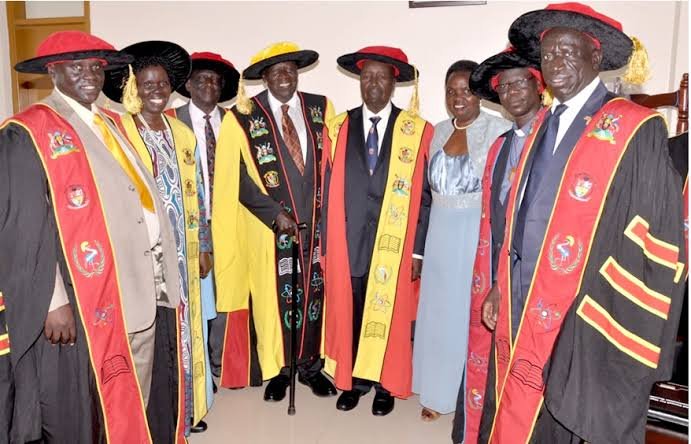
Adriko’s experience as an engineer, university founder and former government minister offered a unique perspective on the importance of universities in national transformation. He understood that universities must do more than award qualifications. They must produce knowledge, nurture innovation, develop professional competence and respond to the needs of society. His 12-year tenure as Chancellor represented another lengthy period of institutional service.
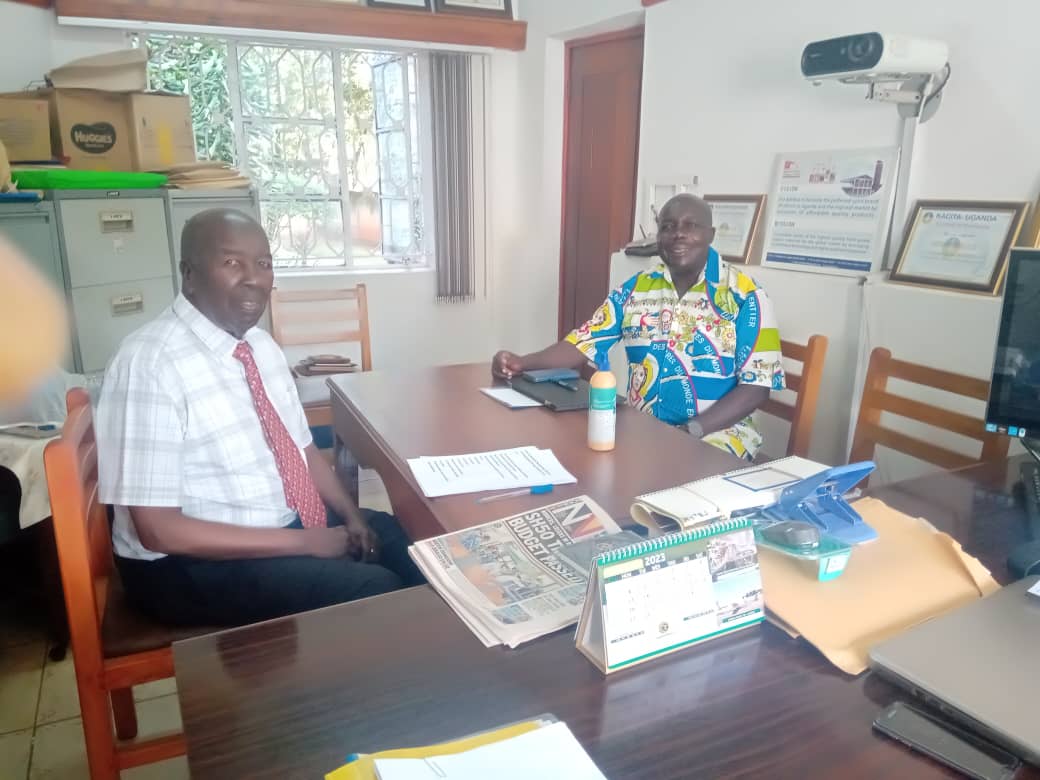 He later became the inaugural Chancellor of Muni University, further extending his contribution to Uganda’s university sector. Being entrusted with the inaugural chancellorship of a new university was particularly significant because it placed him once again in the position of helping establish an institution from its formative stages.
It was a recurring theme throughout his life: opening doors, creating structures and laying foundations upon which others could build.
A corporate elder and respected boardroom figure
Beyond his direct business interests, Adriko’s experience made him a valuable figure in Uganda’s corporate governance landscape. His service on the boards of MTN Uganda, URA, UBA Uganda and Kakira Sugar Works placed him in some of the country’s important commercial and institutional environments.
The organisations represented different sectors of the economy, from telecommunications and banking to taxation and manufacturing. His participation in their governance structures demonstrated the versatility of his professional experience.
For a country seeking to strengthen corporate governance and develop an experienced pool of local directors, individuals with Adriko’s combination of technical, academic, entrepreneurial and political experience were particularly valuable.
He understood the language of engineering, the demands of business, the complexities of government and the responsibilities of institutional leadership. It was this combination that made him an important figure in Uganda’s professional establishment. His life also offered an example of how expertise acquired in one field can be transferred into other areas of national development.
The golfer and sports administrator
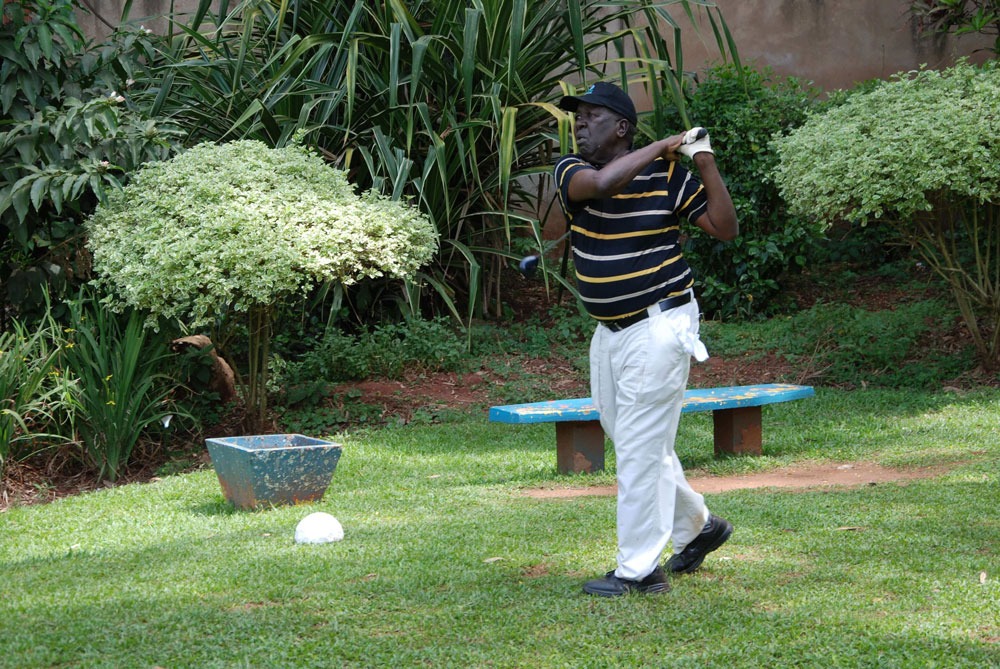
Away from the boardrooms, government offices and university campuses, Adriko had another passion: golf. He served as Captain of Uganda Golf Club and later as President of the Uganda Golf Union. His involvement in the sport reflected a different dimension of his personality and leadership.
Golf is a sport built around discipline, patience, precision and personal responsibility. These qualities were also evident in the professional life of a man who spent decades building institutions and serving in demanding leadership positions. His involvement in golf administration demonstrated that his interests were not confined to the professional and political worlds.
He contributed to the development and administration of sport, becoming part of a community that has played an important role in Uganda’s sporting and social life. His service as Uganda Golf Club Captain and Uganda Golf Union President further demonstrated the breadth of his public engagement.
He was a man comfortable in the university lecture theatre, the Cabinet room, the corporate boardroom and the sporting arena.
A life defined by opening doors
Perhaps the most appropriate way to remember Adriko is as a pioneer who consistently created opportunities for others. At Makerere, he helped establish an engineering faculty that would serve generations of students.
In business, he demonstrated that an academic and technical professional could venture into enterprise and contribute to the private sector. In government, he served at the highest levels of political administration. In higher education, he provided leadership to Kyambogo and Muni universities. In corporate Uganda, he offered his experience to important institutions. In sport, he served as a leader and administrator.
These were not disconnected chapters. They were expressions of one overarching commitment: using knowledge, experience and leadership to build institutions. His generation operated in circumstances that were often difficult, with Uganda experiencing political upheavals, economic challenges and institutional transitions.
Yet men such as Adriko pursued professional excellence and sought to establish structures that could withstand the passage of time. His legacy is therefore not simply about the titles he held or the offices he occupied.
It is about the people who passed through the Faculty of Technology he helped establish, the institutions he led, the businesses he built and the professional spaces in which he helped nurture leadership. The true measure of his contribution will continue to be reflected in the work of those who followed him.
Uganda bids farewell to a distinguished son
Adriko’s death marks the end of an extraordinary journey spanning academia, engineering, industrial enterprise, politics, corporate governance and sport.
He belonged to a generation of Ugandans who understood that national development required more than occupying public office. It required building institutions, developing people, nurturing professional competence and creating opportunities for future generations. His life was a demonstration of the possibilities that emerge when academic knowledge meets entrepreneurship and public service.
At Makerere University, he helped lay the foundation for engineering education. In government, he served as Deputy Prime Minister and Cabinet minister. In business, he established the Adriko Group of Companies. In higher education, he provided leadership to two universities. In corporate Uganda, he served on influential boards. And in sport, he helped lead the country’s golfing fraternity. Few careers encompass such a wide range of national responsibilities.
His passing will be mourned by the academic community, the engineering fraternity, the business world, political leaders, former colleagues, friends and the many people whose lives were touched by his work.
For his family, the loss is deeply personal. For Uganda, it is the loss of a distinguished professional and public servant whose contribution stretched across several generations.
The circumstances surrounding his final illness and the cause of death had not been publicly disclosed by the time of writing. But beyond the sadness of his departure, Dr Erick Tiyo Sekabuga Adriko leaves behind a legacy that will continue to speak for him.
He was an academic who did not remain confined to academia, an engineer who ventured into industry, a businessman who entered public service, a politician who returned to institutional leadership and a sports enthusiast who gave his time to administration.
Above all, he was a builder. He did not merely seek positions; he helped create institutions. He did not simply break barriers; he opened pathways for others. As Uganda mourns one of its remarkable sons, perhaps the most fitting tribute is to remember that the greatest leaders are not necessarily those who occupy the highest offices, but those who leave behind something that continues to serve society long after they are gone. Dr Erick Tiyo Sekabuga Adriko did just that.
May his soul rest in eternal peace.
Author Profile

- Charles Gazza Kodili is a seasoned journalist with over 20 years of experience in the media industry. He holds a Bachelor of Arts degree in Mass Communication. He’s currently the Chief Editor at the Investigator.
Charles can also be reached via; Tel: +256 774 108978
Email: [email protected]
Latest entries
 FeaturedNovember 28, 2026KABAKA MUTEBI HONOURS CARDINAL WAMALA AHEAD OF 100TH BIRTHDAY: The Kabaka Visits The Retired Archbishop Of Kampala At His Nsambya Residence As Uganda Prepares To Celebrate The Catholic Prelate’s Historic Centenary On December 15
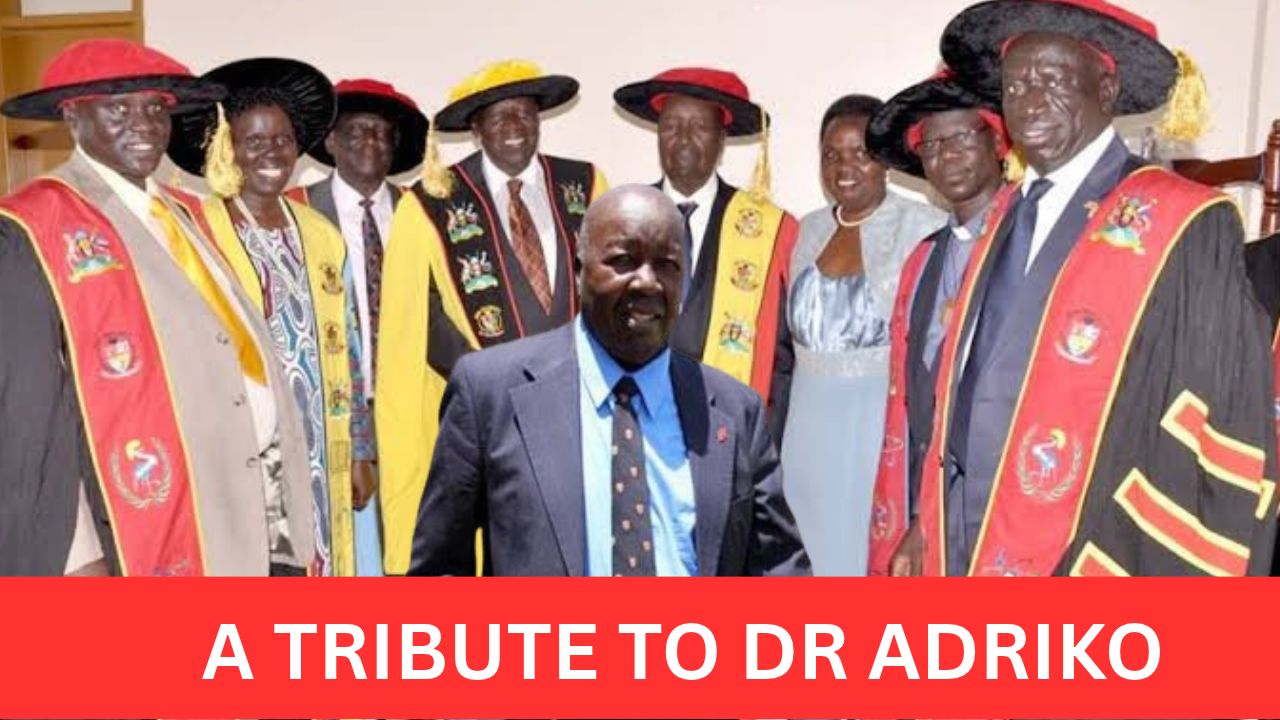 FeaturedNovember 28, 2026DR ERIC ADRIKO THE MAN WHO OPENED DOORS FOR OTHERS: From Founding Makerere University’s Faculty of Technology In 1970 To Serving In Cabinet, Leading Two Universities And Building A Business Empire, The Celebrated Engineer Leaves Behind A Remarkable National Legacy
 FeaturedNovember 28, 2026WHY ALIONI FINALLY STORMED ZAWEDDE’S OFFICE: More Than Two Weeks After Museveni Transferred Her, Aminah Zawedde Was Still Reportedly Exercising Permanent Secretary Powers, Triggering A Dramatic Showdown With Her Minister
 FeaturedNovember 28, 2026WHY SEMAKKADDE WANTS TO RULE THE BAR AGAIN: Isaac Ssemakadde Seeks Re-Election Despite Spending Much Of His First Term Abroad Following His Contempt Conviction, As Lawyers Prepare For A Fiercely Contested December Poll