



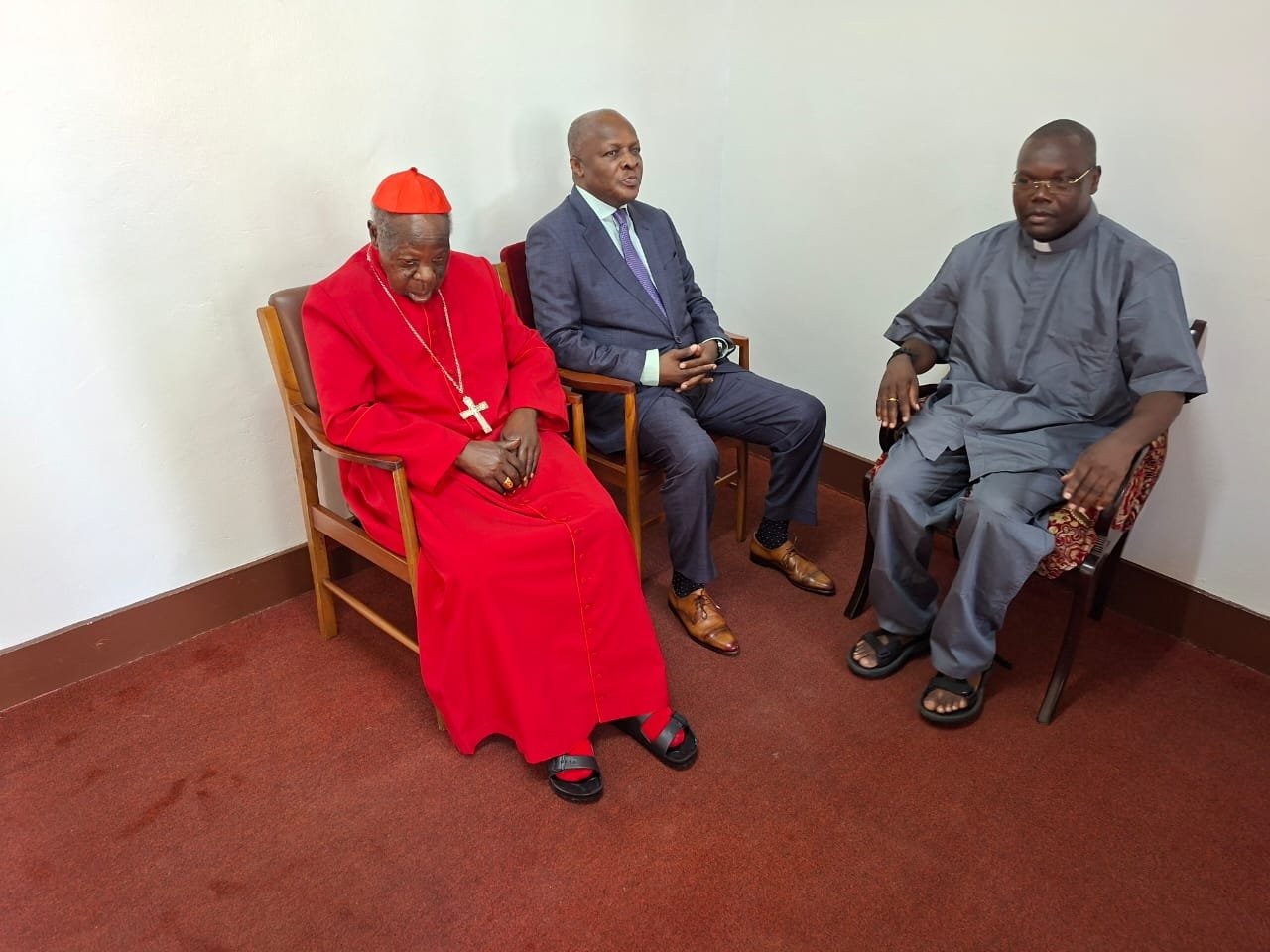
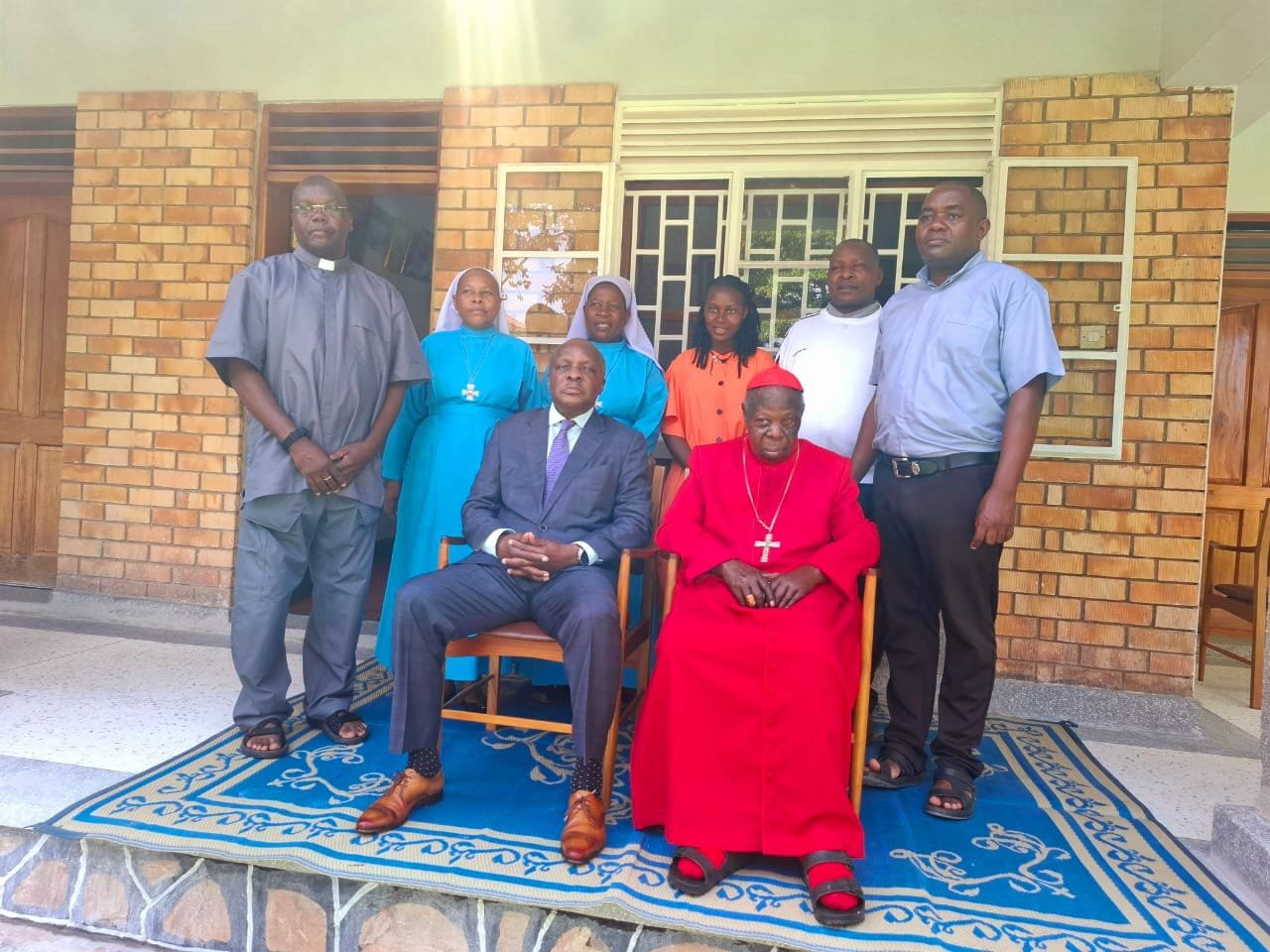
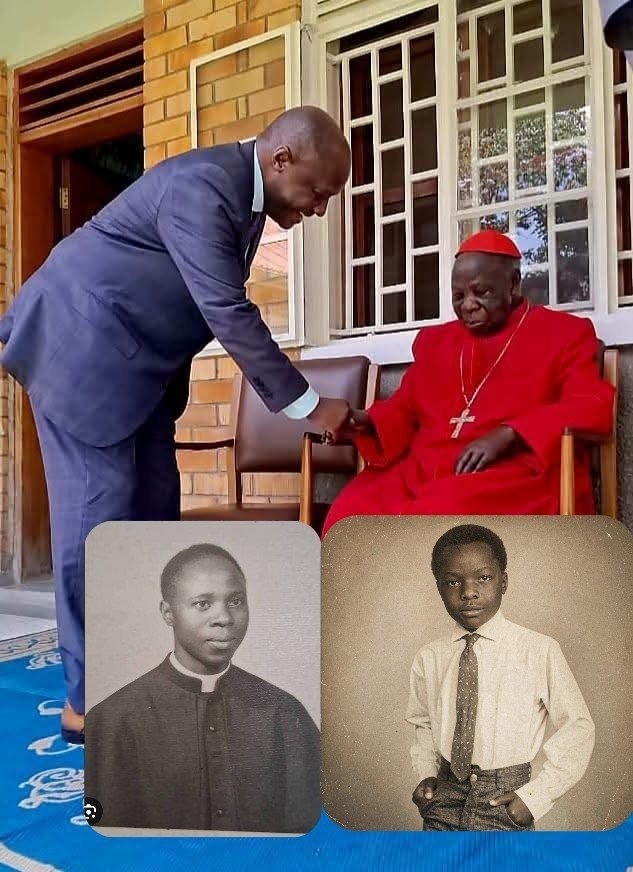
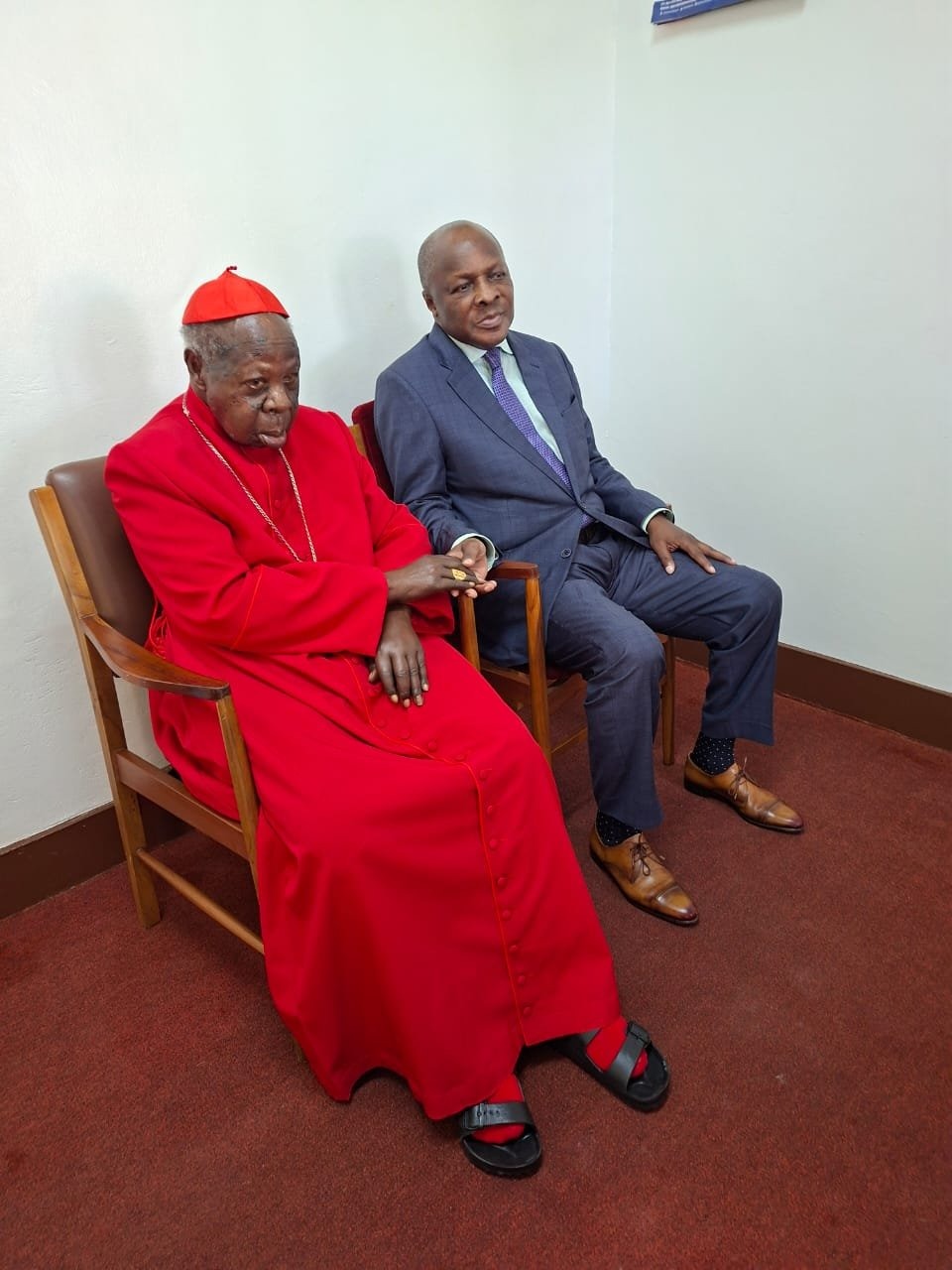
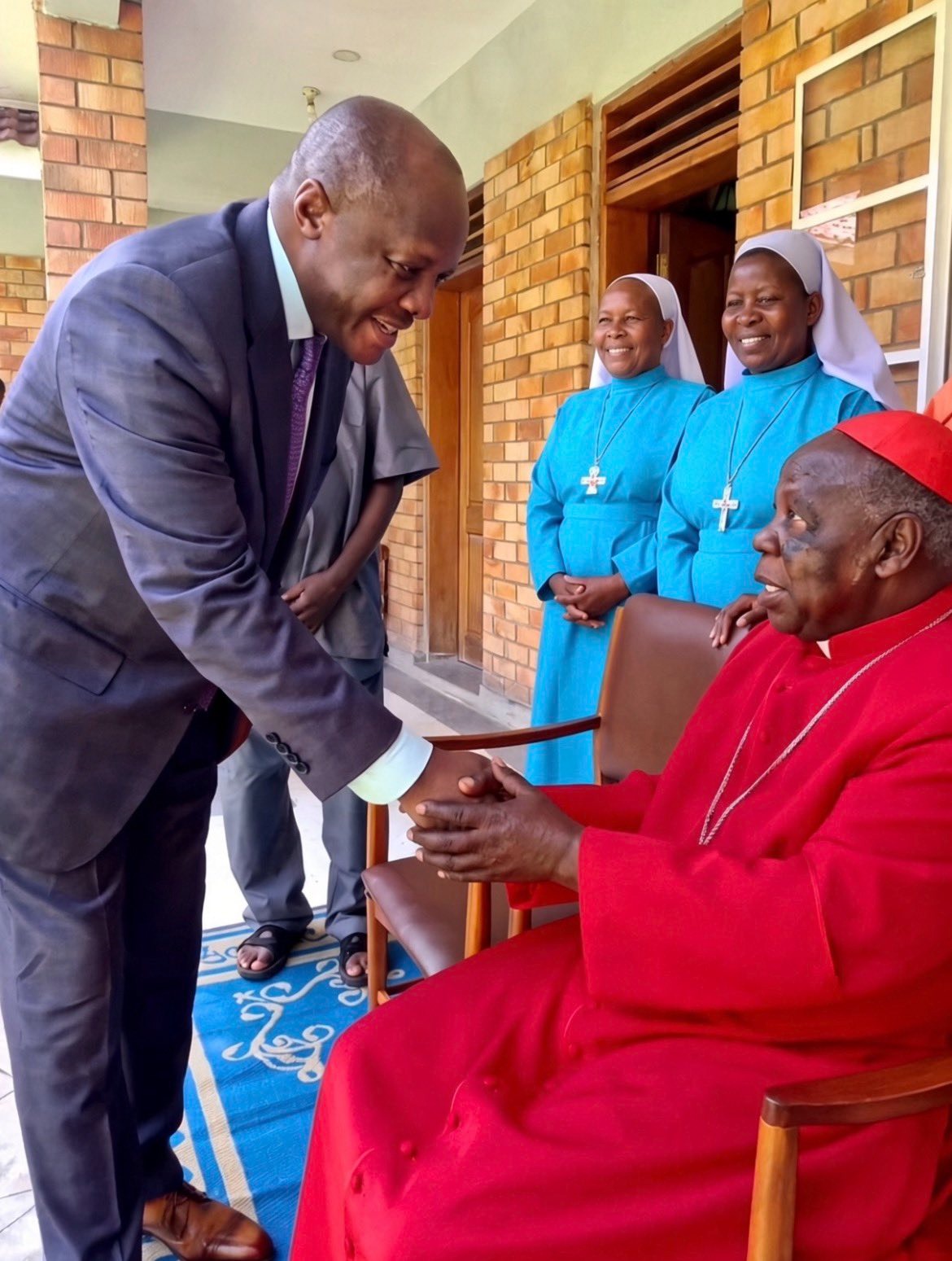
The Kabaka of Buganda, Ronald Muwenda Mutebi II, has paid a courtesy visit to retired Archbishop of Kampala Emmanuel Cardinal Wamala at his residence in Nsambya, Kampala, as preparations gather momentum for the Catholic prelate’s 100th birthday celebrations next month.
The visit brought together two distinguished figures whose lives have been closely associated with Uganda’s religious, cultural and national history. Cardinal Wamala, who will turn 100 on December 15, 2026, is among the country’s most senior Catholic clerics and one of the longest-serving members of the Catholic hierarchy in Uganda.
The Kabaka’s visit was a gesture of respect and recognition of the cardinal’s century-long journey, his contribution to the Catholic Church and his place in Uganda’s history. The meeting at the cardinal’s Nsambya residence also provided an opportunity for the Buganda monarch to join the celebrations surrounding the milestone birthday of a religious leader whose public life has spanned colonial rule, independence, political upheavals and the country’s subsequent transformation.
A century of faith: Who is Cardinal Emmanuel Wamala?
Born on December 15, 1926, in Kamaggwa village, Lwaggulwe Parish, in the then Masaka Diocese, Wamala’s life has traversed almost a century of Uganda’s political, social and religious evolution.
He was born to Cosma Kyamera and Theresa Nnamayanja in a family of 10 children. His early education began at Kalisizo and Bakira primary schools before he joined Bukalasa Minor Seminary in 1942. His religious formation continued at Katigondo National Major Seminary, where he studied between 1949 and 1955. He was subsequently sent to Rome in 1956 to pursue theological studies at the Pontifical Urban University.
Wamala obtained a Licentiate in Theology and was ordained a Catholic priest on December 21, 1957, at the chapel of the Pontifical Collegio Urbaniano in Rome. He later pursued further studies at the Gregorian University in Rome, obtaining a Licentiate in Social Sciences in 1960.
His academic background would become an important foundation for his subsequent work in education, pastoral ministry and Church administration. Upon returning to Uganda in 1960, Wamala served at Villa Maria Parish in Masaka and worked as a diocesan school supervisor. In 1962, he enrolled at Makerere University, where he undertook a course in pedagogy, graduating with a diploma in 1964.
He subsequently taught at Bukalasa Minor Seminary until 1968, when he was appointed chaplain of Makerere University, a position he held until 1974. His years at Makerere placed him in contact with students and intellectuals at a time when Uganda’s leading institution of higher learning was shaping generations of professionals, public servants and national leaders.
In 1974, he was appointed Vicar General of Masaka Diocese, a position that marked his transition into senior Church administration. He also served as parish priest of Nkoni between 1975 and 1977 and later Kimaanya between 1977 and 1979.
These assignments prepared him for the episcopal responsibilities that would eventually take him to the leadership of some of Uganda’s most important Catholic institutions. On July 17, 1981, Wamala was appointed the first Bishop of Kiyinda-Mityana Diocese. He was consecrated on November 22, 1981, by the then Archbishop of Kampala, Cardinal Emmanuel Kiwanuka Nsubuga.
His elevation came at a significant period in Uganda’s history, following years of political instability and institutional disruption. The Catholic Church remained an important institution in the country’s recovery, providing spiritual leadership and maintaining networks of education, healthcare and social support.
Wamala subsequently became coadjutor Archbishop of Kampala on June 21, 1988, before succeeding Cardinal Nsubuga as Archbishop of Kampala on February 8, 1990. The appointment placed him at the helm of one of the country’s most influential Catholic archdioceses.
He inherited an institution with a long history of religious leadership and public engagement, requiring him to balance pastoral responsibilities with the management of a complex network of parishes, schools, health facilities and other Church institutions. According to the Vatican’s official biography, Wamala also served as president of the Uganda Episcopal Conference from 1986 to 1994 and president of the Uganda Joint Christian Council. His leadership extended beyond the Catholic Church, reflecting the important role religious institutions played in national conversations about morality, social development and reconciliation.
The making of Uganda’s second cardinal
One of the defining moments of Wamala’s ecclesiastical career came on November 26, 1994, when Pope John Paul II elevated him to the College of Cardinals. He became Uganda’s second cardinal after Cardinal Emmanuel Kiwanuka Nsubuga, who had served as Archbishop of Kampala before him.
The elevation gave Uganda a prominent place in the universal Catholic Church and brought Wamala into the circle of senior Church leaders who advise the Pope and participate in important ecclesiastical processes. As a cardinal, Wamala was appointed Cardinal-Priest of Sant’Ugo.
He also became one of the African representatives in the College of Cardinals, participating in the April 2005 conclave that elected Pope Benedict XVI following the death of Pope John Paul II.
The conclave was a significant moment in modern Catholic history, attracting worldwide attention as cardinals gathered in the Vatican to elect a successor to one of the most influential pontiffs of the 20th century. Wamala’s participation reflected the international standing he had attained through decades of service in the Church.
He also became the first rector of Uganda Martyrs University, which was officially opened on October 18, 1993, demonstrating his interest in higher education and the development of institutions that could contribute to Uganda’s intellectual and social advancement.
His tenure as Archbishop of Kampala ended on August 19, 2006, when he retired from the position. He was succeeded by Archbishop Cyprian Kizito Lwanga, who led the archdiocese until his death in 2021.
Wamala subsequently settled at the Priests’ Centre in Nsambya, where he has maintained a relatively quiet life away from the demanding responsibilities of active Church leadership.
A relationship with Buganda’s cultural institution
The relationship between the Catholic Church and the Buganda Kingdom has historically been significant, with both institutions maintaining strong connections with communities across the kingdom. Wamala’s roots in Buganda and his long service in the Catholic Church have placed him among religious figures whose influence extends beyond the Church’s administrative structures.
The Kabaka’s visit is therefore also significant against the background of the longstanding relationship between the kingdom and Catholic leadership. It is not the first time the Buganda monarch has recognised Wamala’s contribution to the Church.
In December 2024, as the cardinal marked 30 years since his elevation to the College of Cardinals, Kabaka Mutebi sent him a congratulatory message. The message was delivered by the Katikkiro of Buganda, Charles Peter Mayiga, who visited Wamala at his Nsambya residence.
The gesture demonstrated the kingdom’s recognition of the cardinal’s contribution to religious leadership and his place in Uganda’s history. The latest visit by the Kabaka, this time ahead of the cardinal’s centenary, further underscores the importance attached to the milestone by Buganda’s cultural leadership.
For Buganda, the Kabaka’s engagements with religious leaders are also part of the kingdom’s wider public role in maintaining relationships with institutions that influence the lives of its people. The Catholic Church remains one of the most influential religious institutions in Uganda, with an extensive network of schools, hospitals, parishes and social development programmes.
The cardinal’s century-long life has been closely intertwined with the growth and transformation of these institutions.
 Church prepares for historic centenary
Meanwhile, the Kampala Archdiocese has announced plans for a major thanksgiving celebration to mark Wamala’s 100th birthday. The celebration will take place on Sunday, December 13, 2026, at Lubaga Cathedral, two days before the cardinal’s actual birthday on December 15.
The thanksgiving Mass, scheduled to begin at 10am, is expected to bring together priests, religious men and women, and Catholic faithful from parishes and institutions across the archdiocese. In a November 19 communication, the archdiocese’s Chancellor, Reverend Father Pius Male Ssentumbwe, announced the planned celebration on behalf of Archbishop Paul Ssemogerere. He invited members of the clergy and the entire Catholic community to participate in the occasion to thank God for the cardinal’s life, his service to the Church and his contribution to Uganda.
The planned celebration will provide an opportunity for the Catholic community to reflect on a religious career that began with Wamala’s ordination in Rome in 1957 and culminated in his elevation to the College of Cardinals in 1994.
It will also bring together generations of priests, religious leaders and faithful who have encountered his leadership during his years in pastoral ministry and Church administration.
Wamala’s longevity is particularly remarkable considering the number of historical periods he has witnessed. Born during British colonial rule, he grew up in a Uganda where access to formal education was limited, particularly in rural communities.
He witnessed the country’s independence in 1962, the political turbulence of the 1970s, the return to constitutional government in 1980, the National Resistance Movement’s assumption of power in 1986 and the subsequent transformation of Uganda’s political and social institutions.
Within the Catholic Church, he witnessed the transition from the leadership of Cardinal Nsubuga to his own tenure as Archbishop of Kampala, followed by the administrations of Cardinal Lwanga and Archbishop Ssemogerere.
His career also coincided with major changes in the universal Catholic Church, including the pontificates of several popes and the increasing prominence of African cardinals in the Vatican. Beyond his ecclesiastical responsibilities, Wamala has been associated with education, social development and humanitarian initiatives.
He has served as a patron of the African Prisons Project, an organisation that works to improve access to healthcare, education, justice and reintegration opportunities for people in African prisons. His involvement reflects the broader social responsibilities that have characterised his public life beyond the pulpit.
 A milestone beyond the Church
As December 15 approaches, attention will turn to Nsambya and Lubaga, where the cardinal’s family, fellow clergy, religious leaders and faithful are expected to join in celebrating his extraordinary milestone. At 100, Emmanuel Cardinal Wamala stands as a living link between generations of Ugandan Catholics and a witness to nearly a century of the country’s history.
The Kabaka’s visit, therefore, was more than a courtesy call. It was a moment of recognition for a religious leader whose journey from Kamaggwa in Masaka to the College of Cardinals in Rome has become part of Uganda’s religious and national story.
Author Profile
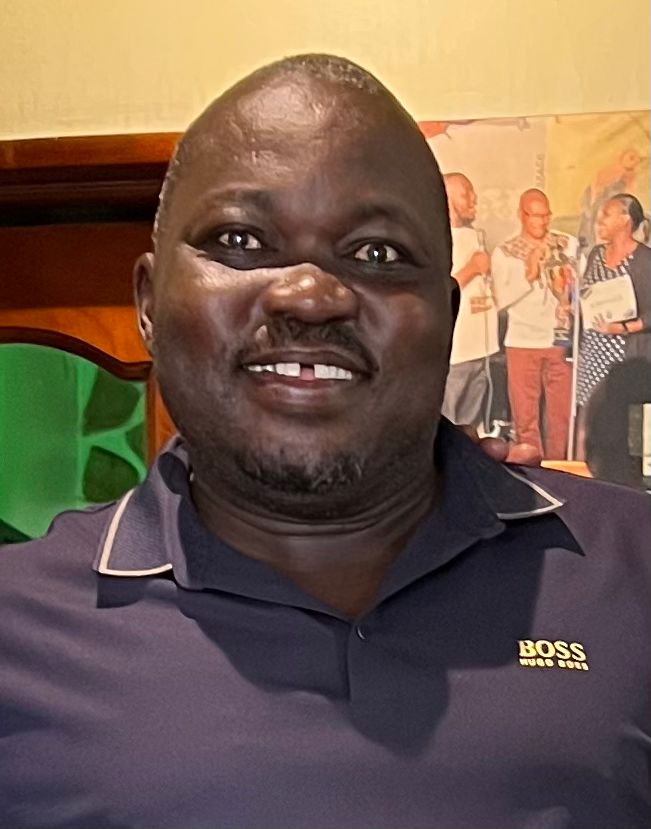
- Charles Gazza Kodili is a seasoned journalist with over 20 years of experience in the media industry. He holds a Bachelor of Arts degree in Mass Communication. He’s currently the Chief Editor at the Investigator.
Charles can also be reached via; Tel: +256 774 108978
Email: [email protected]
Latest entries
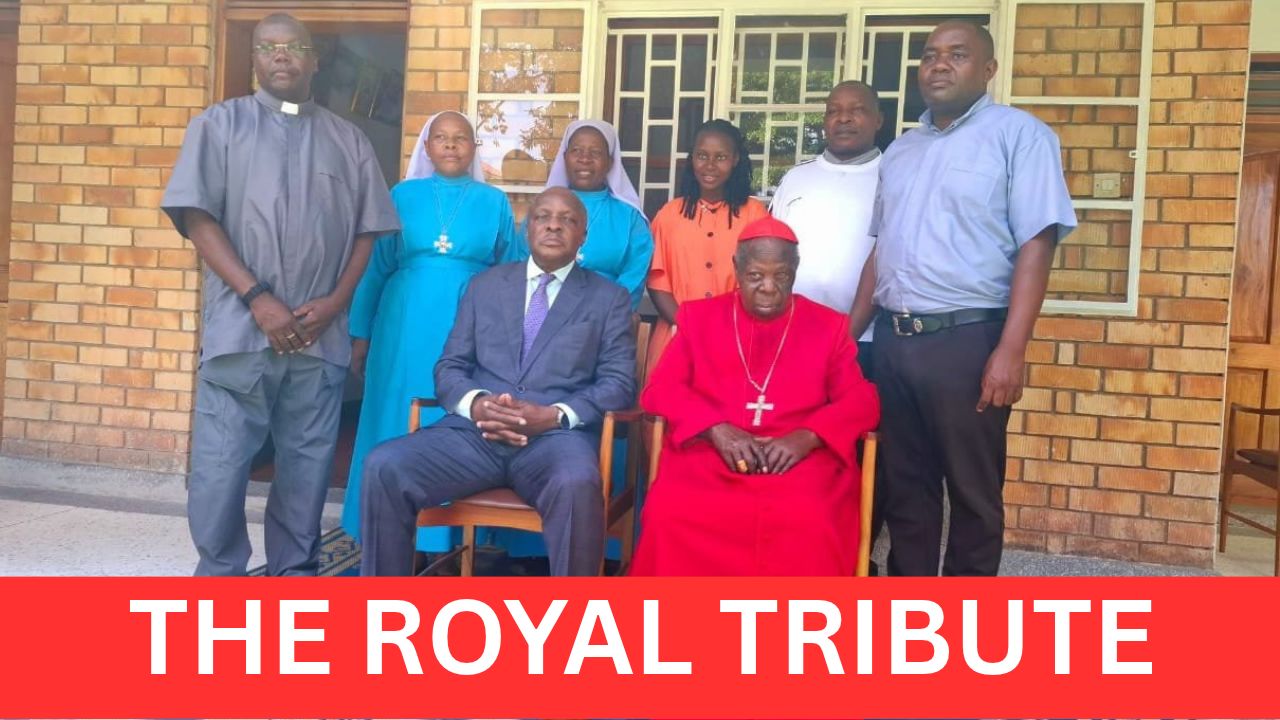 FeaturedNovember 28, 2026KABAKA MUTEBI HONOURS CARDINAL WAMALA AHEAD OF 100TH BIRTHDAY: The Kabaka Visits The Retired Archbishop Of Kampala At His Nsambya Residence As Uganda Prepares To Celebrate The Catholic Prelate’s Historic Centenary On December 15
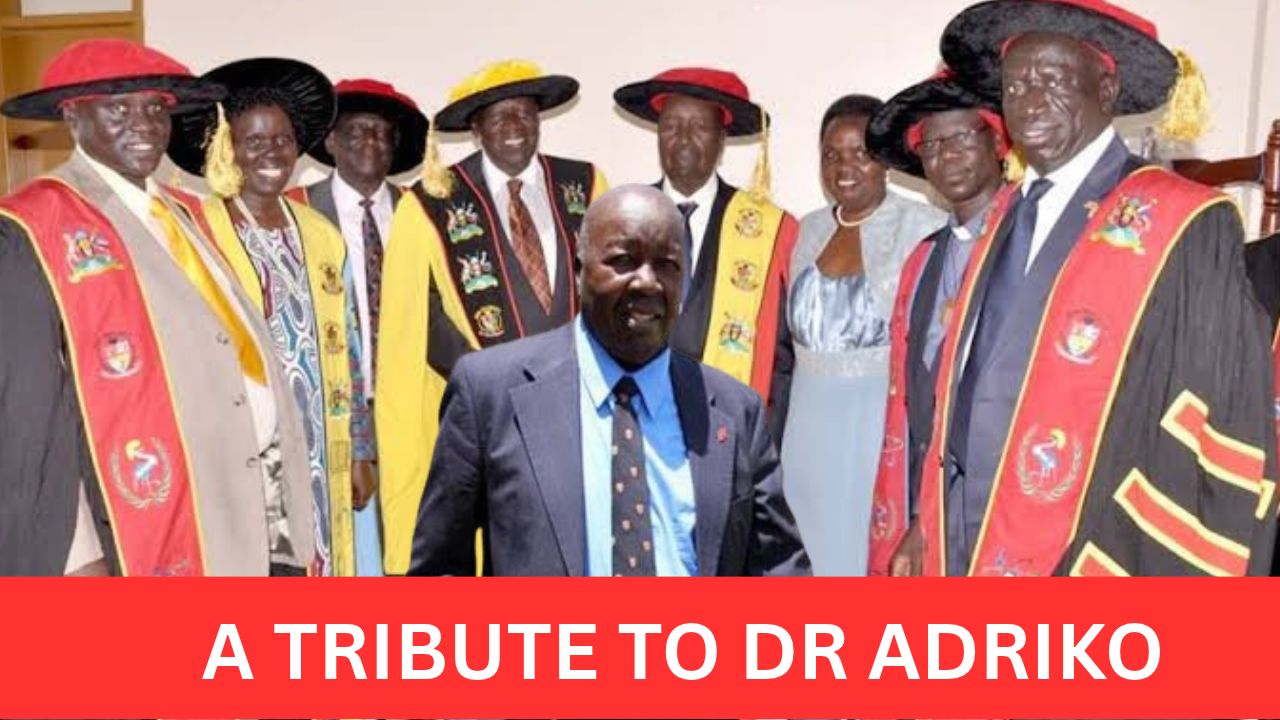 FeaturedNovember 28, 2026DR ERIC ADRIKO THE MAN WHO OPENED DOORS FOR OTHERS: From Founding Makerere University’s Faculty of Technology In 1970 To Serving In Cabinet, Leading Two Universities And Building A Business Empire, The Celebrated Engineer Leaves Behind A Remarkable National Legacy
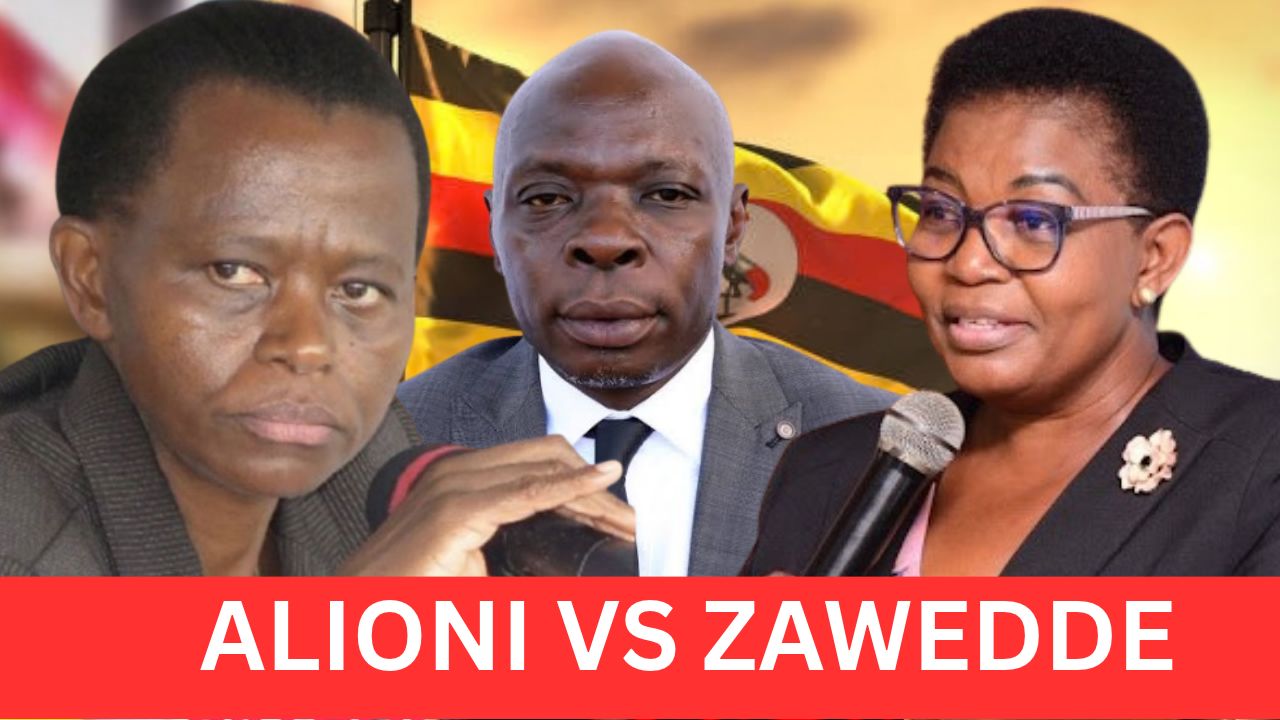 FeaturedNovember 28, 2026WHY ALIONI FINALLY STORMED ZAWEDDE’S OFFICE: More Than Two Weeks After Museveni Transferred Her, Aminah Zawedde Was Still Reportedly Exercising Permanent Secretary Powers, Triggering A Dramatic Showdown With Her Minister
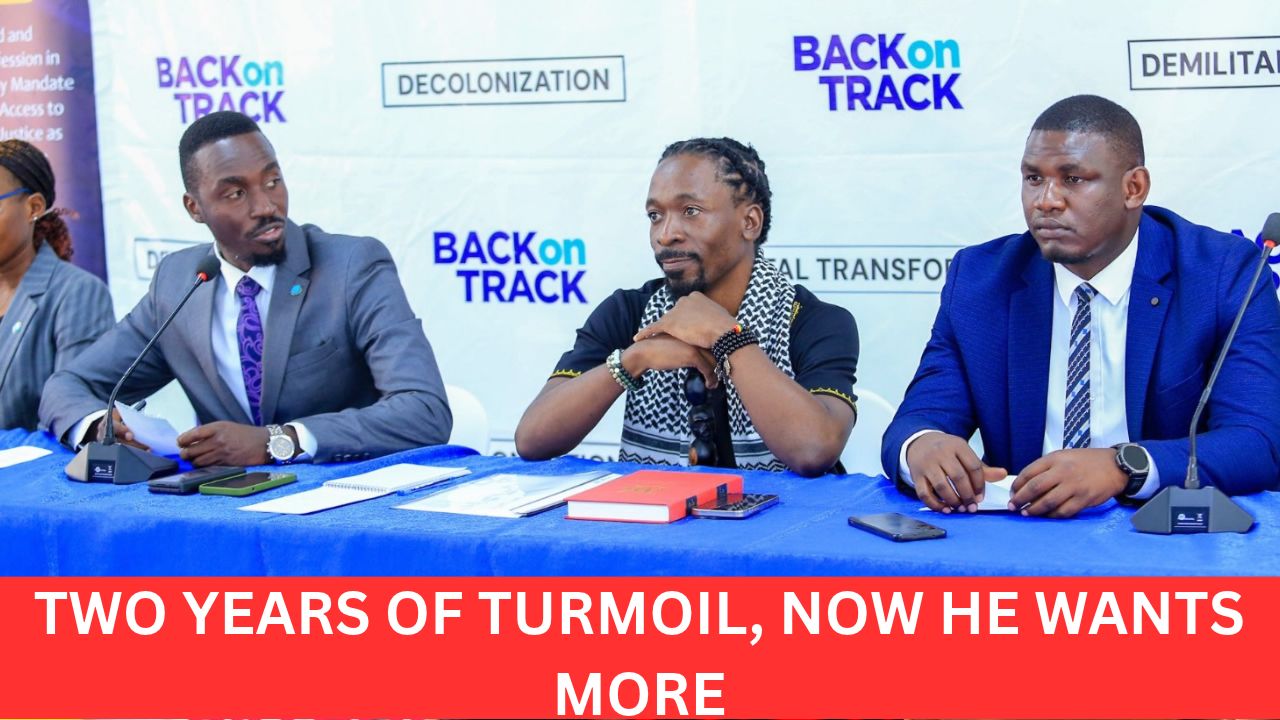 FeaturedNovember 28, 2026WHY SEMAKKADDE WANTS TO RULE THE BAR AGAIN: Isaac Ssemakadde Seeks Re-Election Despite Spending Much Of His First Term Abroad Following His Contempt Conviction, As Lawyers Prepare For A Fiercely Contested December Poll