




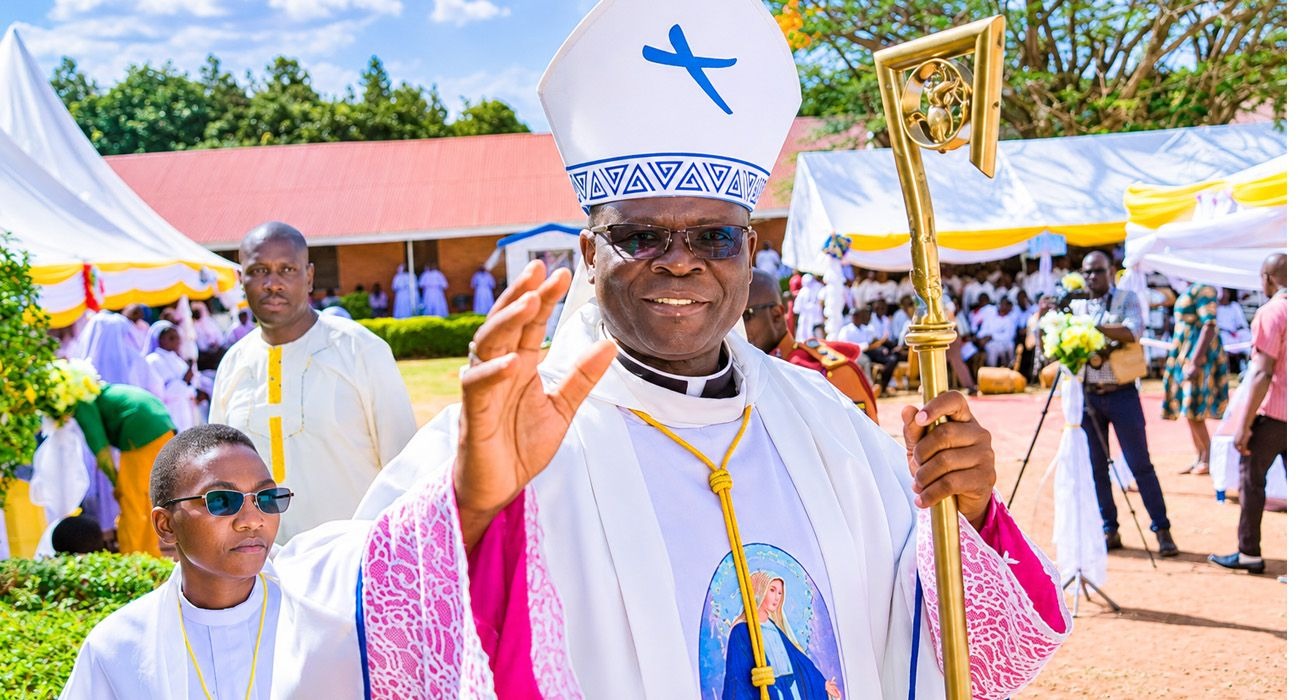
The Bishop of Lira Diocese, Rt. Rev. Sanctus Lino Wanok, has been elected chairman of the Uganda Episcopal Conference, taking over from Kiyinda-Mityana Bishop Joseph Antony Zziwa, who has led the Catholic bishops since 2018. Archbishop Lambert Bainomugisha of Mbarara has been elected vice-chairman.
The Catholic Church in Uganda has ushered in a new leadership team following the election of Rt. Rev. Sanctus Lino Wanok, the Bishop of Lira Diocese, as the new chairman of the Uganda Episcopal Conference (UEC), bringing to an end the eight-year tenure of Bishop Joseph Antony Zziwa.
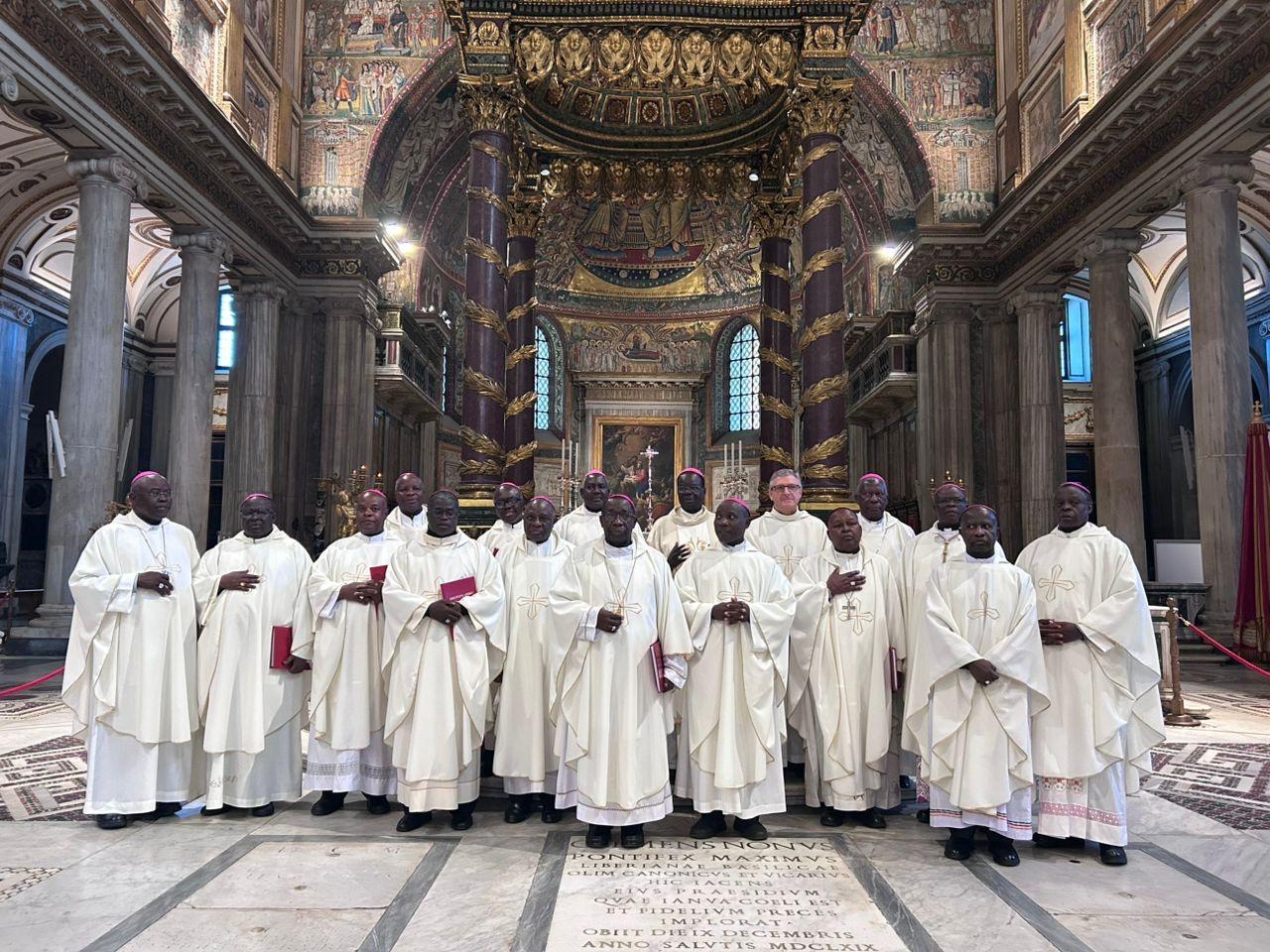 Bishop Wanok assumes one of the most influential positions in the Catholic Church in Uganda, placing him at the centre of the collective leadership of the country’s Catholic hierarchy, which oversees the spiritual, pastoral, educational, healthcare and social development activities of the Church. He replaces Bishop Zziwa, who has been chairman since November 2018, when he was elected during the bishops’ plenary assembly at St Augustine Institute in Nsambya, Kampala.
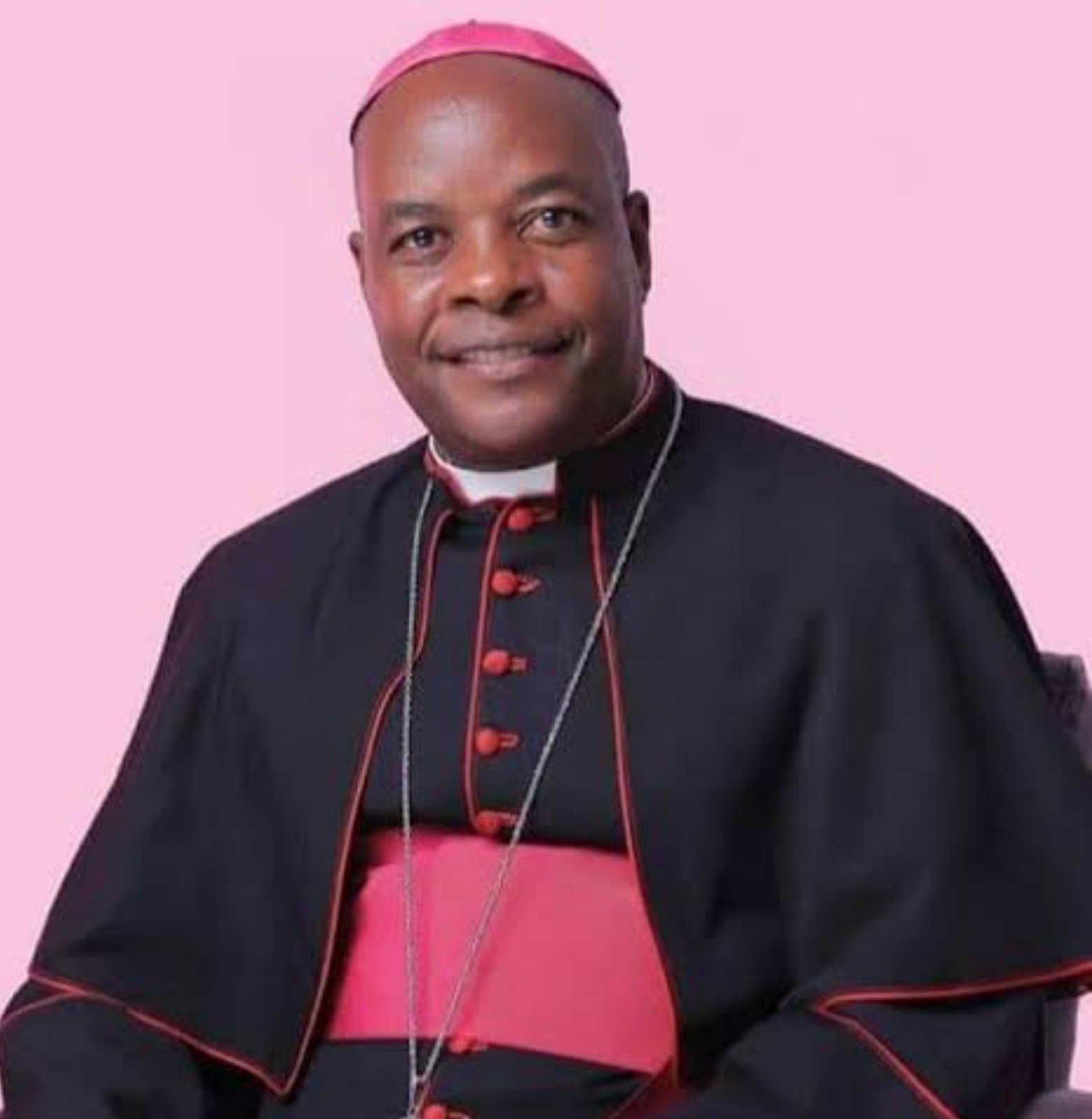
Most Rev. Lambert Bainomugisha, the Archbishop of Mbarara, has been elected the new vice-chairman, giving the Conference a leadership team drawn from two important ecclesiastical jurisdictions.
The change of leadership comes at a time when the Catholic Church continues to grapple with questions of pastoral renewal, the declining moral standards in society, poverty, unemployment, education, healthcare, governance and the Church’s contribution to national development.
The new chairman will be expected to provide direction to the bishops as they collectively respond to these challenges while maintaining the Church’s traditional role as a moral voice and an important development partner in Uganda.
From Nebbi to Lira: Who is Bishop Wanok?
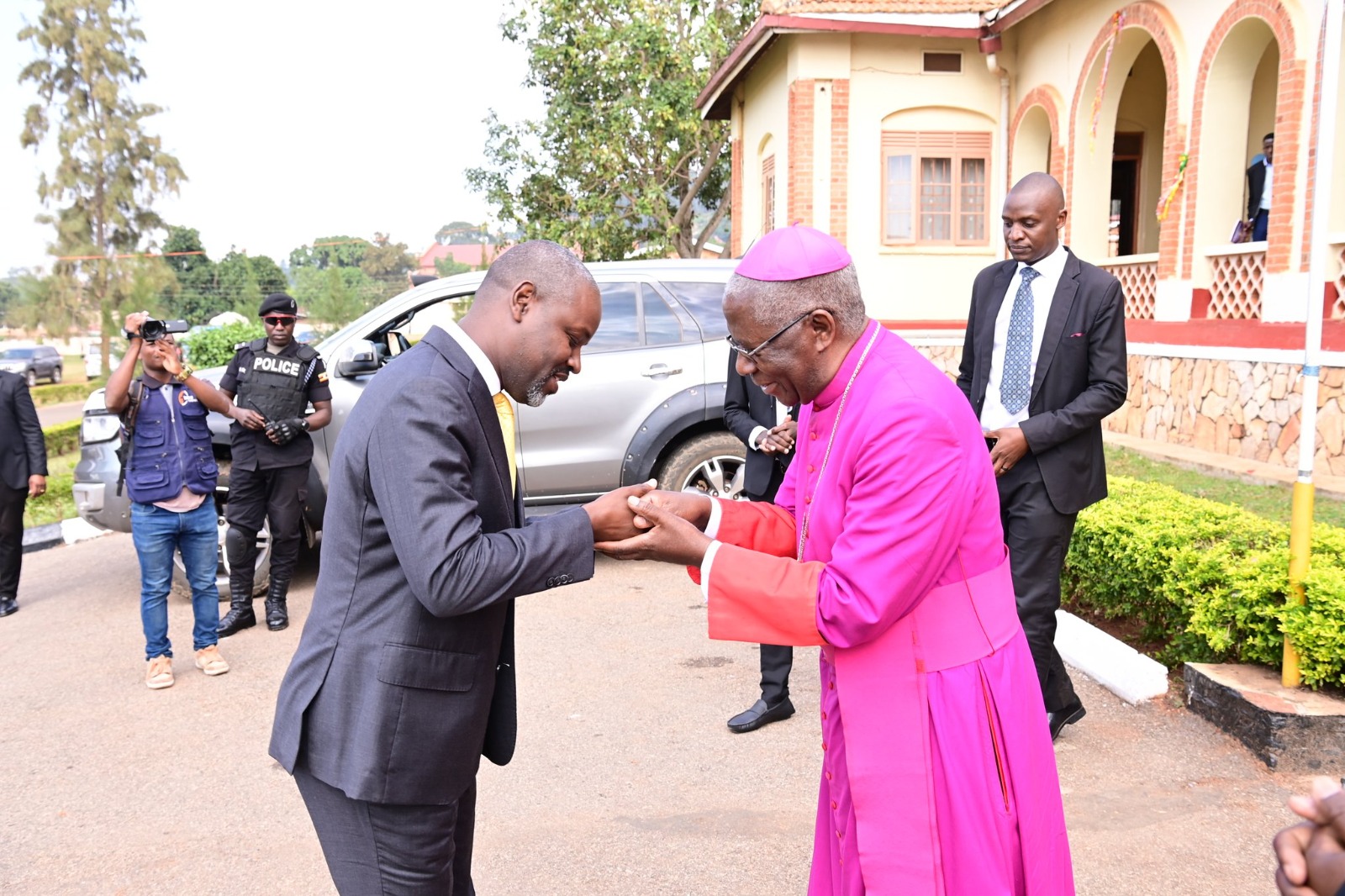 The new chairman is not a stranger to the operations of the Uganda Episcopal Conference. Before his elevation, Bishop Wanok served as vice-chairman of the Conference, having been elected to the position during the bishops’ November 2022 plenary assembly.
His appointment therefore represents a transition from within the existing leadership structure rather than a newcomer taking over an unfamiliar institution.
Born on April 7, 1957, at Ukuru Pamach village in Zombo District, West Nile, Wanok began his religious formation in the Nebbi Diocese.
He was ordained a deacon on August 31, 1986, at Idiofe Parish and ordained a priest on September 27, 1986, at Warr Parish by Bishop Fred Drandua.
His early ministry included pastoral assignments and administrative responsibilities within the Nebbi Diocese. Between 2005 and his appointment as bishop, he served as Vicar General of Nebbi Diocese, a position that exposed him to the administration and coordination of diocesan affairs. On February 8, 2011, Pope Benedict XVI appointed him the third Bishop of Nebbi Diocese.
He subsequently received another significant ecclesiastical responsibility when Pope Francis appointed him Bishop of Lira Diocese on November 23, 2018. He was installed on February 9, 2019, becoming the fourth bishop of Lira, succeeding Bishop Giuseppe Franzelli.
His elevation to the national leadership of the Catholic Church comes after years of pastoral service, diocesan administration and participation in the Conference’s national leadership.
His experience as vice-chairman is particularly important because it means he has already participated in the deliberations and institutional responsibilities of the bishops’ umbrella organisation.
According to the Uganda Episcopal Conference, Lira Diocese has 18 parishes and a Catholic population of more than 1.2 million.
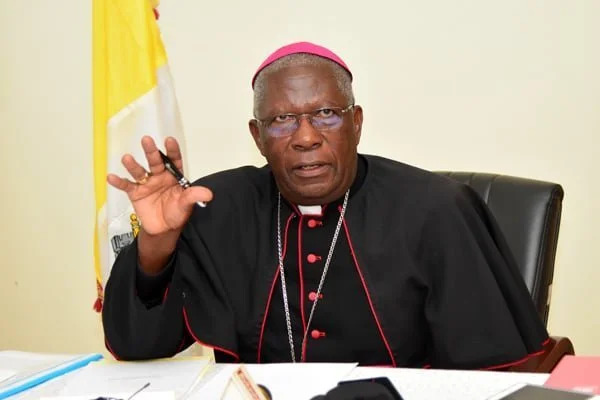 Understanding the Uganda Episcopal Conference
The Uganda Episcopal Conference is the national umbrella organisation bringing together all Catholic bishops serving in Uganda.
Established in 1960, the Conference provides an institutional framework through which bishops exercise their collective responsibility for guiding the mission of the Catholic Church.
It is headquartered at the Uganda Catholic Secretariat on Nsambya Hill, Kampala, and coordinates the pastoral activities of 19 Catholic dioceses across the country.
The Conference is not a replacement for individual dioceses or their bishops. Rather, it provides a platform through which the Catholic hierarchy collectively develops policies, coordinates programmes, provides pastoral guidance and addresses matters affecting the Church and the wider Ugandan society.
Its responsibilities extend beyond preaching and evangelisation to include education, healthcare, social justice, human rights, priestly formation, youth development and humanitarian interventions.
Through its various commissions, the Conference supervises and coordinates the work of Catholic institutions across the country.
 These include the Uganda Catholic Medical Bureau, which coordinates Catholic-founded health facilities, and the education structures responsible for the Church’s extensive network of schools and other learning institutions.
The Catholic Church is among Uganda’s largest providers of education and healthcare services, making the Episcopal Conference an important stakeholder in national development.
The organisation is governed through a plenary assembly of bishops, which elects its chairman and vice-chairman, while an Executive Board oversees the continuity of its activities between plenary meetings.
The chairman convenes and presides over Executive Board sessions and represents the Conference in its engagements with the Vatican, other episcopal conferences and relevant institutions.
The Conference also has specialised commissions responsible for different aspects of the Church’s mission, including finance and administration, health, education, pastoral affairs, legal services, social communications and priestly formation.
Consequently, the chairman’s office is not merely ceremonial. It carries considerable administrative, pastoral and diplomatic responsibilities.
Zziwa’s eight-year reign: A Church navigating turbulent times
Bishop Zziwa’s departure marks the end of a significant chapter in the leadership of the Catholic Church in Uganda.
He was elected chairman on November 11, 2018, during a plenary assembly at St Augustine Institute in Nsambya, replacing Archbishop John Baptist Odama of Gulu, who had completed two four-year terms.
Bishop Robert Muhiirwa of Fort Portal Diocese was elected vice-chairman at the time.
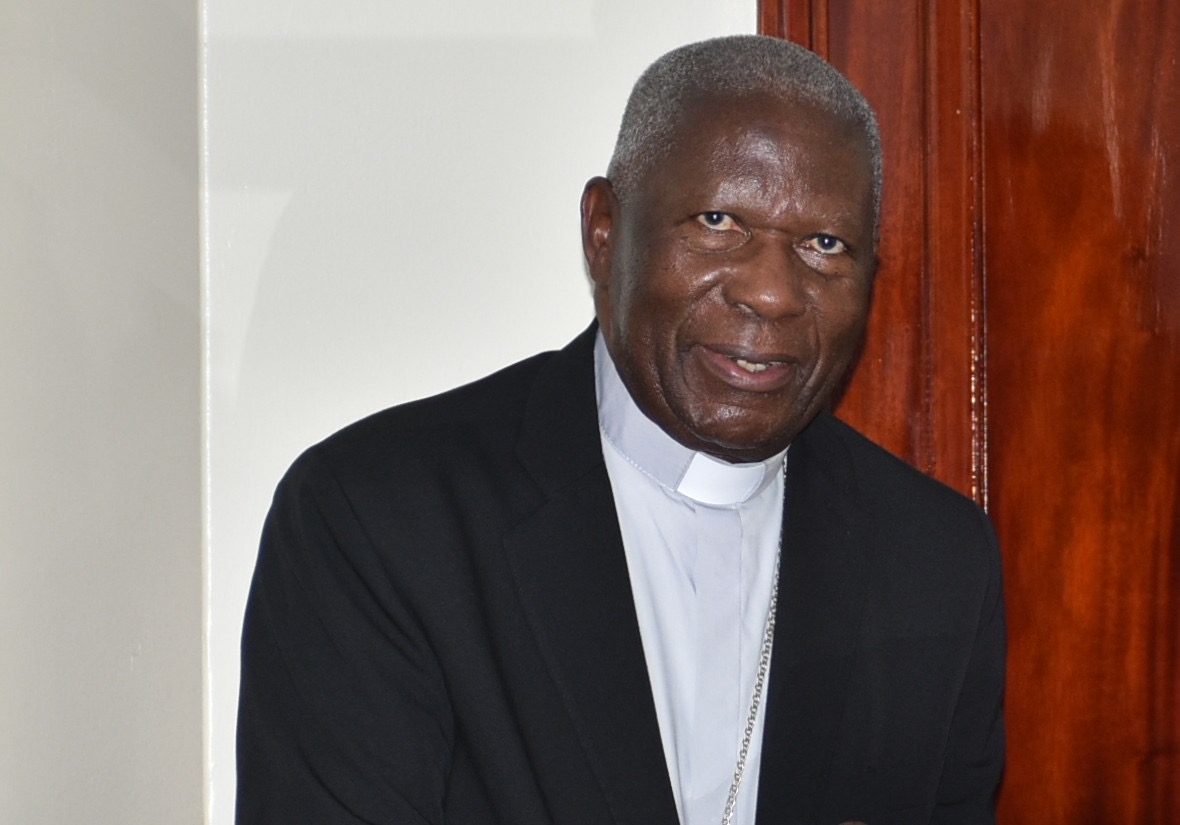
Zziwa, who was born on February 16, 1956, in Kasambya Village, Mubende District, was ordained a priest for the Archdiocese of Kampala on November 16, 1980.
He was appointed coadjutor bishop of Kiyinda-Mityana Diocese on December 18, 2001, and consecrated on March 16, 2002. He subsequently became the ordinary bishop of the diocese.
 His elevation to the national leadership came after years of experience in priestly formation, diocesan administration and service within the Episcopal Conference.
One of the defining features of his tenure was the Church’s engagement with Uganda’s political and governance questions.
During the 2019 Christmas period, Zziwa led the bishops in raising concerns about the slow pace of electoral reforms ahead of the 2021 General Election.
The bishops warned that failure to address outstanding electoral issues could undermine public confidence in the electoral process and create anxiety about possible violence and suppression of dissenting views.
The intervention demonstrated the Church’s determination to remain engaged in questions of democracy, accountability and national stability.
In December 2020, as Uganda prepared for the January 2021 elections amid the COVID-19 pandemic, Zziwa delivered a major pastoral letter on behalf of the bishops.
Under the theme Blessed Are the Peacemakers, the bishops called for peaceful, free and fair elections. They raised concerns about the credibility of the electoral process, respect for human rights, political violence, justice and the need for national reconciliation.
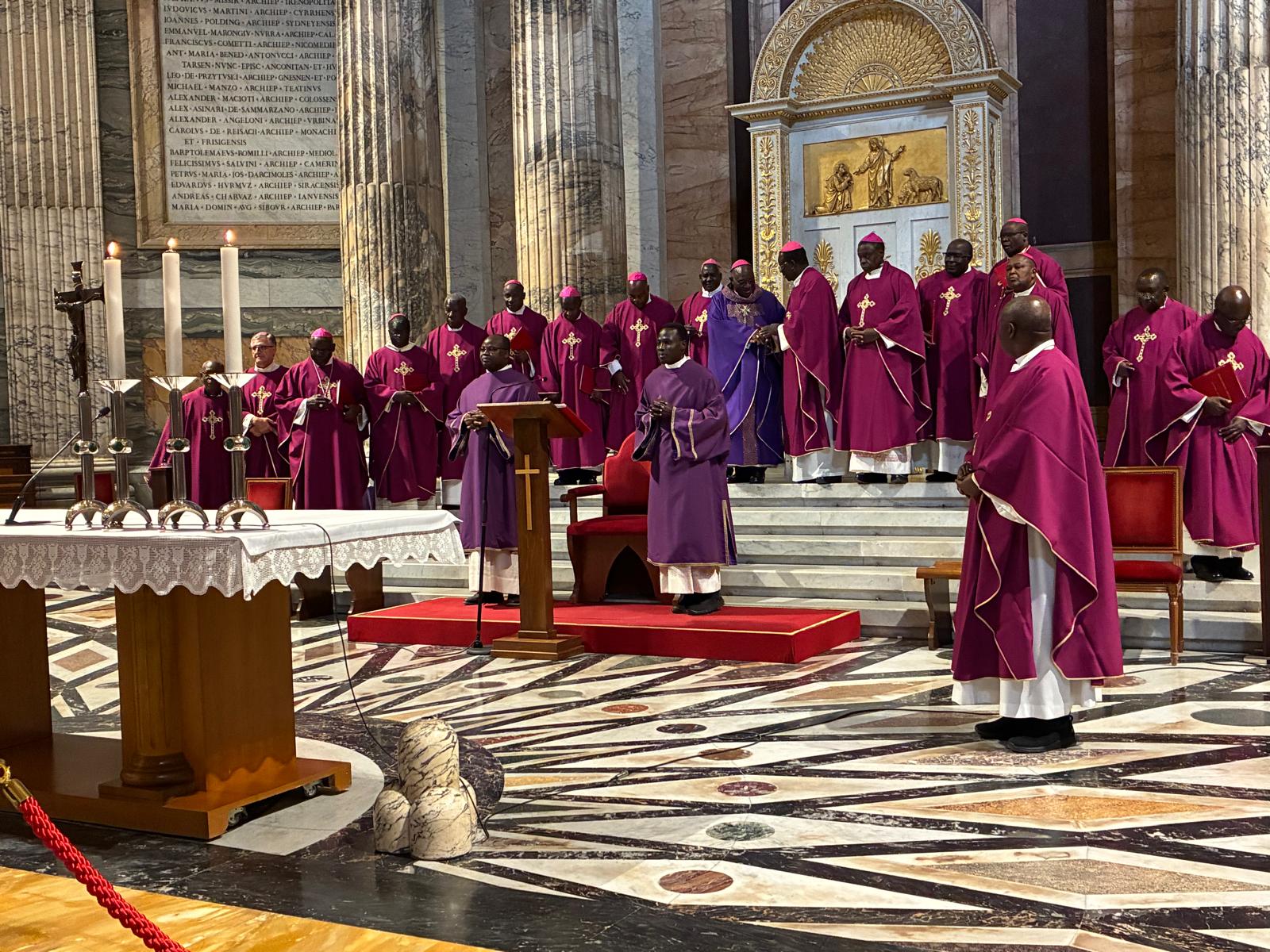 The bishops also called on political leaders to prioritise dialogue after the elections, arguing that Uganda’s longstanding challenges could not be resolved through elections or changes in political leadership alone. The COVID-19 pandemic was another defining challenge during his chairmanship.
The Church had to navigate restrictions on public gatherings, the disruption of religious services and the broader economic and social consequences of the pandemic.
As chairman, Zziwa provided a national platform through which the bishops communicated their collective position on the crisis and the responsibilities of Christians during the difficult period.
His tenure also coincided with the Catholic Church’s participation in the global Synod on Synodality, an initiative aimed at strengthening listening, consultation, participation and shared responsibility within the Church.
Through the Uganda Episcopal Conference, local consultations were undertaken to gather the views of Christians on how the Church could become more responsive to the needs of the faithful. The resulting 2024 joint synod report brought together reflections from dioceses across Uganda, covering questions of pastoral responsibility, participation and the future direction of the Church.
 Another important development came in 2025 when the bishops issued their pastoral letter titled The Truth Will Set You Free, addressing the country’s political environment and expectations ahead of the 2026 General Election. The bishops emphasised the importance of truthful leadership, electoral integrity, peaceful political competition and respect for human dignity.
In December 2025, Zziwa again delivered the bishops’ Christmas message, calling on the Electoral Commission to take firm control of the electoral process and urging security agencies to refrain from violence as the country approached the January 2026 elections.
Beyond his responsibilities within the Catholic Church, Zziwa’s influence extended into Uganda’s interfaith engagements. In June 2026, he was elected chairman of the Inter-Religious Council of Uganda for the 2026–2029 term, succeeding Archbishop Stephen Samuel Kaziimba Mugalu of the Church of Uganda. His election demonstrated the recognition he had earned beyond the Catholic hierarchy and positioned him to contribute to broader interfaith dialogue and national cohesion.
Zziwa’s eight-year leadership was therefore characterised by the Church’s engagement with national politics, electoral accountability, social justice, the pandemic, pastoral renewal and interreligious cooperation.
What lies ahead for the new leadership?
For Bishop Wanok and Archbishop Bainomugisha, the immediate challenge will be to build on the institutional foundation established by their predecessors while responding to the changing needs of the Catholic faithful.
The new leadership inherits a Church with an extensive national footprint in education, healthcare, humanitarian assistance and evangelisation.
 However, it also faces challenges involving the sustainability of Church institutions, the welfare of clergy, youth unemployment, family breakdown, poverty and the declining influence of religious institutions in some sections of society.
The Church’s relationship with political authorities will also remain an important consideration, particularly given its historical involvement in questions of democracy, human rights, governance and national reconciliation.
Wanok’s experience in Nebbi, Lira and the Conference’s previous leadership gives him an understanding of both grassroots pastoral concerns and the administrative responsibilities of the national institution.
His partnership with Archbishop Bainomugisha will be central to providing continuity and direction.
Ultimately, the new chairman inherits more than an influential religious office. He takes charge of an institution whose voice carries considerable weight in Uganda’s spiritual, social and political life.
His leadership will be measured by how effectively he unites the bishops, strengthens the Church’s institutions and ensures that its moral authority continues to translate into meaningful service to Ugandans.
Author Profile
- Charles Gazza Kodili is a seasoned journalist with over 20 years of experience in the media industry. He holds a Bachelor of Arts degree in Mass Communication. He’s currently the Chief Editor at the Investigator.
Charles can also be reached via; Tel: +256 774 108978
Email: [email protected]
Latest entries
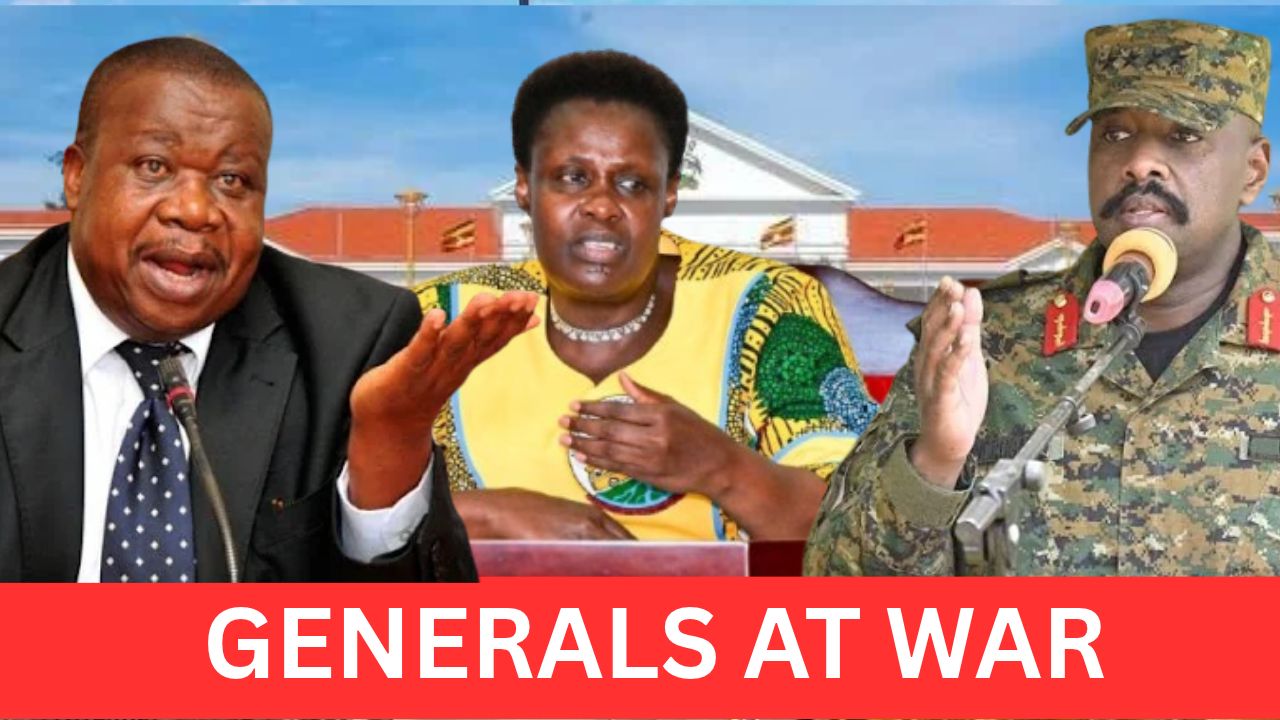 FeaturedNovember 13, 2026OTAFIIRE’S CRYPTIC WARNING TO MUHOOZI: As Gen Muhoozi Kainerugaba Intensifies His Push For The Vice-Presidency And Publicly Challenges Jessica Alupo, Veteran Bush-War Commander Maj Gen (Rtd) Kahinda Otafiire Has Returned With Another Dose Of Political Satire, Using A Journey To Mbarara, A Faulty Lorry And A Wheelbarrow To Warn Against Making Dangerous Leadership Choices
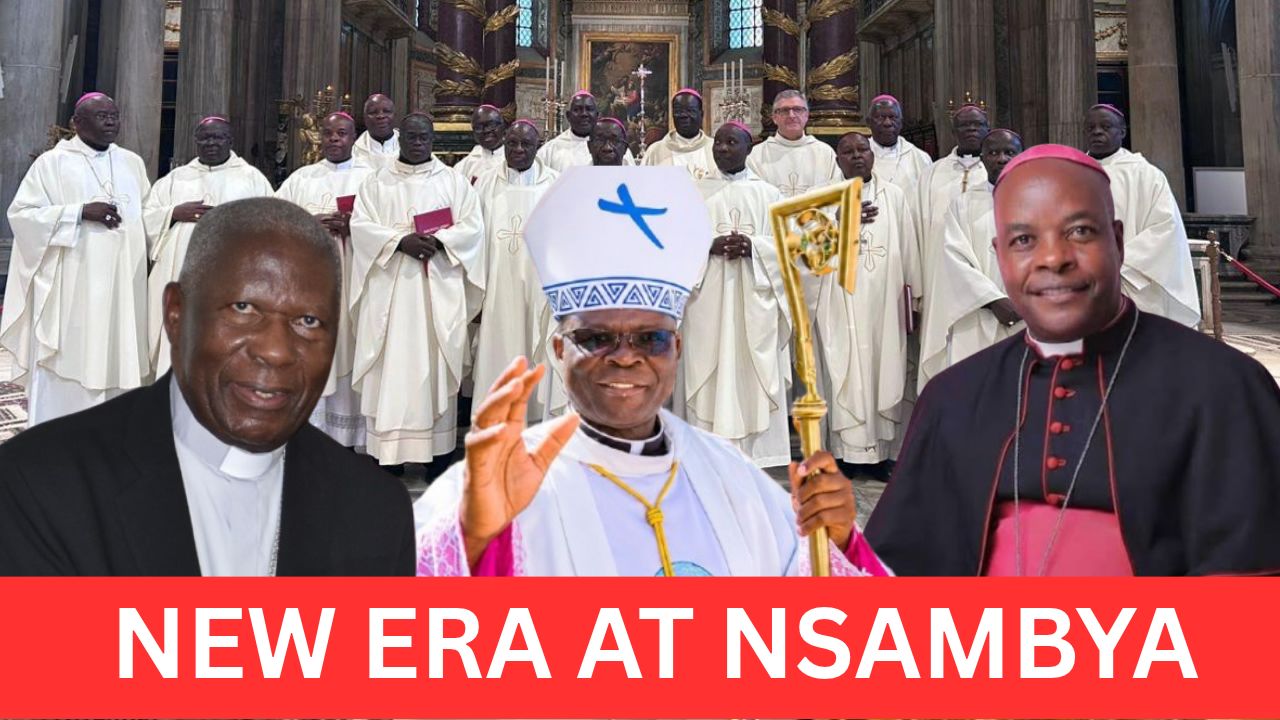 FeaturedNovember 13, 2026WHY BISHOP WANOK’S ELECTION MATTERS TO UGANDA’S CATHOLIC CHURCH: With Archbishop Lambert Bainomugisha As His Deputy, The New Episcopal Conference Leadership Inherits A Church Deeply Embedded In Education, Healthcare, Governance And National Affairs, With Expectations To Defend Its Moral Voice And Strengthen Its Pastoral Mission
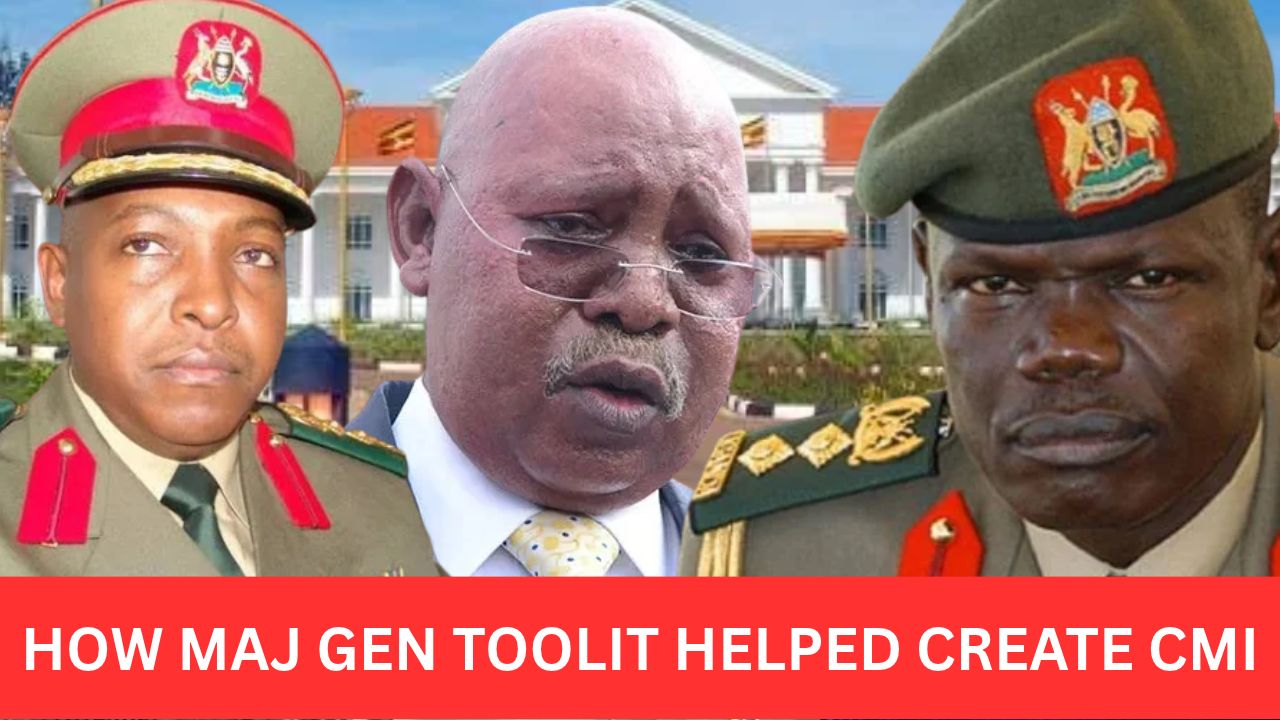 FeaturedNovember 12, 2026INSIDE THE MAKING OF UGANDA’S MILITARY SPY MACHINE: How Maj Gen Fred Toolit, A Young NRA Intelligence Officer, Led The Team That Designed The Concept Paper Elevating DMI Into CMI, Laying Foundations Later Expanded By Henry Tumukunde And Noble Mayombo
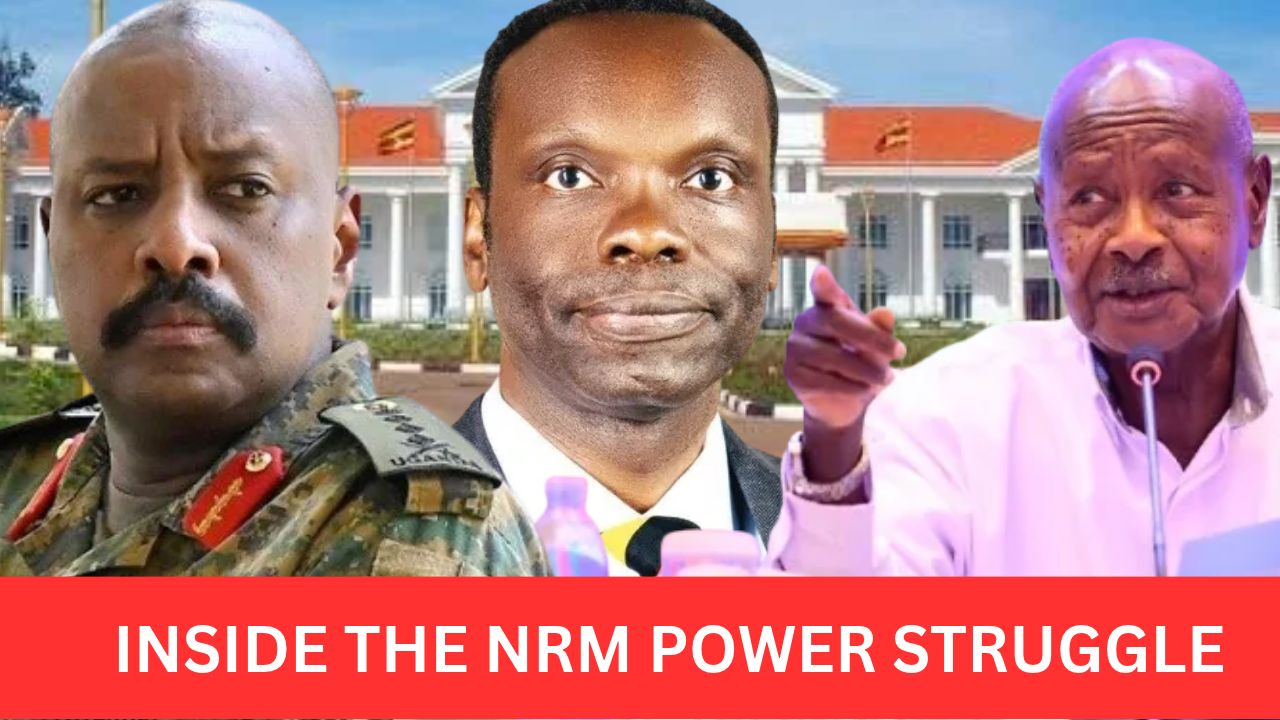 FeaturedNovember 12, 2026INSIDE THE BOLD CHALLENGE TO THE MUHOOZI PRESIDENCY PROJECT: The Eastern Region NRM Vice-Chairperson Reportedly Told CEC That Muhoozi Was Not Ready To Inherit State House And Should First Quit The Military