











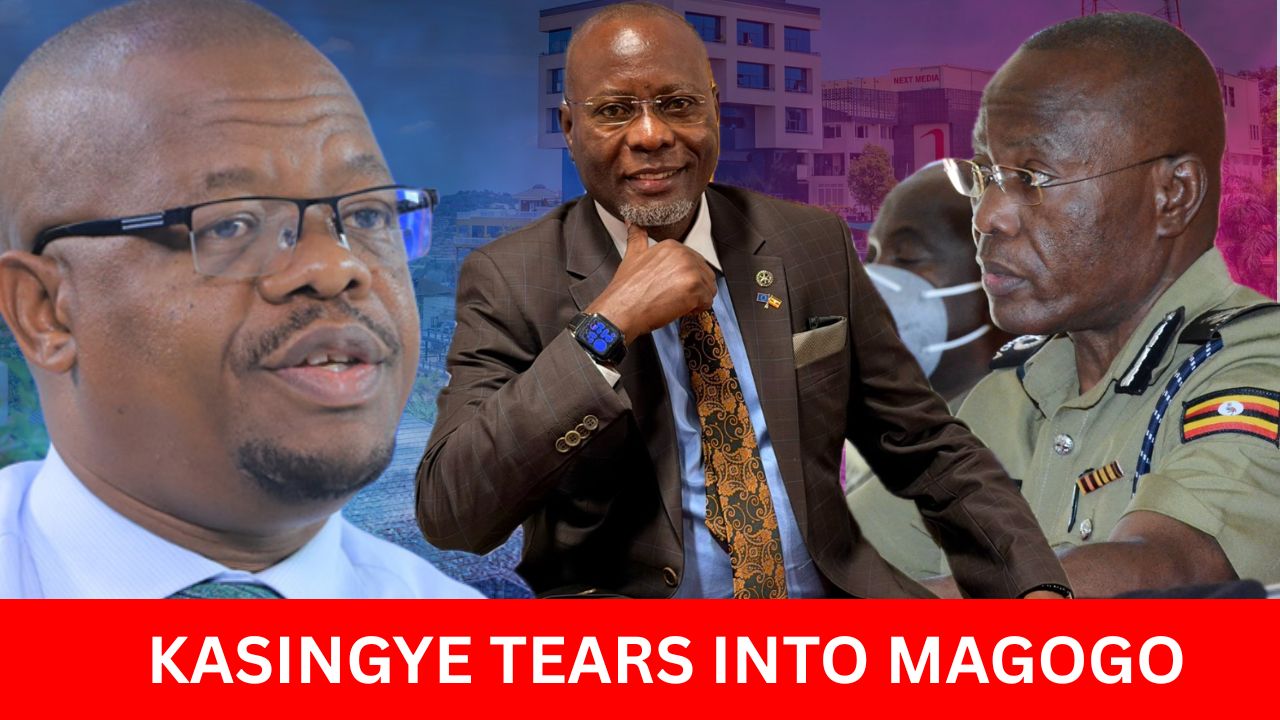
A bitter public confrontation has erupted between Federation of Uganda Football Associations (FUFA) president Moses Magogo and SC Villa spokesperson Asan Kasingye, exposing deep divisions over the state, promotion and future of Ugandan football.
The row began this morning after Magogo criticised Ugandans who openly promote and follow European football leagues while domestic competitions struggle to attract comparable audiences, sponsorship and commercial investment.
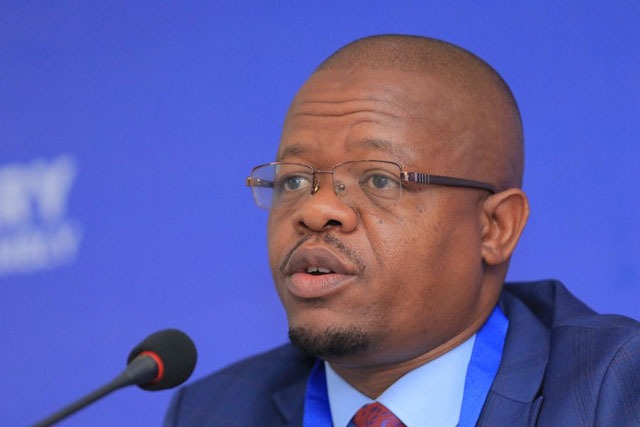
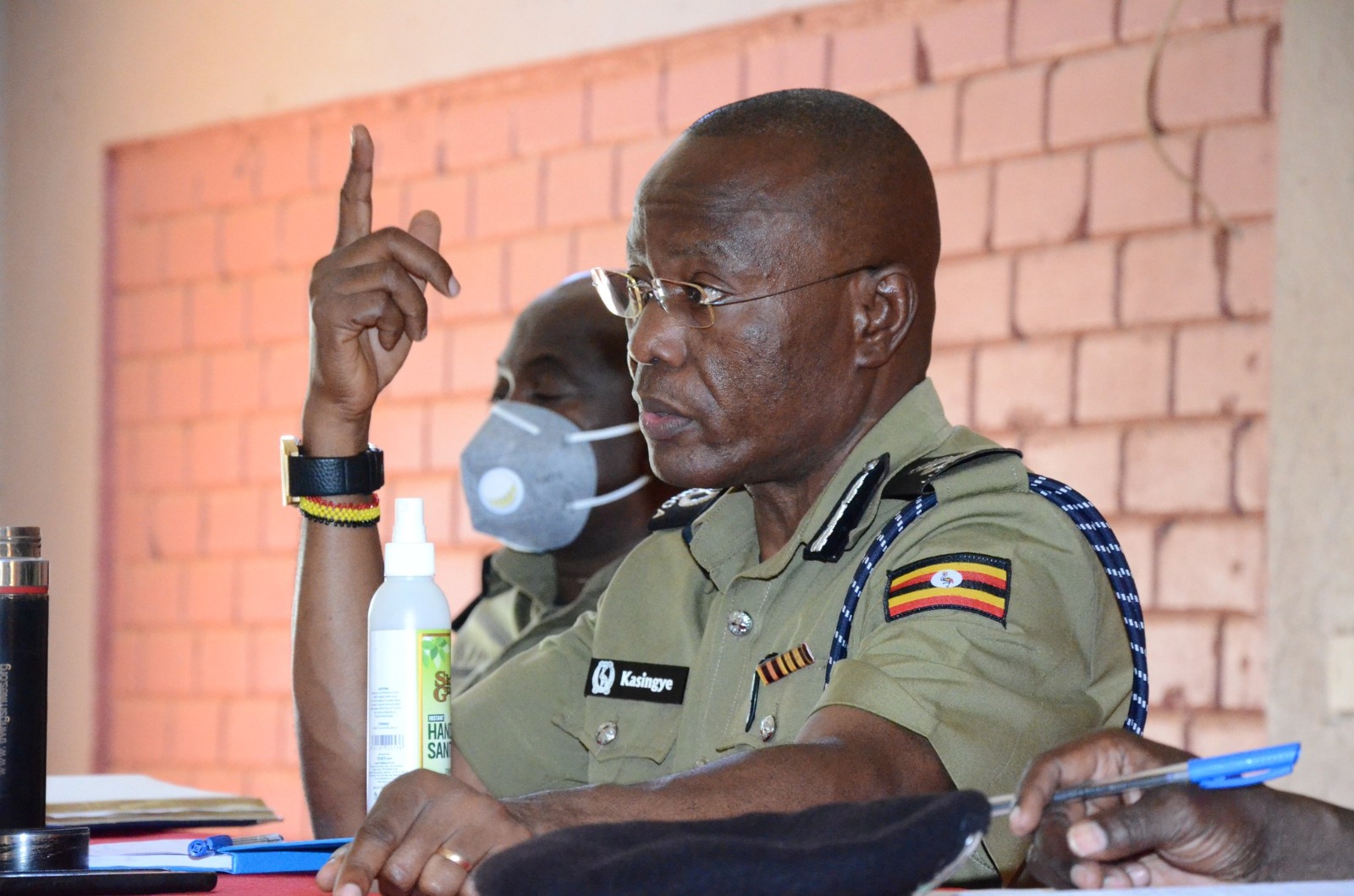
But Kasingye, a retired Assistant Inspector General of Police and a member of SC Villa’s executive, fired back, accusing the FUFA president of shifting blame to football fans instead of addressing what he described as failures in the promotion and management of the local game.
The exchange quickly escalated, with Magogo challenging Kasingye to a televised debate and Kasingye rejecting the invitation, citing a previous confrontation between the two men.
Magogo: Stop Promoting Foreign Leagues
Magogo argued that the popularity of foreign football comes at the expense of Ugandan clubs. He said foreign leagues should be regarded as competing products and questioned how a publicist of a major Ugandan club could simultaneously promote European football.
“I want to invite you for a TV programme. You can choose the moderator and we debate why I find it wrong in promotion of the league that a publicist of one of the biggest clubs also promotes foreign leagues,” Magogo wrote.
He insisted that his argument was not about the wider problems facing Ugandan football, but specifically about the promotion of foreign competitions by people who are expected to champion local clubs.
“Take it or leave it, the foreign leagues are an alternative product of Ugandan club football. We can’t promote it and also believe the Ugandan product will grow,” he said.
Magogo compared the situation to competition between major consumer brands. “Coca-Cola will not promote Pepsi but will learn from its good practices,” he argued.
He then directly challenged Kasingye to explain how his promotion of European football benefits SC Villa. “Please justify how your promotion of European leagues helps promote SC Villa as its publicist,” Magogo said.
The FUFA president also accused Kasingye of using his large following on X to confuse the debate rather than mobilise supporters for SC Villa. “We need your large X following to be mobilized for SC Villa. You confuse us,” he said.
Kasingye: “Listen to Our Views”
Kasingye refused to be drawn into what he described as a debate on Magogo’s terms. He questioned whether appearing on FUFA TV would provide a neutral platform for the discussion.
“You want to debate me on TV? Really? Am I now worthy of your audience?” Kasingye responded. He recalled a 2022 incident in which Magogo called a press conference at Imperial Royale Hotel and said he had been embarrassed before journalists.
“In 2022, you called a press conference at Imperial Royale & embarrassed me before journalists. Then you dismissed them,” Kasingye wrote.
According to Kasingye, he had requested that journalists be allowed to hear his side of the story but his request was rejected.
“I requested you to allow the press come in so that they can listen to my side too. You ignored,” he said. Kasingye has therefore rejected Magogo’s proposal for a debate on FUFA’s platform.
“Now, you want to debate me on FUFA TV? You think I am interested in your chair? Forget it,” he said. Instead, he has urged FUFA to listen to criticism from football stakeholders.
“Listen to our views. If you don’t find them worthy, dismiss them as so. If you find credit, implement them,” Kasingye said.
The Arsenal-SC Villa Question
At the heart of Magogo’s criticism is Kasingye’s simultaneous support for Arsenal and SC Villa. Kasingye acknowledged that he follows Arsenal while also supporting the Ugandan club where he serves on the executive. “If however, you feel that I should stop supporting Arsenal because I also support SC Villa & work on executive, you know who to call so that he can fire me,” he said.
His response reflected a broader argument made by several fans—that following international football should not automatically be interpreted as opposition to domestic football.
Supporters argued that Ugandans can enjoy the English Premier League and other European competitions while simultaneously supporting local clubs.
“Your Incompetence!”
The confrontation became particularly sharp when Kasingye accused Magogo of avoiding wider questions about Ugandan football.
Earlier, he had questioned why FUFA had not been communicating sufficiently with Ugandans about the state of the domestic game and preparations for the 2027 Africa Cup of Nations.
“If it wasn’t for my response, you wouldn’t have talked about this matter in a federation you lead,” Kasingye said. “In fact, I haven’t heard you in a long time talking about local football.”
He questioned the level of communication surrounding AFCON 2027, which Uganda will co-host with Kenya and Tanzania.
“We’ve not been talking about the foreign leagues since June but neither have we heard FUFA talking about the direction of local football including AFCON 2027,” he added.
Kasingye further questioned Uganda’s preparedness for the continental tournament. “AFCON is near the corner, & you can drop a pin & it will be louder than you telling Ugandans about what’s happening or going to happen about it,” he said. He also criticised FUFA’s communication during Uganda’s World Cup campaign. “World Cup came & went & we didn’t hear you,” Kasingye said.
His strongest attack came when he accused Magogo of blaming foreign leagues for problems that he believes should be addressed by football administrators.
“Somehow, the foreign leagues must be blamed instead of your incompetence. Come on, we’re mature people. Give up & let someone who can overturn this conundrum come up,” Kasingye said.
David Owori Murder Deepens the Anger
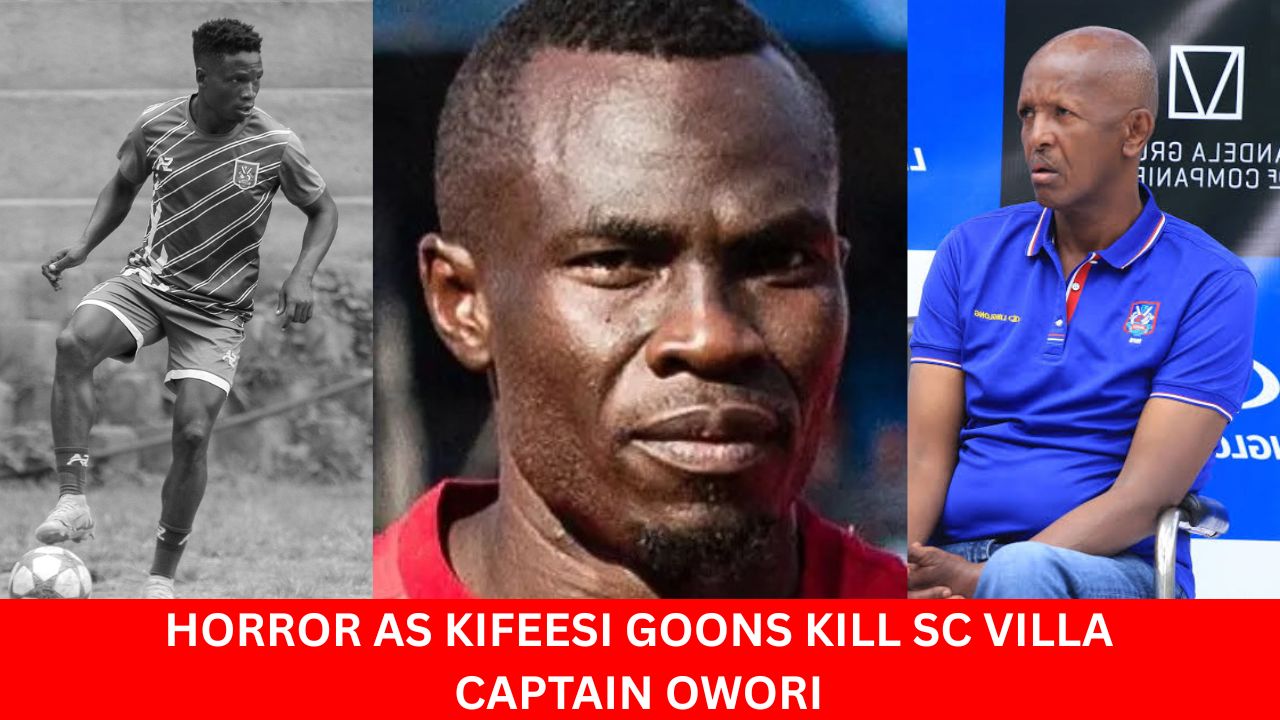
The death of SC Villa captain David Owori became another flashpoint in the dispute. Owori was killed during a robbery incident in Kampala, shocking the football community and prompting questions about the safety and welfare of players. Kasingye questioned Magogo’s response to the tragedy, accusing him of failing to attend Owori’s burial and of not holding a subsequent press conference. “A player was murdered. I didn’t hear a single word from you. You didn’t even attend burial. You sent a representative but you even failed to call for a press conference later,” Kasingye said.
For the SC Villa spokesperson, the episode illustrated what he considers to be a failure by football leadership to stand with clubs, players and supporters at critical moments.
“Leadership must stand with players, clubs and fans during difficult moments,” he said.
Fans Reject the “Foreign Football” Argument
Several football followers joined the debate, arguing that Magogo’s position places too much responsibility on supporters.
Seasoned sports journalist Mark Namanya compared football to music, arguing that Ugandans should not be forced to choose between local and international entertainment.
“At the risk of turning my voice hoarse, you can’t stop me from enjoying music by Peabo Bryson because you want me to drop it for A-Pass. It is possible to enjoy both,” Namanya wrote. Mutebi Alex Kato was even more direct. “If someone chooses to watch the EPL over the Ugandan league, it’s a product issue. Put out a better product,” he said.
The argument was echoed by other fans who said supporters naturally gravitate towards competitions that offer superior football, facilities, broadcasting, marketing and match-day experiences.
One contributor, Bright Lee, told Magogo that fans could not be blamed for following competitions they enjoy. “You can’t blame fans for supporting what they really like. A lot that’s happening in Ugandan football actually forces most football fans to seek refuge in European clubs,” he wrote.
Marketing Becomes a Major Battleground
The debate also exposed concerns about the marketing of the Uganda Premier League. Lule Hassan argued that local football needed a deliberate and professional marketing strategy.
“Marketing the UPL should be taken seriously and intentional. The game in Ug isn’t marketed enough, first to the locals and then internationally. Unfortunately, clubs can’t do this alone,” he said. Magogo responded by asking him to define what he meant by marketing. “What do you mean by marketing?” the FUFA president asked. The exchange underscored one of the central questions facing Ugandan football: whether the domestic game has been sufficiently packaged to compete for the attention of fans who can watch some of the world’s biggest leagues on television and digital platforms.
Grassroots Football Under Scrutiny
The argument subsequently moved beyond the top flight. David Keneta Dronyi called for greater support for grassroots and lower-division clubs, arguing that the foundation of Ugandan football is struggling.
“Fund clubs, most especially grassroots football, most especially clubs in lower divisions,” he said. He questioned how smaller clubs could survive while dealing with registration costs, referee payments and other expenses without adequate support.
Magogo challenged the argument by asking whether the Tanzanian federation pays the costs of clubs in the same manner being demanded in Uganda.
The exchange reflected a wider disagreement about the responsibility of FUFA, clubs, sponsors and government in financing football development.
Fans Question Magogo’s Record
The confrontation also reopened old grievances about Magogo’s tenure. One contributor, R. Abdul Karim, referred to previous disputes involving club owners and former football administrators, accusing Magogo of fighting several clubs and personalities. Those allegations were made on social media and were not independently substantiated in the exchange.
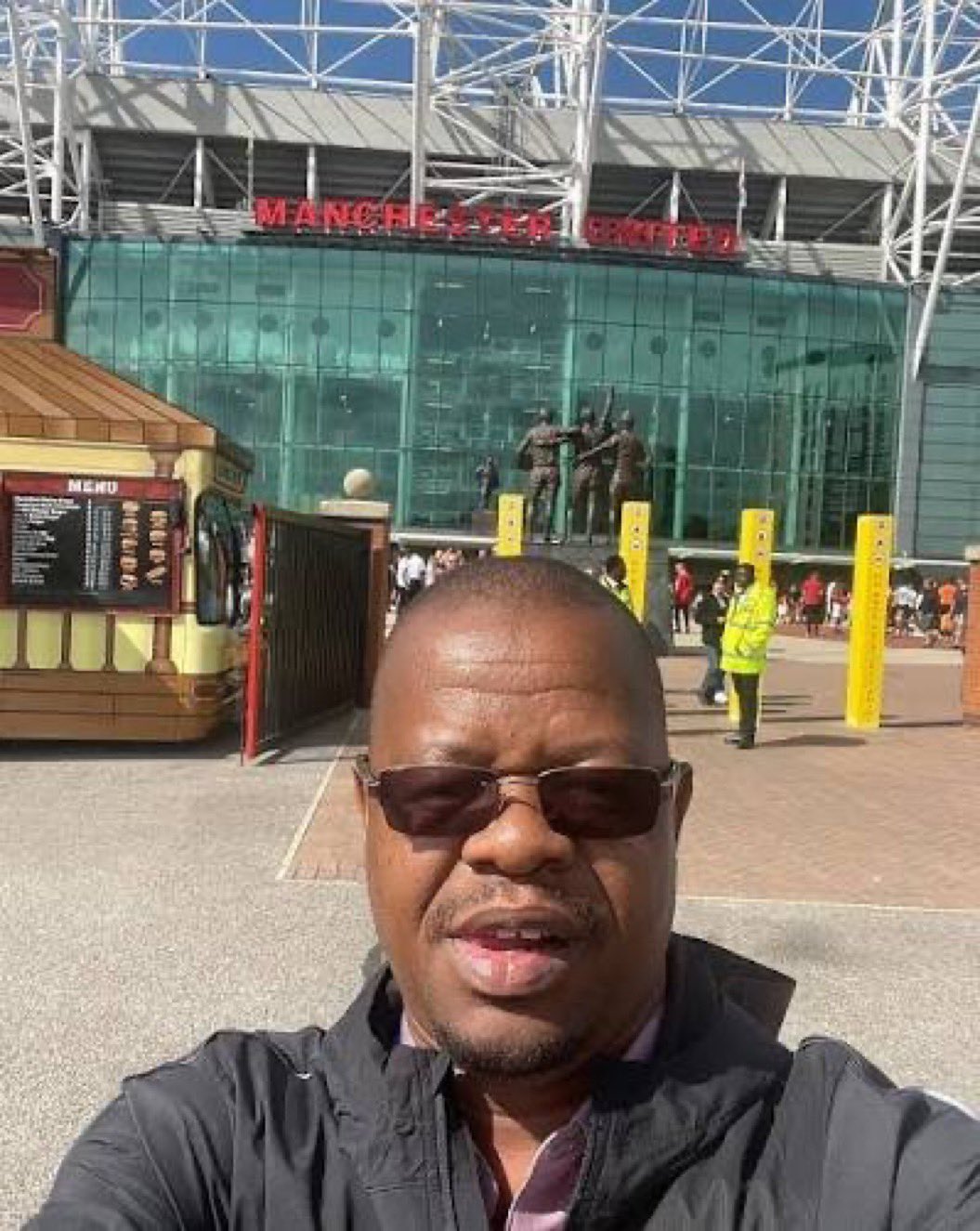
Another fan, Simon Sharp, questioned whether lessons from Magogo’s visit to Manchester United’s Old Trafford had translated into meaningful improvements in Ugandan football infrastructure.
“African football can learn from European football without simply trying to suppress interest in it,” another contributor argued.
Others questioned Magogo’s comparison between European leagues and Uganda’s domestic competitions, saying the two products operate at vastly different financial and sporting levels.
“Those two are equal heavyweights. You can’t compare any team in your league to a European team,” one user wrote in response to Magogo’s Coca-Cola-Pepsi analogy.
“Use Foreign Football to Build Local Football” Not everyone agreed that foreign football should be treated as an enemy.
Joash Marcus pointed to Rwanda’s partnerships with major European clubs as an example of how the global football industry could be used to strengthen domestic football.
“Kagame’s partnerships with major European clubs show that foreign football can be strategically leveraged to strengthen, rather than replace, domestic football,” he wrote.
His argument was that Uganda could use the popularity of European football to create international partnerships, improve standards, attract investment and expose local players and clubs to better systems.
Calls for Magogo to Change Strategy
Some fans acknowledged Magogo’s contribution to Ugandan football but argued that the federation needs a fresh approach. Kakande Chrispus said Magogo had made significant contributions but should consider succession.
“No doubt, you have done good for this game in Uganda, just like Dr Lawrence also did good,” he wrote. He suggested that Magogo could identify and support a successor who would preserve the gains of his administration while introducing new ideas.
The Real Battle: The Product
At the centre of the increasingly bitter exchange is a fundamental disagreement over responsibility.
Magogo’s position is that local football cannot grow without local support. More spectators mean greater gate collections, sponsorship opportunities, commercial value and resources for clubs to improve.
Kasingye and his supporters counter that fans are consumers. They will follow a product that gives them quality football, good facilities, reliable organisation, compelling marketing and an enjoyable match-day experience. The two positions are not necessarily mutually exclusive.
Ugandan football needs supporters, but supporters also need reasons to support it.
The explosive Magogo-Kasingye exchange has therefore exposed a much deeper problem than the popularity of European football. It has raised questions about FUFA’s communication, the marketing of the Uganda Premier League, grassroots development, club financing, player welfare and the direction of the sport ahead of AFCON 2027.
For now, the football debate has moved from the terraces to social media, with Magogo challenging critics to defend their positions in public and Kasingye insisting that FUFA must first listen to the voices of clubs, players and supporters.
The biggest question remains unanswered: should Ugandans be blamed for choosing foreign football, or should the country’s footb
Author Profile
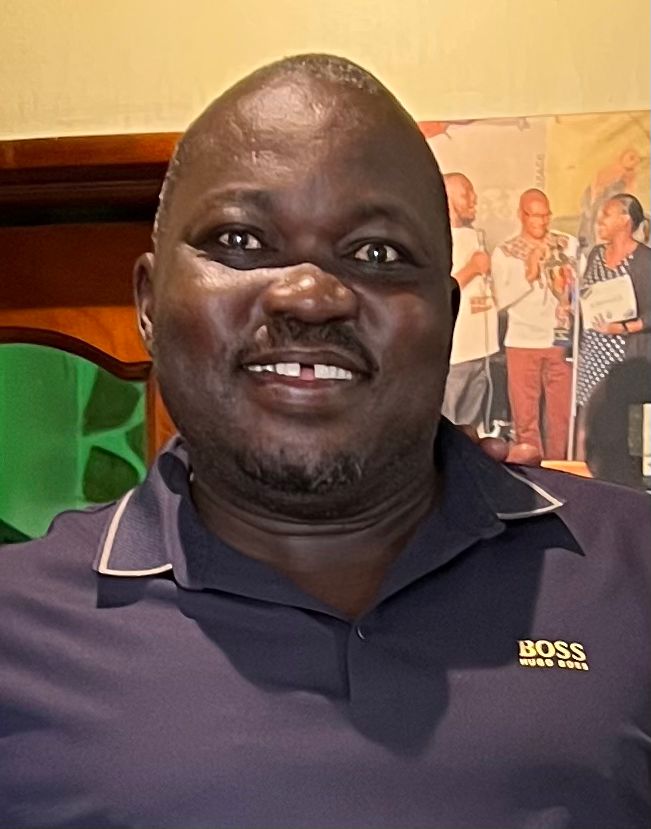
- Charles Gazza Kodili is a seasoned journalist with over 20 years of experience in the media industry. He holds a Bachelor of Arts degree in Mass Communication. He’s currently the Chief Editor at the Investigator.
Charles can also be reached via; Tel: +256 774 108978
Email: [email protected]
Latest entries
 CrimeOctober 22, 2026MUFTI SUMMONED OVER SHS1.2BN GOLD SCAM: Kampala City Hall Court Has Summoned Deputy Mufti, Muhammad Haruna Bukenya, And Businessman Elias Muzamiru Lubega Over Allegations Of Obtaining $288,000 From Muhammad Kwaido In A Deal Involving Three Kilogrammes Of Gold
 FeaturedOctober 22, 2026MUHOOZI: WE SHALL WIN IN 2031: CDF Gen Muhoozi Kainerugaba Says Millions Of Ugandans, Particularly The Youth, Are Backing His “Quiet And Patient Revolution” As His PLU Movement Builds Momentum For The 2031 Presidential Race
 FeaturedOctober 22, 2026‘I HAVE FORGIVEN BIRUNGI’: Gen Muhoozi Kainerugaba Says Maj Gen James Birungi Deserved A Severe Sentence For Crimes Against The Army And Ugandans But Chose Forgiveness Guided By His Christian Faith
 FeaturedOctober 21, 2026WHY WANGADYA, COMMISSIONERS FACE AXE: Parliament Endorses COSASE Recommendation To Replace The Chairperson And Commissioners After Months Of Bitter Internal Disputes