












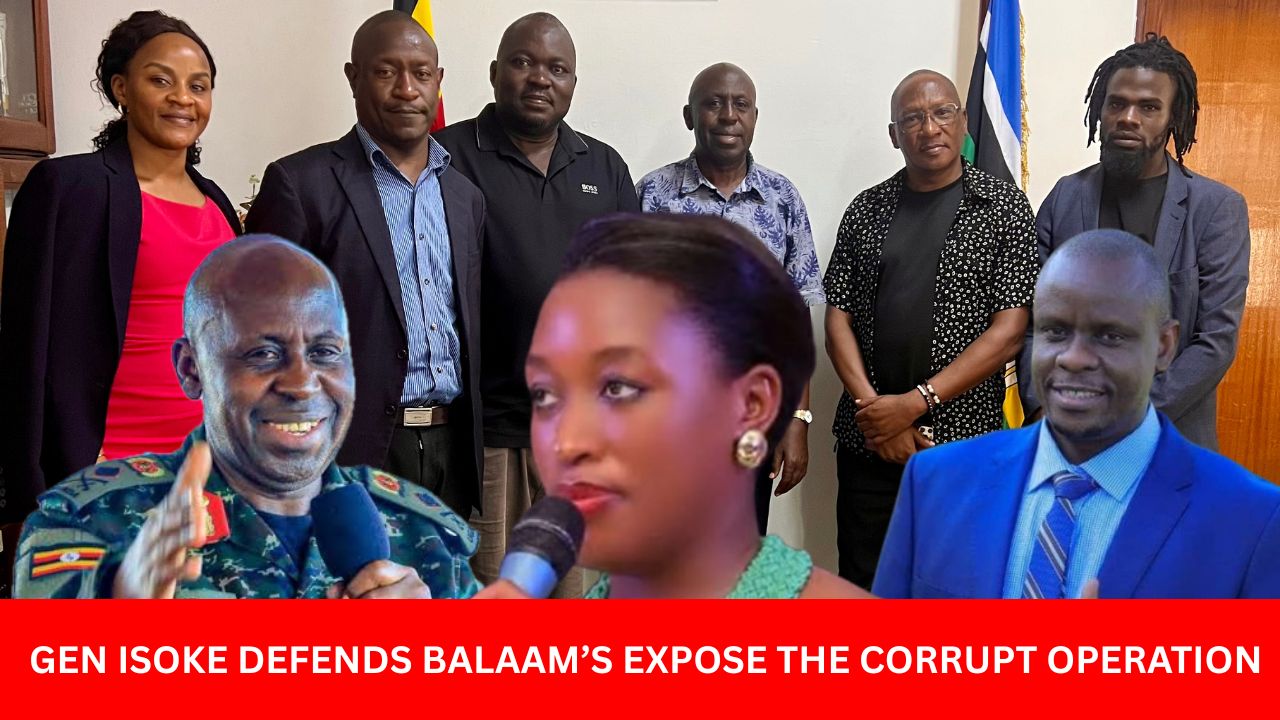
The State House Anti-Corruption Unit (SHACU) has come under renewed public scrutiny as the government intensifies its campaign against corruption in local governments, with some Ugandans questioning why the most visible recent operations have been led by Minister for Local Governments, Balaam Barugahara rather than the specialized anti-graft agencies.
In a wide-range interview with The Investigator last night, Brig. Gen. Henry Isoke, the head of SHACU, rejects suggestions that the unit has been inactive or that ministers are taking over its mandate. He says the current crackdown is the product of cooperation between government institutions, with SHACU providing intelligence, investigations and follow-up while ministers exercise their administrative and political mandates.
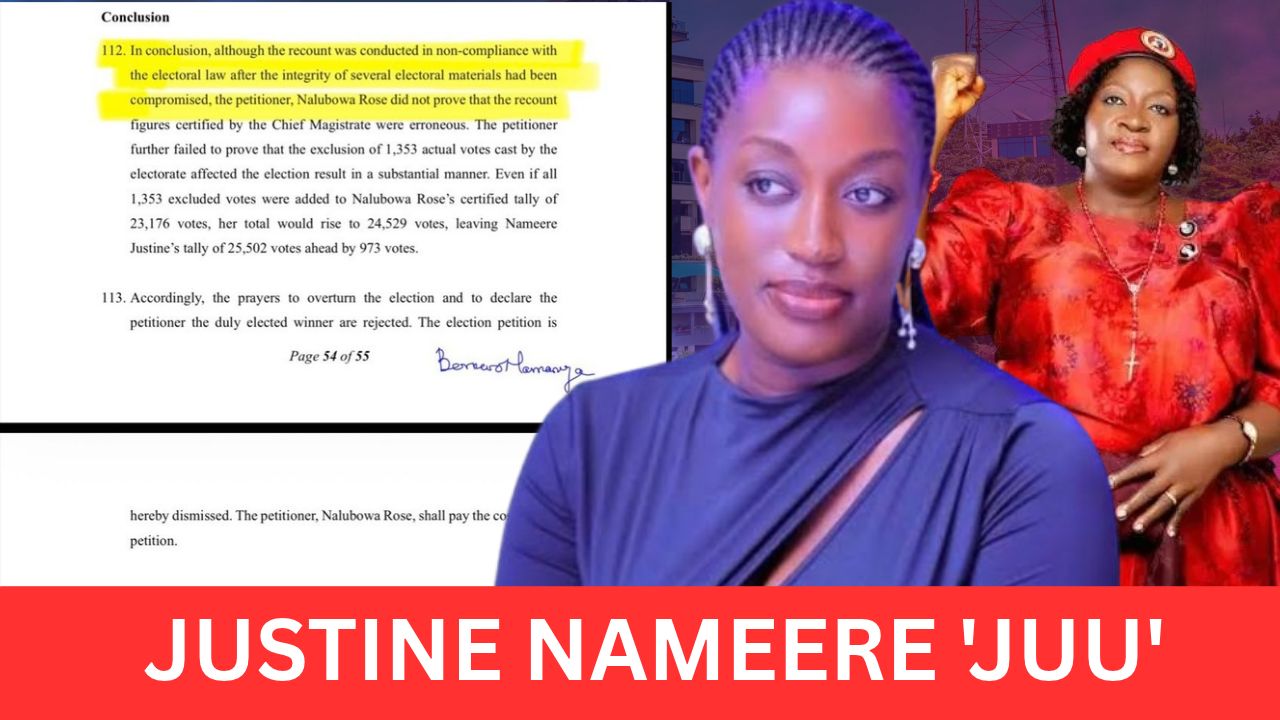
The interview comes against the backdrop of a nationwide anti-corruption campaign led by Minister Barugahara and his deputy Justine Nameere, which has seen inspections of local government institutions, investigations ordered against officials, and a growing number of interdictions.

The campaign has so far covered districts including Moyo, Maracha, Pakwach, Mbale, Namisindwa, Bulambuli, Isingiro, Sembabule, Mitooma, Mbarara, Fort Portal, Rakai and Masaka. By August 18th, reports indicated that 110 local government employees were facing disciplinary action over allegations ranging from ghost beneficiaries and procurement irregularities, to misuse of public funds, absenteeism and poorly implemented projects.
In Jinja, Barugahara ordered the Chief Administrative Officer, Lilian Nakamatte, to step aside and directed SHACU and the Inspectorate of Government to investigate allegations of financial mismanagement, procurement concerns and maladministration.
 The campaign has also resulted in interdictions in Mitooma, Isingiro, Buhweju and other districts. In Ankole alone, at least 26 officials were reported to be facing interdiction following recommendations for SHACU to facilitate investigations. At Buhweju, SHACU conducted investigations into several senior officials, while separate inquiries were ordered into alleged misuse of road funds. The two ministers have repeatedly insisted that the campaign is intended to restore accountability and improve service delivery.

The Ministry of Local Government says their inspections, follow-ups and interventions are part of President Yoweri Museveni’s renewed anti-corruption drive. However, the campaign has also attracted calls for caution. The Deputy Inspector General of Government, Dr Patricia Achan Okiria, recently advised the ministers to ensure that their operations remain within the law and respect due process.
Against this background, Brig Gen Isoke spoke to The Investigator about the origins and mandate of SHACU, its record, the role of ministers in the current crackdown, allegations of selective arrests and the money the unit says it has saved for the government.
The Investigator: Gen Isoke, elaborate on the mandate of the State House Anti-Corruption Unit since its creation in 2018.
Brig Gen Henery Isoke: As you may be aware, it is the executive duty and responsibility of the President of Uganda, Gen Yoweri Kaguta Museveni, to ensure that the State is running efficiently. Corruption has been a great concern of the President right from the five-year protracted bush war. Fighting corruption is among the top priorities of the NRM government. In fact, it is Point number seven of the ten-point programme.
 After the war, it was not a bed of roses because other parts of the country were not fully liberated. Northern Uganda, Eastern Uganda, West Nile and some parts of Western Uganda remained volatile. Because the President and his government were preoccupied with many other issues, including uniting and liberating the other parts of the country, vices such as corruption received less attention.
When the country was finally liberated, the President turned his attention to other challenges, corruption being one of the diseases for which he sought mechanisms to combat. Institutions such as the Criminal Investigations Directorate, the institutions responsible for ethics and integrity, and the Inspectorate of Government became more visible after the NRA had fully liberated the country.

These anti-corruption agencies converge under the Inter-Agency Forum. Our operations are coordinated to avoid duplication of roles. We meet, plan our work and consult each other. Uganda has made significant efforts in fighting corruption through institutional and legal frameworks, government policies and the commitment of the President towards zero tolerance to corruption.
Despite these efforts, Uganda continues to feature in global and regional reports as a country affected by corruption. It is against this background that the President, acting under Article 99(4) of the Constitution, established the State House Anti-Corruption Unit on December 10th 2018. The unit was created to coordinate citizens’ corruption complaints to the Presidency with the population and constitutionally mandated agencies, with a view to obtaining speedy resolution of those complaints. Therefore, our core mandate is to help the President fight all forms of corruption and corruption tendencies.
The Investigator: What is the strength of SHACU and how do your officers execute their work?
Gen Henery Isoke: Our human resource is very minimal. We are not more than 30. To be precise, we are 25 and all of us are housed here at headquarters. We do not have regional offices. What we do is consult with sister agencies that have regional presence.
 We receive a lot of communication from Resident District Commissioners, District Police Commanders and regional officers of the Inspectorate of Government. The fact that we are limited in numbers does not mean we have fallen short of our mandate. The team I lead is highly motivated. They are cadres and patriots motivated by the desire to serve Uganda. Our budget is also very small, but we have not failed to execute our mandate.
We have a 24-hour call center programmed in all languages of Uganda. Our officers are always available to receive queries from all parts of the country, from Kabale to Kotido. Besides the call center, we have a clients’ relations desk here. As you have witnessed, our front desk is one of the busiest in Kampala. Our front desk manager receives everyone who walks in with a complaint or any other issue. Indeed, we are more agile, faster and swifter.
The Investigator: Give us some figures. How many corruption cases has SHACU handled since its inception?
Gen Henery Isoke: The cases are so many. This is my fourth year here. Since this unit was formed, it has handled more than 800,000 cases. We have arraigned about 900 suspects in court and secured 165 convictions. Those arraigned include public servants, who represent about 55 per cent, while private-sector workers, mostly engineers and lawyers, represent about 45 per cent. Most of the cases we have handled are land-related, accounting for about 31 per cent.
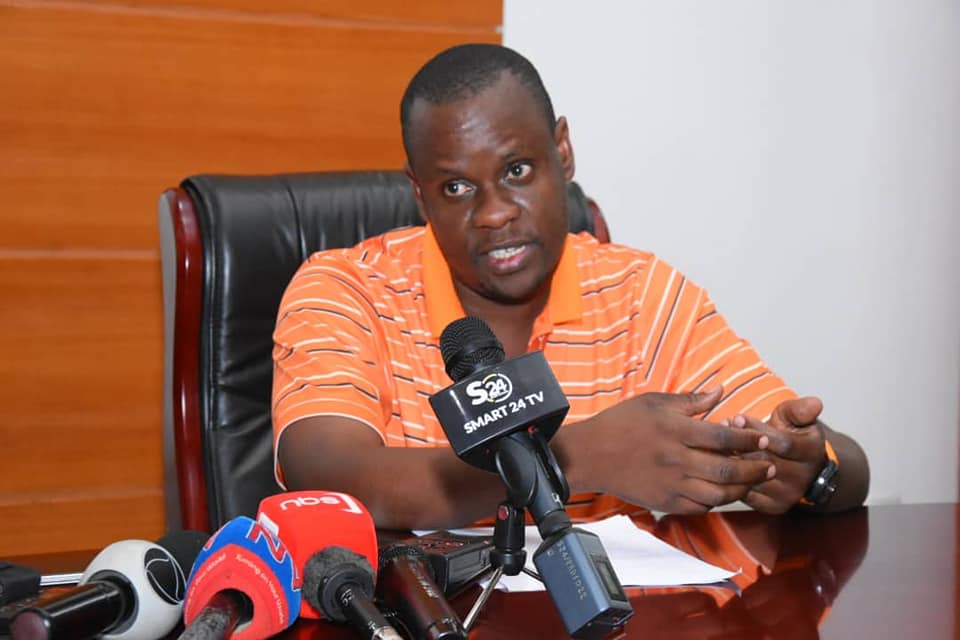
The Investigator: Why is Local Government Minister Balaam Barugahara doing something that your unit should have done long ago? Some members of the public think SHACU is doing nothing.
 Gen Henery Isoke: It is not correct to say that Hon Balaam is doing our job. As I have said before, we are working as a team. Following a directive by the President, Balaam responded very fast because the Local Government Ministry has a lot of corruption tendencies. Balaam is moving swiftly to clean the ministry, and that is a very big action. He is using our intelligence. Indeed, he moves where we have already conducted intelligence. We have strategized this with him and we are not complaining. It is us who make the arrests and follow up on the cases.
Hon Balaam is like any other Ugandan mandated to remain vigilant. He is acting within his mandate, and we give him all the support required. That ministry is too rotten, and most of the cases are perpetuated by technocrats. The current operation has therefore not been a competition between SHACU and the Ministry of Local Government. It is a coordinated effort.
The Investigator: People claim you have not done anything tangible since your appointment. How do you respond to Ugandans who say they have not felt your ‘tsunami’?
Gen Henery Isoke: I am not a media person. I am more comfortable working in the background. Given the nature of my training, most people may not see my face. We work very tirelessly in the background. We do not show off while executing our duties. That is how we were prepared for the job. Many people have different methods of work. I don’t subscribe to the culture of showing off. I prefer my actions to speak for my work.
For example, SHACU under my leadership did great work during the infamous mabaati investigations, arrests and eventual prosecutions. We looked at the files one by one and, based on our recommendations, action was taken, including arrests and prosecutions. In government, personal assistants can do a lot of the donkey work. That is one reason you may not see a ministers arrested. These ministers and the so-called `big fish` are sharp. Many of them do not leave behind trails of their wrongdoing. They use other people. That is why in many cases the small fish is the one that gets hooked because everything can be traced to them.
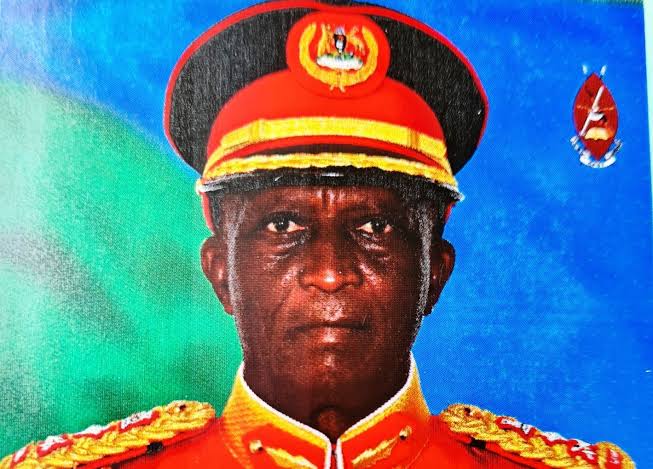
The Investigator: We have been approached by our readers complaining about selective arrests. What is your response?
Gen Henery Isoke: No one is big. We do not leave any stone unturned. In fact, we have arrested several top officials. But as I explained earlier, most top officials, including ministers, do not necessarily leave a trail showing their personal involvement in wrongdoing. They use their subordinates. Most personal assistants are therefore not safe. Our work is to follow the evidence. Whoever is implicated by the evidence must answer.
The Investigator: Brig Gen Moses Lukyamuzi, the head of the State House Land Protection Unit, has recently come under scrutiny, with some readers alleging that he abets land grabbing. Does SHACU have the mandate to bring him and his associates to book?
Gen Henery Isoke: No one is above the law, me inclusive. Anyone who has involved themselves in wrongdoing must answer for their crimes. We follow leads. If anyone has a trace of corruption, they are free to visit our offices and report. The principle is simple: nobody should be protected because of their position. However, our cause of action is always prompted by evidence, not assumptions.
The Investigator: In figures, how much money has SHACU helped to save for the country since you started your mission?
Gen Henery Isoke: We have so far recovered or saved UGX700 billion. Of this amount, under my tenure, we have saved over UGX500 billion. We have also managed to save UGX9 billion since the nationwide Local Government operation by Hon Balaam started, and we are seeing more money being saved.
The Investigator: Finally, what should Ugandans expect from SHACU as the Local Government crackdown continues?
Gen Henery Isoke: Ugandans should expect more action. The fight against corruption cannot be won by one institution. SHACU, the Inspectorate of Government, police, ministries, local governments and other accountability institutions have different responsibilities. But we must work together. The President’s message has been very clear; public resources must serve the people.
Our role is to receive complaints, gather intelligence, investigate and coordinate with the relevant agencies so that cases are resolved. We may not always be visible, but that does not mean we are not working. The work is continuous. And where there is evidence of wrongdoing, nobody should expect to be protected because of their office, rank or connections.
Author Profile
- Charles Gazza Kodili is a seasoned journalist with over 20 years of experience in the media industry. He holds a Bachelor of Arts degree in Mass Communication. He’s currently the Chief Editor at the Investigator.
Charles can also be reached via; Tel: +256 774 108978
Email: [email protected]
Latest entries
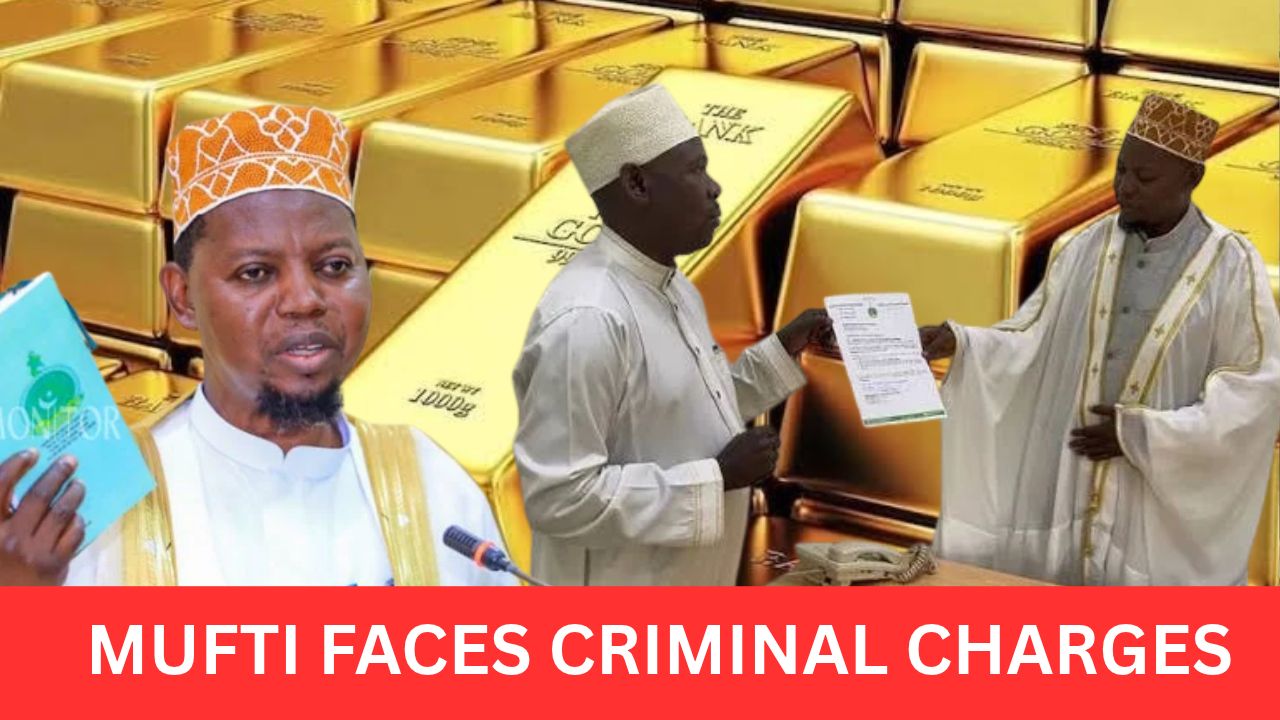 CrimeOctober 22, 2026MUFTI SUMMONED OVER SHS1.2BN GOLD SCAM: Kampala City Hall Court Has Summoned Deputy Mufti, Muhammad Haruna Bukenya, And Businessman Elias Muzamiru Lubega Over Allegations Of Obtaining $288,000 From Muhammad Kwaido In A Deal Involving Three Kilogrammes Of Gold
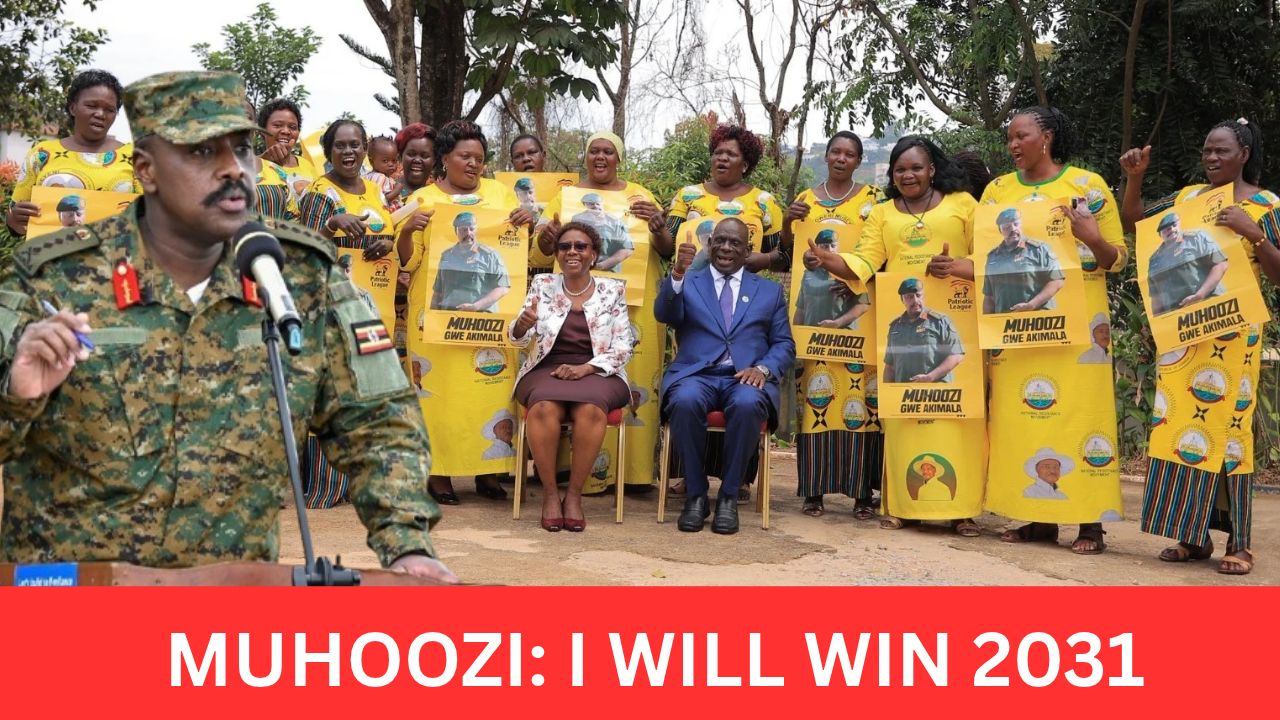 FeaturedOctober 22, 2026MUHOOZI: WE SHALL WIN IN 2031: CDF Gen Muhoozi Kainerugaba Says Millions Of Ugandans, Particularly The Youth, Are Backing His “Quiet And Patient Revolution” As His PLU Movement Builds Momentum For The 2031 Presidential Race
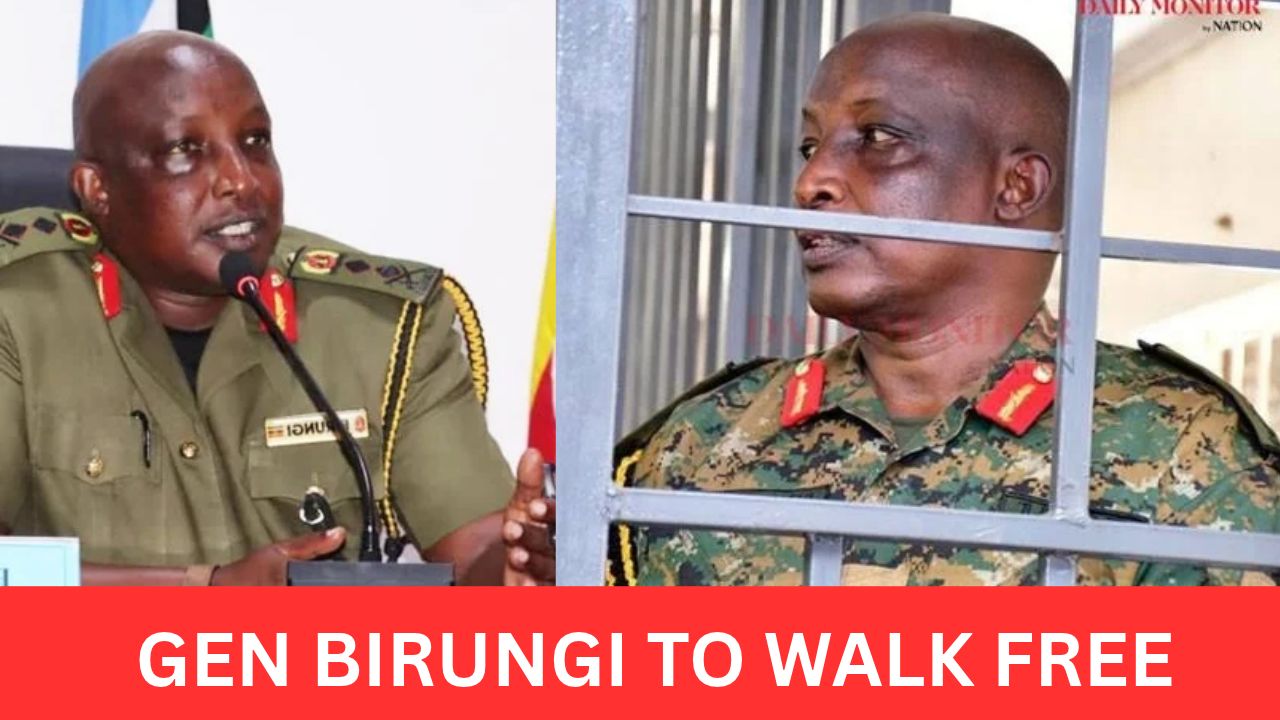 FeaturedOctober 22, 2026‘I HAVE FORGIVEN BIRUNGI’: Gen Muhoozi Kainerugaba Says Maj Gen James Birungi Deserved A Severe Sentence For Crimes Against The Army And Ugandans But Chose Forgiveness Guided By His Christian Faith
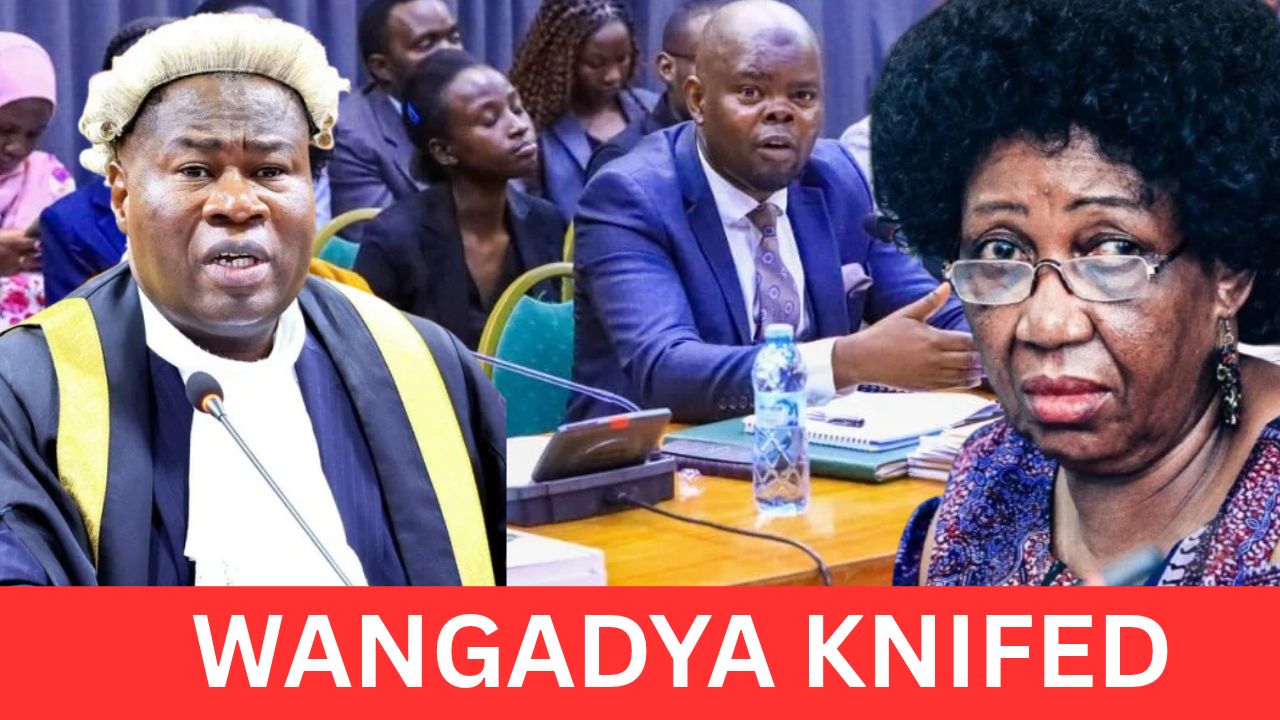 FeaturedOctober 21, 2026WANGADYA, COMMISSIONERS FACE AXED: Parliament Endorses COSASE Recommendation To Replace The Chairperson And Commissioners After Months Of Bitter Internal Disputes