











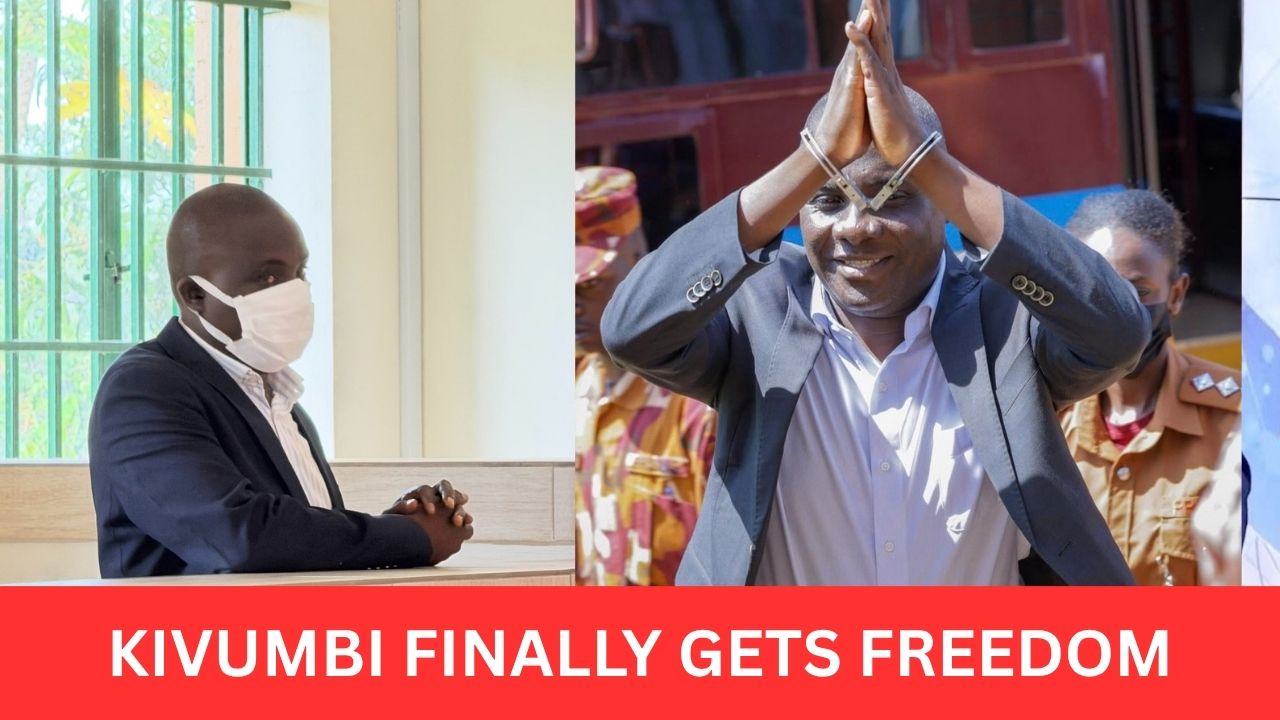
Former Butambala County Member of Parliament and National Unity Platform (NUP) deputy president for Buganda, Muhammad Muwanga Kivumbi, has finally secured bail from the Butambala Chief Magistrate’s Court, ending another chapter in a turbulent year that has seen him arrested twice and spend months in detention. The latest development was welcomed by NUP secretary general David Lewis Rubongoya, who expressed relief at the court decision while voicing concern that Kivumbi could once again be arrested after his release.
“Hon. Muhammad Muwanga Kivumbi granted bail by the Court in Butambala. We can all hope and pray that he won’t be abducted or arrested again as happened last time. Grateful to everyone who has been following up – and especially the people of Butambala for the great show of solidarity,” Rubongoya said. Kivumbi’s release brings to the fore one of the most closely watched opposition-related criminal cases of 2026, involving allegations ranging from terrorism to incitement to violence and managing an unlawful society.
First arrest: January election violence
Kivumbi’s troubles began in January, shortly after the January 15 general elections. He was arrested in January 2026 and subsequently charged in connection with violence that occurred in Butambala between January 11 and 17. The prosecution alleged that Kivumbi and other suspects participated in acts intended to intimidate or influence the Government for political purposes.
Among the allegations were attacks on Kibibi Police Station and the Butambala Electoral Commission tally centre, damage to the Butambala-Gomba Road and destruction of several vehicles. Prosecution also alleged that seven people were killed during the violence. Kivumbi and his co-accused denied the accusations.
Initially, some of the suspects had faced charges including incitement to violence and malicious damage to property. The prosecution later amended the charge sheet and brought them together in a terrorism case. Kivumbi was subsequently charged under the Anti-Terrorism Act and remanded to Kitalya Prison. The case became prolonged as investigations continued without the accused being committed to the High Court for trial.
By May, Kivumbi and more than 20 co-accused had applied for bail before the International Crimes Division of the High Court. Their lawyers argued that they had fixed places of residence, strong community ties and substantial sureties and that their continued detention without committal was unjustified.
The prosecution opposed the applications and questioned the suitability of some of the proposed sureties. After months of proceedings, Justice Susan Okalany eventually granted Kivumbi bail in July. He was ordered to pay Sh10m cash bail, while three sureties were required to execute non-cash bonds of Sh5m each. He was also required to surrender his passport and report monthly to court.
The dramatic second arrest
Kivumbi’s first taste of freedom, however, lasted barely a day. After leaving Butambala for Kampala following his release, he was intercepted in the Mpigi area on July 10, according to his lawyers and opposition leaders. His lawyers said armed security personnel stopped the vehicle in which he was travelling and took him away. For days, his family, lawyers and political colleagues said they could not establish where he was being held.
The matter escalated into a legal battle, with Kivumbi’s lawyers seeking a writ of habeas corpus to compel the authorities to produce him before court. The High Court subsequently directed the Government to investigate his whereabouts and report to court. Parliament also demanded an explanation over his disappearance.
The circumstances surrounding his re-arrest generated sharp controversy because it happened immediately after he had secured bail in the terrorism case. At the time, authorities had not publicly explained the circumstances of the arrest. Kivumbi’s associates suggested that his outspoken remarks after his release could have contributed to the re-arrest, but those claims were not confirmed by the authorities.
19 days incommunicado
Kivumbi eventually resurfaced at Nateete Police Station after spending more than two weeks out of public view. His lawyers said he had been held incommunicado for 19 days. Kivumbi later alleged that he had been beaten and detained at an undisclosed location before being returned to the formal criminal justice system.
His lawyer, Medard Lubega Sseggona, told journalists that the defence had been unable to establish where Kivumbi had been held during the 19 days. Kivumbi also appeared before court showing injuries which he said he had sustained during detention and asked for medical attention. These allegations formed part of the controversy surrounding his detention; they should be distinguished from the criminal charges against him, which he denied.
Second case: fresh charges
When Kivumbi resurfaced, however, his legal problems were not over. Instead of simply returning home following his earlier bail, he was taken before the Butambala Chief Magistrate’s Court and faced a fresh set of charges. The new case concerned alleged offences committed on July 9 at Bugoye village in Gombe Town Council, Butambala district.
Prosecution accused Kivumbi and others still at large of inciting members of the public to commit acts of violence against government officials and of managing an unlawful society. The State further alleged that the group was involved in plans to overthrow the Government. Kivumbi denied the allegations and was remanded to Kitalya Prison as his lawyers pursued another bail application.
This explains why Kivumbi was effectively arrested twice in 2026: the first arrest related to the January post-election violence and terrorism allegations, while the second followed his July release on bail and resulted in fresh charges of incitement to violence and managing an unlawful society. The two cases are separate, although they have become intertwined in the public debate surrounding his detention.
Bail battle returns to Butambala
The second bail application became another drawn-out process. Kivumbi appeared before the Butambala Chief Magistrate’s Court, where his lawyers presented sureties, including opposition politicians. The prosecution sought time to scrutinise the bail application, while the defence pressed for his release.
Proceedings were also complicated by a State application seeking restrictions on live-streaming and recording of the proceedings. The court subsequently barred live-streaming and audio recording of the trial, with the prosecution arguing that unrestricted broadcasting could affect the proceedings. The defence opposed the restrictions, citing the importance of open justice.
Kivumbi therefore remained in custody as the court considered his bail application. His latest release marks a significant development after months of detention, two separate criminal cases and a second arrest that triggered a national debate about due process and the treatment of opposition figures.
A political figure under prolonged legal pressure
Kivumbi is not a newcomer to Uganda’s opposition politics. He represented Butambala County in Parliament for about 15 years and became one of NUP’s senior leaders, serving as the party’s deputy president for the Buganda region.
His political profile made his arrest particularly significant for the opposition, which repeatedly rallied around his case. The NUP leadership has consistently maintained that Kivumbi should be subjected to the ordinary judicial process if there are criminal allegations against him. The Government, through the prosecution, has maintained that the cases concern alleged criminal conduct and should be determined through court proceedings.
The terrorism case and the newer incitement case remain matters for the courts, and the allegations against Kivumbi have not amounted to convictions. For now, his latest bail gives him an opportunity to return home while the legal proceedings continue. But Rubongoya’s statement captures the uncertainty that has followed Kivumbi throughout the year: whether his latest release will finally allow him to remain out of custody while he defends himself in court.
For the people of Butambala, who rallied around their former MP during his prolonged detention, the bail decision is another moment in a long-running legal and political saga. Kivumbi’s journey from the January arrest, through months on remand, his July bail, the dramatic re-arrest in Mpigi, the 19-day disappearance, fresh charges and another spell in Kitalya, has made his case one of the most closely followed opposition-related court battles of 2026. His latest release does not end the cases against him. It simply means that, for now, he will face the next stages of the legal process from outside prison.
Author Profile

Latest entries
 FeaturedSeptember 29, 2026MUWANGA KIVUMBI FINALLY OUT: Butambala Court Frees Embattled Former MP After Second Arrest. NUP Leader Had Spent Months In Custody Over Terrorism and Incitement Charges
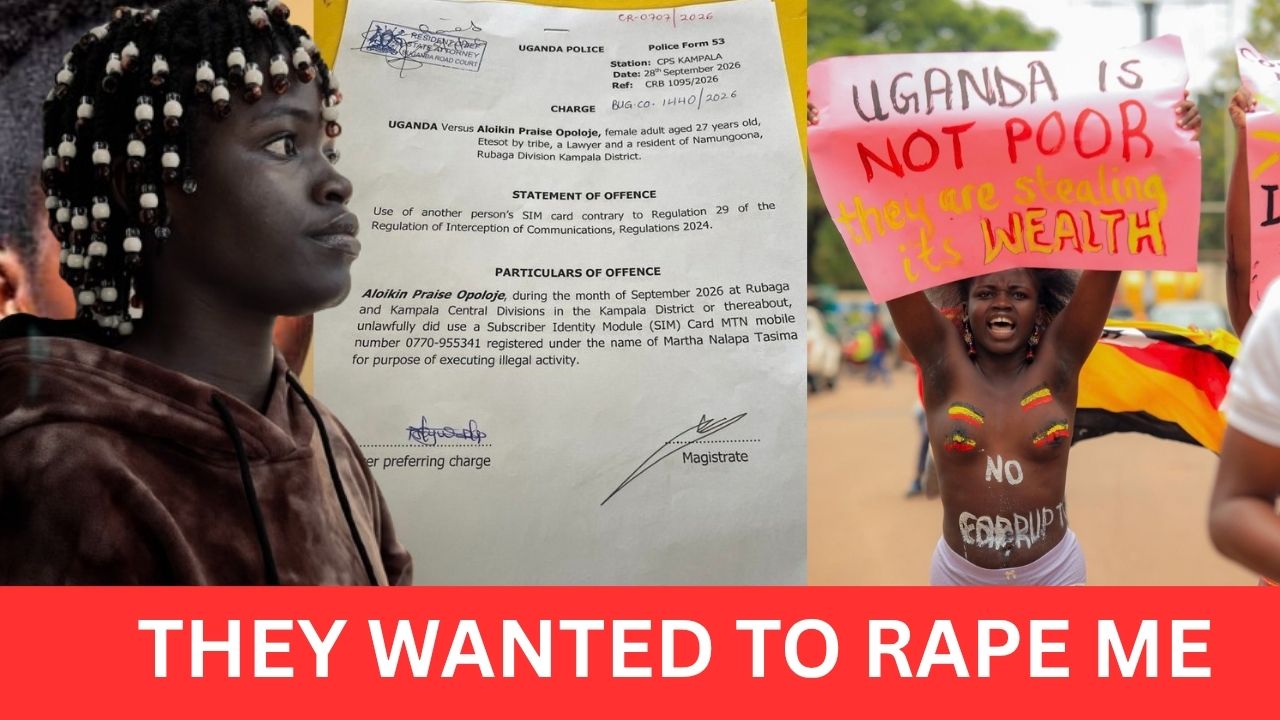 FeaturedSeptember 28, 2026“THEY BEAT ME IN THE DRONE,” “THE BODY-BAG THREAT,” “THE PHONE CALL THAT SAVED ME,” and “I WAS THREATENED INSIDE CPS.” My Story: How I Was Abducted, Beaten and Threatened With Death
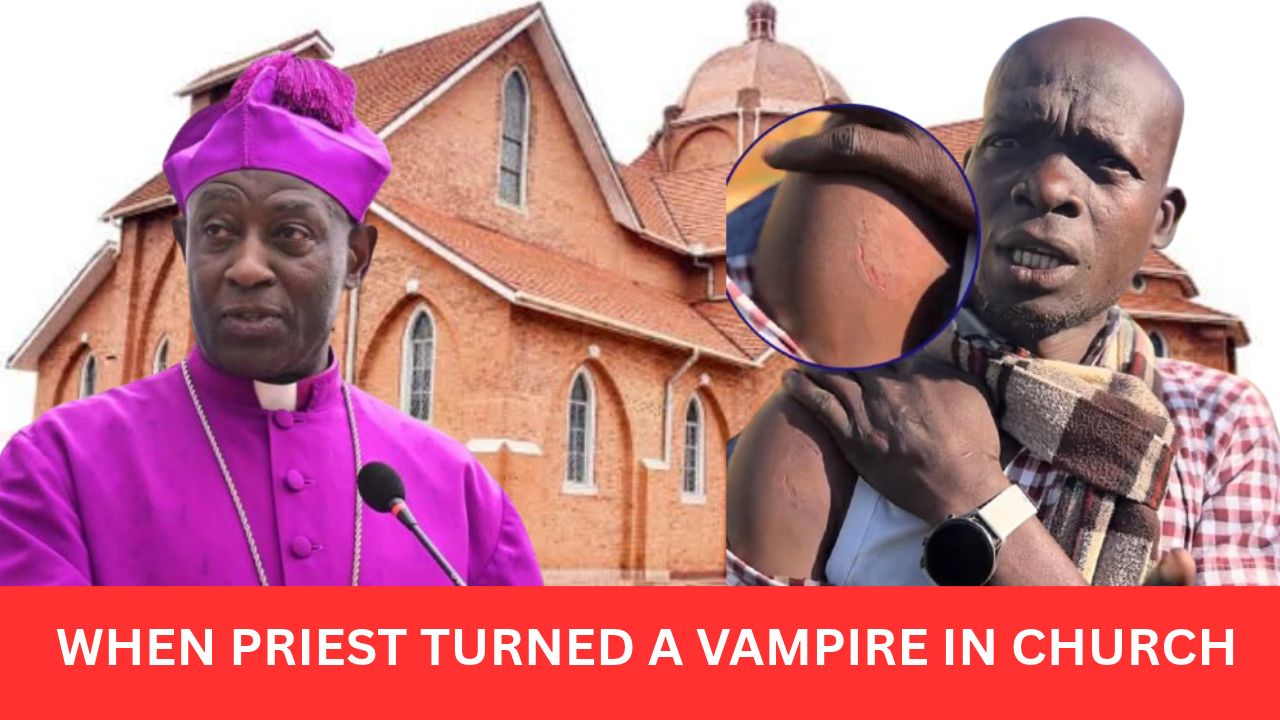 FeaturedSeptember 28, 2026“THIS WAS A CHURCH SERVICE — NOT A BOXING RING!” Fighting Priest Defrocked After Sunday Worship Turned Into A Shocking Boxing Bout As Priest And LC II Chairperson Traded Punches Before Stunned Christians Intervened
 FeaturedSeptember 26, 2026TOORO’S KINGLY BURIAL SECRETS: Nine Coffee Beans, Hidden Rites & The River Mystery. How Ancient Traditions Connect Karambi To Buganda, Bunyoro And Egypt’s Pharaohs