


Uganda will on Friday, October 9, 2026, mark 64 years since it broke the chains of British colonial rule, with President Yoweri Kaguta Museveni among 20 distinguished Ugandans to be honoured with national medals during the Independence Day celebrations at State House, Entebbe.
The celebrations, held under the theme “Embracing Our Sovereignty with Hope and Visionary Leadership,” will be conducted on a scaled-down and largely virtual basis, with a limited number of guests physically attending at State House. The decision to scale down the celebrations was linked to a Cabinet decision to redirect funds that would otherwise have been spent on national and international celebrations to other priorities.
 But beyond the ceremonies, medals and speeches, Independence Day provides an opportunity for Ugandans to look back at a remarkable and often turbulent journey that began on October 9, 1962, when the Union Jack was lowered and the Ugandan flag raised as the country assumed responsibility for its own affairs.
Museveni among the 20 medalists
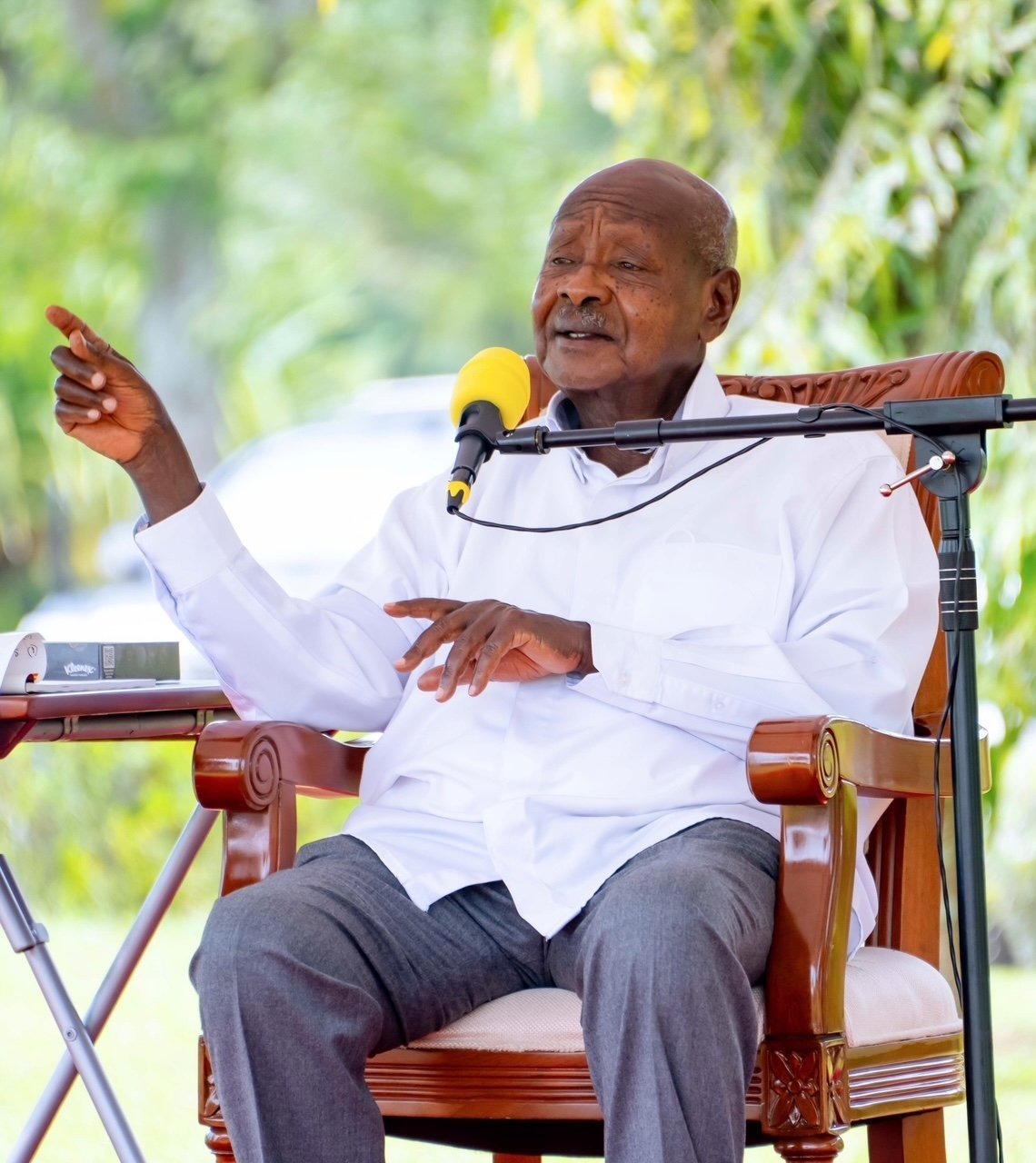
The highlight of this year’s celebrations will be the presentation of national honours to 20 medalists, with President Museveni himself among those to receive an award. According to Hajjat Zamina Malole, Chancellor of the Presidential Awards Committee in the Office of the President, Museveni will receive the Order of the Commander-in-Chief (Uganda Prisons Service Medal).
The award recognises his leadership and contribution to peace and security. The Presidential Awards Committee says the medal is intended for heads of State and heads of government in recognition of visionary leadership and their contribution to peace and security in Uganda, the East African region and Africa. The award is provided for under the National Honours and Awards Act, 2001, as amended.
Museveni’s recognition adds a remarkable dimension to an Independence anniversary that traces the country’s history from its first Prime Minister, Apollo Milton Obote, to the longest-serving president in Uganda’s post-independence history.
The President came to power in January 1986 after the National Resistance Army captured Kampala following a five-year guerrilla war. Forty years later, he remains head of State.
The night Uganda became independent
Uganda’s independence was the culmination of years of constitutional negotiations, political mobilisation and demands for self-government. Uganda had been a British Protectorate since 1894. By the late 1950s, pressure for greater African participation in government had intensified.
The first direct elections to the Legislative Council were held in 1961. The Democratic Party, led by Benedict Kiwanuka, emerged as the largest party, while Obote’s Uganda People’s Congress became the main opposition. However, Buganda had boycotted the elections and insisted on an arrangement that allowed its Lukiiko to nominate its representatives.
Fresh elections were therefore held in 1962. The UPC won 37 seats, DP 24, while Buganda’s Kabaka Yekka representatives held 21 seats. UPC and KY subsequently formed an alliance, giving Obote the numbers to form the first Independence Government.
And so, on October 9, 1962, at Kololo Airstrip, the instruments of power were handed to the 36-year-old Obote on behalf of the new government. The ceremony marked the formal end of British colonial rule. Obote, who had become executive Prime Minister, called for unity and optimism in his Independence address.
“With the goodwill of all who wish to see her prosper, Uganda will go forward from strength to strength.” He urged Ugandans to look forward to their new responsibilities as a sovereign country. The symbolism of that day was immense. The British flag came down and Uganda’s national flag went up. For millions of Ugandans, political power had formally moved from the colonial administration to Ugandan hands.
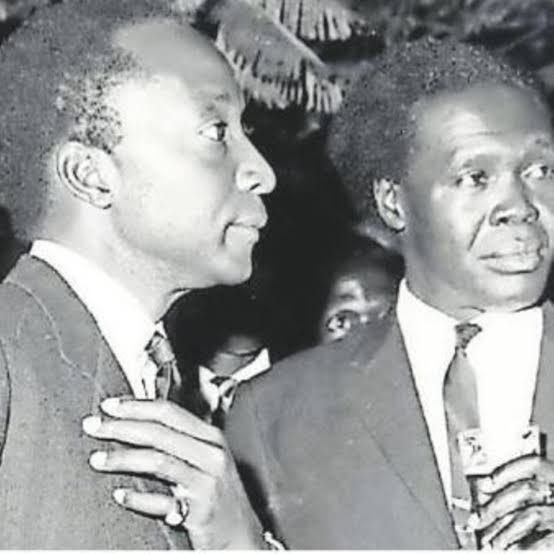
Sir Edward Muteesa II, the Kabaka of Buganda, became Uganda’s first President under the new constitutional arrangement, while Obote served as Prime Minister and head of government. In his Independence message, Muteesa spoke of the significance of the moment and appealed to Ugandans to work for the country.
He noted that the British had “relinquished power into our hands” and called on citizens to work with all their might for the glory of the kingdoms and the State of Uganda. He also warned against allowing differences of nation, religion and colour to divide Ugandans. Those words would acquire greater significance as the young country entered one of the most difficult political periods in its history.
From optimism to the 1966 crisis
The first years of independence were dominated by tensions between the central government and Buganda. The UPC-KY alliance that had helped deliver independence gradually broke down. By 1966, the relationship between Obote and Muteesa had deteriorated into an open constitutional and political confrontation. Obote suspended the 1962 Constitution and ordered an attack on the Kabaka’s palace at Mengo. Muteesa fled into exile.
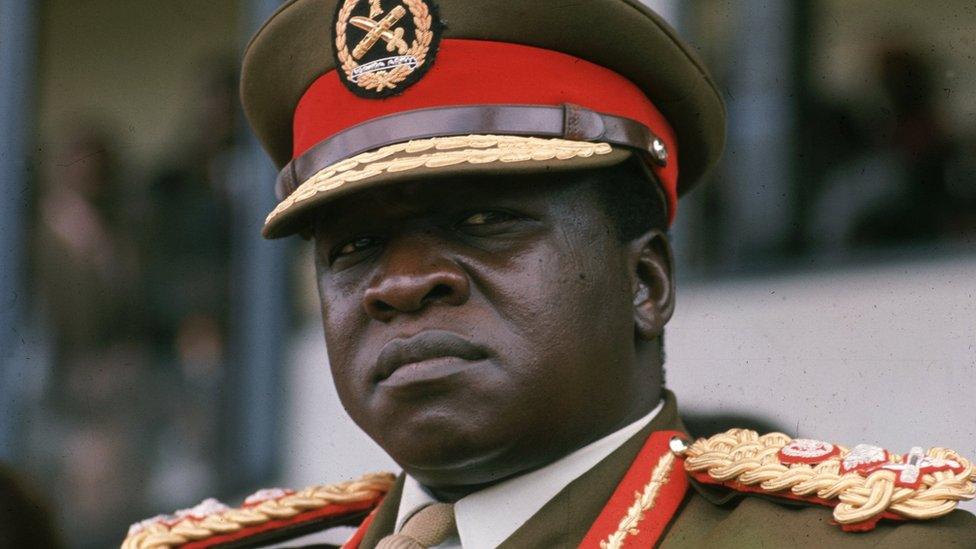 The following year, Obote introduced a new Constitution that transformed Uganda into a republic, abolished the traditional kingdoms and concentrated greater powers in the presidency. The promise of a peaceful constitutional transition had therefore given way to political confrontation.
The Amin years
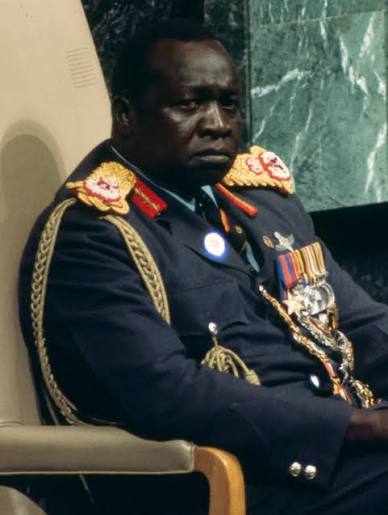
On January 25, 1971, Obote was overthrown by his army commander, Idi Amin. Amin’s eight-year rule became one of the darkest chapters in Uganda’s history, characterised by killings, disappearances, repression, economic collapse and the expulsion of the Asian community.
The period also demonstrated how fragile the institutions inherited at Independence had become. In 1978, Amin’s forces invaded Tanzania’s Kagera region. Tanzania responded militarily, and Ugandan exiles joined the counter-offensive. Kampala fell in April 1979 and Amin fled the country.
The revolving door of presidents
The fall of Amin did not immediately produce political stability. Uganda entered another period of rapid leadership changes. Yusuf Kironde Lule became president in April 1979 but served only 68 days, the shortest presidency in Uganda’s history. He was removed after disagreements with the National Consultative Council.
Godfrey Lukongwa Binaisa succeeded Lule in June 1979. A lawyer and former Attorney General, Binaisa inherited a country struggling with insecurity, political divisions and institutional weakness. He remained in office for less than a year.
Binaisa captured the mood of the period when he said: “No one tribe or section will ever dominate Uganda. The UNLF is our last chance.” His government, however, also collapsed amid political and military tensions. Paul Muwanga subsequently headed the Military Commission, the transitional authority that organised the 1980 elections.
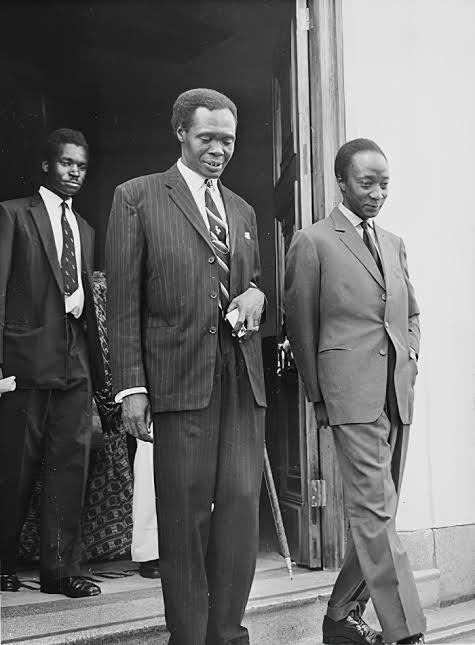
Those elections returned Apollo Milton Obote to power in what became one of the most disputed electoral contests in Uganda’s history. Obote’s second government faced rebellions, economic difficulties and growing political opposition. In 1981, Museveni’s National Resistance Army launched a guerrilla war in the Luwero Triangle.
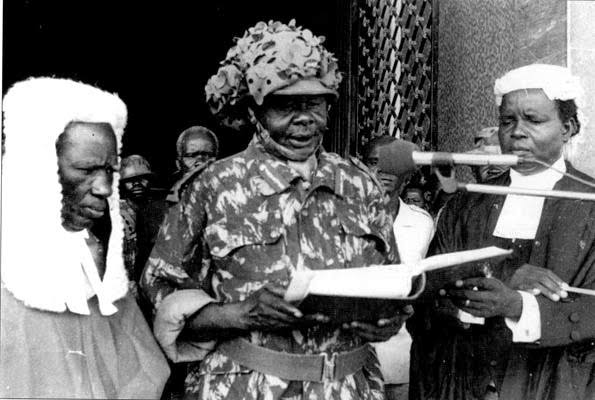
The conflict devastated communities and deepened Uganda’s political and ethnic divisions. In July 1985, Obote was overthrown by the military and Gen Tito Okello Lutwa became president. Okello’s brief administration sought to negotiate with the NRA, but the talks failed. When he was sworn in, Okello acknowledged the importance of popular legitimacy, saying: “We realize the will of the people is the basis of government.” But the war continued.
The 1986 turning point
On January 26, 1986, Museveni’s NRA captured Kampala and ended the Okello government. Four days later, on January 29, Museveni was sworn in as President on the steps of Parliament. His inaugural words became one of the defining statements of Uganda’s post-independence history:
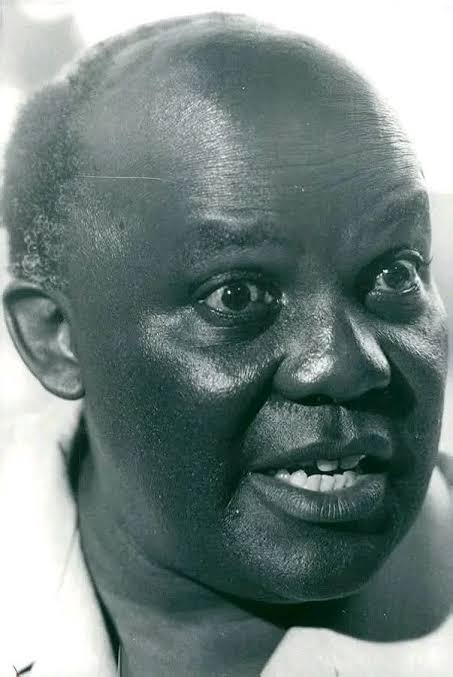
“No one should think that what is happening today is a mere change of guard: it is a fundamental change in the politics of our country.” He promised the restoration of democracy, security and a political system in which government would serve the people rather than dominate them.
The new government embarked on a programme of reconstruction after years of political violence and economic decline. The 1995 Constitution established a new constitutional framework, while the restoration of multiparty politics later opened another chapter in Uganda’s political development.
40 years of the Museveni era
Museveni has now governed Uganda for more than four decades, making his administration by far the longest continuous government since Independence. His supporters credit the NRM government with restoring relative stability, rebuilding infrastructure, expanding education and health services, attracting investment and maintaining macroeconomic stability.
His government has also faced criticism over the concentration of political power, the conduct of elections, restrictions on opposition politics and questions surrounding the role of the military in politics. Nevertheless, the stability of the past four decades represents a significant departure from the rapid succession of governments that characterised Uganda between 1962 and 1986.
At last year’s Independence celebrations, Museveni said peace remained the foundation of Uganda’s progress, saluting Ugandans and the UPDF for maintaining stability. The President has repeatedly linked Uganda’s future to economic transformation, arguing that political independence must ultimately be matched by economic independence. That argument reflects the changing meaning of Independence itself.
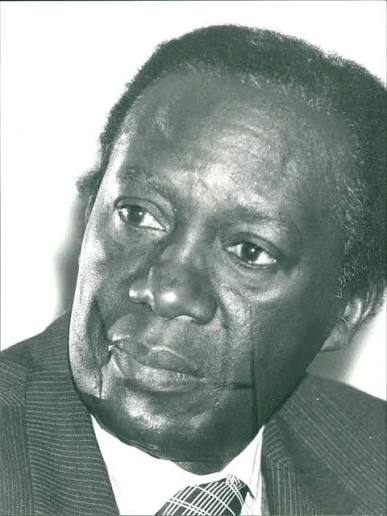
In 1962, independence largely meant freedom from colonial political control. Today, the debate has expanded to include economic sovereignty, industrialisation, employment, technological development, food security and Uganda’s ability to determine its own economic destiny.
The presidents who shaped Uganda at 64
Uganda’s 64-year journey can also be read through the leaders who occupied the highest office. Sir Edward Muteesa II (1962–1966): The Kabaka of Buganda became Uganda’s first President under the Independence Constitution. His presidency ended during the 1966 constitutional crisis and he went into exile after the attack on the Lubiri.
Apollo Milton Obote (1966–1971; 1981–1985): Uganda’s first executive Prime Minister became president after the 1966 crisis and later returned to power after the 1980 elections. His two administrations were marked by major political and military upheavals.
Idi Amin Dada (1971–1979): Amin seized power in a military coup and ruled for eight years. His government became synonymous with repression, disappearances and economic dislocation. Yusuf Kironde Lule (1979): The first post-Amin president served for only 68 days before being removed by the National Consultative Council.
Godfrey Lukongwa Binaisa (1979–1980): A lawyer and former Attorney General, Binaisa presided over a short-lived transitional government before being removed from office. Paul Muwanga (1980): He headed the Military Commission during the transition to the 1980 elections and is included in official historical accounts of Uganda’s post-independence leadership.
Apollo Milton Obote (1981–1985): His second administration was confronted by the NRA insurgency and other armed rebellions before he was overthrown in July 1985. Gen Tito Okello Lutwa (1985–1986): Okello took power through a military coup but was defeated by the NRA in January 1986. His administration lasted only about six months.
Yoweri Kaguta Museveni (1986–present): Museveni took power after the NRA victory and has since overseen the longest continuous presidency in Uganda’s history. His era has been defined by relative political stability, economic reconstruction, infrastructure expansion and an enduring debate over democratic governance and political succession.
From political independence to the next generation
At 64, Uganda stands far removed from the country that gathered at Kololo in 1962 to receive the instruments of power from Britain. The country has survived coups, wars, constitutional crises, economic collapse, insurgencies and major political transitions. Yet the central question of Independence remains remarkably similar: what does it mean for Ugandans to control their own destiny?
Obote’s call in 1962 for Uganda to go “from strength to strength”, Muteesa’s warning against division, Okello’s acknowledgement that government derives legitimacy from the people, and Museveni’s 1986 promise of “fundamental change” all speak to different moments in that long journey.
Friday’s celebrations at State House Entebbe will therefore be more than a commemoration of the lowering of the Union Jack 64 years ago. They will be a reminder of a country that began its independent life with a coalition government, passed through years of turmoil, and eventually entered a prolonged period of stability.
And as Museveni joins the 20 medalists being honoured, Uganda will once again be invited to reflect not only on the achievements of its leaders, but also on the unfinished work of Independence: building a sovereign, prosperous, peaceful and united nation whose citizens can determine their political and economic future. After 64 years, the journey continues.
Author Profile
- Charles Gazza Kodili is a seasoned journalist with over 20 years of experience in the media industry. He holds a Bachelor of Arts degree in Mass Communication. He’s currently the Chief Editor at the Investigator.
Charles can also be reached via; Tel: +256 774 108978
Email: [email protected]
Latest entries
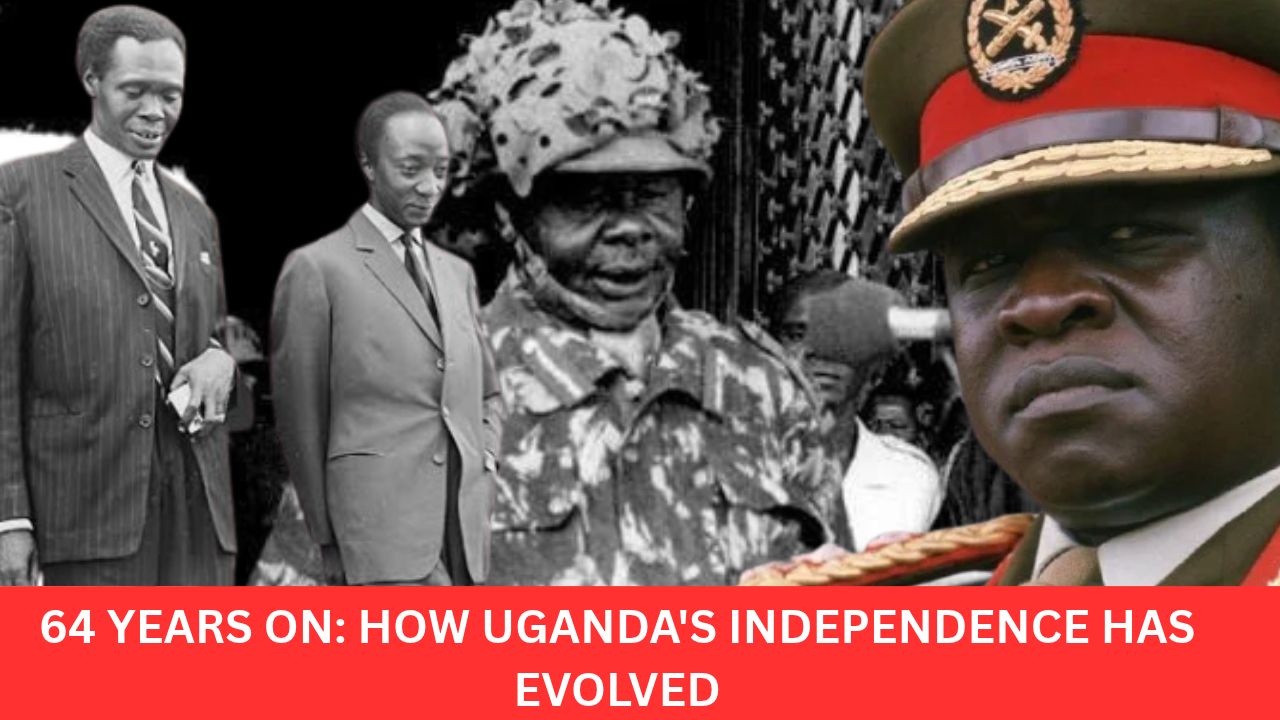 FeaturedOctober 8, 2026UGANDA AT 64: From Obote Receiving the Instruments of Power in 1962 to Museveni Receiving a National Medal in 2026, Uganda’s Independence Story Remains Unfinished. We Journey With You the Thorney 6+ Decades of Uhuru
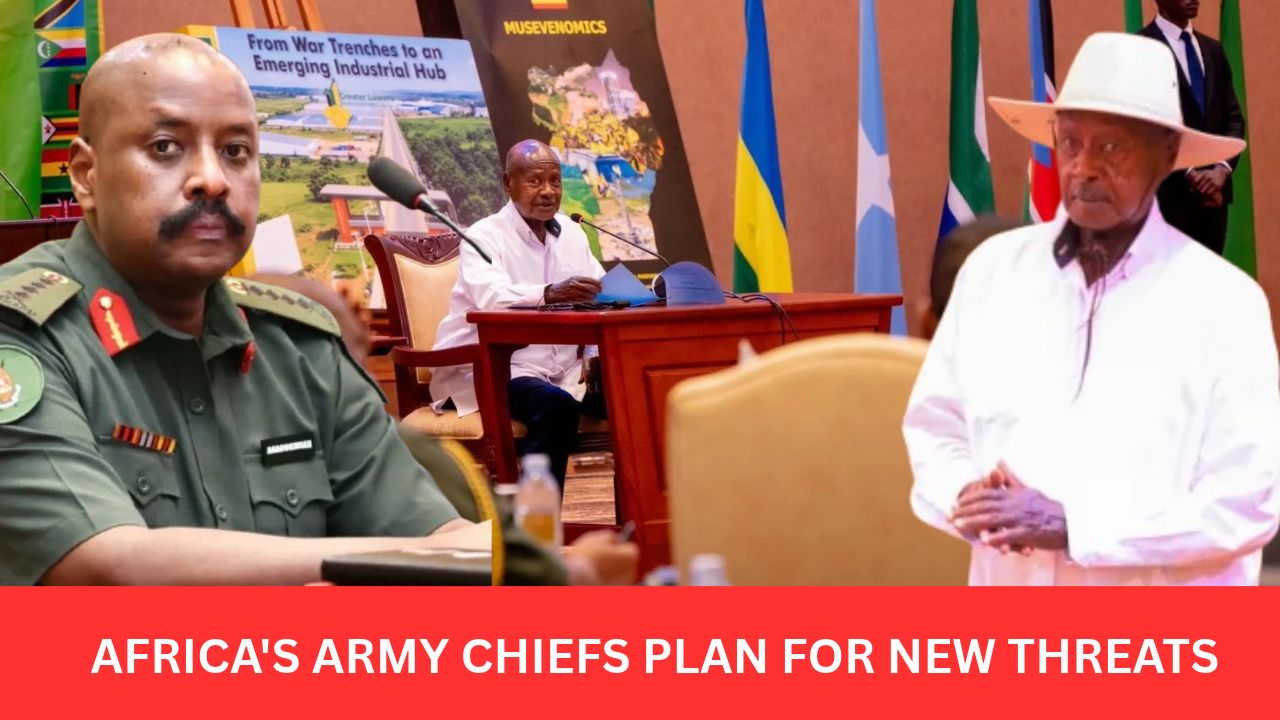 FeaturedOctober 8, 2026AFRICA MUST PREPARE FOR NEW WARS – MUSEVENI: The President Challenges Defence Chiefs to Link Military Strength With Economic Power, Political Stability and Regional Integration as African Armies Rethink Security Beyond Conventional Warfare
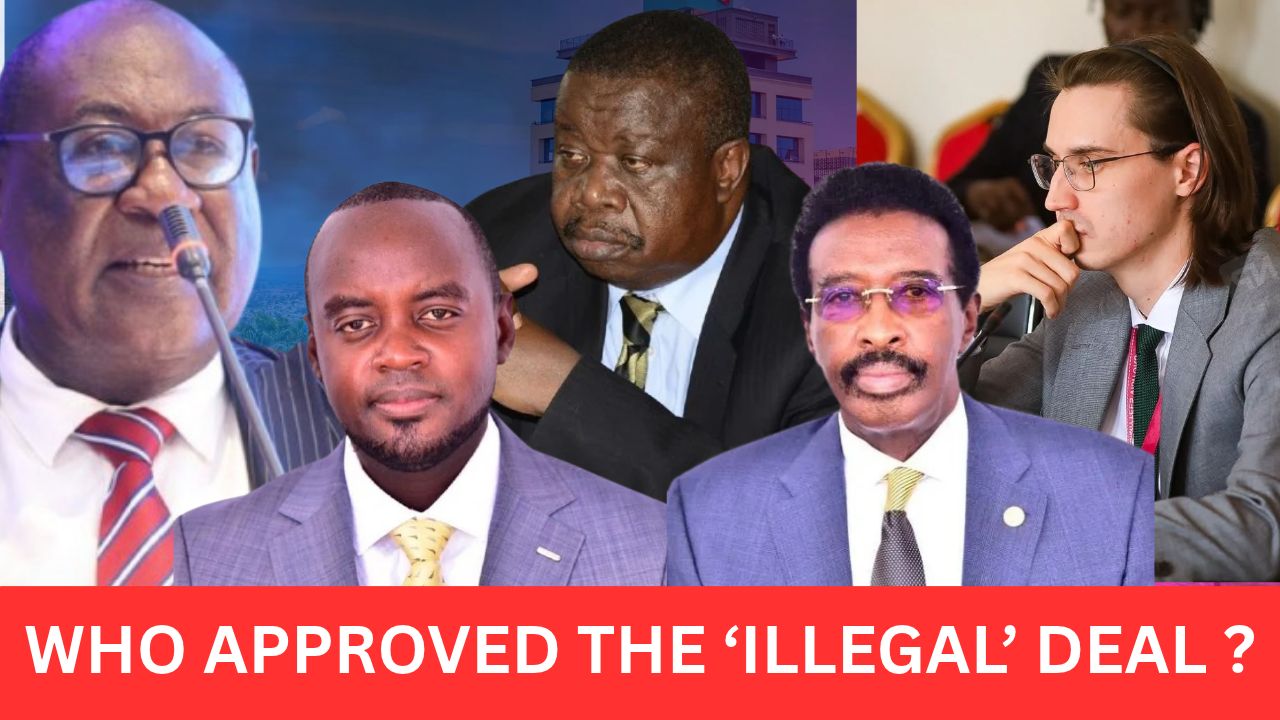 FeaturedOctober 7, 2026DIGITAL NUMBER PLATE SCANDAL: No Feasibility Study. No Financial Clearance. No Proper Value-For-Money Assessment. Parliament Now Wants Answers Over Who Authorised The Troubled Digital Number Plate Venture
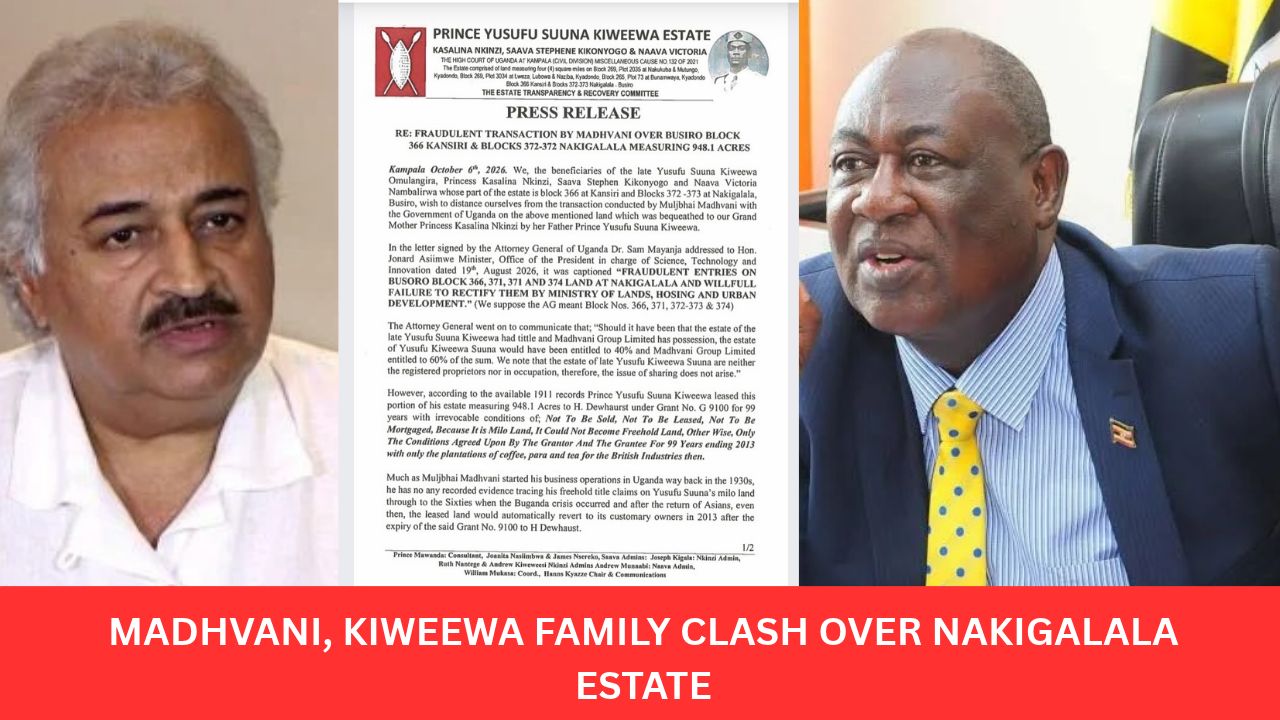 FeaturedOctober 7, 2026MADHVANI ON SPOT OVER A LAND BATTLE WITH PRINCE KIWEEWA FAMILY: Family Challenges UGX170b Government Deal, Says 948-Acre Estate Was Buganda `Milo Land` That Should Have Reverted To Customary Owners In 2013